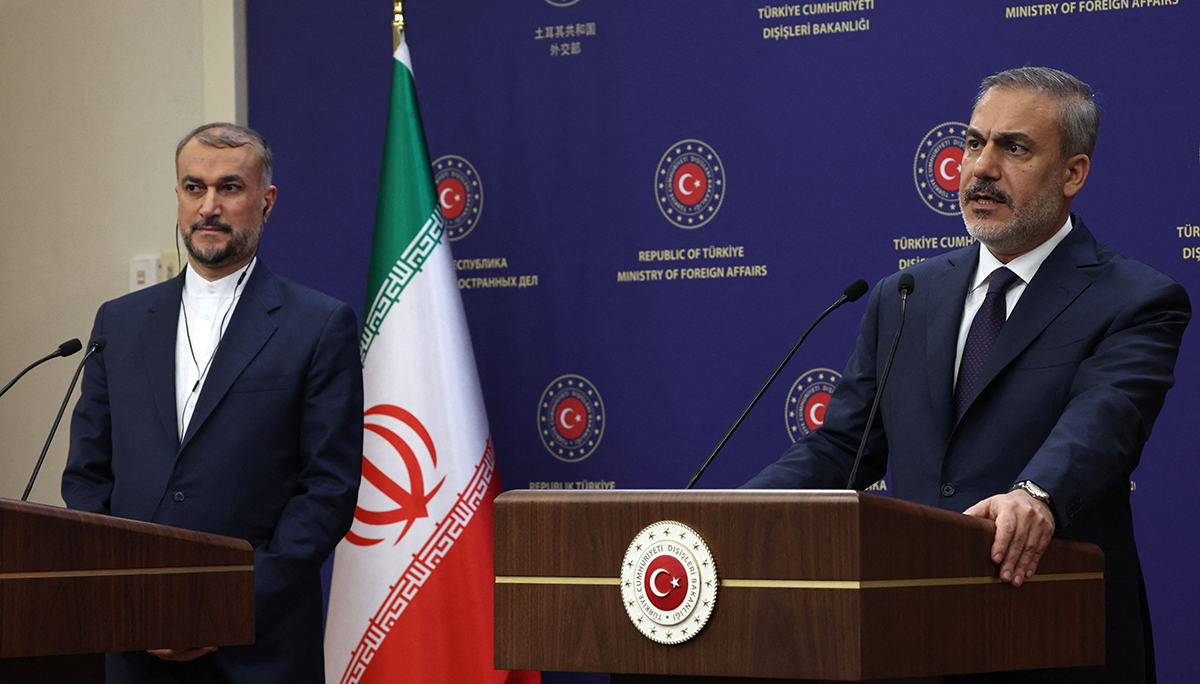
Turkey and Iran: Toward an “Axis of Revisionism” amid the war in Gaza?
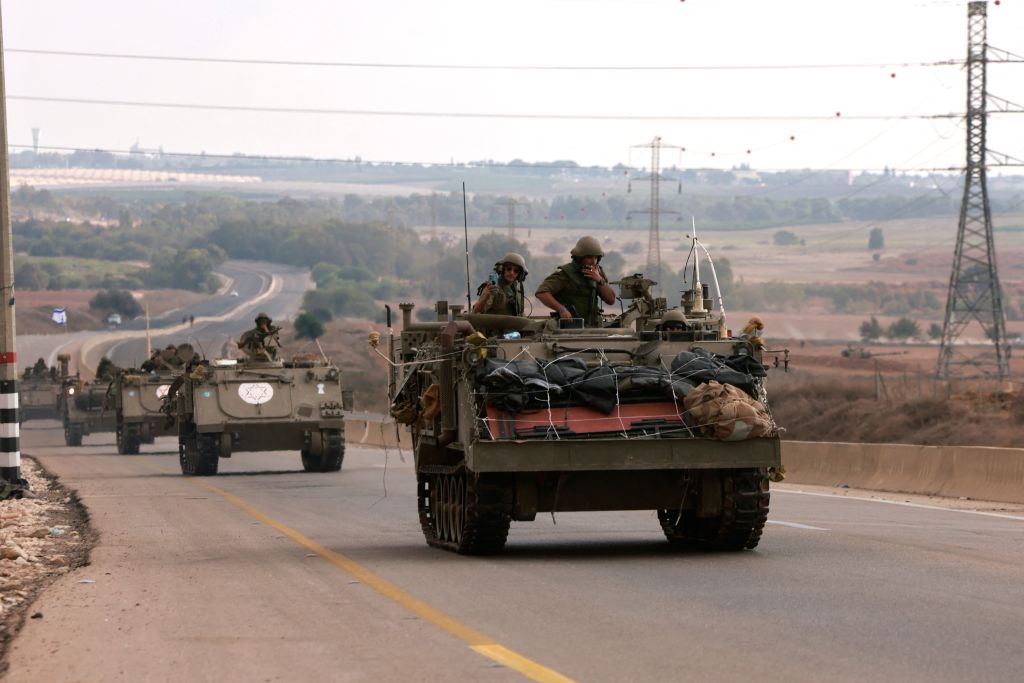
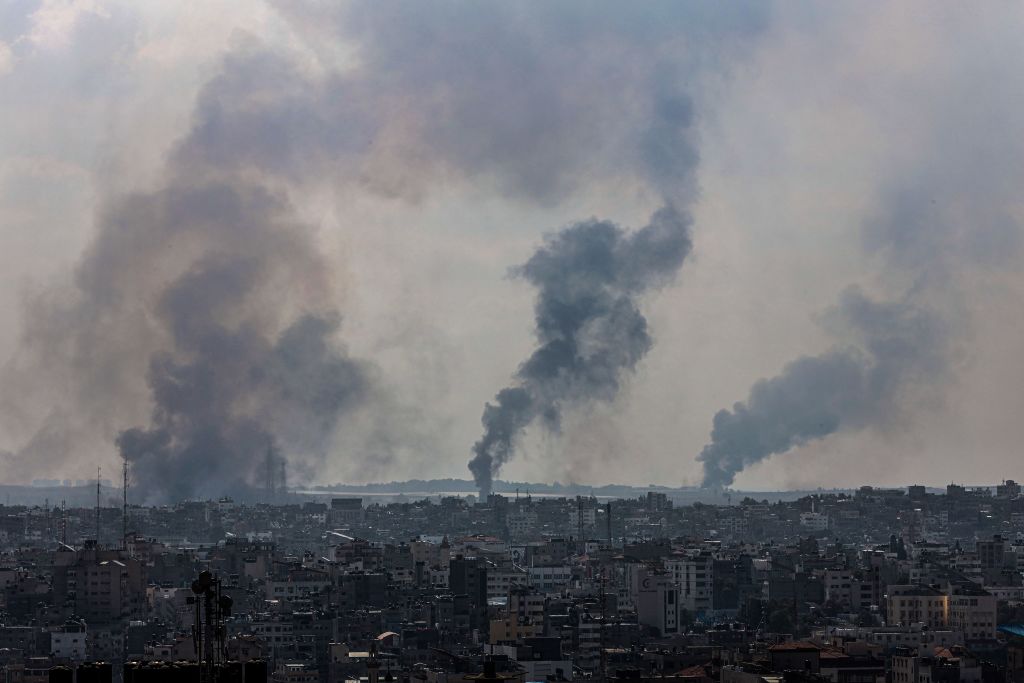
Hamas’ violent and unexpected Oct. 7 attack on Israel has shaken a fragile regional order in the Middle East. Ankara and Tehran are worried that a stronger U.S. presence in the Middle East is detrimental to their regional interests. The war in Gaza might help close the ranks between Turkey and Iran, yet there are serious limitations to a sustainable alliance between the two countries.
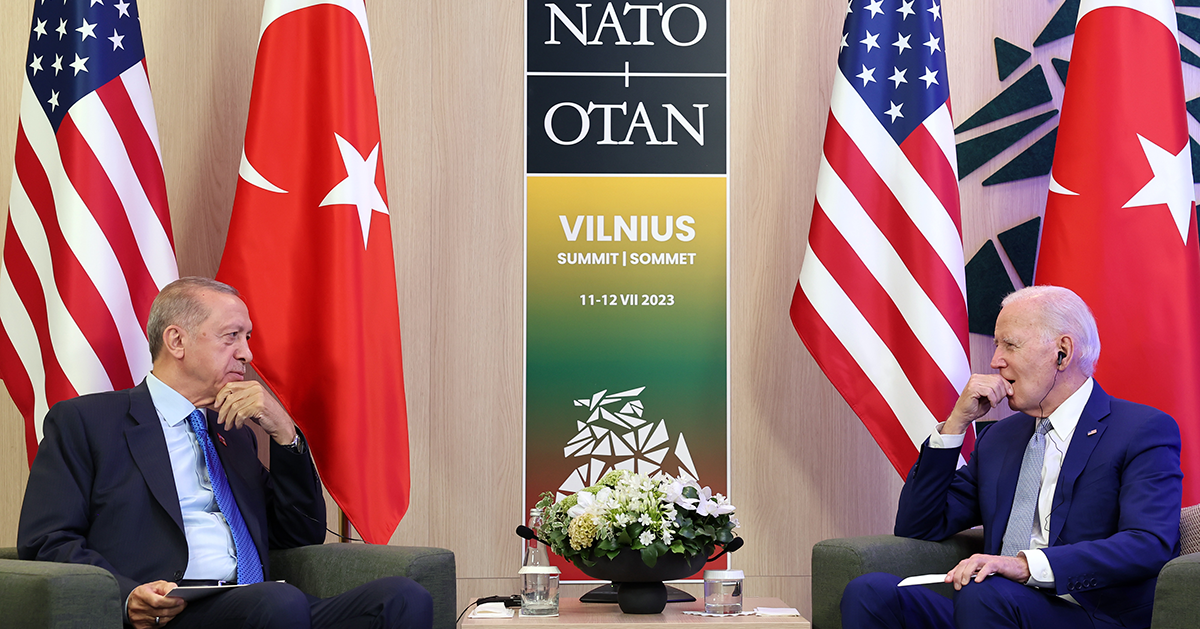
For the better part of a decade, Turkey and the U.S. have been locked in what might be considered an unhappy marriage, marked by bitter misunderstandings and growing distrust. Some optimists had hoped that something of a reset might be possible, but recent events, both in Turkey’s ongoing conflict with the PKK and because of the ripple effects from Israel’s war with Hamas, likely mean that U.S.-Turkish relations, far from improving, will get colder yet in the months to come.
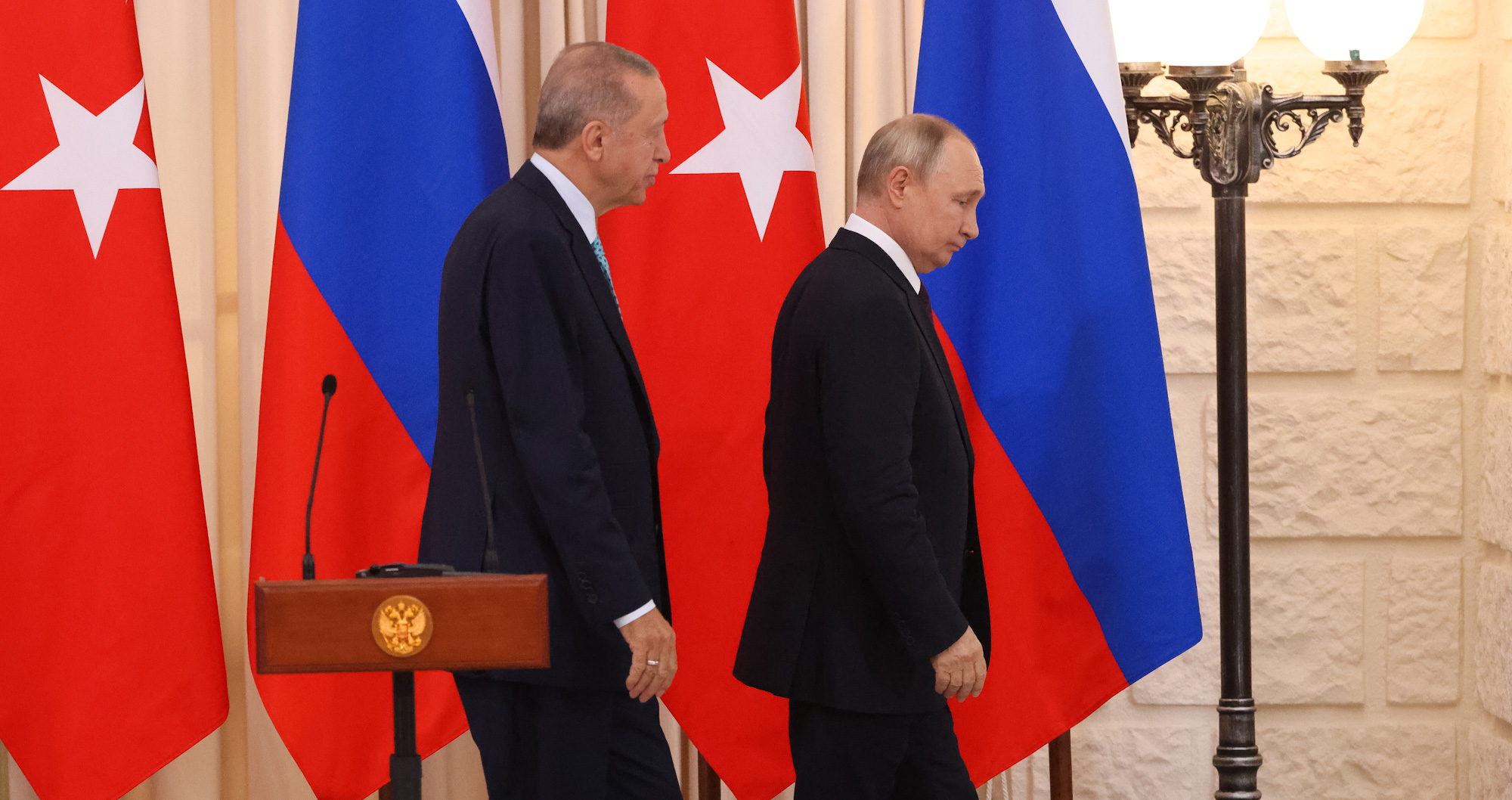
With Russia’s future uncertain, Turkey and the West need each other
Prigozhin’s coup was a serious warning sign that should prompt Turkey to cool ties with Russia and rebuild its relationship with the West. Yet today, Turkey and the West look at each other in terms of problems not solutions. While the political risks of reengagement are high for both sides, the potential rewards are well worth the effort needed to overcome them.
Earthquake in Afghanistan: Natural disasters, international isolation, and Taliban incapacity
On Oct. 15, a third earthquake hit western Afghanistan’s Herat province within the span of roughly one week. The Taliban’s international isolation has neither compelled the Taliban to change its behavior nor improved its capacity to respond to such disasters. A new policy for Afghanistan is long overdue and must place Afghans at the center of the debate. It’s time for the international community to wake up to that stark reality and respond to thehumanitarian crises turning Afghanistan into a black hole.
Turkish escalation in northeastern Syria amid changes in military strategy
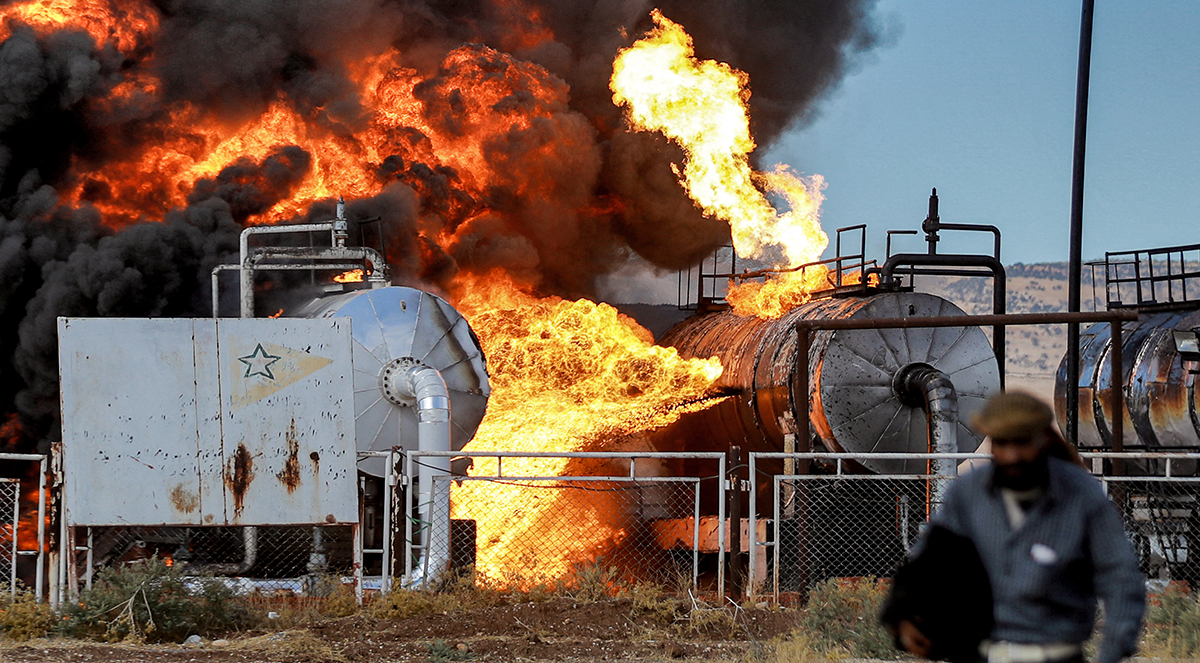
After several quiet months on the Turkish-Syrian border, tensions have escalated in recent days. Turkish forces have intensified their attacks against the SDF in northeastern Syria and targeted PKK hideouts along the Turkish-Iraqi border. This escalation is unfolding against the backdrop of the suicide blast in Turkey’s capital, Ankara, on Oct. 1 that targeted the Interior Ministry.
Myths and realities of ‘gender apartheid’ in Afghanistan under the Taliban
The dire state of girls and women in Afghanistan under the Taliban, a tragedy that has featured frequently in international media reports in the last two years, came up for discussion in the United Nations Security Council (UNSC) on September 27. The UNSC convened for an open briefing, followed by consultations focusing on the severe restrictions imposed on the rights of women and girls in the country.
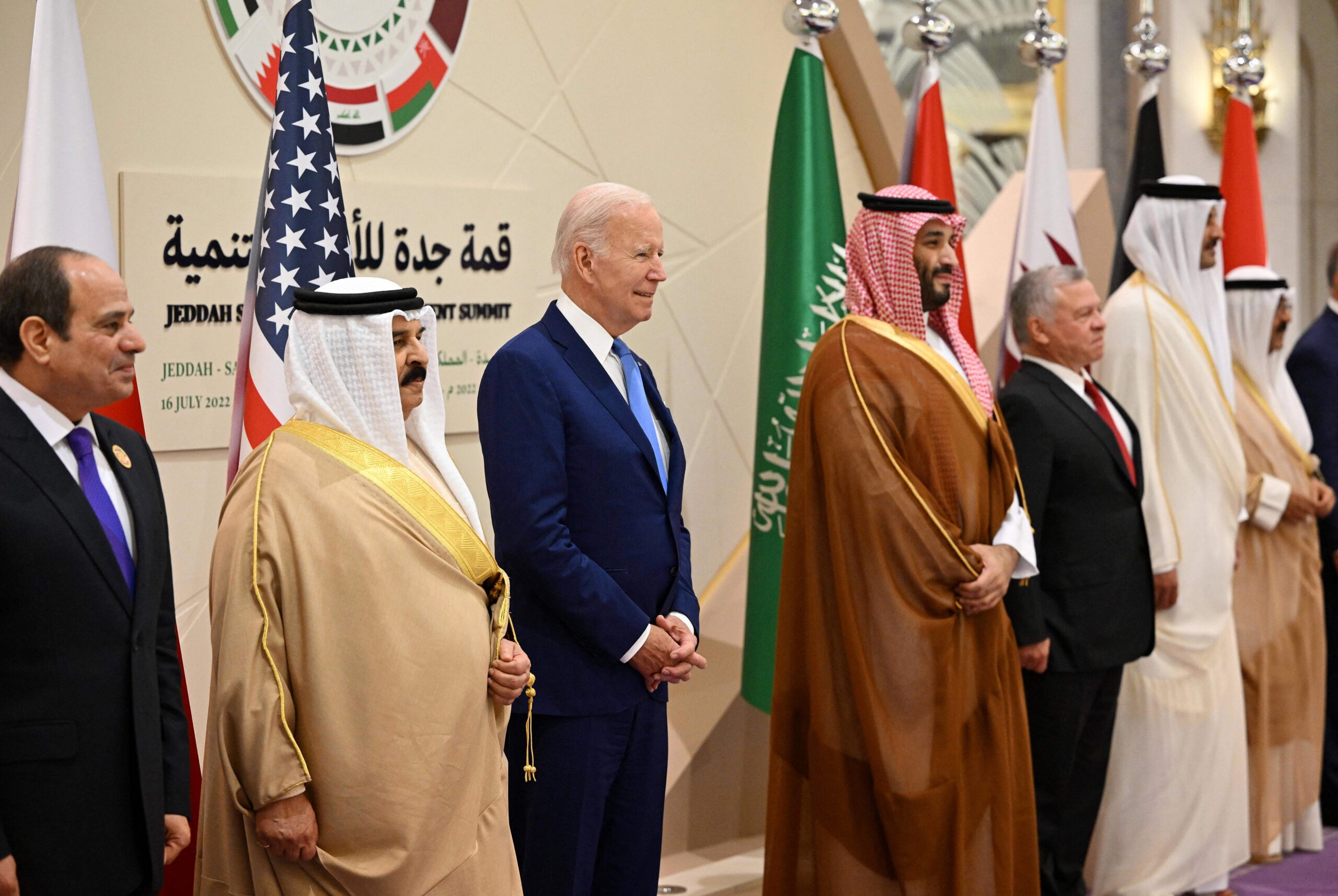
Treading Cautiously on Shifting Sands: An Assessment of Biden’s Middle East Policy Approach, 2021-2023
This report provides an interim assessment of the Biden administration’s overall Middle East strategy and examines the strategic opportunities and risks for U.S. policy in the broader region.
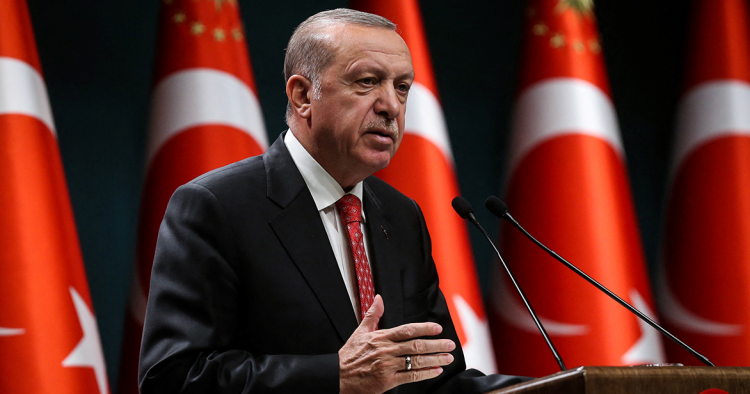
Autocracy not reform remains Erdoğan’s recipe for Turkey
Since Turkey’s presidential election in May, western analysts have held out hope that Recep Tayyip Erdoğan will moderate his strongman style of rule. Feeding their optimism are several steps Erdoğan has taken, including appointing market-friendly technocrats to his economic team, replacing the hardline interior minister, dialling down anti-western rhetoric and voicing support for Sweden’s Nato membership. All these moves, however, are aimed at strengthening Erdoğan’s one-man rule, and the west is helping him.
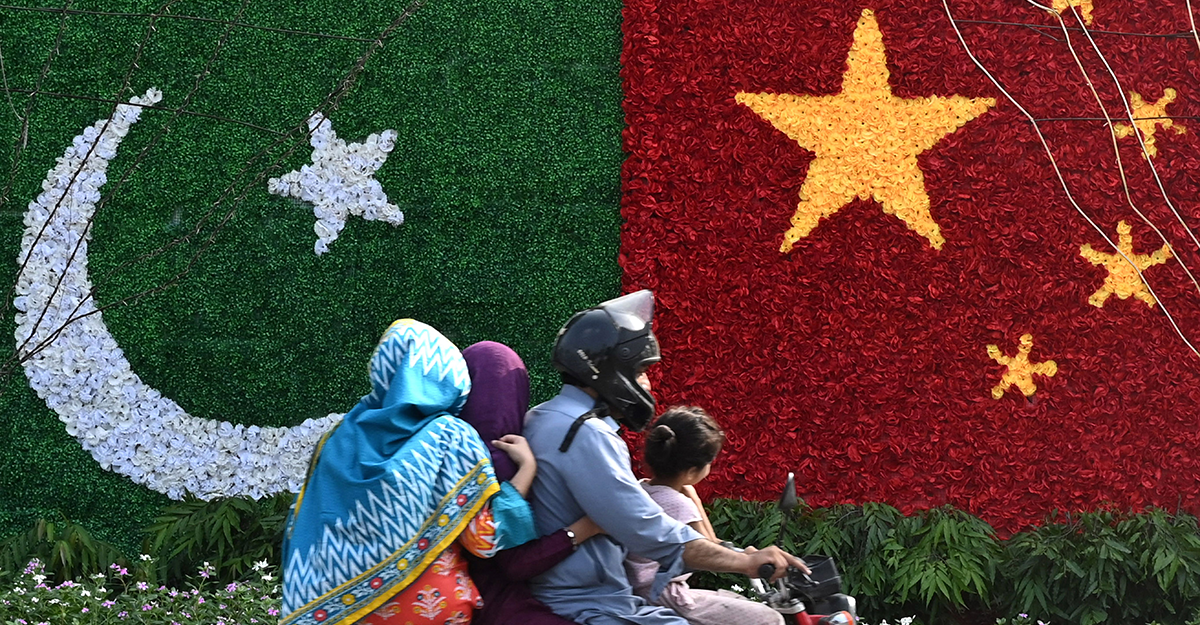
Beyond diplomacy: Charting China's multifaceted partnership with Pakistan
Pakistan’s intensifying economic, political, and security instability is not good news for China’s strategic investments. So, what are Beijing’s options?
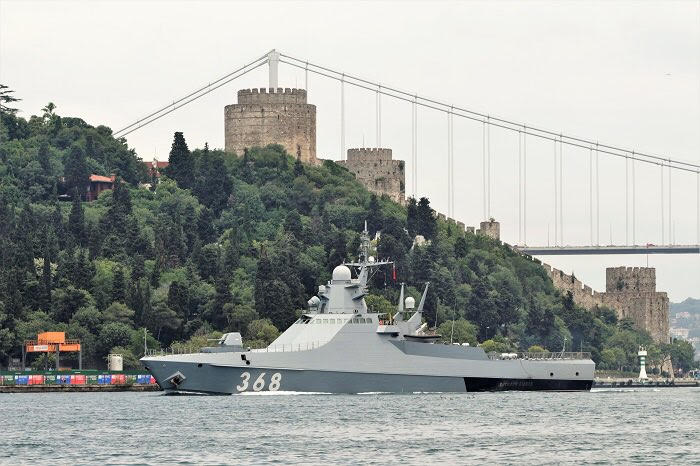
Russia’s aggressive behavior in the Black Sea can be challenged
Russia’s malign behavior in the Black Sea includes piracy, plunder, petroleum price cap violations, and actions to prevent the free transit of foreign commercial and naval vessels. Its largely unchallenged position in the Black Sea also helps Russia maintain access to foreign-made products and components, circumventing sanctions. The West and the broader international community have yet to act to decisively rein in these flagrant violations of international laws and norms.