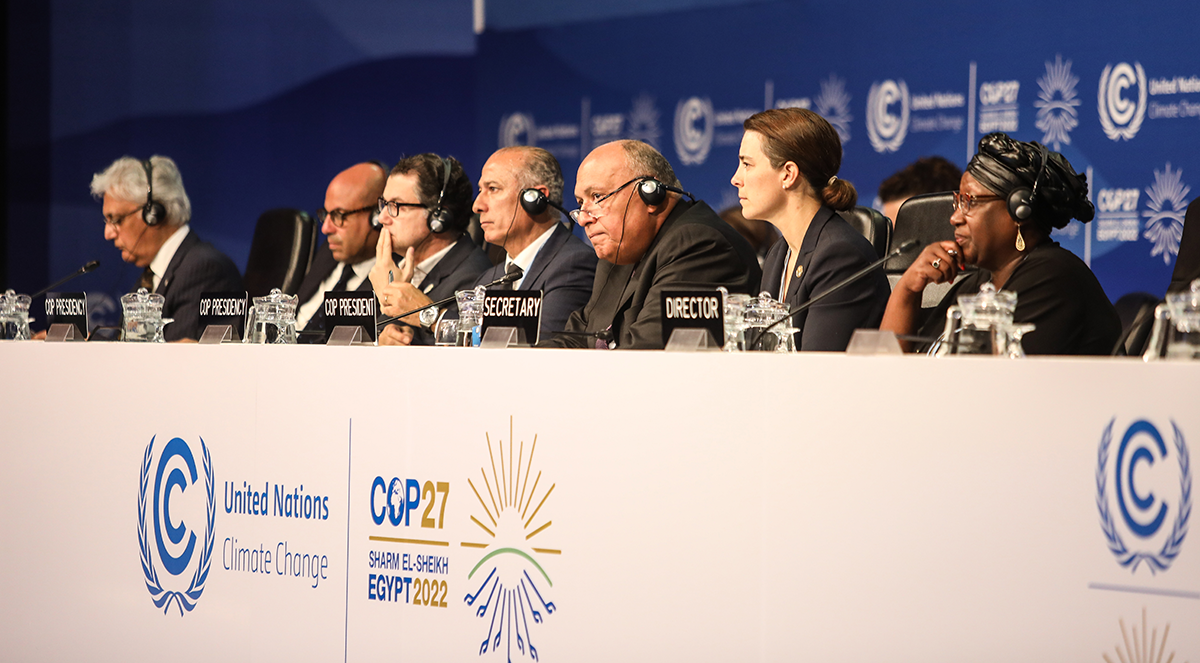
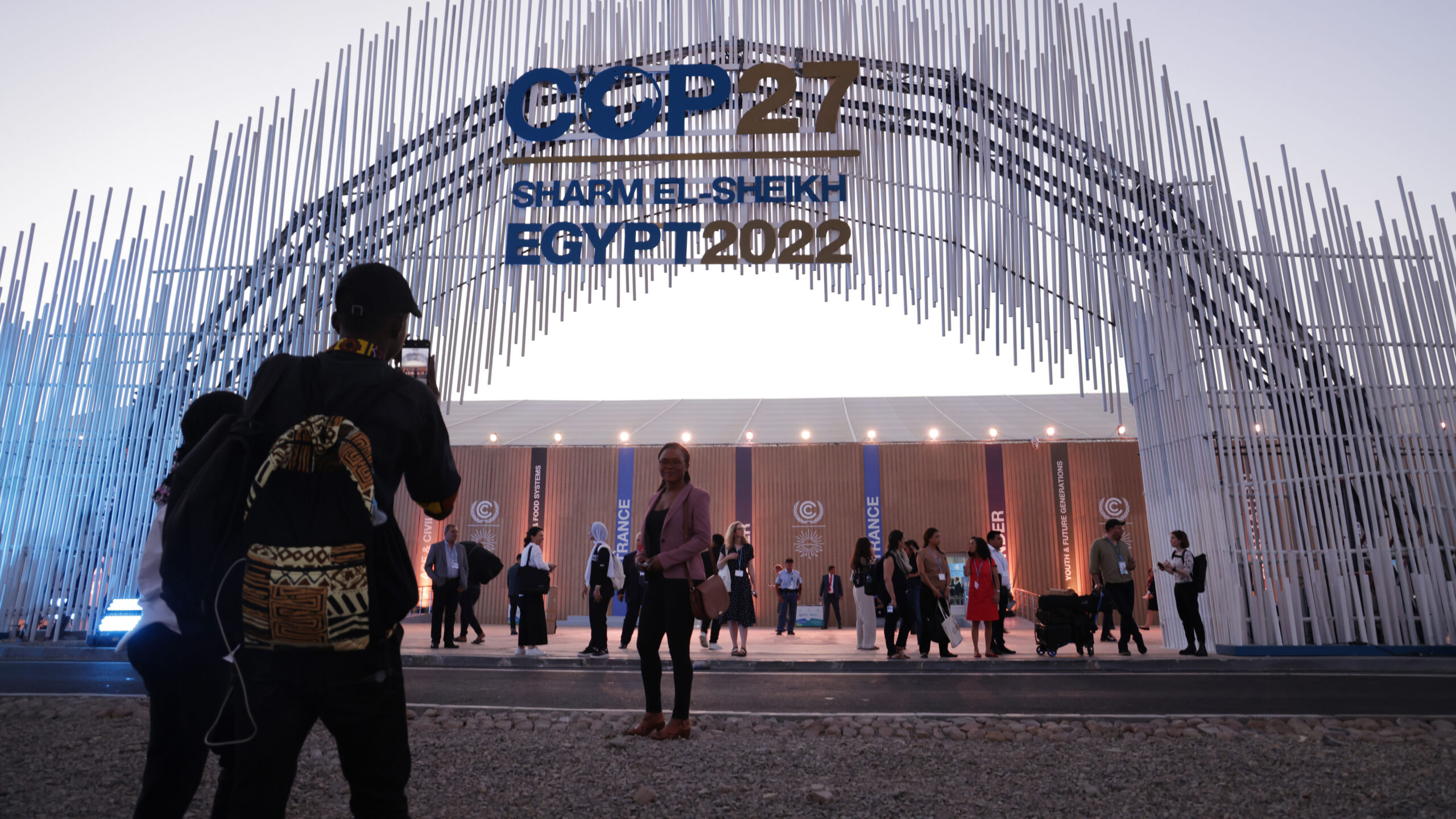
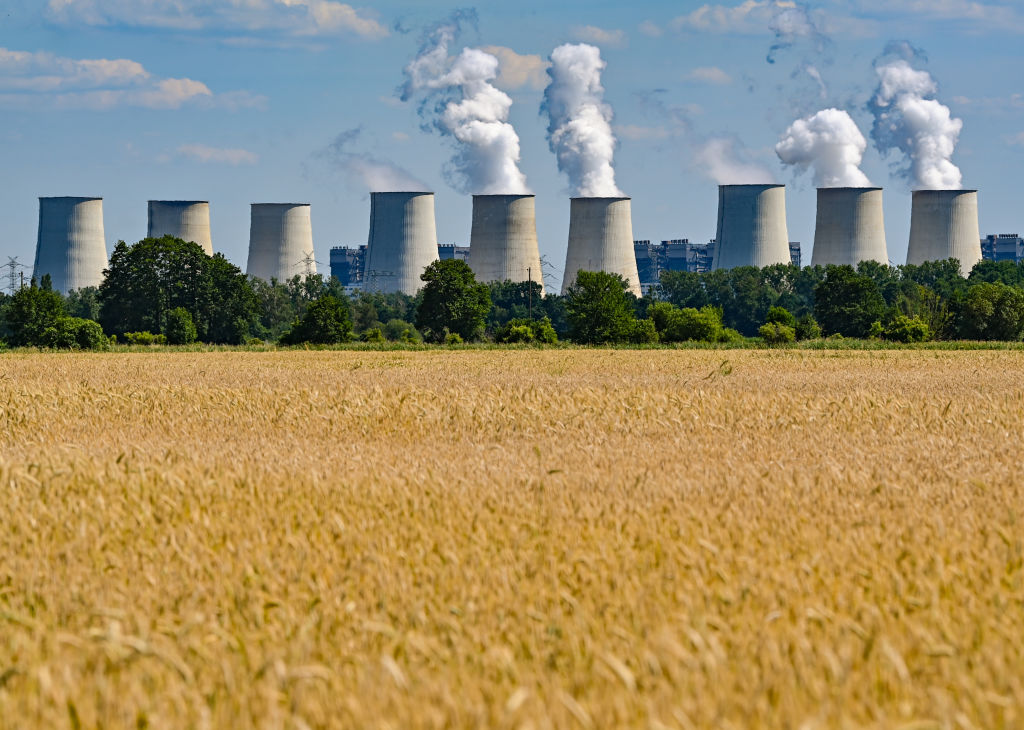
With COP27 concluded, we asked experts from across MEI, some of whom attended the meeting, to offer their perspectives on the developments that came out of the conference and what it means moving forward, especially for the Middle East and North Africa.
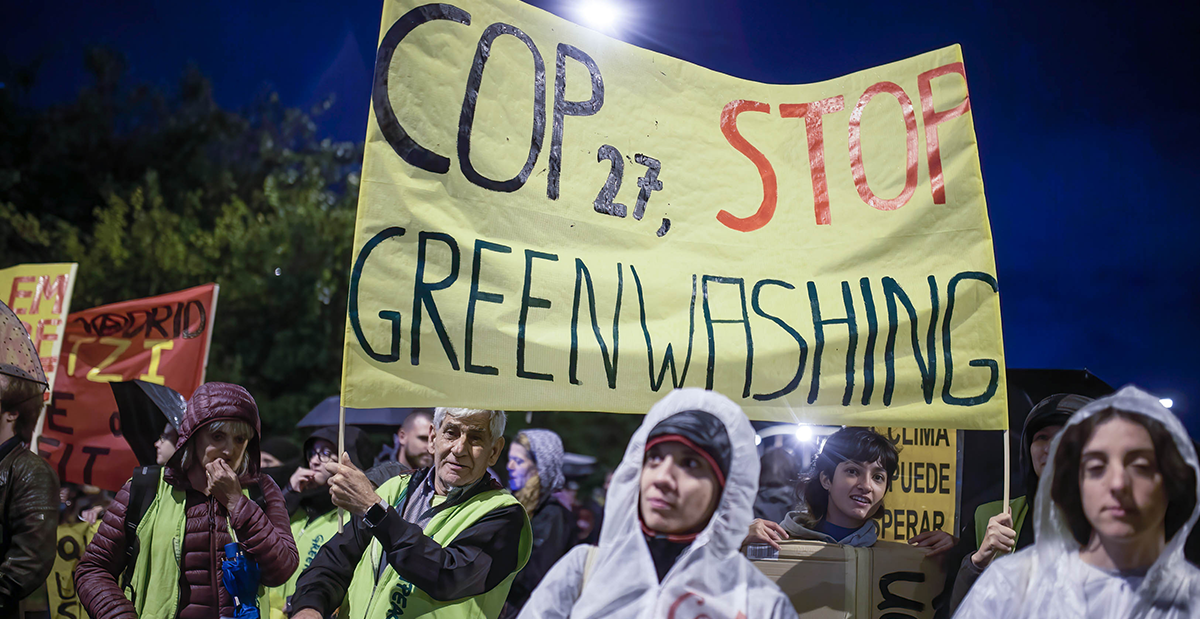
Many big polluters around the world, including in the Middle East and North Africa, use “greenwashing” to cover up their environmentally detrimental practices by claiming they are sustainable, eco-friendly, and low carbon in an effort to deceive people about climate action. This creates the false impression that everything has changed without actually changing anything at all.
Artificial intelligence is expected to significantly impact humanity’s progress, to the extent that Google CEO Sundar Pichai compares AI-induced advancement to being on par with that ushered in by fire and electricity. There are plenty of skeptics, however, like world-renowned scientist Stephen Hawking, who have raised doubts about whether it can be controlled in the long term and speculated that its development could even spell the end of the human race.
The future of climate technology: Data-informed policies are indispensable in mitigating climate risks
During COP27 in Egypt, world leaders discussed climate adaptation, mitigation, financing, and collaboration. Data is at the heart of these conversations. Although most countries are already integrating data into their policymaking process, it remains an under-utilized resource despite the fact that half the world is vulnerable to climate disasters.
The view from Vienna: OPSEC, Iran’s cyberpower, and tech decoupling
MEI’s Strategic Technologies and Cyber Security Program participated in both the DeepIntel and DeepSec conferences in Austria this past week. Here are our reflections on the conferences, the conversations we had there, and the overall agenda.
Dispatches from Sharm el-Sheikh: Reviewing COP27 from the MENA perspective
Participating in COP27 provided a unique opportunity to view the proceedings firsthand and evaluate the effectiveness of the meeting in advancing critical climate priorities that can alter the alarming trajectory of future climate change.
The starkness of reaching 8 billion in global population, as the U.N.’s report announced last week, makes it easy to think the numerical increase is the only story, but no trend can be considered in isolation. Three factors, none of which are MENA demographic trends, will be significant determinants of whether the region will be able to realize a hoped-for “demographic dividend.”
Dispatches from Riyadh: Reflections on the Global Cybersecurity Forum
MEI’s Center for Strategy and Emerging Technology participated in the second annual Global Cybersecurity Forum in Riyadh this past week. Here are our reflections on the conference, the conversations we had there, and the GCF’s overall agenda.
Briefing: Latest UN reports highlight urgency of emissions reductions just ahead of COP27
The latest Nationally Determined Contributions assessment report demonstrates that the parties to the Paris Agreement are boosting their plans to reduce carbon emissions.
However, current climate mitigation efforts are still insufficient to curb future global temperature increases to below 2°C — with a projected average temperature rise of 2.8°C by the end of century.
With Egypt hosting COP 27 this week, all eyes are on climate change in the MENA region. For today’s episode, Senior Fellow and Director of the Climate and Water Program Mohammed Mahmoud asked several of MEI’s Climate and Water Program scholars what they consider to be the most pressing issues regarding climate change, water resources, and the environment. Today’s guests include Andrei Covatariu, Athraa Khamis, Malak Altaeb, Megan Ferrando, Orestes Morfin, and Youssef Wehbe.