Libya remains the key for NATO to counter Russian malign activities in Africa
Eight years ago, few would have predicted that Russia could move in as quickly and comprehensively throughout Africa as it has done. Now there is widespread recognition of the threat posed by the destabilizing Russian expansion in Africa, to NATO, its members, and the African region.
Why they left: The causes and implications of the Russian peacekeepers’ withdrawal from Karabakh
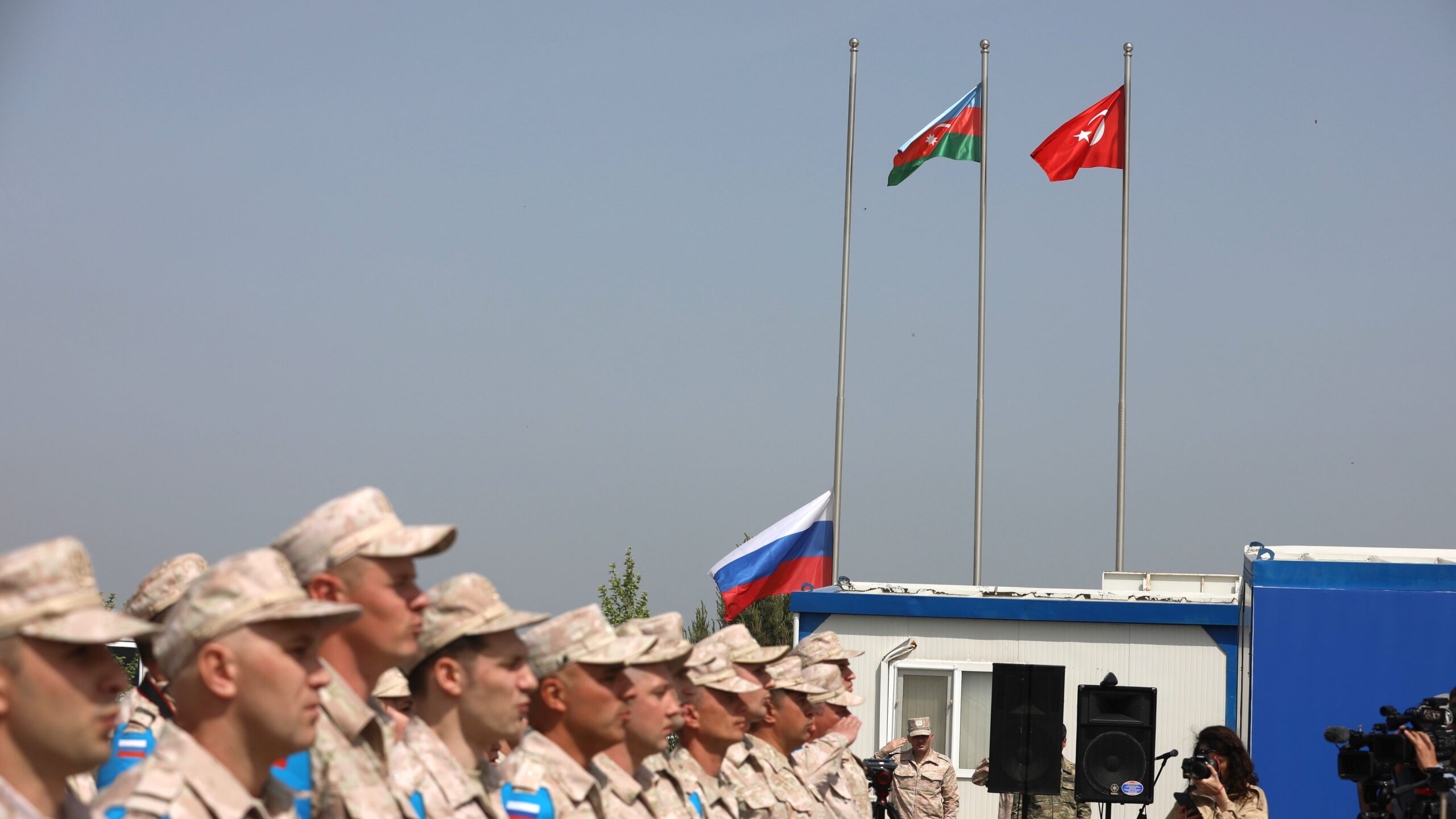
On April 17, Russian and Azerbaijani officials confirmed that the Russian peacekeeping forces deployed in Karabakh since November 2020 had begun pulling out from the region. The reasons behind the decision remain a matter of intense debate; but it is possible to draw several important conclusions from its timing and consequences.
Qatar’s LNG expansion plans and the issue of market oversupply
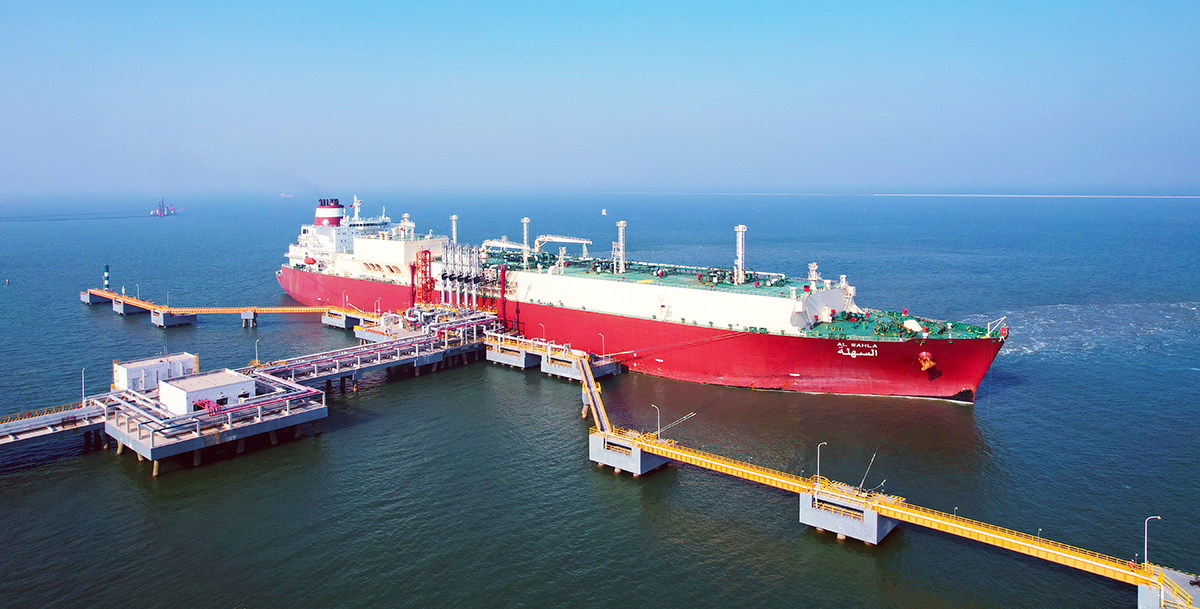
On Feb. 25, 2024, Qatar announced plans to increase its LNG production capacity by a further 16 million tons per annum (mtpa) in 2029-30, bringing the total to 142 mtpa. This would be the third such large-scale expansion of its LNG production within the next six years, but there’s one wrinkle: These new production volumes are set to come online at a time of significant oversupply in the LNG market. What accounts for Qatar’s decision?
As Armenia gradually reorients toward the West, Azerbaijan faces its own geopolitical choice
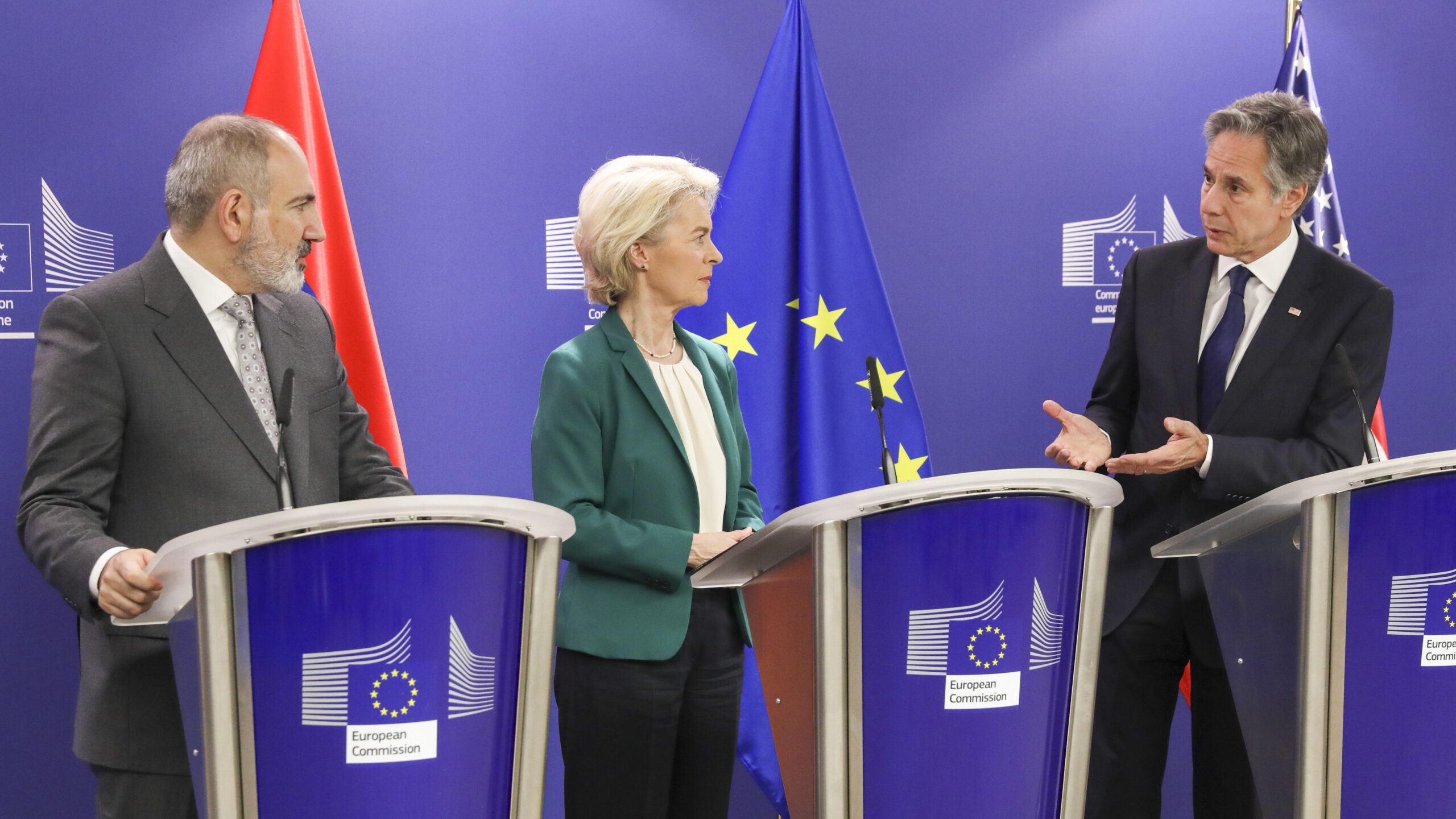
In early April, a highly publicized trilateral meeting involving the United States, the European Union, and Armenia was widely believed to mark a turning point in Yerevan’s relationship with the West. If it comes to pass, it will present Baku with its own critical decision: whether to abandon multi-vectorism and more fully align with Russia or the West.
Navigating the crossroads: Actionable cooperative measures to address global development challenges
As the world faces unprecedented challenges, from climate crises to migration pressures, the need for concerted action to address financing for development has never been more urgent. Against a backdrop of resource constraints, geopolitical shifts, and faltering progress on the UN Sustainable Development Goals, it is imperative to chart a course of action that is both pragmatic and visionary. This piece outlines 10 actionable measures to tackle these multifaceted challenges and pave the way for a more sustainable and equitable future.
Despite new sanctions measures, targeting Iranian oil sales is a lose-lose proposition for the US
On April 21, the US House of Representatives passed the long-awaited aid package for Israel, Ukraine, and Taiwan. The legislation contained another long-sought-after measure: authority for the US government to tighten restrictions on Iran’s oil exports. But in truth, aggressive US action remains unlikely and there are powerful operational, strategic, and political barriers preventing the US from shutting down Iran’s oil trade or hindering it in a material way.
Circus of Parties: The COP is broken but it is the only show in town
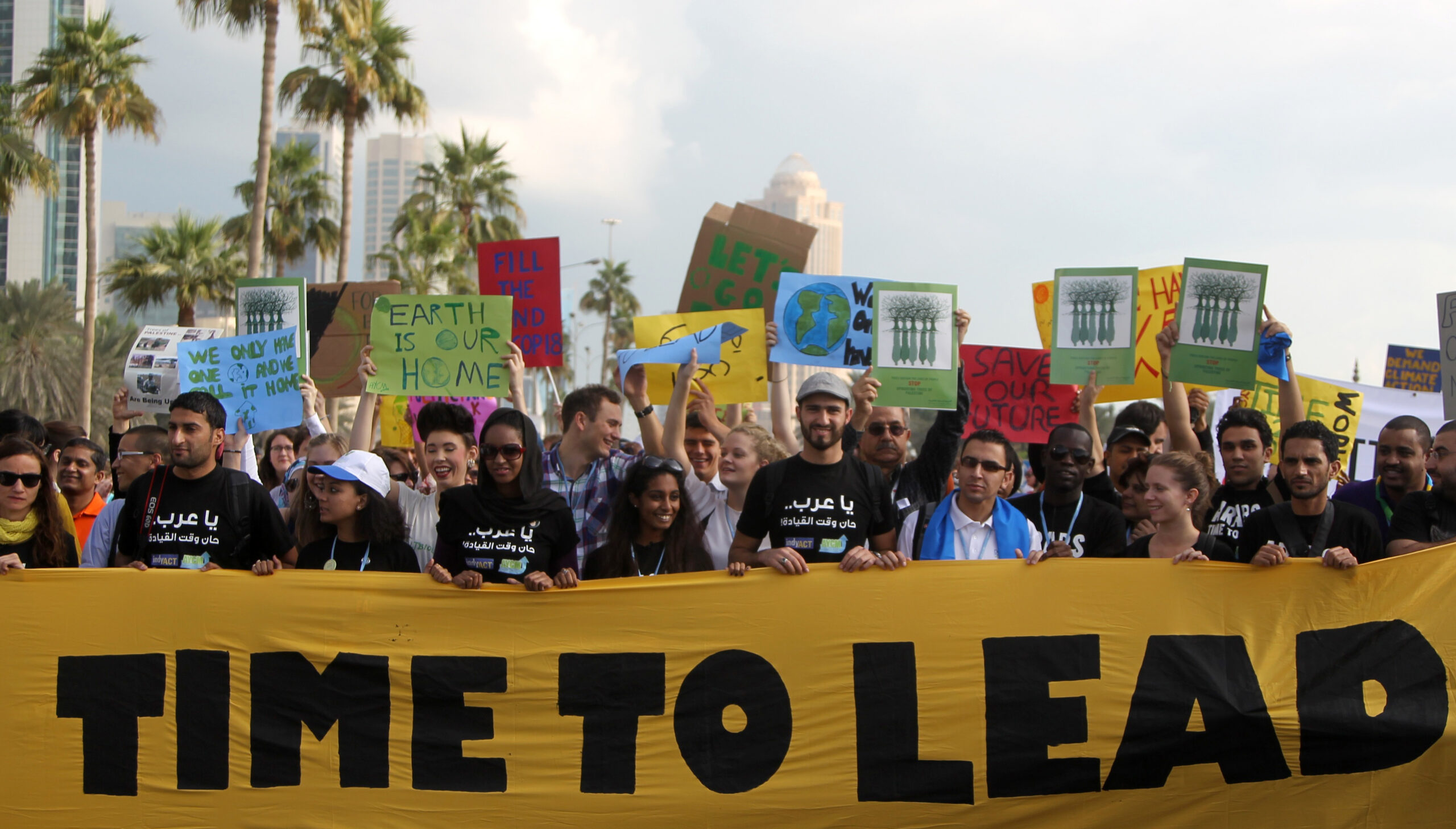
COP28 was billed as our last best chance to get the world’s act together and save our chances of limiting warming to 1.5 degrees Celsius. However, the final outcome fell far short of the commitments so desperately needed to keep the target alive. The future of COP lies in refocusing on its fundamental objective: ensuring that countries are held accountable to science-based targets that prioritize the needs of vulnerable communities most affected by climate change.
The great financing gap: The state of climate funding in MENA
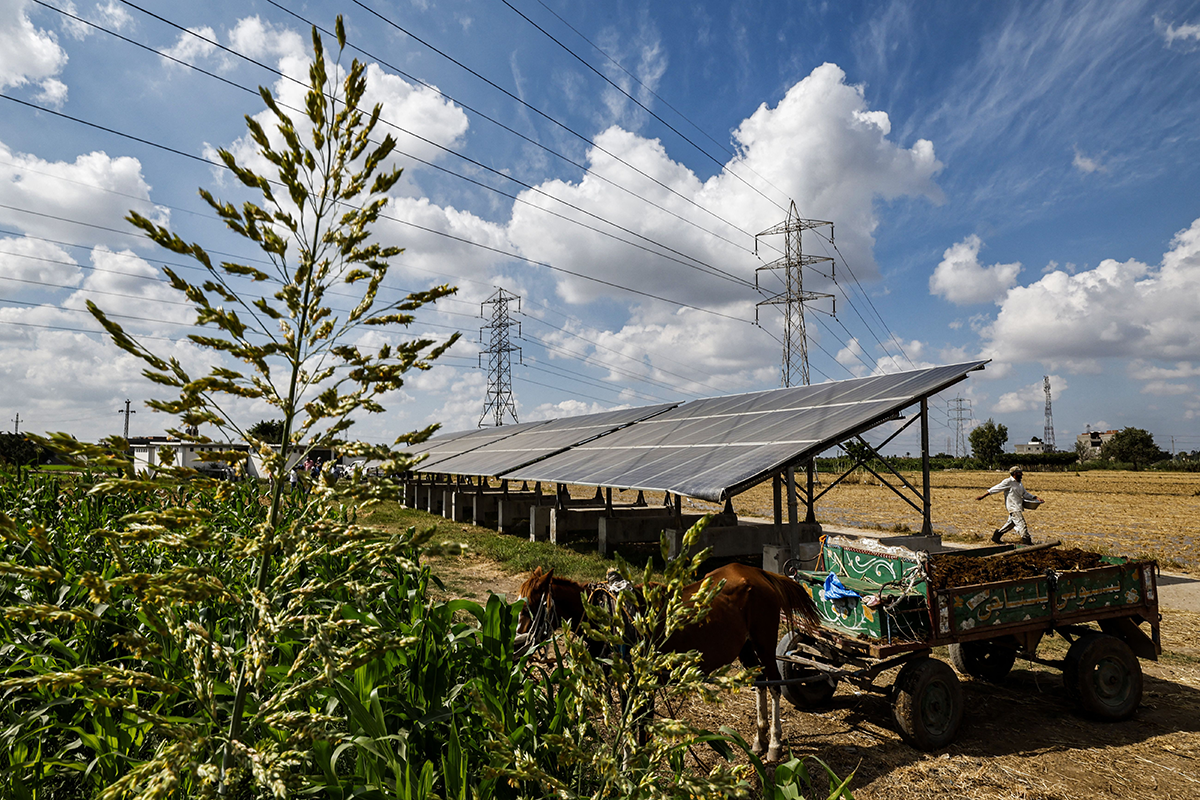
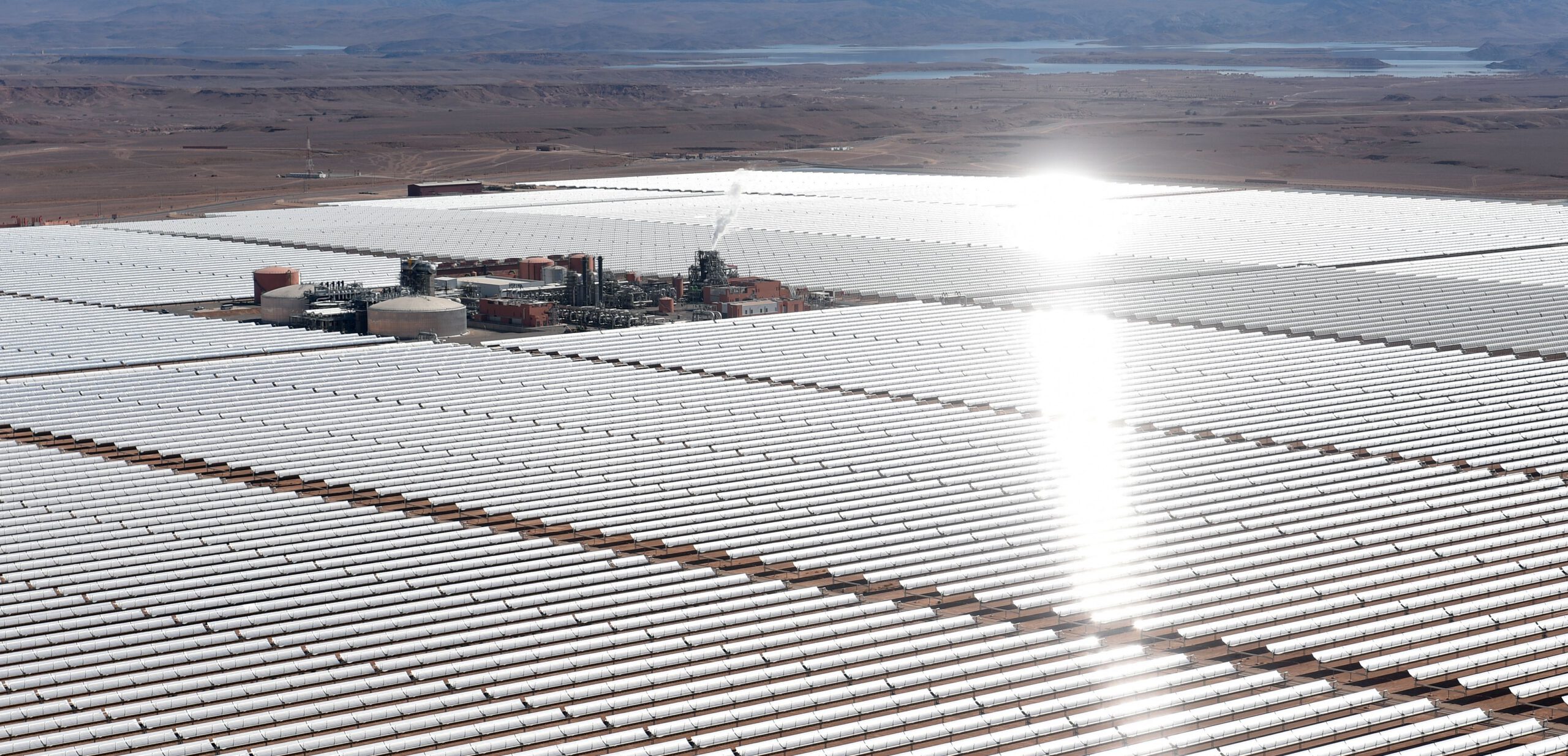
The Middle East and North Africa region is one of the lowest recipients of climate finance compared to other areas of the globe, such as East Asia and the Pacific Islands, despite MENA’s exposure to extreme climate risks. The MENA region’s share of climate financing from the big three global climate funds — the Green Climate Fund (GCF), the Climate Investment Funds (CIF), and the Global Environment Facility (GEF) — and their sub-funds made up only 6.6% of their cumulative global financing through 2023.
Sweeping the minefield: The case for a NATO Black Sea Fleet
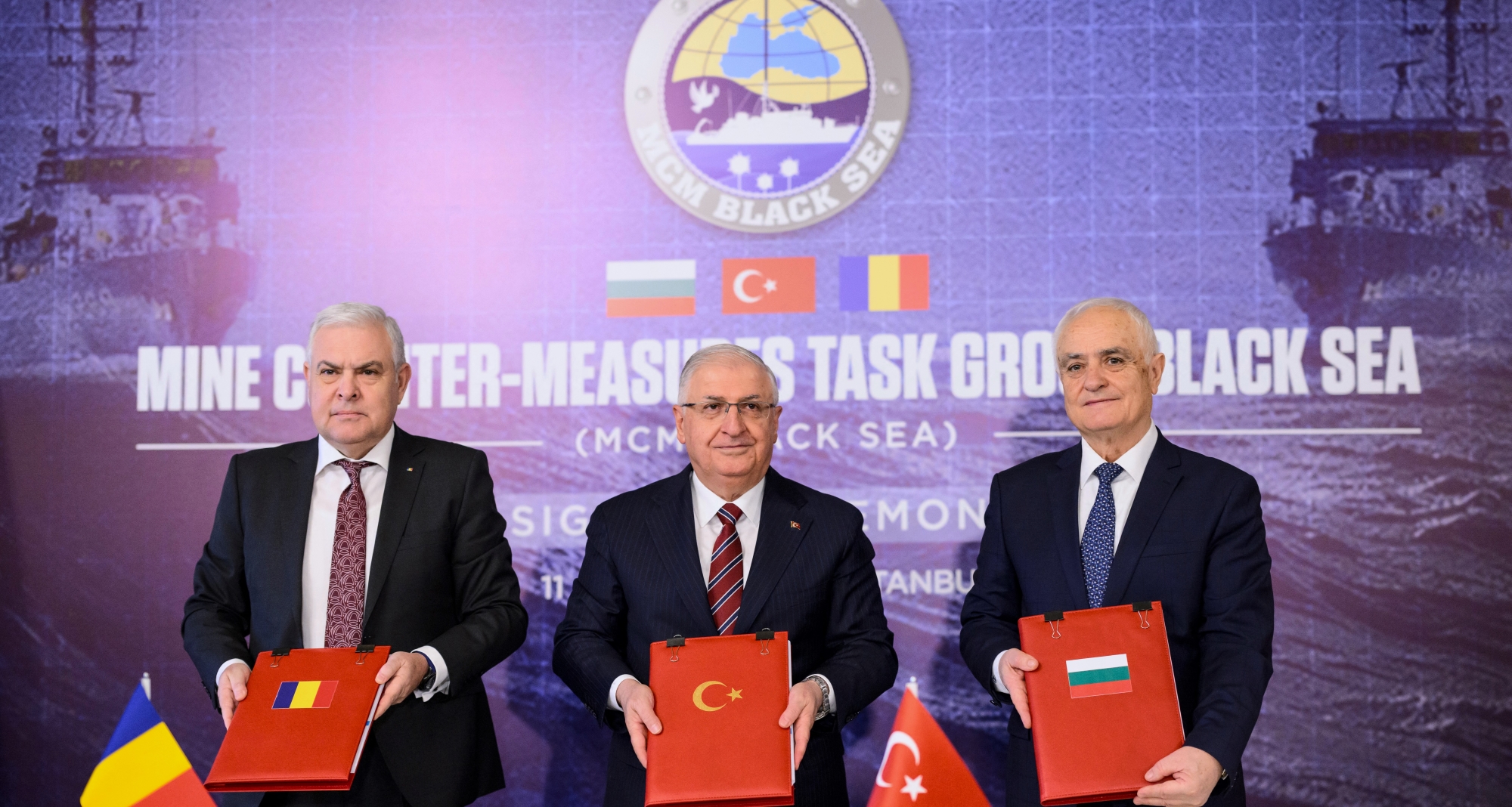
Since the start of Russia’s full-scale invasion of Ukraine, the threat of sea mines to maritime traffic in the region has become exponentially more acute. The Turkish-Romanian-Bulgarian trilateral minesweeping mission is a welcome sign of regional willingness to cooperate in this space and could, with the right incentives and sufficient political will, open the door to the establishment of a NATO Black Sea Fleet.
Africa-to-Europe value chains: How nearshoring can mitigate Europe’s migration crisis and aid energy transition
Africa-to-Europe value chains in manufacturing and agri-food production can mitigate factors driving current migration patterns by employing Africans in local value-added production and boosting African GDP growth, reorienting Africa-Europe relations towards mutual economic benefit and dignity.
The implications of Red Sea instability on the global LNG market
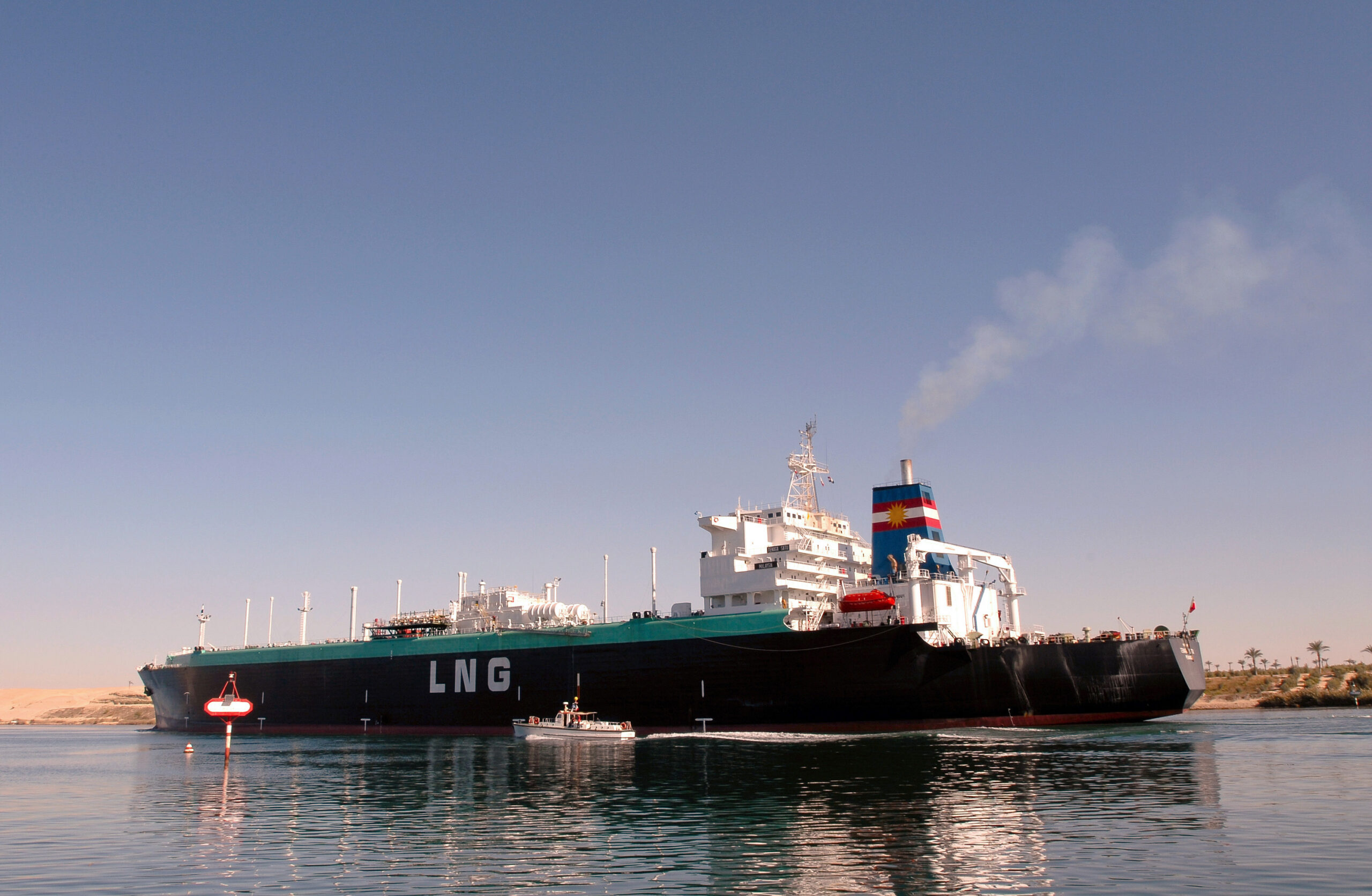
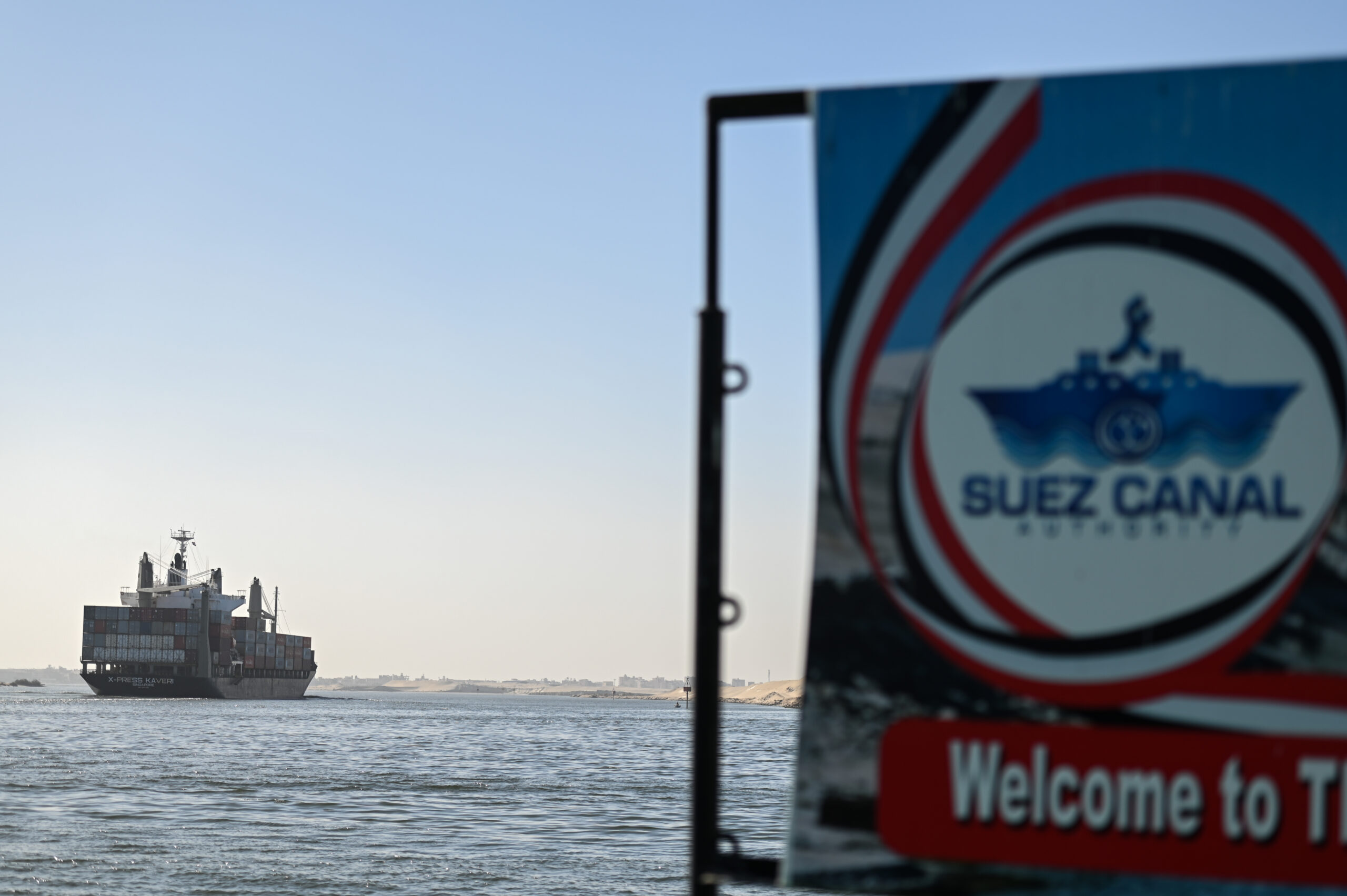
Well over 30 attacks against commercial shipping in the Red Sea have been reported since mid-November 2023, although none have targeted crude oil or liquefied natural gas (LNG) carriers to date. But that is not to say that global energy flows through this critical maritime chokepoint are invulnerable; any harm that came to hydrocarbon carriers traveling into or out of the Red Sea via the Bab el-Mandeb would have far-reaching consequences for international markets.
Azerbaijan and COP29: An opportunity or a challenge?
Azerbaijan will host COP29 at the end of this year. Being selected to host the most important international climate event is a major achievement for the South Caucasus country, though the spotlight it brings will come with its own challenges due to Azerbaijan’s poor human rights record and worsening relations with the West.
Jordanian ambitions, Saudi funds: A look at Saudi investments in Jordan
In 2017, Saudi Arabia’s Public Investment Fund and a number of Jordanian banks established the Saudi-Jordanian Investment Fund to channel $3 billion into the Jordanian economy. Two SJIF projects provide relevant case studies of the challenges facing Jordan’s broader efforts to attract more FDI and drive economic development.