Director of MEI’s Arabian Peninsula Program Gerald Feierstein speaks to scholars Nadwa Al-Dawsari and Fatima Abo Alasrar as they reflect on the tenth anniversary of Yemen’s civil war.
It’s been ten years since the Houthis seized control of the capital of Sanaa, beginning a cycle of fighting that continues on and off to this day. What happened, what is the current state of the conflict, and where might the country be headed?
With the Middle East on the brink, how can the US recalibrate its response?
The Middle East teeters on the precipice of a substantial escalation, threatening to more fully draw in Lebanon, Iran, and perhaps other countries. What happens in the coming days, along with the decisions made by adversaries and allies alike, will determine if that happens.
As the Middle East becomes more autonomous and empowered domestically, the leaders in the region might consider more synergetic relations with each other and prepare national long-term plans that provide a balanced and integrated approach to social, technological, environmental, economic, and political development and progress.
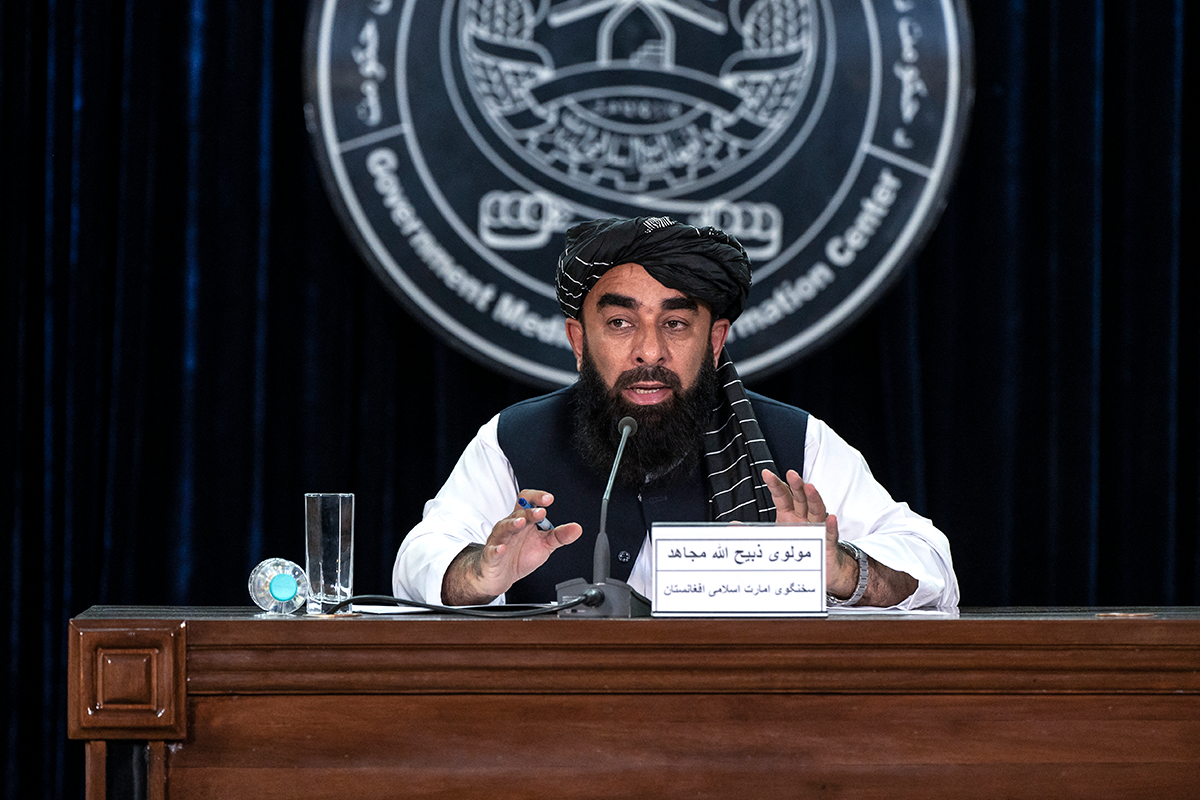
Pakistan and the Middle East’s evolving approach to Afghanistan
Afghanistan has long been an arena for proxy contestations by regional powers, which have adopted rather divergent Afghan policies over the past several decades of foreign occupation and are doing so again now when the country is in the vicelike grip of a resurgent Taliban.
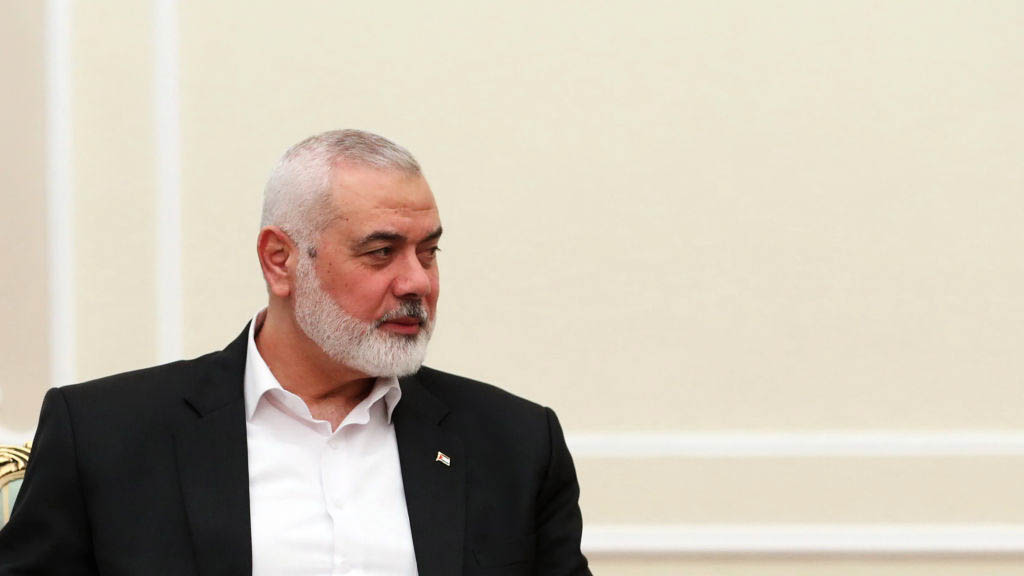
Special Briefing: The regional impact of Ismail Haniyeh’s assassination
In a new special briefing, scholars from across MEI weigh in with their thoughts on the assassination of Hamas political leader Ismail Haniyeh and the potential regional impact.
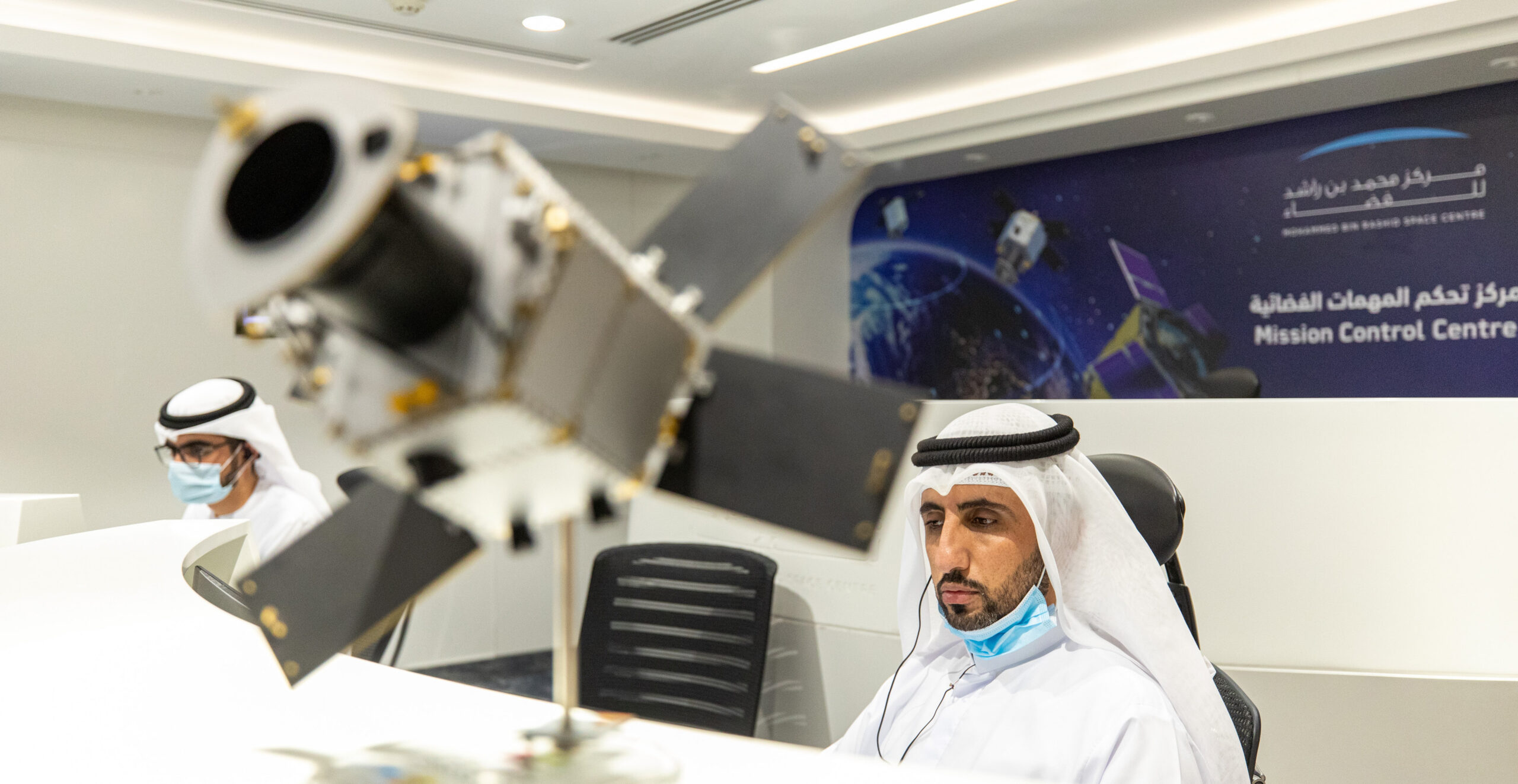
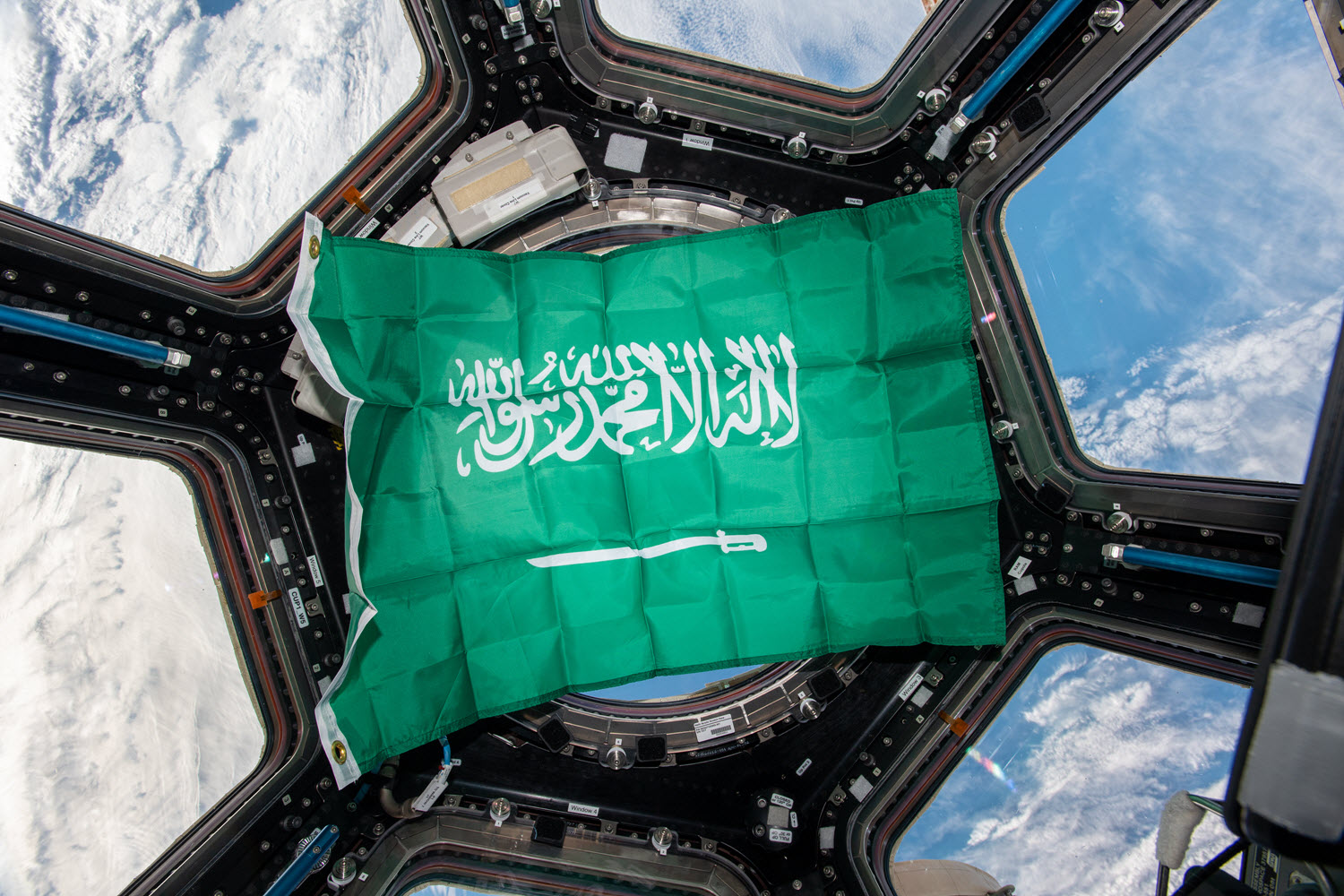
On July 16, the United States and Saudi Arabia announced a new framework for space collaboration and civil aeronautics that shakes up the space race. The agreement marks a turning point for the US-Saudi Arabia bilateral relationship, gearing it more toward scientific cooperation and demonstrating the pivotal role that emerging space powers, particularly in the Middle East, are poised to play in the Second Space Age.
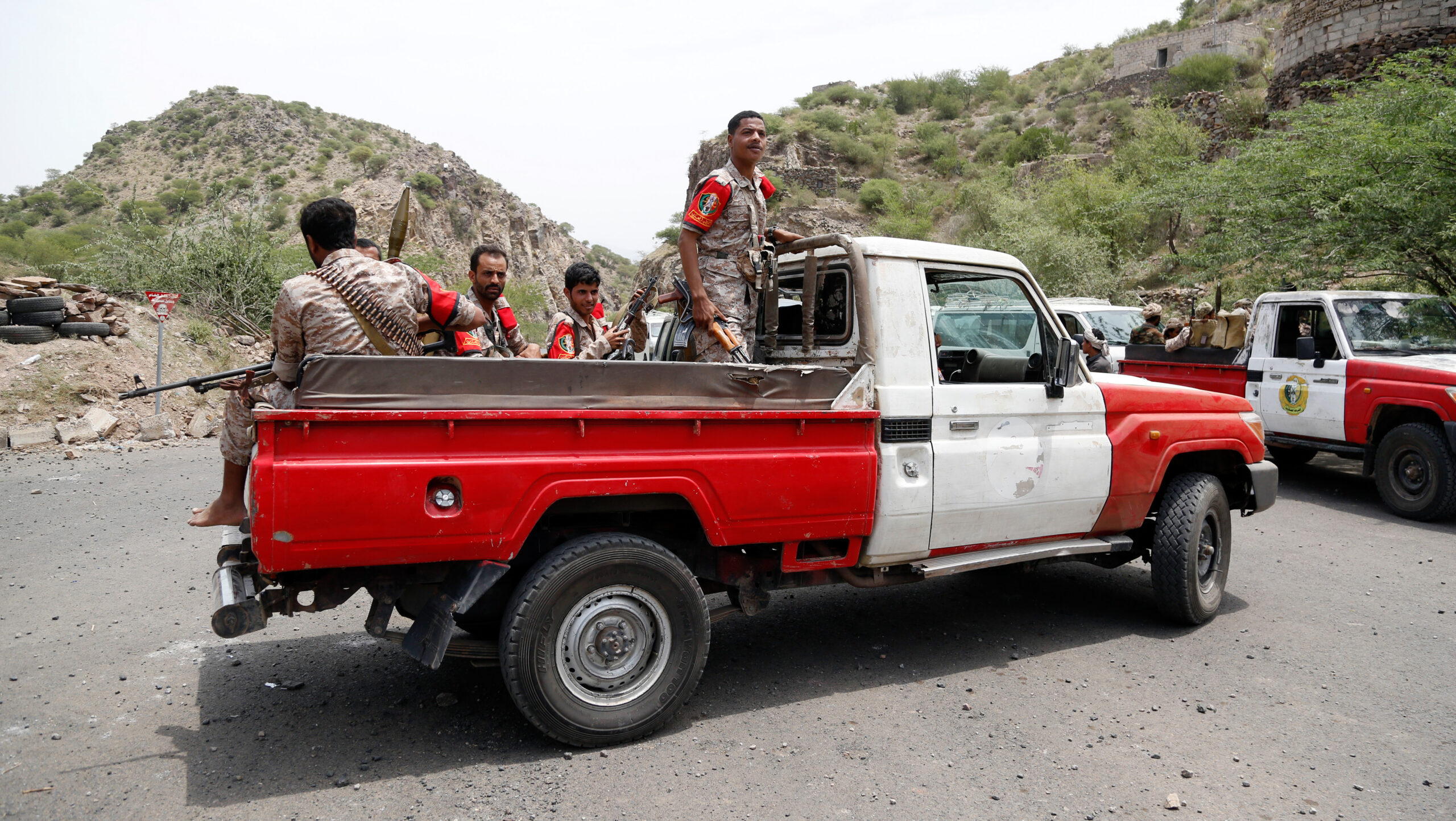
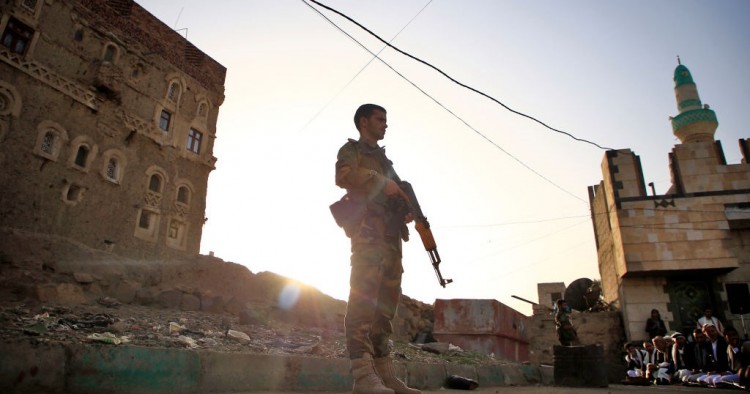
Russia and China’s differing engagements with the Houthis
Although Russia and China are in regular dialogue with the Houthis, the motivations that undergird the engagements of both countries differ markedly. The Houthis regard both Russia and China as partners against American unilateralism but have a warmer relationship with Moscow.
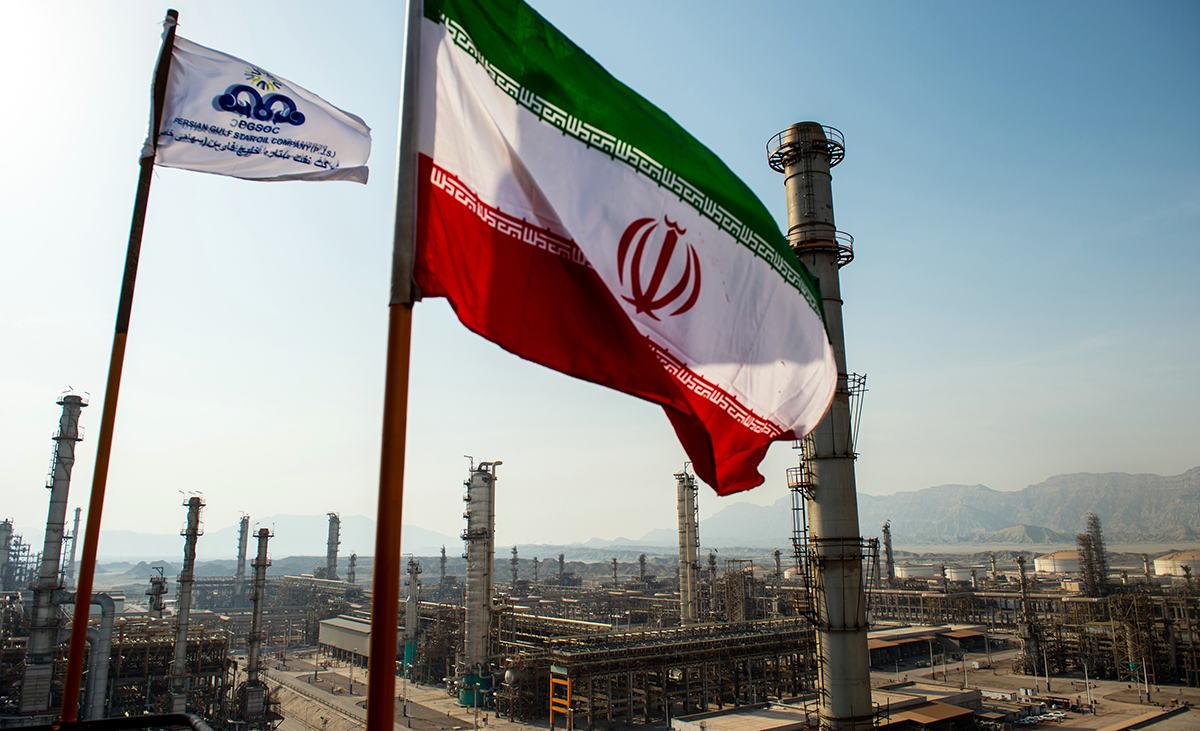
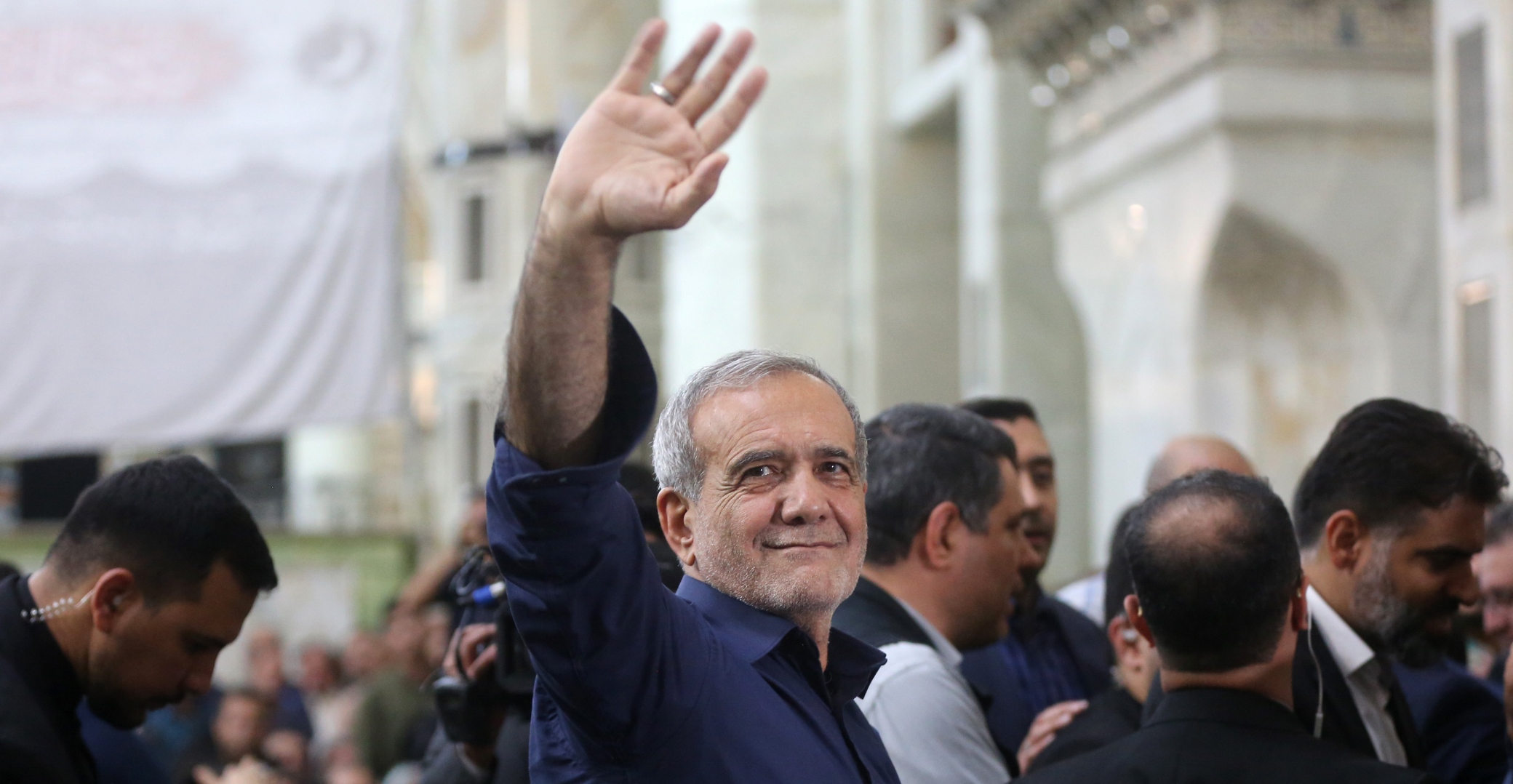
Why President-elect Pezeshkian’s focus on Arab ties makes sense for an Iran facing monumental socio-economic challenges
The conventional wisdom is that Iranian President-elect Masoud Pezeshkian is yet another bit of window dressing put up by the “deep state” in Tehran, which effectively calls the shots on the most contentious foreign policy files. But it might just be that Pezeshkian’s sudden emergence as president was orchestrated from the outset as a pretext for the Iranian regime to change course.
The geopolitical implications of Houthi attacks and Israeli retaliation
The Houthis’ strategy of escalation has the potential to upset the fragile balance of power in the Middle East and underlines the ability of smaller actors to influence larger geopolitical outcomes through calculated risks and alliances.