Israel at War: Regional Reverberations and Political Fallout
Dr. Yoel Guzansky, associate fellow at MEI and senior research fellow at Israel’s Institute for National Security Studies, joins hosts Alistair Taylor and Matthew Czekaj to unpack the military and political implications of Israel’s 12-day war with Iran. In the lead-up to next week’s closely watched visit by Israeli Prime Minister Benjamin Netanyahu to the White House, they discuss Israel’s strategic gains and domestic reaction, the evolving US-Israel relationship, and the war’s ripple effects across Gaza, the Gulf, and beyond.
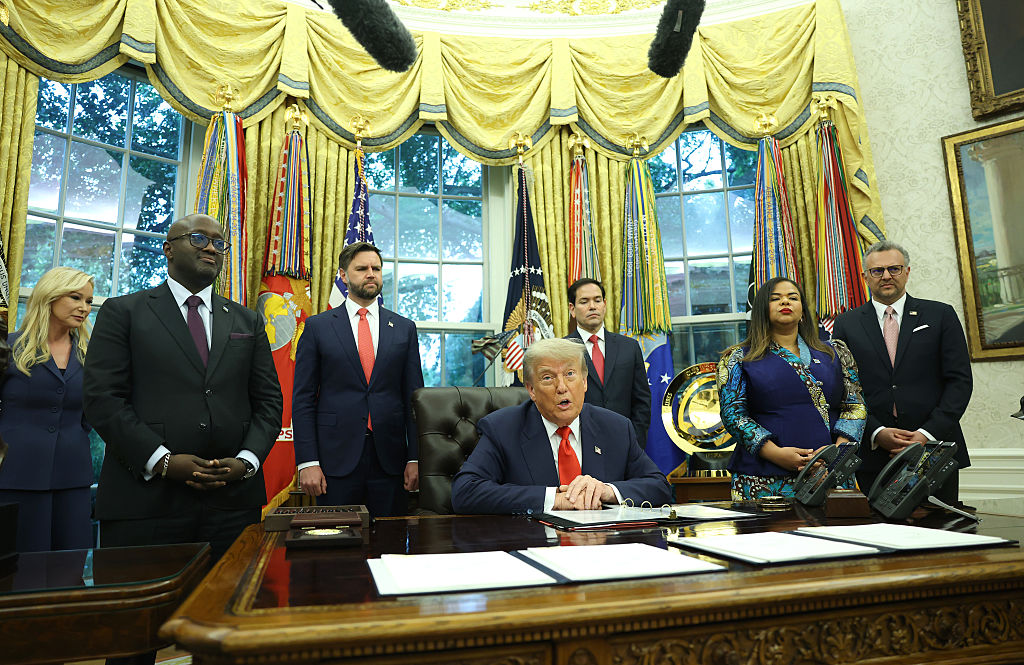
Trump’s Middle East policy arrives at a temporary and fragile limbo
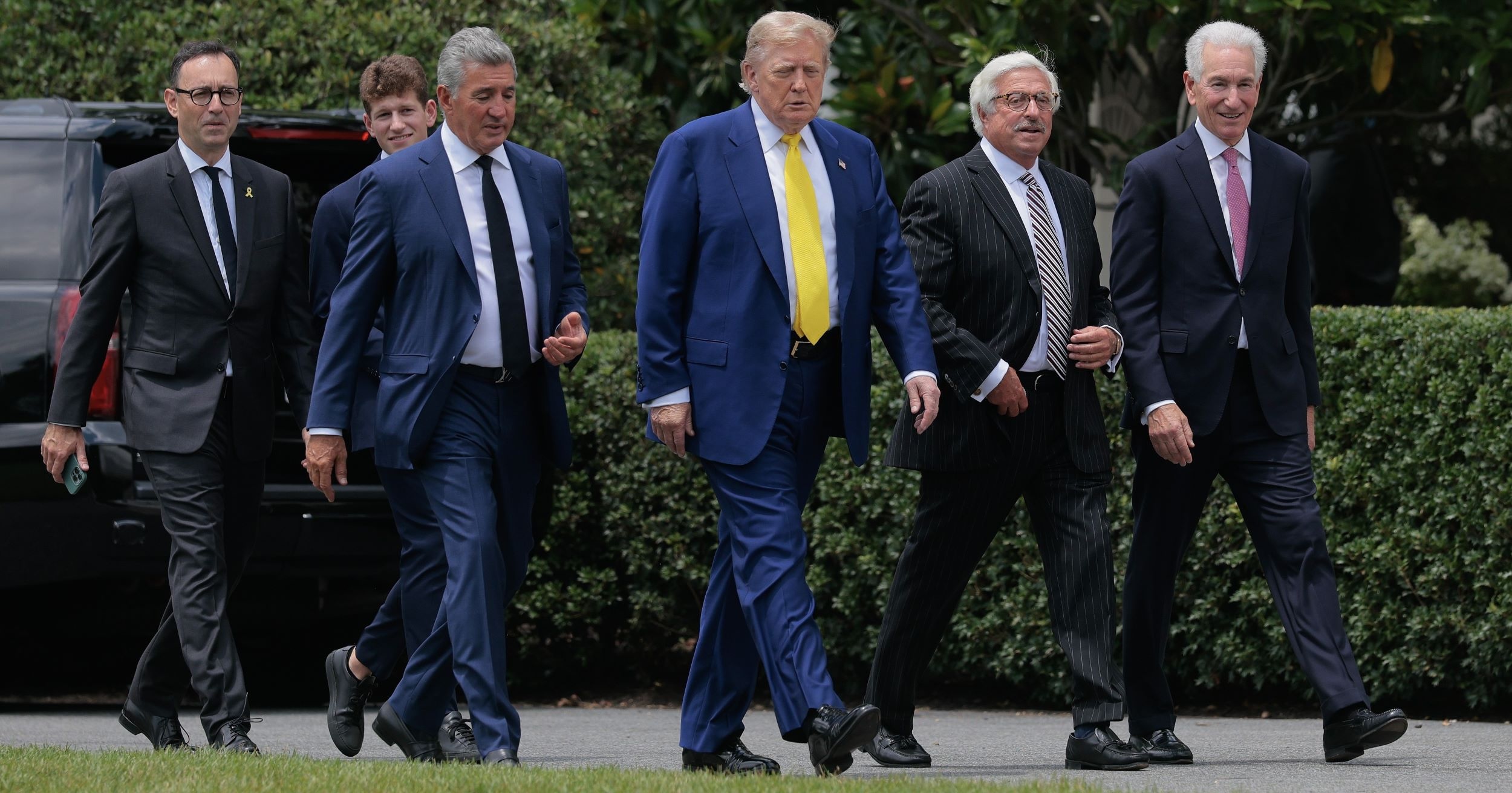
Domestic politics has taken center stage in the United States as Congress struggles to pass President Donald Trump’s proposed budget plan. But July is also shaping up as a pivotal month for Trump’s foreign policy in the Middle East and beyond.
Egypt and Saudi Arabia: Any good relationship needs work
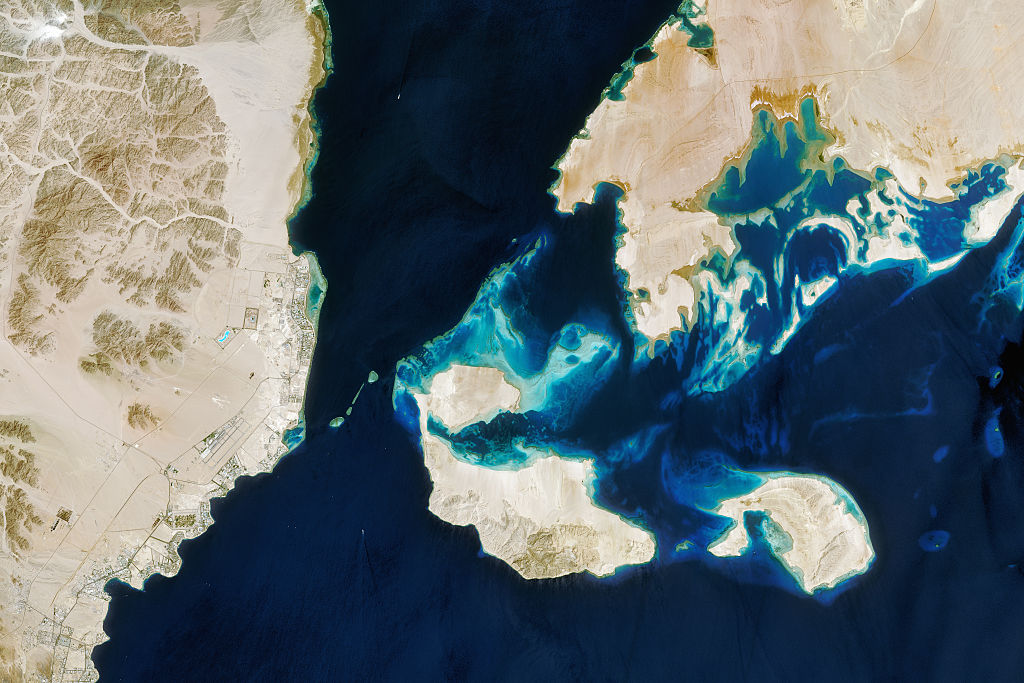
Egypt and Saudi Arabia share many foreign policy and regional security objectives and have a long and complicated relationship. Recent events in the Middle East have strengthened that relationship, even as they continue to negotiate difficult bilateral issues, like the long-running dispute over control of the islands of Tiran and Sanafir.
Russia’s military presence in post-Assad Syria: A growing security liability undermining stability
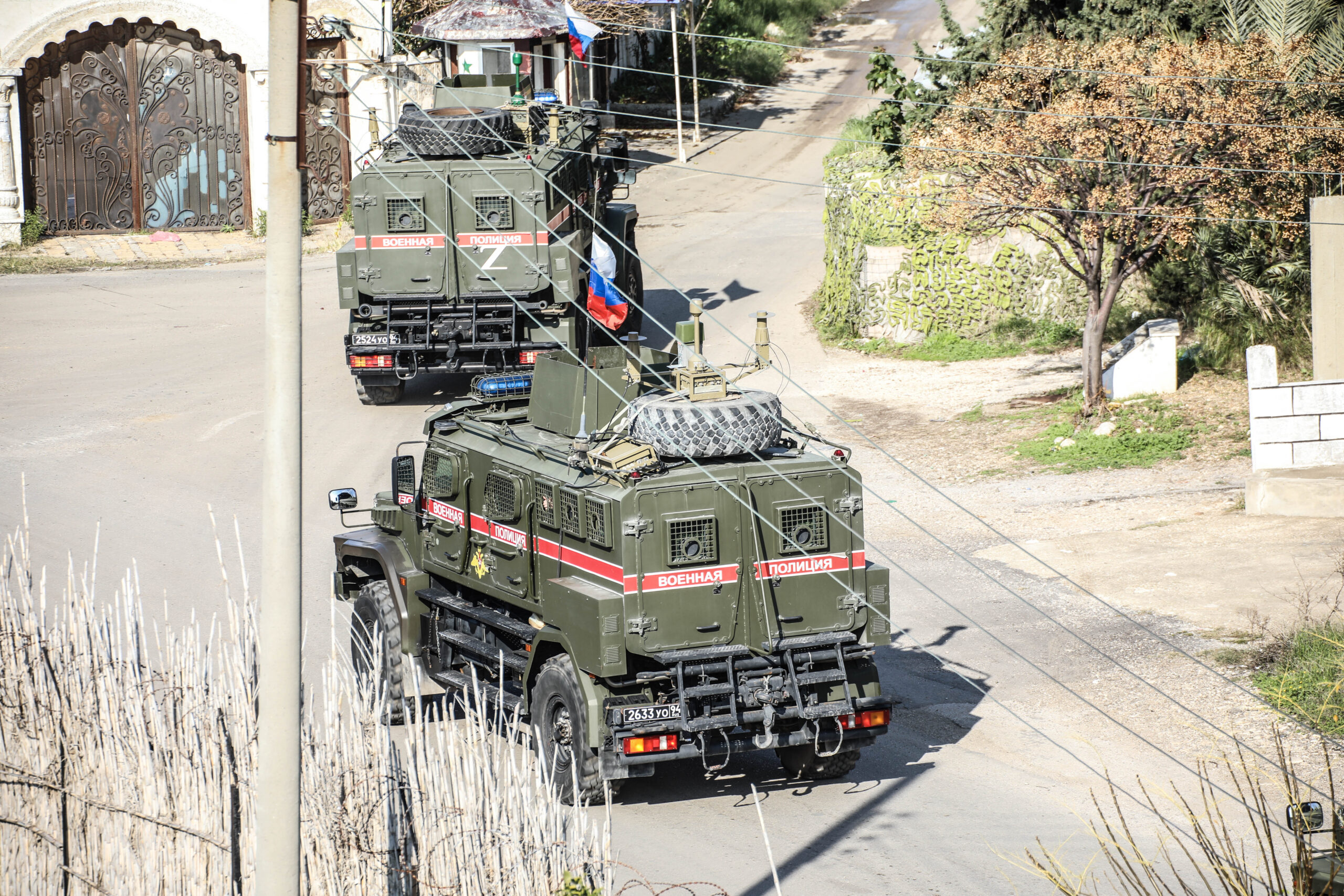
Six months since the collapse of the Assad regime, the Russian military presence in Syria has remained entrenched in strategic locations such as the Hmeimim airbase and Tartous port on the coast, as well as at Qamishli airport in the northeast. This persistence has reignited an increasingly pressing debate about Moscow’s role in the new Syria.
The Gulf’s water crisis: Why cooperation is crucial — and complicated
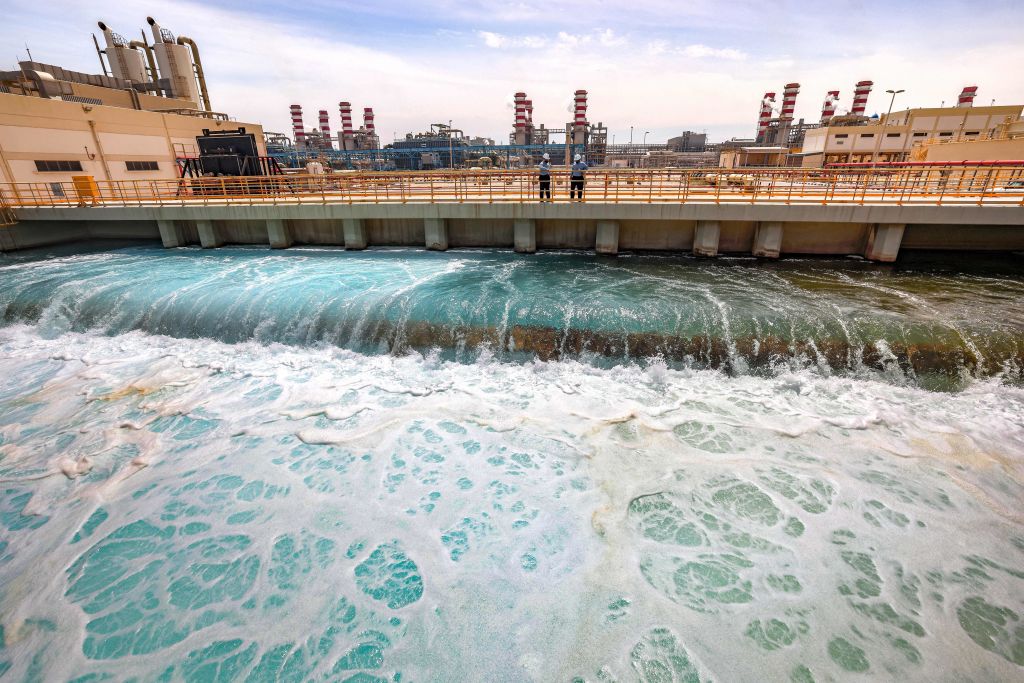
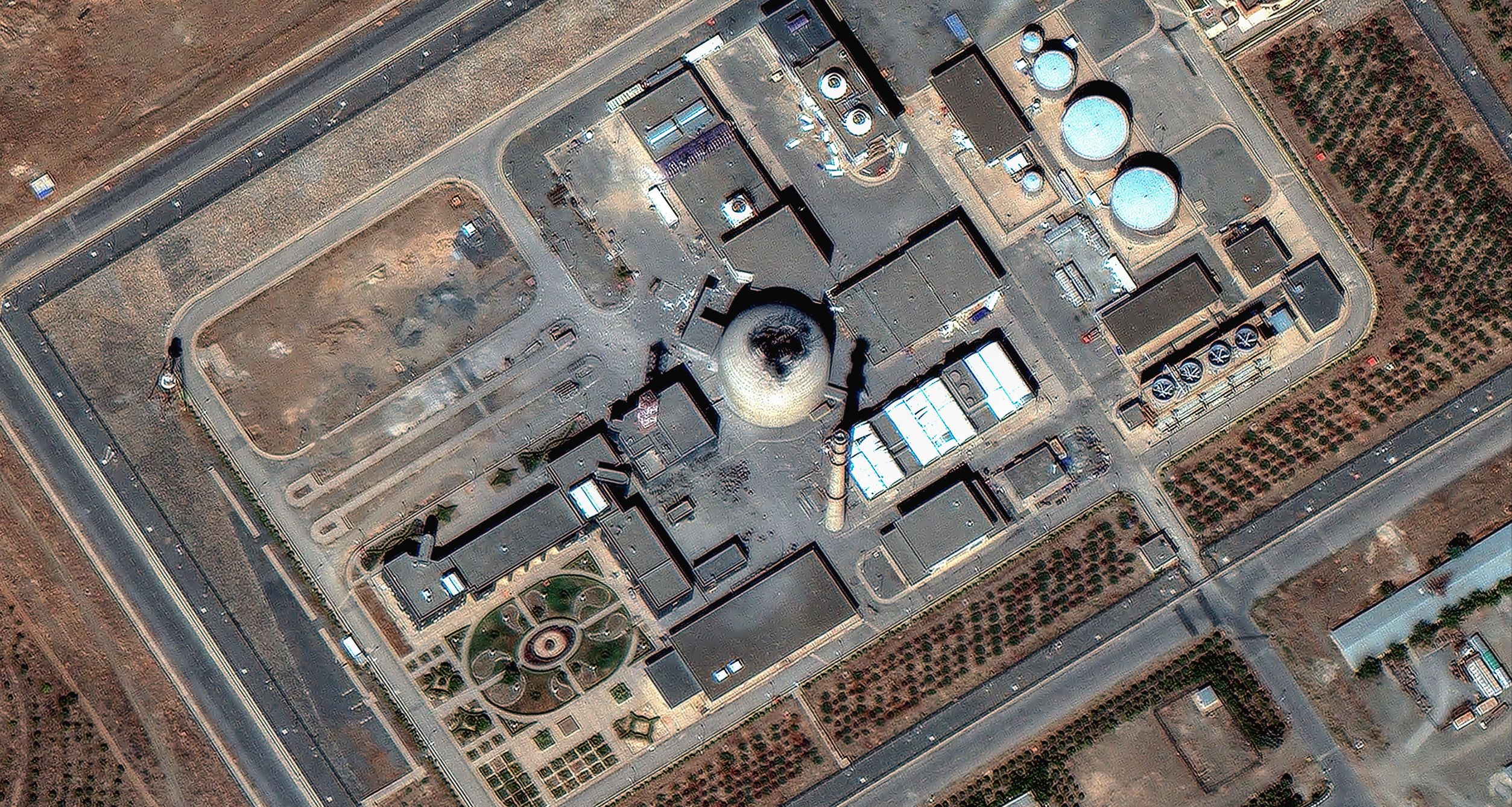
On June 19, false reports of an Israeli strike on Iran’s Bushehr nuclear plant sparked alarm across the Gulf. Though denied by Israeli officials, the claim traces back to a warning from Qatar’s prime minister of a potential catastrophe in the event of nuclear contamination — no water, no food, no life — due to the Gulf’s reliance on desalinated seawater. Gulf governments moved quickly to reassure the public that no radiation had been detected, but the episode underscored the region’s growing sense of vulnerability. A regional approach to water security could help to mitigate such risks.
The balance of power in Yemen after the US-Houthi cease-fire
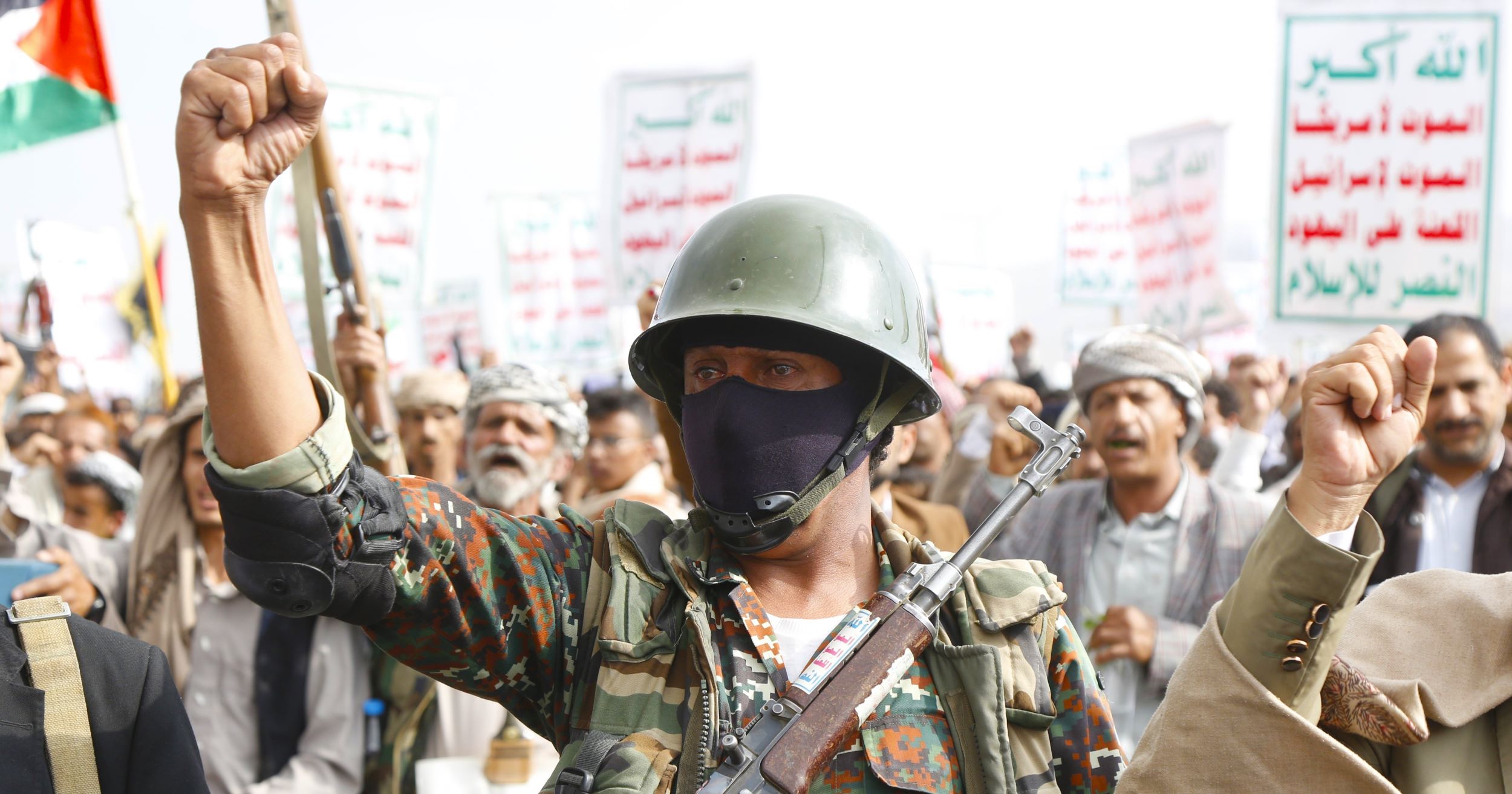
The May 6 cease-fire between the United States and the Houthi militia in Yemen has had a consolidating effect on the balance of power inside the war-torn state and hardened the status quo of the country’s civil war. In turn, the outcome of Israel and Iran’s subsequent 12-day war has the potential to temporarily shake up this status quo once again; but Yemen’s fracturing anti-Houthi coalition is unlikely to be able to exploit that opportunity.
After the 12-Day War: Iran, Israel, and the Future Regional Order
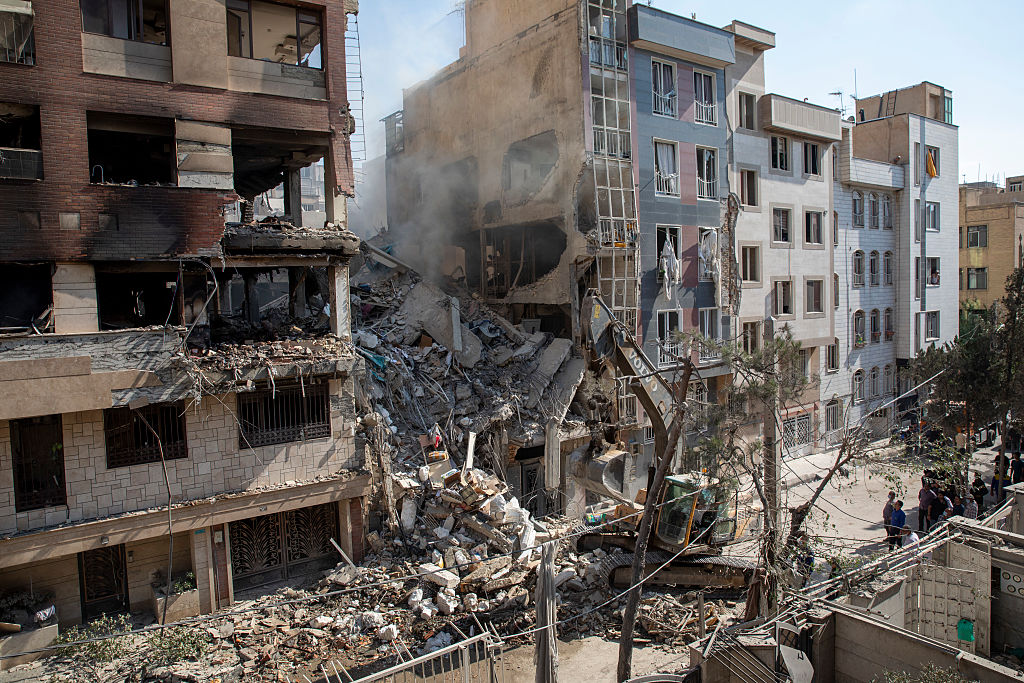
The dust has barely settled following the dramatic 12-day war between Israel and Iran, but its political and strategic reverberations are already shaping the future of the Middle East. In this episode of Middle East Focus, Ross Harrison, senior fellow and book series editor at the Middle East Institute, joins hosts Alistair Taylor and Matthew Czekaj to assess what comes next — from Tehran’s internal power recalibrations to the future of Iran’s forward defense strategy, and shifting regional alliances.
Iraq tries to assert state authority during crisis
The Iraqi government has long navigated a path between maintaining political ties with its Iranian neighbor and Tehran’s allies inside Iraq on the one hand, and preserving its security relationship with the United States on the other. Unsurprisingly, it quickly welcomed US President Donald Trump’s June 23 Israel-Iran cease-fire agreement.
Caught in the crossfire: How the Iran-Israel war undermines Erdoğan’s agenda
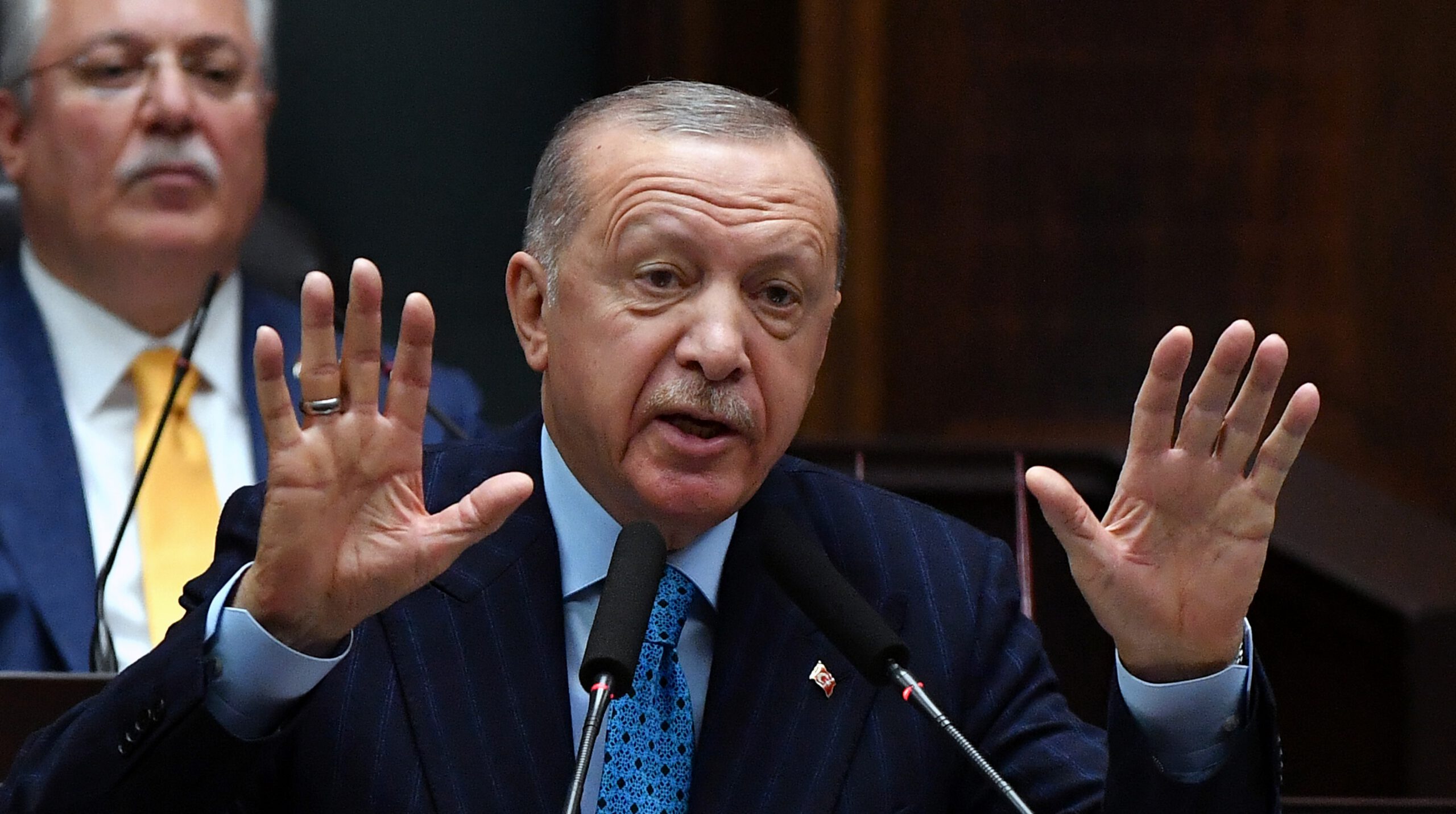
Israel’s full-blown war against Iran threatens to upend regional dynamics and Turkey’s careful balancing act. The conflict presents both immediate threats and long-term strategic risks for Turkey.
US has an opening to force concessions from Iran in a potential deal
As the Israel-Iran conflict intensifies, warnings are growing louder that the war could result in hazardous and destructive radiological spillover to much of the region. But the posturing of various key actors in the Gulf and beyond has opened the door to a broader political settlement between the United States and Iran that could end the hostilities before such a dangerous scenario comes to pass.
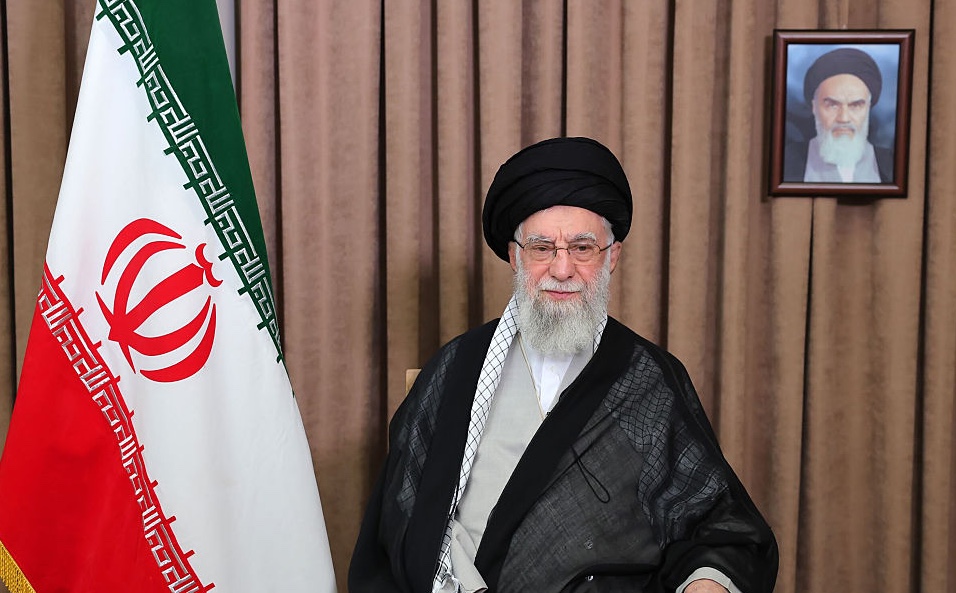
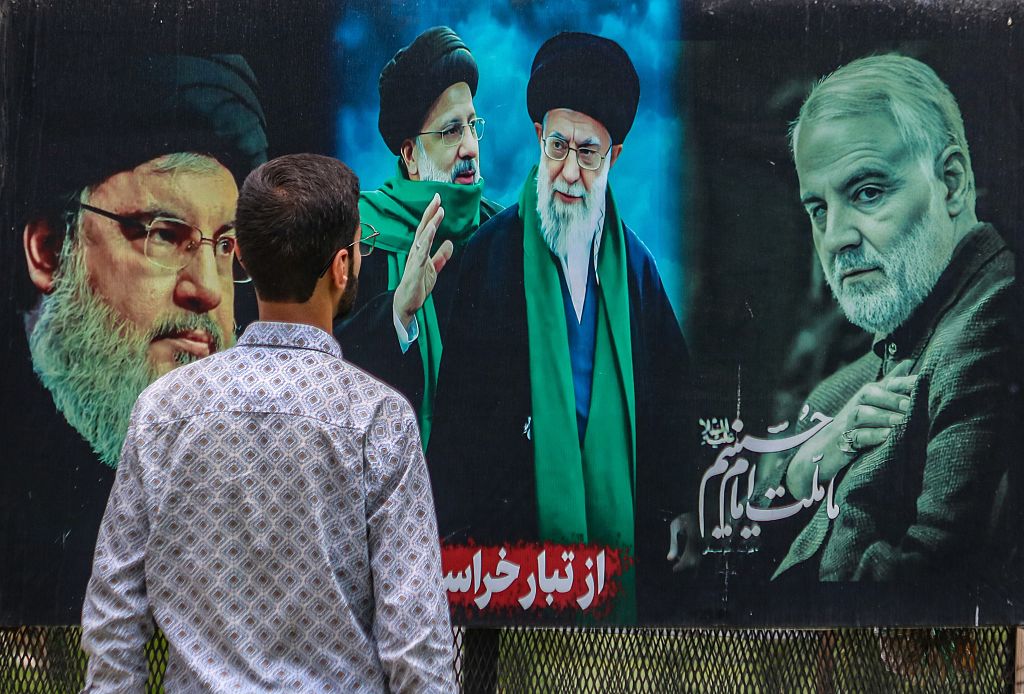
As the war between Iran and Israel continued, Supreme Leader Ayatollah Ali Khamenei delivered a speech on June 17, framing the conflict as an “imposed war” and calling for national unity. But instead of using this moment to explore diplomatic off-ramps, particularly as President Donald Trump signaled the possible direct participation of the United States in the war on the side of Israel, Khamenei opted for posturing over negotiation and left the Iranian people even more fearful about the future.
A divided and distracted America edges towards another major Middle East war
As the world watches and waits to see whether the conflict between Israel and Iran escalates into a wider war and whether the United States gets more directly involved, Americans remain sharply divided and mostly distracted by events closer to home, for now.
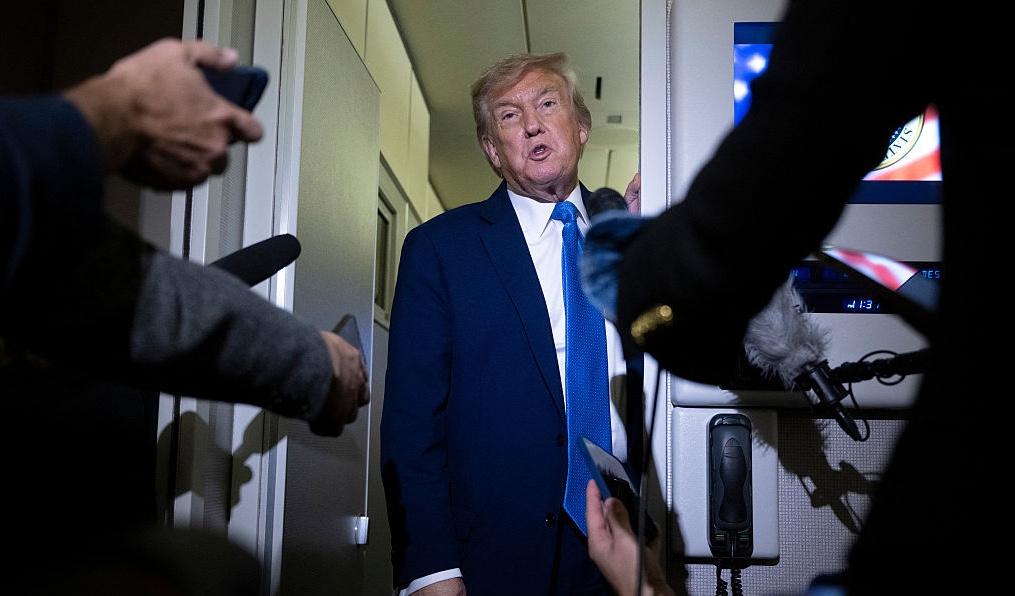
President Donald Trump threatens Iranian Supreme Leader Ali Khamenei. But measured language and disciplined policy can help prevent escalation and protect American interests.
The Israel-Iran war: Scenarios for the days — and years — ahead
The evolving confrontation with Israel and the United States places the Islamic Republic of Iran at a critical inflection point. Tehran faces choices that range from limited negotiation and strategic restraint to escalation and eventual collapse. The following analysis explores the key scenarios that could unfold in the coming days, weeks, and years.