I.R.G.C. Outlet: Tal Afar Liberation Paves Way for Expulsion of U.S. from Iraq
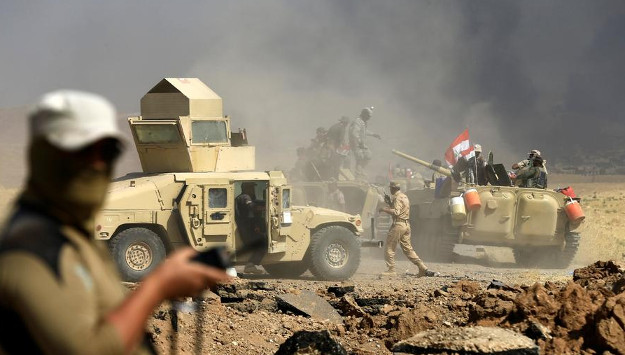
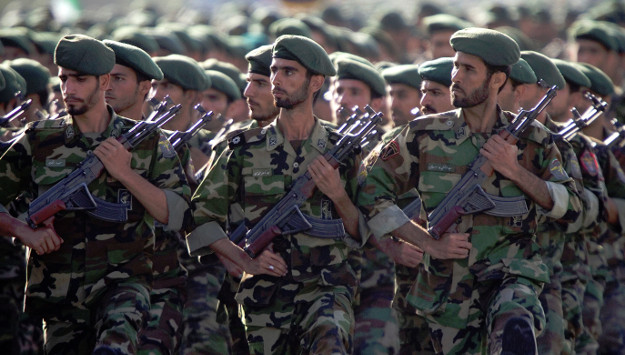
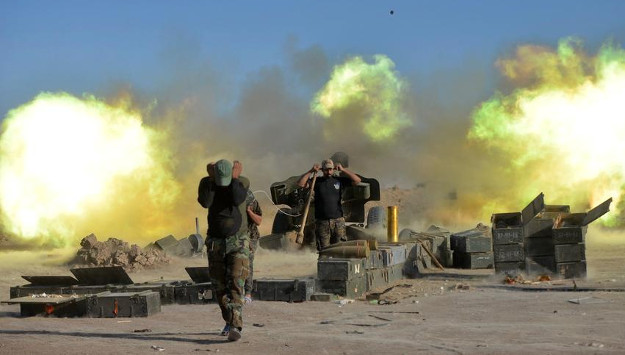
The liberation of Tal Afar is a “major defeat for America and terrorists” and paves the way for the expulsion of U.S. Troops from Iraq, says an article in hardline Javan Online, a mouthpiece of the Islamic Revolution Guards Corps (I.R.G.C.).
Hamas Chief Hails Iranian Support after “Restoration” of Ties
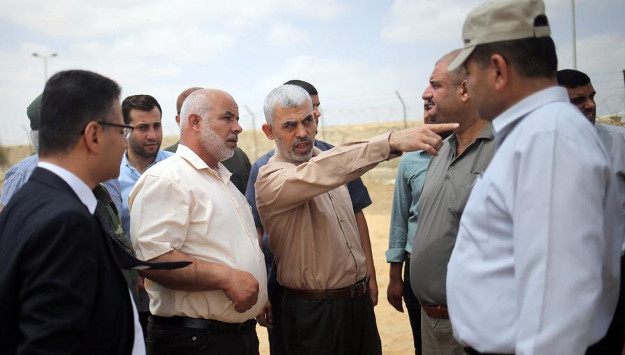
The new leader of the Palestinian militant group Hamas in Gaza has announced that it has restored its relations with the Islamic Republic of Iran, Tasnim News Agency
Iran Says Trump Determined to Cancel Nuclear Deal, Urges E.U. to Confront U.S.
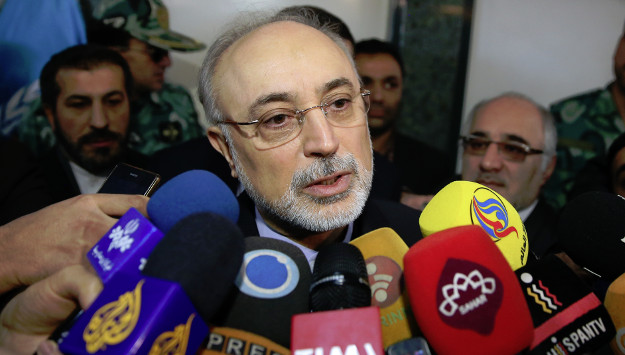
The head of the Atomic Energy Organization of Iran (A.E.O.I.) has said that President Donald Trump is trying to cancel the nuclear deal Tehran signed with world powers two years ago. He claimed that the latest U.S. sanctions violate the nuclear accord and also accused the Trump administration of pressuring the International Atomic Energy Agency (I.A.E.A.) to declare that Iran is in breach of the agreement. The top Iranian nuclear official said that the Islamic Republic will not be the first party to violate the agreement, but stressed that it will not accept any U.S.
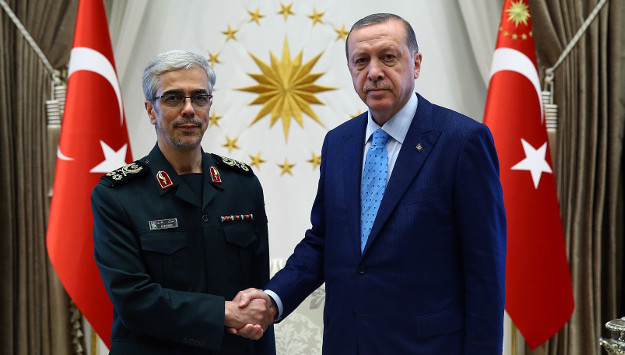
A series of high level diplomatic visits have signaled a surprising rapprochement between Iran and Turkey in recent weeks. What’s driving this warming in relations, and how has Russia been involved? What are the potential consequences in the region and for U.S. policy there? MEI’s Gonul Tol and Alex Vatanka join Paul Salem to discuss.
Haley Calls for Inspection of Iran’s Military Sites after I.A.E.A. Meeting
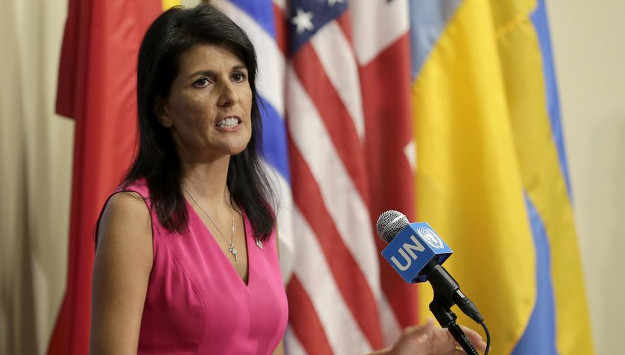
U.S. Ambassador to U.N. Nikki Haley said on Friday that the Trump administration wants inspection of Iran’s both military and non-military sites to ascertain Iran’s compliance with the Joint Comprehensive Plan of Action (J.C.P.O.A.) – the nuclear agreement Iran signed with the U.S. and five other world powers in July 2015. Haley made the remarks after returning from Vienna, where she discussed the issue with Yukiya Amano, the director-general of the International Atomic Energy Agency (I.A.E.A.). Speaking at the U.N., the top U.S.
Iran Discussing Joint Counterterrorism Measures with Regional States
The deputy chief of staff of Iran’s Armed Forces has revealed that the country has started discussions with certain states to joint fight terrorist in West Asia, the Iranian media reported. “The Islamic Republic of Iran is trying to uproot terrorism completely in the region in cooperation with other West Asian states; therefore, it has started contacts with the countries which herald establishment of tranquility in the sensitive West Asia region,” Brigadier General Massoud Jazzayeri said.
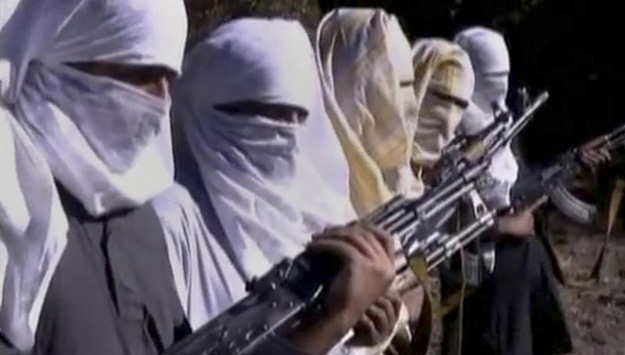
Al-Qaeda appears set to make a comeback in Pakistan, with battle-hardened militants returning from Syria and Iraq and eyeing for the resurrection of al-Qaeda in Pakistan.[i] A new terror group, Jamaat ul Ansar al-Shariah Pakistan, surfaced in June 2017, and is comprised of fighters who have returned from the Middle East.
Bahrain Says It Dismantled Terrorist Cell with Links to Iran’s I.R.G.C.
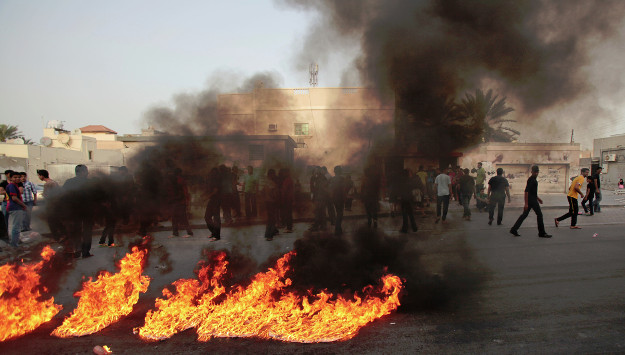
The Bahraini government said today that the country’s security forces have arrested seven members of a cell suspected of carrying out acts of terrorism in the island country, the Bahraini and Iranian media reported.
Iran Welcomes Qatar’s Decision to Return Its Ambassador to Tehran
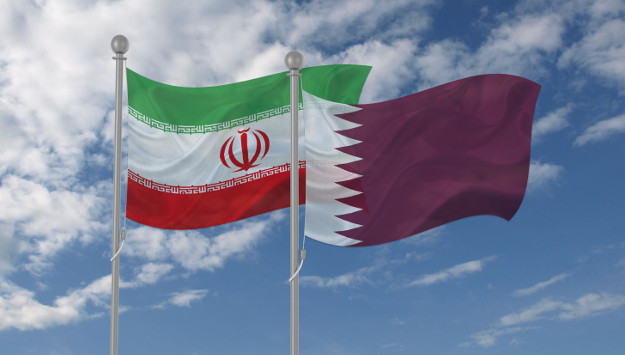
Iran has welcomed the Qatari government’s decision to send its ambassador back to Tehran and restore full diplomatic relations between the two countries, the
Senior Iranian Official: U.S. Has Waged Economic War against Iran
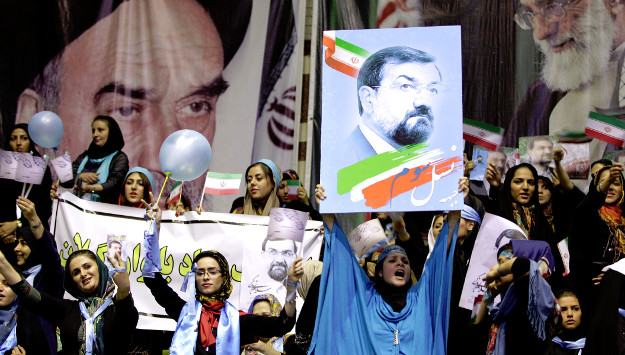
A senior Iranian official has cautioned that the Trump administration has waged an economic war against the Islamic Republic, particularly targeting the country’s Islamic Revolution Guards Corps (I.R.G.C.). “If the Americans were able to attack Iran, they would have done so a few years ago,” Mohsen Rezaei, the Secretary of Iran’s Expediency Council, said at a gathering of members of the I.R.G.C. and Basij Force in Hamadan Province on Thursday. The former I.R.G.C.
Iran-Backed Al-Hashd al-Turkmani Group Playing Major Role in Tal Afar
A senior commander of the Iraqi Popular Mobilization Force (P.M.F.) has announced that forces from al-Hashd al-Turkmani will play a major role in the military operation to liberate the city of Tal Afar from the Islamic State, Iran’s Fars News Agency reported today. Abu Mahdi al-Muhandis, the chief operational commander and deputy head of the P.M.F., made the statement after meeting with the leaders of Hashd al-Turkmani, a P.M.F. unit close to Iran and strongly anti-American.
Turkey’s “Three Options” in Idlib amid Growing Tehran-Ankara Cooperation
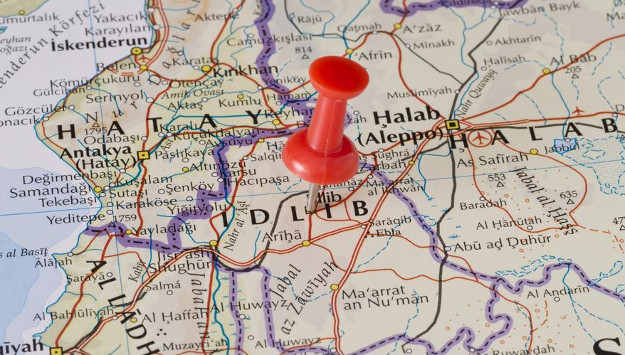
Turkey has three options to tackle a looming threat to its national security emanating from the situation in Syria’s Idlib Province, according to an an