Peshmerga reform hangs in the balance in Iraq’s Kurdistan Region
Efforts to reform the Iraqi Kurdish security forces known as the Peshmerga are at serious risk of failing. Tensions between the ruling parties of Iraq’s Kurdistan Region are not new, but the working relationship between the leaders of the Kurdistan Democratic Party and the Patriotic Union of Kurdistan has collapsed over the past year. As a result, officials within the Ministry of Peshmerga Affairs are no longer capable of preventing the politics of partisan self-interest from consuming the reform project. The prospects for the depoliticization and unification of the Peshmerga have rarely seemed more remote.
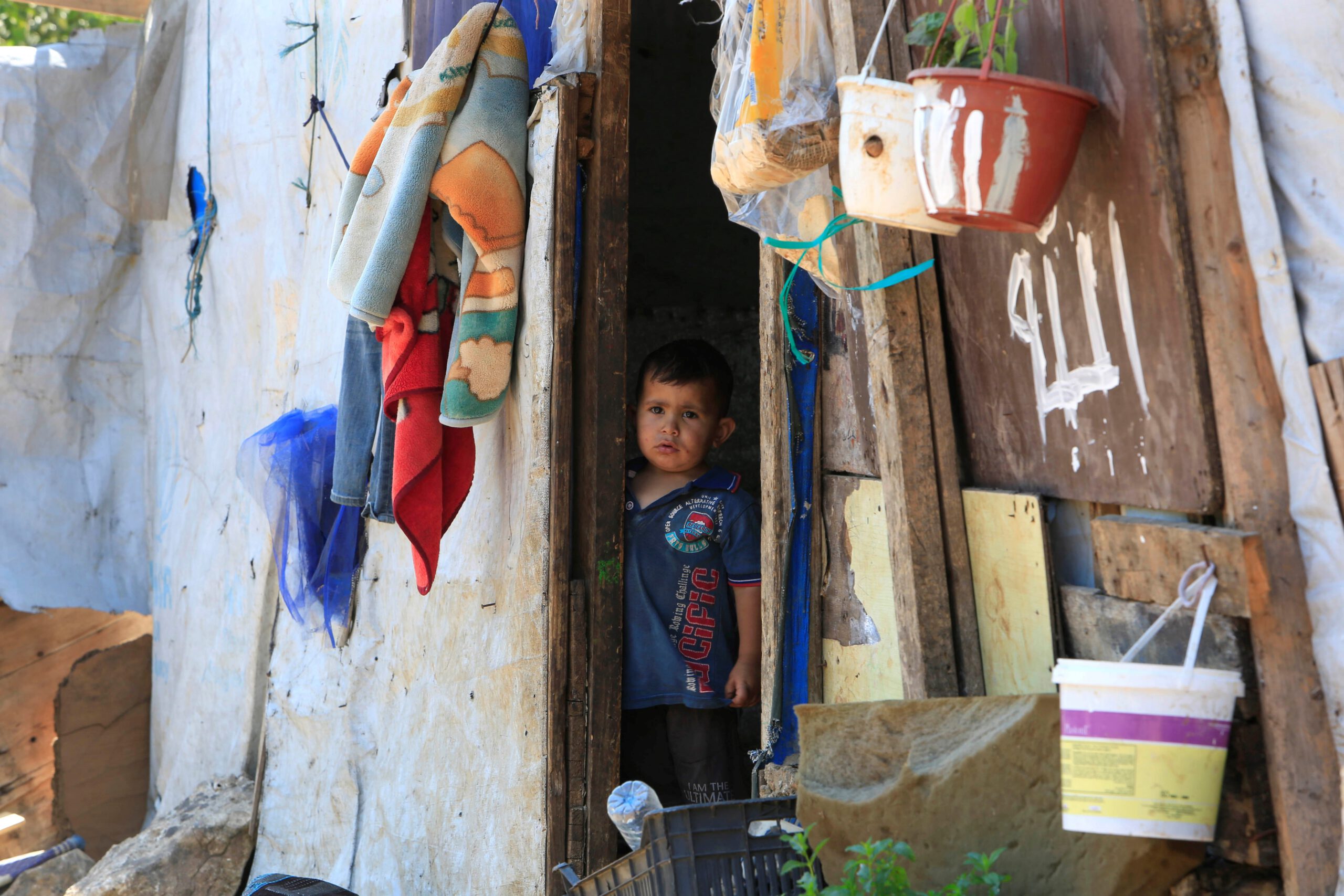
Impossible choices and routine tragedies: The Syrian refugee crisis at 13
There are currently over 5.34 million Syrian refugees dispersed in camps, collective shelters, and poor neighborhoods across Lebanon, Turkey, Iraq, Jordan, and Egypt. Many make desperate attempts to find refuge in Europe. Instead of adopting repressive measures and discriminating against these individuals, the U.S. and European countries should work with regional partners and non-governmental organizations to limit the danger to refugees and IDPs.
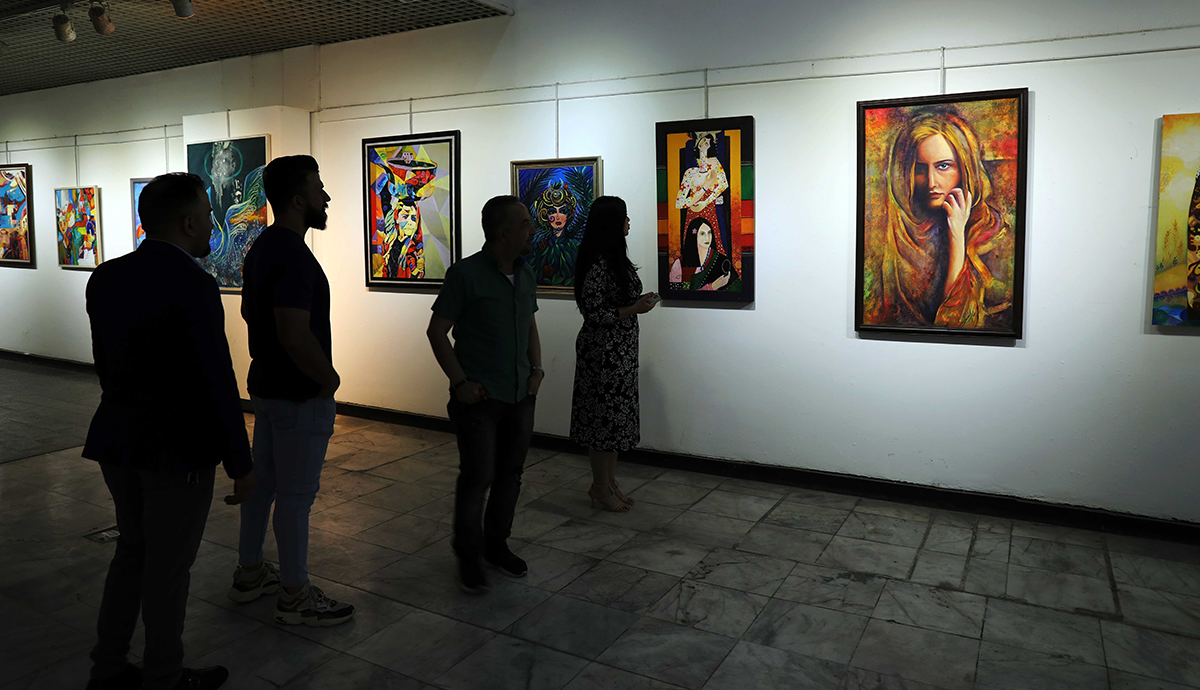
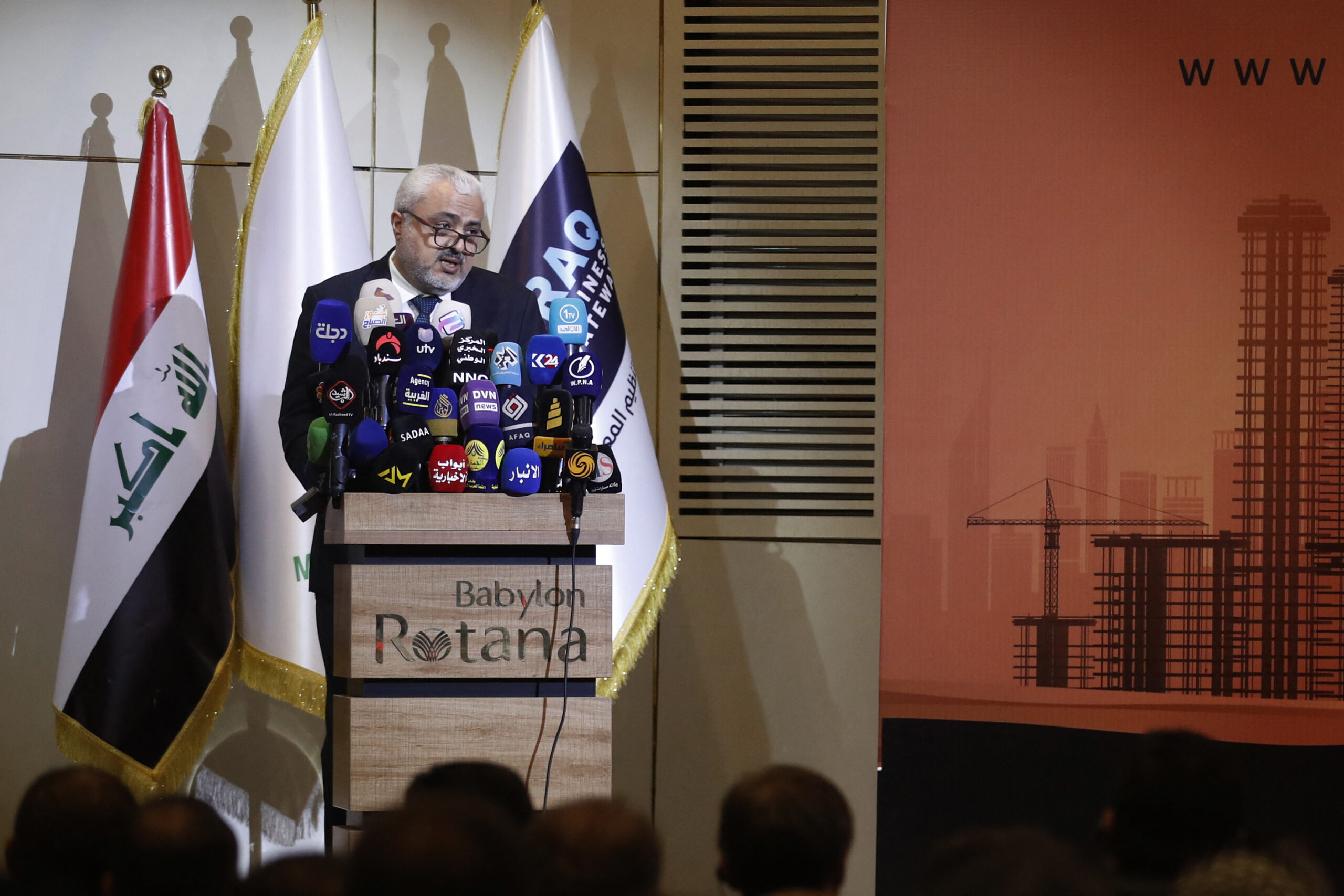
Two decades on, Iraq’s ongoing, if fragile, cultural revival
Although it has fallen off the international news cycle, Baghdad is booming, high on rising oil prices and full, once again, of neo-Abbasid, petroleum-fueled aspirations. Thanks to new anti-money laundering legislation, funds are being funneled not only into hotels and real estate but also into new cultural enterprises. So what does culture in Iraq look like in 2023?
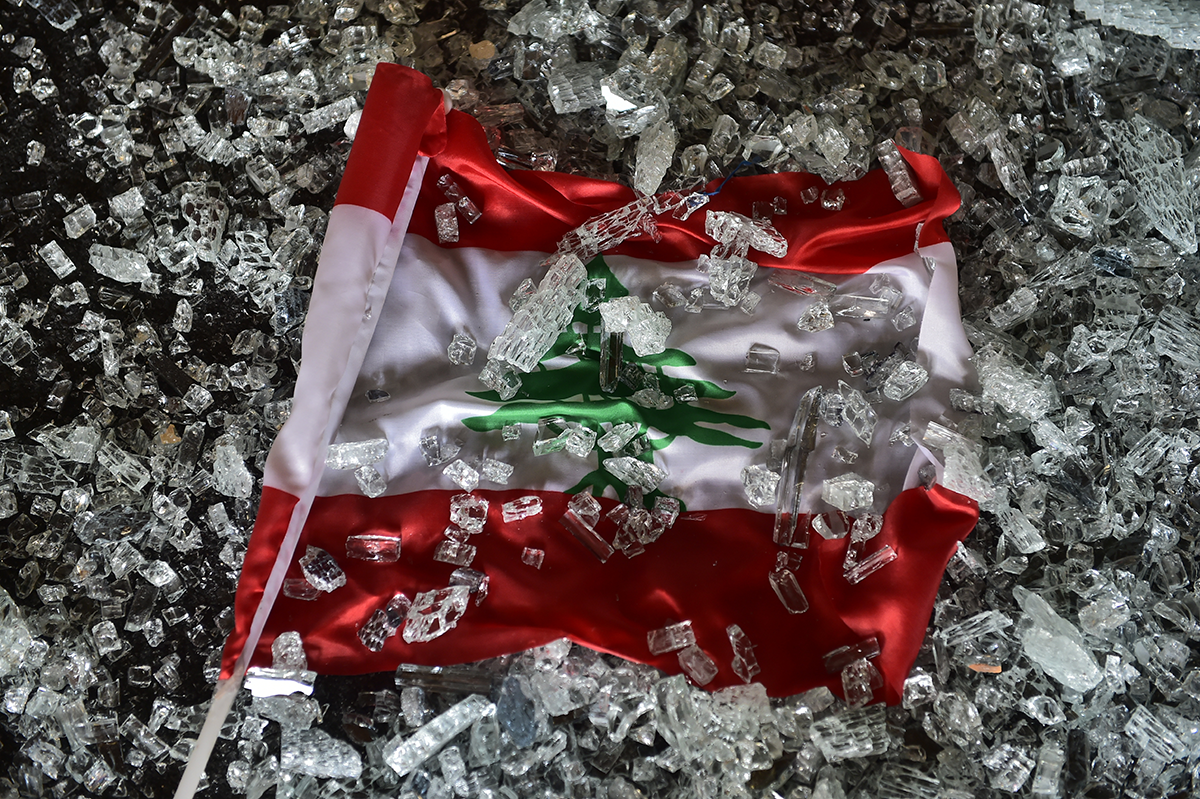
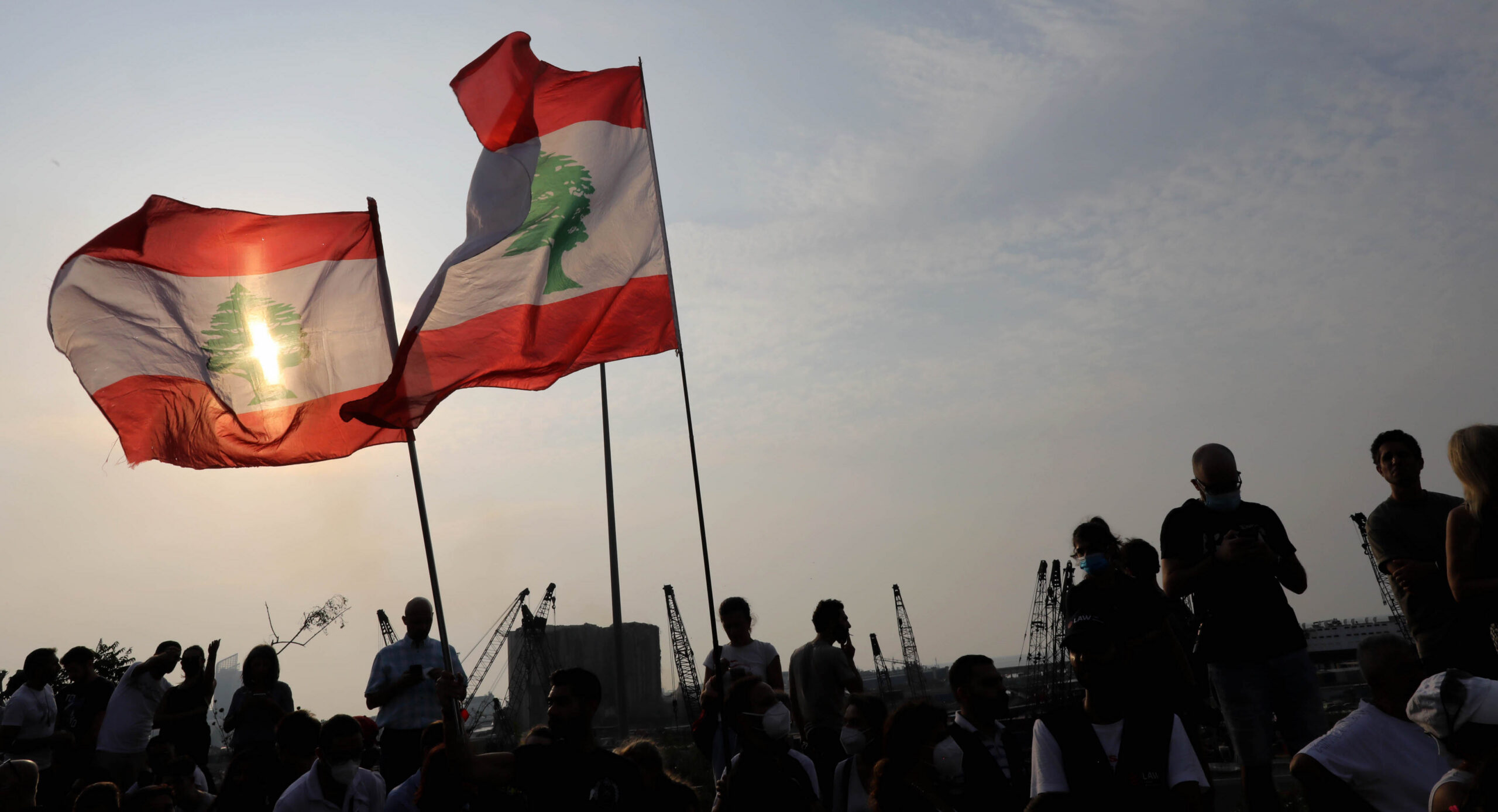
The Beirut blast three years on: The case for international accountability
Three years on from the Beirut port blast, Hezbollah, with the support of Lebanon’s political elite, has managed to obstruct and even quash the domestic judicial process for holding those responsible for the explosion accountable and delivering justice to both victims and a battered nation. The international community must uphold its responsibility toward the Lebanese people by enabling a U.N. fact-finding mission to investigate the blast, sanctioning those responsible for obstructing justice, and making ending impunity the centerpiece of international mediation on the Lebanese crisis.
France’s Foreign Policy Towards Lebanon and its Discontents
MEI U.S.-Lebanon Fellow Fadi Nicholas Nassar is joined by Karim Bitar for a discussion on French foreign policy towards Lebanon. The pair focus on the current state of affairs in Lebanon, historical trends in French policy towards the country and the region, and more in the latest episode of Middle East Focus.
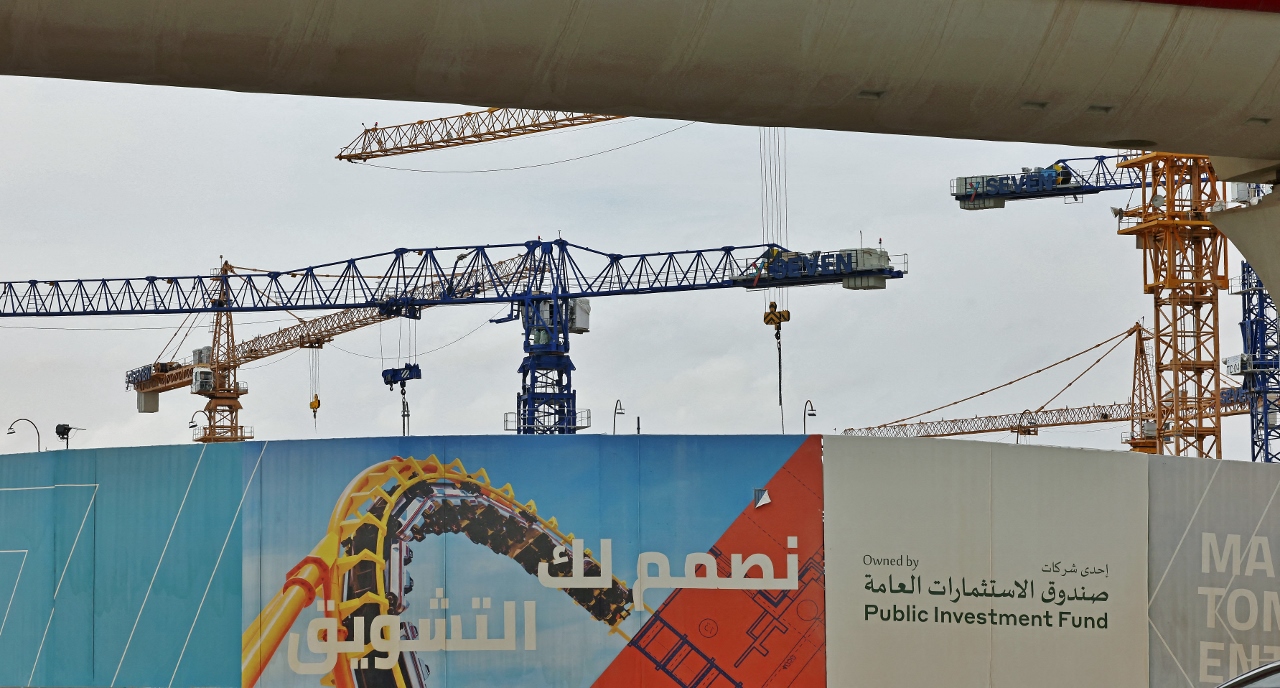
The new wave of dealmaking by Gulf sovereign wealth funds
For resource-rich countries such as Gulf oil and natural gas producers, sovereign wealth funds have emerged as promising tools to save for future generations, mitigate the effects of outsized economic shocks, and/or be deployed as reserve investment and strategic development funds to spend on human, natural, social, and physical capital.
Addressing challenges to tolerance and religious diversity in Iraq
Iraq has long had a troubled history with its ethno-religious minorities, one full of oppression and violence. This was true under the Ba’athist regime and continued after the 2003 U.S.-led invasion, reaching a nadir with the rise of the Islamic State terrorist group. Although Iraq is now enjoying its most stable period in the past two decades, it is also a case study of the pernicious effects of structural violence, especially toward the more marginalized and vulnerable segments of society.
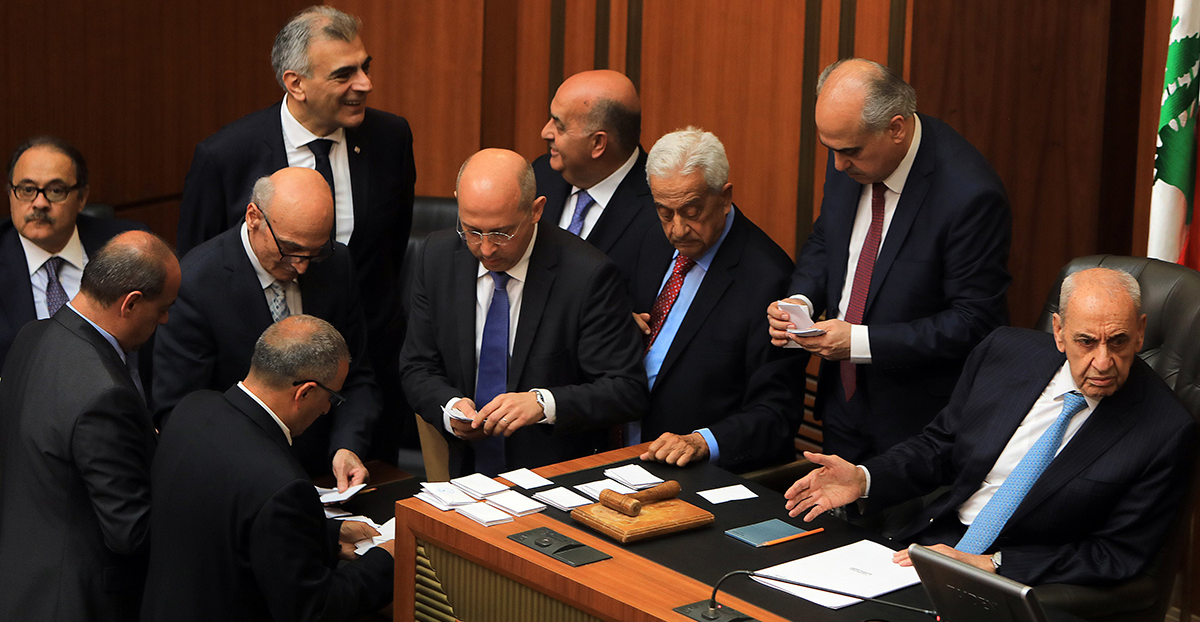
The US and France must push back on Iran to break Lebanon’s political gridlock
Jean-Yves Le Drian, French President Emmanuel Macron’s envoy to Lebanon, made a preliminary diplomatic visit to Beirut last week. Le Drian’s appointment marks a potential though uncertain opening to consolidate international support for Lebanon to facilitate an end to the political gridlock and leadership vacuum. A short but timely boost in robust diplomacy on the part of Washington, strengthened by clear coordination with Paris and regional partners, can play a decisive role in preventing the unraveling of another failed authoritarian state that could further destabilize the region and force even more costly engagement in the future.
The US needs to prioritize a Lebanon response to help avoid total collapse
U.S. leadership has been active in offering short-term humanitarian help in Lebanon, but U.S. interests in the country’s stability will be compromised without longer-term attention to the challenges that will determine its viability: from the catastrophic humanitarian and security breakdown, to the destabilizing domestic and regional implications of mounting social and economic tensions and an unsustainable refugee crisis, and the political repercussions of polarization and continued political uncertainty.
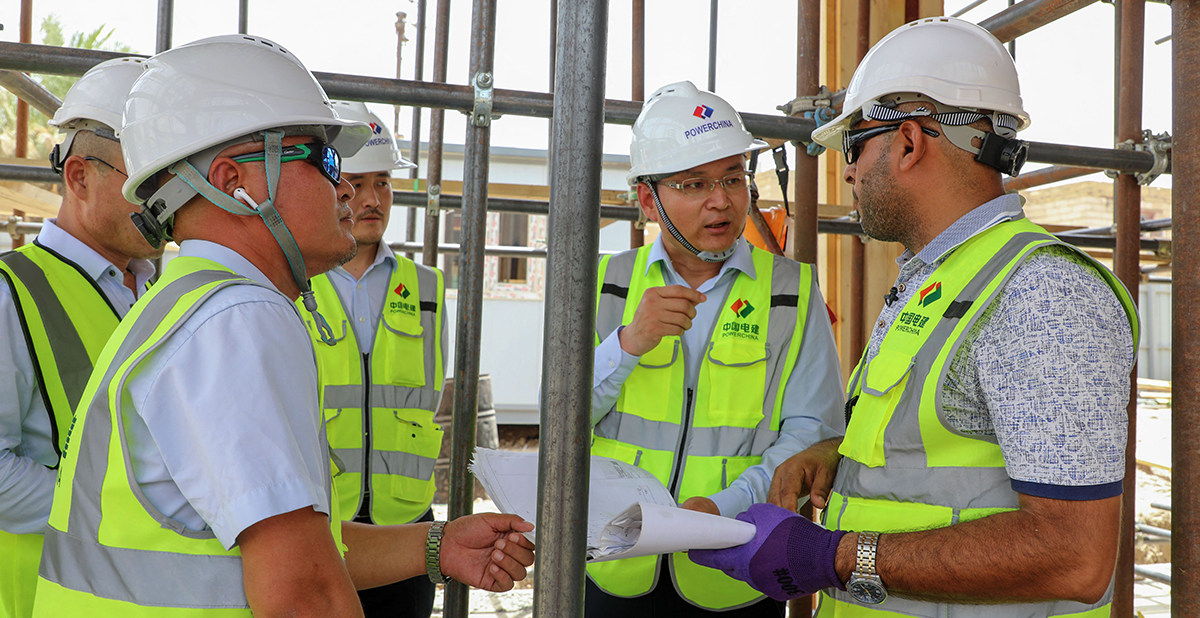
Beijing to Baghdad: China’s growing role in Iraq’s energy sector
Chinese companies are well positioned to participate in Iraq’s efforts to expand its oil production capacity and develop domestic gas supplies, as they are actively engaged in various energy-related undertakings throughout the country. However, if indeed China’s strategy is, as some have suggested, to become the dominant player in Iraq’s economy, achieving that objective will likely prove difficult given Iraq’s challenging operating environment and contentious politics.
Iran’s security chief Shamkhani did his job but had to go
Late last month, Iran’s Supreme Leader Ali Khamenei opted to replace the secretary of the Supreme National Security Council (SNSC), Ali Shamkhani. The latter’s removal after 10 years spent in this key role has generated much speculation, misinformation, and outright disinformation.
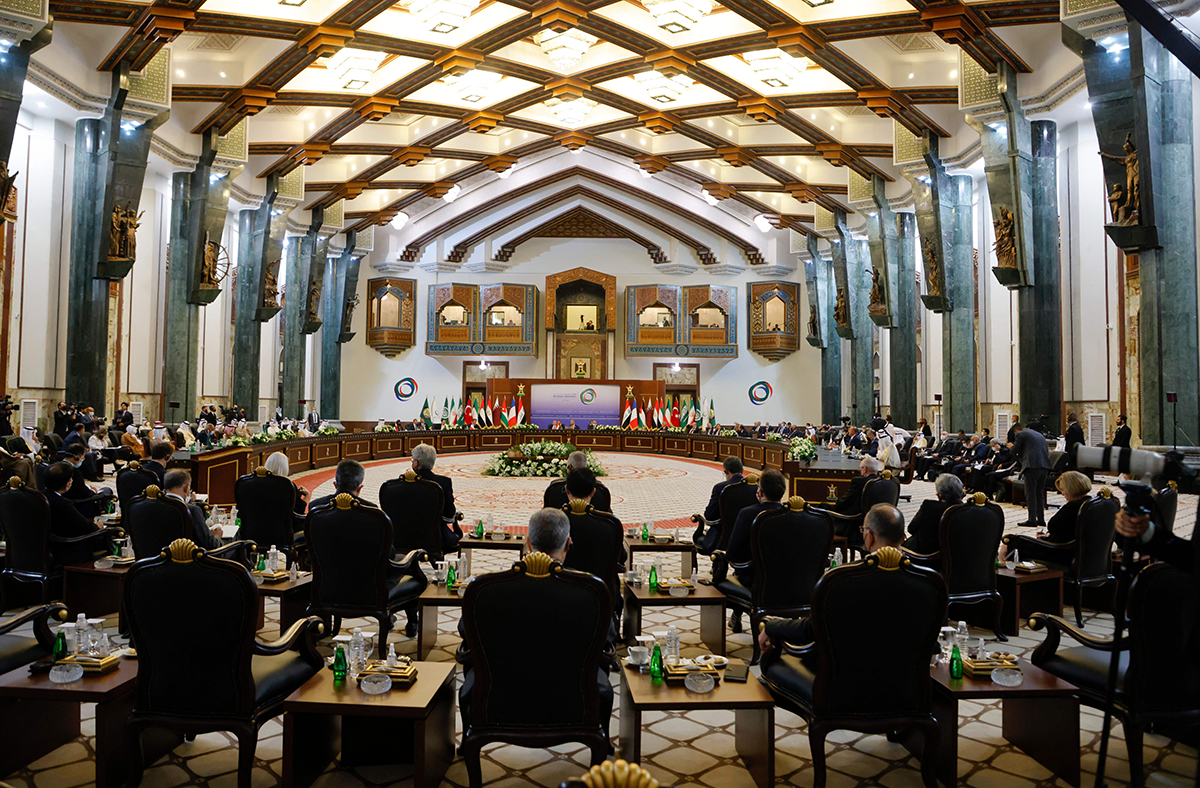
Putting Diplomacy First in the Middle East: Creating Incentives for De-Escalation
The Middle East is undergoing a historic transformation with unprecedented opportunities to build new relationships, de-escalate tensions, and foster conditions for stronger integration. At the same time, the region remains on edge because of ongoing tensions in Yemen, Syria, Iraq, and other conflict zones, a civil war that broke out recently in Sudan, along with the overarching challenges presented by fraught relations between Iran, Israel, and several Arab Gulf countries — with the longer-term implications of the still-fragile Iranian-Saudi rapprochement yet to be fully assessed.