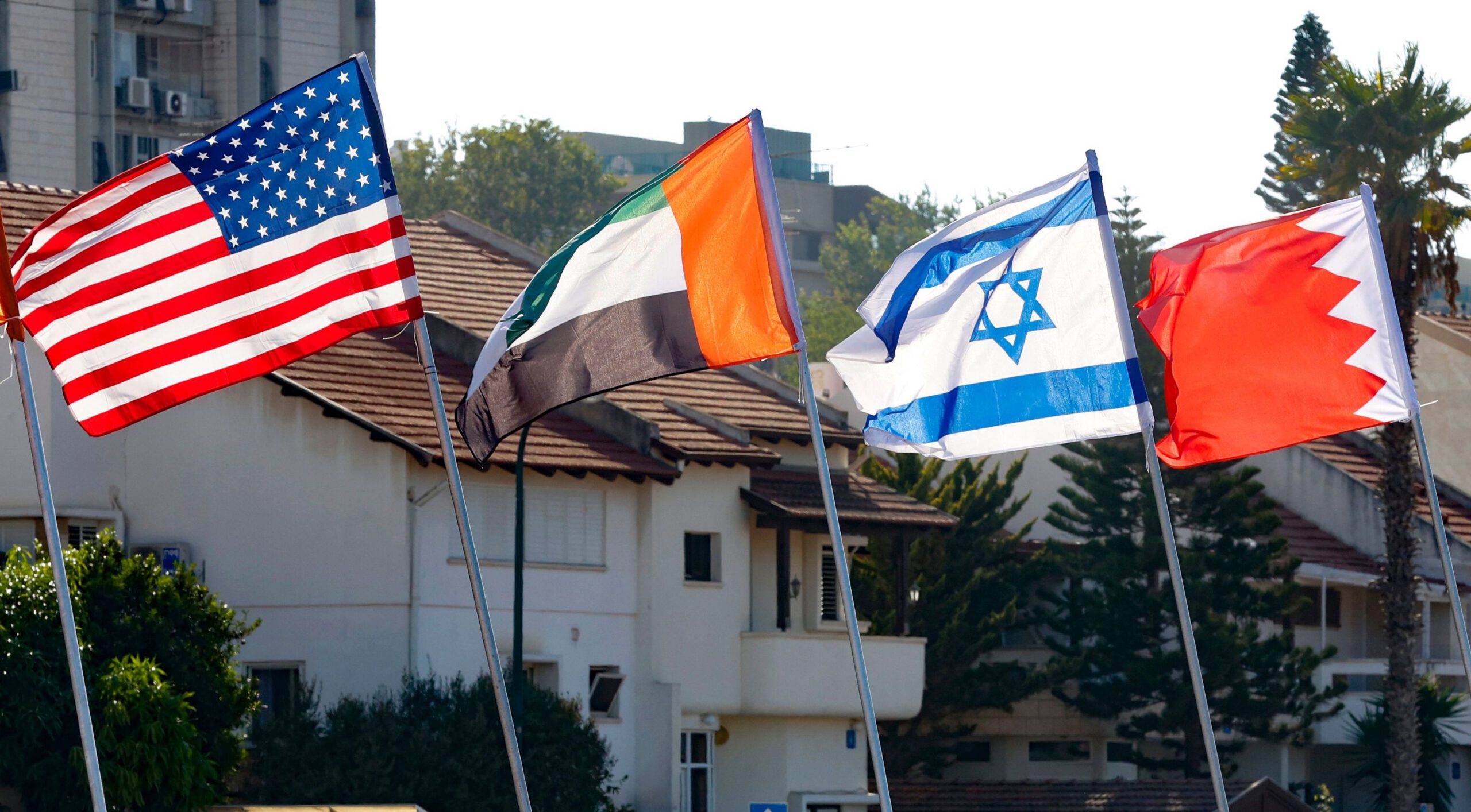
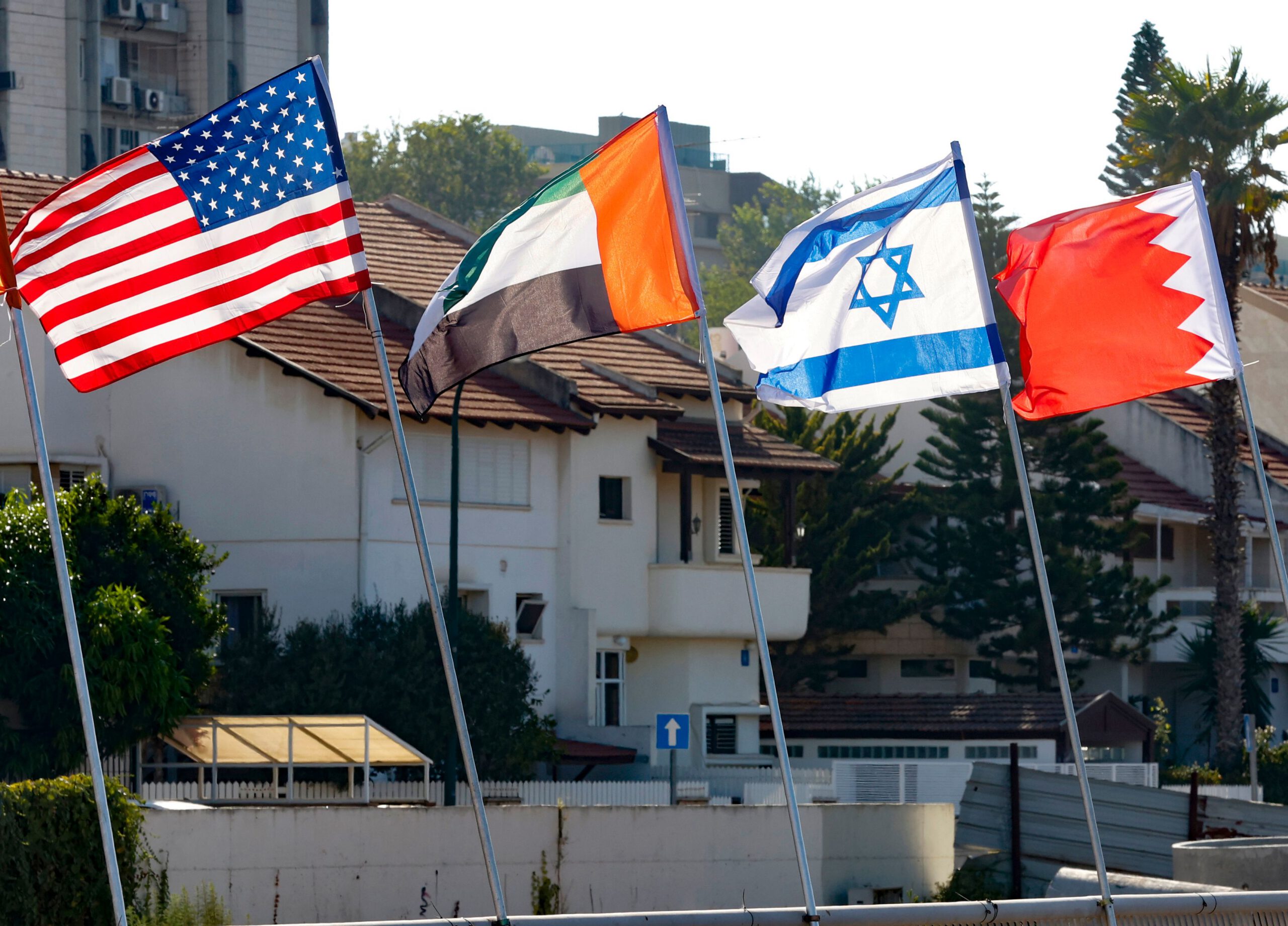
The recent round of fighting between Israel and Hamas, and especially the events that preceded it in Jerusalem, were the first significant test of the Arab-Israeli normalization agreements signed in 2020. Saved by Hamas’ intervention, the four normalizing Arab governments were nevertheless forced to address the consequences of their agreement in the face of popular discontent with the situation at home as well as criticism from other Arab and Muslim states over their relative silence. How they respond to the evolving Israeli-Palestinian tension going forward will be critical not only in regard to their own relations with Israel but also in terms of the future path of Arab-Israeli normalization.
The Growing Alignment Between the Gulf and the Eastern Mediterranean
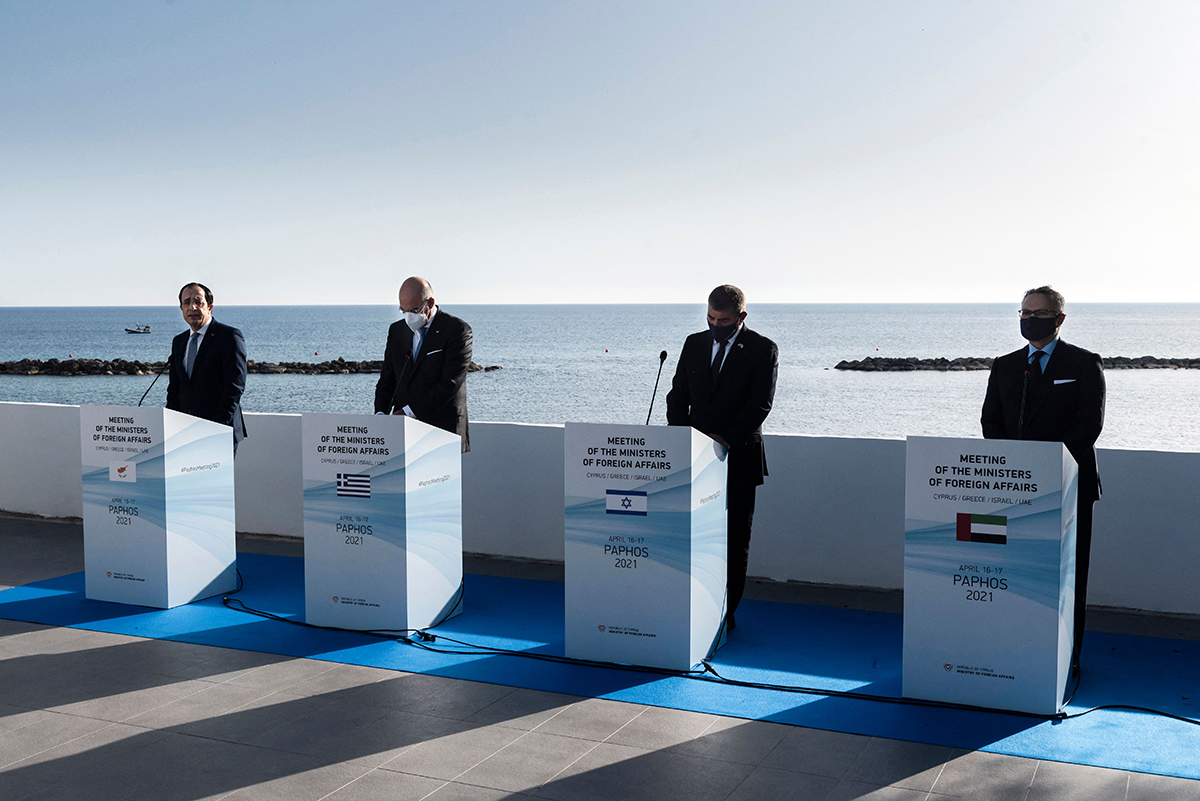
The synergies between the Gulf and the eastern Mediterranean theaters have grown substantially in recent years. Speaking at a meeting in Paphos, Cyprus in mid-April 2021 with his counterparts from Greece and Israel, as well as the former minister of state for foreign affairs of the UAE (now an advisor to the UAE president), the Cypriot foreign minister noted, “The evolving web of regional cooperation is creating a new narrative.” A week later, the UAE and Israeli fighter jets flew together publicly — for the first time — in an international aerial exercise hosted by Greece. How can we explain the signs of growing cooperation between these actors that seemingly operate in close but not completely overlapping arenas?
Eye on Niamey: Middle East regional powers vie for influence in Niger
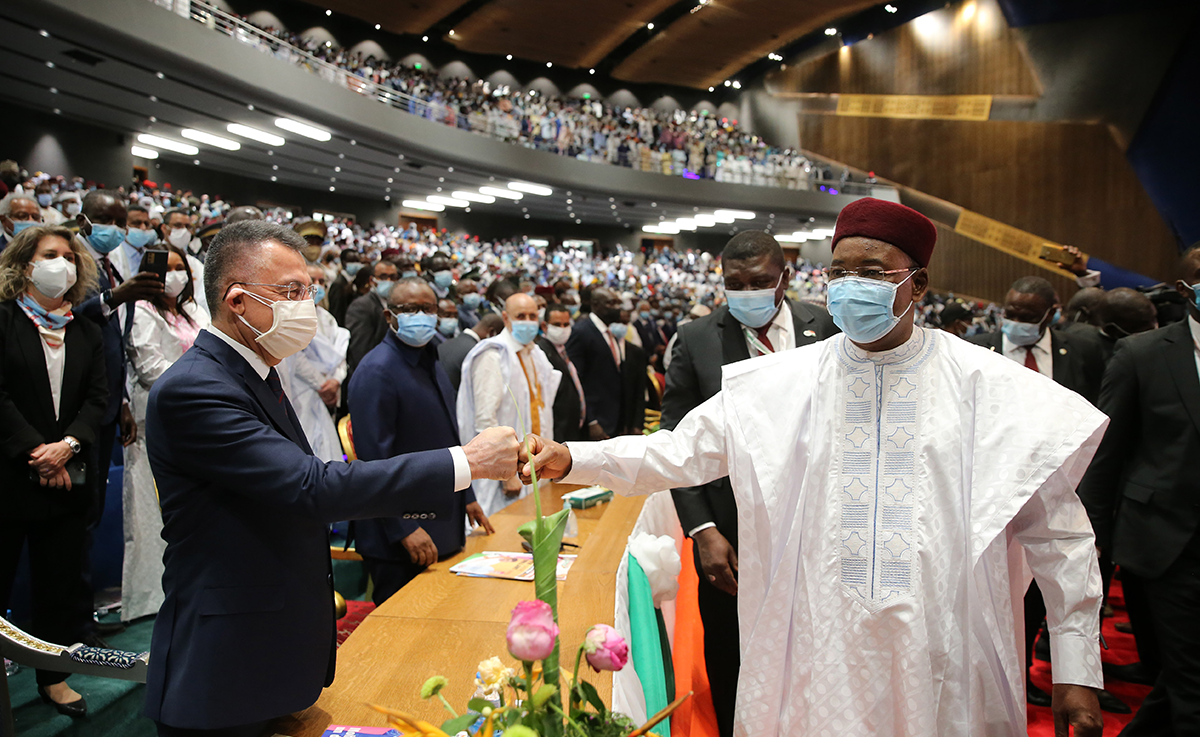
Due to its relatively stable political institutions, geographic proximity to Libya, and UNSC seat, regional powers in the Middle East are competing for influence in Niger. Egypt and the UAE are trying to counter Turkey’s growing economic and security cooperation with Niger, Saudi Arabia and Iran wish to leverage its UNSC voting power, and Israel is testing the waters for a potential normalization of diplomatic relations. These rivalries are poised to intensify, as the Sahel’s geostrategic significance continues to expand.
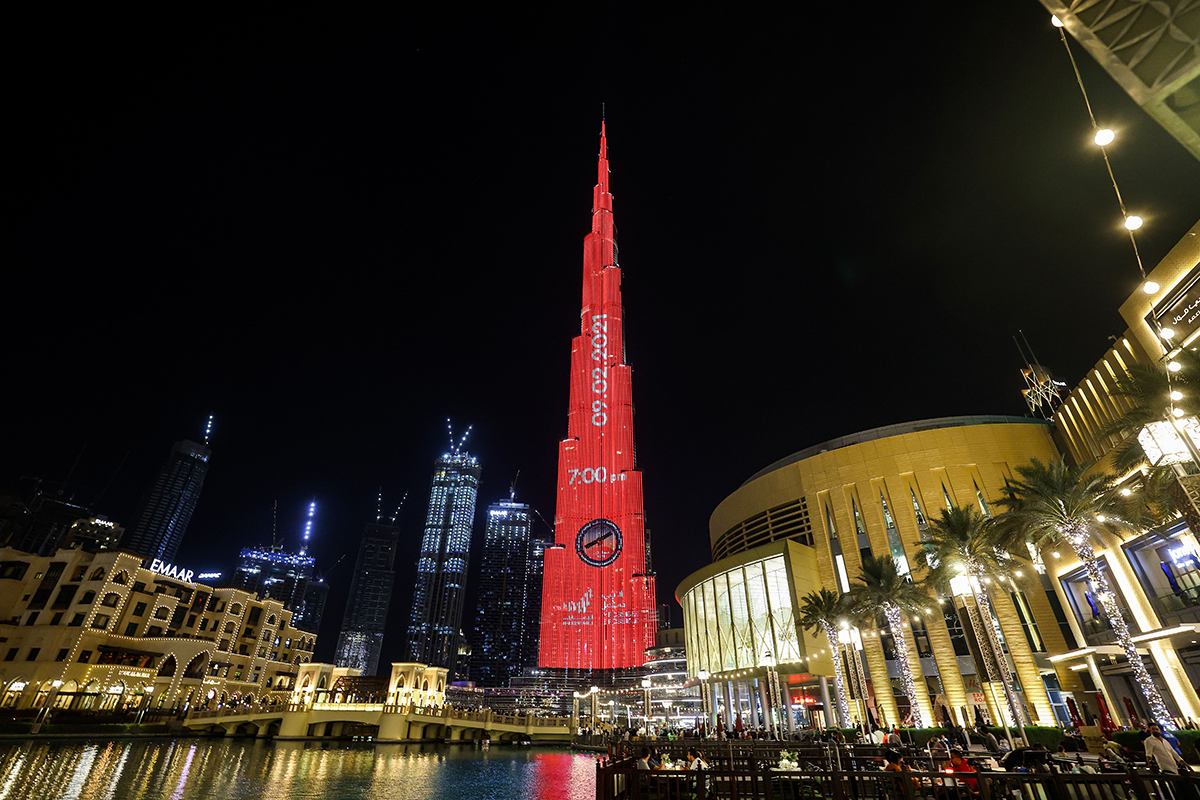
In 2020, the 14th edition of Art Dubai went completely online due to the coronavirus outbreak, with programming focused on performance art and healing curated by Marina Fokidis, a live broadcast of the Global Art Forum, and a digital catalogue. “We didn’t have a model to follow,” Pablo del Val, Art Dubai’s Artistic Director explained. “The online viewing rooms came later and the art industry has shifted to make these platforms meaningful. The future was unknown so we worked blindly.”
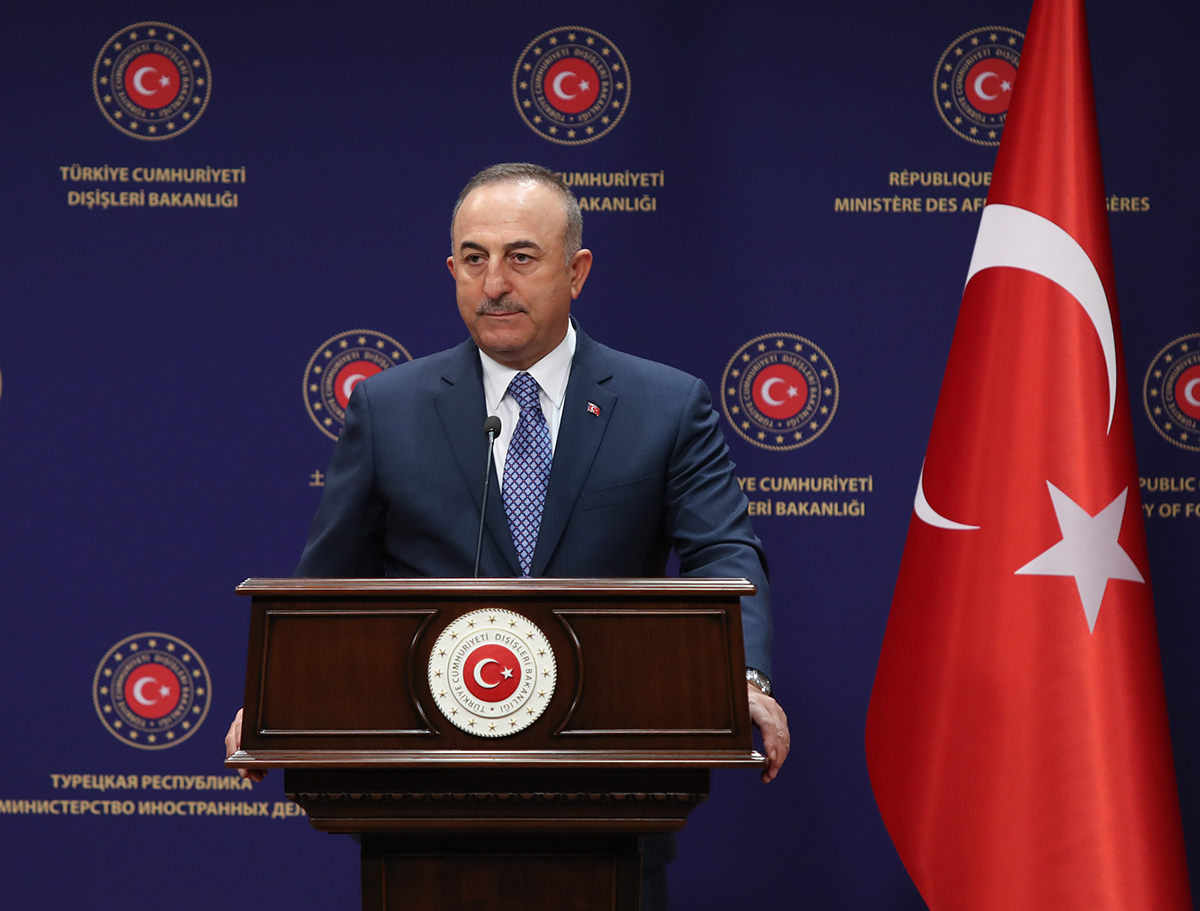
The new wave of normalization in Turkey’s Middle East foreign policy
In the past several weeks, news has been coming out of Ankara regularly about normalization in relations with countries with which Turkey has had problematic relationships for some time.
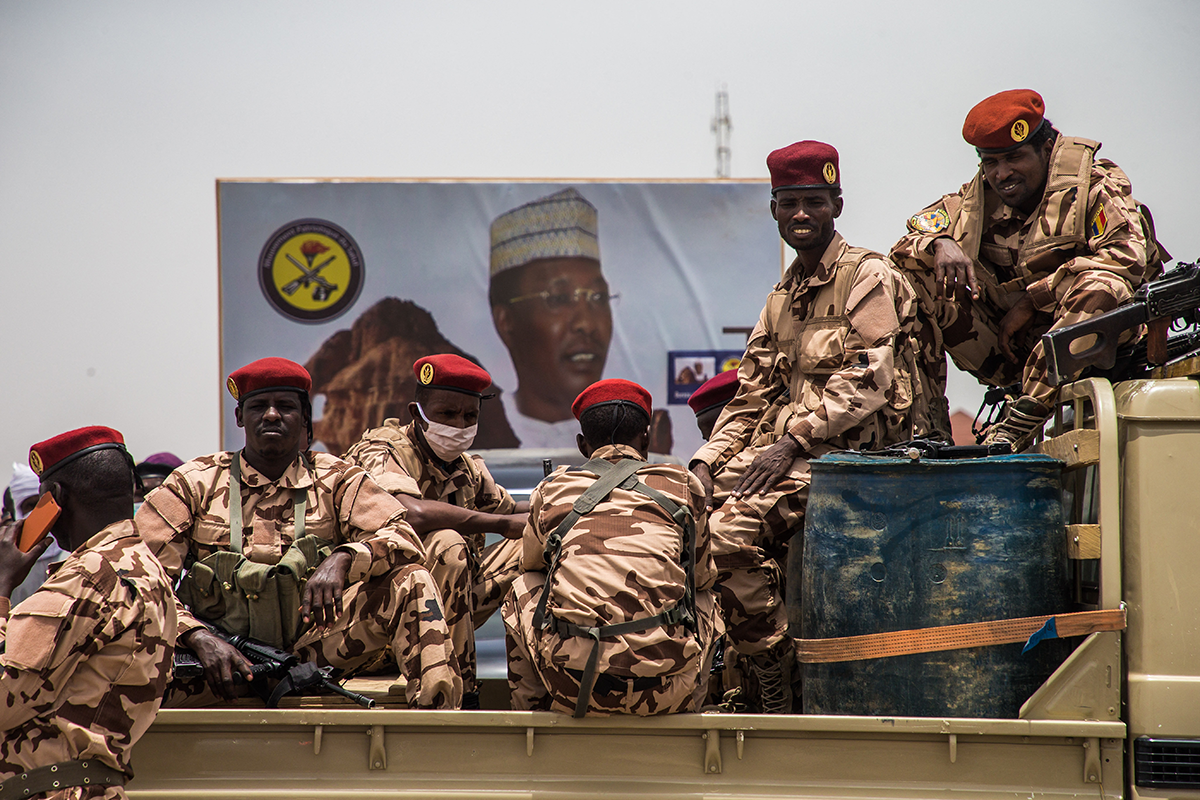
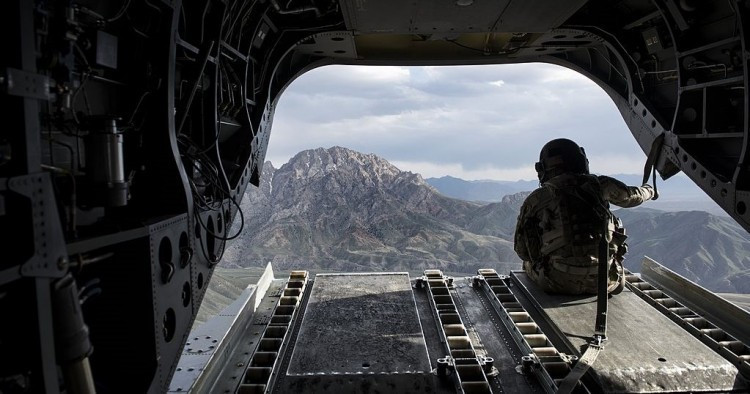
What does the transition in Chad mean for Middle Eastern regional powers?
On April 20, Chadian President Idriss Déby was killed by Front for Change and Concord in Chad (FACT) rebels in the country’s northwestern Tibesti region. The sudden death of Déby, who seized power in Chad via a military coup in December 1990 and was re-elected on April 11 with 79.3% of the vote, risks plunging Chad into a state of prolonged instability.
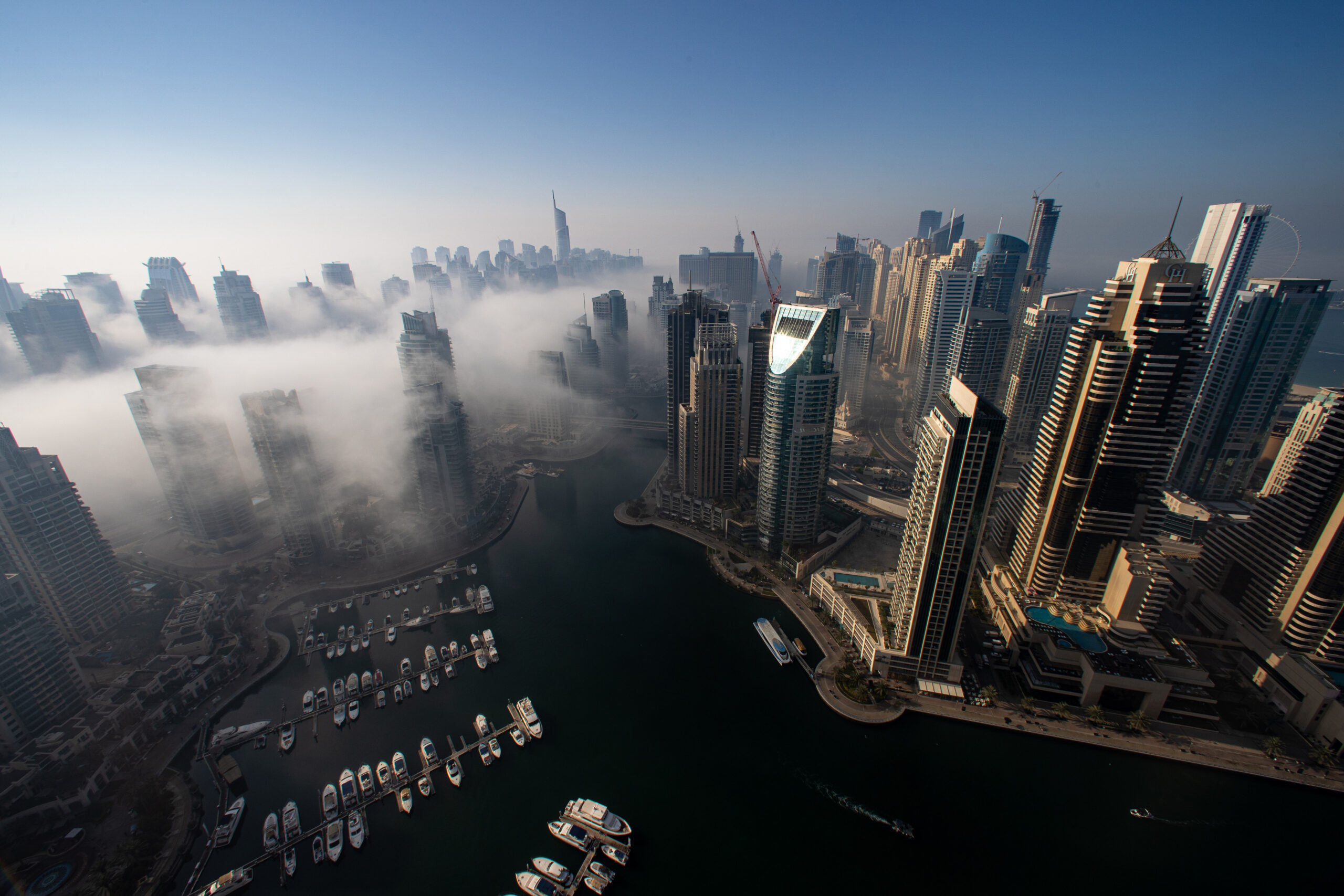
For many years, the United Arab Emirates (UAE) has thrived as a result of its ability to attract talent from abroad. On Jan. 30, 2021, Sheikh Mohammed bin Rashid al-Maktoum, the vice-president and prime minister of the UAE and ruler of Dubai, announced on Twitter[1] an amendment to the law that is designed to entice and retain foreigners by permitting a select group of expatriates to become Emirati citizens without giving up their original nationality.
The geopolitics of space: Why did the UAE send a probe to Mars?
On Feb. 9, 2021, the UAE made history when its Hope Probe reached Mars and communicated back to Earth. This made it just the sixth member of the elite group of countries that have reached the Red Planet, and the first Arab nation to do so. The UAE stressed that the Mars mission is a success for all Arabs and this significant scientific feat positions Abu Dhabi not just as a leader in the Middle East, but also as an important global player in space.
The coming US-China cold war: The view from the Gulf
Around the world, leaders are scrambling to define their strategy for dealing with the inevitable U.S.-China cold war to come, and the Gulf is no exception. Considering the different objectives and perspectives that the region has in regard to the two superpowers, any misstep in forming alliances could be detrimental to its future.
The tiny Persian Gulf country of Qatar has chosen a herculean task for itself: to mediate between the United States and Iran. As Qatar’s Foreign Minister Sheikh Mohammed bin Abdulrahman al-Thani put it on Feb. 10, Doha “is working on de-escalation through a political and diplomatic process.” To this end, al-Thani recently spoke to U.S. National Security Adviser Jake Sullivan and U.S. Special Representative for Iran Robert Malley.
Geo-technology trends to watch in MENA in the 2020s
Ongoing conflicts in Syria, Libya, and Yemen are expected to continue to destabilize the Middle East and North Africa (MENA) in 2021. However, technology will likely add another layer of complexity to these conflicts and reshape the region throughout the 2020s. When the Arab Spring began a decade ago, the biggest challenge facing long-standing Arab autocrats was grappling with the power of social media and the rise of online political opposition by tech-savvy millennial activists. In the 2020s, however, regional governments are now facing a new set of emerging technologies that will shape not only domestic politics but also regional geopolitical dynamics. These advancing technologies include: drone, cyber, and space technologies.