Skip to Content

Research & Commentary Results

Filter by
355 Results
Looking to the skies: The growing interest in cloud seeding technology in the Gulf
Main Image Credit: Courtesy of NCMA/GN Archives
  • Analysis
  • Looking to the skies: The growing interest in cloud seeding technology in the Gulf

    In response to water shortages exacerbated by population growth and climate change, an increasing number of countries have invested in weather modification technologies over the past decade, including precipitation enhancement, or cloud seeding. The UAE has been a leader in exploring this technology within the arid Gulf region, launching a cloud seeding program in 2002.

    June 13, 2022

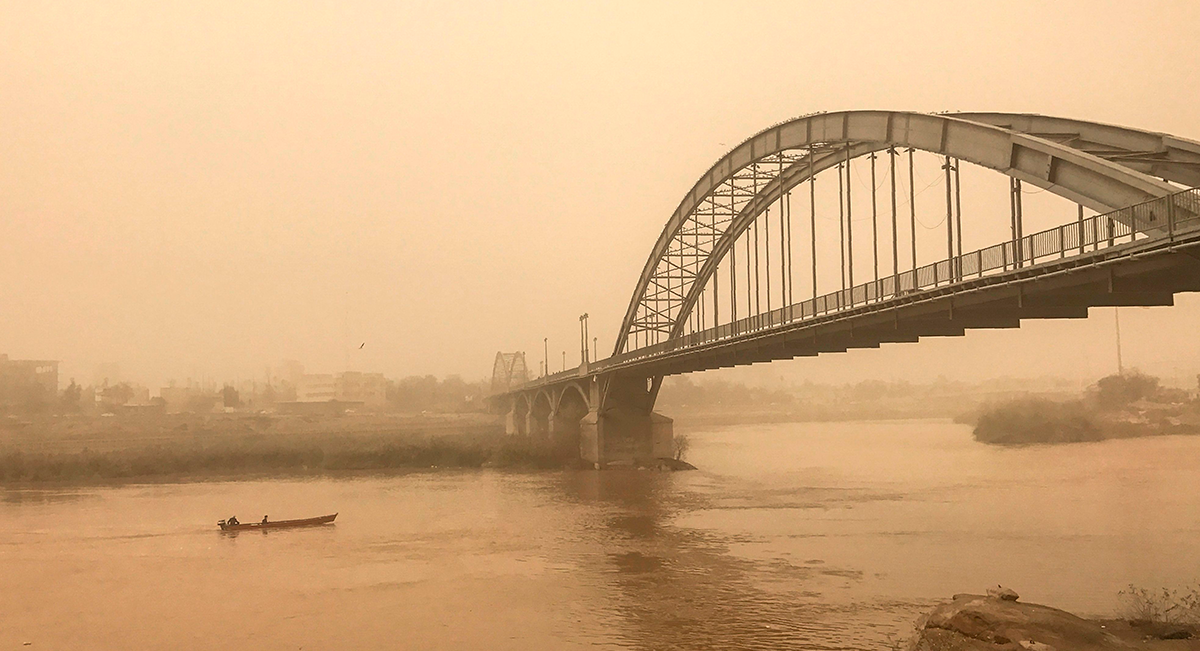
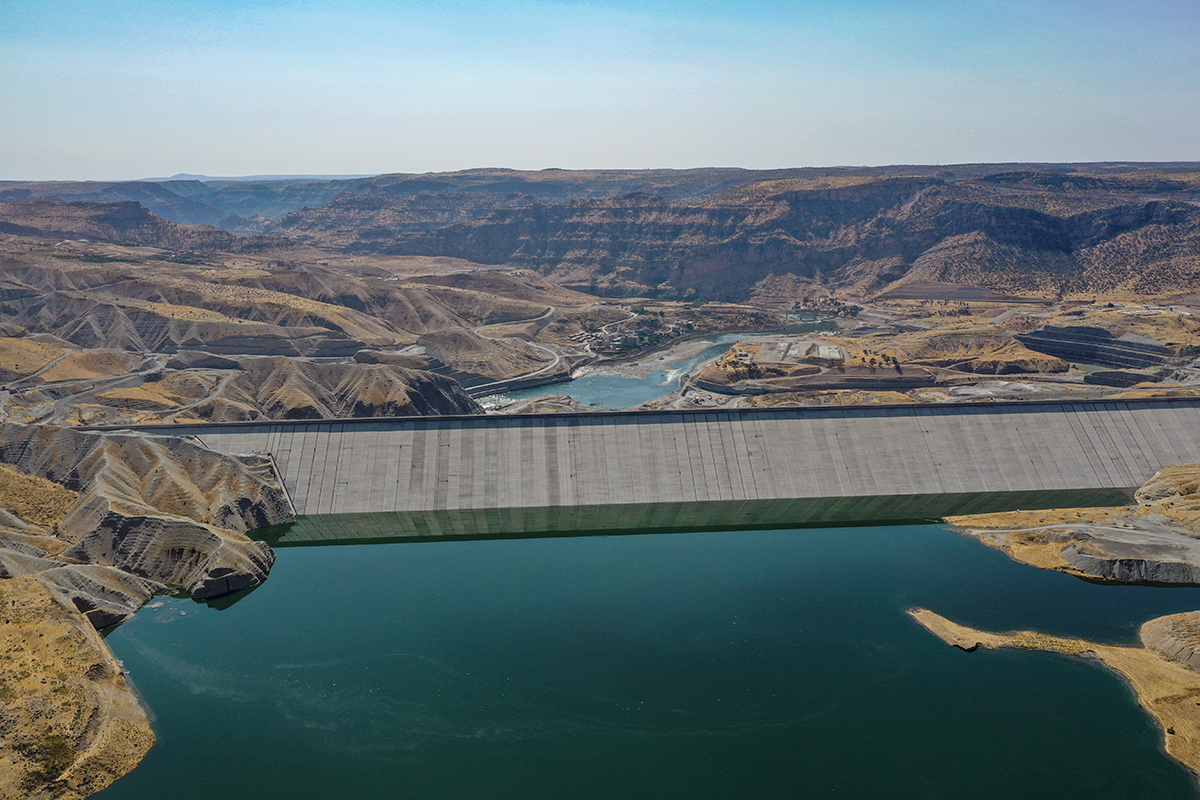
    Amid dust storms and drought, Turkey and Iran are at odds over transboundary water management
    Photo by MORTEZA JABERIAN/AFP via Getty Images
  • Analysis
  • Amid dust storms and drought, Turkey and Iran are at odds over transboundary water management

    Water is slowly emerging as yet another potential cause for dispute between Ankara and Tehran. As of late, the two neighboring states have been at loggerheads over a number of issues, including Syria and Iraq, where they have opposing interests. After years of quiet diplomatic juggling, the issue of transboundary water management is gradually taking center stage in the two countries’ relations, a development that could, in the medium run, have serious repercussions for regional security.

    June 13, 2022

    Expedition to Antarctica
  • Podcast
  • Expedition to Antarctica

    In this interview from MEI’s Climate and Water program, guest host Mohammed Mahmoud speaks with Athra Khamis about her journey to the remote continent of Antarctica, what she saw there, and how it impacted her views on climate change.

    June 2, 2022

    Protecting Gulf waters through regional cooperation
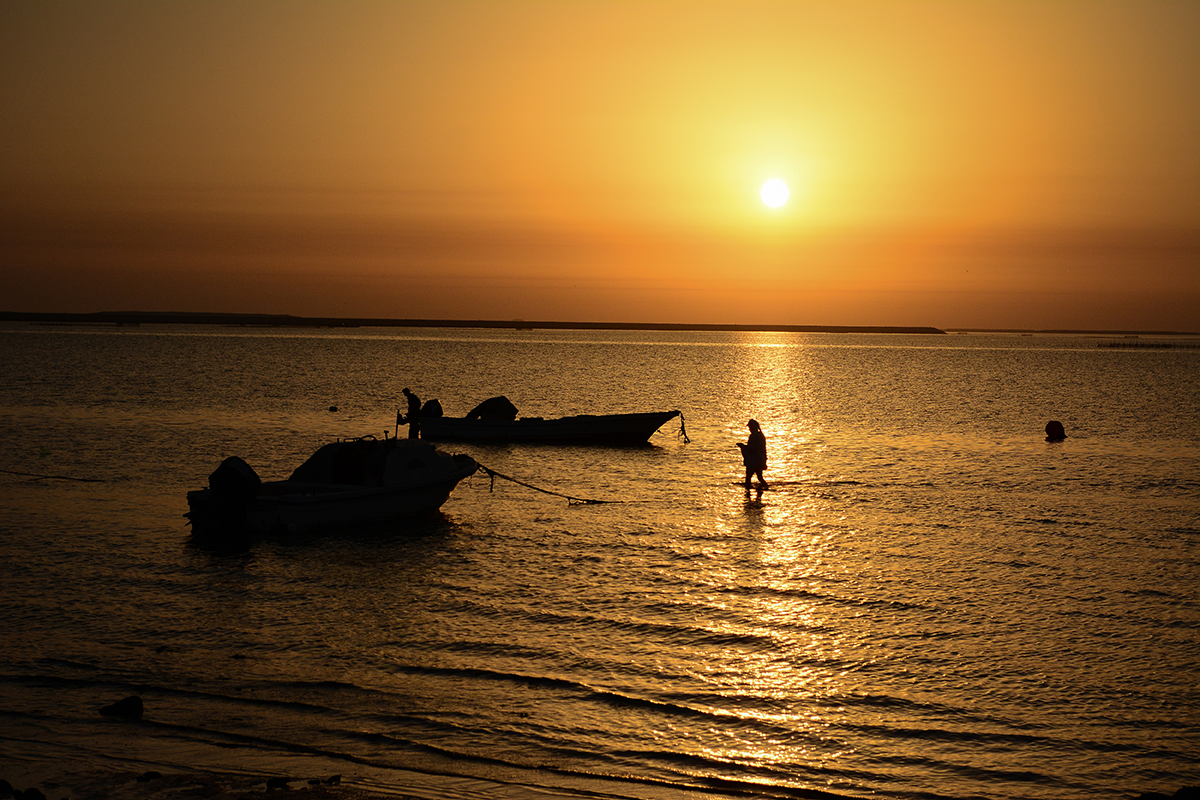
    (Photo by Hussain Altareef/Pacific Press/LightRocket via Getty Images
  • Commentary
  • Protecting Gulf waters through regional cooperation

    In collaboration with regional and international experts and organizations, the Middle East Institute is implementing a program aimed at promoting regional approaches to solve climactic and anthropogenic challenges to the waters of the Gulf.

    May 24, 2022

    Nowhere to hide: The impact of Israel's digital surveillance regime on the Palestinians
  • Analysis
  • Nowhere to hide: The impact of Israel's digital surveillance regime on the Palestinians

    Over the course of 2020 and 2021, groundbreaking investigations revealed in stark detail Israeli authorities’ intensifying use of surveillance and predictive technologies to police and control Palestinians. Subjecting Palestinians to such scrutiny from security and military apparatuses narrows their expressive spaces and plunges them into a state of constant anxiety. This practice also carries out a commercial purpose: Occupied Palestine effectively functions as an open-air laboratory for Israel to test techniques of espionage and surveillance before selling them to repressive regimes around the world.

    April 27, 2022

    Youth Climate Activism in MENA
  • Podcast
  • Youth Climate Activism in MENA

    Mohammed Mahmoud and Neeshad Shafi discuss youth climate activism in the region and Shafi’s experience at MENA Climate Week and the Doha forum.

    April 22, 2022

    How the MENA region’s climate regime influences its water resources
    Photo by Burak Kara/Getty Images
  • Analysis
  • How the MENA region’s climate regime influences its water resources

    The MENA region faces unique challenges to environmental sustainability and human habitation. First and foremost among these is the limited availability of freshwater. The region sees most of its precipitation fall as mountain snow and sustained availability of water to river systems like the Tigris and Euphrates is dependent on the predictable transformation of mountain snowpack into runoff.

    April 20, 2022

    The digital Middle East: Another front in Russia’s information war
  • Analysis
  • The digital Middle East: Another front in Russia’s information war

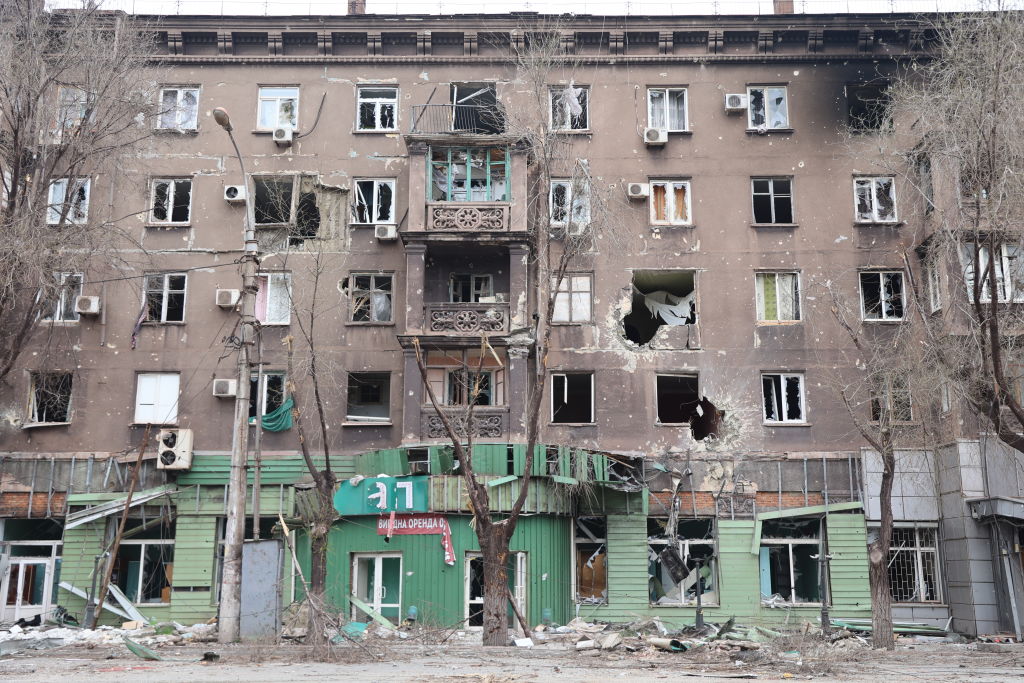
    The Middle East and North Africa (MENA) region, long a target of the Kremlin’s information operations, is being flooded with disinformation from Moscow amid the invasion of Ukraine launched on February 24. Prior to the war, Russia’s President Vladimir Putin gave a lengthy history lesson in his televised speech, claiming that Ukraine was created by Bolshevik Russia, and that it should not exist as an autonomous nation. This conflict has already taken an immense human toll and triggered the largest intra-European refugee crisis since the Second World War. And yet the human impact of the war, the full implications of which remain to be seen, extends beyond the physical world into the virtual realm. As missiles strike Ukrainian cities, a parallel war is being fought online — not only in Russia and Ukraine, but around the world, as the Russian state strives to disseminate its messaging. On the home front, Putin has successfully quarantined his people within an information vacuum through unprecedented crackdowns. In addition to Twitter, Facebook and Instagram, the Kremlin has blocked access to the most popular independent media outlets, forcing hundreds of journalists to flee the country. In response, EU officials have banned content from the Russian-state-owned media outlets Russia Today (RT) and Sputnik across the European Union.

    April 19, 2022

    Solving Tunisia’s growing waste management problem
    FETHI BELAID/AFP via Getty Images
  • Analysis
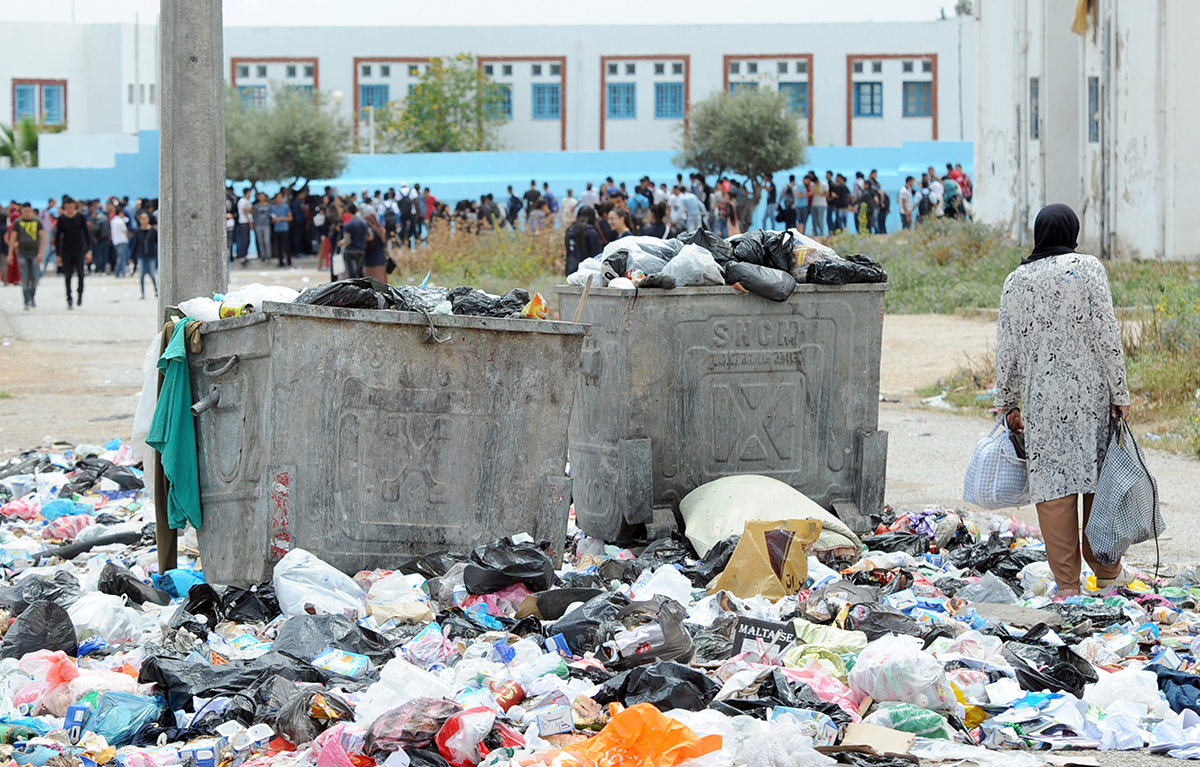
  • Solving Tunisia’s growing waste management problem

    Given its outsized role in contributing to greenhouse gas emissions, waste management is an issue of global importance. Landfills account for almost 5% of total global greenhouse gas emissions and 12% of the world’s emissions of methane. The associated challenges are particularly acute in North Africa, and especially in Tunisia.

    March 31, 2022

    The GERD and Cyber Diplomacy
  • Podcast
  • The GERD and Cyber Diplomacy

    Mirette Mabrouk, Joey Shea, and guest host Eliza Campbell discuss current political disputes over the Grand Ethiopian Renaissance Dam (GERD), cyber diplomacy, and the effects of climate change on the Horn of Africa.

    March 18, 2022

    Drones are re-engineering the geopolitics of the Middle East
    Photo by Diego Cupolo/NurPhoto via Getty Images
  • Analysis
  • Drones are re-engineering the geopolitics of the Middle East

    The Middle East is experiencing a seismic shift in its geopolitics: the dawn of the era of drones. From Syria to Libya and from Yemen to Iraq, UAVs have altered the dynamics on the battlefield. Agile and affordable, drones aren’t just a menace to remote conflict zones, but also to states far removed from theaters of war.