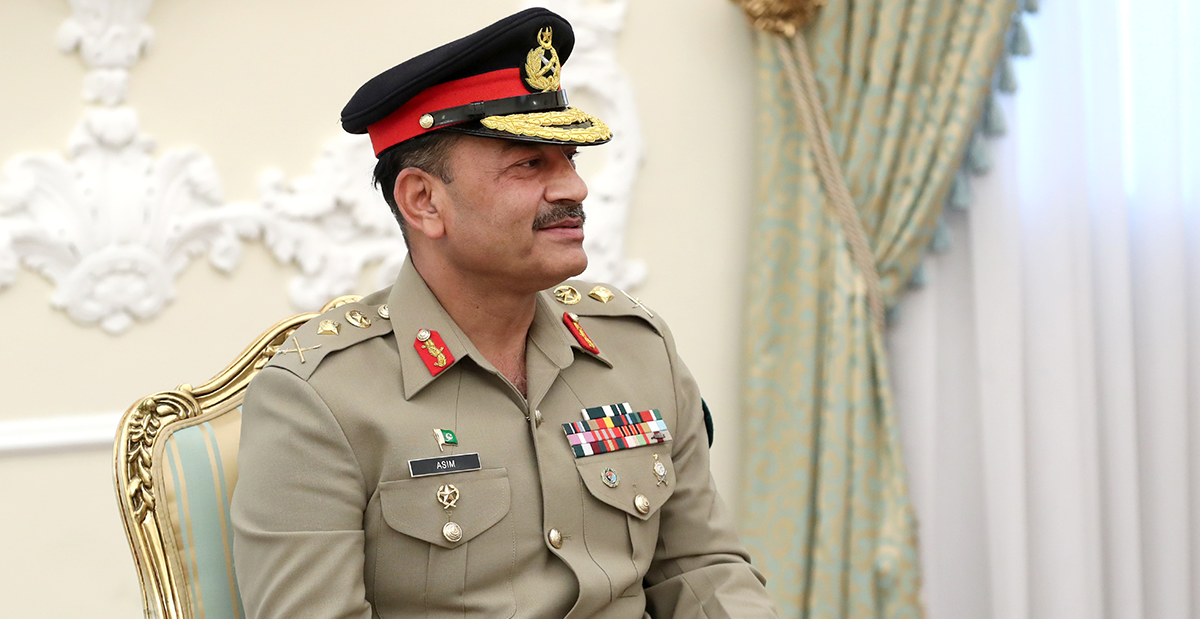
Pakistan’s military and foreign policy under Gen. Asim Munir
Gen. Qamar Javed Bajwa orchestrated a paradigm shift in Pakistan’s traditional geostrategic focus, transitioning from geopolitics to geoeconomics. His successor, Gen. Asim Munir, in command of Pakistan’s military for the past year, now faces the challenging task of turning Gen. Bajwa’s unrealized vision into a reality, a goal that requires cultivating positive interdependence and multi-alignment with a diverse range of partners, while also ensuring domestic stability.
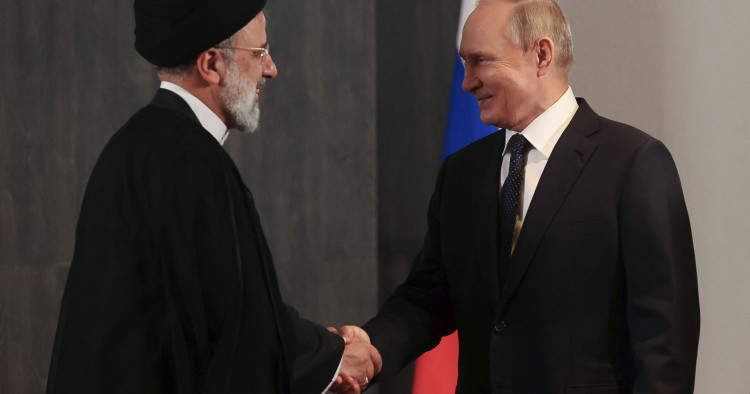
Iran sees lucrative markets across the Black Sea region. It also sees an opportunity to expand strategic cooperation with Russia. And there’s just a chance that America will turn inward in 2025.
It’s all dangerous. To get the picture, start by connecting the dots.
All you need to know about the India-Middle East-Europe Economic Corridor
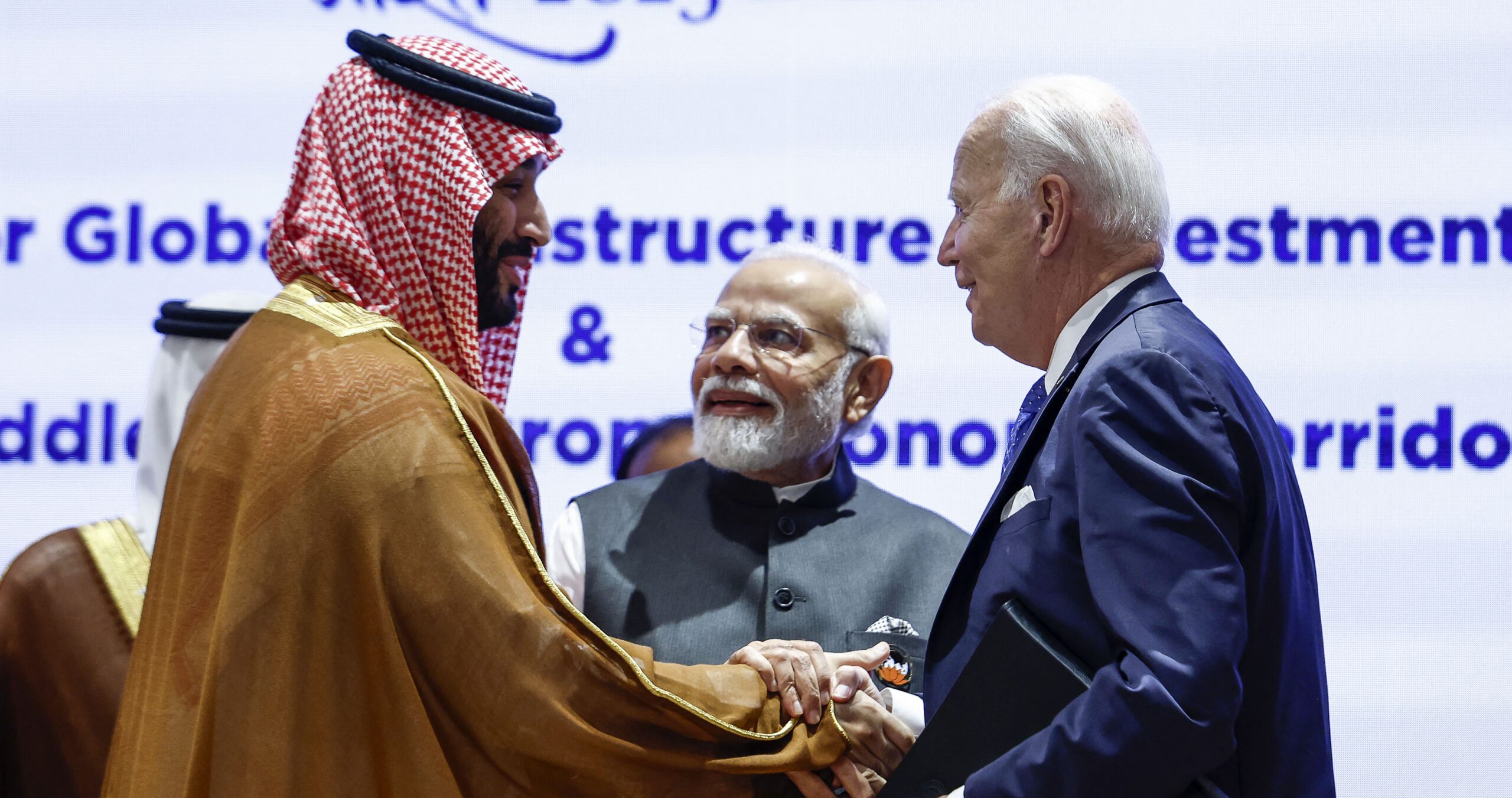
At the September G20 meeting, host country India, along with the United States, the European Union, France, Germany, Italy, Saudi Arabia and the United Arab Emirates (UAE), signed a memorandum of understanding, a non-binding commitment to work towards building two separate “corridors”, essentially envisioning a political line that is connected by some new and some existing, or already under construction, physical infrastructure.
War delays but likely will not fully derail IMEC plans
The Oct. 7 Hamas attack against Israel and the latter’s ongoing military operation in Gaza have stalled progress in the development of the India-Middle East-Europe Economic Corridor and raised questions about its prospects for eventual completion. The IMEC faces multiple viability challenges, but none of them are insurmountable; thus, its participants are unlikely to abandon it.
Climate casualties: How the Gaza war threatens Mideast climate action
The renewed violence in Gaza could not have come at a less opportune time for the climate agenda in the Middle East. From energy economics to environmental degradation, the ripple effects of conflict will complicate the path ahead.
China’s growing maritime presence in Egypt's ports and the Suez Canal
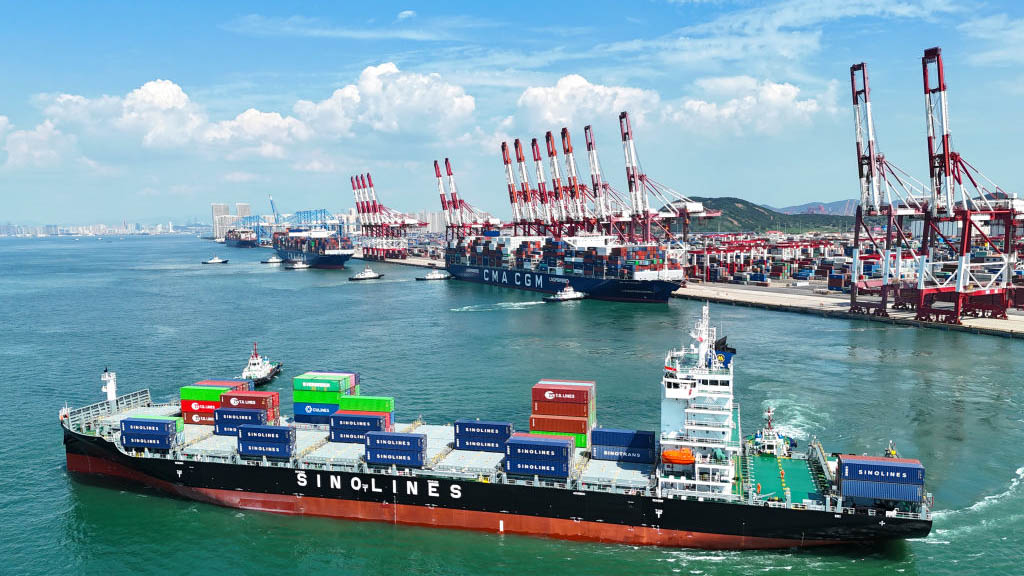
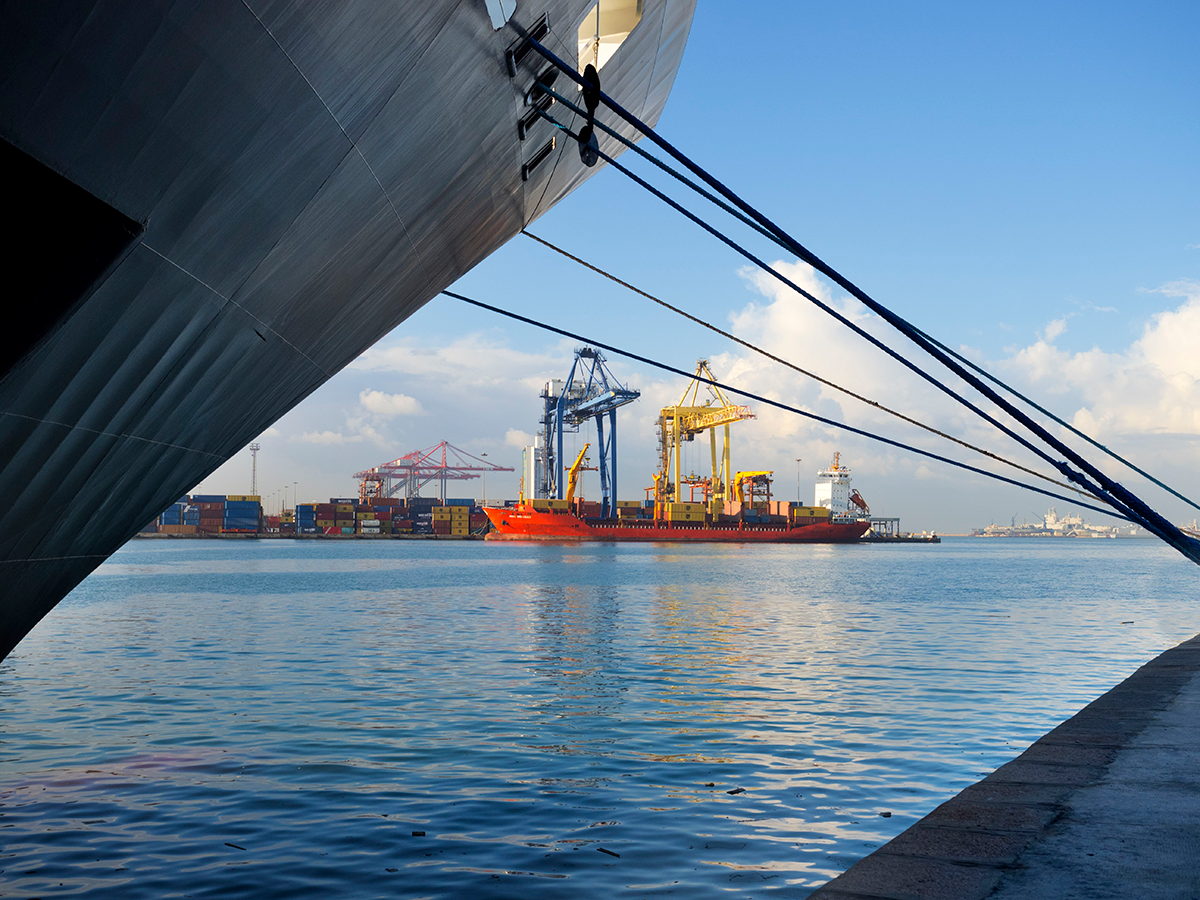
In recent years, China’s presence in Egypt’s strategic ports has grown noticeably, including the involvement of both private and state-owned Chinese companies. While this reflects Beijing’s growing ambitions in the region, the opacity of the Sino-Egyptian agreements and the blurry lines between China’s commercial ports and its military aspirations raise questions about the potential implications.
Enhancing Morocco's energy supplies with ISO tank and small-scale LNG
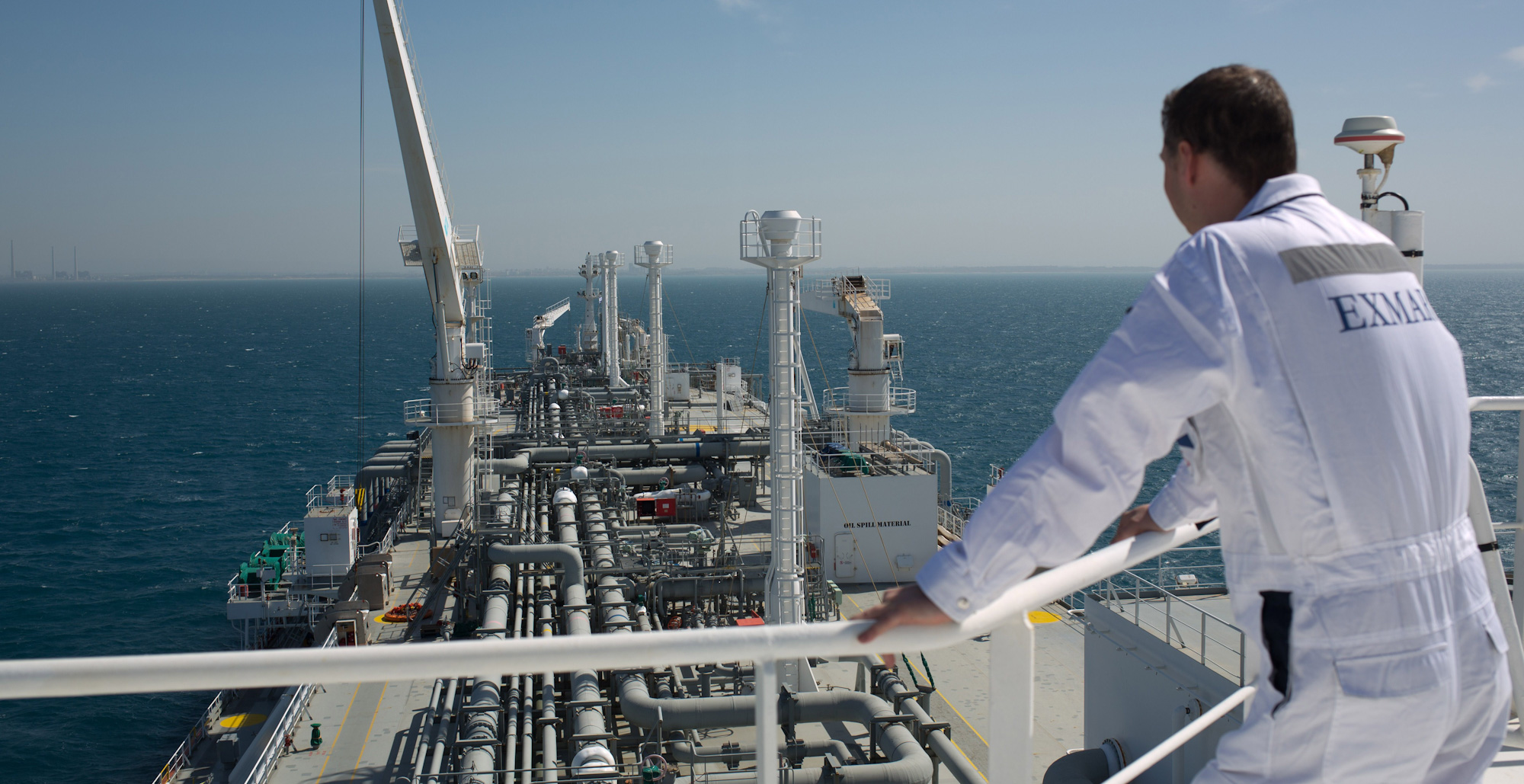
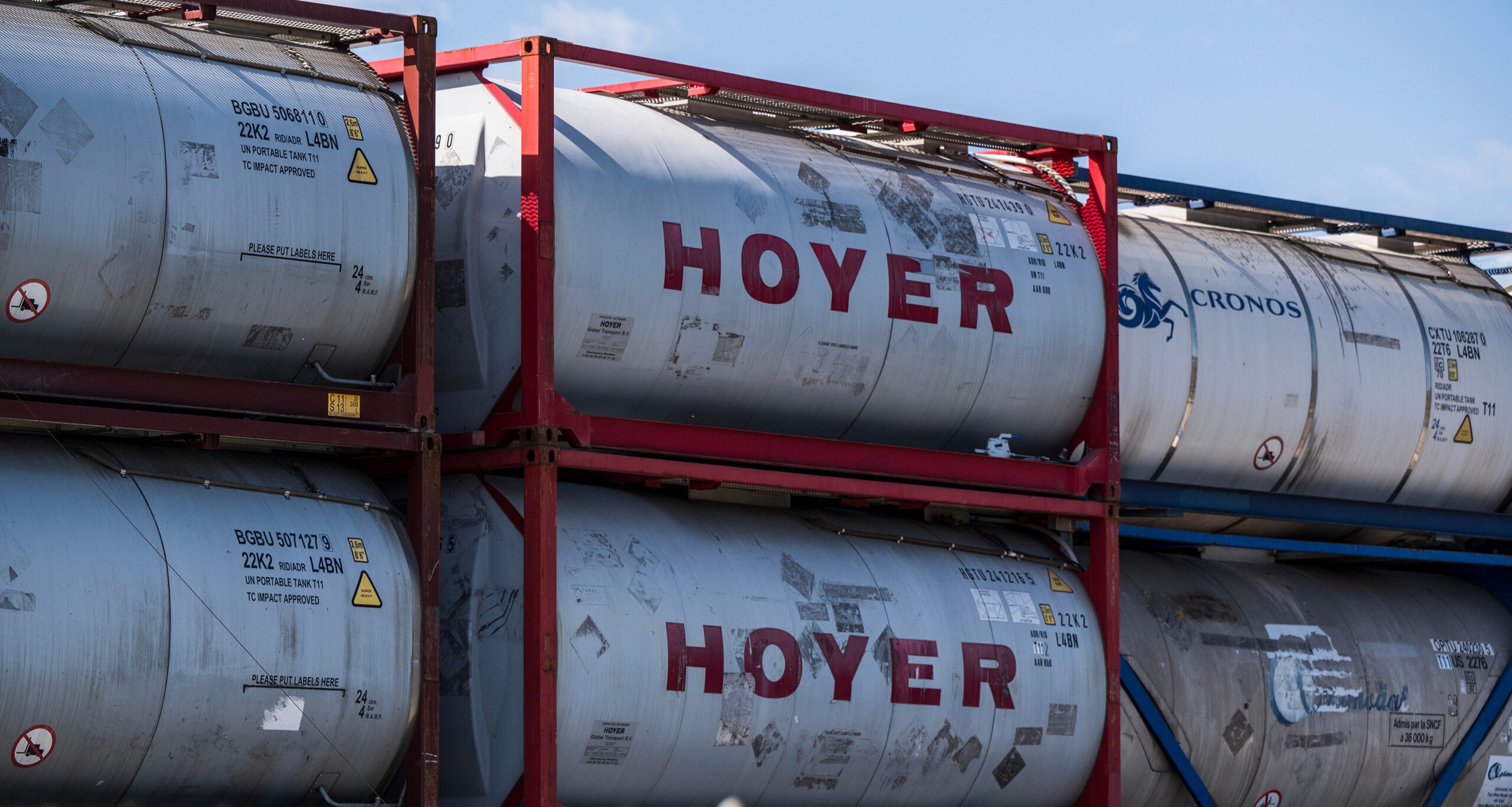
With no new interregional or international gas pipelines currently planned, gas-poor Morocco should consider alternative import schemes, such as LNG import via ISO tank containers, utilizing its well-developed port, rail, and road infrastructure.
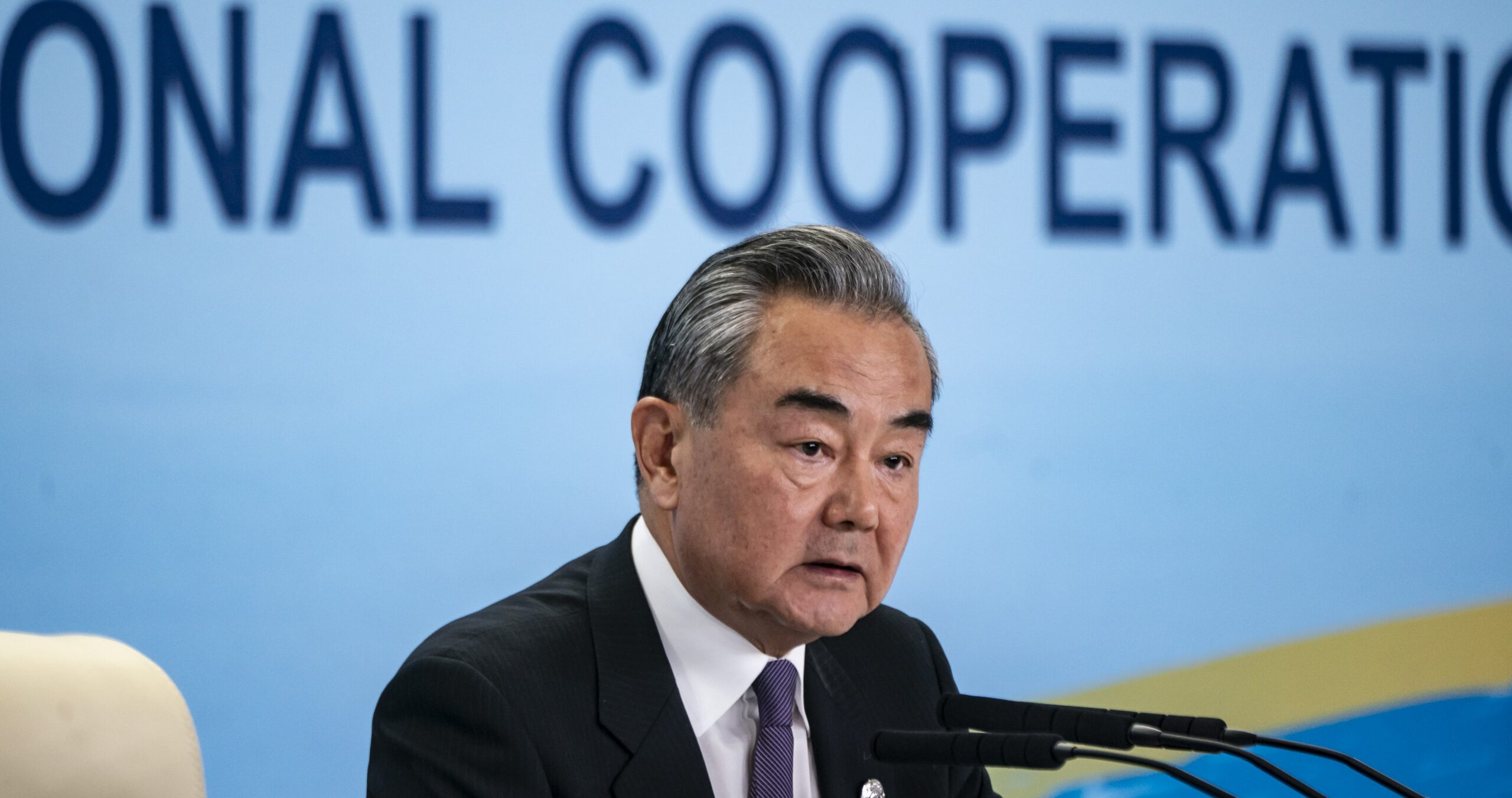
The war in Gaza as a major test of China’s Middle East peace diplomacy
China has long sought to brand itself as a “neutral” player and force for peace in the Middle East and elsewhere, willing and able to talk to “all sides.” Beijing’s nascent ambition to play the role of peacemaker and its potential to shape regional events was on display when it succeeded last March in brokering the détente between Riyadh and Tehran. The Israel-Hamas war offers no such low-hanging fruit. On the contrary, it poses a major test of China’s Middle East peace diplomacy — and an opportunity to examine some of our own, perhaps faulty assumptions.
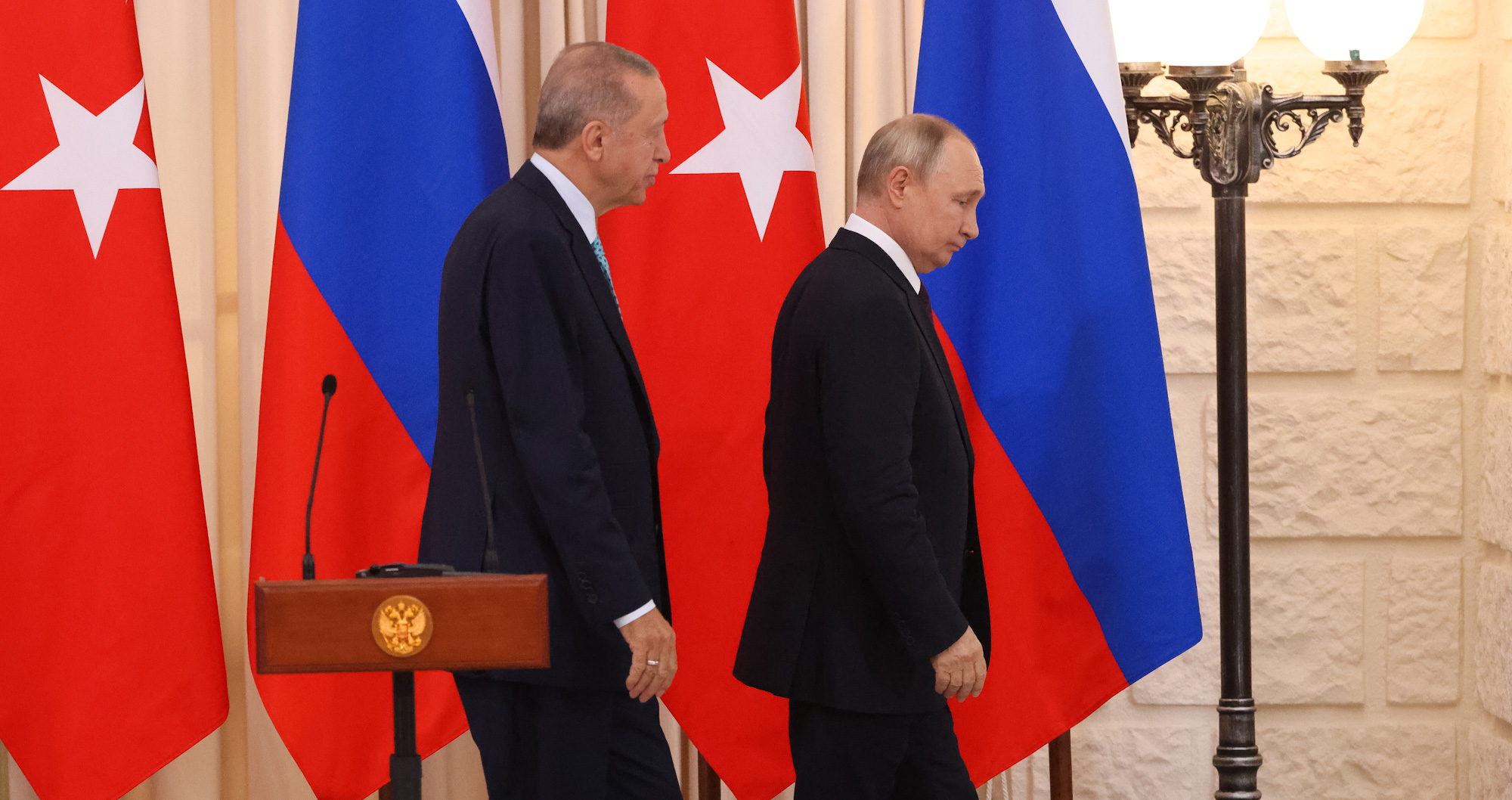
With Russia’s future uncertain, Turkey and the West need each other
Prigozhin’s coup was a serious warning sign that should prompt Turkey to cool ties with Russia and rebuild its relationship with the West. Yet today, Turkey and the West look at each other in terms of problems not solutions. While the political risks of reengagement are high for both sides, the potential rewards are well worth the effort needed to overcome them.
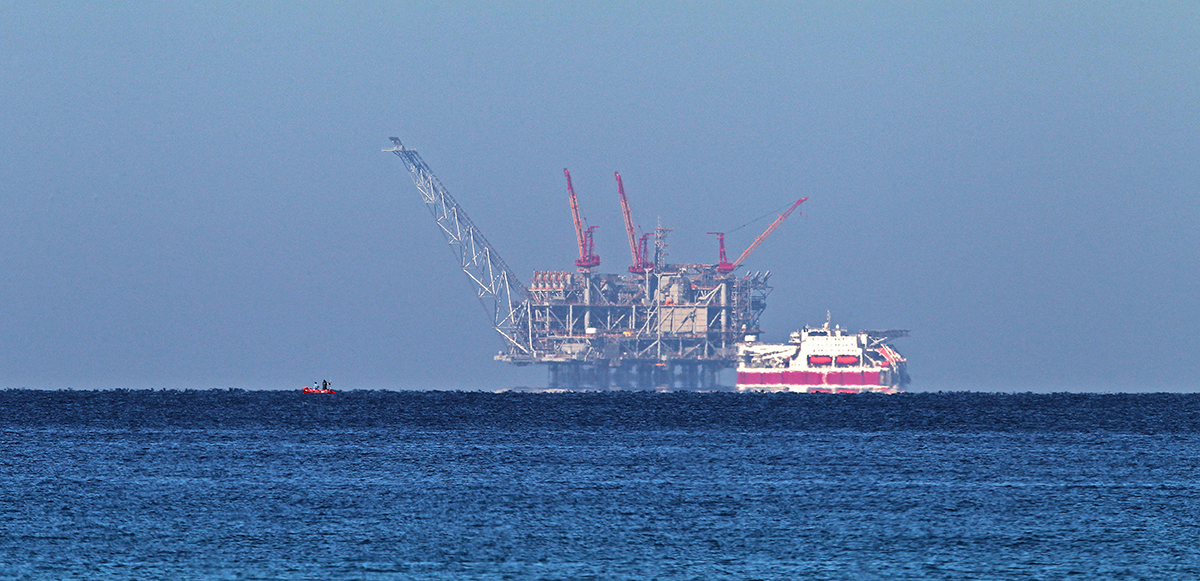
The energy risks of Israel’s new war are large and growing
The state of Israel and the terrorist group Hamas are engaged in an existential conflict, each threatening the survival of the other, as well as the survival of civilians, both Palestinian and Israeli, caught in-between. The conflict could widen into a regional or even global crisis. For energy markets and the global economy, the risks are considerable and could swerve or accelerate in response to multiple variables.
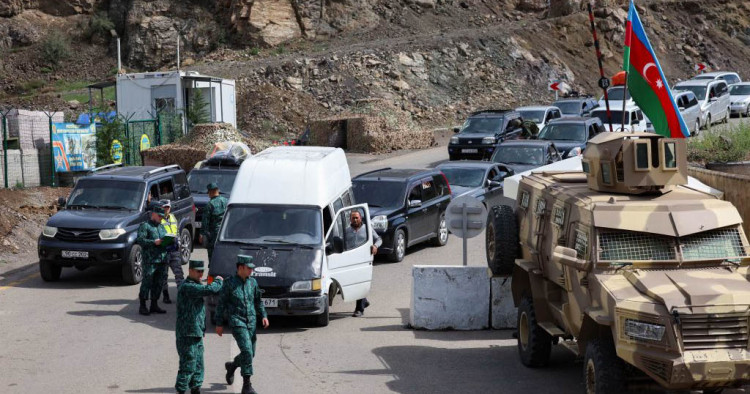
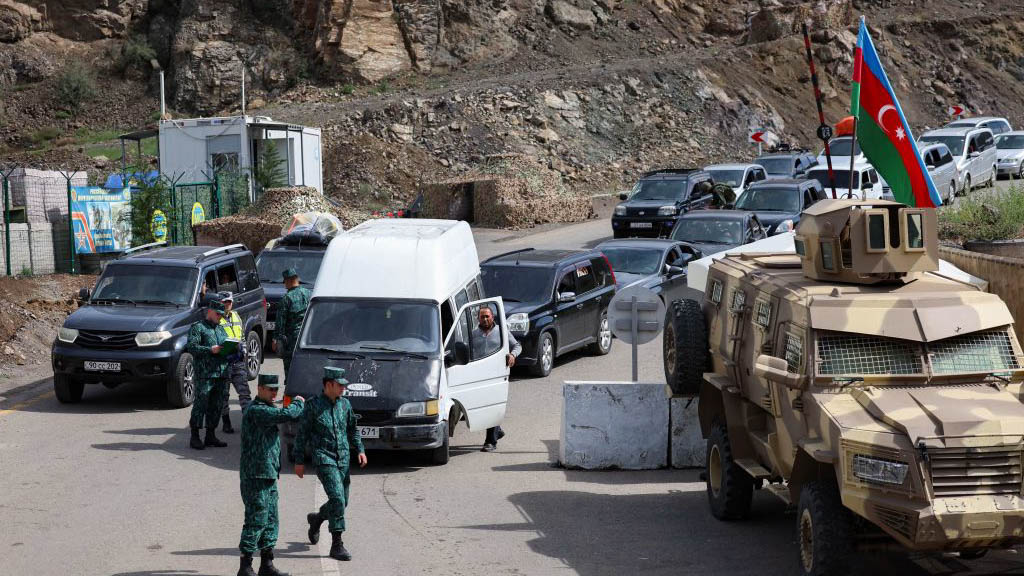
Nagorno Karabakh offers the US a chance to make new friends and weaken old enemies
The latest war over Nagorno Karabakh lasted a single day, ending on Sept. 20. It is the third war over the region disputed between Azerbaijan and Armenia in the last three and a half decades.
But this time, it seems there was really only one party to the conflict. Armenia stayed out, leaving it to the Armenians of Nagorno Karabakh to surrender.
A hundred thousand people have fled to Armenia, roughly 80 percent of the Karabakh population. What’s more, Armenia’s most powerful allies, Iran and Russia, appear to be distracted and marginally engaged.
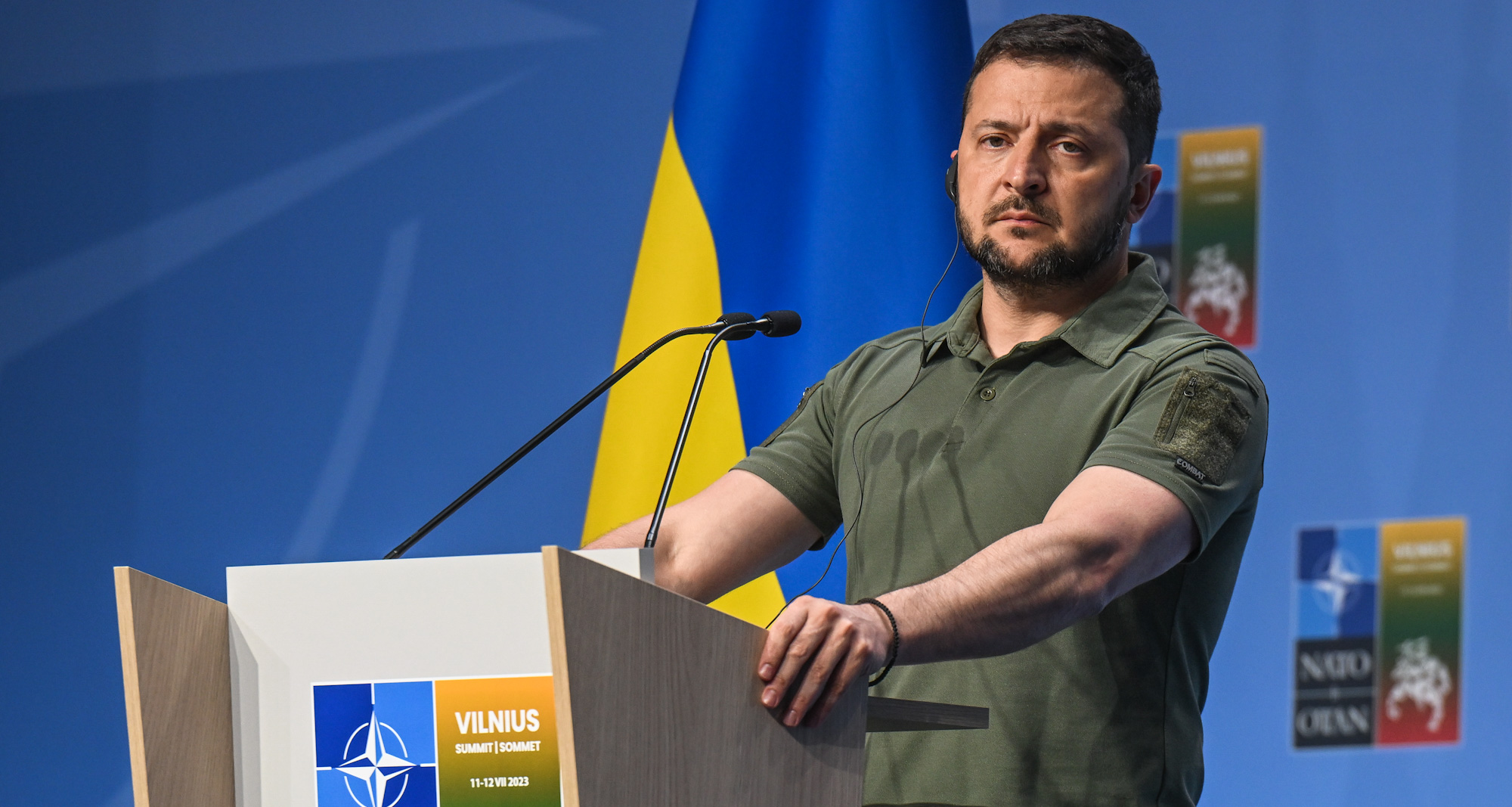
NATO membership for Ukraine: The only lasting deterrence against future Russian aggression
As important as it is for Ukraine to work with individual partners and receive their long-term support, the key security guarantor for Ukraine can only be NATO and its Article V umbrella. No arrangement other than full NATO membership will entirely remove the threat of a Russian re-invasion, at least so long as Putin remains in power.