5G adoption and its implications in the Gulf states
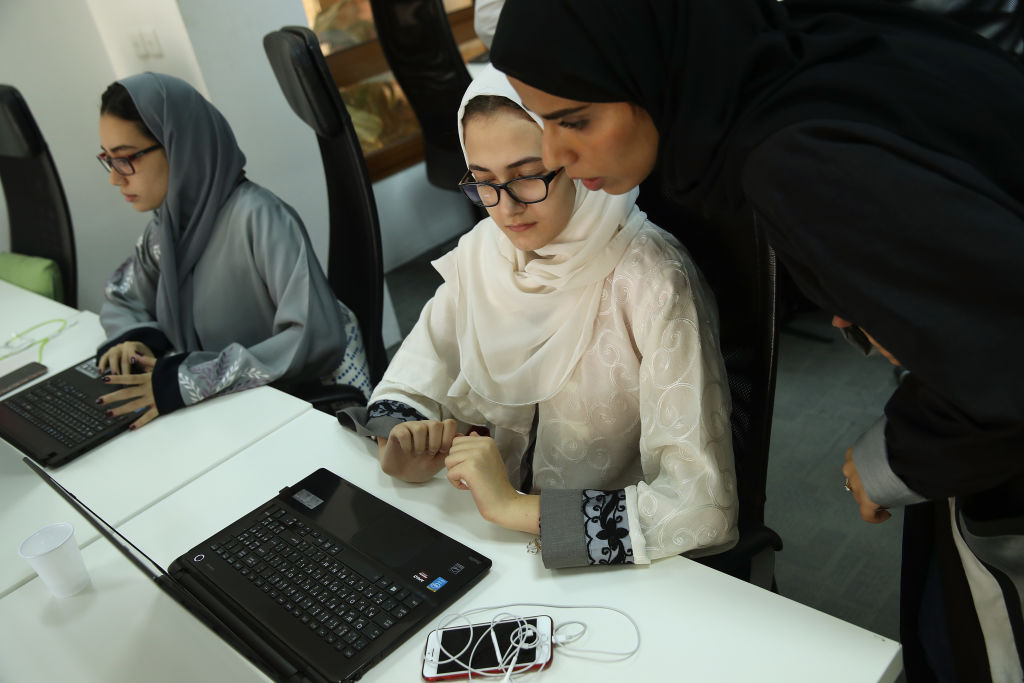
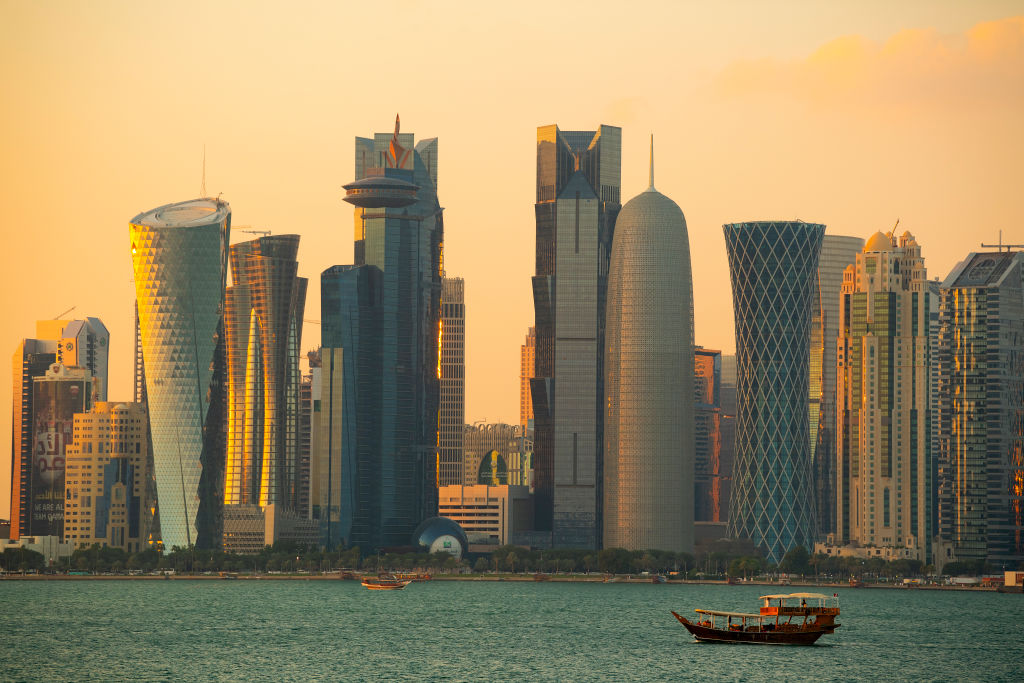
As many of the Gulf states pivot away from oil and gas, they have turned to digital development as a way to attract foreign investment and spur domestic growth. A critical part of these digital transformations is the widespread adoption of 5th generation mobile communication networks (5G). Large-scale investment in 5G rollouts in Saudi Arabia, Qatar, the United Arab Emirates (UAE), and Bahrain reflect this reality.
Censorship, streamlined: Turkey’s social media law and the future of free speech online in the Middle East
In an unexpected and disappointing turn of events, Turkey’s ruling Justice and Development Party and its parliamentary ally, the Nationalist Action Party, rushed through a stifling social media amendment to Turkey’s Internet Act.
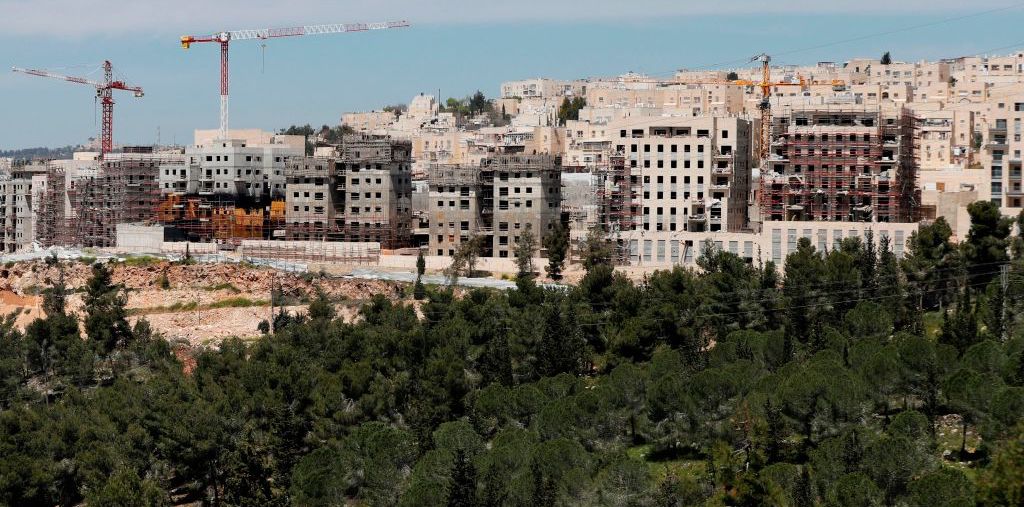
The potential cyber consequences of Israeli annexation of Palestinian territory
While it seems as though the immediate threat of Israeli annexation has, for the time being, faded, the incident raises an interesting new set of questions about how this particular battle will continue to play out in an increasingly digitized Middle East and the potential for retaliation by Palestinian and other actors in cyberspace, whether or not such an annexation takes place.
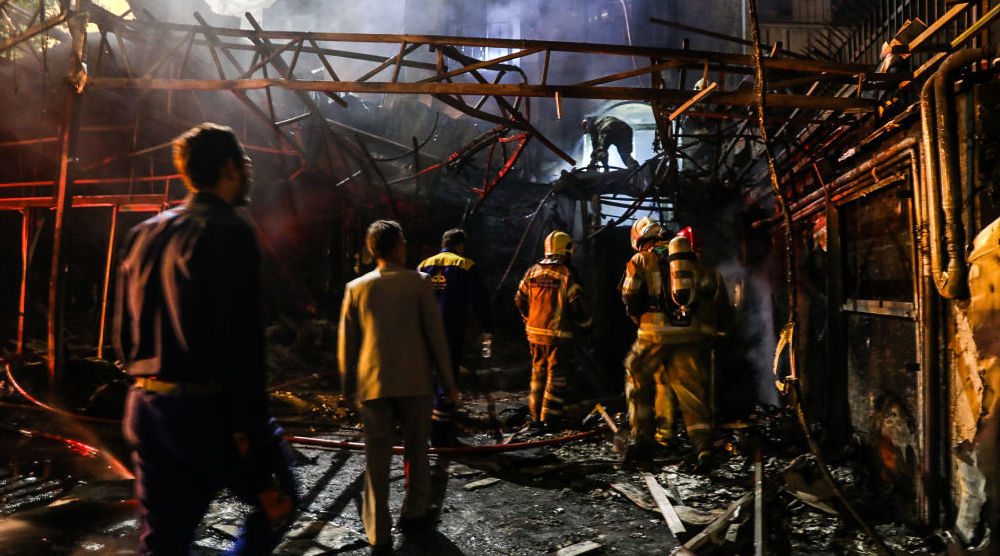
What’s behind the wave of mysterious incidents in Iran?
On the 10th anniversary of the discovery of the Stuxnet computer virus, designed by the U.S. and Israel to target Iran’s nuclear program, the Islamic Republic is facing a new wave of unclaimed acts of sabotage.
Digitization and the future of Middle East economies
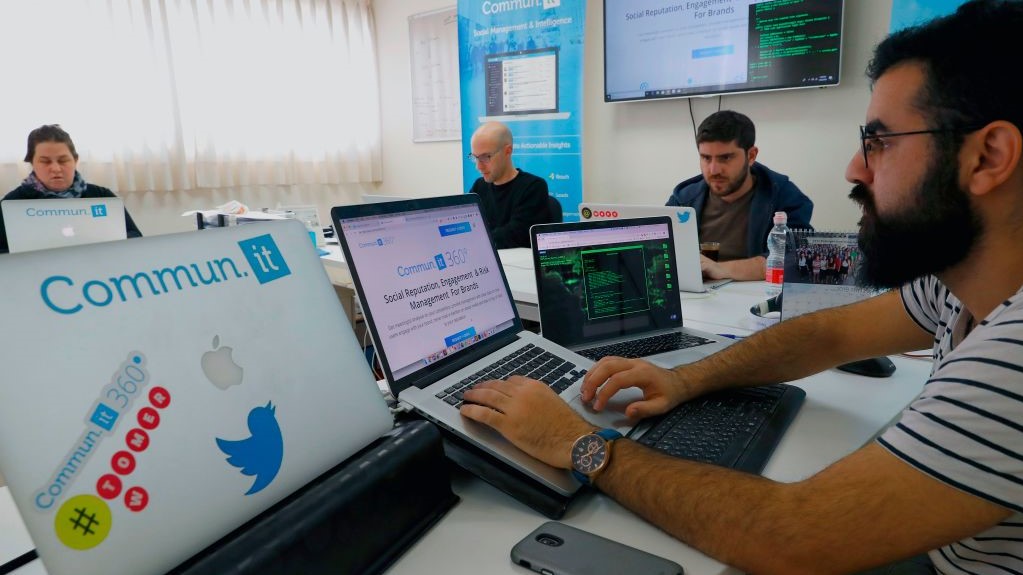
The digitization of business in the Middle East has enormous implications for the future of regional economies, as well as for education, employment, and beyond. The way this digital transition shapes the region will be influenced by the degree to which policymakers consider this shift in its context and with an eye toward the future, as the opening session of the MEI Cyber Program’s recent conference explored.
Free speech, civil society, and equity in cyberspace
From the growing impact of social media on popular movements and politics in the Middle East to the changing face of journalism and civil society online, the intersection of digital spaces with politics is one of the most critical emerging areas for examining the future of dissent, human rights, and democracy in the region. This issue was a central focus during the second panel of the MEI Cyber Program’s inaugural June conference, with experts highlighting several critical areas for consideration and examination in the years to come.
Public diplomacy and influence campaigns in the Middle East
Despite the empowering and liberating potential of new communications technologies, the growing power and influence of autocrats is undermining pressure for human rights and good governance. Authoritarian regimes have embraced new technologies and influence campaigns have become one of the many ways in which they seek to reassert their control over the media and civilians. During the third panel of the MEI Cyber Program’s inaugural June conference, experts examined the development of online manipulation campaigns and discussed how governments conduct these operations, as well as the campaigns’ dangers, limits, and the best policies to encourage free speech online in the Middle East.
Cyber conflict in the Middle East: Considerations for the future
The growing role of cyber conflict in the Middle East continues to raise questions about the future of regional relations, national security, and defense. A diverse group of experts provided a close-up perspective on the region’s cyber threat landscape and its major players and tools during the fourth panel of MEI’s Cyber Program conference, shedding light on how these threats are shaped by specific regional dynamics.
Steven Kenney and Ross Harrison join host Alistair Taylor to discuss their recent policy paper, “Conflict in the Middle East and COVID-19 — A View from 2025.” The COVID-19 crisis is disrupting the status quo on nearly everything, including regional conflict. How will that disruption worsen — or possibly improve — the trendlines of regional conflicts as we head toward 2025?
Middle East Conflict and COVID-19 – A View from 2025
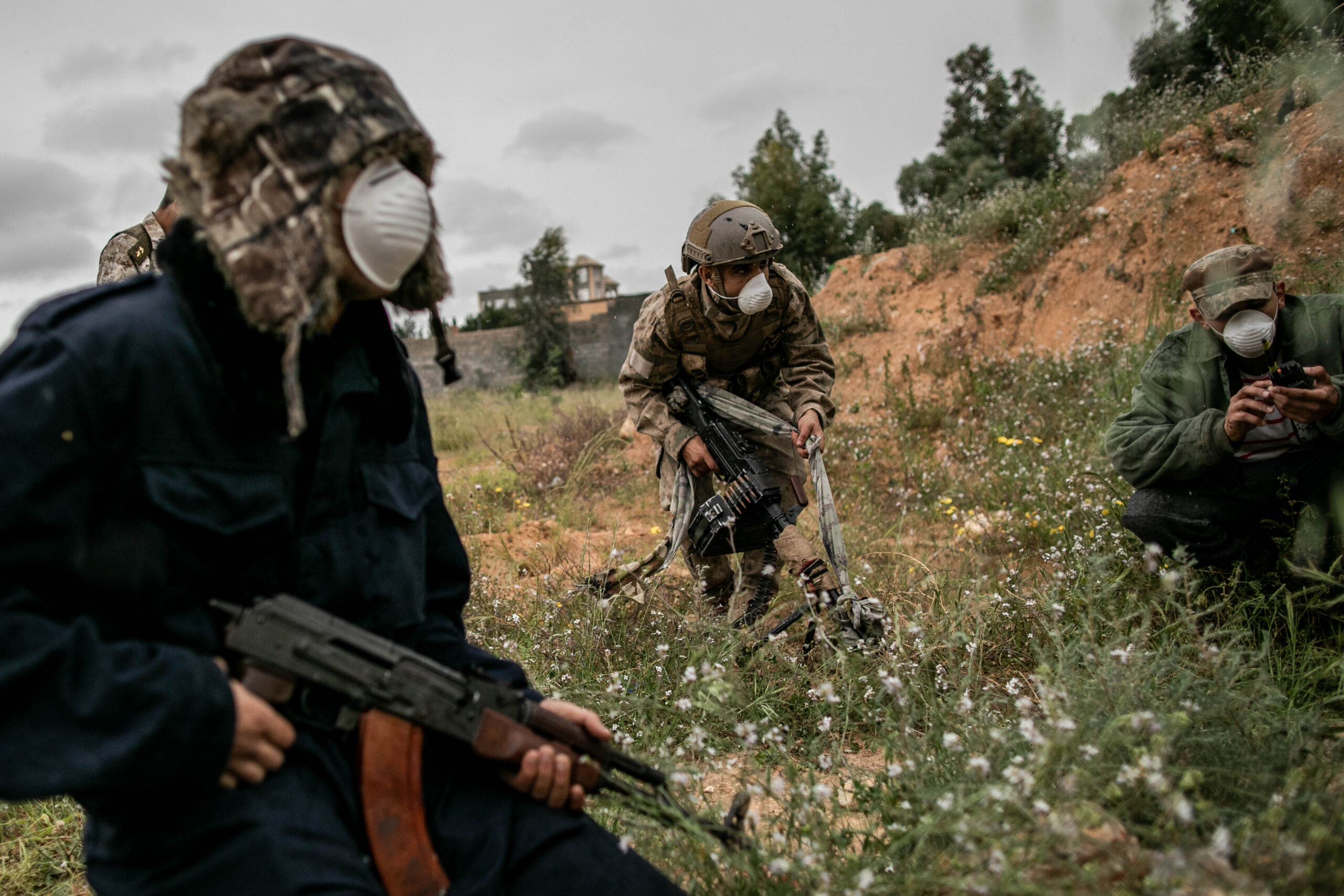
Conflict and instability have been constant features of the Middle East for decades. Over the most recent decade, four civil wars and fraught relationships between the major regional powers have been pushing the region toward a potentially perilous political and economic future. We know that the COVID-19 crisis is disrupting the status quo on nearly everything, including regional conflict. What we do not know is how that disruption today might worsen — or improve — the trendlines of those conflicts as we head toward 2025. In this MEI Strategic Foresight Initiative paper we employ a scenario-based methodology to explore this question.
In Brief: Middle East Conflict and COVID-19 – A View from 2025
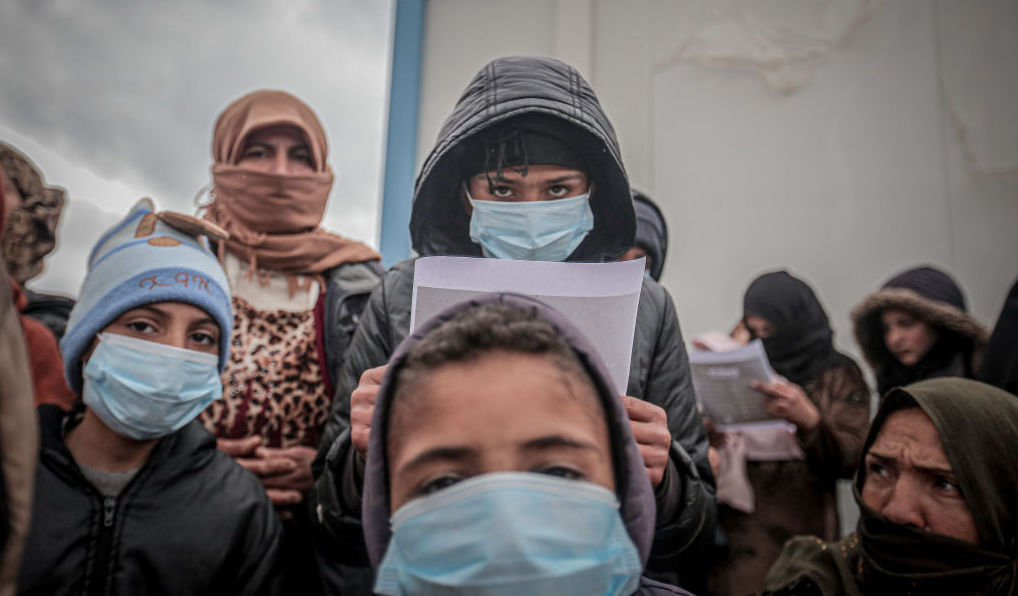
Our ongoing analysis in MEI’s Strategic Foresight Initiative examines scenarios built around different combinations of drivers of change related to the COVID-19 pandemic. We used the scenarios to analyze what conflict in the region could look like in 2025, as we believe that how these drivers change the dynamics of the Iran-Saudi Arabia rivalry and the civil wars could be a primary determinant of what the region is like in that timeframe and beyond. Our study posited differences in the health response of governments, the economic response from governments, and the social dynamics of populations to the COVID-19 crisis. Rather than consider them as independent forces of change, our foresight analysis focuses on the interaction between these drivers.
Quickly attributing or blaming a country for a cyber incident without technical analysis, proof, and government officials willing to go on record only inflames an already tense situation.
While COVID-19 and historically low oil prices are disrupting the Gulf’s political economy, the pandemic has demonstrated the region’s tech resilience.
Digital security and the LGBTI+ rights movement in Tunisia
For LGBTI+ individuals in Tunisia, the internet and social media have played a critical role in the development of a community and activist network. Simultaneously, however, these technologies have been used by legal authorities to suppress and harass the queer community.