Skip to Content

Research & Commentary Results

Filter by
488 Results
The US strike on al-Qaeda leader al-Zawahiri
  • Podcast
  • The US strike on al-Qaeda leader al-Zawahiri

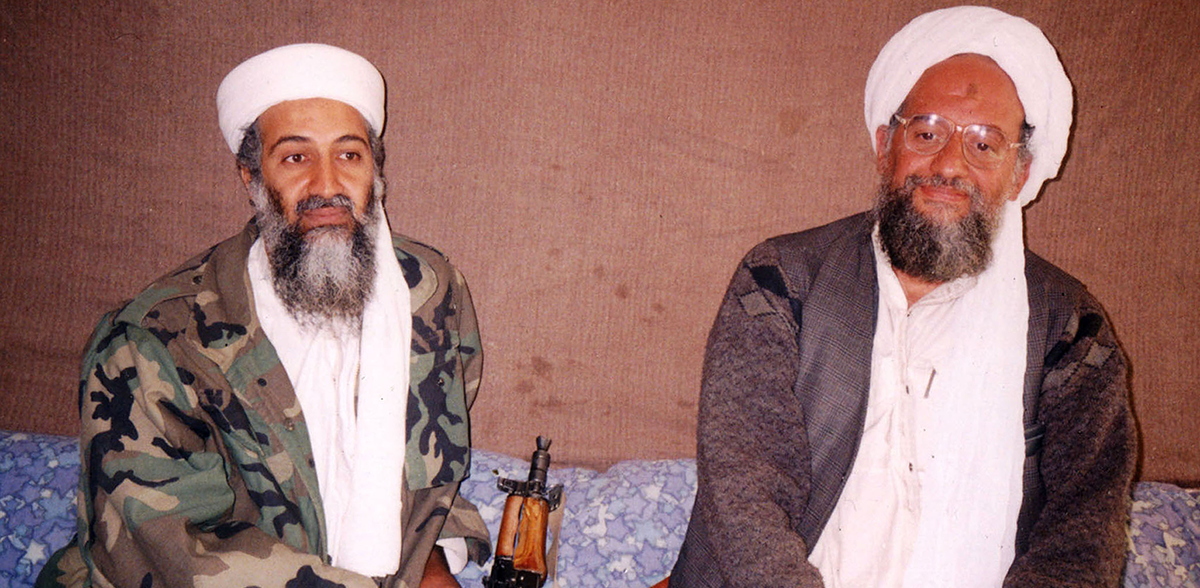
    On this week’s episode, host Alistair Taylor explores the ramifications of the CIA drone strike that killed al-Qaeda leader Ayman al-Zawahiri in Kabul, Afghanistan on July 31. Joining the program are three MEI experts — Mick Mulroy, Javid Ahmad, and Douglas London — who bring with them a variety of perspectives, from intelligence to diplomacy. 

    August 9, 2022

    Afghanistan adrift one year after the Taliban takeover
    Photo by WAKIL KOHSAR/AFP via Getty Images
  • Analysis
  • Afghanistan adrift one year after the Taliban takeover

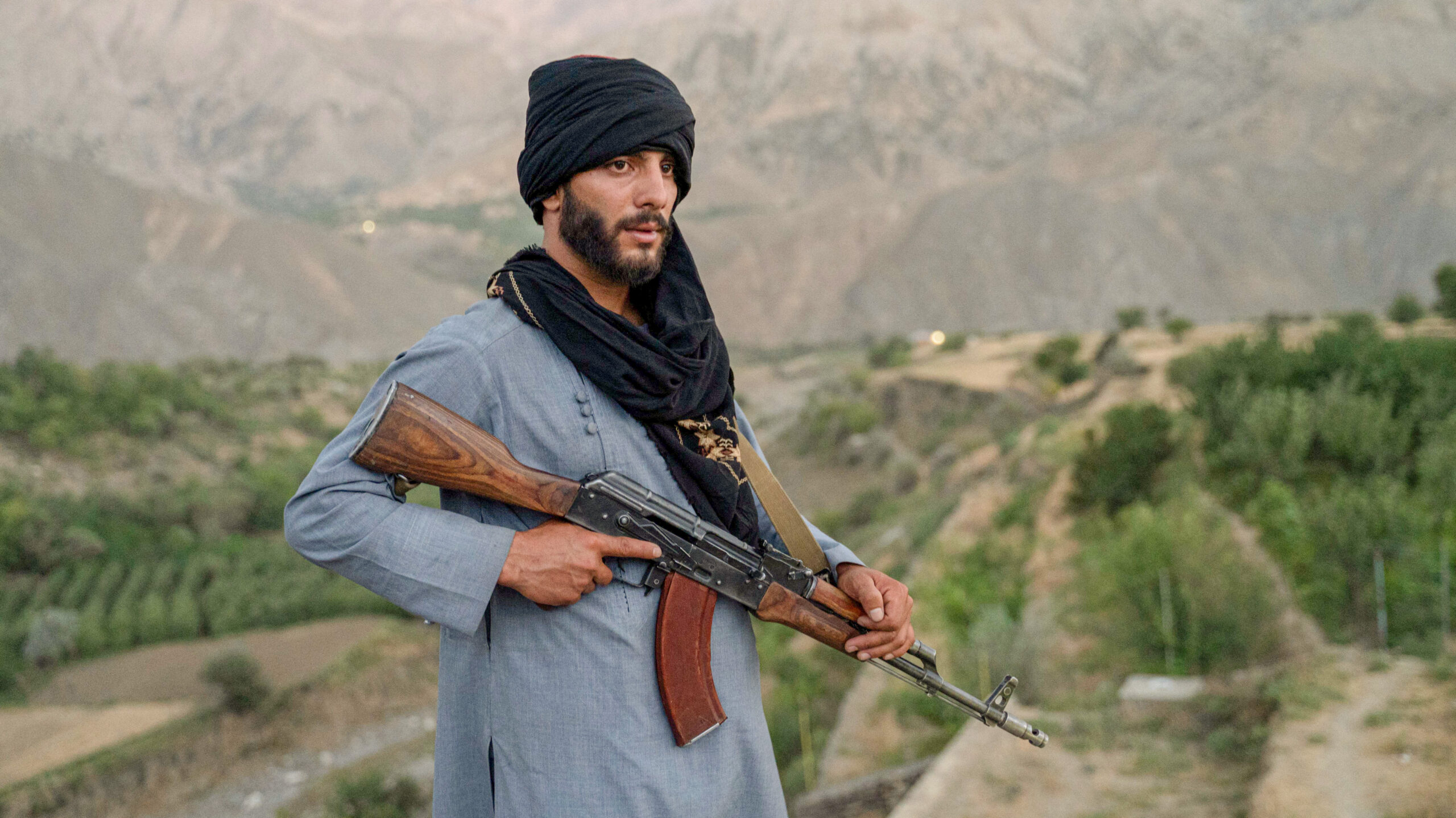
    Even prior to al-Qaeda leader Ayman al-Zawahiri’s death in a CIA drone strike on July 31, the last few months have mostly underscored the Taliban’s global isolation and the anguish of the Afghan people. A year on from the Taliban’s takeover of Kabul in August 2021, no foreign government has officially recognized the regime.

    August 9, 2022

    Strike on al-Qaeda leader Zawahiri is a major win for US counterterrorism
    Photo by Visual News/Getty Images
  • Analysis
  • Strike on al-Qaeda leader Zawahiri is a major win for US counterterrorism

    The death of al-Qaeda leader Ayman al-Zawahiri in a U.S. drone strike outside Kabul over the weekend is a major counterterrorism achievement — and a much-needed triumph for the Biden administration, for whom anything to do with Afghanistan has become an issue of acute discomfort. Since late 2019, Zawahiri has been thought to have been based in eastern Afghanistan, and a number of U.S. officials have suggested that in public. That by itself would seem to indicate a certain level of awareness of his probable whereabouts, but his death in the capital Kabul is astounding.

    Ransomware in the UAE: Evolving threats and expanding responses
    Photo by Lino Mirgeler/picture alliance via Getty Images
  • Analysis
  • Ransomware in the UAE: Evolving threats and expanding responses

    Immediately following the outbreak of COVID-19, cyber attacks swept across the Middle East, leaving public and private entities highly vulnerable and transforming the pandemic into both a physical and a digital threat. Despite worldwide physical isolation, many people were more digitally connected than ever before, which vastly expanded the attack surface for eager cyber threat actors. Ransomware attacks, in particular, hit the Middle East rapidly and in great numbers, especially the UAE.

    July 27, 2022

    Escalating emigration and the “drought” in Iran's IT industry
    Photo by Scott Peterson/Getty Images
  • Analysis
  • Escalating emigration and the “drought” in Iran's IT industry

    For many years, Iran’s educated elites have been leaving the country in growing numbers. They are emigrating, mostly to Western countries, for various reasons, but chief among them are poor economic conditions and a lack of political and social freedoms at home. Iran’s information technology sector is among the sectors hit hardest due to the burgeoning outflow of its experts in recent years.

    July 13, 2022

    Iran’s Revolutionary Guard and the Rising Cult of Mahdism: Missiles and Militias for the Apocalypse
    Photo by Morteza Nikoubazl/NurPhoto via Getty Images.
  • Analysis
  • Iran’s Revolutionary Guard and the Rising Cult of Mahdism: Missiles and Militias for the Apocalypse

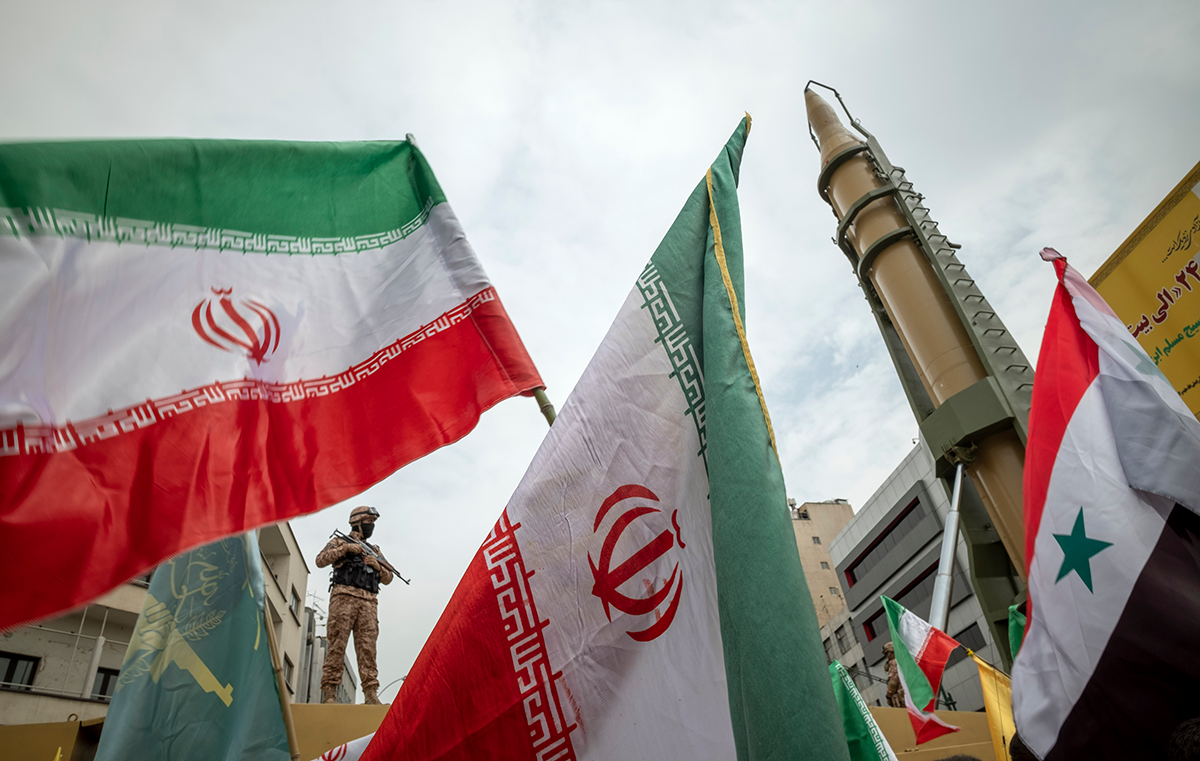
    As the U.S. administration considers whether to remove Iran’s Islamic Revolutionary Guard Corps as a foreign terrorist organization, understanding its nature, development, and ideology is essential to making an informed decision. There is much about it that differentiates it from a conventional armed force. One fundamental aspect of its ideology that until now has been overlooked is the doctrine of Mahdism.

    May 3, 2022

    A Conversation with Dr. Haider al-Abadi
  • Podcast
  • A Conversation with Dr. Haider al-Abadi

    Former Iraqi Prime Minister Dr. Haider al-Abadi joins the program to discuss the country’s fight against ISIS, Iraqi politics and the challenges of reform. Dr. al-Abadi has a new book out, entitled “Impossible Victory: How Iraq Defeated ISIS” (Biteback Publishing, April 2022).

    April 29, 2022

    Nowhere to hide: The impact of Israel's digital surveillance regime on the Palestinians
  • Analysis
  • Nowhere to hide: The impact of Israel's digital surveillance regime on the Palestinians

    Over the course of 2020 and 2021, groundbreaking investigations revealed in stark detail Israeli authorities’ intensifying use of surveillance and predictive technologies to police and control Palestinians. Subjecting Palestinians to such scrutiny from security and military apparatuses narrows their expressive spaces and plunges them into a state of constant anxiety. This practice also carries out a commercial purpose: Occupied Palestine effectively functions as an open-air laboratory for Israel to test techniques of espionage and surveillance before selling them to repressive regimes around the world.

    April 27, 2022

    The digital Middle East: Another front in Russia’s information war
  • Analysis
  • The digital Middle East: Another front in Russia’s information war

    The Middle East and North Africa (MENA) region, long a target of the Kremlin’s information operations, is being flooded with disinformation from Moscow amid the invasion of Ukraine launched on February 24. Prior to the war, Russia’s President Vladimir Putin gave a lengthy history lesson in his televised speech, claiming that Ukraine was created by Bolshevik Russia, and that it should not exist as an autonomous nation. This conflict has already taken an immense human toll and triggered the largest intra-European refugee crisis since the Second World War. And yet the human impact of the war, the full implications of which remain to be seen, extends beyond the physical world into the virtual realm. As missiles strike Ukrainian cities, a parallel war is being fought online — not only in Russia and Ukraine, but around the world, as the Russian state strives to disseminate its messaging. On the home front, Putin has successfully quarantined his people within an information vacuum through unprecedented crackdowns. In addition to Twitter, Facebook and Instagram, the Kremlin has blocked access to the most popular independent media outlets, forcing hundreds of journalists to flee the country. In response, EU officials have banned content from the Russian-state-owned media outlets Russia Today (RT) and Sputnik across the European Union.

    April 19, 2022

    «داعش» يتعافى في سوريا… لكن الحاجة ماسة إلى الاستقرار
  • Commentary
  • «داعش» يتعافى في سوريا… لكن الحاجة ماسة إلى الاستقرار

    عندما لقي تنظيم داعش الإقليمي الهزيمة في سوريا قبل أكثر من ثلاث سنوات، احتفل العالم بإنجاز تاريخي. فعلى مدار خمس سنوات، حشد تحالف ضم أكثر من 80 دولة موارده المشتركة لدحر «داعش» في سوريا والعراق، والتصدي للجماعة الإرهابية على الإنترنت، ودحر شبكاتها المالية والشركات التابعة لها المكتشفة حديثاً في جميع أنحاء العالم.

    The GERD and Cyber Diplomacy
  • Podcast
  • The GERD and Cyber Diplomacy

    Mirette Mabrouk, Joey Shea, and guest host Eliza Campbell discuss current political disputes over the Grand Ethiopian Renaissance Dam (GERD), cyber diplomacy, and the effects of climate change on the Horn of Africa.

    March 18, 2022

    Drones are re-engineering the geopolitics of the Middle East
    Photo by Diego Cupolo/NurPhoto via Getty Images
  • Analysis
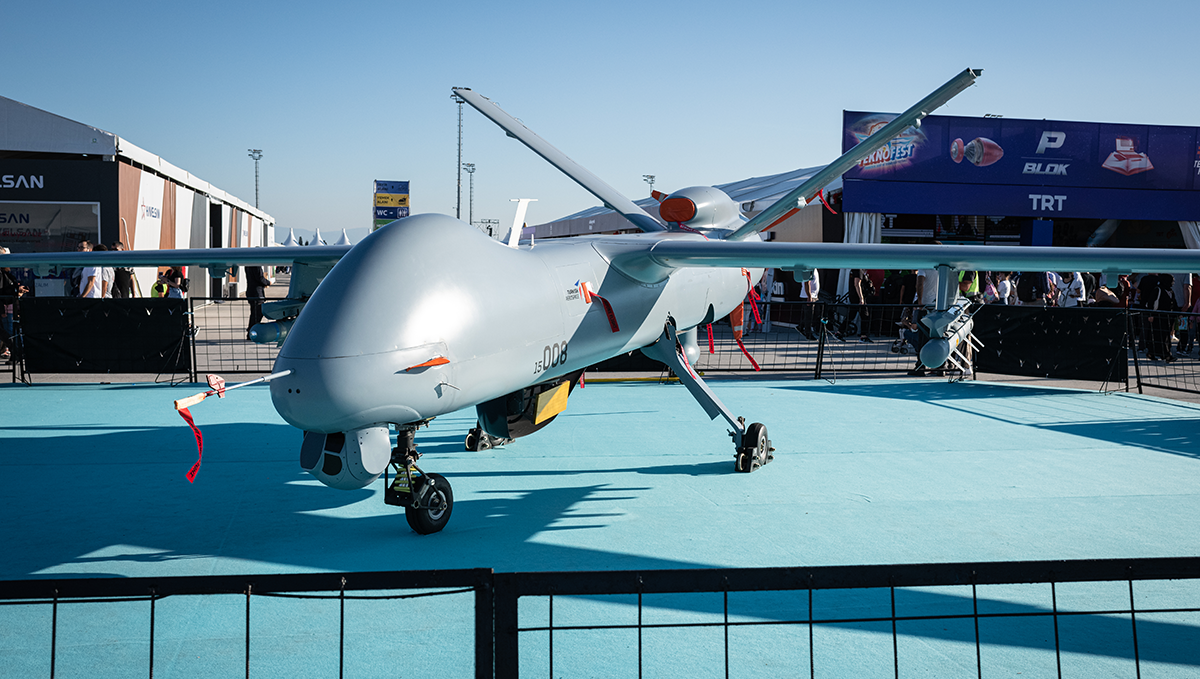
  • Drones are re-engineering the geopolitics of the Middle East

    The Middle East is experiencing a seismic shift in its geopolitics: the dawn of the era of drones. From Syria to Libya and from Yemen to Iraq, UAVs have altered the dynamics on the battlefield. Agile and affordable, drones aren’t just a menace to remote conflict zones, but also to states far removed from theaters of war.