Monday Briefing: Four key dynamics to watch as Lebanon heads to the polls
Read MEI’s weekly briefing featuring expert analysis of key regional developments for the week ahead.
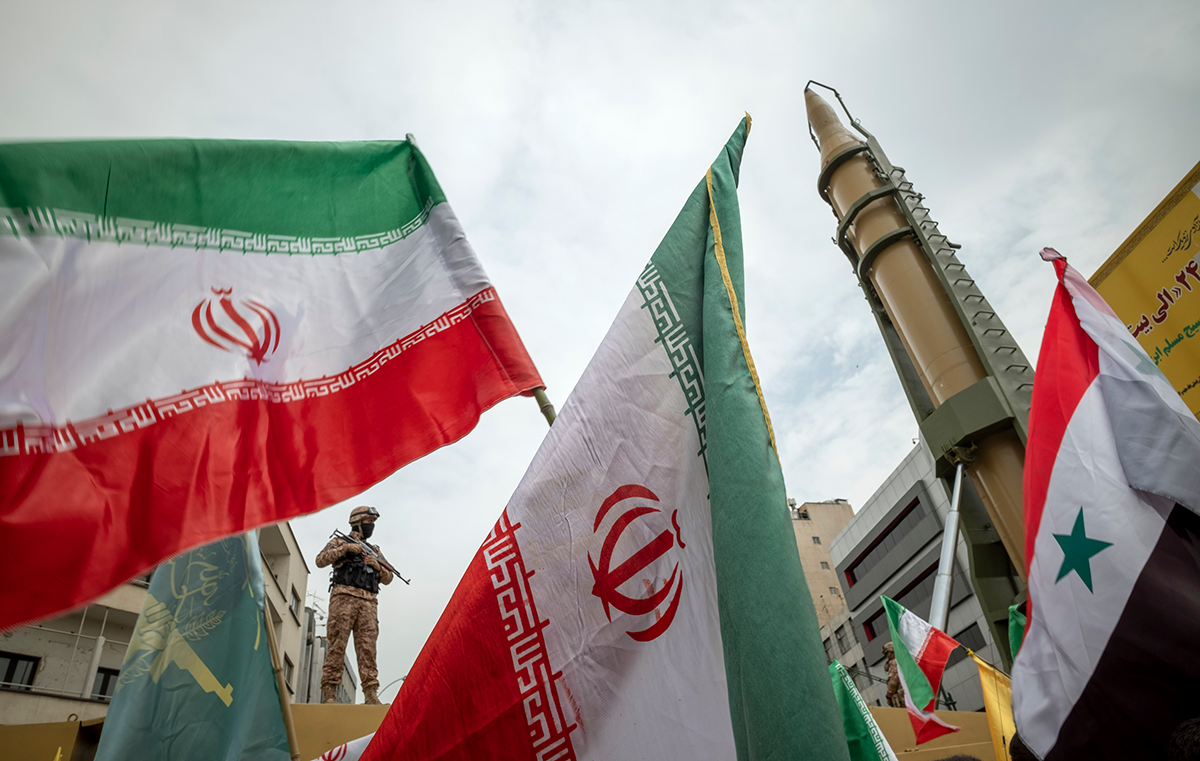
As the U.S. administration considers whether to remove Iran’s Islamic Revolutionary Guard Corps as a foreign terrorist organization, understanding its nature, development, and ideology is essential to making an informed decision. There is much about it that differentiates it from a conventional armed force. One fundamental aspect of its ideology that until now has been overlooked is the doctrine of Mahdism.
Former Iraqi Prime Minister Dr. Haider al-Abadi joins the program to discuss the country’s fight against ISIS, Iraqi politics and the challenges of reform. Dr. al-Abadi has a new book out, entitled “Impossible Victory: How Iraq Defeated ISIS” (Biteback Publishing, April 2022).
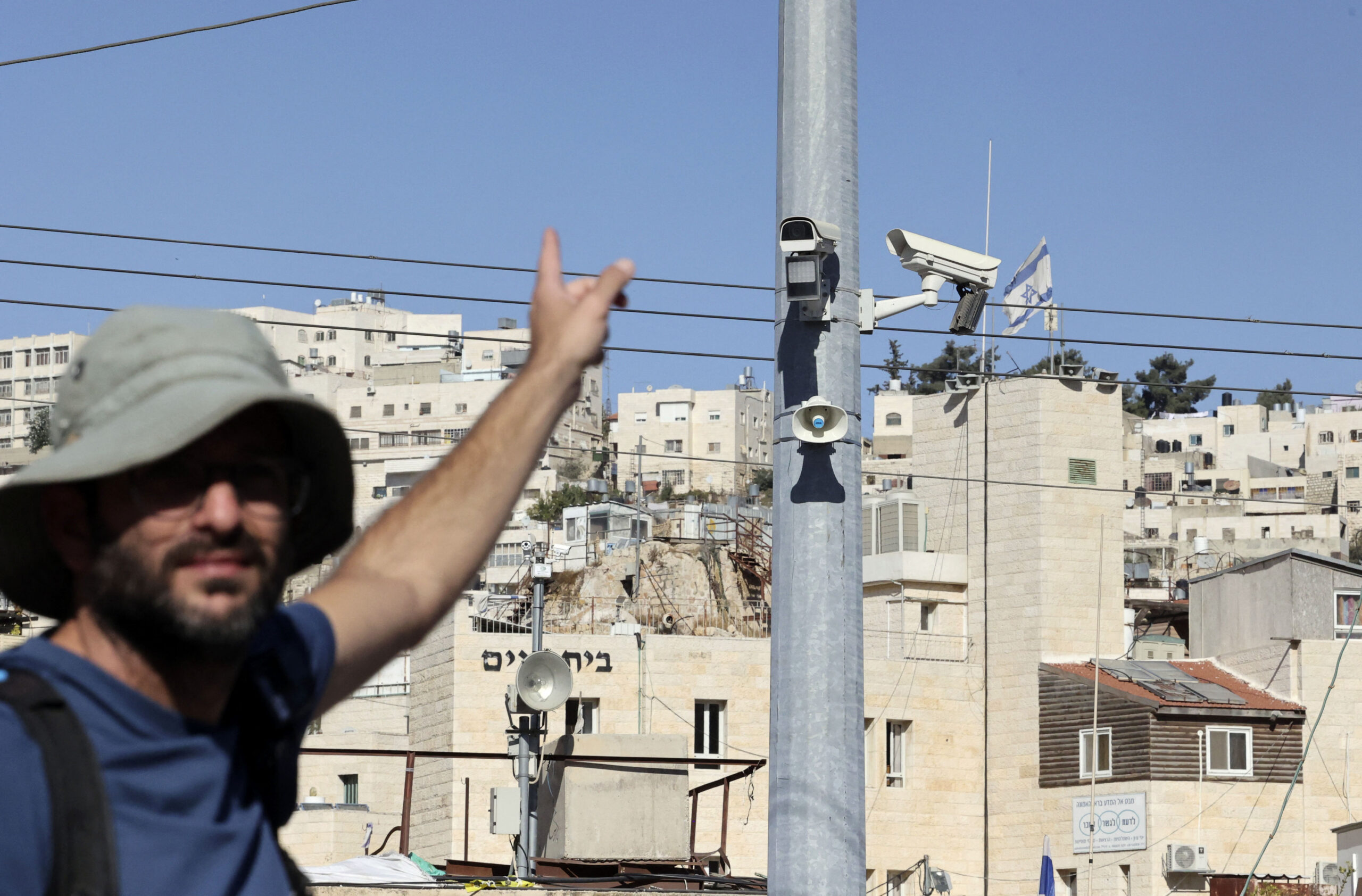
Over the course of 2020 and 2021, groundbreaking investigations revealed in stark detail Israeli authorities’ intensifying use of surveillance and predictive technologies to police and control Palestinians. Subjecting Palestinians to such scrutiny from security and military apparatuses narrows their expressive spaces and plunges them into a state of constant anxiety. This practice also carries out a commercial purpose: Occupied Palestine effectively functions as an open-air laboratory for Israel to test techniques of espionage and surveillance before selling them to repressive regimes around the world.
Read MEI’s weekly briefing featuring expert analysis of key regional developments for the week ahead.
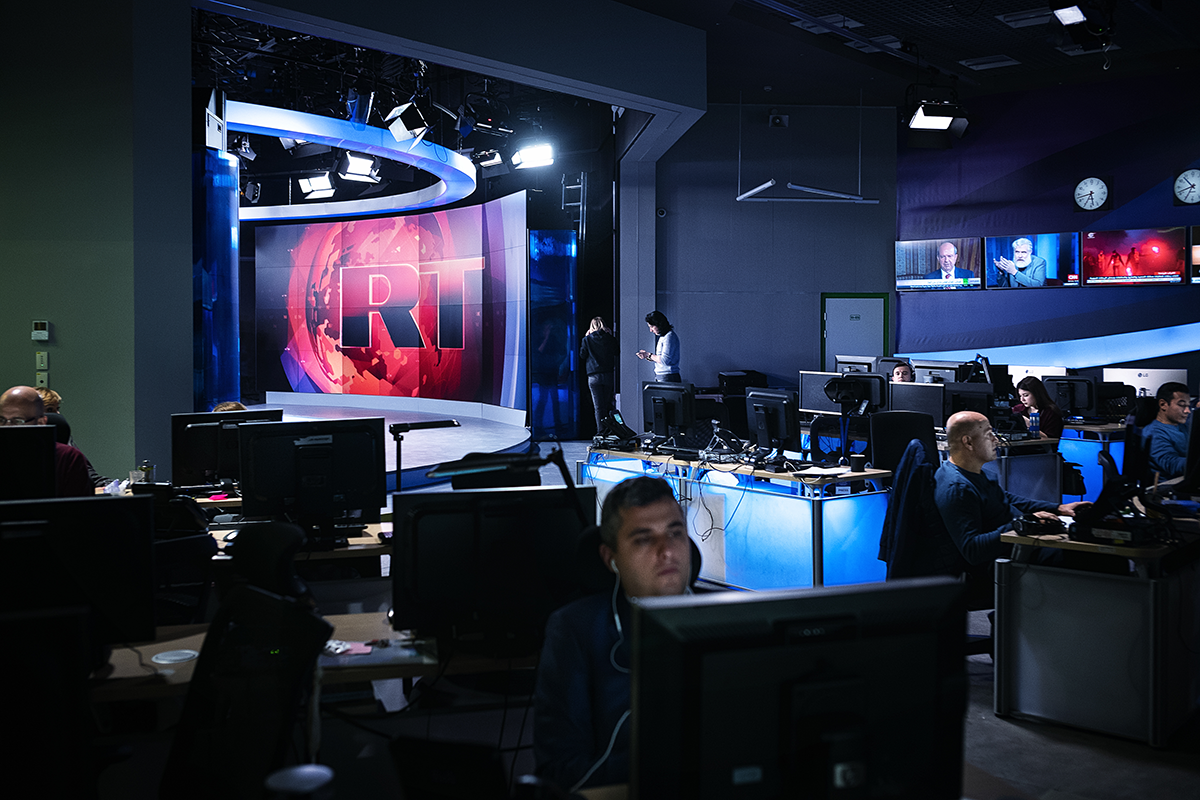
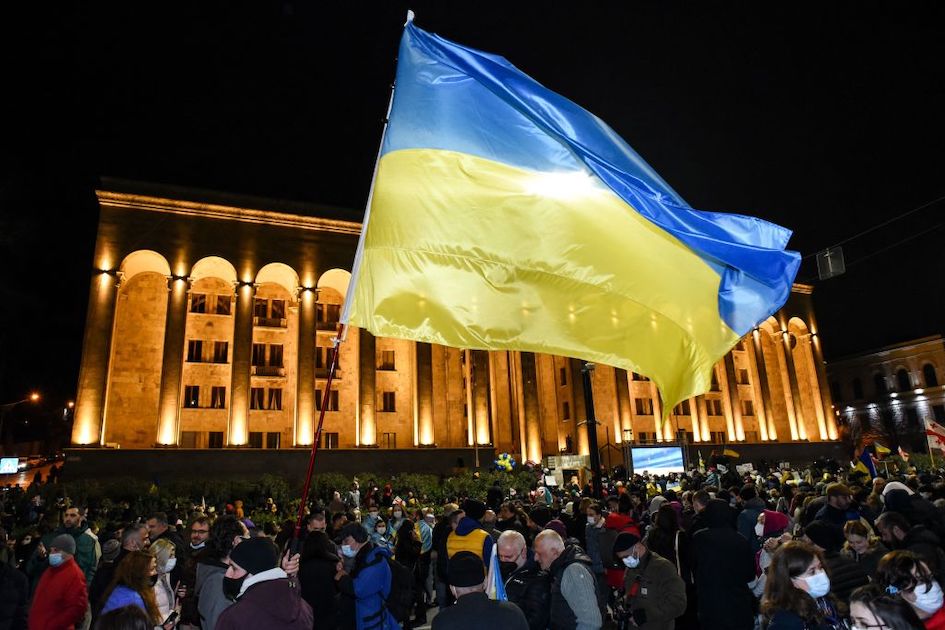
The Middle East and North Africa (MENA) region, long a target of the Kremlin’s information operations, is being flooded with disinformation from Moscow amid the invasion of Ukraine launched on February 24. Prior to the war, Russia’s President Vladimir Putin gave a lengthy history lesson in his televised speech, claiming that Ukraine was created by Bolshevik Russia, and that it should not exist as an autonomous nation. This conflict has already taken an immense human toll and triggered the largest intra-European refugee crisis since the Second World War. And yet the human impact of the war, the full implications of which remain to be seen, extends beyond the physical world into the virtual realm. As missiles strike Ukrainian cities, a parallel war is being fought online — not only in Russia and Ukraine, but around the world, as the Russian state strives to disseminate its messaging. On the home front, Putin has successfully quarantined his people within an information vacuum through unprecedented crackdowns. In addition to Twitter, Facebook and Instagram, the Kremlin has blocked access to the most popular independent media outlets, forcing hundreds of journalists to flee the country. In response, EU officials have banned content from the Russian-state-owned media outlets Russia Today (RT) and Sputnik across the European Union.
International and Arab News
عندما لقي تنظيم داعش الإقليمي الهزيمة في سوريا قبل أكثر من ثلاث سنوات، احتفل العالم بإنجاز تاريخي. فعلى مدار خمس سنوات، حشد تحالف ضم أكثر من 80 دولة موارده المشتركة لدحر «داعش» في سوريا والعراق، والتصدي للجماعة الإرهابية على الإنترنت، ودحر شبكاتها المالية والشركات التابعة لها المكتشفة حديثاً في جميع أنحاء العالم.
Mirette Mabrouk, Joey Shea, and guest host Eliza Campbell discuss current political disputes over the Grand Ethiopian Renaissance Dam (GERD), cyber diplomacy, and the effects of climate change on the Horn of Africa.
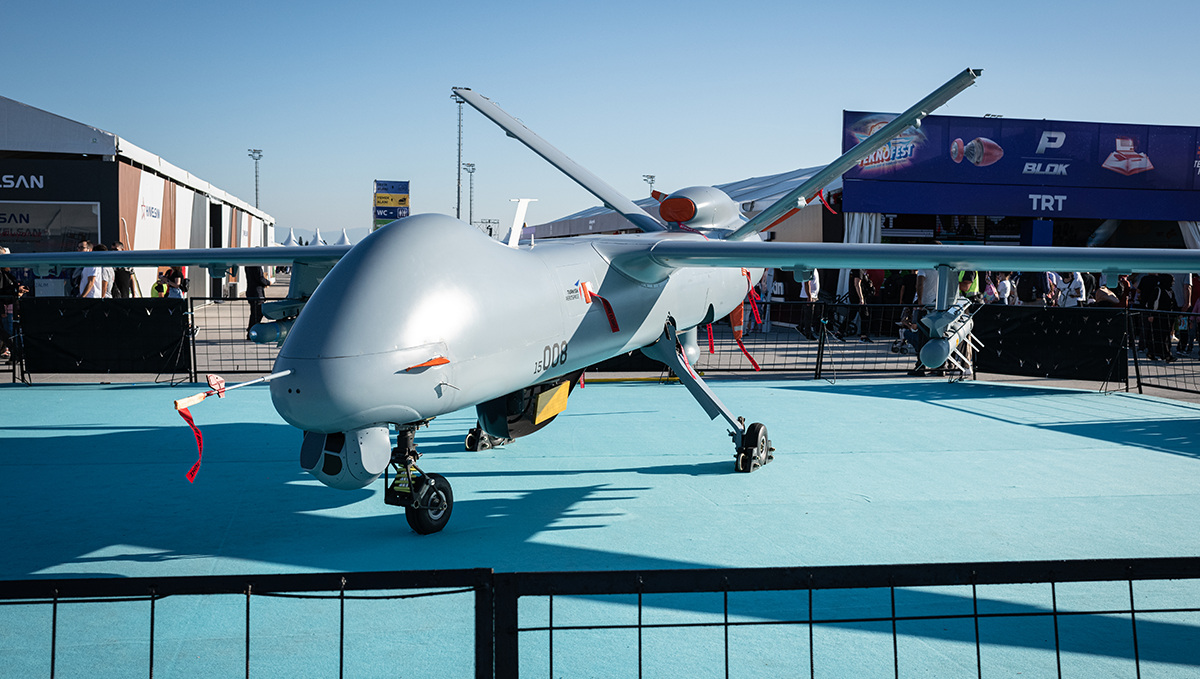
The Middle East is experiencing a seismic shift in its geopolitics: the dawn of the era of drones. From Syria to Libya and from Yemen to Iraq, UAVs have altered the dynamics on the battlefield. Agile and affordable, drones aren’t just a menace to remote conflict zones, but also to states far removed from theaters of war.
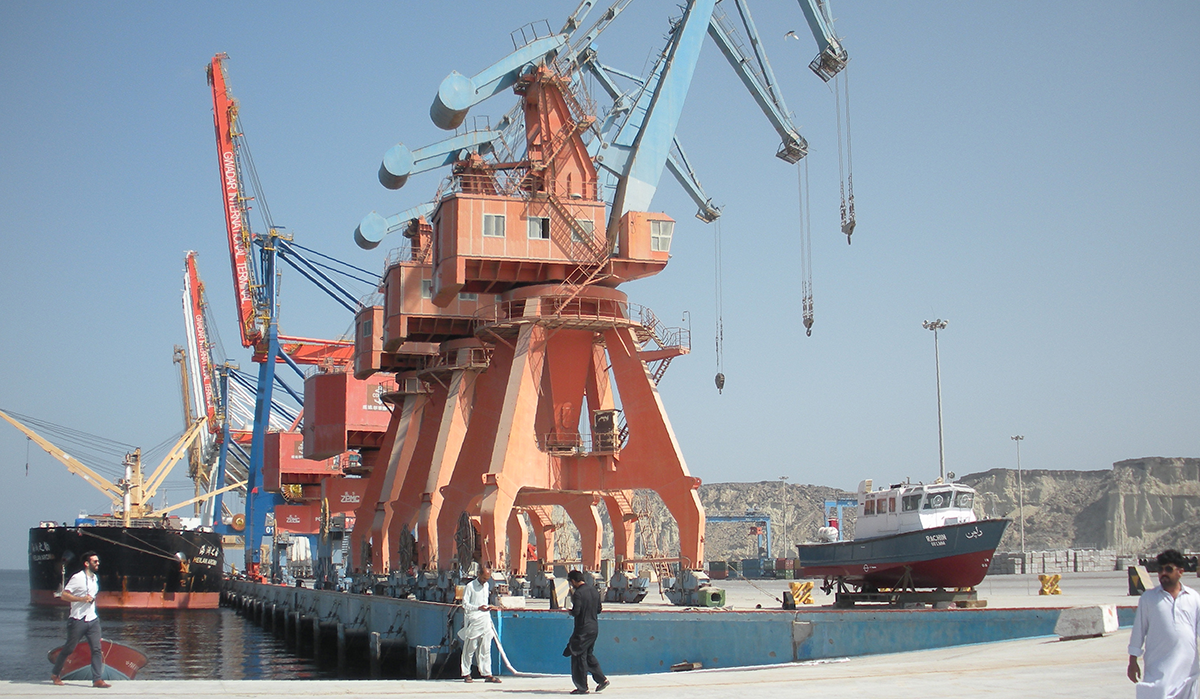
One of the most ambitious elements of China’s Digital Silk Road is the Pakistan & East Africa Connecting Europe (PEACE) fiber-optic cable. China has long expressed its ambition to connect the greater Middle East, Africa, and Europe with Chinese fiber optics in order to expand its presence in the region, and Beijing now boasts strategic infrastructure assets in geopolitical hotspots, such as the Pakistani port of Gwadar.
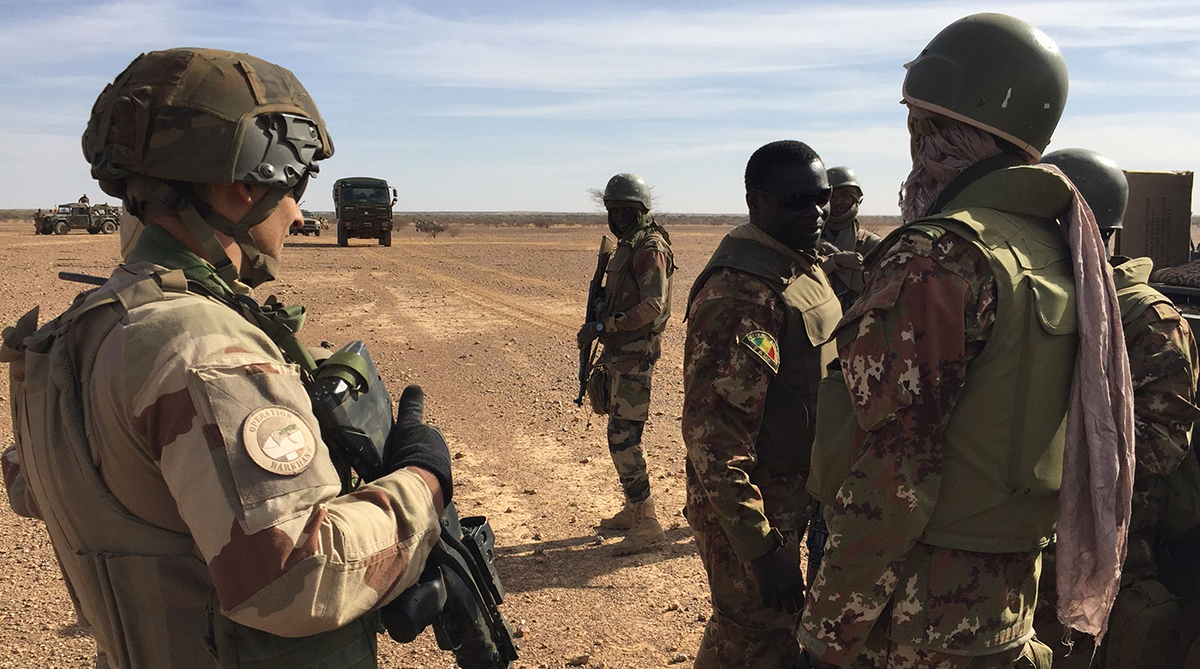
On Feb. 17, French President Emmanuel Macron announced the coming withdrawal of French armed forces from Mali. The decision put an end to nine years of French military intervention in the West African country.
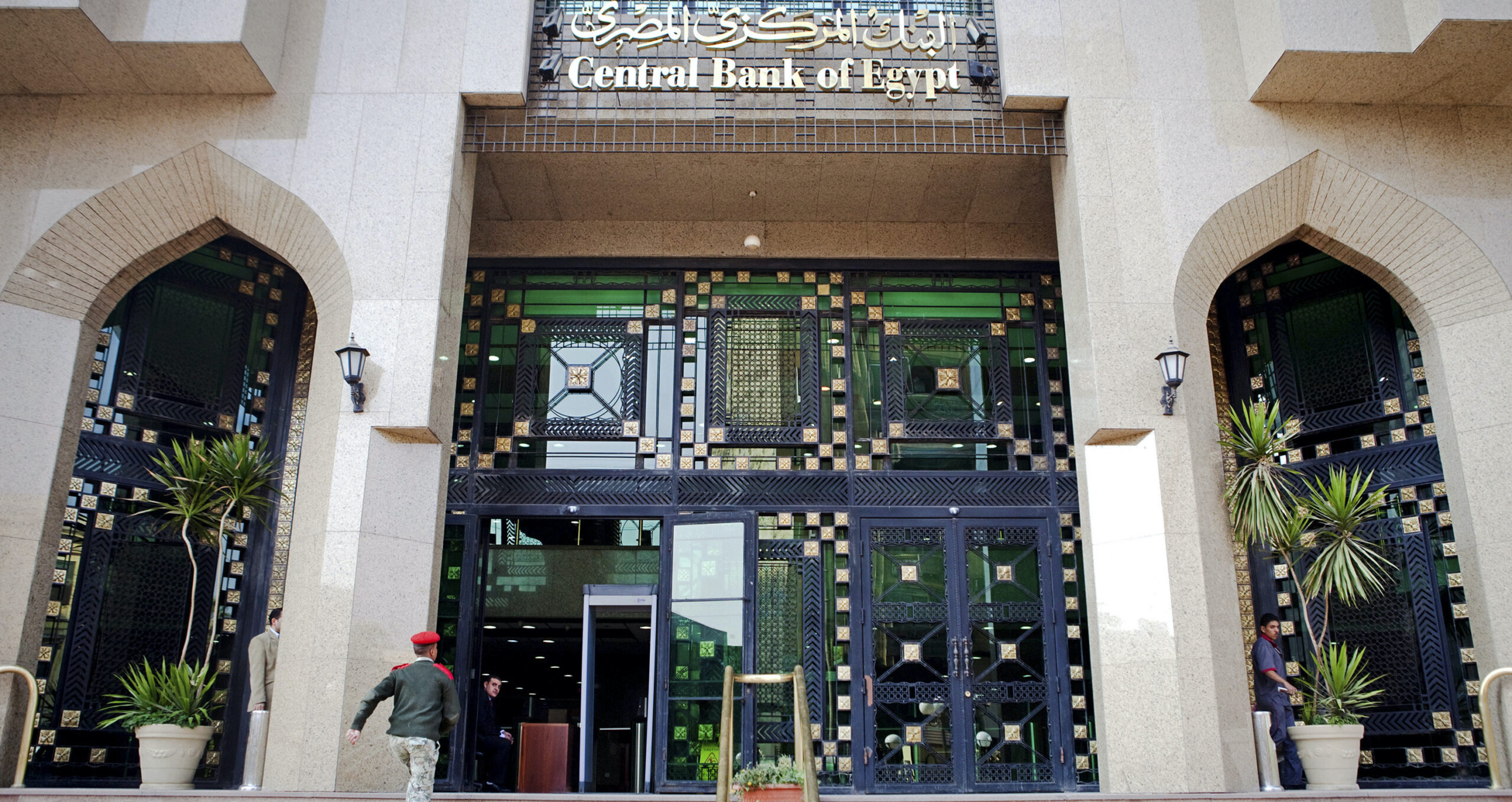
Egypt, like much of MENA, is experiencing an unprecedented digital transformation. Governments throughout the region are embracing emerging technologies, particularly in governance and, increasingly, financial management. Countries across MENA are adopting ICT strategies, such as the ICT Vision 2030 in Egypt. Egypt’s plan aims to develop a knowledge-based society by means of a strong digital economy built on reliable, affordable, and equitable access to digital tools.
Read MEI’s weekly briefing featuring expert analysis of key regional developments for the week ahead.
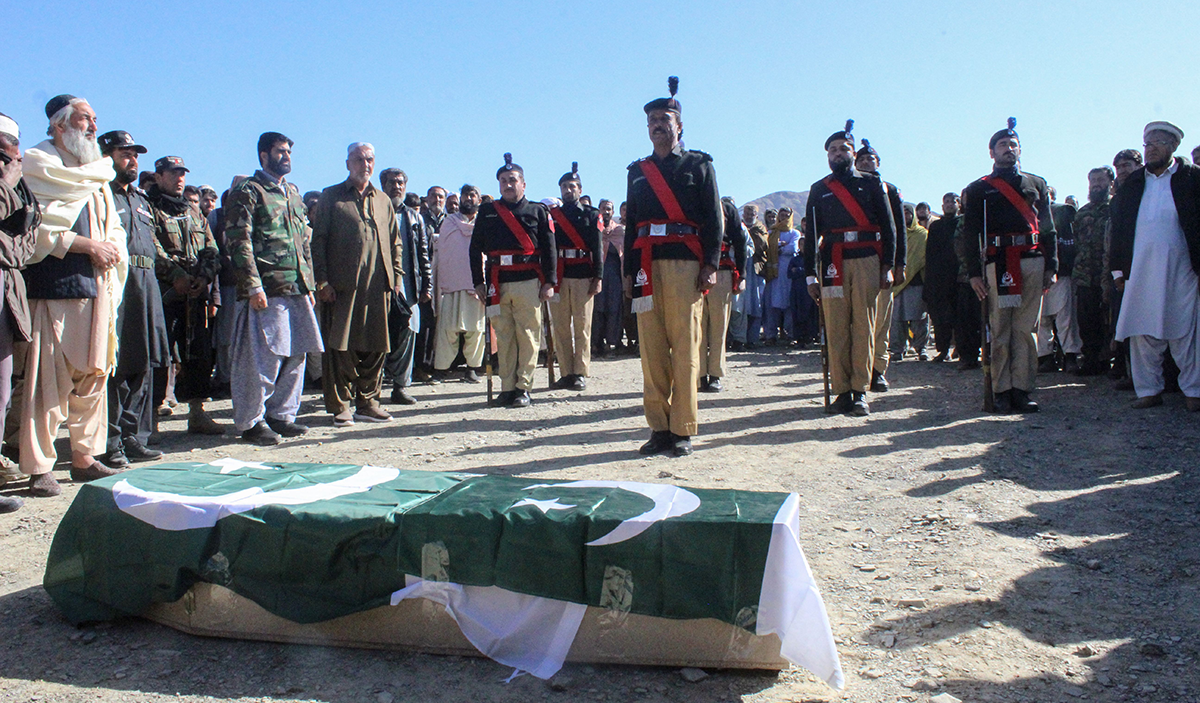
In a statement released on Feb. 12, the Tehreek-e Taliban Pakistan (TTP) distanced itself from international terrorism, declaring that its violence was singularly focused on Pakistan. While the TTP’s recent comments on America are unprecedented, they do fit into its broader rebranding effort under the leadership of Noor Wali Mehsud, who took over the group in 2018.