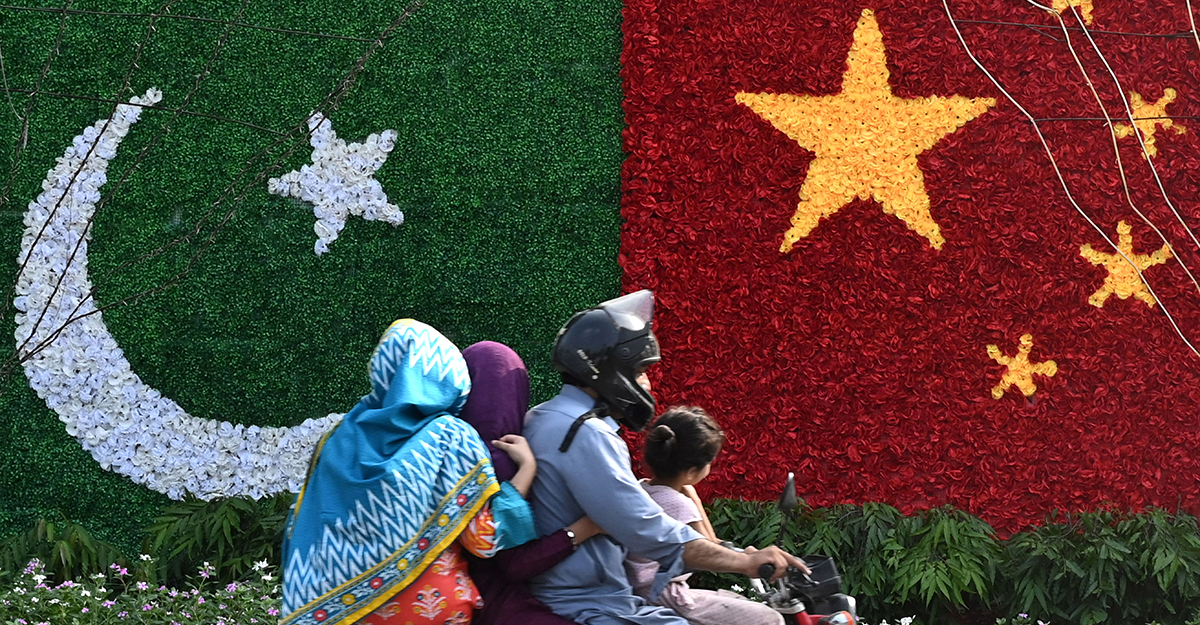
Beyond diplomacy: Charting China's multifaceted partnership with Pakistan
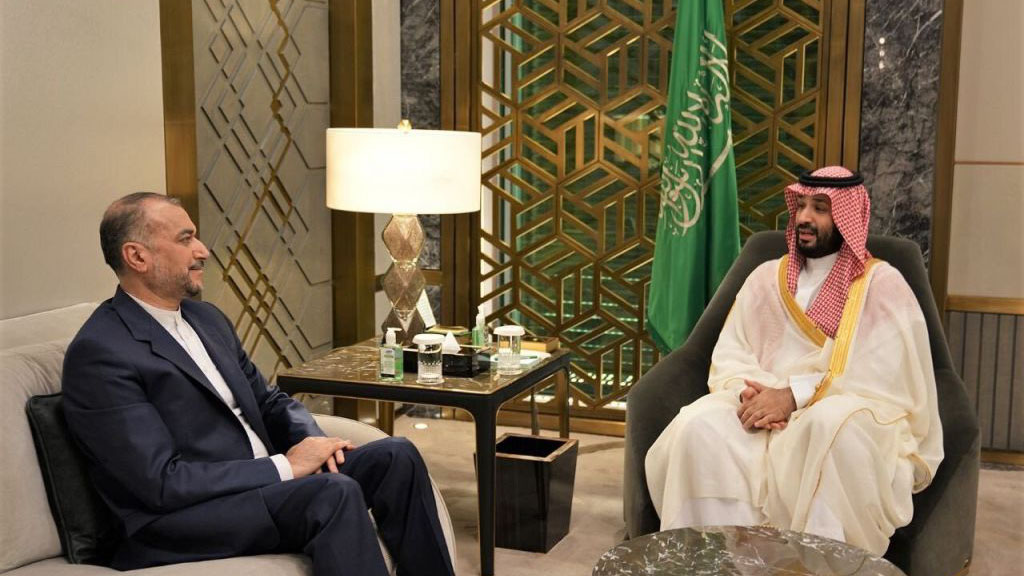
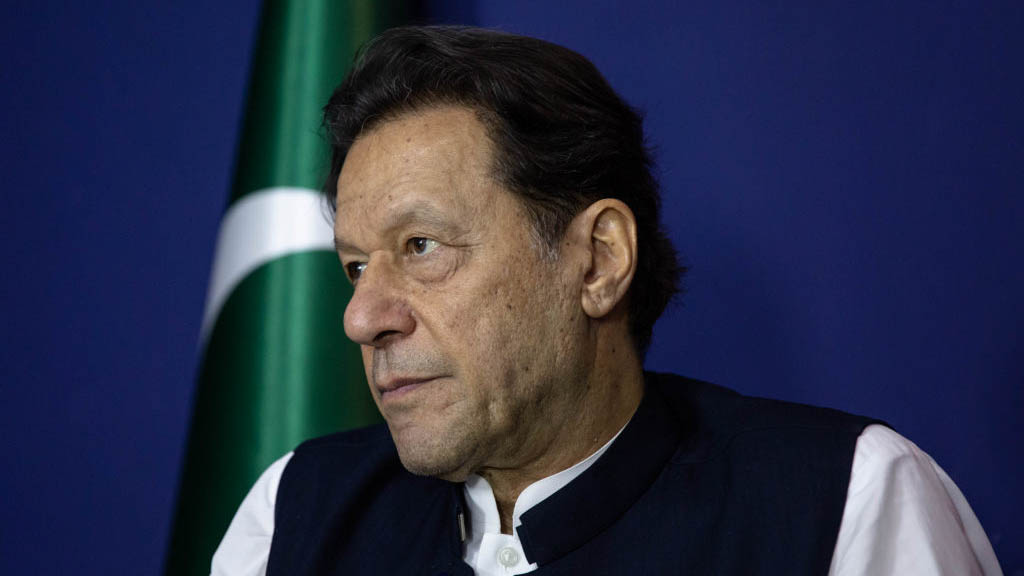
Pakistan’s intensifying economic, political, and security instability is not good news for China’s strategic investments. So, what are Beijing’s options?
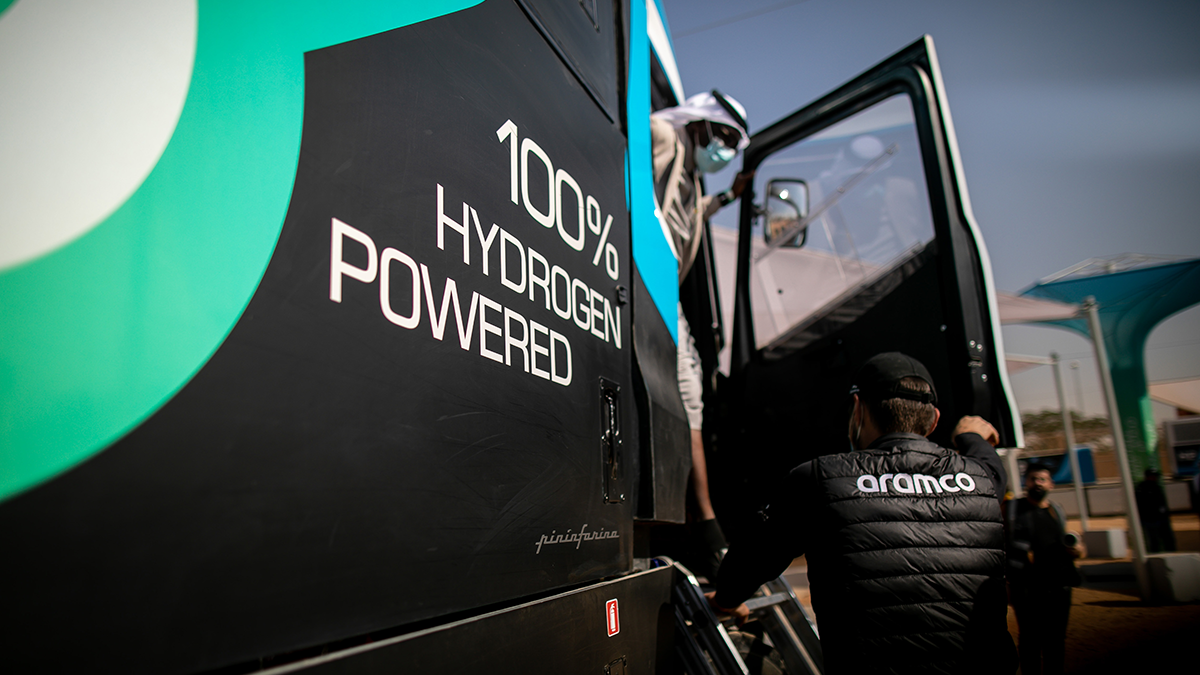
Hydrogen as a fuel of the future: Moving the GCC’s climate mitigation agenda forward
Hydrogen has been touted as an energy solution for the future and a leading mitigation technology against climate change. Among the states of the GCC, it has come to be seen as central to their energy transition strategy and a means to retain the region’s hegemonic position within global energy relations.
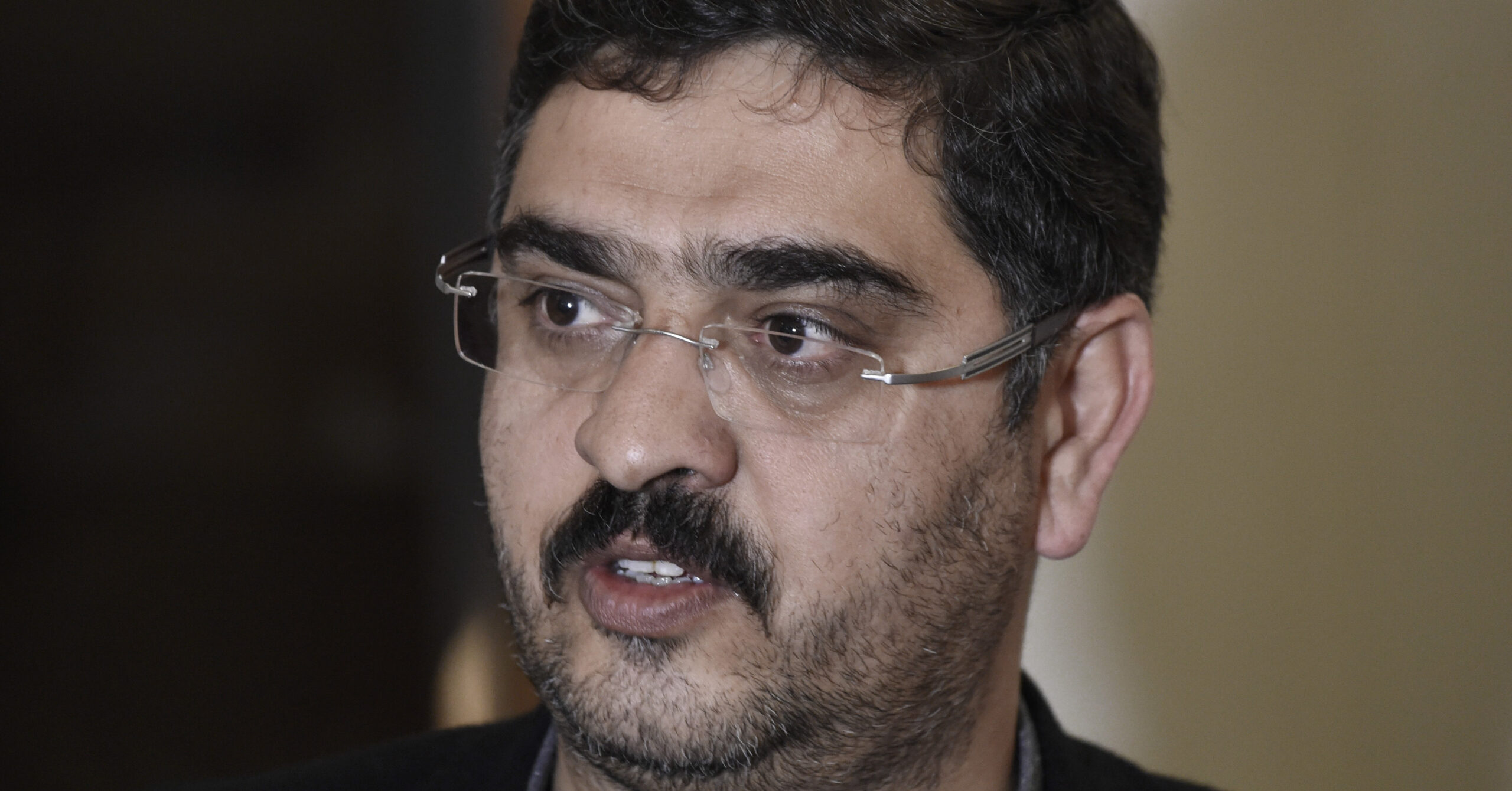
Pakistan’s interim government: A challenging road ahead
After the conclusion of the 16-month rule of the Pakistan Democratic Movement (PDM), the appointment of a new caretaker government has created uncertainty. This raises doubts about whether Pakistan will smoothly transition to another democratic government or if the caretaker setup will exceed its constitutional mandate.
Making sense of the Taliban’s counterterrorism assurances
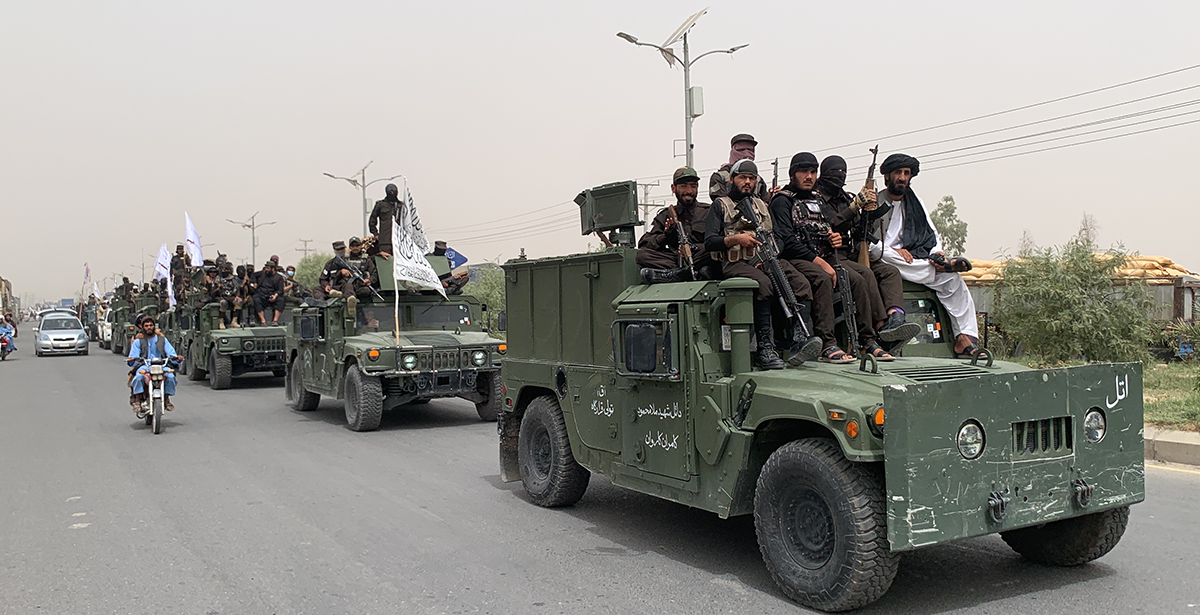
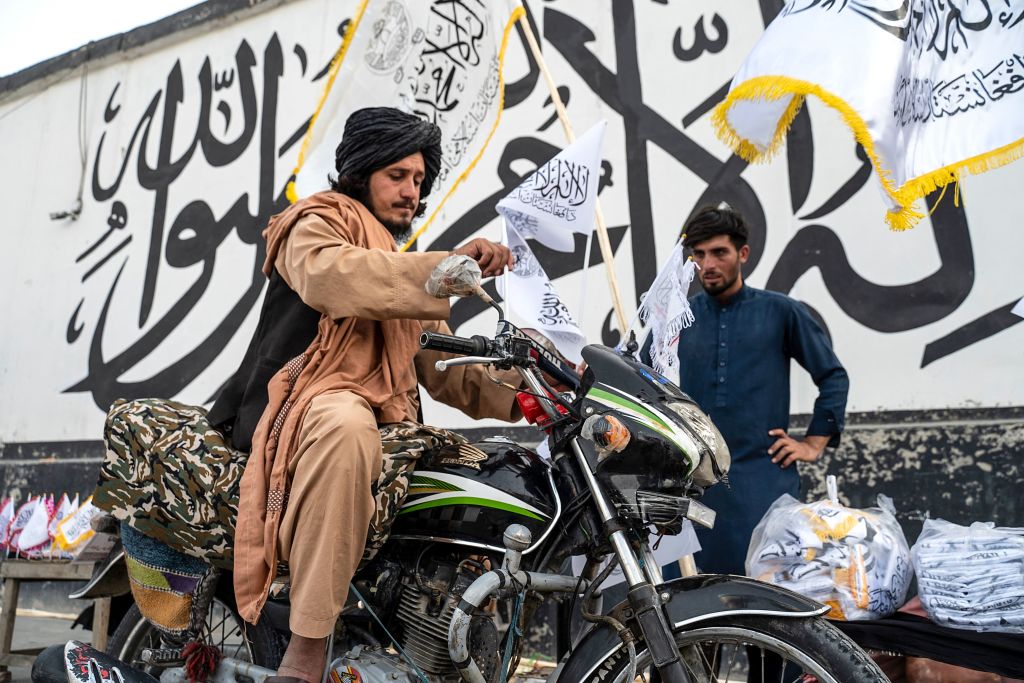
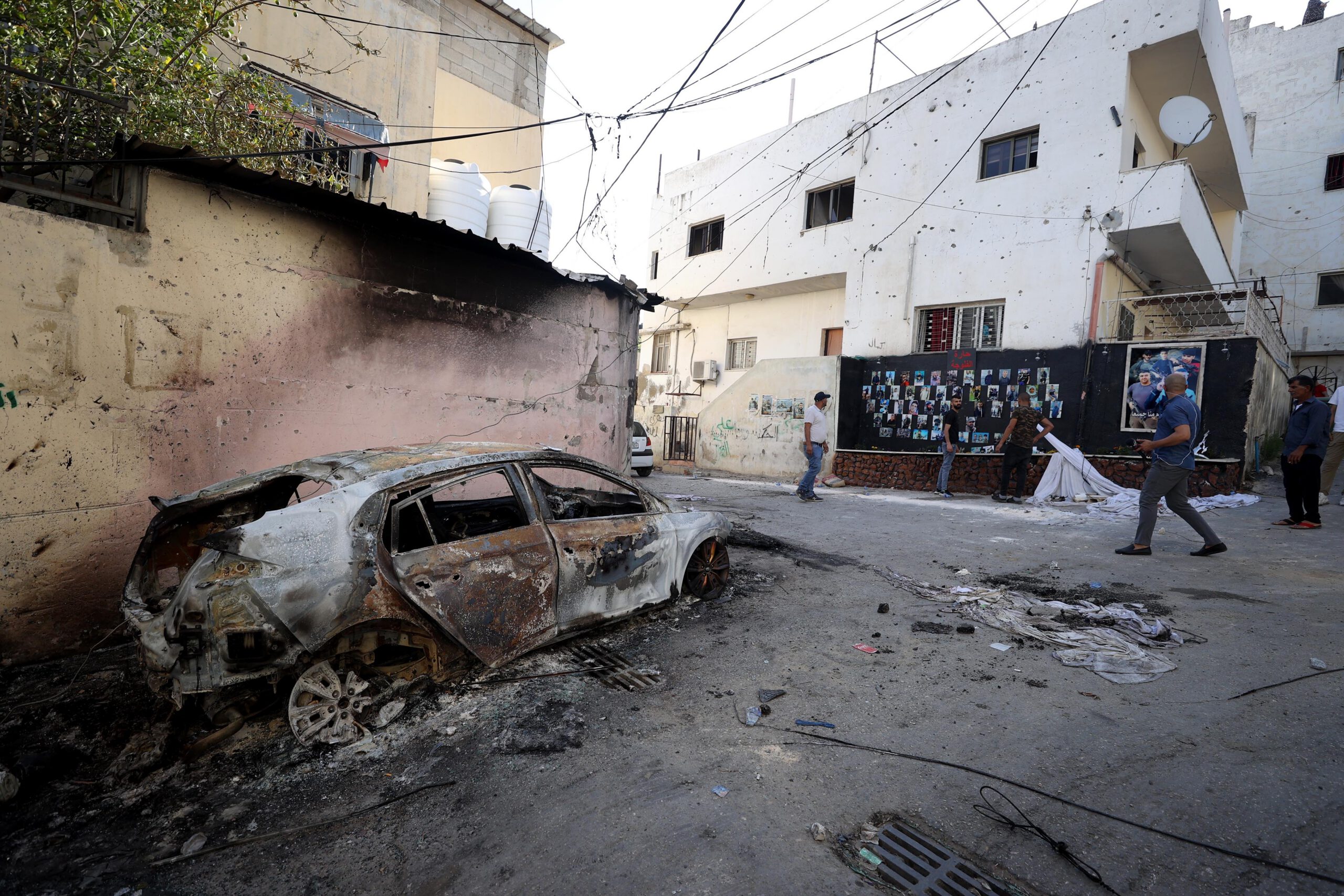
Two years on from the Taliban’s takeover of Kabul, Afghanistan’s neighbors are increasingly concerned that their return to power has emboldened terrorist groups and networks, which are using the hospitable environment to regroup, rearm, and recruit substantially. The main question now for Afghanistan’s neighbors in the region, and the international community more broadly, is just how reliable the Taliban’s counterterrorism assurances to other states really are.
Japan looks to the Gulf as it bets big on hydrogen
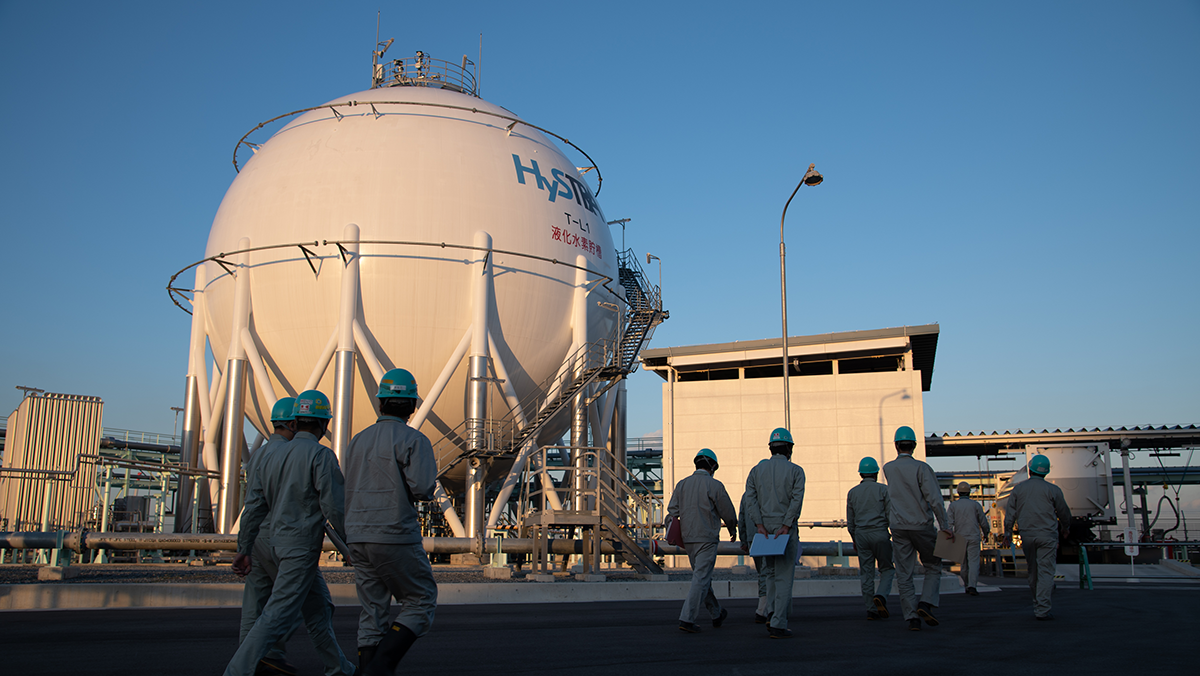
As a trailblazer in hydrogen diplomacy, Japan is seeking to develop a new pattern of energy interdependence with its longstanding partners, the Gulf Arab states — countries that are promising production bases for and exporters of green hydrogen and ammonia, and whose leaders have come to regard the development of clean hydrogen as an attractive way to diversify their economies.
July 4 from abroad: The many ages of America in the Arab world
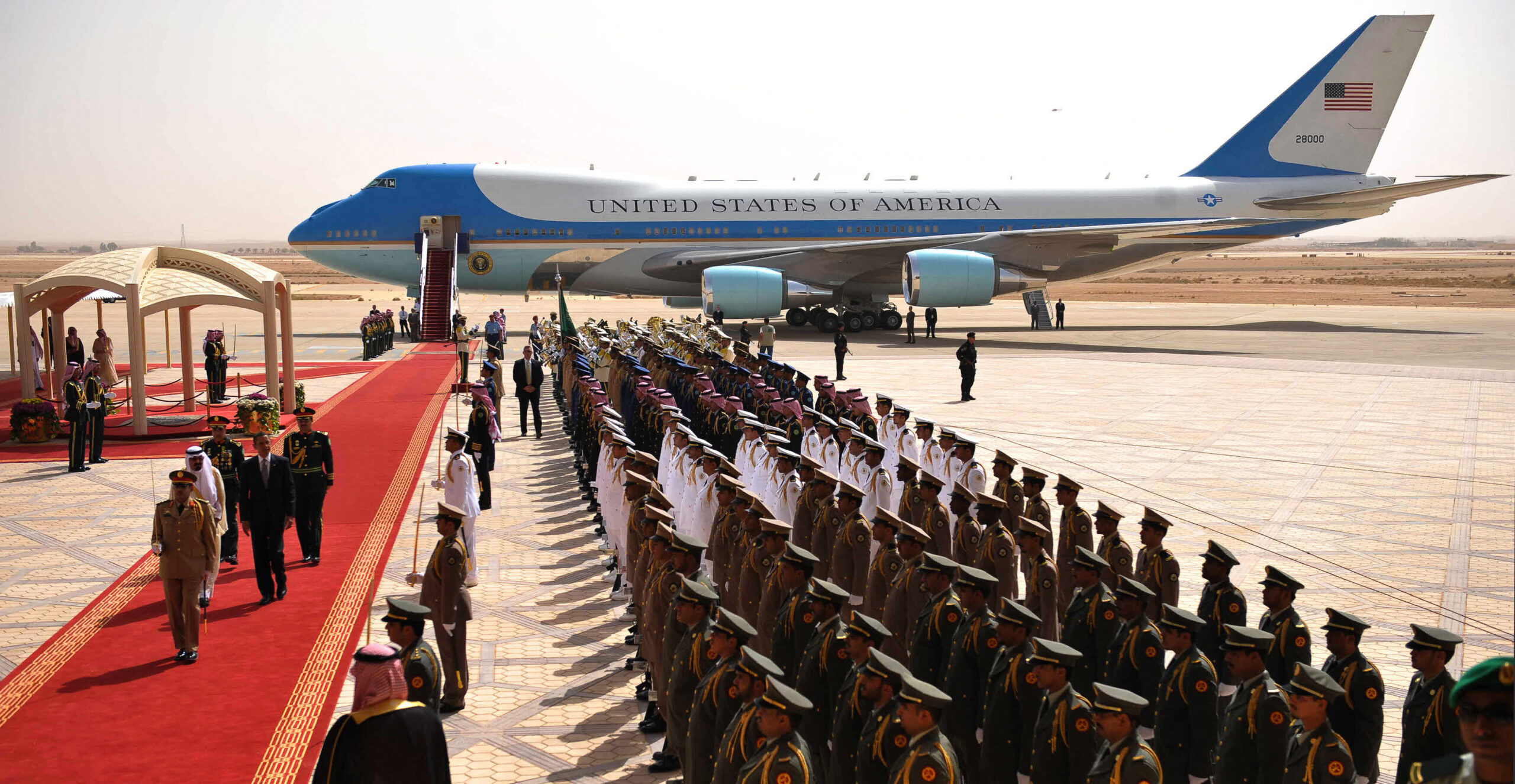
From the past century until today, the U.S. has cast a long shadow in the Middle East region and relations have gone through many highs and lows. It is important to be aware of this trajectory to better understand the relationship today; and perhaps there are lessons to inform the future of the relationship in the coming century.
The Gulf’s twin failings: Innovation and private sector employment for nationals
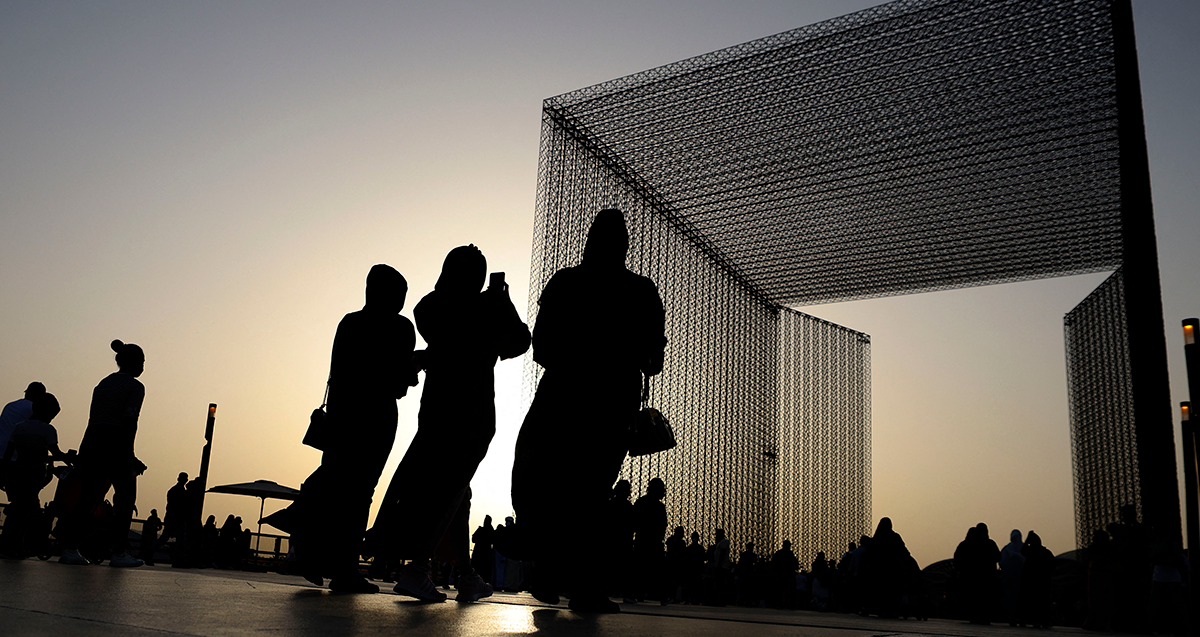
The Gulf states emerged from the global pandemic with the wind in their economic sails. But high-profile events like Qatar’s hosting of the FIFA World Cup and the UAE’s World Expo continued to mask two subtle but major weaknesses that have plagued them for decades. Why do Gulf economies lack innovation? And why do they struggle to create private sector employment for nationals?
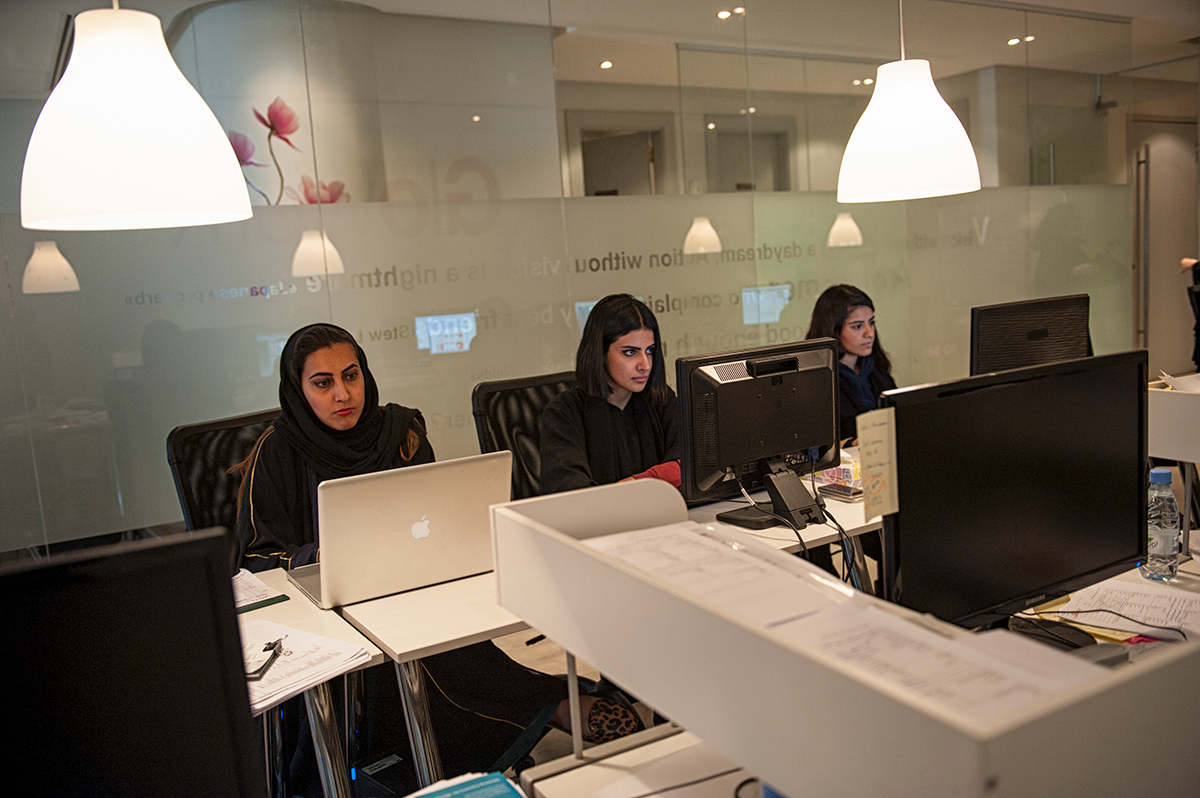
Gender parity in the Middle East is still many decades away, but it will largely determine the future of economic, social, cultural, and political development in the region.