A Turkish foreign minister in China: Subtitles of a silent visit
The most defining aspect of the Sino-Turkish relationship is the need for Turkey to find economic or geopolitical leverage to attain some semblance of equality with China. During Turkish Foreign Minister Hakan Fidan’s recent visit to Beijing, his subtle references to the Turkic and Islamic credentials of Xinjiang may have gotten lost in translation for the Chinese.
Beyond guns and oil: The emerging soft power rivalry between Iran and Saudi Arabia
A little over a year ago, the icy relations between Iran and Saudi Arabia underwent a remarkable thaw. But beneath this détente, a new front emerged in their longstanding rivalry — one rooted not in geopolitics or religious ideologies but in the realm of soft power and societal aspirations.
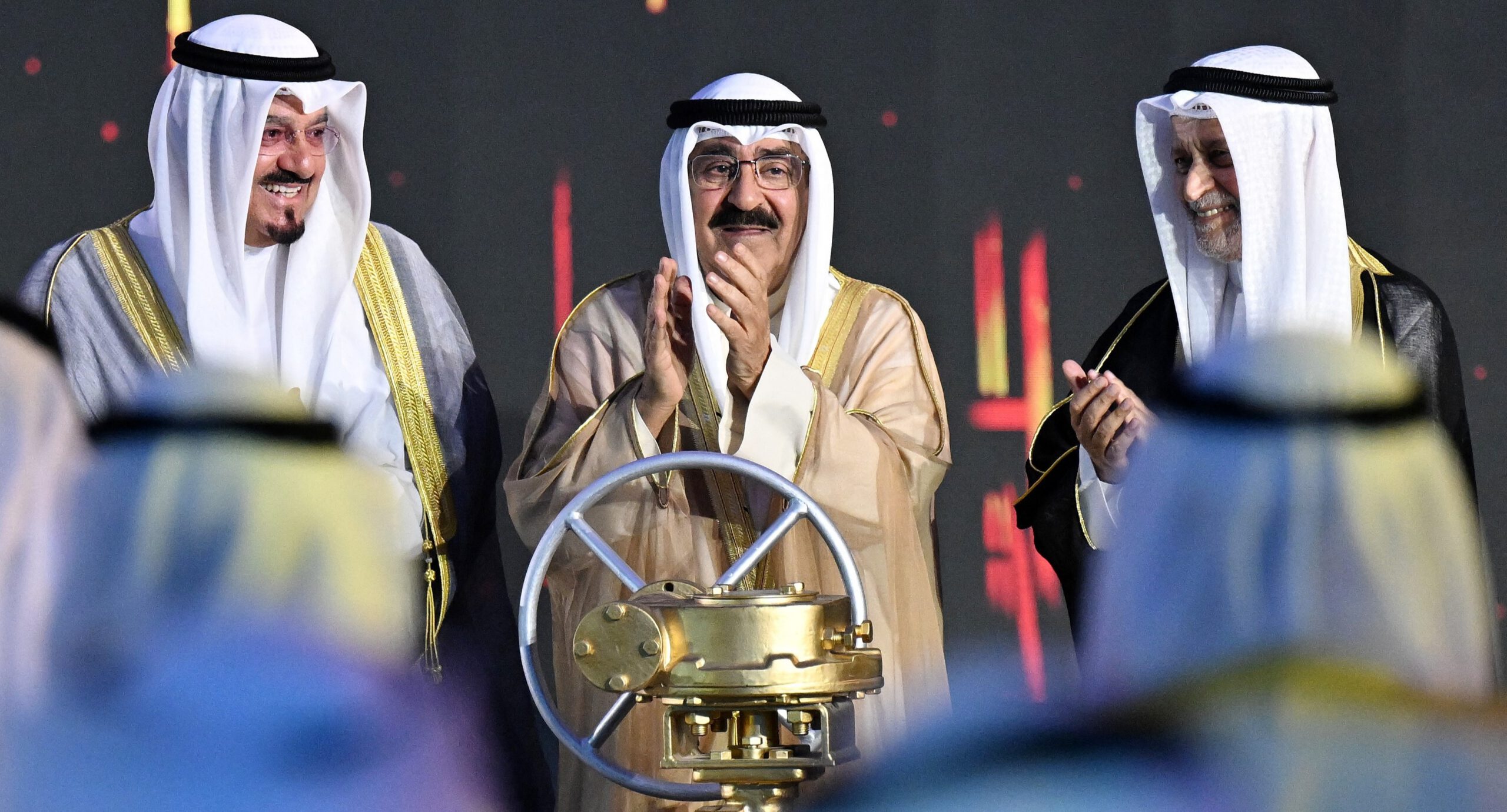
The clock is ticking to reset Kuwait’s economic course and reinstate legislature
Kuwait’s emir, Sheikh Mishal Al Ahmad Al Jaber Al Sabah, took his next step in governance without a parliament in place on June 1, when he appointed Sheikh Sabah Khalid Al Sabah as crown prince. Although the timing of the announcement suspending portions of the constitution and dissolving the parliament caught most observers off guard, the emir’s decision was not surprising.
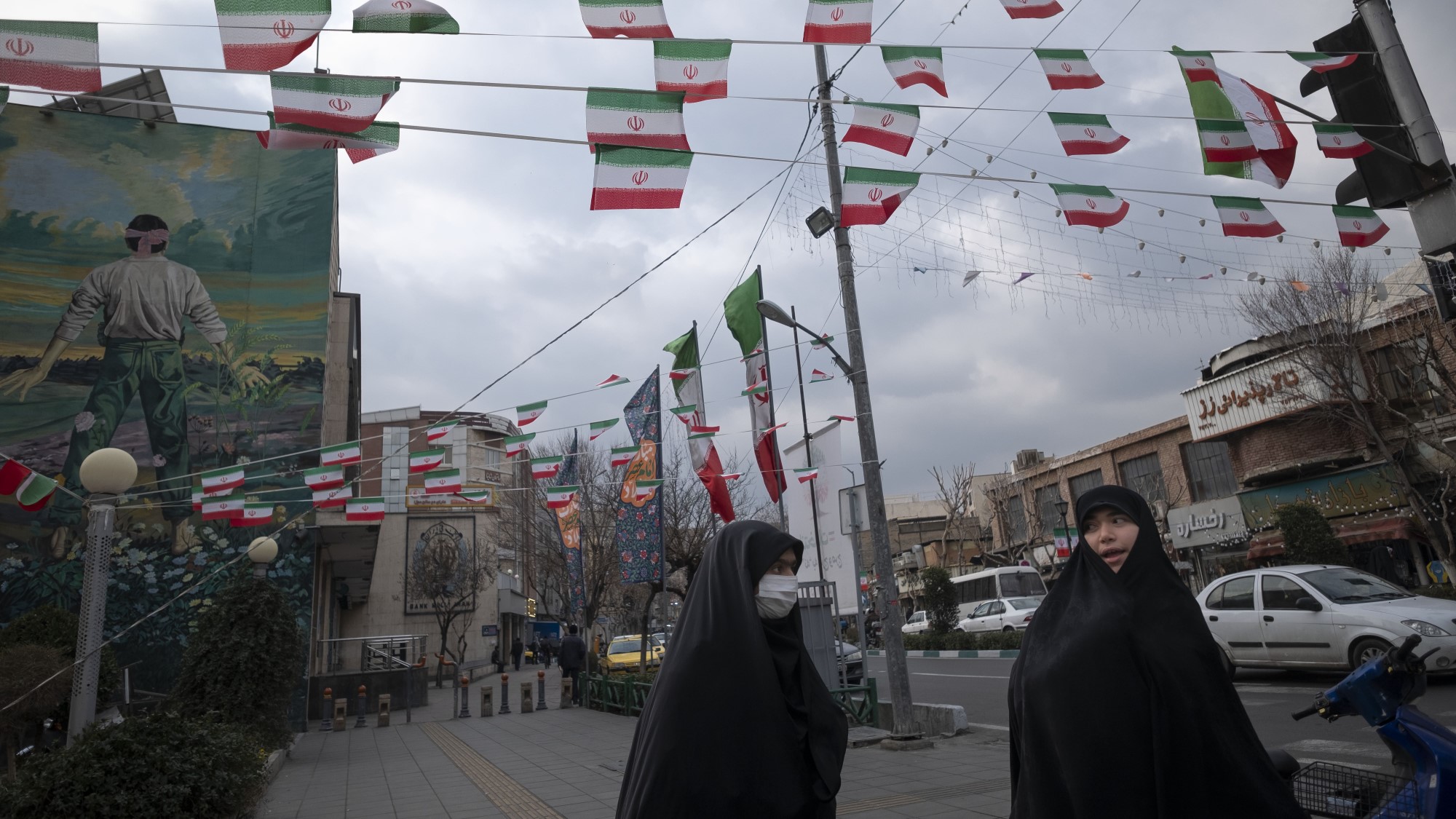
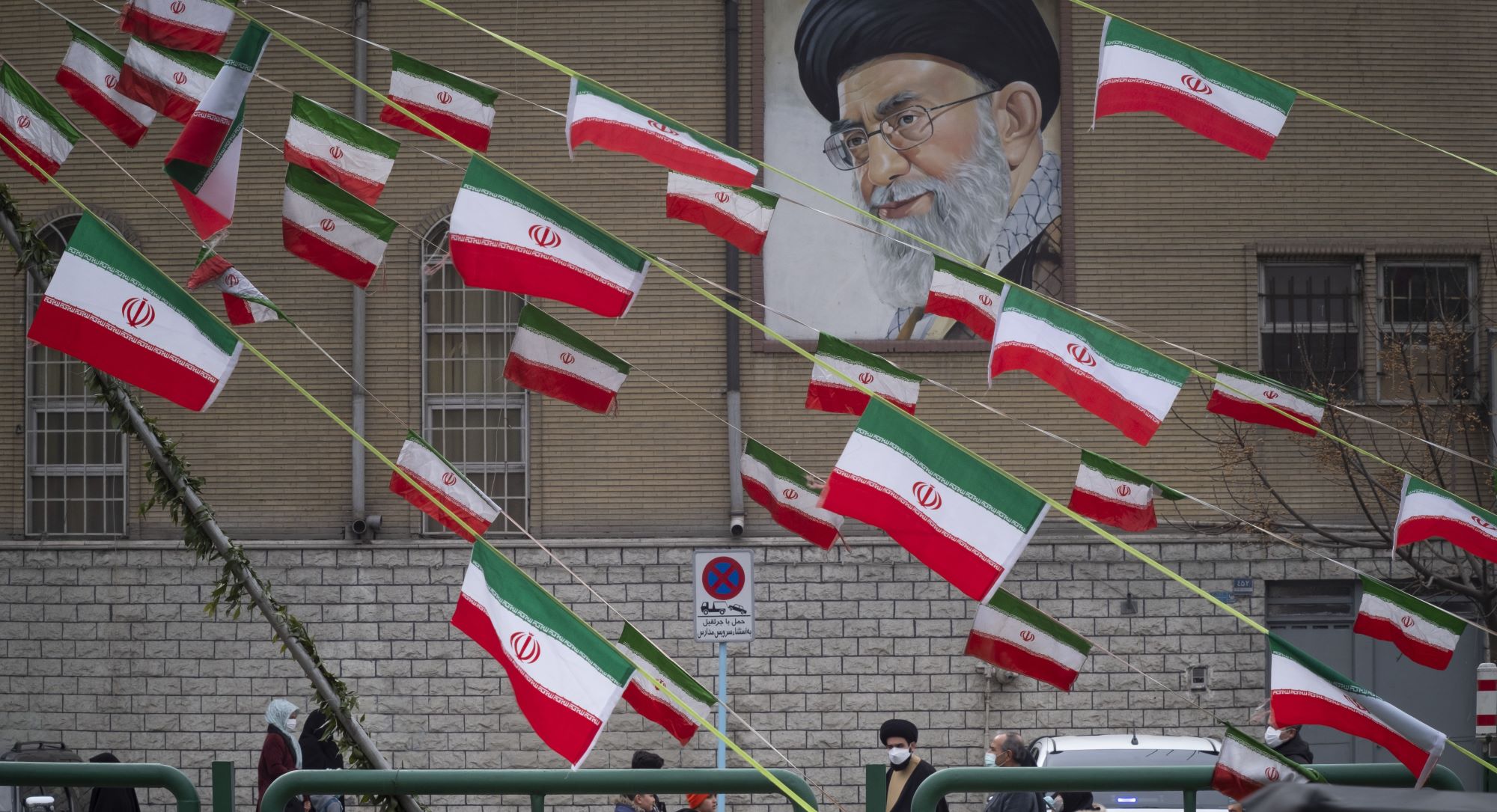
Corruption in Iran: A strategic instrument for the Islamic Republic regime
Corruption in Iran is strategic and a key element of the current political order. It serves as an instrument of national strategy and an essential component of governance within the Islamic Republic.
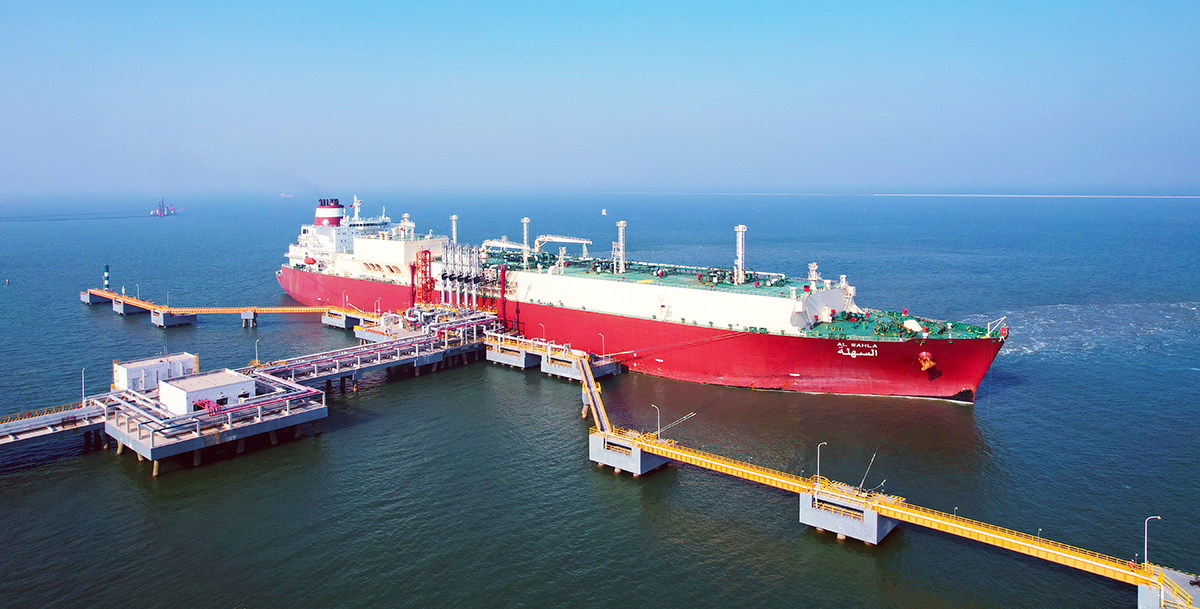
Qatar’s LNG expansion plans and the issue of market oversupply
On Feb. 25, 2024, Qatar announced plans to increase its LNG production capacity by a further 16 million tons per annum (mtpa) in 2029-30, bringing the total to 142 mtpa. This would be the third such large-scale expansion of its LNG production within the next six years, but there’s one wrinkle: These new production volumes are set to come online at a time of significant oversupply in the LNG market. What accounts for Qatar’s decision?
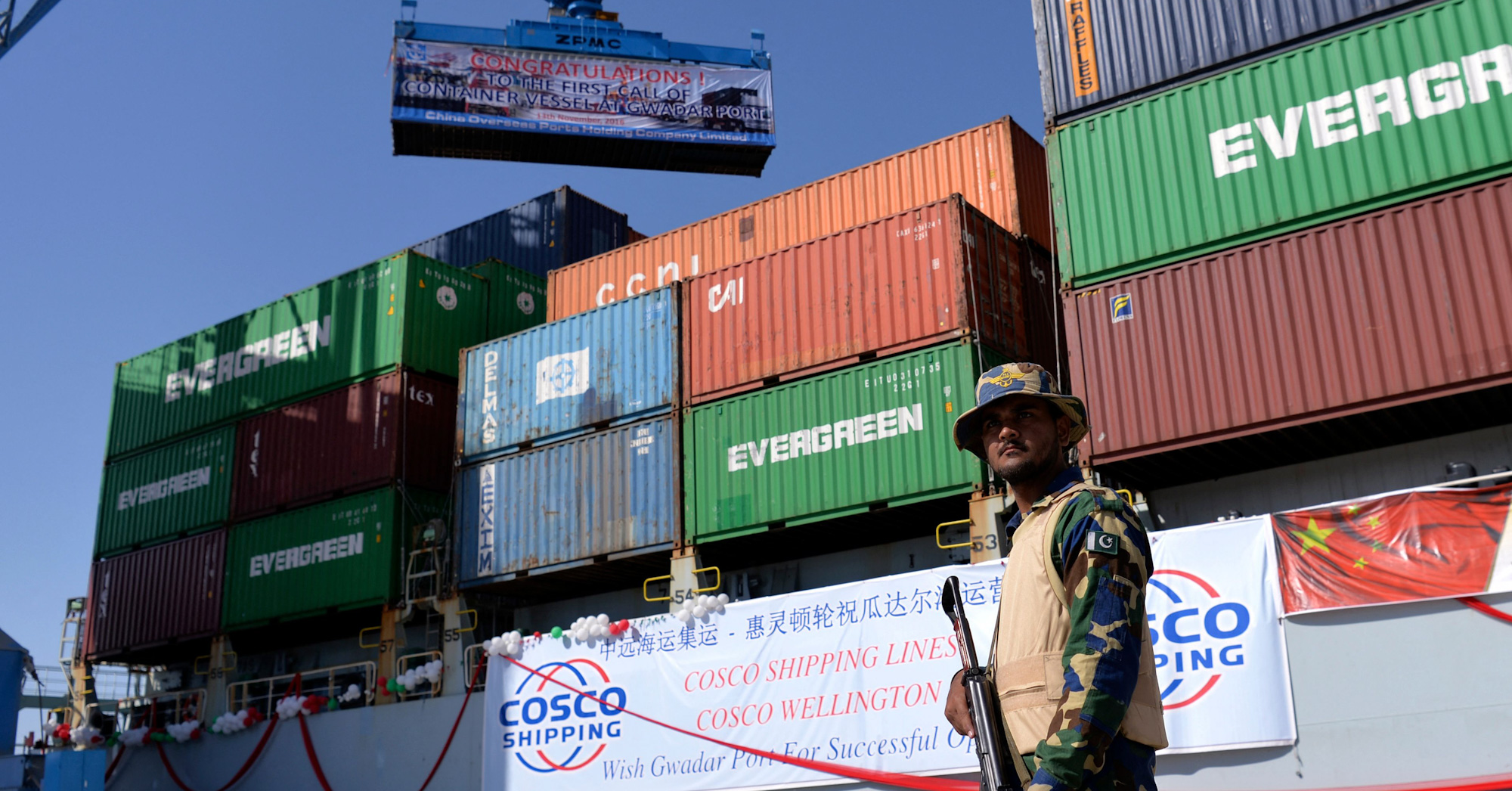
“Gwadar is the future”: China and Pakistan’s troubled strategic port on the Arabian Sea
Strategically located at the mouth of the Strait of Hormuz on the Arabian Sea, Gwadar, once a derelict port, was revitalized as part of the broader development of China-Pakistan Economic Corridor (CPEC) and declared fully operational in 2021. Can a renewed focus on the Gwadar port and the socio-economic and security situation of the surrounding region help Islamabad and Beijing rescue CPEC from failure?
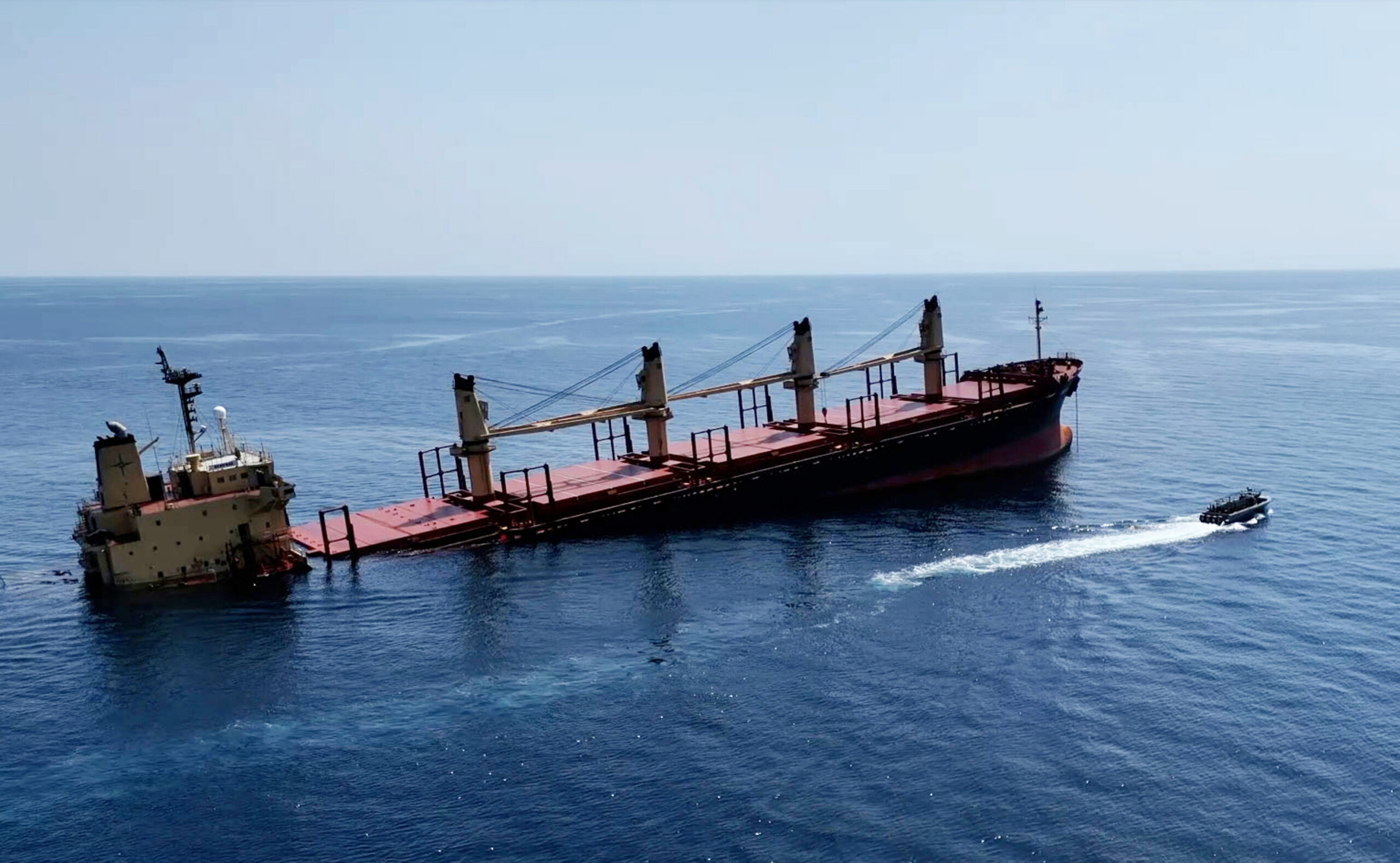
Israel in the Red Sea during the War in Gaza: Strategic insights
In recent months, Israel’s situation in the Red Sea has grown increasingly challenging in the security, economic, and diplomatic spheres. But the country is in a better position to meet these challenges and threats by leveraging the strategic regional partnerships it has developed over the past several years.
Navigating the crossroads: Actionable cooperative measures to address global development challenges
As the world faces unprecedented challenges, from climate crises to migration pressures, the need for concerted action to address financing for development has never been more urgent. Against a backdrop of resource constraints, geopolitical shifts, and faltering progress on the UN Sustainable Development Goals, it is imperative to chart a course of action that is both pragmatic and visionary. This piece outlines 10 actionable measures to tackle these multifaceted challenges and pave the way for a more sustainable and equitable future.
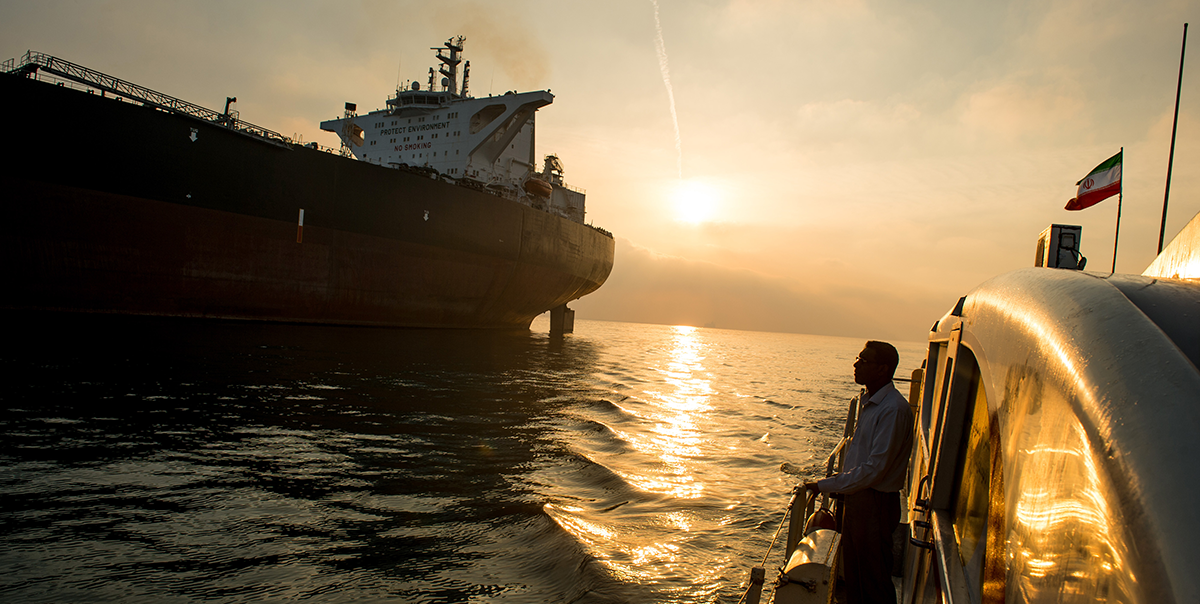
Despite new sanctions measures, targeting Iranian oil sales is a lose-lose proposition for the US
On April 21, the US House of Representatives passed the long-awaited aid package for Israel, Ukraine, and Taiwan. The legislation contained another long-sought-after measure: authority for the US government to tighten restrictions on Iran’s oil exports. But in truth, aggressive US action remains unlikely and there are powerful operational, strategic, and political barriers preventing the US from shutting down Iran’s oil trade or hindering it in a material way.
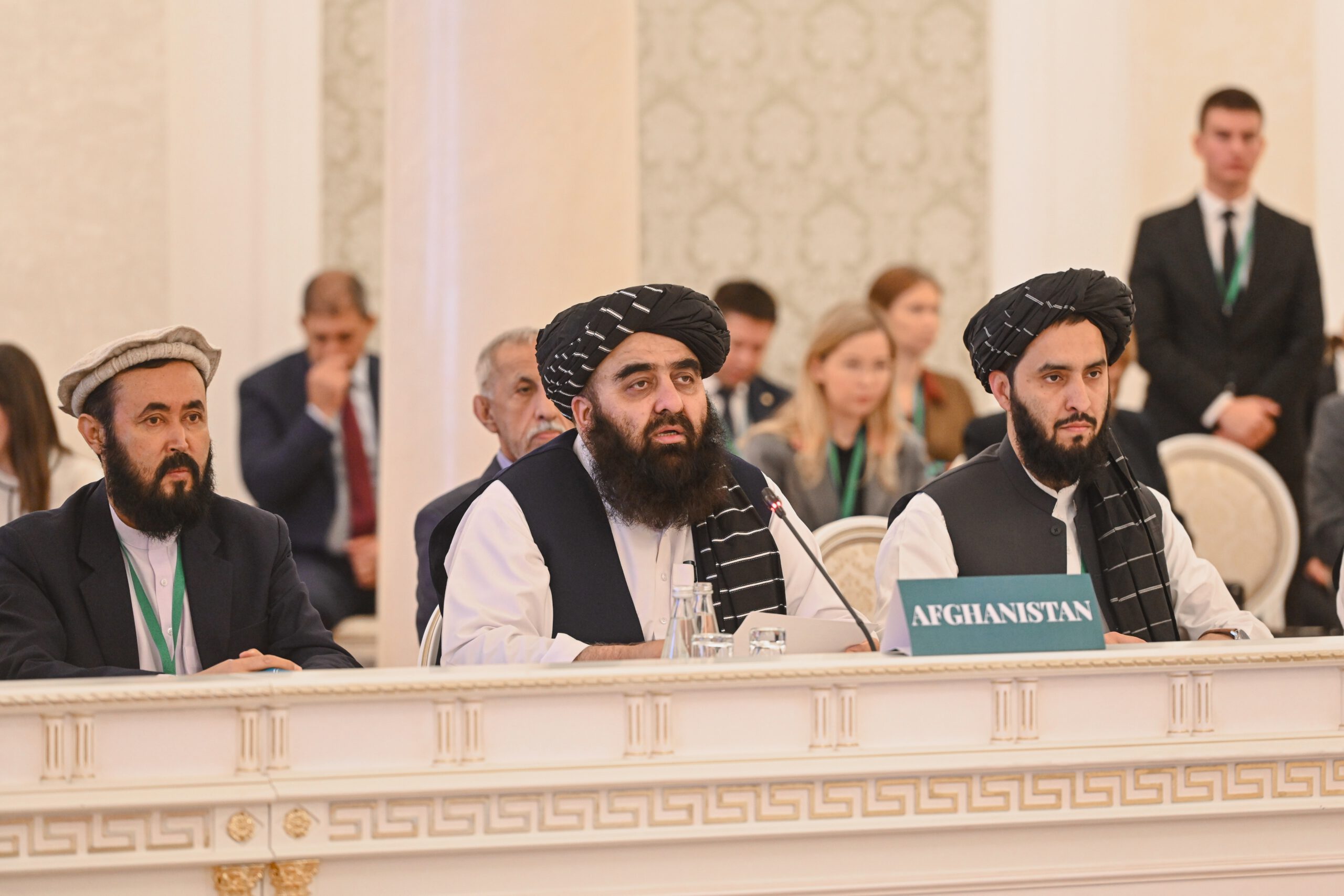
Though Tehran continues to engage the government in Kabul in a pragmatic fashion, Iran and the Taliban are not traditional friends or allies; they share an uneasy relationship. There is a sectarian angle to their differences and a long-standing dispute over water resources. Yet Iran has sought to normalize relations due to broader geopolitical considerations, security concerns, and perceived economic opportunities.
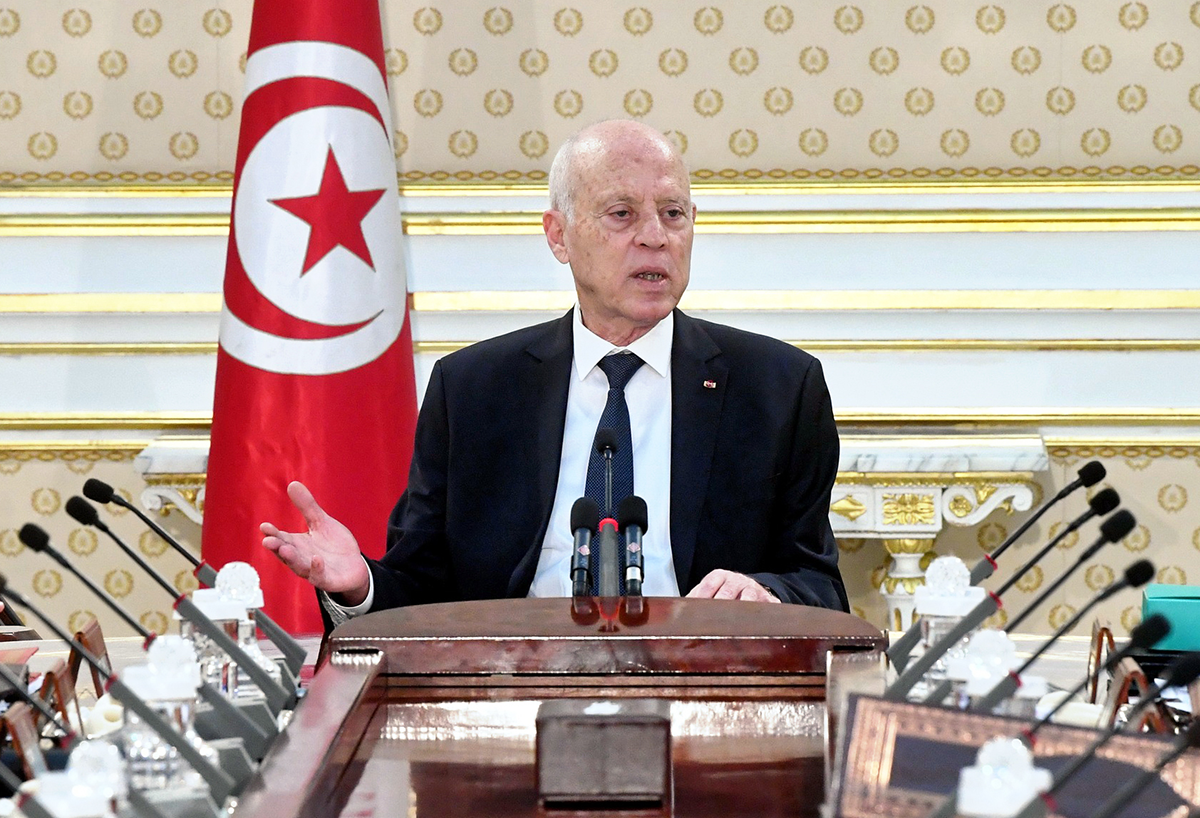
Tunisian President Kais Saied appears to be constructing a new economic strategy. While he has previously outlined his priorities with broad strokes, like fighting corruption and defending sovereignty, he has recently begun to add greater detail, adopting a personalized approach that appears to be attempting to bypass the existing corporatist structures.
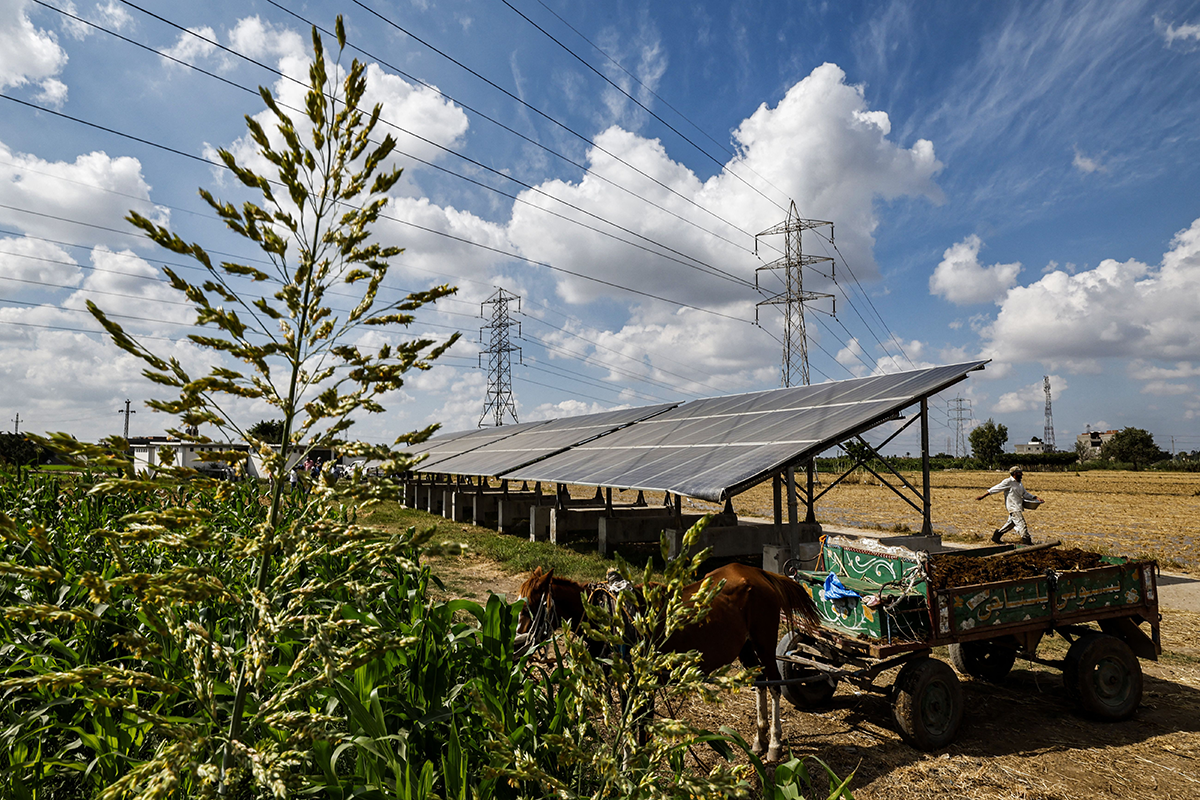
The great financing gap: The state of climate funding in MENA
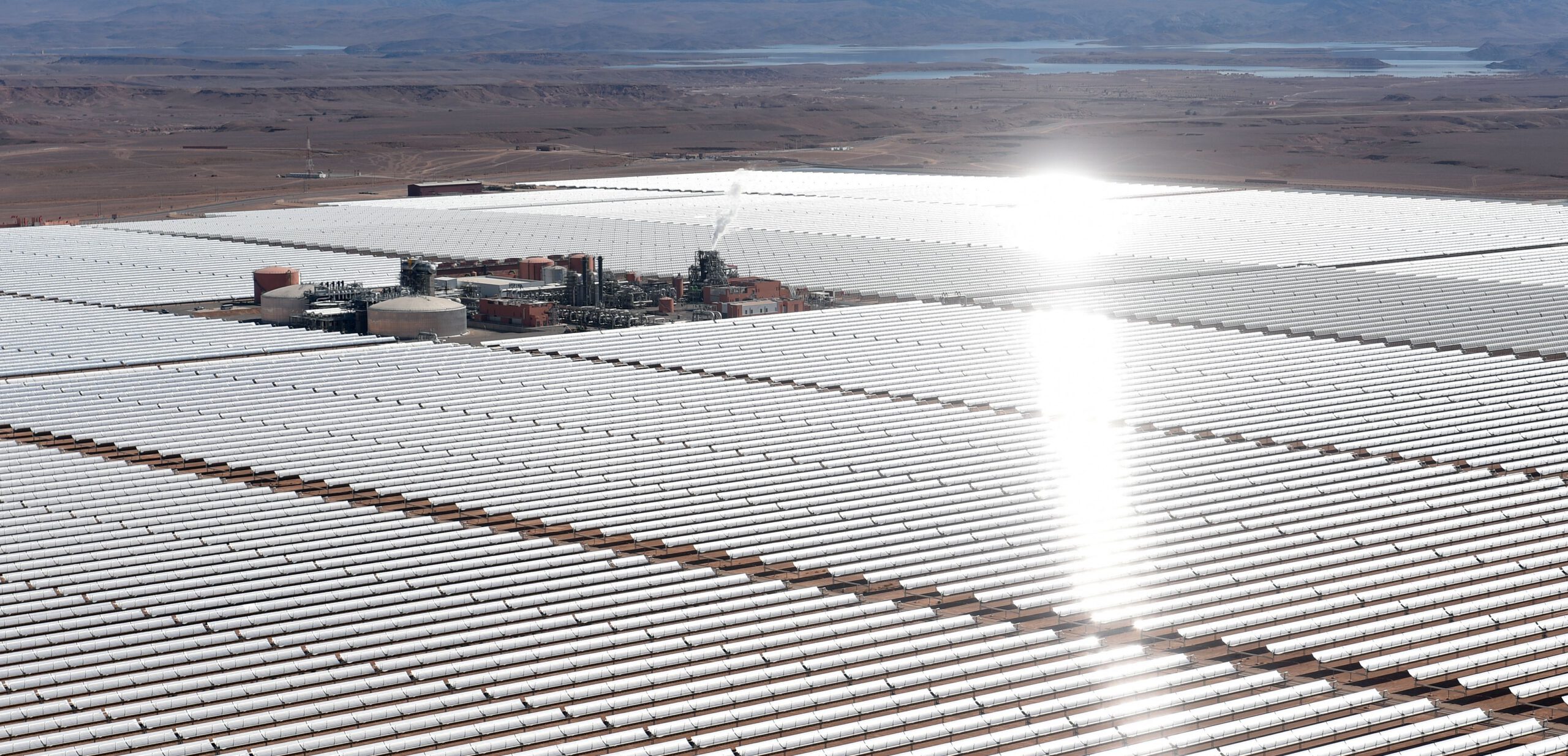
The Middle East and North Africa region is one of the lowest recipients of climate finance compared to other areas of the globe, such as East Asia and the Pacific Islands, despite MENA’s exposure to extreme climate risks. The MENA region’s share of climate financing from the big three global climate funds — the Green Climate Fund (GCF), the Climate Investment Funds (CIF), and the Global Environment Facility (GEF) — and their sub-funds made up only 6.6% of their cumulative global financing through 2023.
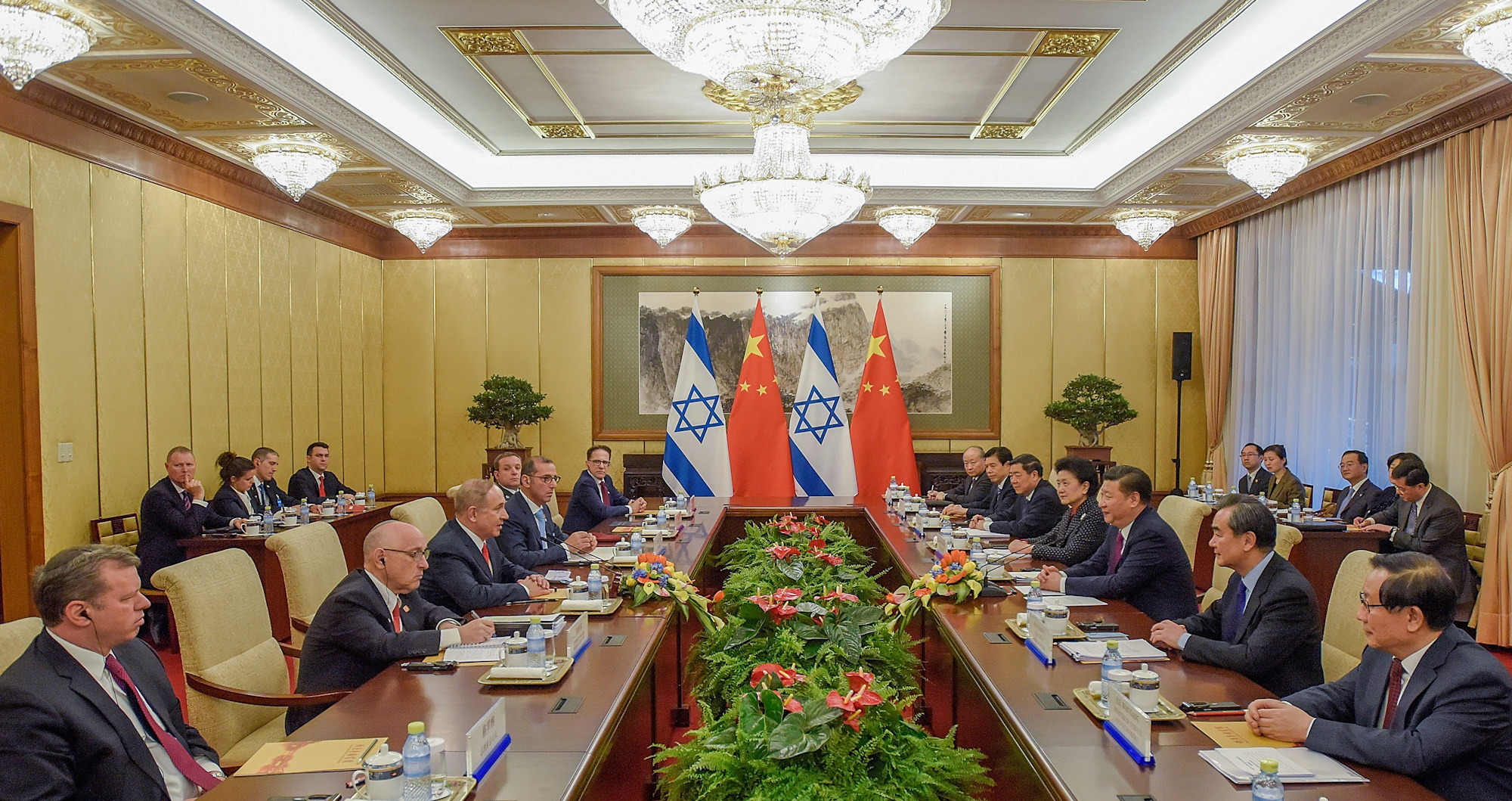
Over the past two decades, relations between Israel and China expanded significantly. Since then, however, there have been indications that the growth prospects for the bilateral relationship have diminished. China’s stance on the Oct. 7, 2023, Hamas attack and on Israel’s conduct during the ensuing war in Gaza, in particular, has further cast doubt on the future trajectory of the relationship.
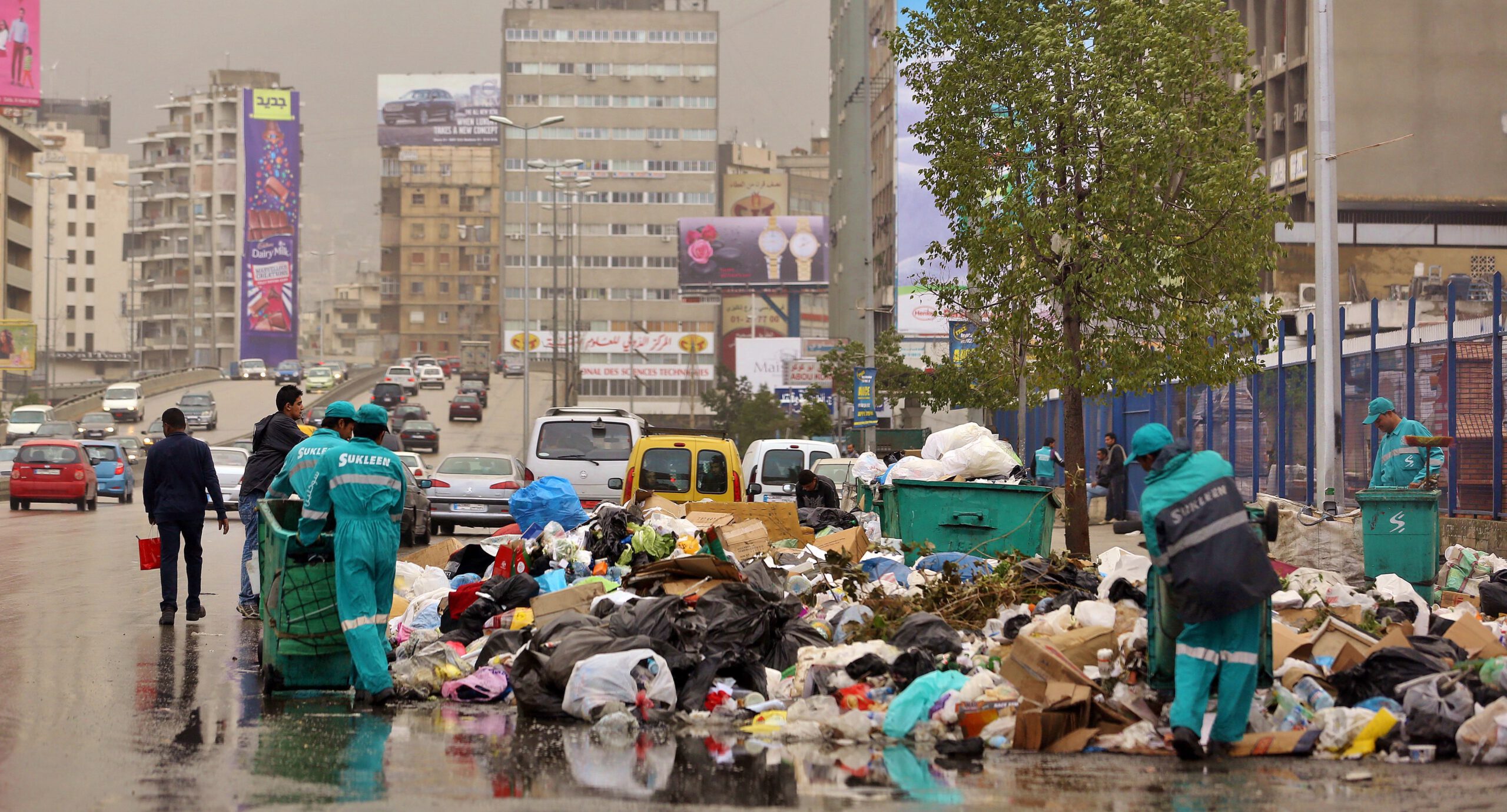
A better development funding model for Lebanon: Prospects, challenges, and applicable lessons
International funders have often called upon recipients to carry out reforms before any funding can be made available or the amount increased. But in many crisis-wracked countries, such as Lebanon, the prospect of reforms may be too distant, with intervention needed immediately. This is why greater emphasis must be placed on risk mitigation measures over which funders can exercise control.