The great financing gap: The state of climate funding in MENA
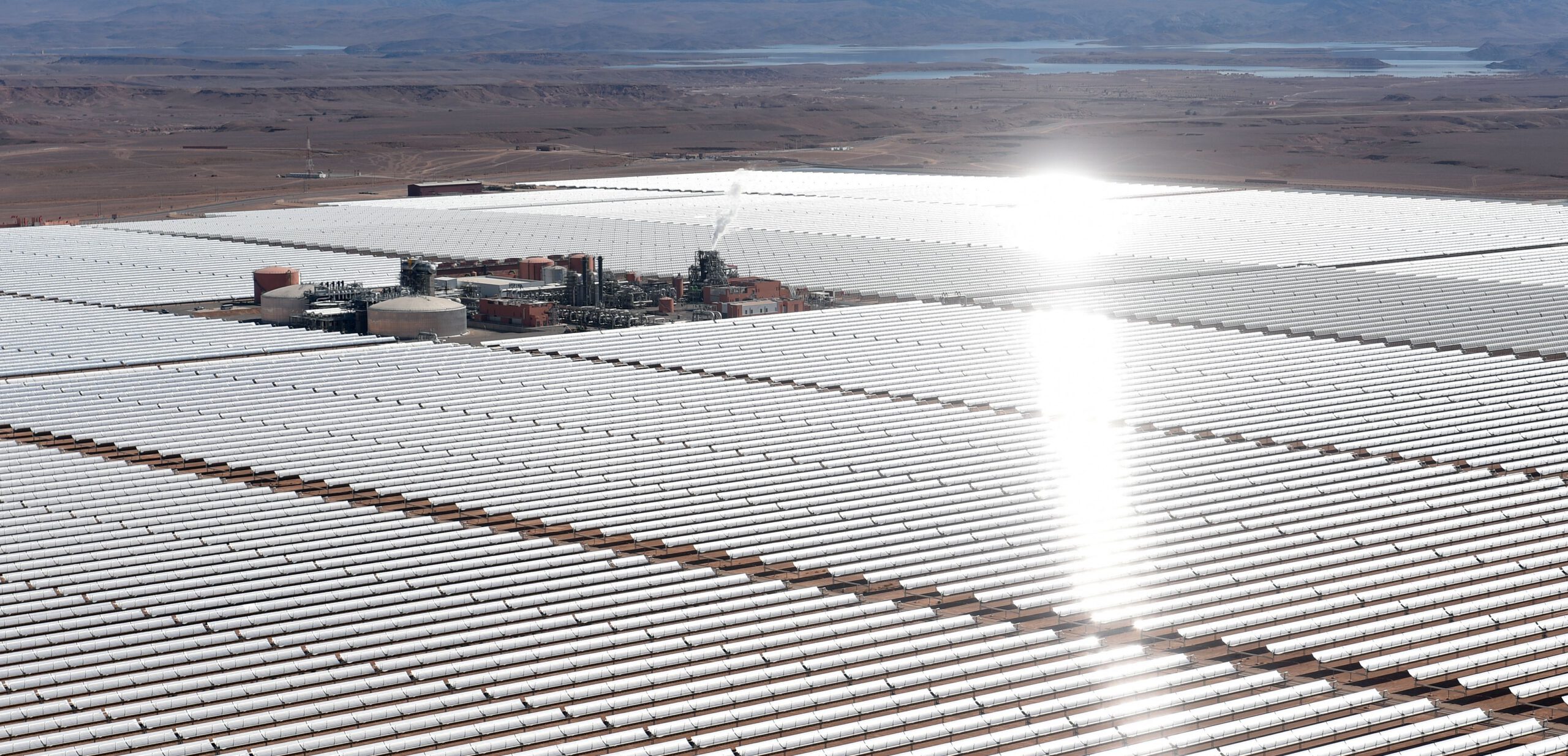
The Middle East and North Africa region is one of the lowest recipients of climate finance compared to other areas of the globe, such as East Asia and the Pacific Islands, despite MENA’s exposure to extreme climate risks. The MENA region’s share of climate financing from the big three global climate funds — the Green Climate Fund (GCF), the Climate Investment Funds (CIF), and the Global Environment Facility (GEF) — and their sub-funds made up only 6.6% of their cumulative global financing through 2023.
Amid war, resolving Lebanon-Israel territorial disputes unlikely
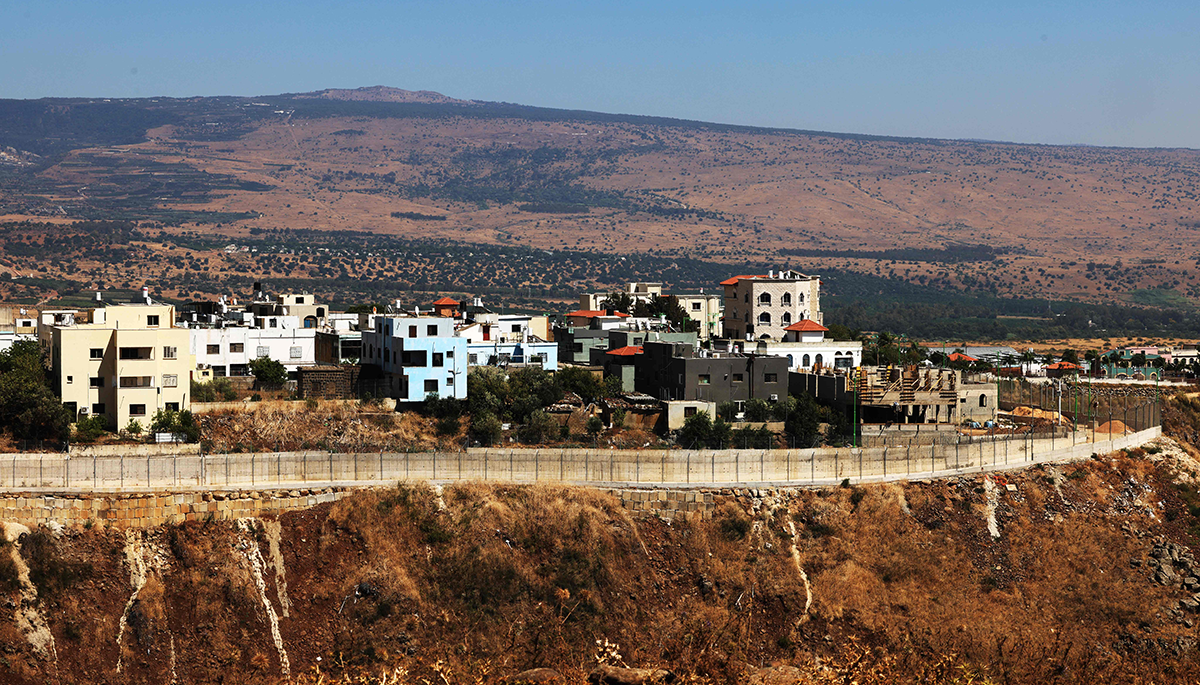
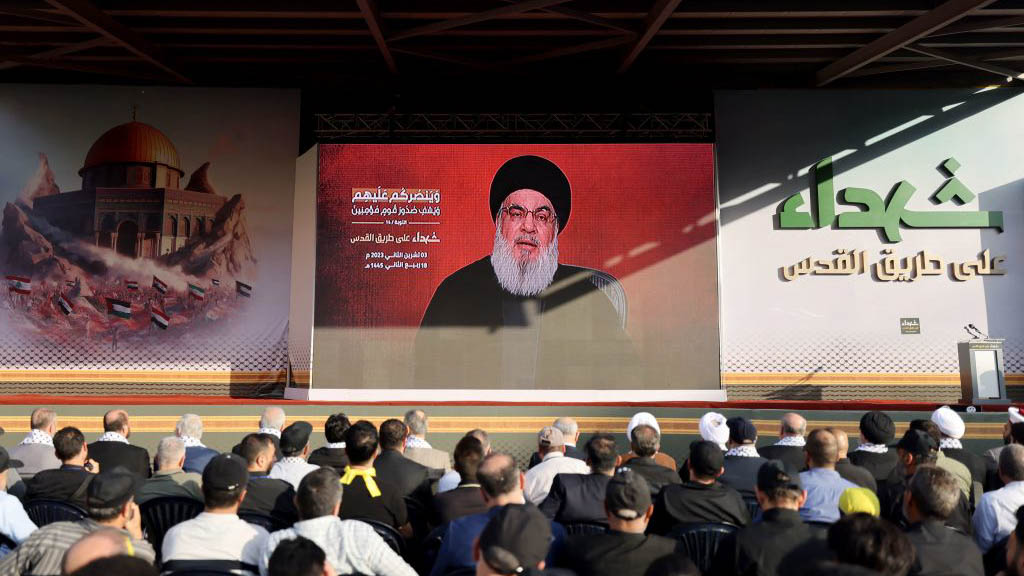
With Israel and Hezbollah on the brink of war, there have been ongoing diplomatic attempts to defuse tensions along the Israel-Lebanon border. Among the long-standing issues between the two countries are disagreements over their shared boundary. Asher Kaufman takes a closer look at these territorial disputes and how they came about, with a particular focus on the village of Ghajar at the center of the tension.
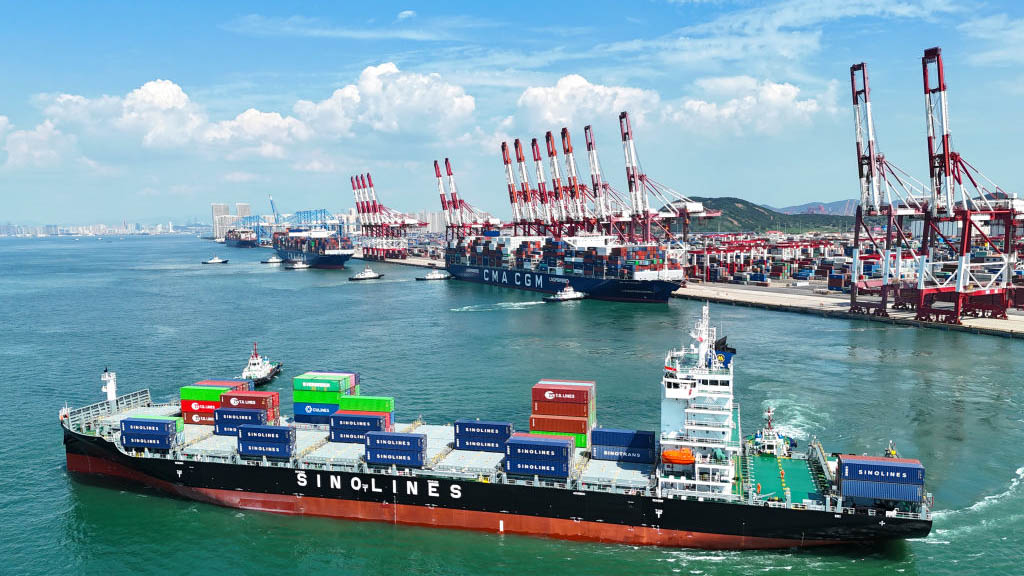
Africa-to-Europe value chains: How nearshoring can mitigate Europe’s migration crisis and aid energy transition
Africa-to-Europe value chains in manufacturing and agri-food production can mitigate factors driving current migration patterns by employing Africans in local value-added production and boosting African GDP growth, reorienting Africa-Europe relations towards mutual economic benefit and dignity.
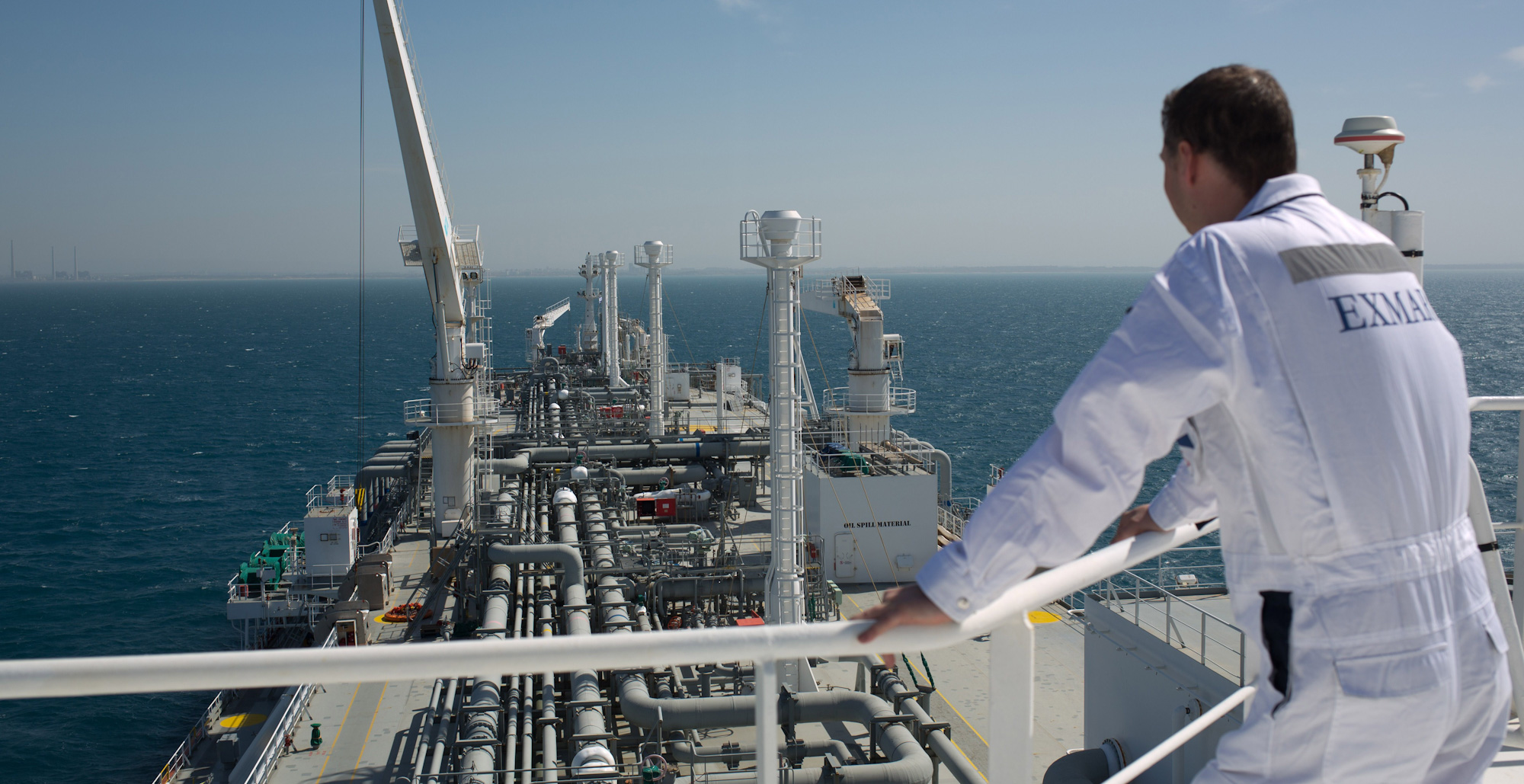
The implications of Red Sea instability on the global LNG market
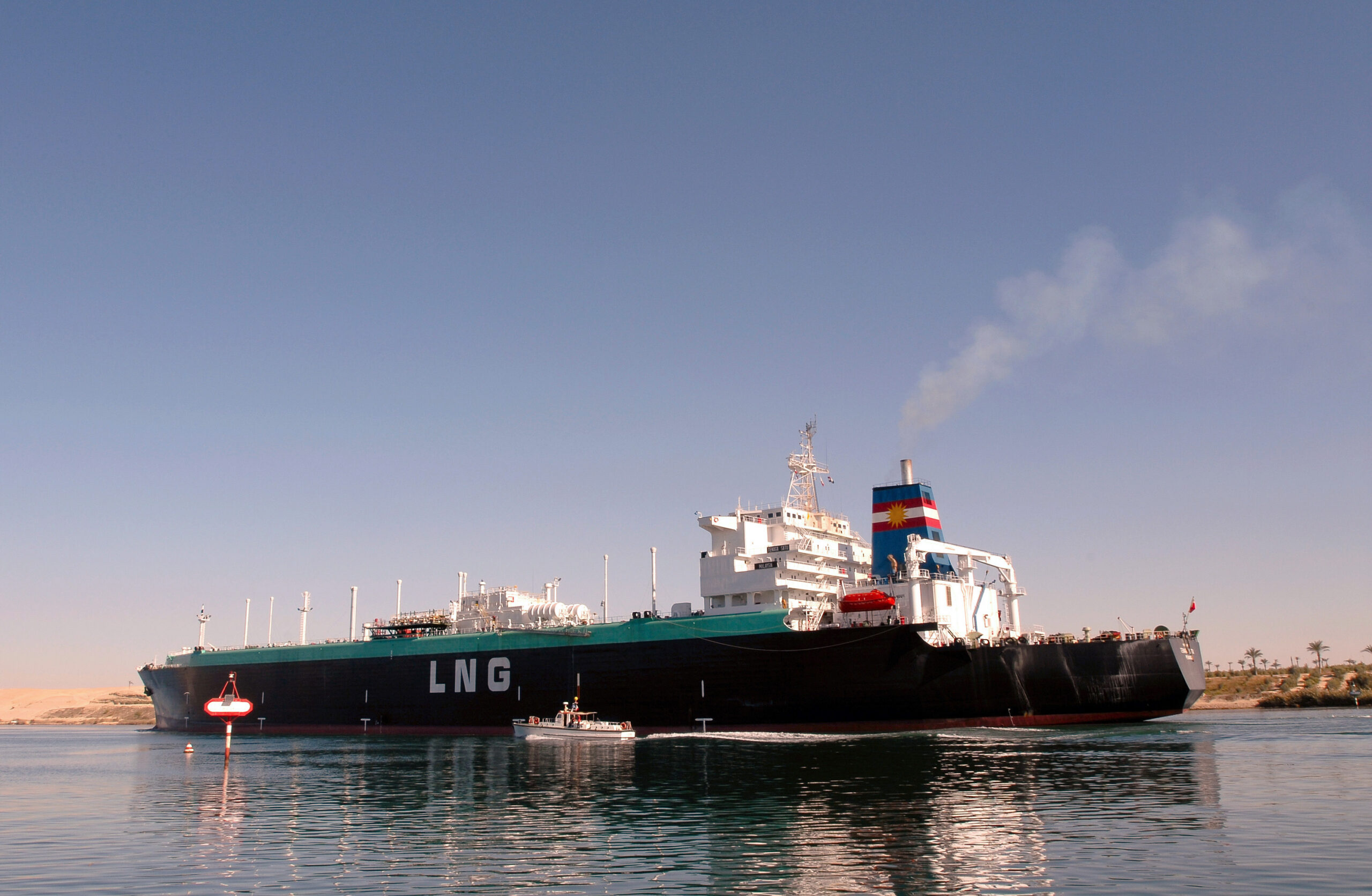
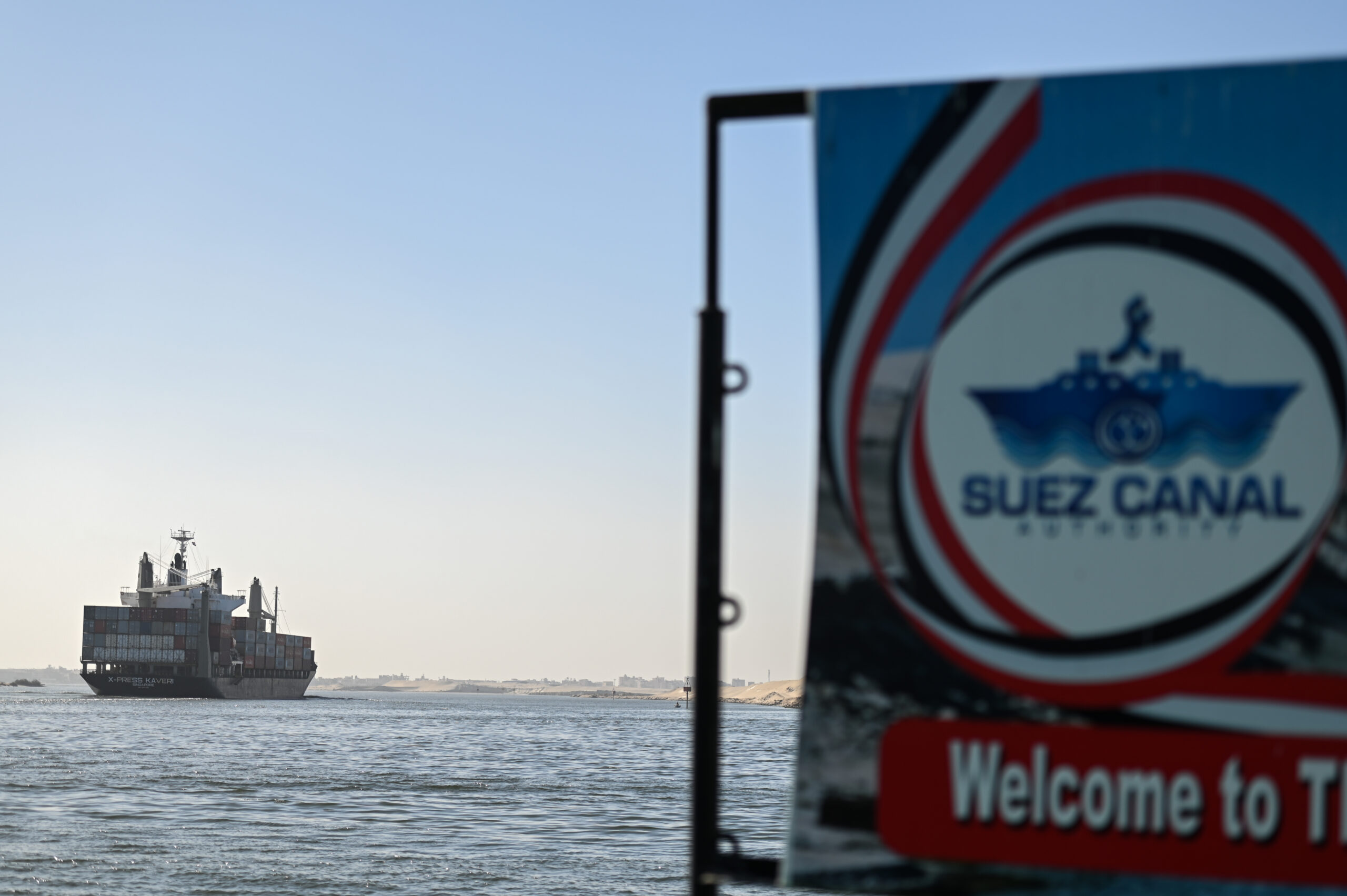
Well over 30 attacks against commercial shipping in the Red Sea have been reported since mid-November 2023, although none have targeted crude oil or liquefied natural gas (LNG) carriers to date. But that is not to say that global energy flows through this critical maritime chokepoint are invulnerable; any harm that came to hydrocarbon carriers traveling into or out of the Red Sea via the Bab el-Mandeb would have far-reaching consequences for international markets.
Azerbaijan and COP29: An opportunity or a challenge?
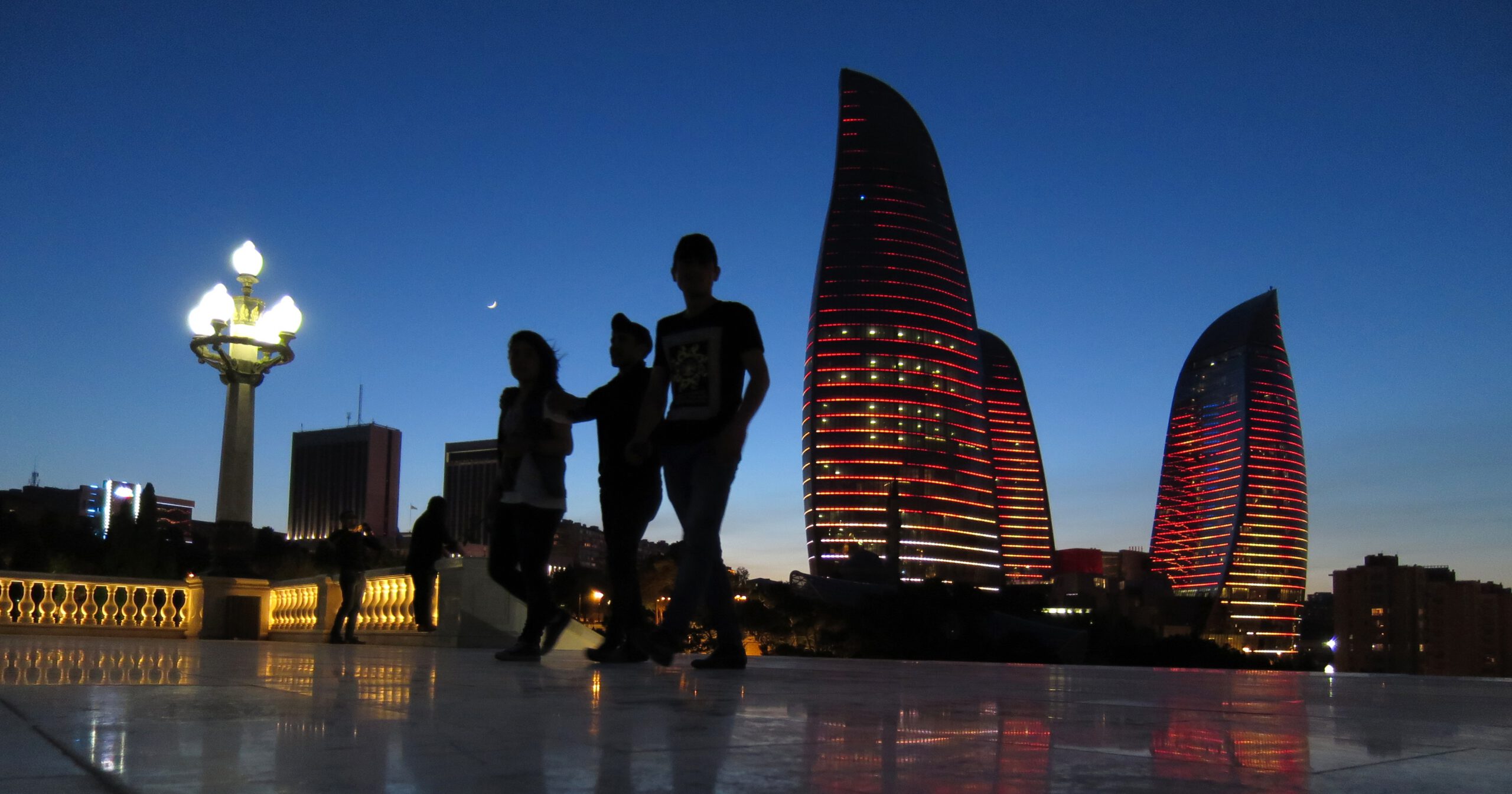
Azerbaijan will host COP29 at the end of this year. Being selected to host the most important international climate event is a major achievement for the South Caucasus country, though the spotlight it brings will come with its own challenges due to Azerbaijan’s poor human rights record and worsening relations with the West.
Jordanian ambitions, Saudi funds: A look at Saudi investments in Jordan
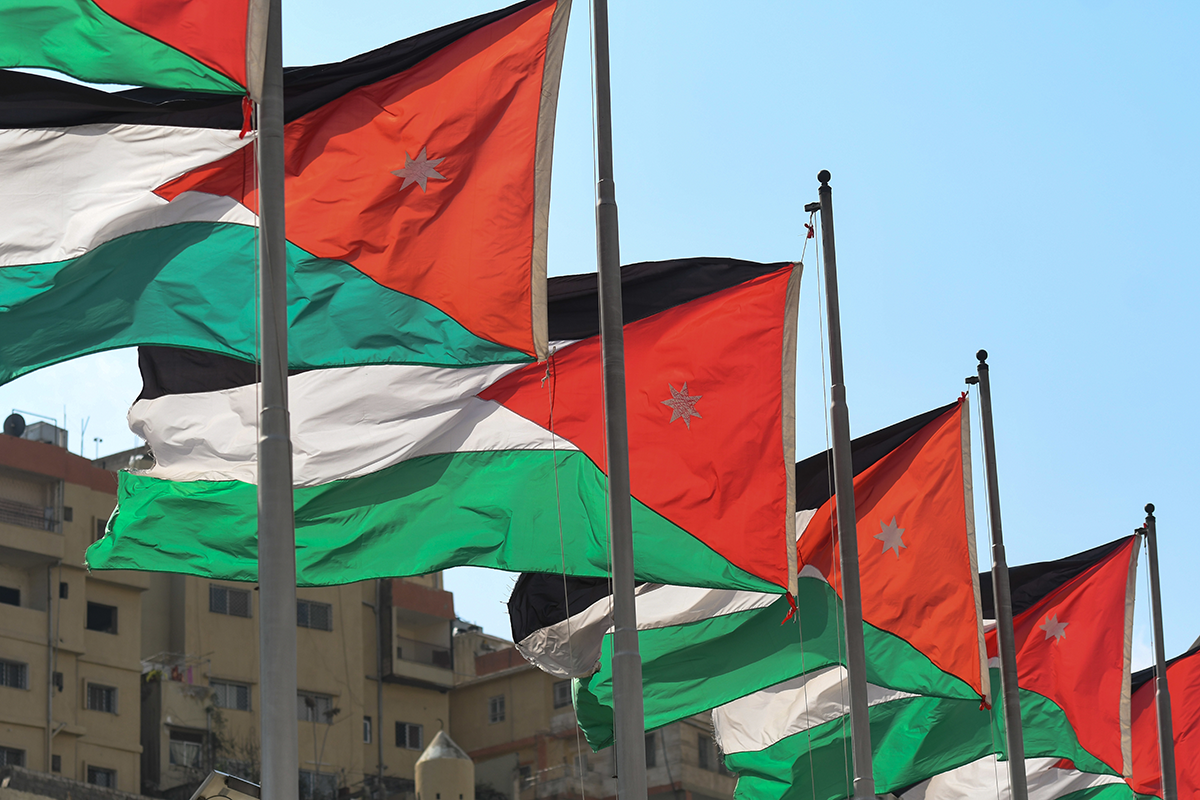
In 2017, Saudi Arabia’s Public Investment Fund and a number of Jordanian banks established the Saudi-Jordanian Investment Fund to channel $3 billion into the Jordanian economy. Two SJIF projects provide relevant case studies of the challenges facing Jordan’s broader efforts to attract more FDI and drive economic development.
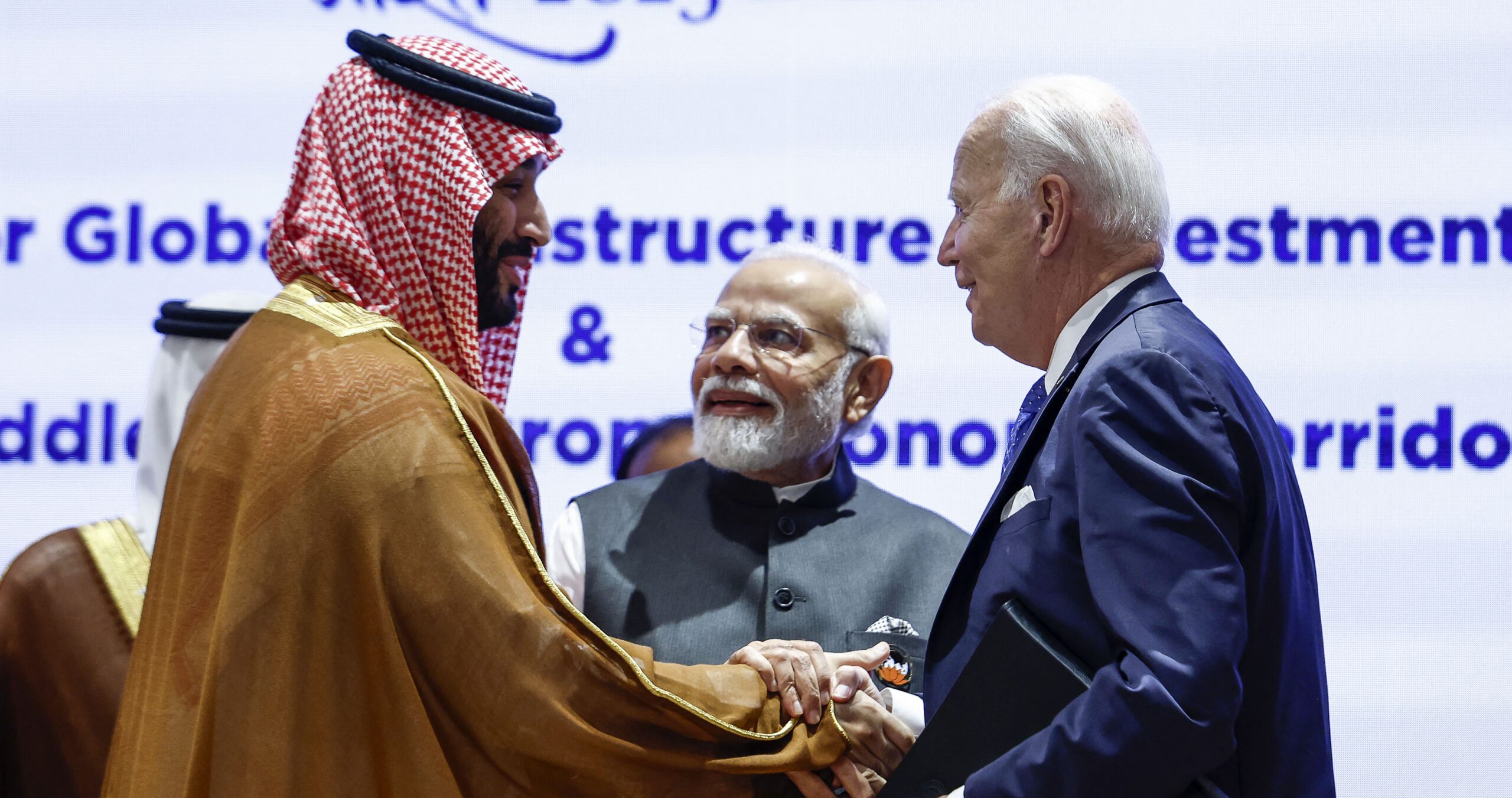
All you need to know about the India-Middle East-Europe Economic Corridor
At the September G20 meeting, host country India, along with the United States, the European Union, France, Germany, Italy, Saudi Arabia and the United Arab Emirates (UAE), signed a memorandum of understanding, a non-binding commitment to work towards building two separate “corridors”, essentially envisioning a political line that is connected by some new and some existing, or already under construction, physical infrastructure.
War delays but likely will not fully derail IMEC plans
The Oct. 7 Hamas attack against Israel and the latter’s ongoing military operation in Gaza have stalled progress in the development of the India-Middle East-Europe Economic Corridor and raised questions about its prospects for eventual completion. The IMEC faces multiple viability challenges, but none of them are insurmountable; thus, its participants are unlikely to abandon it.
Climate casualties: How the Gaza war threatens Mideast climate action
The renewed violence in Gaza could not have come at a less opportune time for the climate agenda in the Middle East. From energy economics to environmental degradation, the ripple effects of conflict will complicate the path ahead.