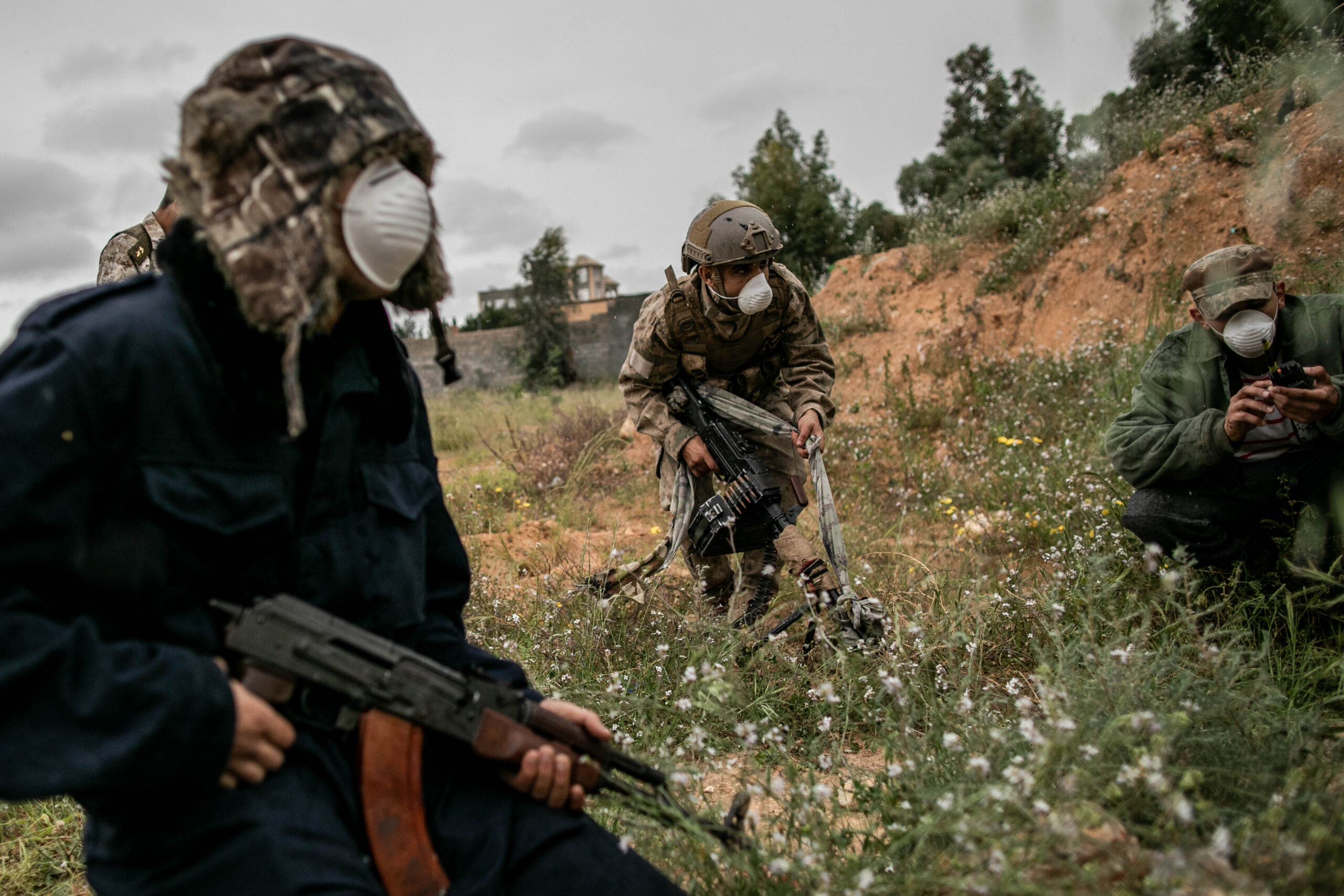
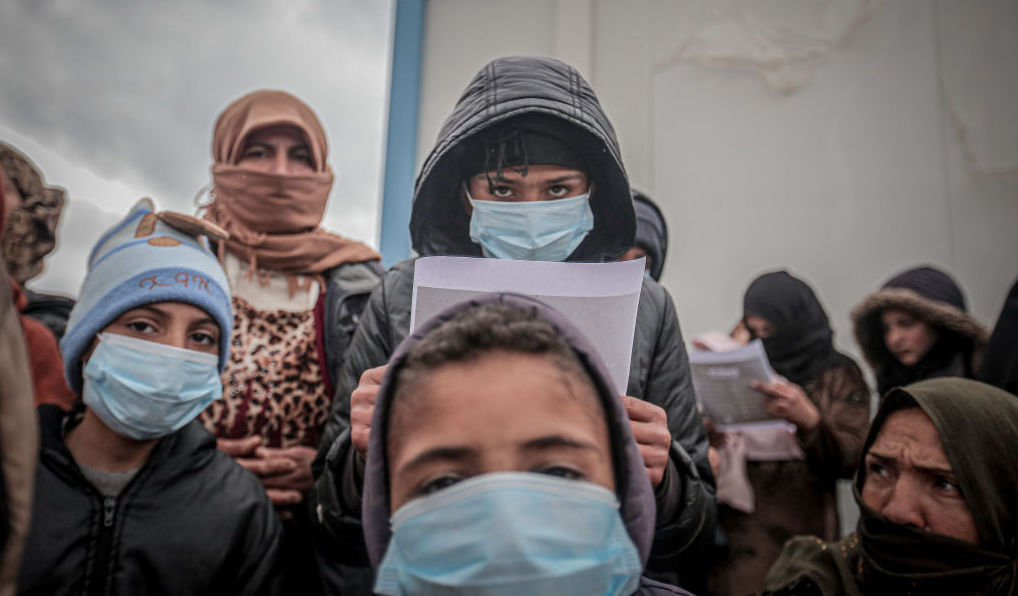
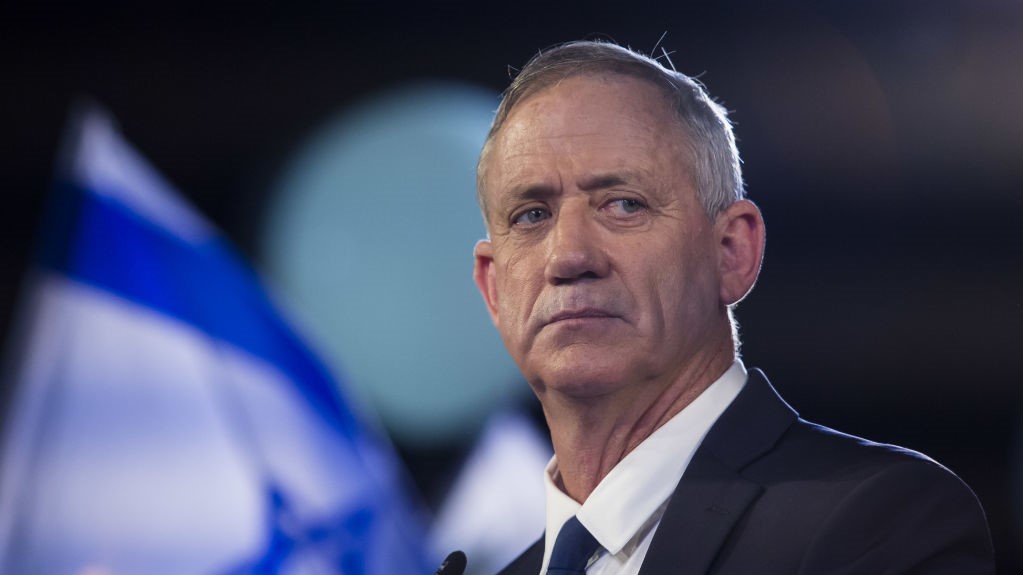
Steven Kenney and Ross Harrison join host Alistair Taylor to discuss their recent policy paper, “Conflict in the Middle East and COVID-19 — A View from 2025.” The COVID-19 crisis is disrupting the status quo on nearly everything, including regional conflict. How will that disruption worsen — or possibly improve — the trendlines of regional conflicts as we head toward 2025?
Middle East Conflict and COVID-19 – A View from 2025
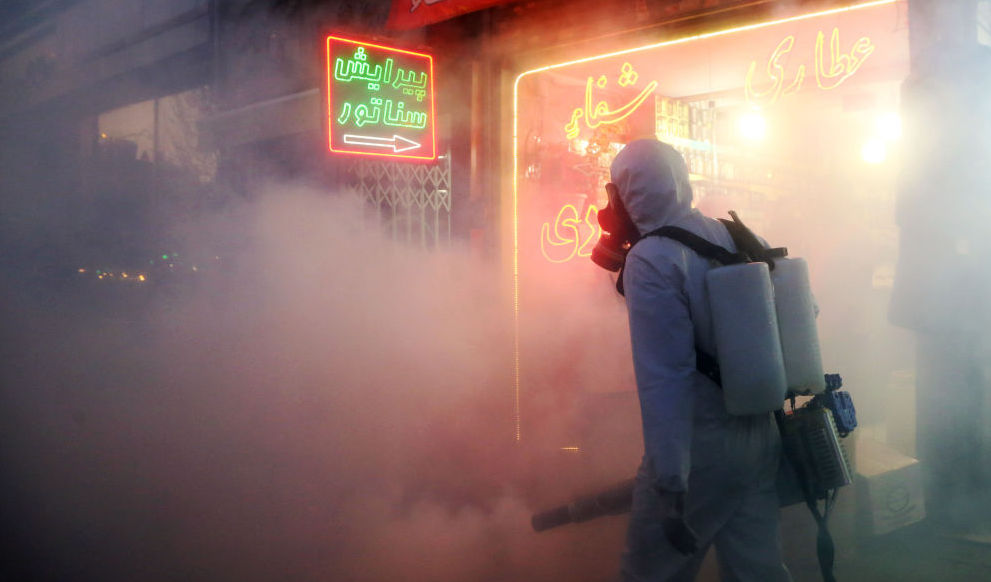
Conflict and instability have been constant features of the Middle East for decades. Over the most recent decade, four civil wars and fraught relationships between the major regional powers have been pushing the region toward a potentially perilous political and economic future. We know that the COVID-19 crisis is disrupting the status quo on nearly everything, including regional conflict. What we do not know is how that disruption today might worsen — or improve — the trendlines of those conflicts as we head toward 2025. In this MEI Strategic Foresight Initiative paper we employ a scenario-based methodology to explore this question.
In Brief: Middle East Conflict and COVID-19 – A View from 2025
Our ongoing analysis in MEI’s Strategic Foresight Initiative examines scenarios built around different combinations of drivers of change related to the COVID-19 pandemic. We used the scenarios to analyze what conflict in the region could look like in 2025, as we believe that how these drivers change the dynamics of the Iran-Saudi Arabia rivalry and the civil wars could be a primary determinant of what the region is like in that timeframe and beyond. Our study posited differences in the health response of governments, the economic response from governments, and the social dynamics of populations to the COVID-19 crisis. Rather than consider them as independent forces of change, our foresight analysis focuses on the interaction between these drivers.
Quickly attributing or blaming a country for a cyber incident without technical analysis, proof, and government officials willing to go on record only inflames an already tense situation.
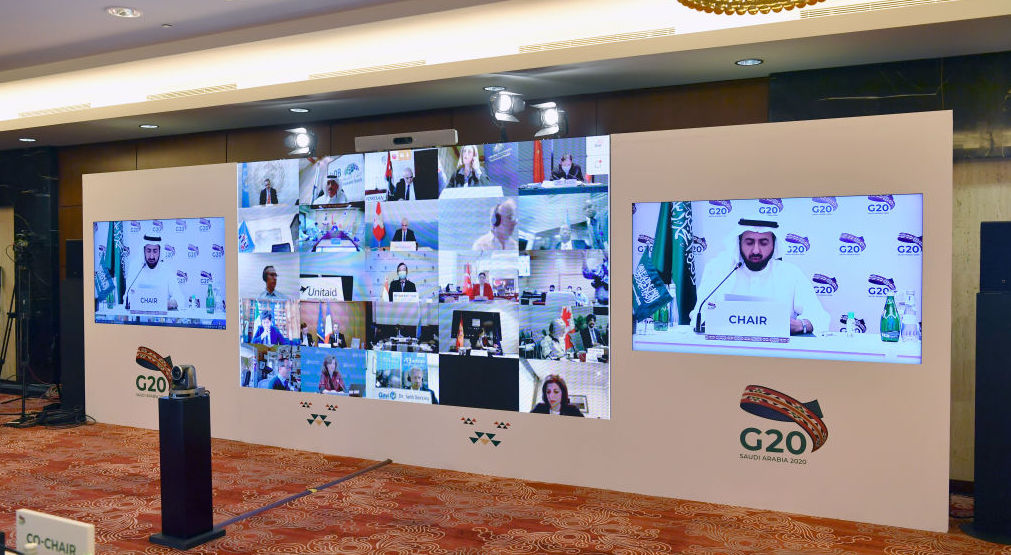
While COVID-19 and historically low oil prices are disrupting the Gulf’s political economy, the pandemic has demonstrated the region’s tech resilience.
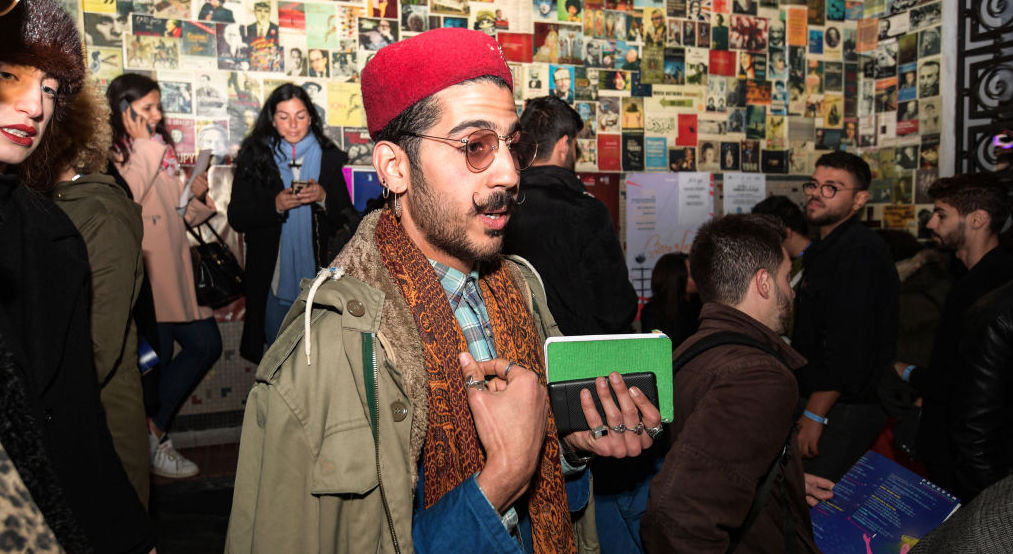
Digital security and the LGBTI+ rights movement in Tunisia
For LGBTI+ individuals in Tunisia, the internet and social media have played a critical role in the development of a community and activist network. Simultaneously, however, these technologies have been used by legal authorities to suppress and harass the queer community.
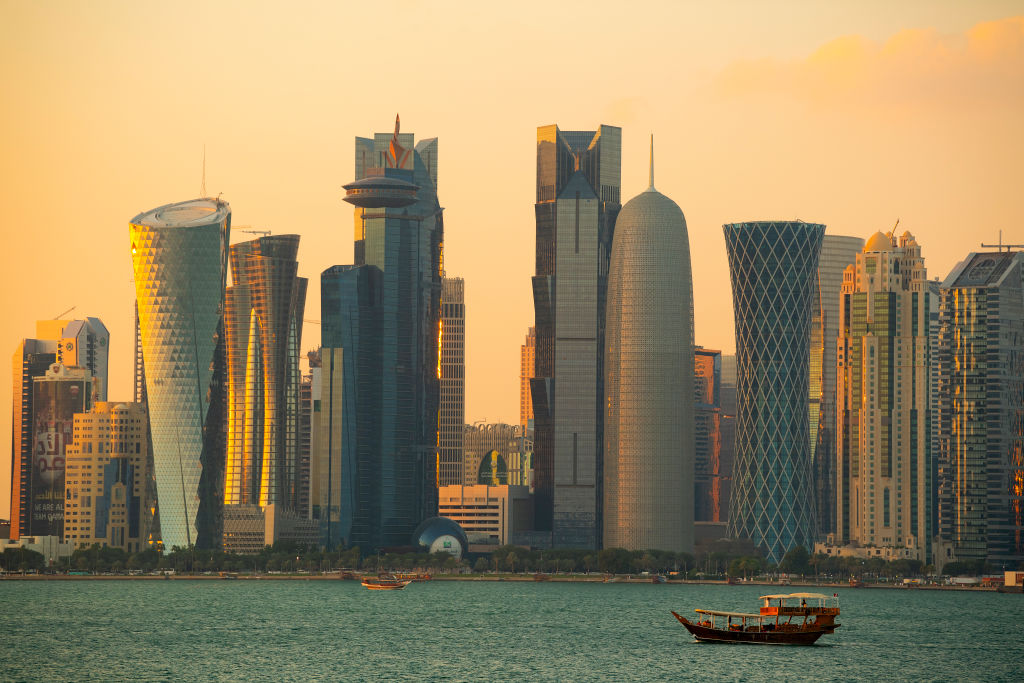
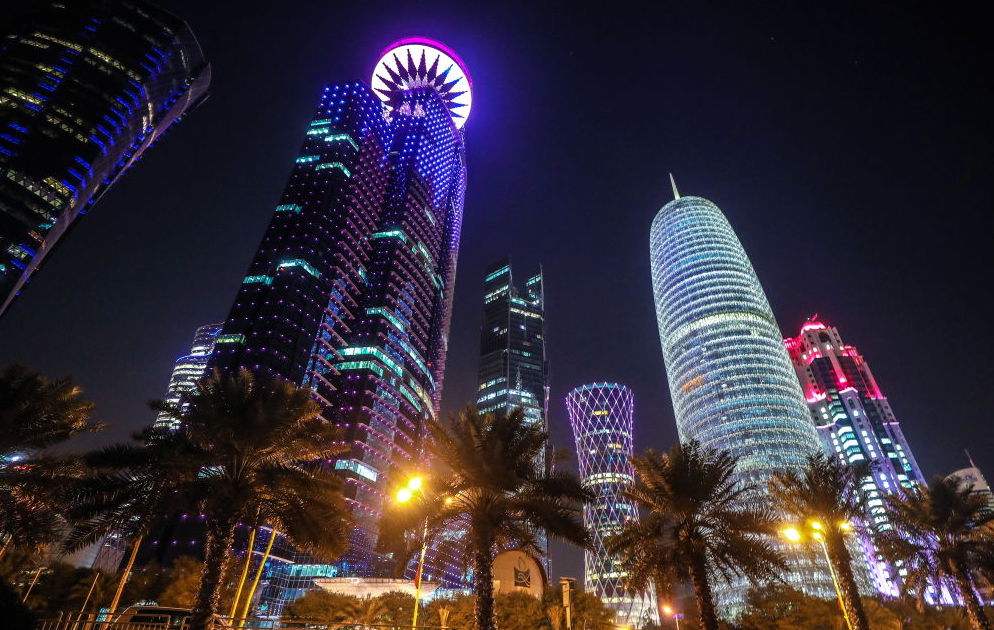
In an effort to boost its economic competitiveness, Qatar is hedging its bets on emerging technologies. The Gulf sheikhdom, eager to diversify its gas-dependent economy, is cultivating various technological areas, notably artificial intelligence (AI).
MEI’s Michael Sexton and Eliza Campbell join host Alistair Taylor to discuss the variety of new surveillance technologies deployed by governments in the region to track the spread of COVID-19, and the tension they are setting up between public health and privacy concerns in the long term.
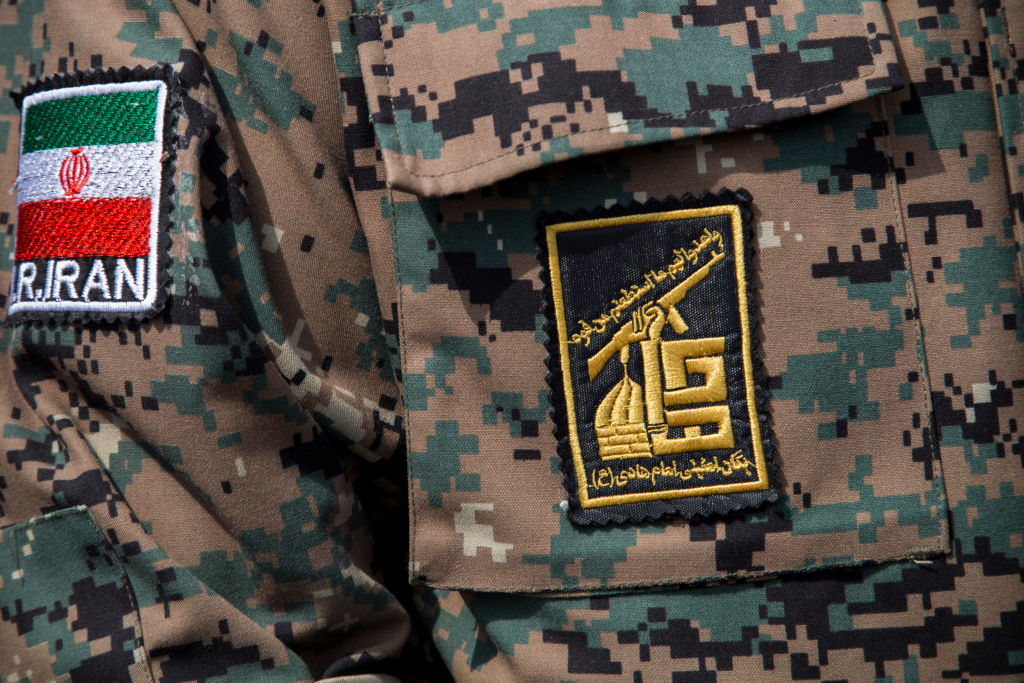
Blurring the lines: The case of the Nakhsa Warriors
Blurring the lines between the physical world and the online one, the Iranian group known as the “Nakhsa Warriors” remains cloaked in mystery. Their identity and status are unclear. Are they a military force that carries out operations, an online group of like-minded individuals that share content, part of an Iranian disinformation campaign — or perhaps something else altogether?
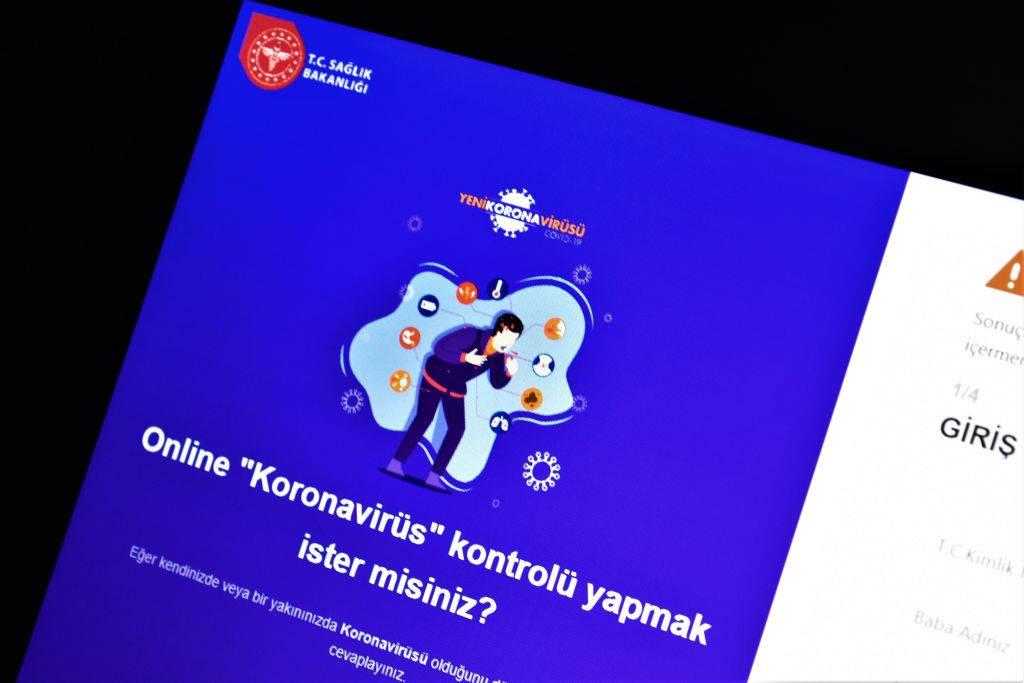
COVID-19 prompts the spread of disinformation across MENA
The growing global health crisis surrounding the outbreak of the coronavirus disease (COVID-19) has created an information environment ripe for manipulation by actors seeking to further their political and economic goals
Algeria-Europe economic integration: Where are we now and where do we go?
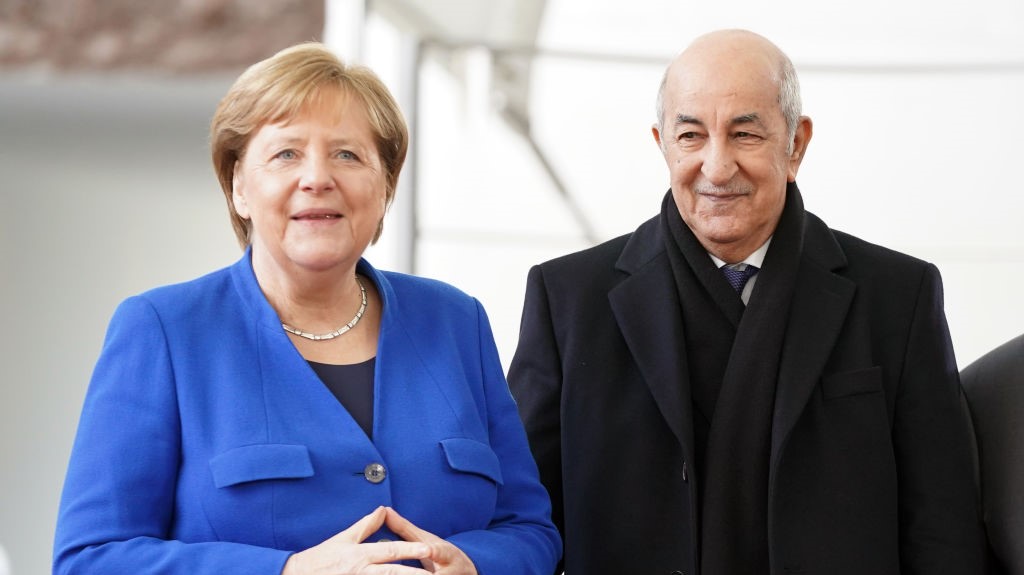
In the face of Algeria’s Hirak protest movement, the response of the EU so far has been measured, and it is notable that the EU’s calls for democratic reform are framed in economic terms that emphasize the benefits of greater economic integration between the states of the Maghreb. What opportunities do the ongoing changes in Algeria present for enhancing economic integration in the long term?
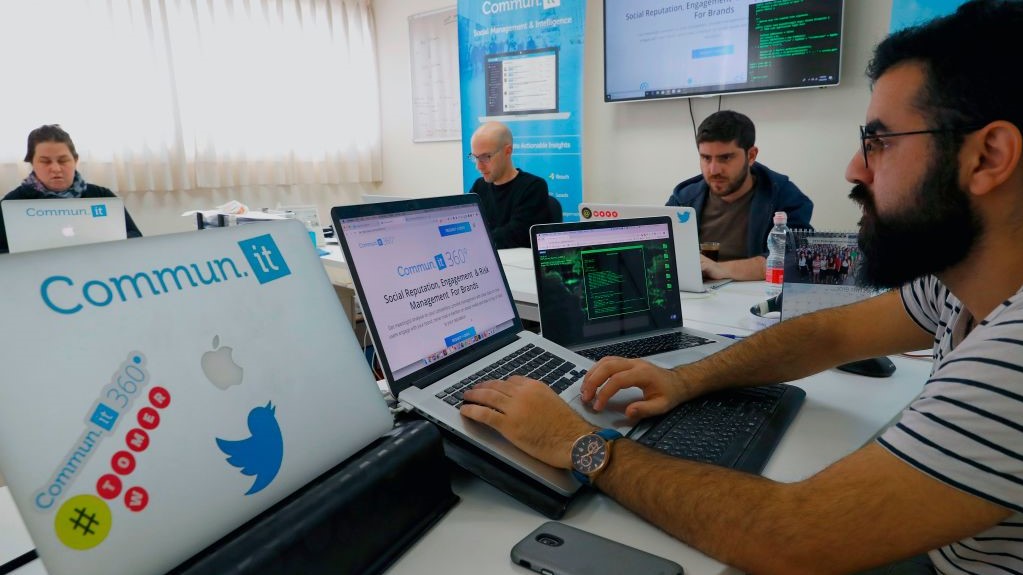
Middle East disinformation: 2020 prospects & solutions
Social media has transformed the information landscape in the Middle East over the past decade. The 2009 Green Revolution and the 2011 Arab Spring demonstrated the enormous power of platforms like Twitter and Facebook for political organizing. Popular perception in the U.S. at the time was that these services would democratize a region notorious for its strongman governments. But it also showed governments and militants in the Middle East how powerful social media campaigns can be, if co-opted for their own purposes.
Iran targeted Israel’s April 2019 elections. Was it preparing for the US 2020 elections?
The April 2019 Israeli elections between incumbent Prime Minister Benjamin Netanyahu and his competitor Benny Gantz were fraught with tension even before external entities got involved. But when Israel’s internal security service, Shin Bet, revealed that suspected Iranian cyber actors had accessed Gantz’s mobile phone, there was yet another issue to contend with, albeit one not specific only to Israeli elections: interference.