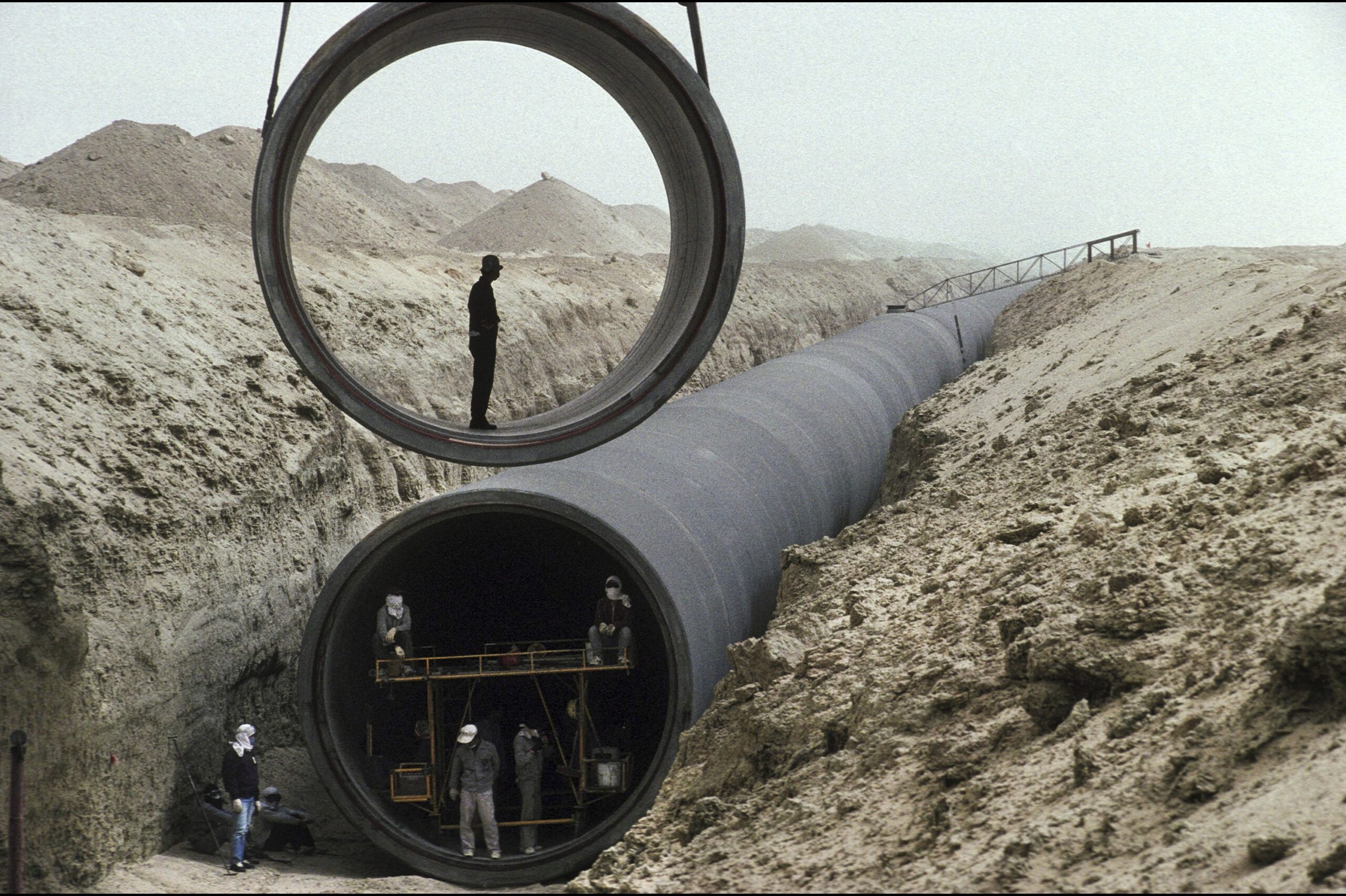
What’s next for Libya’s Great Man-Made River Project?
The Middle East and North Africa are well known for their severe water scarcity. The region’s lack of water resources is the result of many factors, including the harsh climate, intense heat, high evaporation rates, and increasing population growth. Libya is no exception in this regard. According to the World Resources Institute, it ranks 6th among the top countries worldwide facing “extremely high baseline” water stress.
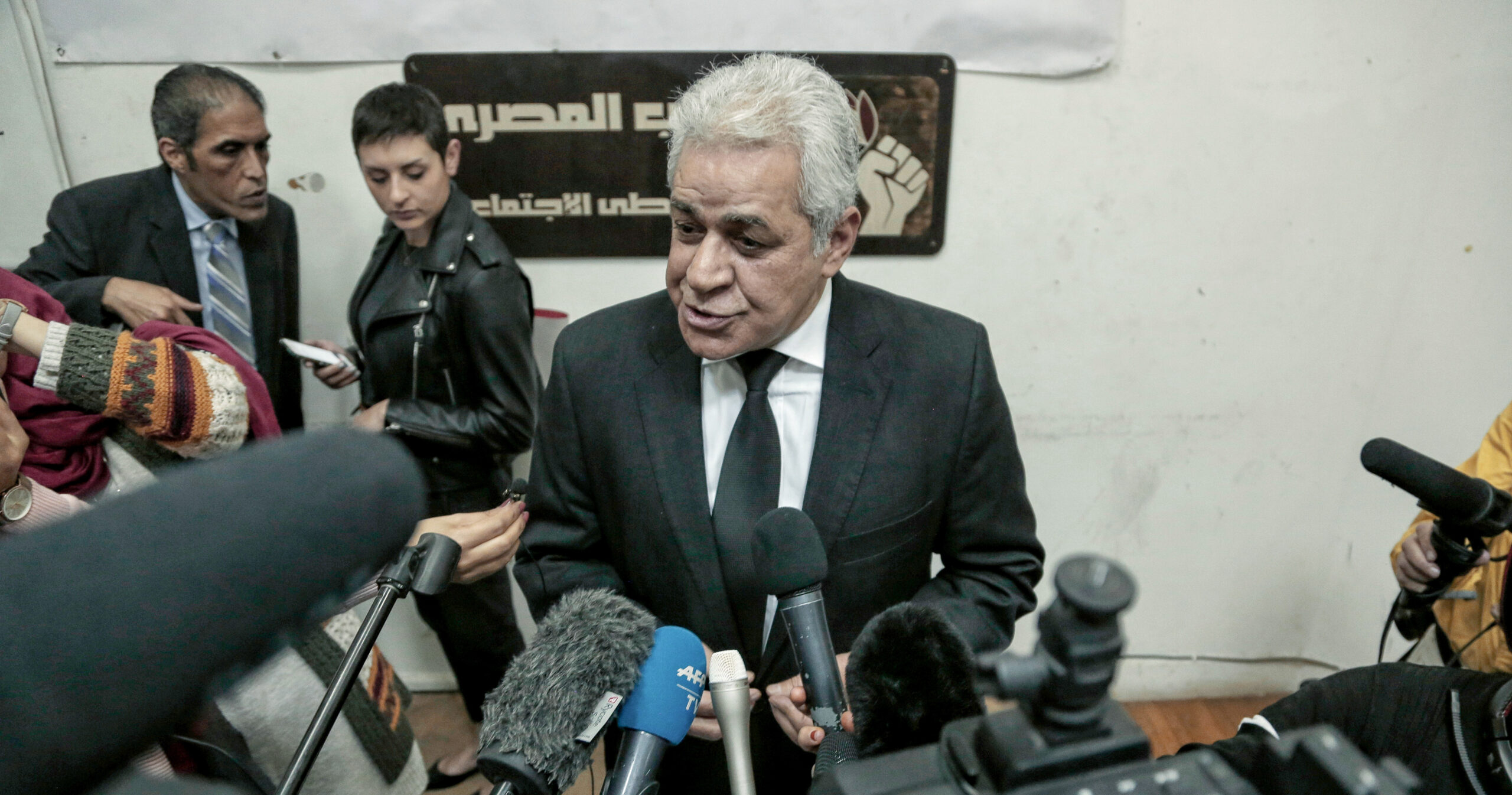
Sisi’s call for dialogue cautiously welcomed by Egypt’s opposition
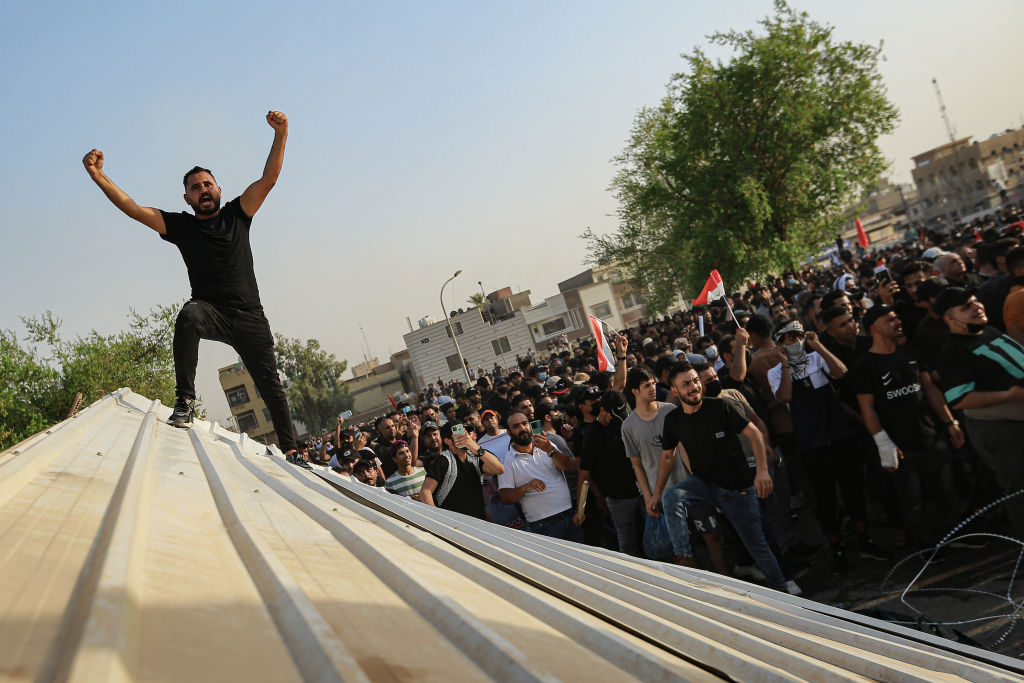
On Apr. 26, Egyptian President Sisi launched a call for political dialogue with all opposition parties except for the Muslim Brotherhood. Many opponents remain skeptical of the government’s recent change of heart. But some regime opponents have started being released from prison, and state media has again begun allowing critics of Sisi back on the air.
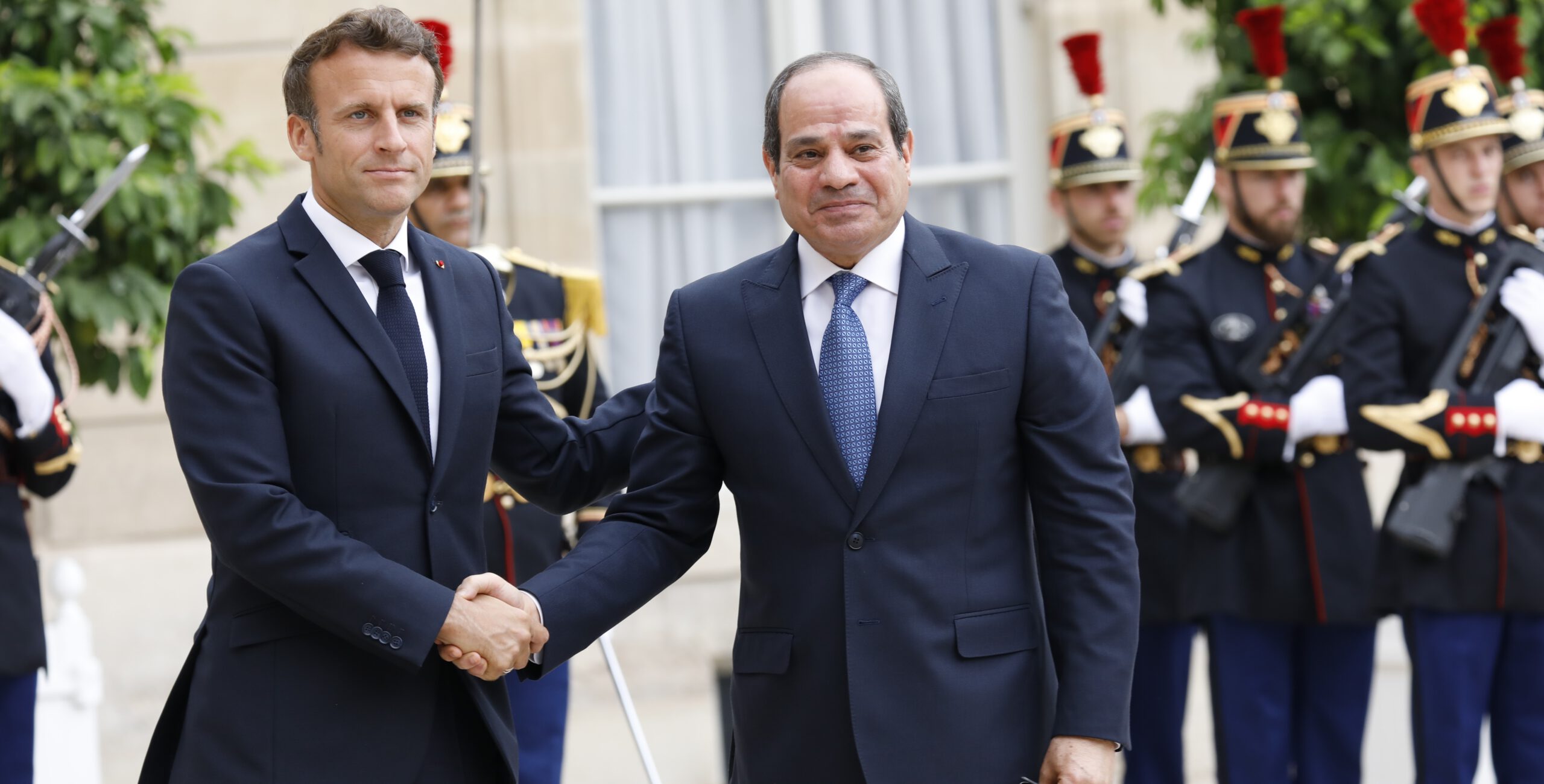
Egypt’s President Sisi makes a comeback on the world stage with a three-stop European tour
Egyptian President Abdel-Fattah el-Sisi’s recent, six-day European tour, which took him to Germany, Serbia, and France, aimed to boost his image and status as a central player on the world stage despite widespread criticism of his regime’s human rights record.
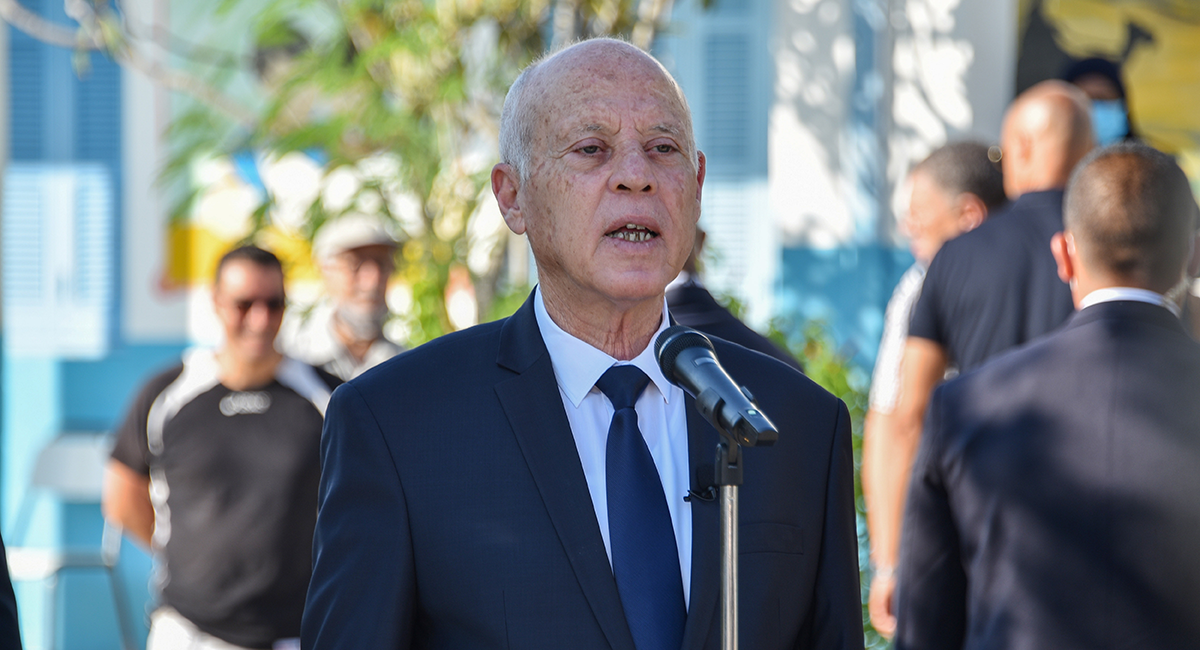
What's next for Tunisia after the constitutional referendum?
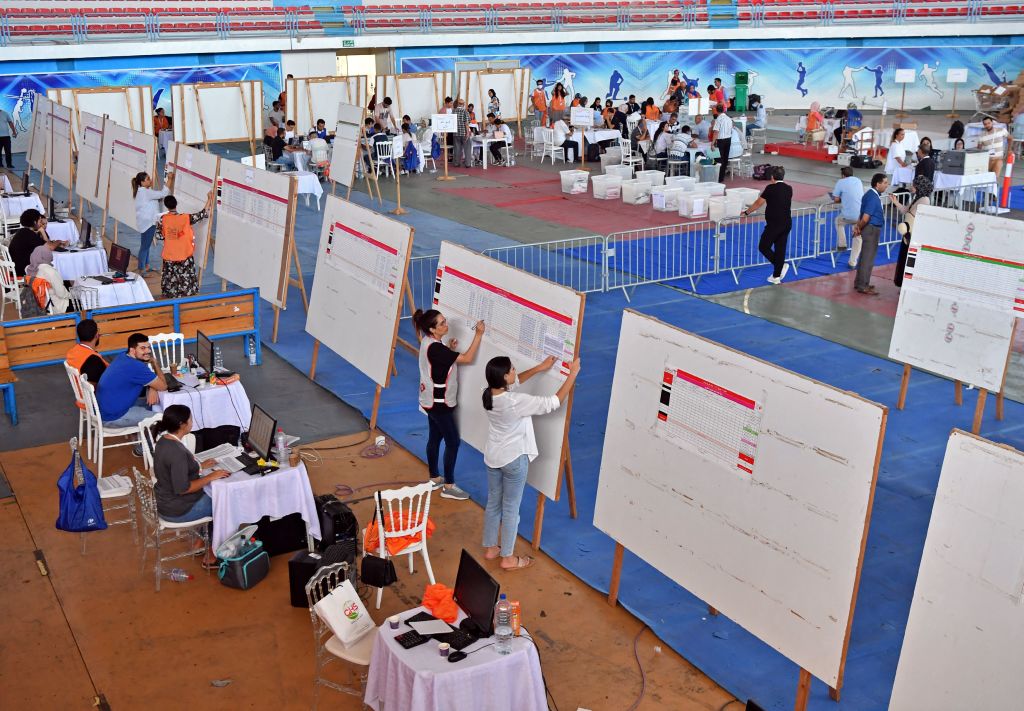
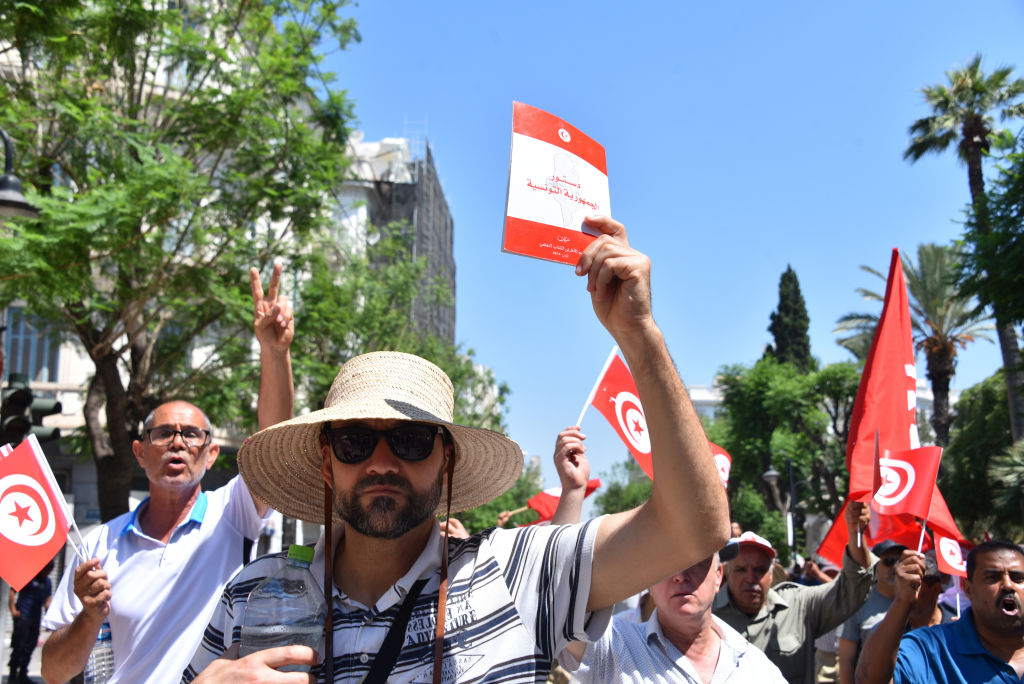
On July 25 Tunisians approved a new constitution that will give the president, Kais Saied, expansive new powers, centralizing control of the country while removing many of the existing checks and balances. According to figures from the state electoral body, an estimated 94% of those who voted in the national referendum approved the measure, although turnout, which officials put at 30.5%, was relatively light. Following on from the vote, here’s what can be expected moving forward.
Egypt as an Eastern Mediterranean power in the age of energy transition
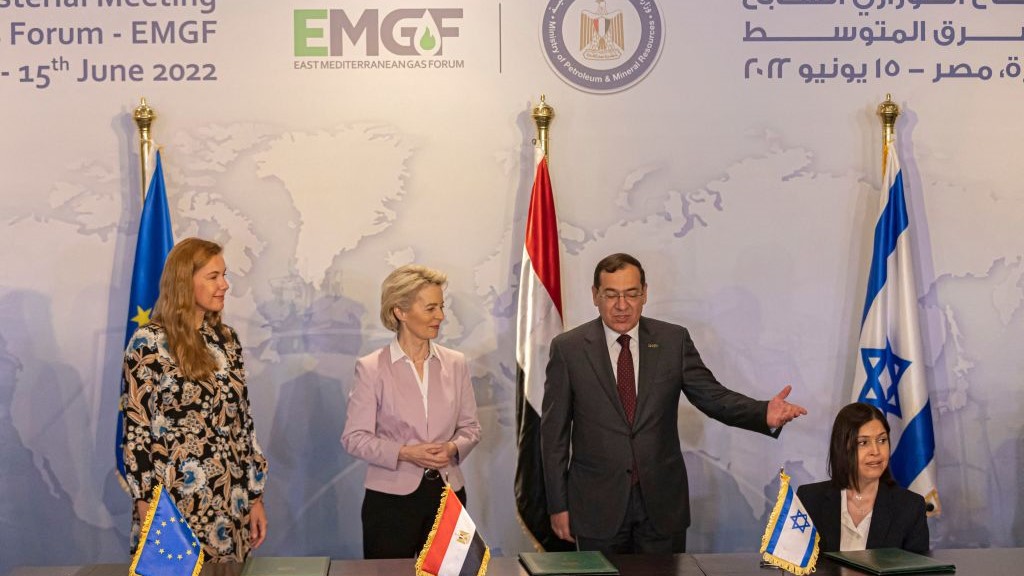
The emergence of Egypt as an Eastern Mediterranean energy hub resulted from a culmination of years of deliberate efforts. Increasingly, Egypt will be able to re-export Israeli natural gas or convert it into blue hydrogen, generate green electricity for export, or utilize its growing wind and solar power capacity to produce green hydrogen.
Intissar Fakir is joined by Marwa Haddar and Fadil Aliriza to discuss the economic issues Tunisia is facing, international financial institutions’ role in the crisis, and the government’s actions, or lack thereof, to help the country.
The war in Ukraine: A test for Algiers’ non-alignment doctrine
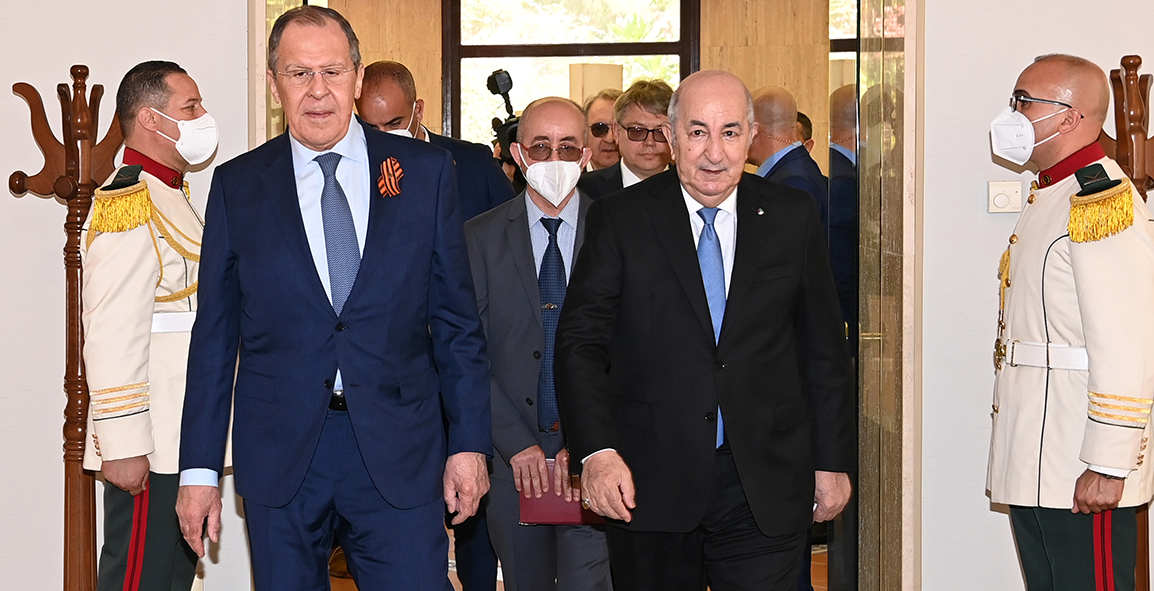
Russian President Vladimir Putin’s decision to invade Ukraine in late February could have unprecedented consequences for North Africa. Algeria will be swept up in the resulting shifts, forcing the country’s civilian and military leadership to make difficult international calculations.
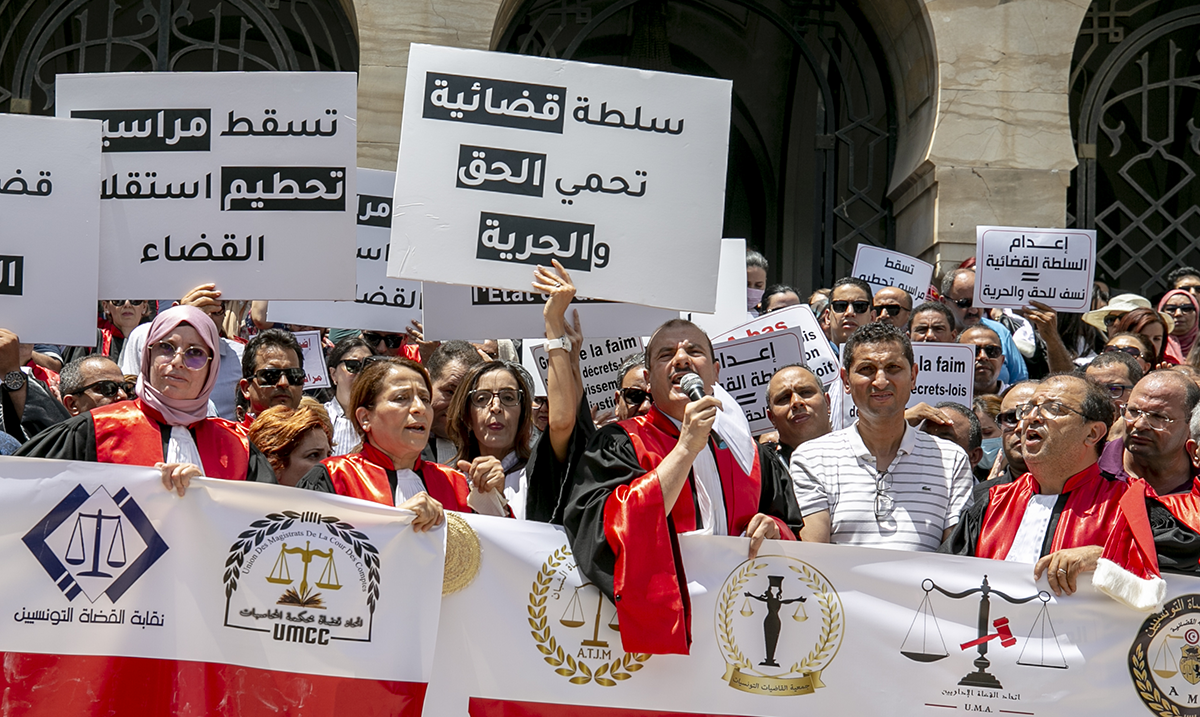
Since the beginning of 2022, Tunisian President Kais Saied has issued decrees reshaping the judiciary in a way that further subordinates it to the executive branch of government. Saied claims that his aim is to “cleanse” it of corruption and other forms of wrongdoing, yet judges counter that the president is interfering in the judiciary and intimidating judges.
أُخُوة يخنقها العداء: التنافس الجزائري المغربي وتحديات الاندماج المغاربي
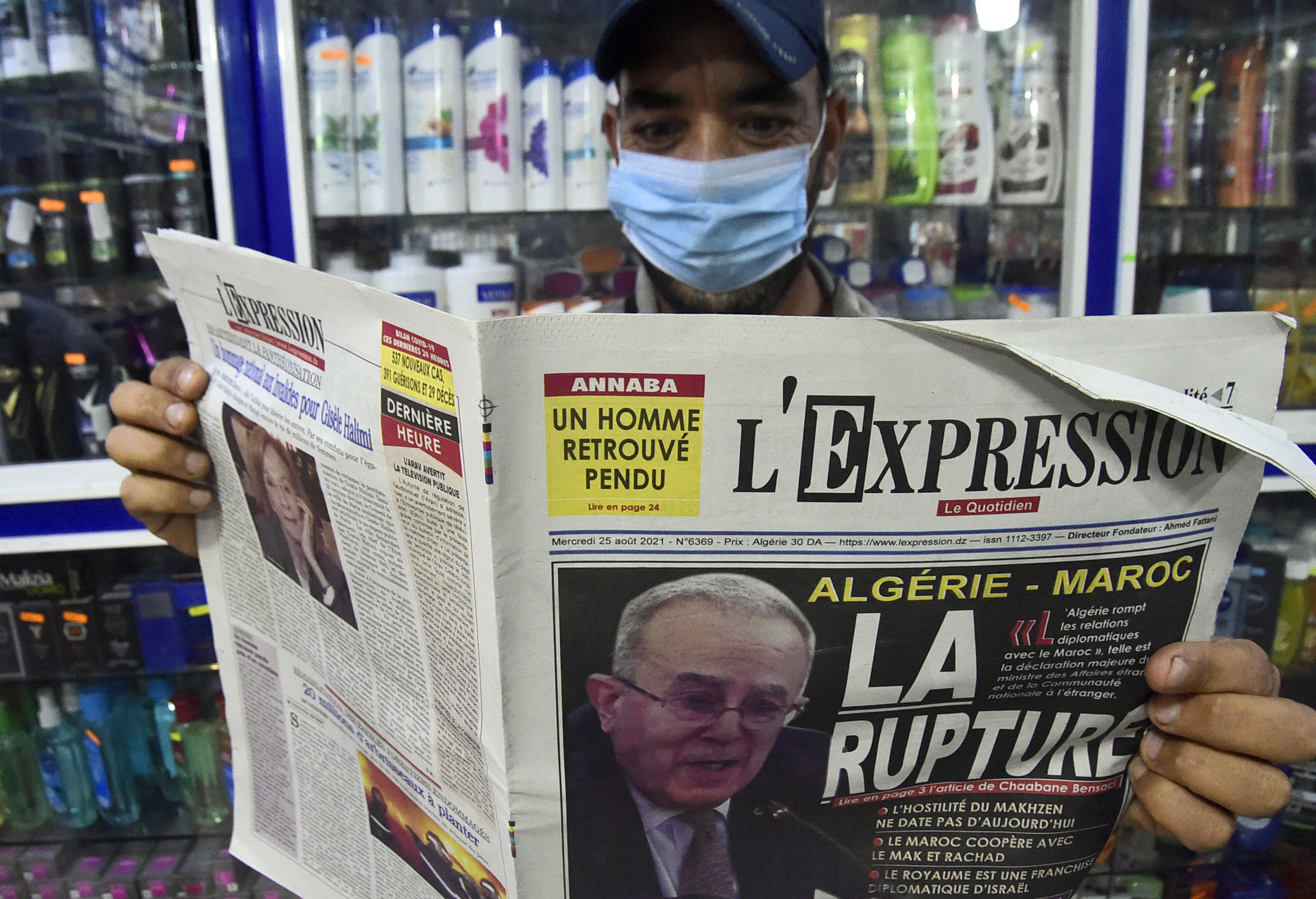
صَدم وزير الخارجية الجزائري، رمطان لعمامرة، العالم بإعلانه القطع المفاجئ للعلاقات الدبلوماسية بين الجزائر والرباط، بعد ثلاثة عقود من تجاور بارد بين القوتين المغاربيتين. واتهم لعمامرة، في بيان رسمي، تلاه أواخر أغسطس/آب 2021، المغرب بالتخلي عن التزامه بتنظيم استفتاء لتقرير المصير في الصحراء الغربية، من بين ما أسماه “أعمال عدائية ومشينة” أخرى ارتكبها ضد الجزائر.
Brothers at arm’s length: Moroccan-Algerian rivalry and the challenge of Maghrebi integration
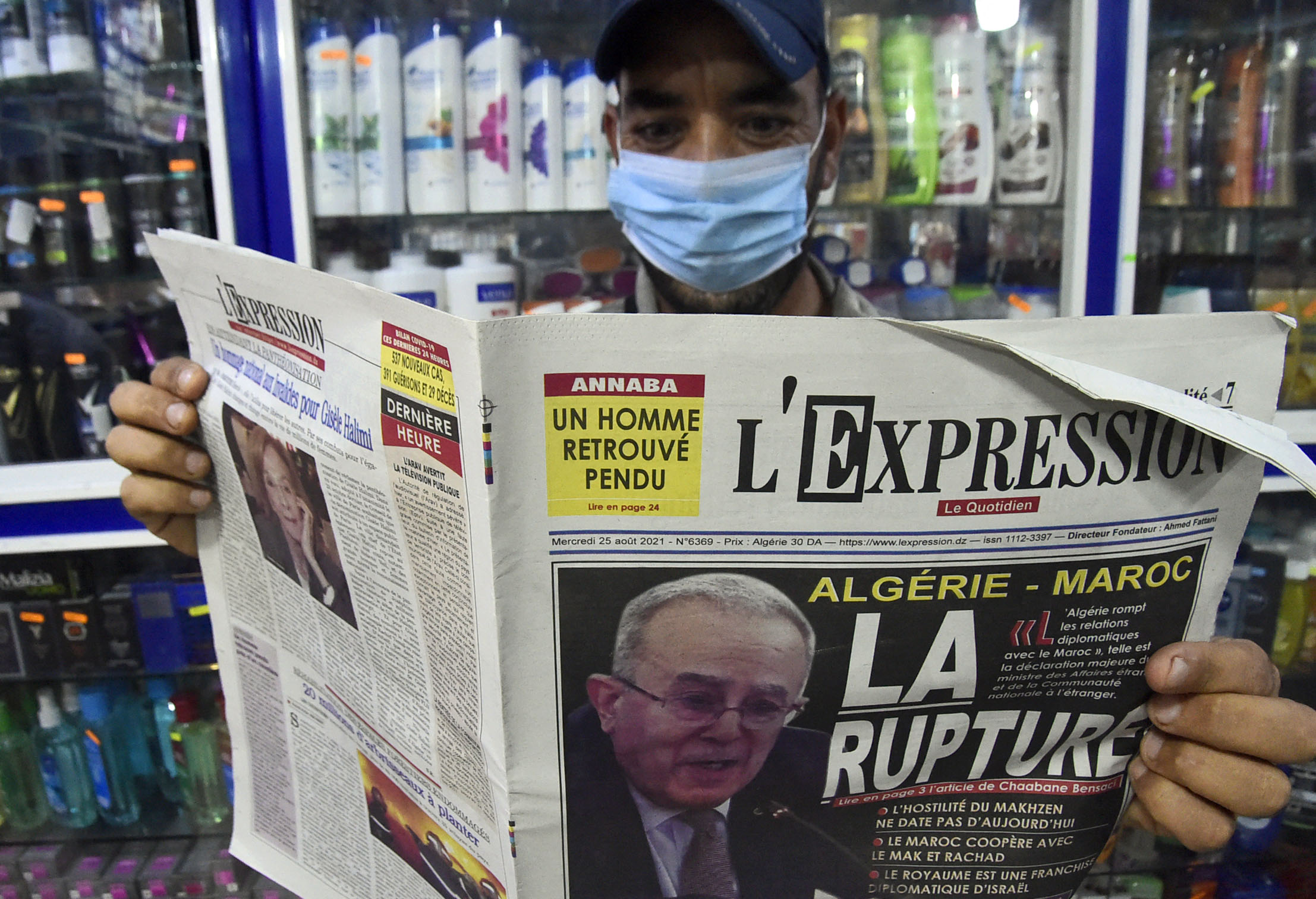
In late August 2021, Algerian Minister of Foreign Affairs, Ramtane Lamamra, shocked the world by abruptly severing diplomatic relations with Rabat after three decades of a cold modus vivendi between the two Maghrebi powerhouses. In an official statement, Lamamra accused Morocco of abandoning its commitment to organizing a referendum for self-determination in Western Sahara, among other “hostile and despicable acts” against Algeria.