The Arab Spring 10 years on
Sahar Khamis, Sabina Henneberg, Karam Shaar, and Ibrahim Jalal join host Alistair Taylor to examine the legacy and impact of the Arab Spring in Tunisia, Egypt, Yemen, and Syria ten years after the uprisings began.
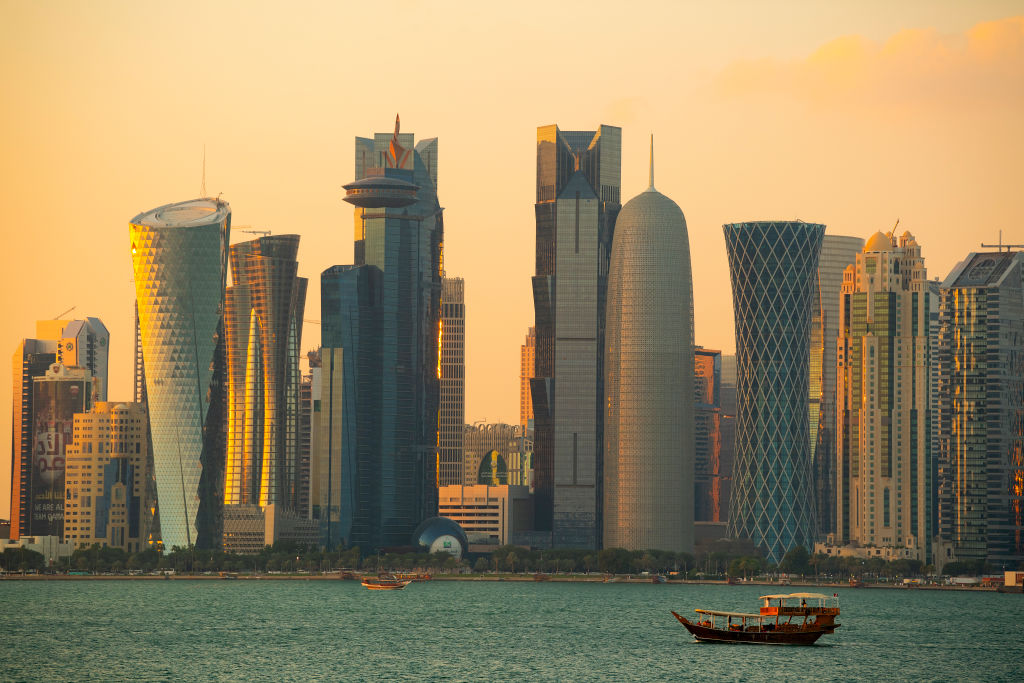
The tiny Persian Gulf country of Qatar has chosen a herculean task for itself: to mediate between the United States and Iran. As Qatar’s Foreign Minister Sheikh Mohammed bin Abdulrahman al-Thani put it on Feb. 10, Doha “is working on de-escalation through a political and diplomatic process.” To this end, al-Thani recently spoke to U.S. National Security Adviser Jake Sullivan and U.S. Special Representative for Iran Robert Malley.
Ongoing conflicts in Syria, Libya, and Yemen are expected to continue to destabilize the Middle East and North Africa (MENA) in 2021. However, technology will likely add another layer of complexity to these conflicts and reshape the region throughout the 2020s. When the Arab Spring began a decade ago, the biggest challenge facing long-standing Arab autocrats was grappling with the power of social media and the rise of online political opposition by tech-savvy millennial activists. In the 2020s, however, regional governments are now facing a new set of emerging technologies that will shape not only domestic politics but also regional geopolitical dynamics. These advancing technologies include: drone, cyber, and space technologies.
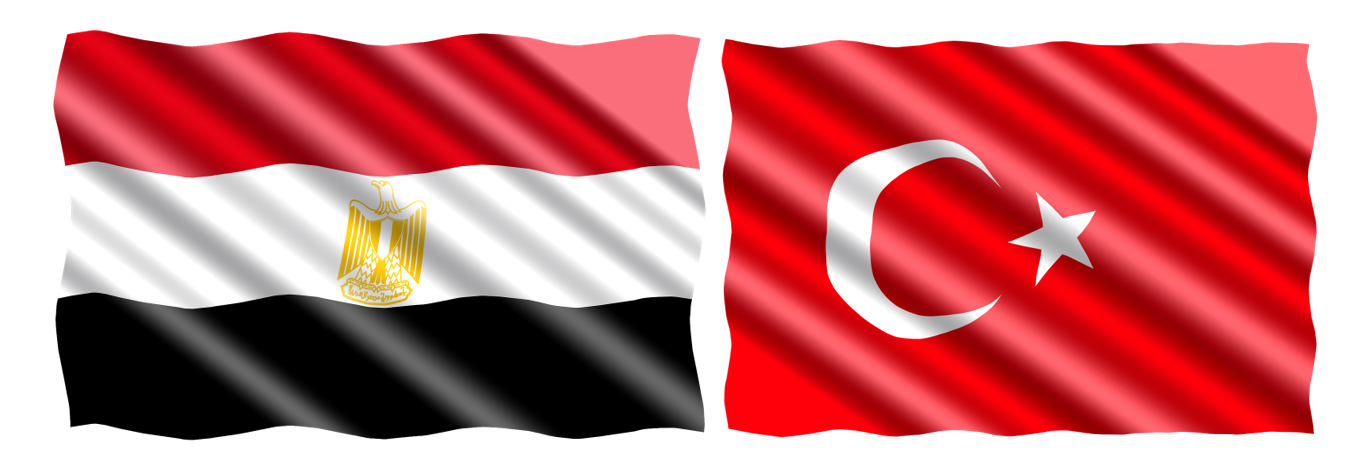
Dr. Marwa Maziad discusses the relationship between Turkey and Egypt over the long term, analyzing the causes and effects of the divergent approaches to domestic and regional politics held presently by the respective Turkish and Egyptian presidents.
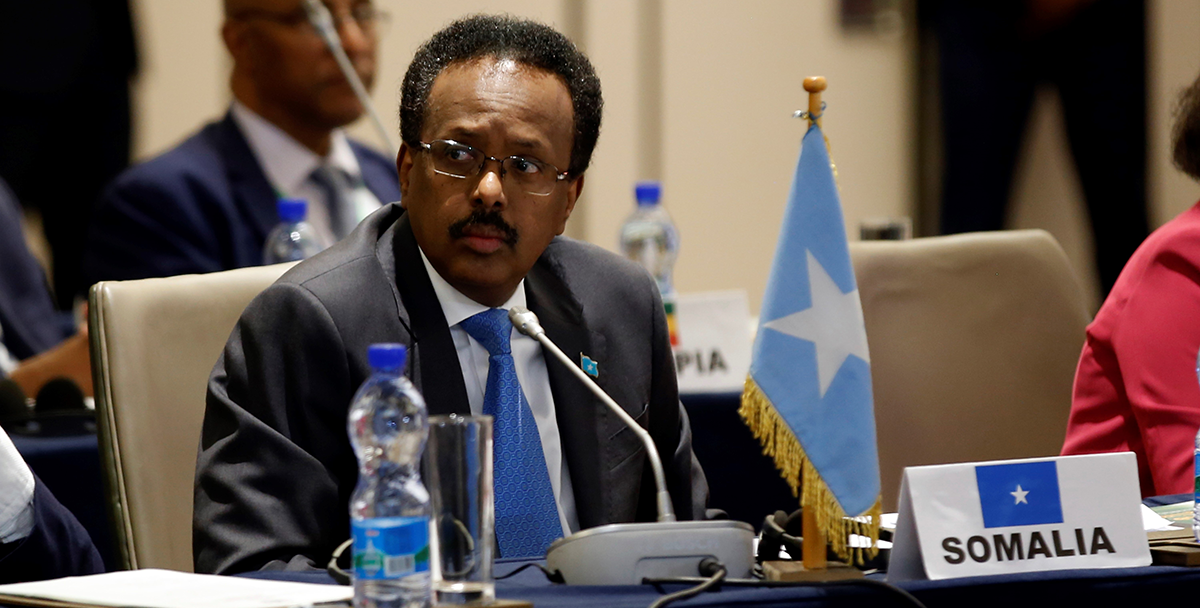
Mohamed Abdullahi Farmaajo’s presidential term ended on Feb. 7, 2021, but he remains in office, determined to hold onto power. Backed by Qatar, the incumbent president has become increasingly dictatorial, waging wars against the country’s independent media, political opposition, and the federal member states.
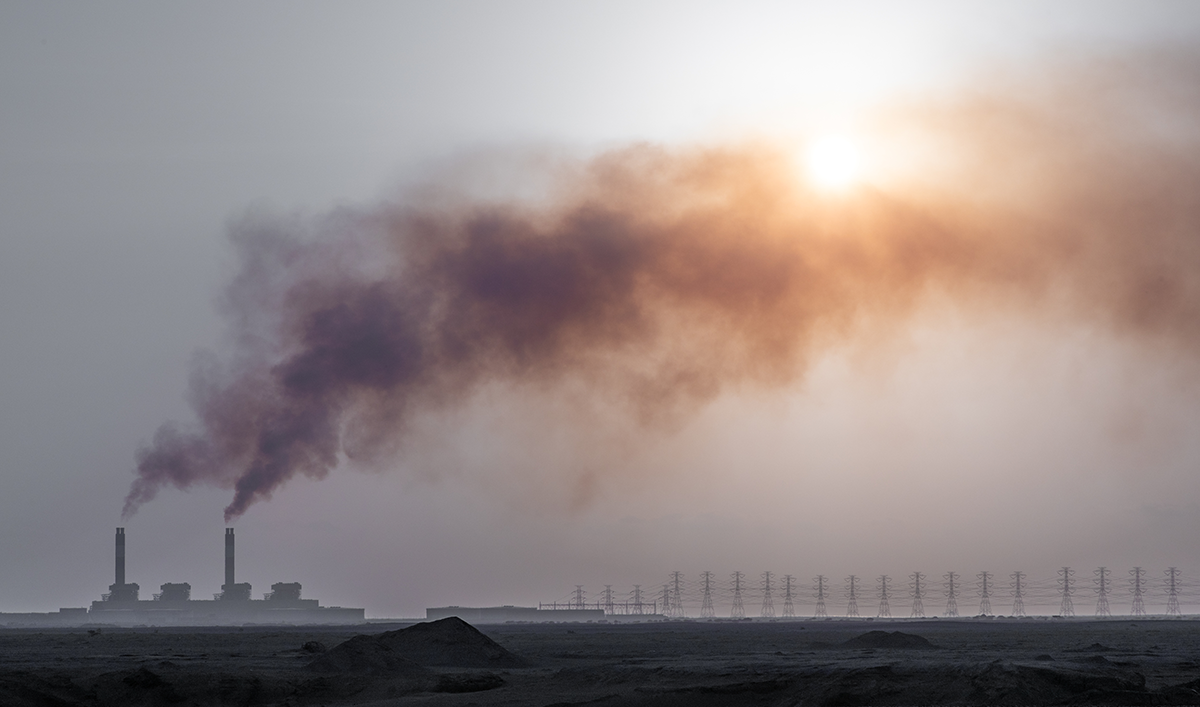
When it comes to the Persian Gulf, saving the environment might seem like it would be the last item on the to-do lists of the region’s Iranian and Arab rivals. It is an urgent matter, however — and one that could help turn these foes into friends. The United States can play an important role in this: It has helped the region to resolve conflicts over water in the past, and it could do so again.
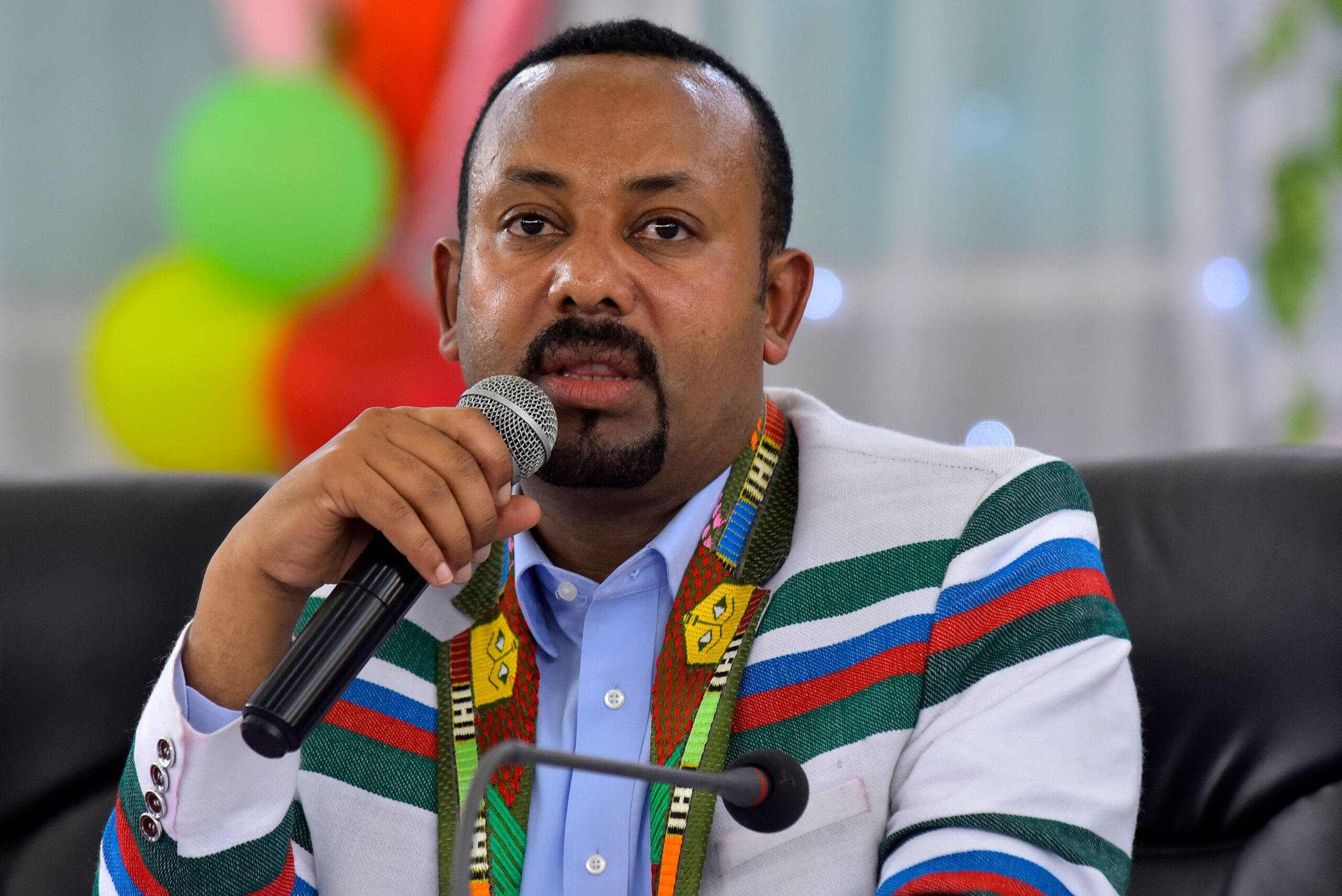
In Egypt, Ethiopia, and Sudan, coverage of negotiations around the Grand Ethiopian Renaissance Dam (GERD) has tended to consistently be in the news over the past few years. The events of the last few weeks, however, have easily pushed GERD talks to the side. On Nov. 4, 2020, Ethiopian federal government forces started pounding the Tigray region, one of 10 semiautonomous regions in the country, after Prime Minister Abiy Ahmed accused the Tigray People’s Liberation Front (TPLF) of attacking a federal base. Relations had been disintegrating after Abiy cancelled elections, due to COVID, that would have marked the end of his term. While most of Ethiopia’s ethnic minorities took umbrage, the TPLF went a step further by holding their own elections, the results of which were declared null and void by the federal government.
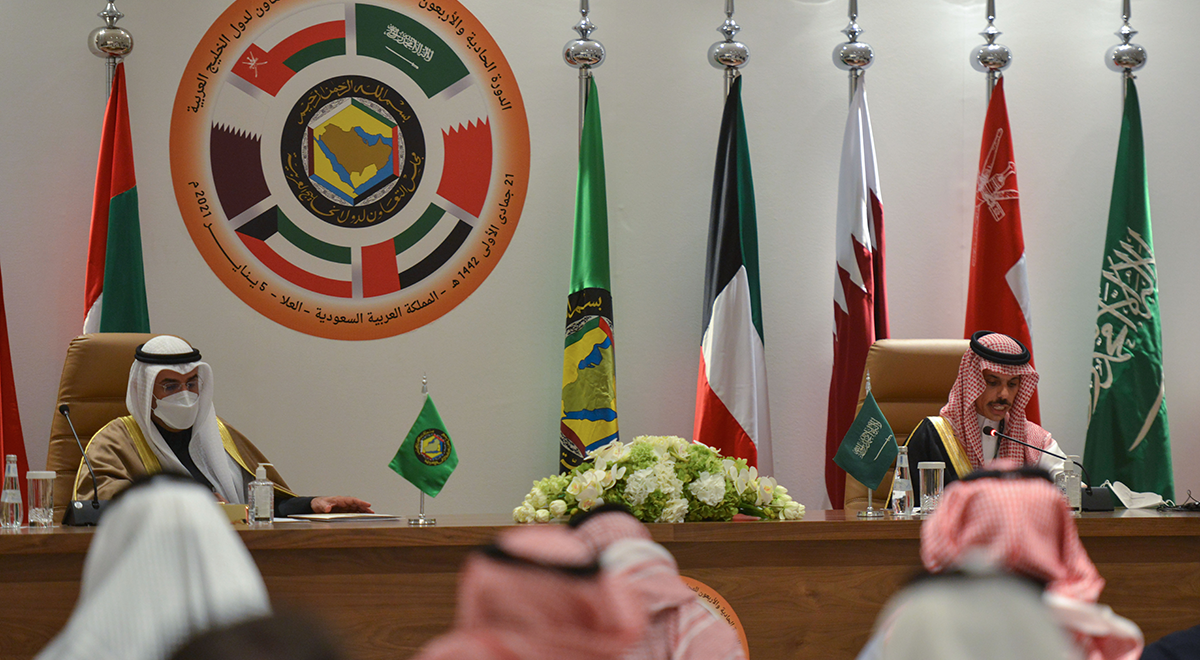
The leaders of the six Gulf Cooperation Council (GCC) member states — Saudi Arabia, the United Arab Emirates, Oman, Kuwait, Bahrain, and Qatar — signed a “solidarity and stability” agreement, dubbed the “al-Ula Statement” after the Saudi city in which it was inked, at their Jan. 5 summit meeting.
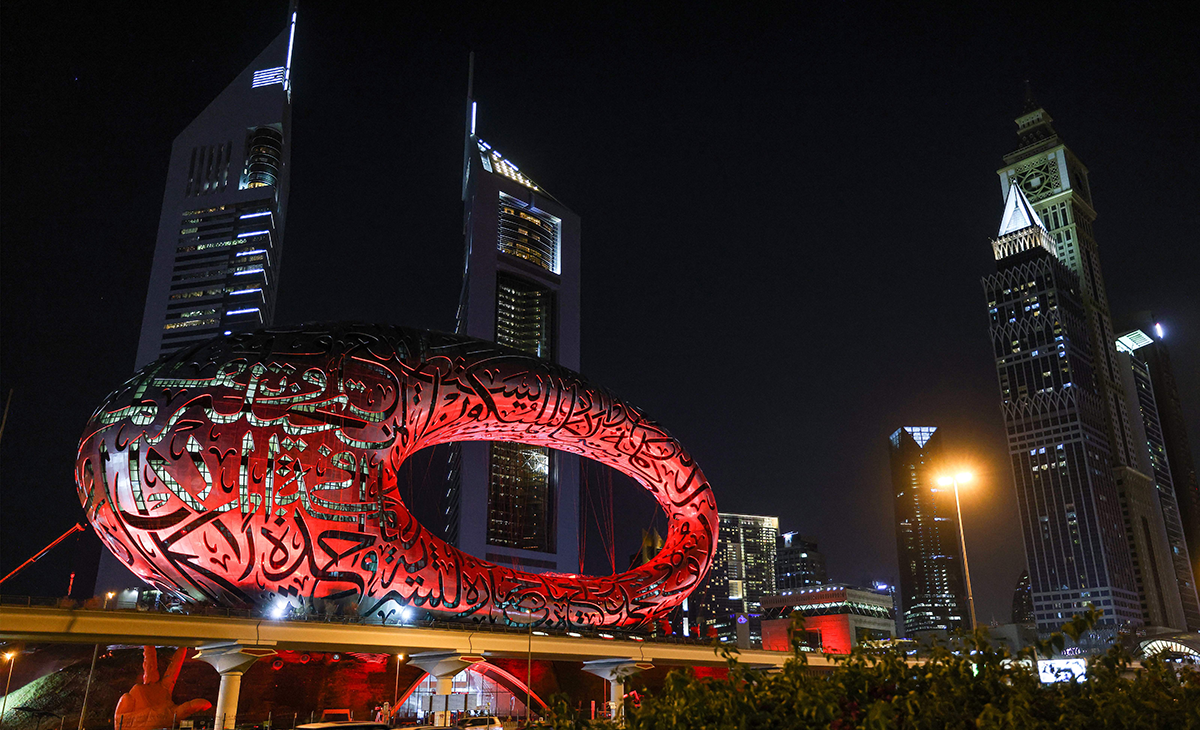
Rapid and unprecedented transformation in the Middle East, whether political, social, or technological, is forcing governments to reckon with enormous changes. Many governments are responding by attempting to pursue two contradictory paths forward — cyber sovereignty and digital transformation — and they might end up not achieving either.
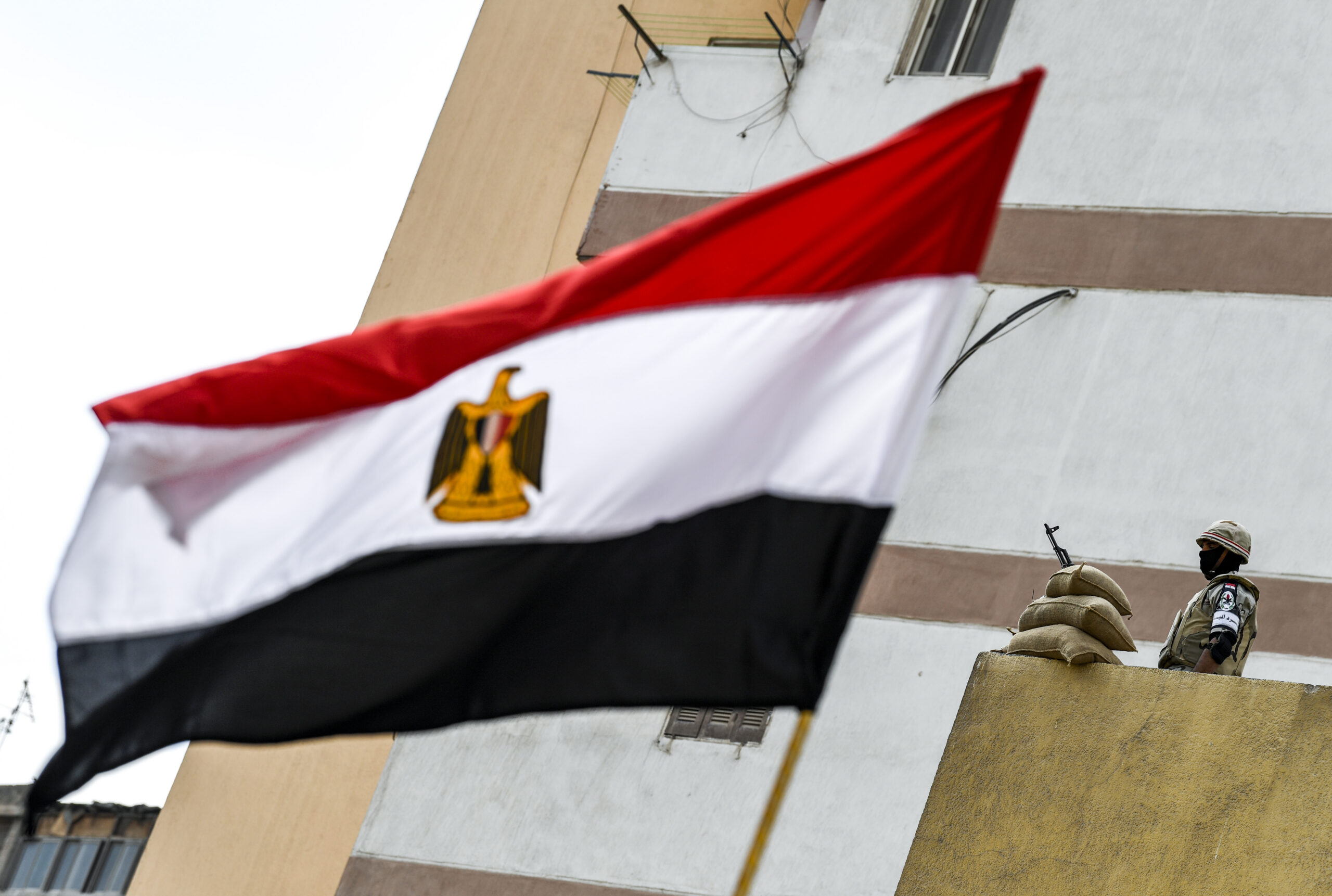
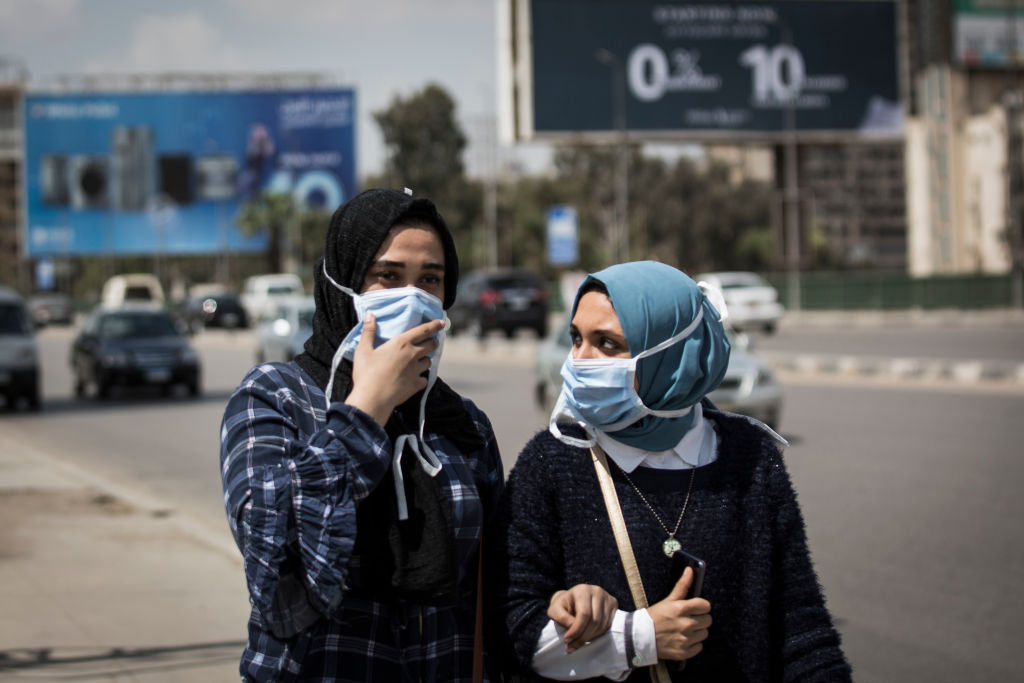
مثل الكثير من دول العالم، وقعت مصر في مُستنقع الجائحة في عام 2020. ومع ذلك، فإن قدرتها على إخراج نفسها من المُستنقع ستعتمد بشكل شبه كامل على حكومتها، وعلى الطريقة التي تختار بها مُعالجة مجموعة المُشكلات المُؤسسية التي كشفتها الجائحة.
The mixed messages and pendulum swings in U.S. Gulf policy in recent years are rooted in and have further fueled deep questioning and a largely unresolved debate within the United States about America’s role in the region, and indeed in the world. Like the U.S., relations between the GCC and Iran are locked in confrontation. Breaking this impasse requires decisive U.S. reengagement in Gulf affairs led by vigorous, sustained diplomacy that promotes intra-GCC reconciliation and supports efforts aimed at tempering the Saudi-Iran strategic rivalry.
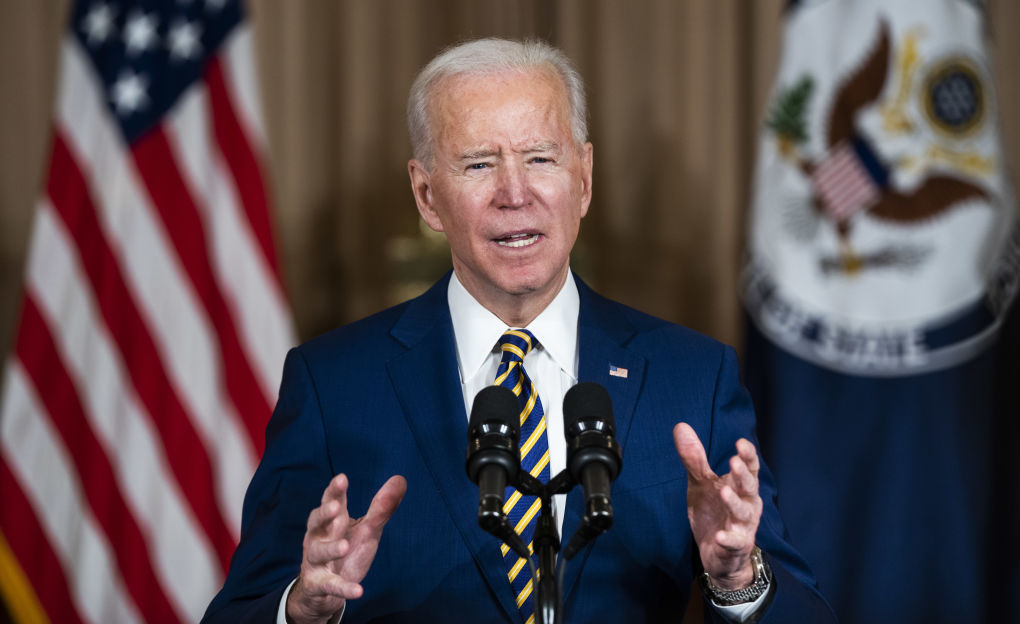
As Joe Biden prepares to take office on January 20th of 2021, the U.S. and the world are facing multiple crises. Now is one of the worst times in American history as the country struggles through a major economic recession and a pandemic that has taken more than 300,000 American lives.In the Horn of Africa, his upcoming administration will grapple with longstanding challenges. However, this time, he will have to deal with the emboldened and unchecked leaders of the Horn of Africa — Prime Minister Abiy Ahmed of Ethiopia, President Mohamed Abdullahi (Farmaajo) of Somalia, and President Isaias Afwerki of Eritrea. Recently, the three leaders have formed an axis through the Horn of Africa Cooperation (HoAC) deal to consolidate security, stability, and economic integration.
A look back at the year’s most important developments with analysis from Paul Salem, Alex Vatanka, Randa Slim, Gerald Feierstein, Gonul Tol, Jonathan M. Winer, Khaled Elgindy, Marvin G. Weinbaum, Mirette F. Mabrouk, Grace Wermenbol, Syed Mohammad Ali, Robert S. Ford, and Khaldoun Khelil.
This week’s briefing on recent news and upcoming events in the region featuring Gerald Feierstein, W. Robert Pearson, Mirette F. Mabrouk, Paul Scham, and Marvin G. Weinbaum.