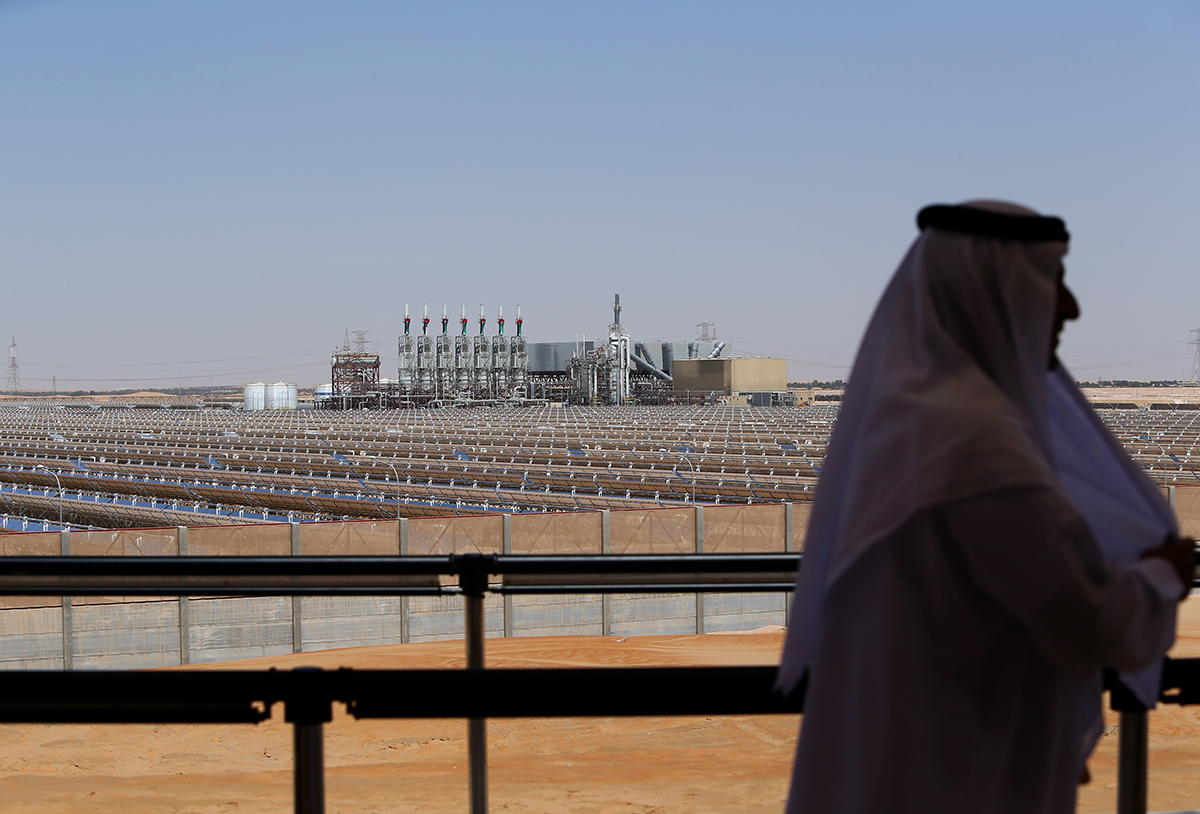
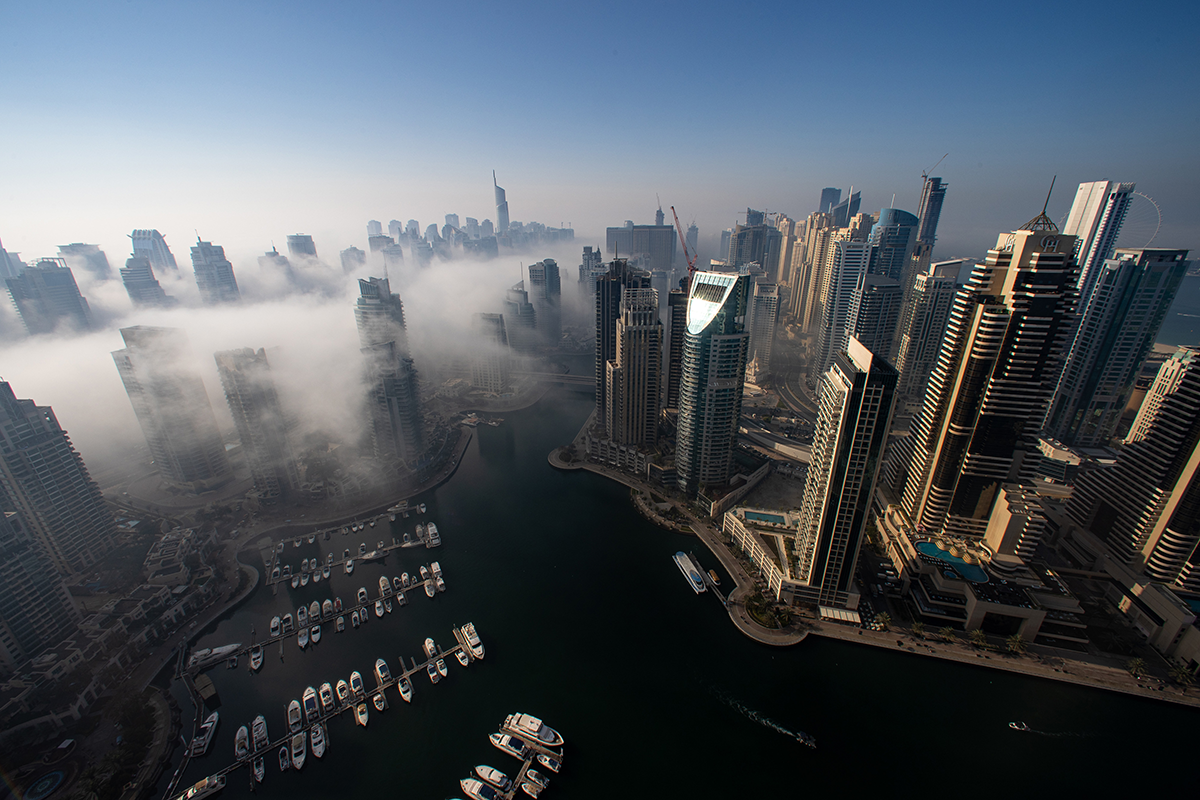
The Arab Gulf states appear to be following a common template in responding to the global transition toward an energy system in which renewables play an increasingly central role. They are publicizing renewable energy targets, decarbonizing upstream and downstream oil and gas operations, commissioning renewable energy projects, and improving energy efficiency, among other strategies. A closer look, however, reveals differences in how they have deployed solar and wind power capacity.
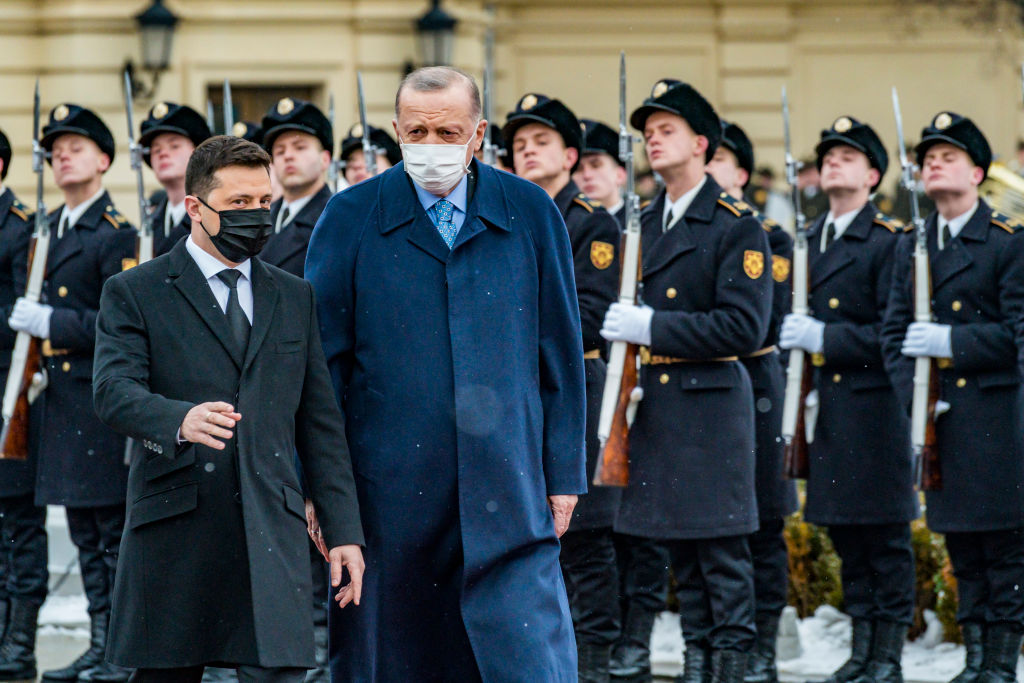
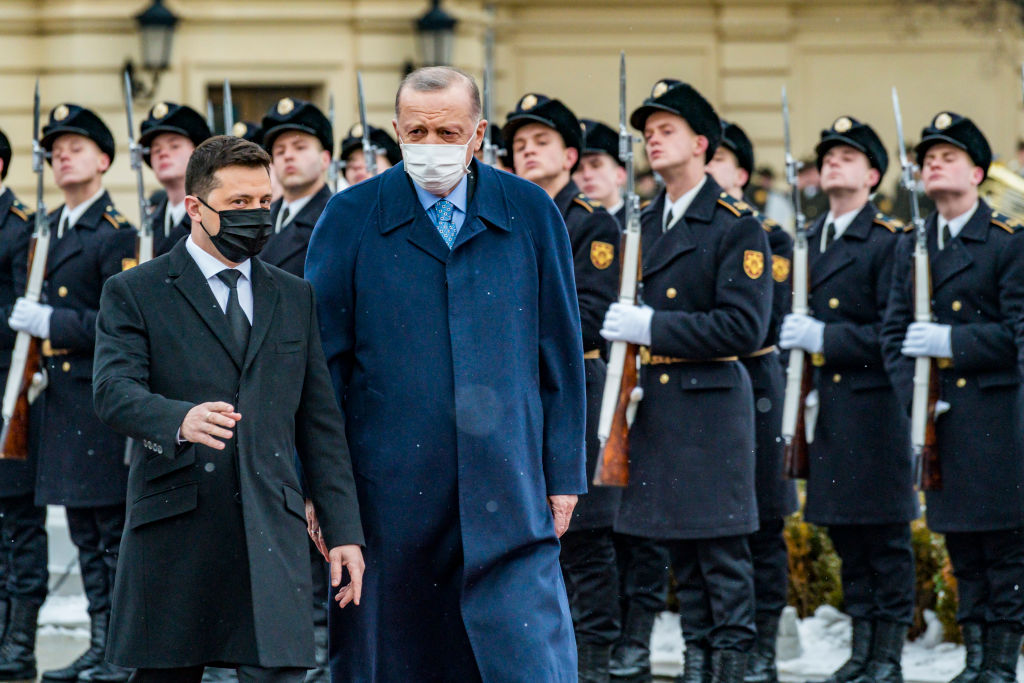
وسط مخاوف الغرب من أن روسيا على وشك مهاجمة أوكرانيا، وقعت تركيا وأوكرانيا اتفاقية للتجارة الحرة وأعلنتا عن صفقة لأوكرانيا لتصنيع طائرات مُسيّرة تركية خلال زيارة الرئيس رجب طيب أردوغان الأخيرة إلى كييف في 3 فبراير/شباط. تمثل الزيارة جزءًا من خطة أردوغان لتعميق علاقات تركيا بأوكرانيا، التي لا تعد فقط سوقًا مهمًا لتصدير منتجات الدفاع التركية، ولكنها أيضًا أساسية لجهود أنقرة للتخفيف من التداعيات السلبية للعقوبات الأمريكية على صناعتها الدفاعية. إحدى هذه المجالات التي خلقت فيها العقوبات الأمريكية مأزقًا للصناعات الدفاعية التركية هي تكنولوجيا المحركات.
Confronting climate change, Turkey needs “green” leadership now more than ever
Turkey, like all other countries, is facing the harsh reality of climate change. Last year, it experienced one of the hottest summers on record. Blistering heat waves led to widespread wildfires in the country’s southwest, affecting five times more land than normal during the summer. Though Turkey usually has large water surpluses, some areas experienced shortages due to extreme drought. Others suffered heavy flooding, leaving scores dead.
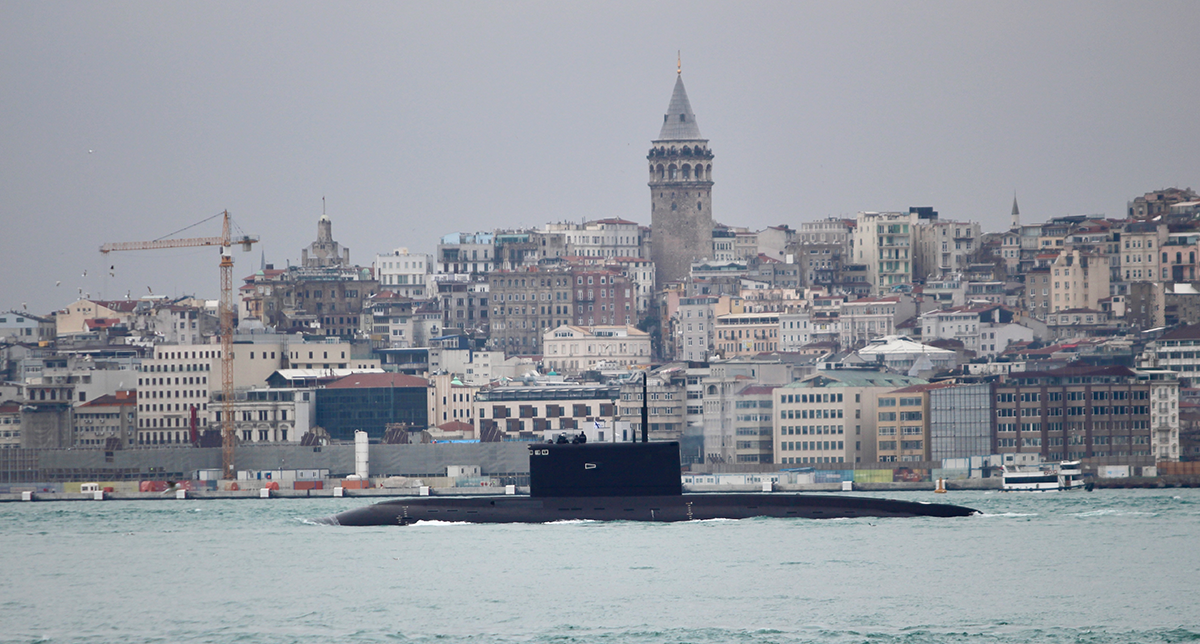
Strong Turkey-Ukraine ties are key to Black Sea security
On Jan. 6, 2019, the eve of Orthodox Christmas, the Ecumenical Patriarchate in Istanbul awarded a decree of independence, known as a tomos, to the then-newly established Orthodox Church of Ukraine — a milestone in the country’s history. The move reversed a 1686 decision that had transferred jurisdiction over Kyivan Orthodox churches to Moscow. After 333 years, however, it’s not only the faithful who have changed their direction from Moscow toward Istanbul. Ukraine and Turkey are strengthening their strategic partnership by deepening their cultural, political, military, and economic cooperation.
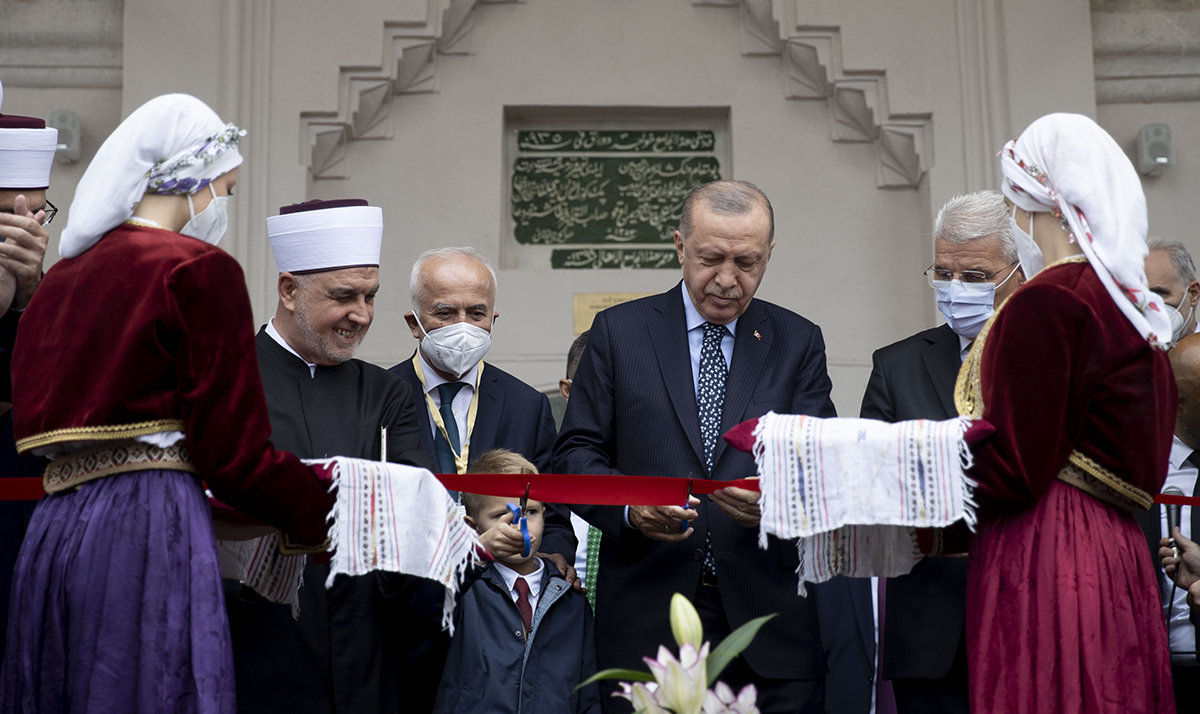
Competing over Islam: Turkey, Saudi Arabia, and Iran in the Balkans
Turkey, Saudi Arabia, and Iran have been the main competitors in a struggle over who — and in what manner — should act as the patron of Muslims in the Balkans. These three countries are very different in terms of their historical footprint, economic and political presence, and local networks. What they share, however, is the use of Islam to exert soft power. This paper will discuss how they are seeking to wield influence, how regional actors respond to their overtures, and whether these three countries are meeting their objectives in the region.
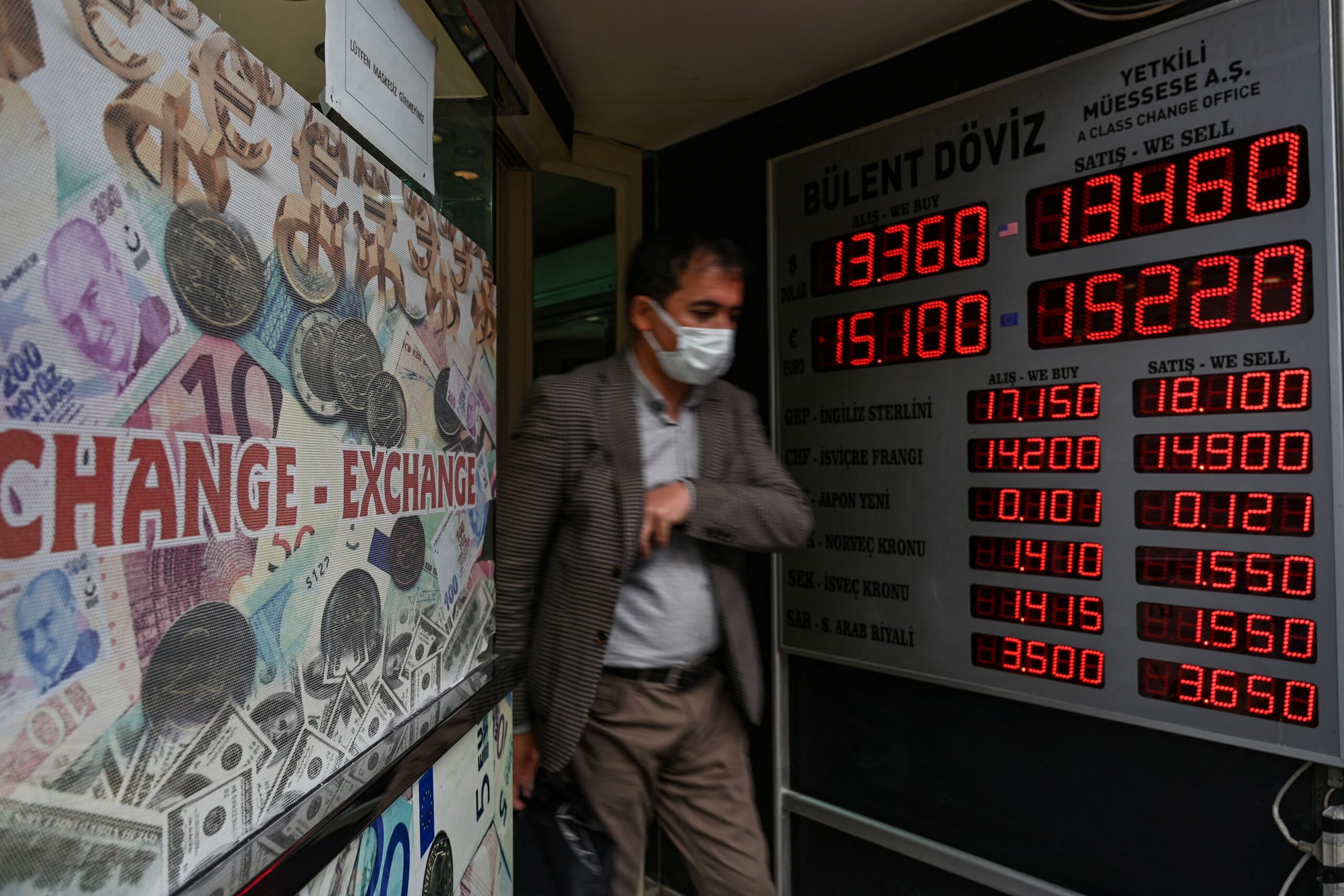
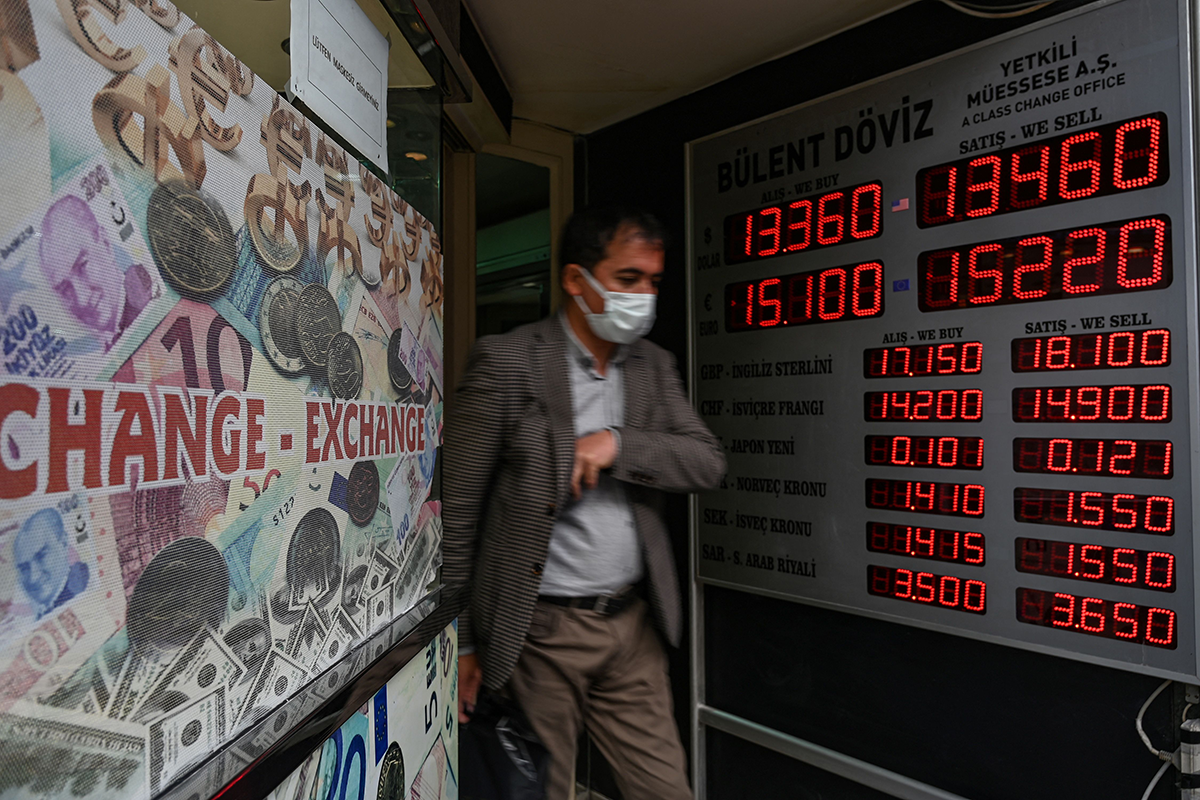
عقب استقالة وزير المالية واستبداله بأحد الموالين للرئيس رجب طيب أردوغان في الثاني من ديسمبر/كانون الأول، واصلت الليرة التركية تراجعها المطرد أمام الدولار، لتصل خسائرها خلال العام إلى قرابة 50٪. من جديد تقع العملة التركية تحت وابل من المضاربات، على غرار الحلقات السابقة في يوليو/تموز 2018 وأكتوبر/تشرين
Dust in the Cloud: The Future of Data Governance in the GCC
As the countries of the Gulf Cooperation Council (GCC) work to transform from hydrocarbons-driven to data-driven economies, they will need to make significant and well-planned invest-ments in digital infrastructure, particularly when it comes to the complex issue of data govern-ance. They must take the lead in establishing regulatory and legal frameworks aligned with international standards in terms of data gathering, processing, and storing procedures. This report highlights the existing laws and regulations that govern data protection in the GCC while addressing their potential and limitations, along with the similarities and differences between the GCC’s legislative frameworks and the EU’s General Data Protection Regulation, and the impact of the GCC’s current data protection laws on individuals, the private sector, regulators, and governments.
Following the resignation of the finance minister and his replacement by a loyalist on Dec. 2, the Turkish lira continued its steady decline against the dollar, bringing its losses for the year to nearly 50%. The Central Bank of the Republic of Turkey’s early cuts to the policy rate since September have resulted in an exodus of foreign capital and a rush in demand for foreign exchange among domestic investors.
Energy Prospects in the Gulf: The Oil Price Ascent, in Brief
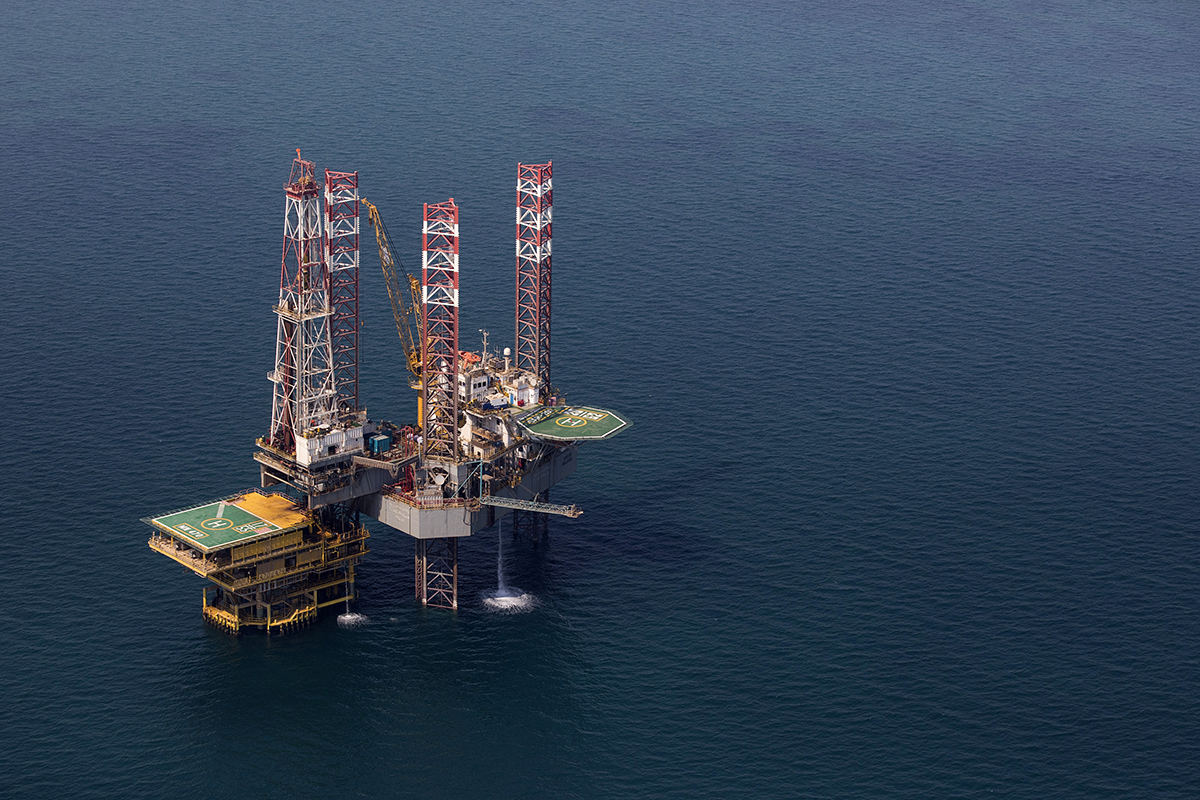
While oil prices have rebounded before soaring since the depths of collapse in the spring of 2020 — with Brent crude prices skyrocketing from $19 per barrel in April 2020 to a three-year high of $86 per barrel in October 2021 — the prospects for a sustained high oil price for Gulf producers is unlikely.
Travels beyond Gurnah: Migration in the work of Ali Al-Sharji and Shaima Al-Tamimi
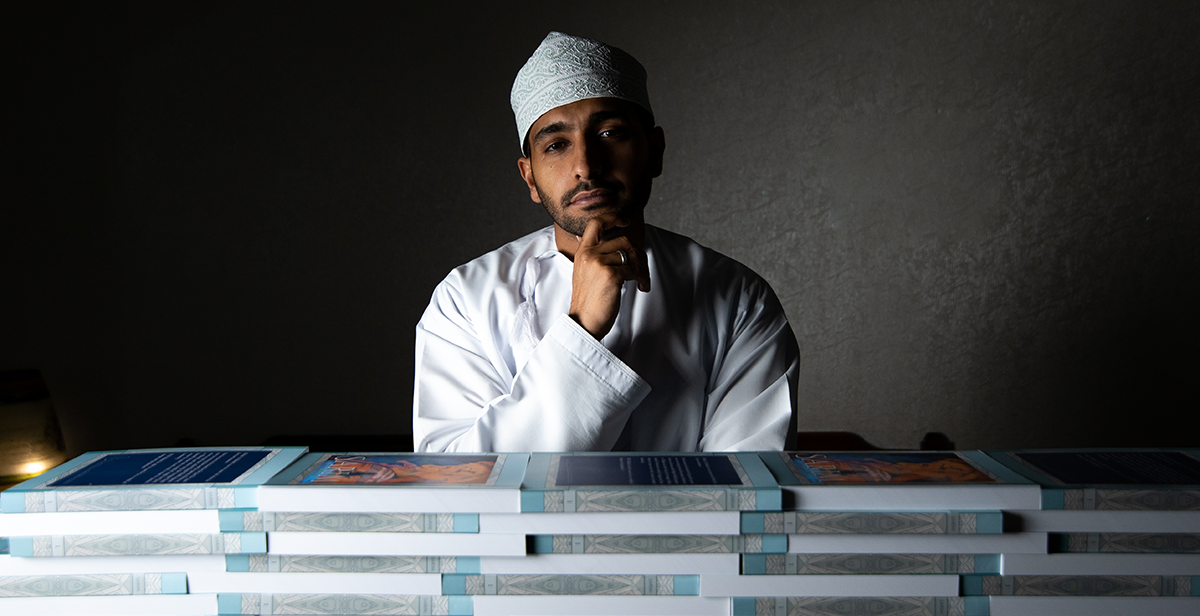
When Abdulrazak Gurnah was awarded the Nobel Prize in Literature in October, he and his novels came under the international spotlight. The award committee praised his “uncompromising and compassionate penetration of the effects of colonialism and the fates of the refugee in the gulf between cultures and continents.” But Gurnah is not the only son of Zanzibar whose art has been shaped by the memories of migration, and his recent recognition is an occasion to highlight and reflect on creative work in different media by individuals of similar backgrounds who have also been shaped by the trauma of forced departure.
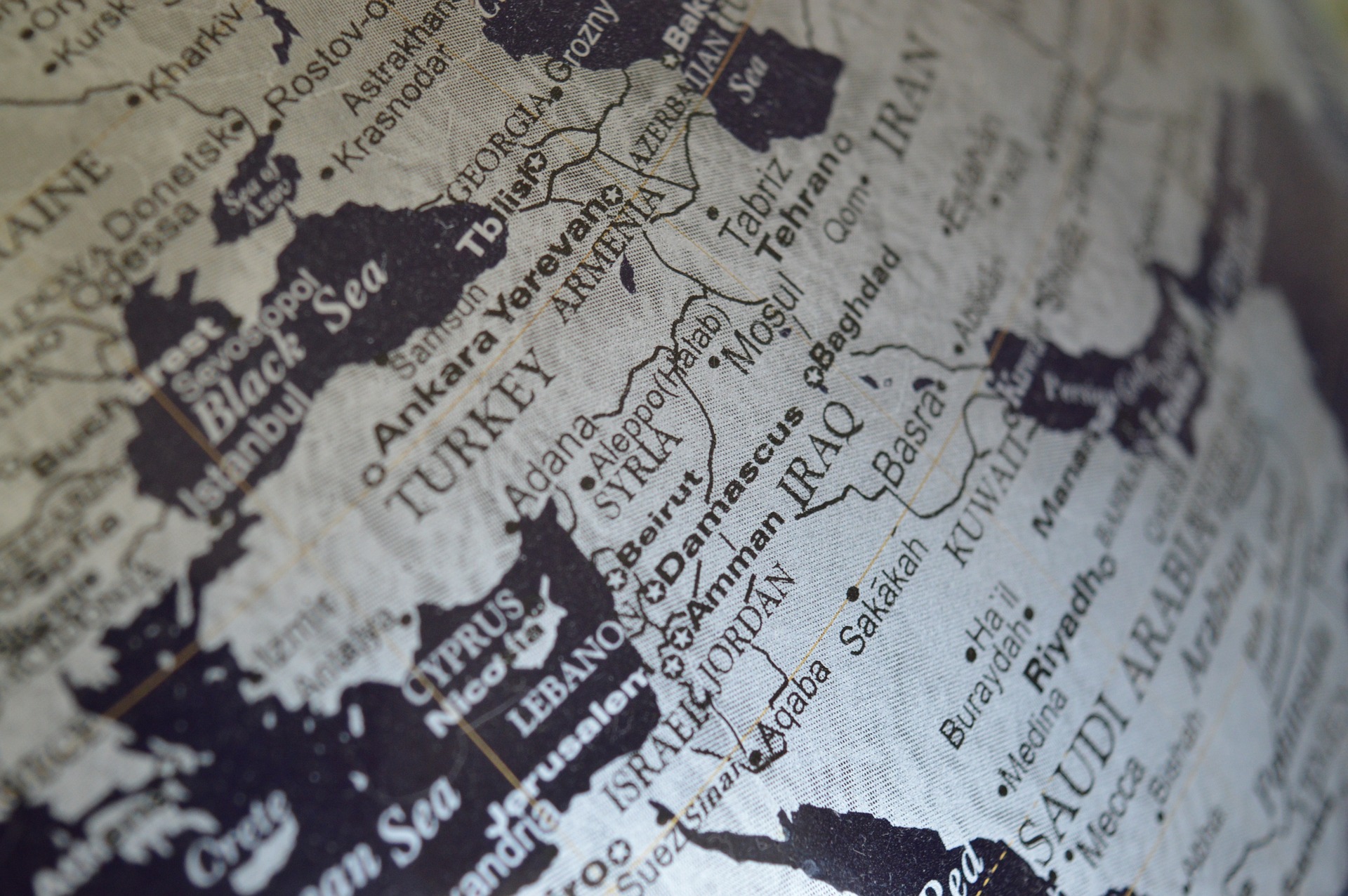
The 3+3 format in the South Caucasus doesn’t add up
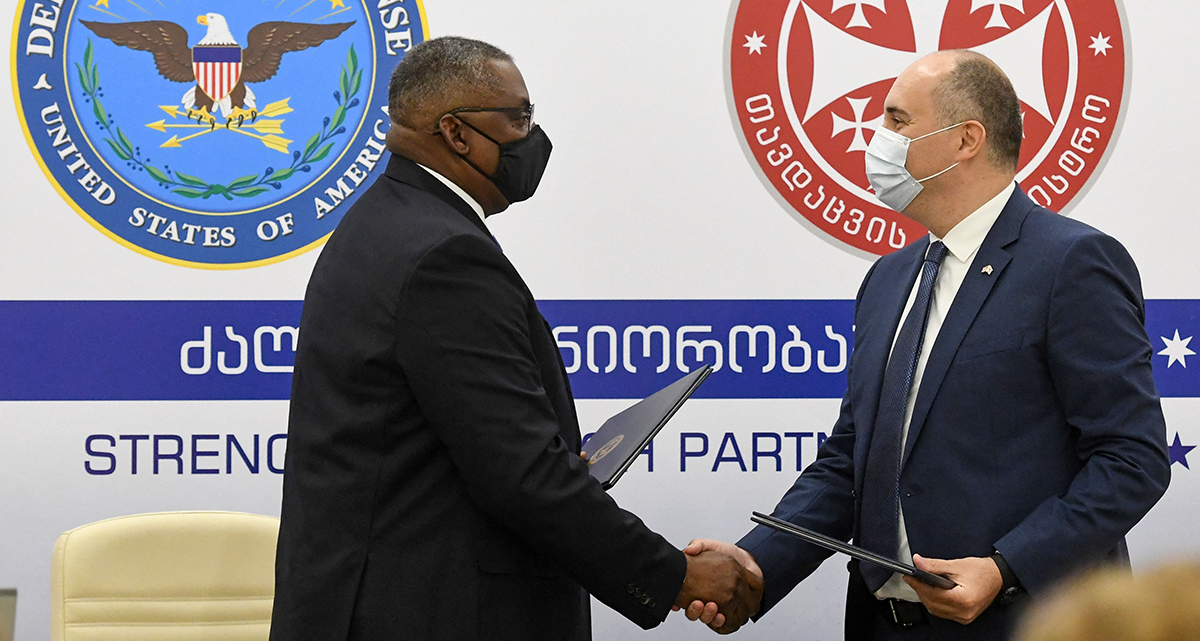
During his recent visit to Tbilisi, U.S. Defense Secretary Lloyd Austin poured cold water on the idea of American support for a so-called “3+3 format” in the South Caucasus. When asked about the proposal, he said, “I would just say that Russia, which currently occupies 20% of Georgia’s territory, should focus on honoring its 2008 cease-fire commitments before promoting any new discussion platforms.”