Skip to Content

Research & Commentary Results

Filter by
3120 Results
Israel's Unwinnable War
  • Analysis
  • Israel's Unwinnable War

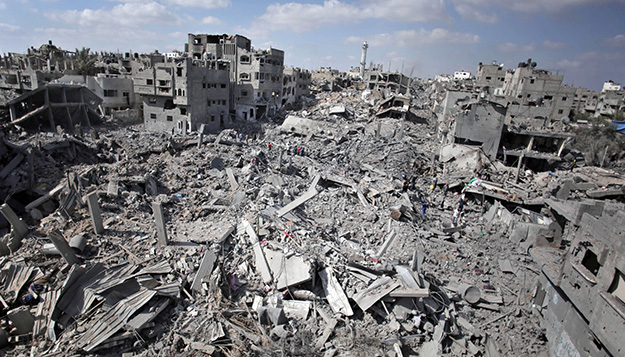
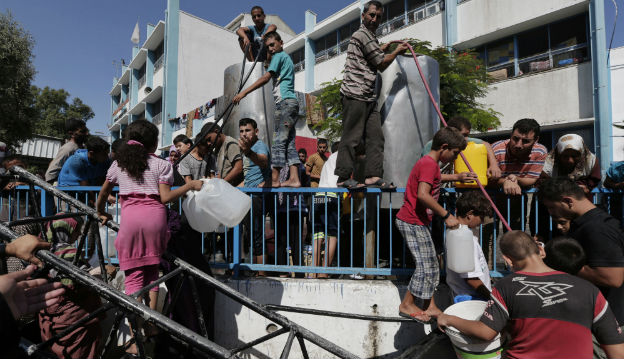
    Amb. Philip Wilcox, MEI scholar and president of the Foundation for Middle East Peace, discusses the motivations that led to the current escalation of hostilities between Israel and Hamas, and why Israel decided to pursue a ground assault in Gaza.

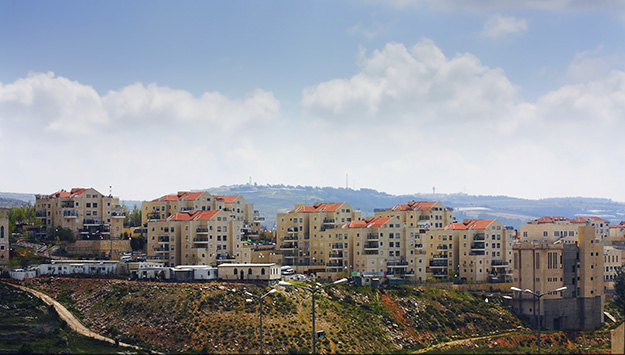
    Israel’s ground assault continues an historical pattern of dealing with threats from adversaries. How well has this strategy worked before?

    July 18, 2014

    Why Securing a Cease-Fire Will Be Harder This Time
  • Analysis
  • Why Securing a Cease-Fire Will Be Harder This Time

    In thinking about how the crisis between Israel and the Hamas leadership in Gaza might play out, it’s useful to reflect upon the preceding Israeli incursion into Gaza in November 2012.

    July 15, 2014

    The New Wave of Violence between Israelis and Palestinians: The View from Israel
  • Analysis
  • The New Wave of Violence between Israelis and Palestinians: The View from Israel

    The recent wave of violence between Israel and Hamas, which to date has resulted in the death of more than 100 Palestinians and the injury of several Israelis, continues to escalate with no clear sign of when it might end.

    July 11, 2014

    Iran’s Moment of Truth with Maliki
  • Analysis
  • Iran’s Moment of Truth with Maliki

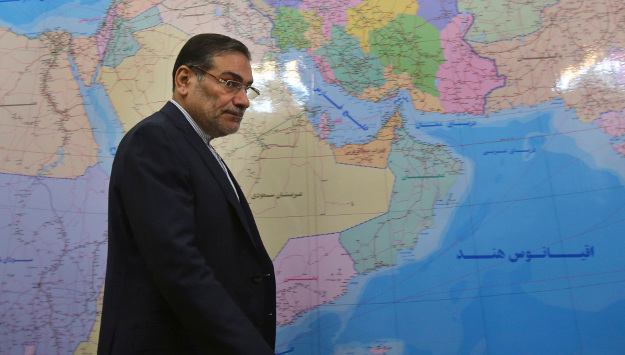
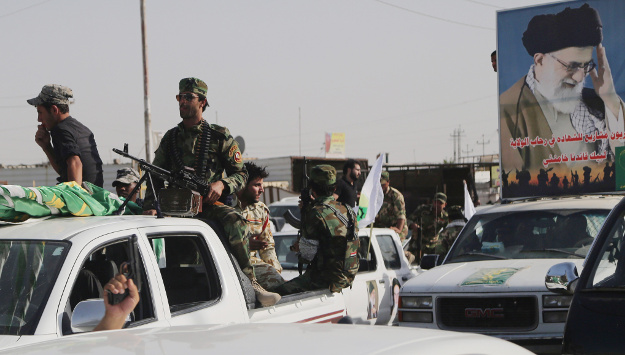
    The swift and violent rise of the Islamic State in Iraq and Syria (ISIS) continues to rattle the cages of power in Tehran. Overnight, Iran’s ally in Baghdad, Prime Minister Nuri al-Maliki, is suddenly fighting for his political life and the country of Iraq, which he had largely inherited from the Americans. Maliki has been a solid friend of Iran, but rapidly shifting realities inside Iraq can turn him into an expendable ally, making him more into a liability than an asset.

    Palestine at the Center of Israel-Turkey Trade
  • Analysis
  • Palestine at the Center of Israel-Turkey Trade

    On the north side of Istanbul’s Golden Horn, the Mavi Marmara sits in quiet isolation. In May 2010, the Turkish vessel was carrying aid for the besieged Gaza Strip when Israel forcibly intercepted it in international waters. Nine activists were killed in the raid, and a tenth succumbed to his injuries last month.

    The maritime crisis set off several years of polarized relations between Israel and Turkey that both countries believe are now on the mend. These improving ties may produce humanitarian and economic benefits for the West Bank and Gaza Strip.

    June 24, 2014

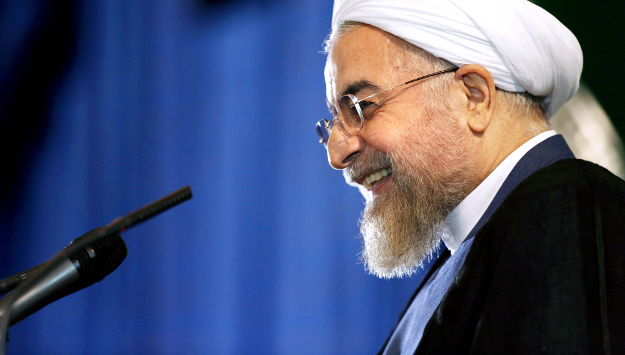
    Rouhani’s Saudi Challenge
  • Analysis
  • Rouhani’s Saudi Challenge

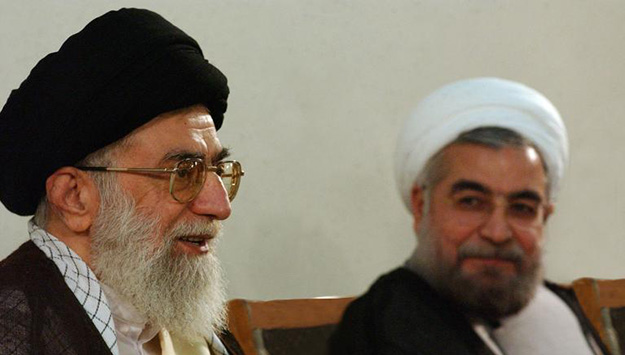
    This week’s visit to Tehran by the Kuwaiti emir, Sheik Sabah al-Ahmad al-Sabah, is about more than Iranian-Kuwaiti relations. It might even be a pivotal moment in the shaping of Iran’s ties with the Arab countries across the Gulf. Kuwait, which currently holds the rotating presidency of the Gulf Cooperation Council (GCC), is acting as a conduit for the collective unease that the GCC’s six member states, particularly Saudi Arabia, have about Iran’s regional policies.

    Prospects for an Iran Nuclear Agreement
  • Analysis
  • Prospects for an Iran Nuclear Agreement

    Allen Keiswetter is a scholar at the Middle East Institute and an analyst at the law firm of Dentons. This is an updated version of a paper originally published by Dentons-GPS.

    June 3, 2014

    The Iran Sanctions and South Korea’s Balancing Act
    Middle East Institute
  • Analysis
  • The Iran Sanctions and South Korea’s Balancing Act

    Following the recent progress on the Iranian nuclear issue and the subsequent easing of sanctions, South Korean businesses are reengaging the Iranian market. A South Korean trade delegation visited Iran on March 9, 2014 to expand bilateral trade ties in the mining, industrial, and food sectors. On March 17, South Korea’s Finance Ministry lifted a ban, allowing South Korean auto, construction, pharmaceutical, and telecommunications industries to resume trade with Iran, though sanctions remained in the shipbuilding, shipping, and harbor sectors.

    June 2, 2014

    Who Makes Tehran's Arab Policy?
    Middle East Institute
  • Analysis
  • Who Makes Tehran's Arab Policy?

    Geography alone should make the Arab world Iran’s key foreign policy focus. Of Iran’s 13 immediate neighbors, seven are Arab countries.[1] But Tehran’s approach to the Arab world, with its 22 states extending from North Africa to the Arabian Peninsula, varies widely in intensity, and Iran’s objectives are equally varied depending on the country in question.

    Shifting Allegiances: The Israel-Gaza-Egypt Triangle
  • Analysis
  • Shifting Allegiances: The Israel-Gaza-Egypt Triangle

    U.S. diplomatic efforts to resolve the conflict between Israel and the Palestinians have in the last year focused on relations between Israel and the Ramallah-based Palestinian Authority, led by PLO chairman Mahmoud Abbas. Yet there is arguably a far more dynamic and perilous front: one that encompasses Israel, Egypt’s lawless Sinai Peninsula, and the Gaza Strip, the latter of which is run by Hamas.

    April 9, 2014