Iran’s So-Called “Moderates” Back Regime’s Expansionist Agenda
Fatima Zolghadr, a parliamentarian from Tehran and a member of reformist Hope Faction, hailed the fall of Aleppo as a victory for the Iran-led “resistance” forces.
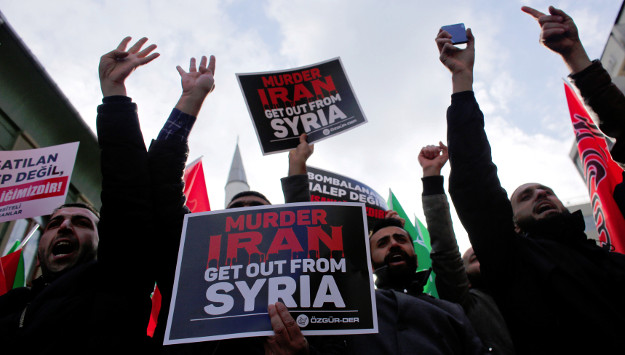
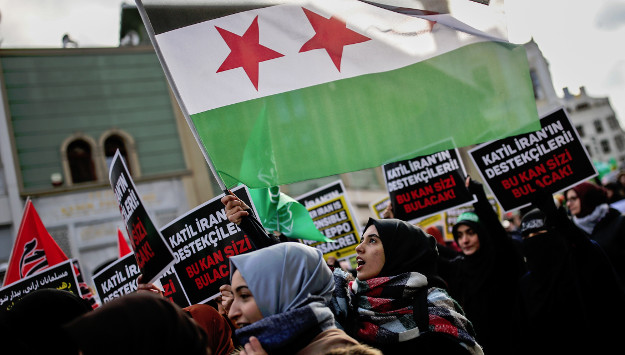
Tehran’s unwavering support for the regime of Bashar al-Assad continues to irk the Turks, according to press reports. On December 16, the Turkish prime minister, Binali Yildirim, and Iran’s vice president, Eshaq Jahangiri, spoke on the phone. The discussion was ostensibly about Jahangiri’s upcoming visit to Turkey, but also focused on the Syrian civil war.
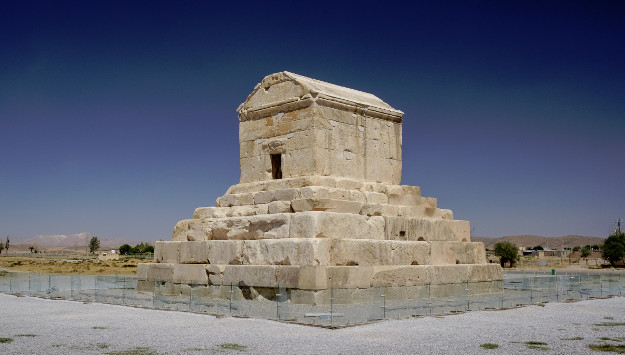
The authorities in the Iranian city of Shiraz have handed 74 people prison sentences ranging from one to eight years. The so-called crime of those sentenced was to gather for an unauthorized event at the tomb of Cyrus the Great, an ancient Persian king. The event happened in the last week of October and led to an outcry among hardliners. One hardliner, Ayatollah Hamedani, called the event an “anti-revolutionary” gesture that needs to be confronted.
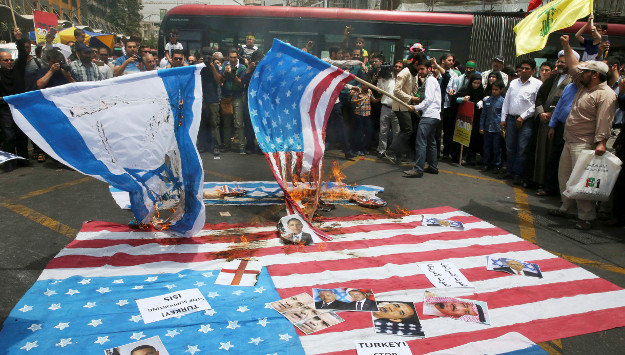
This week again Iranian leaders have been busy publicizing themselves as “promoters of Islamic unity.” On the one hand, Iranian leaders, like President Hassan Rouhani, speak of the illusive “great conspiracy” supposedly concocted by what he calls “big powers” to split the Muslim world.
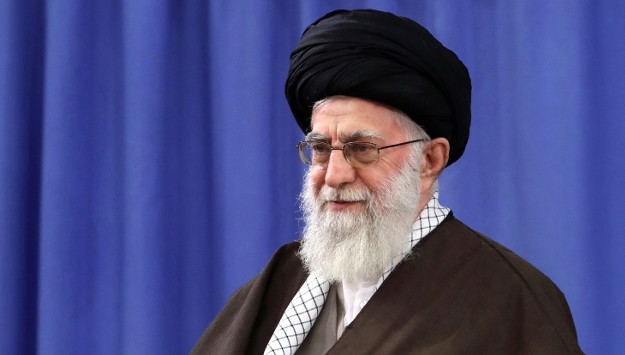
Iran’s supreme authority, Ayatollah Ali Khamenei, told a visiting Palestinian militant leader that “Israel will not exist in 25 years.” Khamenei made the remarks to Ramadan Abdullah Shalah, head o
Civilians Massacred in Aleppo by Iranian Backed Militia
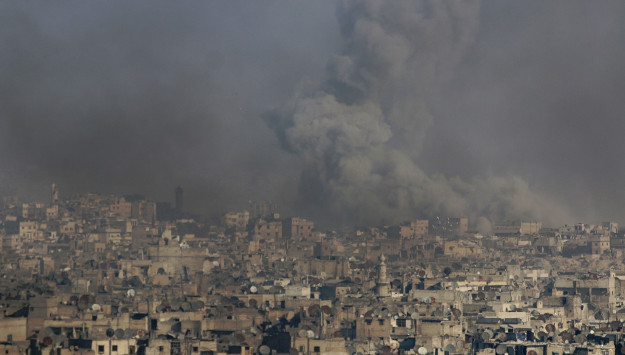
The bloody fall of Aleppo, Syrian opposition forces’ last major urban stronghold, is now certain. Without outside assistance, the rebel groups found it impossible to withstand a ruthless air and ground onslaught by the Iranian-led military forces that are propping up the regime of Bashar al-Assad.
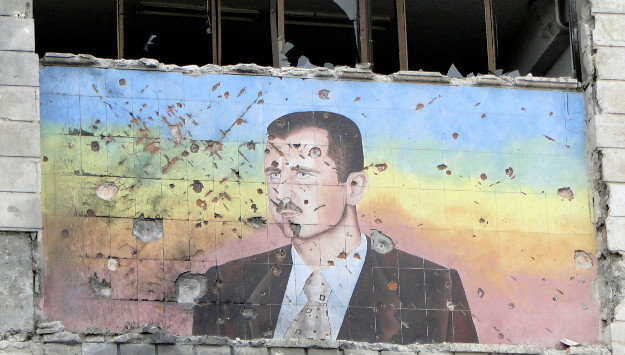
As President Bashar Assad’s army pushes into the last few neighborhoods controlled by rebels in Aleppo, the Syrian leader can claim a stronger position than at any point since the early days of a war that broke out in 2011.
Iran Alarms Region with Plan for Nuclear-Powered Ships
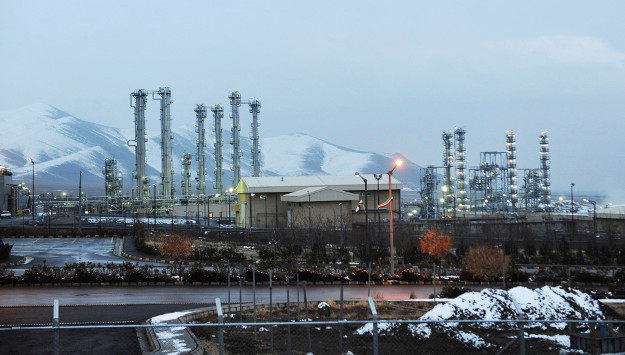
In response to the renewal of the Iran Sanctions Act (ISA) by the US Congress, Iran’s President Hassan Rouhani has ordered the Atomic Energy Organization of Iran (AEOI) to start the development of nuclear-powered ships.
Monday Briefing: Egypt Faces New Wave of Terrorist Attacks
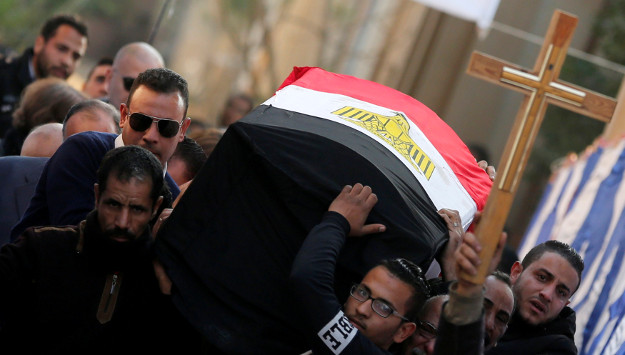
In this week’s Monday Briefing, MEI experts Paul Salem, Randa Slim, Charles Lister, Jean-François Seznec, Eran Etzion, and Marvin G. Weinbaum provide analysis on recent and upcoming events including yesterday’s terrorist attack on the Coptic Christian Cathedral in Cairo, the Sryian regime’s progress in retaking Aleppo, the continued threat presented by ISIS, the potential selection of Rex Tillerson as the next Secretary of State, Ash Carter’s farewell trip to Israel, and new Congressional pressure for Pakistan to crack down on the Haqqani Network.
IRGC Increases Ballistic Missile Production despite Sanctions
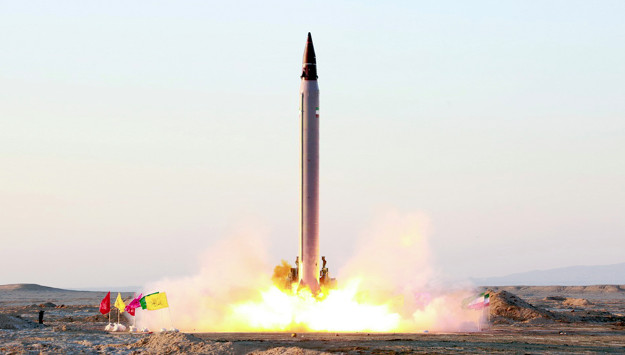
In a remark that may stir concern in the United States, Israel and the Gulf region, a senior commander of the Islamic Republic Revolution Guards Corps (IRGC) says his country has increased the production of ballistic missiles despite international sanctions.
British Premier’s Remarks at G.C.C. Summit Trouble Iran
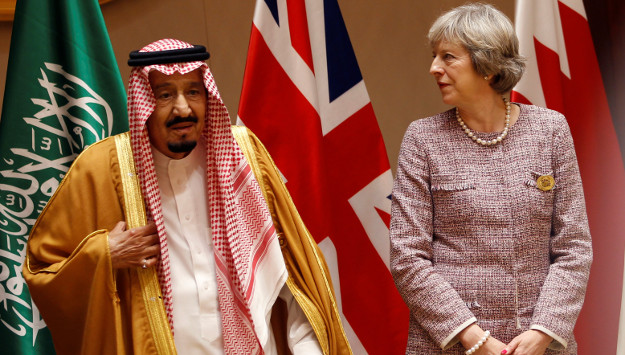
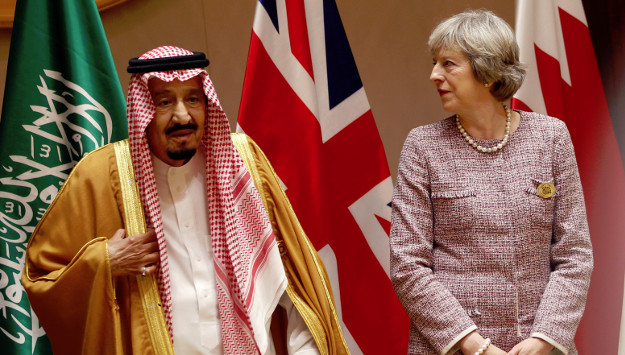
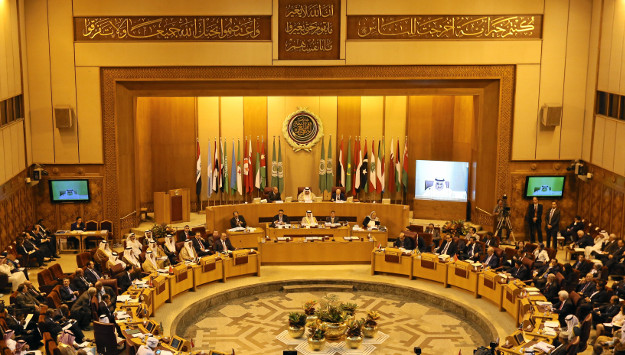
British Prime Minister Theresa May’s remarks at the Gulf Cooperation Council summit about the need to “push back against Iran’s aggressive” actions in the Middle East have provoked angry reactions and threats from Iranian leaders.
Iraqi Militia Forces Advance toward Tal Afar despite Sunnis’ Concerns
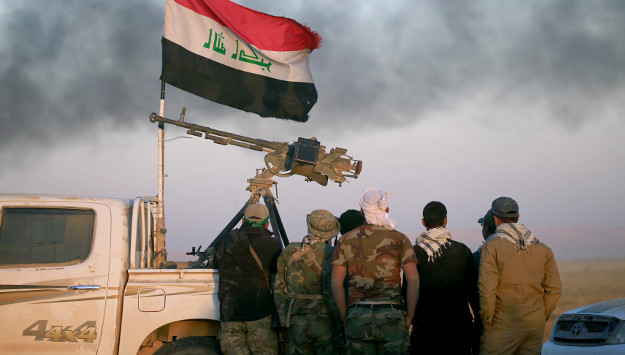
Despite repeated objections by some Iraqi Sunnis and regional Sunni states, the Popular Mobilization Forces (PMF) are continuing to play a major role in the battle of Mosul.
This essay discusses Japan’s long-standing energy dependence on the Middle East and the complications arising from it, with a focus on relations with Iran. More specifically, it looks at the risks and potential rewards of the revival and strengthening of Japan’s economic relations with Iran in the wake of the nuclear deal.
Toward a Regional Framework for the Middle East: Takeaways from other Regions
Regional Cooperation Series
This Policy Paper is part of the Middle East Institute’s Regional Cooperation Series. Throughout 2016, MEI will be releasing several policy papers by renowned scholars and experts exploring possibilities to foster regional cooperation across an array of sectors. The purpose is to highlight the myriad benefits and opportunities associated with regional cooperation, and the high costs of the continued business-as-usual model of competition and intense rivalry.