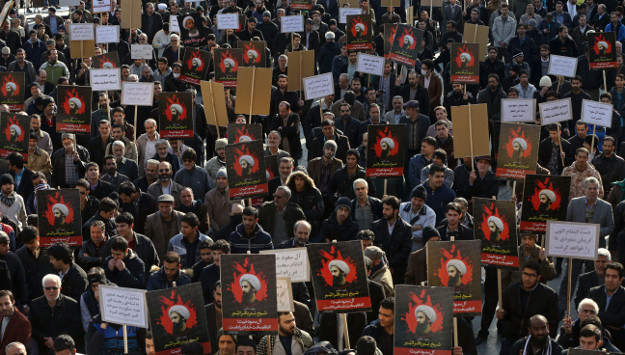
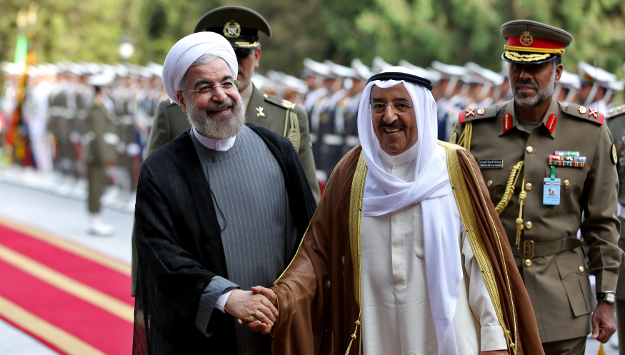
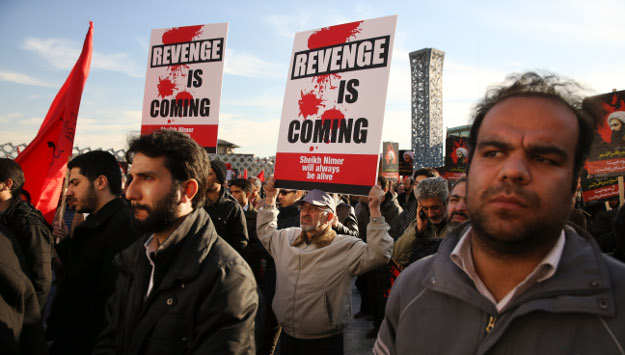
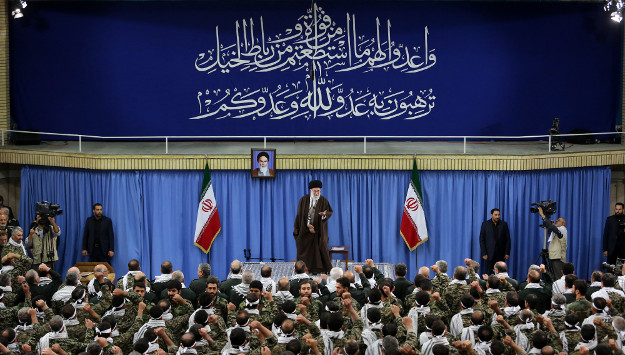
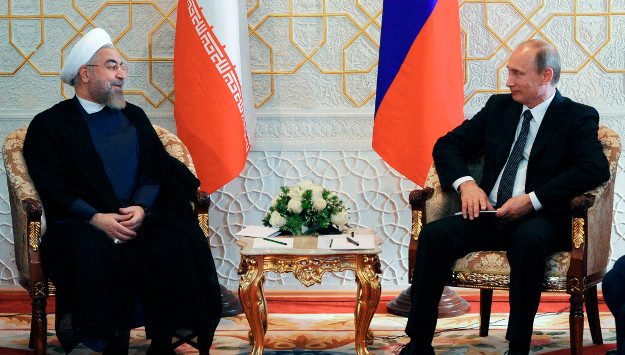
Saudi Arabia’s execution of prominent Shi’a cleric, Sheikh Nimr al-Nimr, is a gift in disguise to Iran’s hardliners seeking to undermine President Hassan Rouhani’s administration, and rally support ahead of key elections in February.
Although Saudi officials have insisted Iran is interfering in its internal affairs with its vociferous condemnation of the execution, Iranians, particularly the hardliners, saw the act as a direct provocation.
Decentralization and Ambiguities of Local Politics in Tehran
The prospect of establishing direct popular elections for mayors has precipitated a heated debate in Iran, resulting in divisions within the conservative and reformist factions and even a reversal of their roles. The debate surrounding the bill and the forces that render urban governance as political stem from the coupling of decentralization of governance with the arbitrary and despotic rule of mayors over urban matters. Decentralization in non-democratic settings has led to the reorientation of municipalities from merely managerial authorities to institutions that are both the field for, and the target of political struggles between elites and by citizens. Such localization of political life, especially in large cities such as Tehran, has the potential for making urban policy-making less opaque and bureaucratized as it has been under the Pahlavi Monarchy and the Islamic Republic.
Turkey Should Avoid Getting Involved in the Saudi-Iran Row
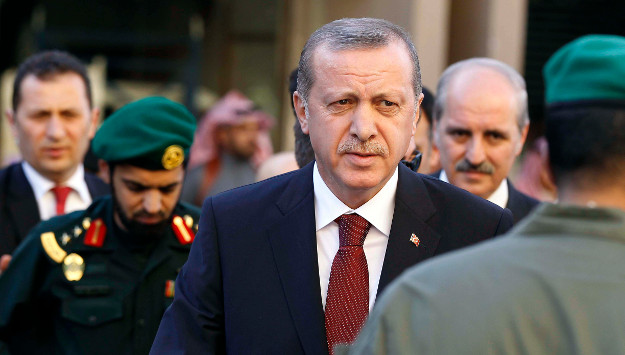
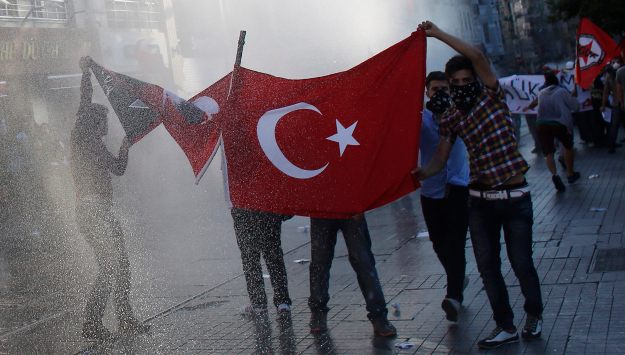
Turkey’s reaction to the latest spat between Saudi Arabia and Iran spells more trouble for Ankara at a time when it is already at loggerheads with many of its neighbors. Initial remarks by Deputy Prime Minister Numan Kurtulmus criticizing both sides were an attempt to keep Turkey out of the rift. He was upstaged, however, by Turkey’s foreign ministry, which followed up with a statement singling out Iran for condemnation.
The New Year has seen relations in the region spiral out of control with Saudi Arabia cutting off diplomatic ties with the Islamic Republic of Iran. Sectarian tensions mounted following the execution of prominent Saudi Shi’a cleric Nimr al-Nimr and the subsequent attack on the Saudi embassy in Tehran. The immediate impacts of this escalation will likely be felt in Yemen, with the latest ceasefire collapsing over the New Year, and in Syria where U.N.-sponsored peace talks are set to begin later this month.
Washington and Ankara are in yet another difficult phase in a relationship cycle that runs from very good to very bad. American public opinion about another country forms slowly, but persists through time once set. As Turkey changes, we keep trying to fit new evidence into the old paradigm. At some point, the contradictions are too obvious to explain away, and the new narrative emerges. Right now, Americans are caught in that dilemma regarding Turkey. Unless we have a better idea of which Turkey we are dealing with, we are certain to make bad choices.
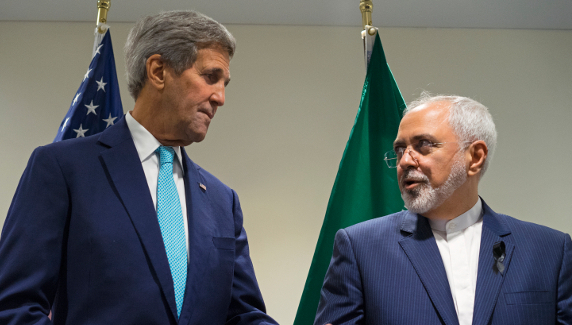
Paul Salem, Vice President for Policy and Research at MEI, explains the drivers behind the recent flare-up of the Iran-Saudi feud, how it will impact regional issues including Syria, Yemen, and the fight against ISIS, and what the United States can do to help get diplomacy back on track.
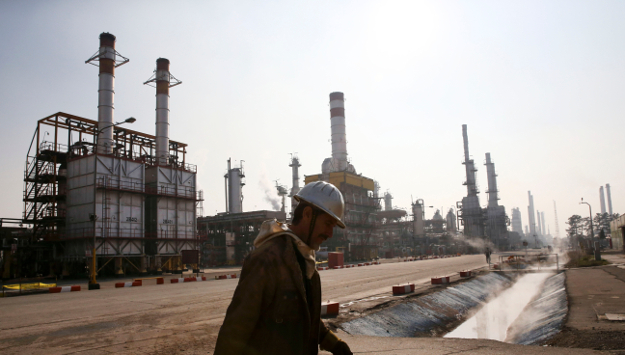
In a Middle East already aflame, a fresh feud between Saudi Arabia and Iran threatens to complicate most every major issue from the Iranian nuclear deal to the Syrian civil war to global oil markets.
Mega Projects and the Limits of Urban Planning in Megacities: The Case of Istanbul in the AKP Era
This essay examines the politics of the Istanbul Master Plan, which was created by the Istanbul Metropolitan Planning and Urban Design Center (IMP), focusing on the role of non-governmental organizations. The essay addresses three main questions. First, to what have NGOs been involved in the formulation, implementation, and oversight of the Istanbul Master Plan? Second, what form has their activism taken and what has been the response of the AKP government? And third, what are the prospects for achieving the balance between conservation and development originally envisioned by the Istanbul Master Plan?
According to the UN’s World Urbanization Prospects 2014, there are 28 “megacities” worldwide (i.e., urban agglomerations with populations in excess of 10 million). By 2030 another dozen will likely be added to their ranks.
Since the early days of the republic, Turkey’s deep state has been seen as the clandestine defender of the Turkish establishment and the secular and nationalist ideology established by Turkey’s founder, Mustafa Kemal Ataturk.
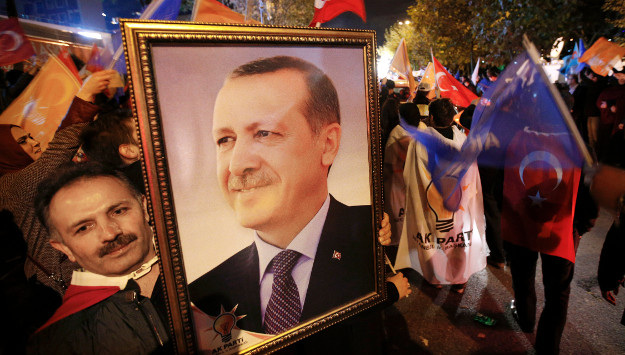
In a stunning electoral comeback that has surprised everyone, including its own legislators, Turkey’s ruling Justice and Development Party (AKP) captured almost 50 percent of the votes, but well over 50 percent of parliamentary seats, in Sunday’s elections. There are many lingering questions. Considering that even the pro-government pollsters did not foresee such a victory, many have asked whether the elections were free and fair. If so, how did the AKP manage to reverse its electoral fortunes in just five months in a country that has been mired in chaos and violence during that time?