US options to counter Houthi threat to global shipping
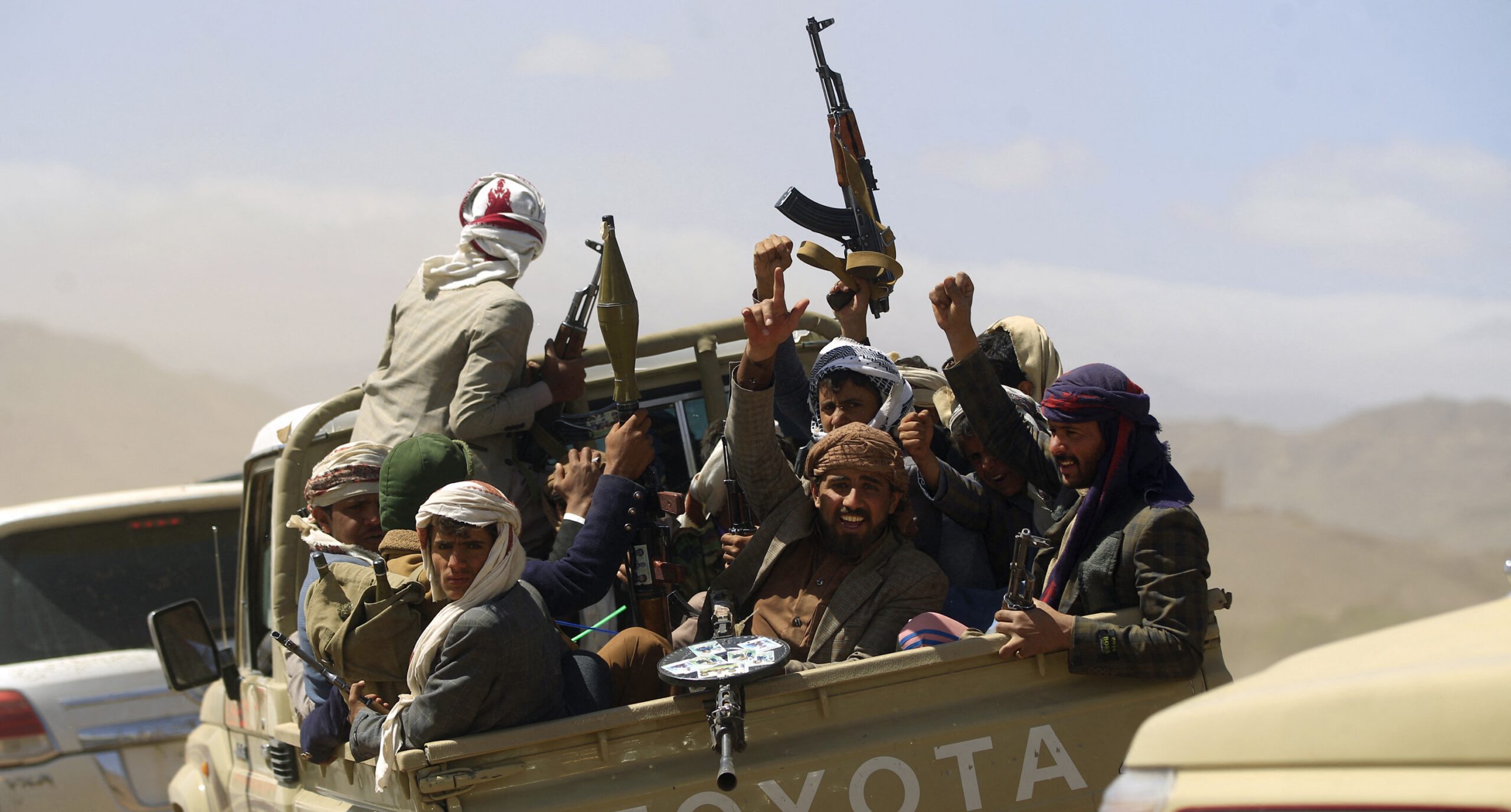
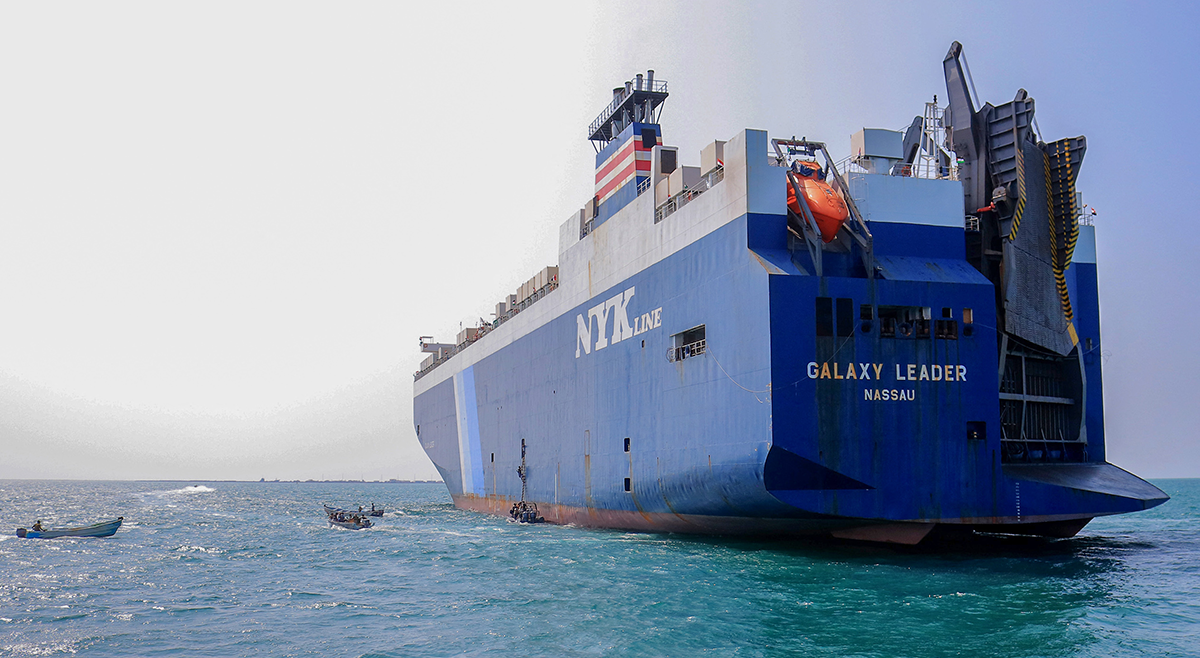
Overnight US and UK strikes on Thursday delivered a strong message to the Houthis: their attacks on global shipping in the Red Sea will not go unpunished.
Ansar Allah, the Yemen-based militant group commonly referred to as the Houthis, is arguably the latest and largest addition to the Iran-led Axis of Resistance. Present tensions in the Red Sea illustrate both the utility of the Houthis for Tehran’s anti-American and anti-Israel regional agenda as well as the challenges their actions can create for the Iranians.
Houthis see domestic and regional benefit to continued Red Sea attacks
Since the outbreak of the Israel-Hamas conflict in October, Yemen’s Houthi rebels have sought means to capitalize on the war in Gaza to raise their profile, enhance their pan-Arab legitimacy, and burnish their credentials both domestically and in the region. In their effort to insert themselves into the Gaza conflict, the Houthis believe their actions will strengthen their support base at home while also cementing their movement more firmly into the Iranian “Axis of Resistance.”
Policy shifts and political challenges as Algeria prepares for upcoming elections
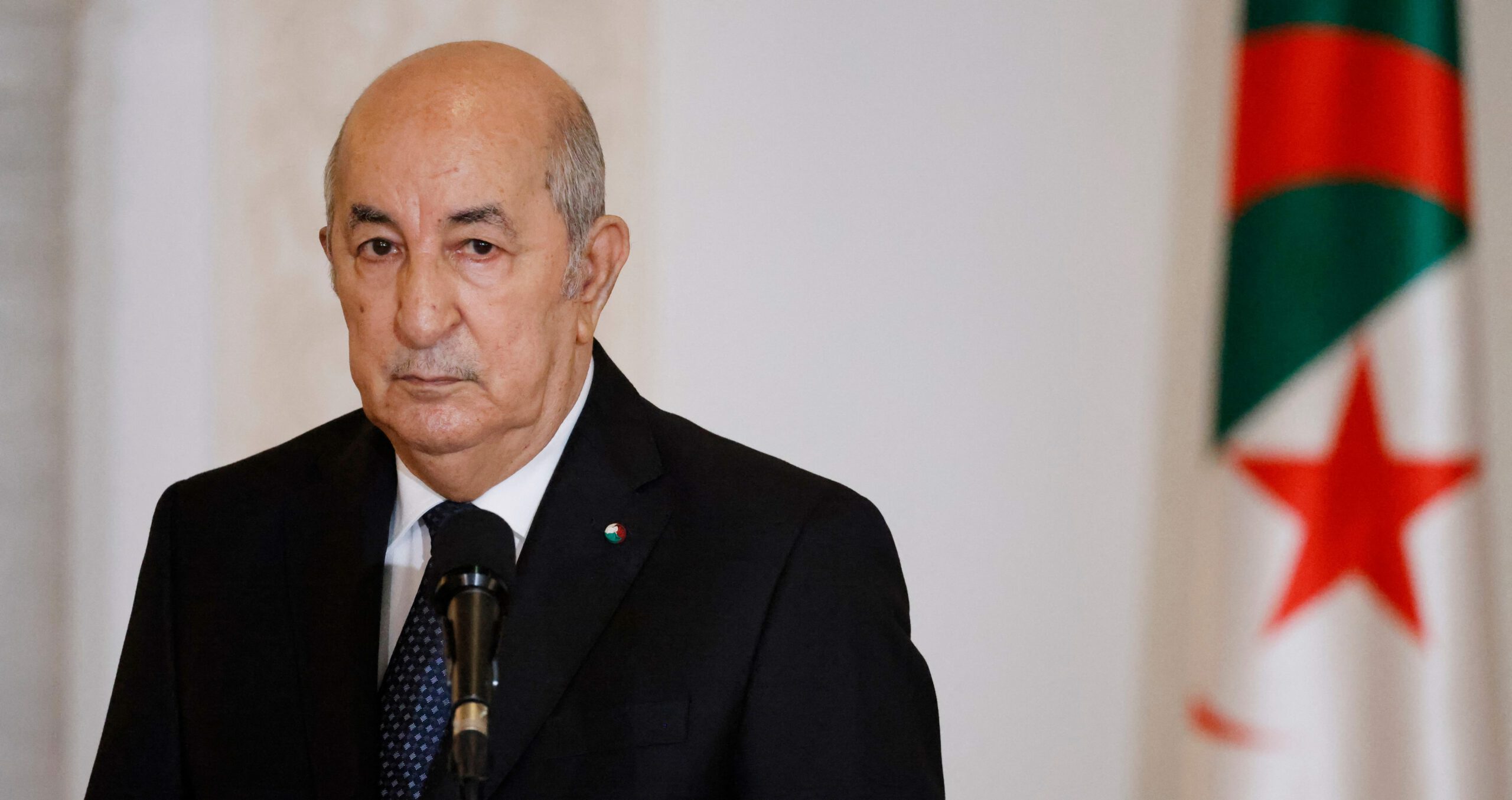
A closer look at the impact of domestic and international developments on Algeria’s agenda as the country prepares for a complicated and critical presidential race in December 2024.
Iran amid conflicting geopolitical dynamics in the Middle East
As two contradictory trends of de-escalation in the Persian Gulf and a new round of war between Palestinians and Israelis unfold at the same time, Iran is trying to play its best cards and navigate its position. Iran views the region’s geopolitical and security conflicts as a chance to uphold its position and leverage it to advance its defined national interests.
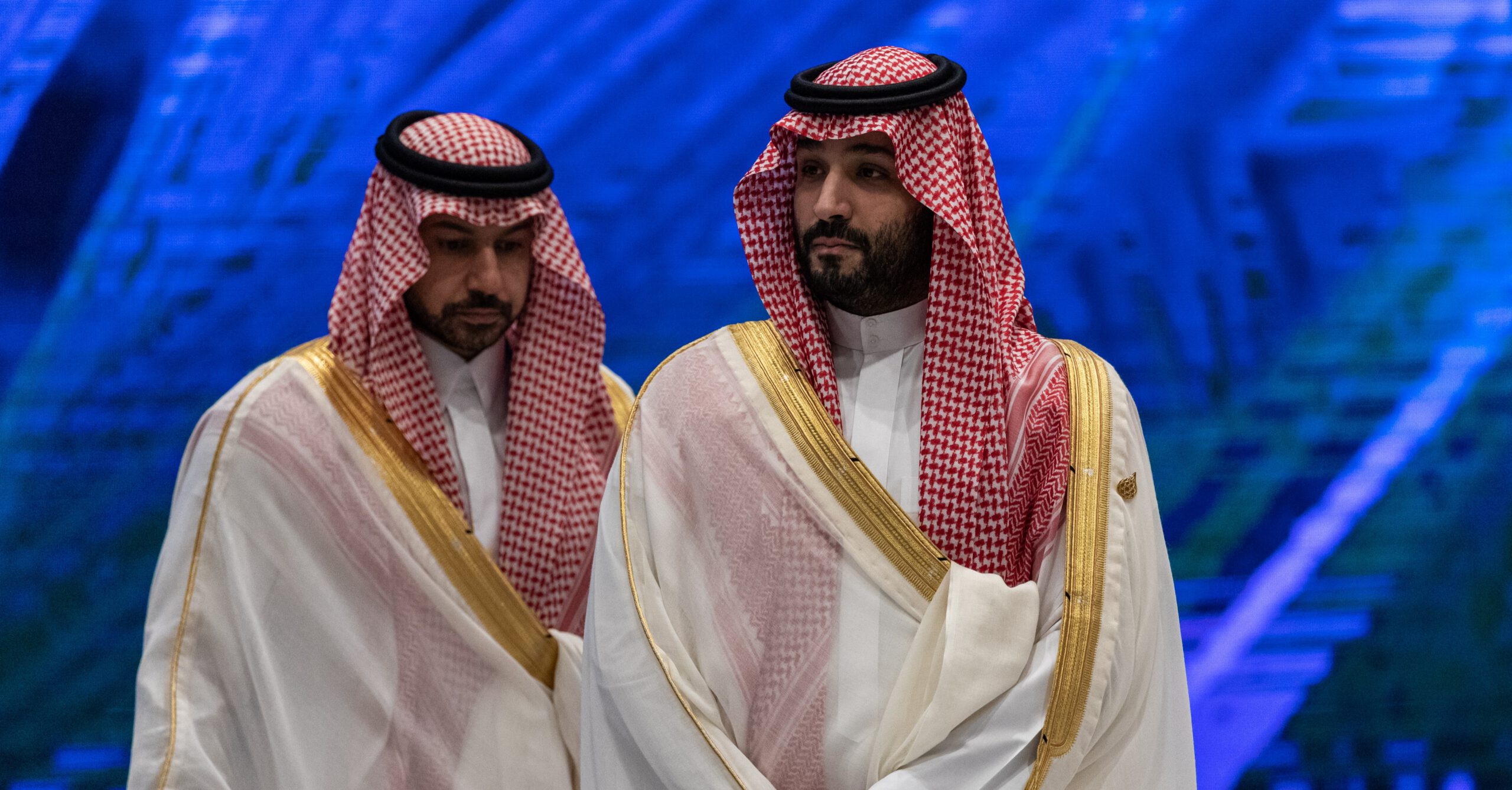
In response to the Oct. 7 attacks and subsequent bombing and invasion of the Gaza Strip, most media outlets and think tanks concluded that Hamas initiated the war to sever the path toward normalization between Saudi Arabia and Israel. Prior to the Hamas strike, Saudi Crown Prince Mohammed bin Salman (MbS) said his country was moving steadily in the direction of normalizing relations with Israel.
Shifting Tides: Environment, History, and Culture Shape the Work of Bahraini Artists
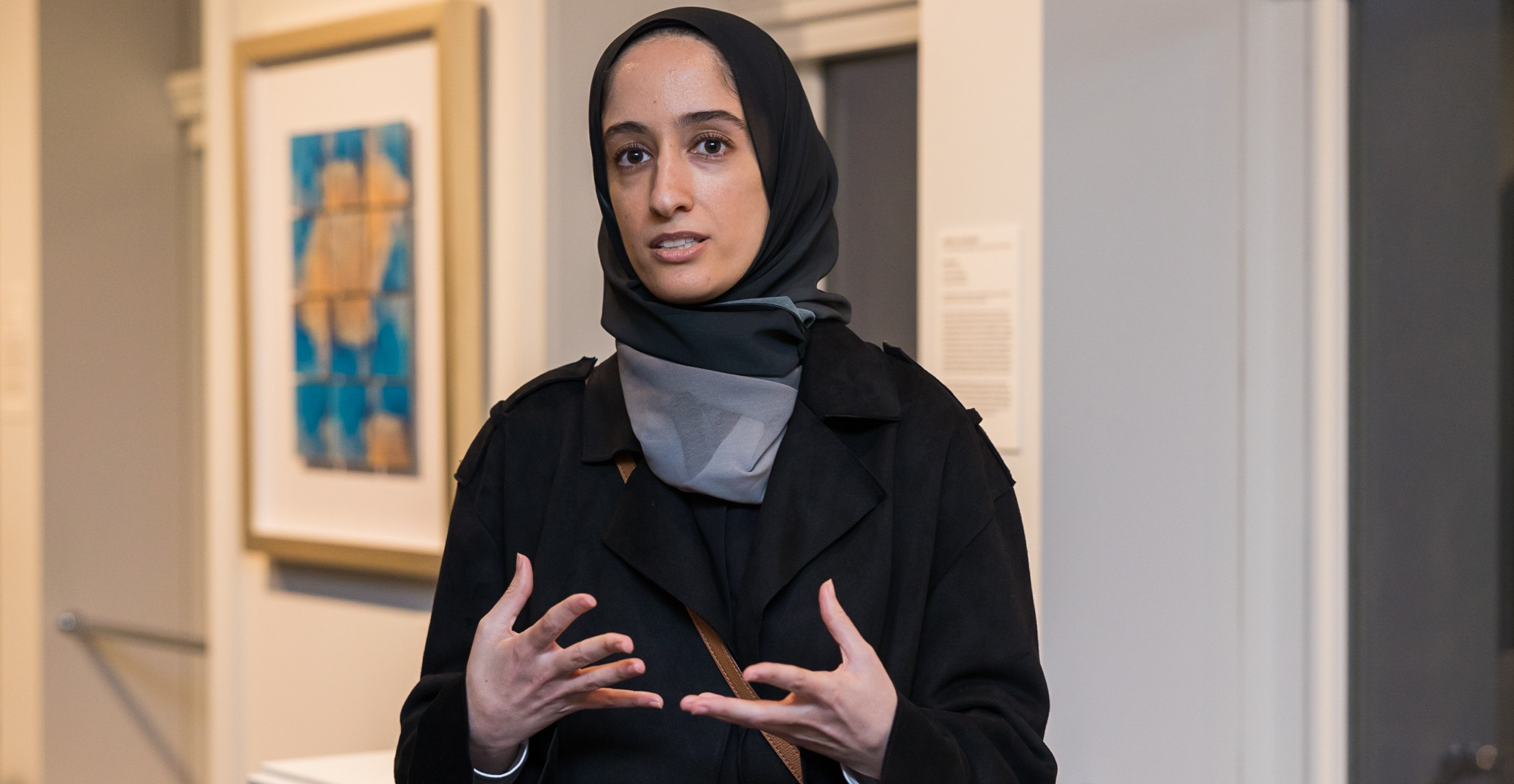
“Bahrain” literally translates as “the land of two seas,” referring to the two sources of water within and around the island: the sweet-water terrestrial and submarine springs, and the saltwater surrounding oceans. Water has played a central role in the Gulf island nation’s history and has been a major influence on the work of Bahraini artists, along with the country’s unique landscape and natural environment, as well as the impact of rapid economic and urban development.
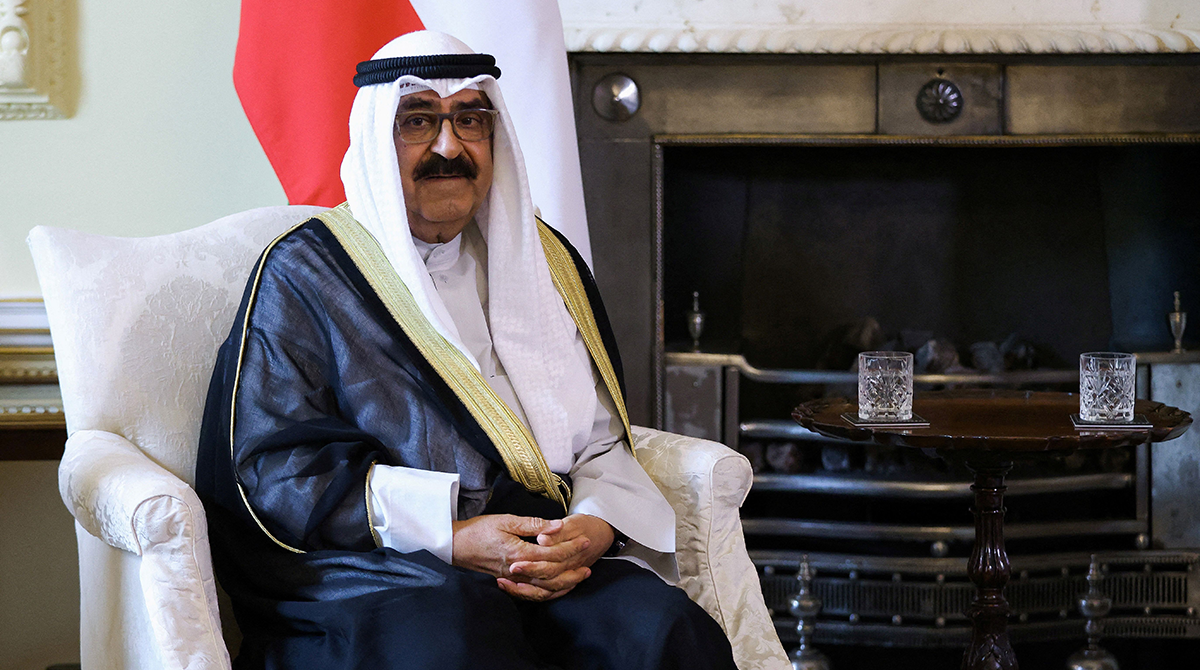
Following emir’s death, Sheikh Mishal Al Sabah named Kuwait’s new ruler, signaling continuity
Sheikh Mishal al-Ahmad al-Jaber Al Sabah, Kuwait’s 83-year-old crown prince and half-brother of the late emir, was named to replace Sheikh Nawaf immediately following news of his death on Dec. 16.
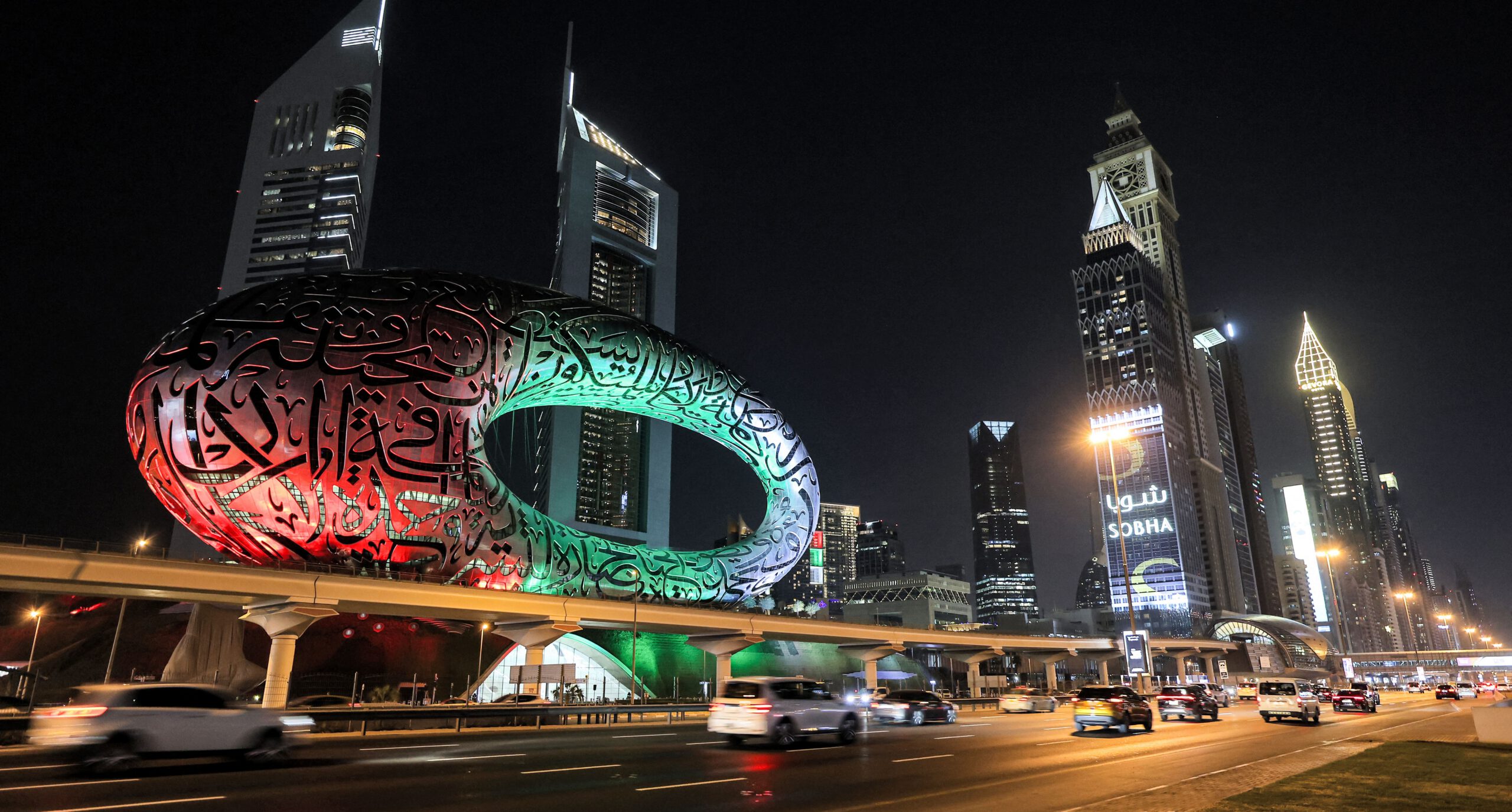
Two weeks ago, I had the privilege of joining more than 800 fellow futurists, and another 1,500 “futures-adjacent” collaborators, from over 100 countries at the second annual forum convened by the Dubai Future Foundation. Arriving with high expectations, I left even more enthused than I’d anticipated, and with invaluable new learning from those around me.
Gaza war hasn’t halted de-escalation efforts in Yemen
Over the past two months, the Houthi rebels in Yemen have launched missiles and drones into Israel, attacked several commercial ships in the Red Sea, and threatened to block all ships sailing to Israel, regardless of nationality, until Gaza receives humanitarian aid. In the Gulf, there is a growing fear that the situation could constrain ongoing de-escalation talks between Riyadh, the Republic of Yemen Government, and the Houthis, or even take them back to square one were conflict dynamics to escalate.
Transformational implications of moving toward smart cities in the Gulf
As Gulf nations embrace the opportunities presented by developing smart cities, challenges such as cybersecurity and infrastructure sustainability must be addressed through strategic policies and trusted partnerships to ensure a secure and sustainable digital transition.
AI global governance regime gradually taking shape
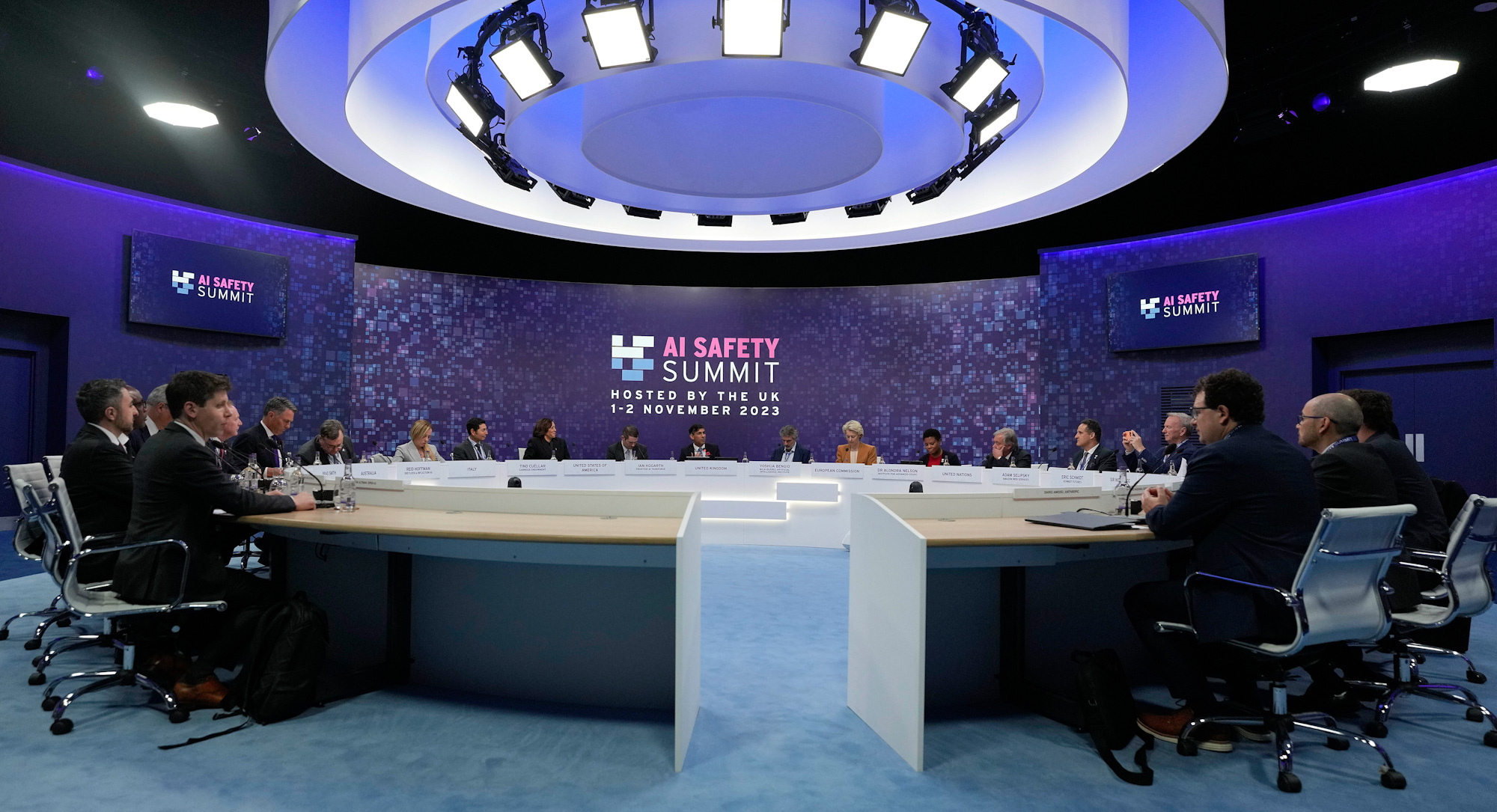
In recent years, the international community has witnessed a surge in momentum toward the development of standards for artificial intelligence (AI) governance. The AI Safety Summit, convened last month by Prime Minister Rishi Sunak, marked a diplomatic milestone and a definite step in the right direction. However, its impact is contingent on the ability of the global community to navigate the multiparty landscape of AI governance.
War delays but likely will not fully derail IMEC plans
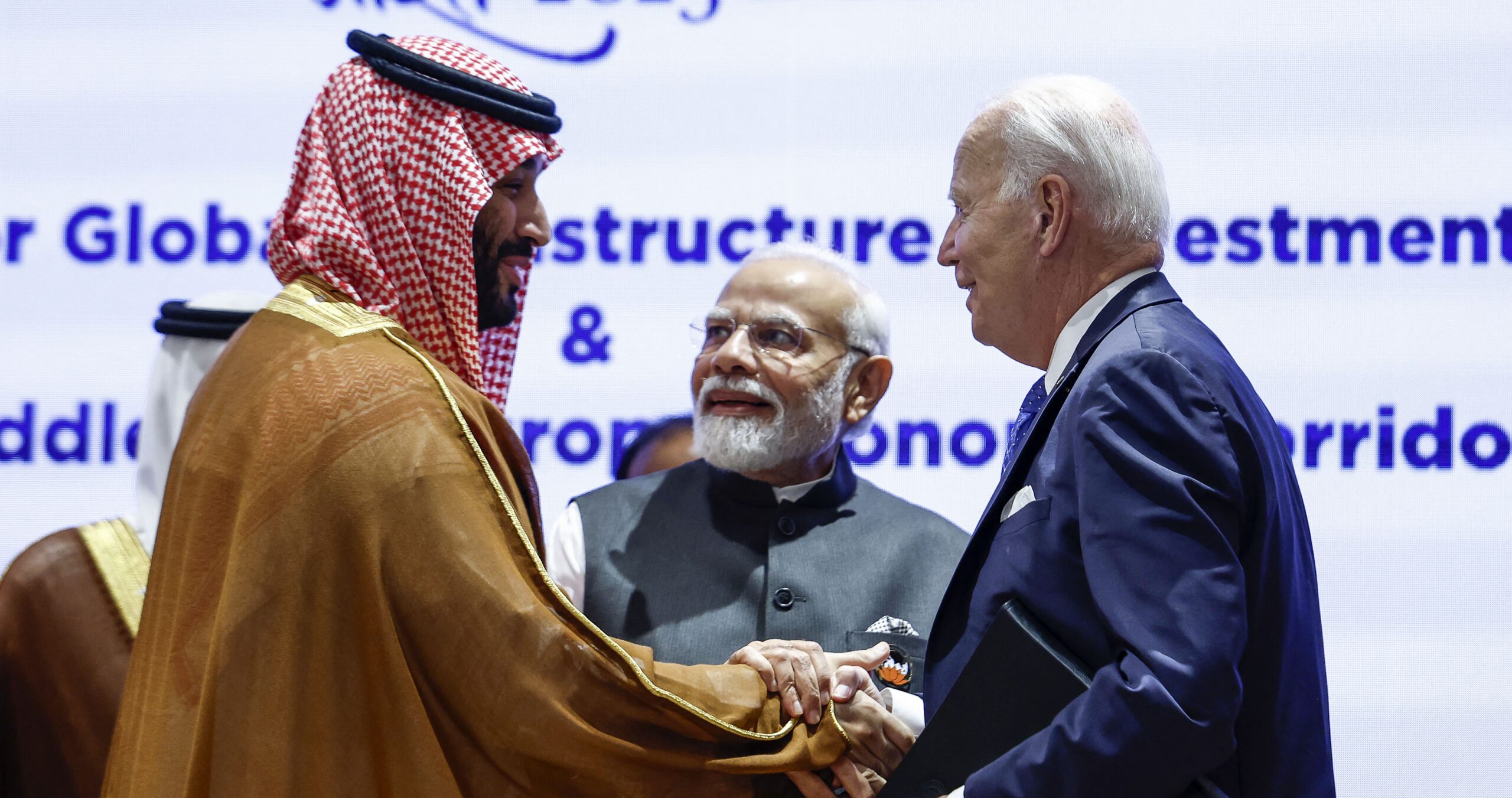
The Oct. 7 Hamas attack against Israel and the latter’s ongoing military operation in Gaza have stalled progress in the development of the India-Middle East-Europe Economic Corridor and raised questions about its prospects for eventual completion. The IMEC faces multiple viability challenges, but none of them are insurmountable; thus, its participants are unlikely to abandon it.