A “blue mirage”: Biden’s presidency and the Iranian economy
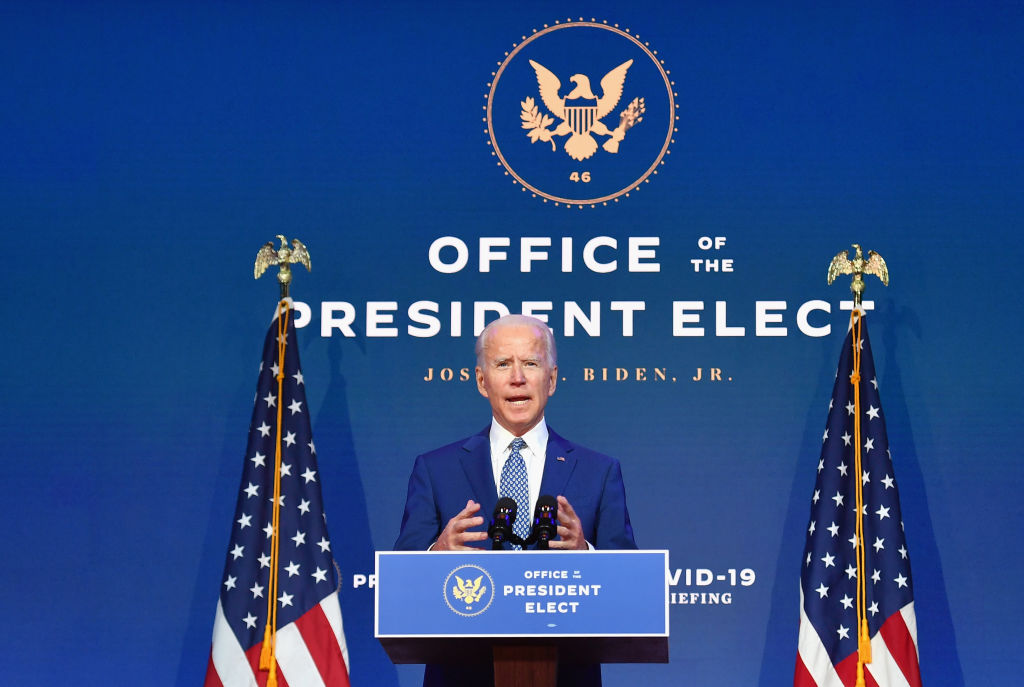
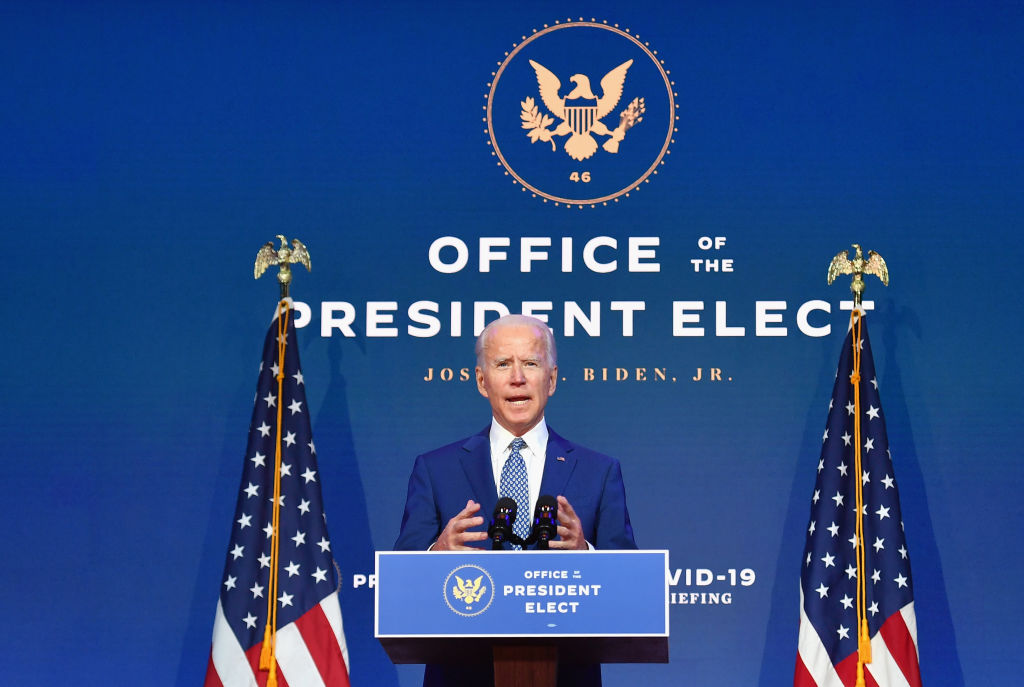
What does a Biden presidency mean for the economy of Iran? The short answer is: not much. While the Iranian public considers his election good news for the country, these sentiments are fleeting and will soon fade. The reason is simple: Even if Joe Biden decides to reengage with Iran or reenter the 2015 nuclear deal on his first day in office, a Biden presidency will not change many crippling realities for the Iranian economy.
Running out of steam? The energy argument and the Black Sea
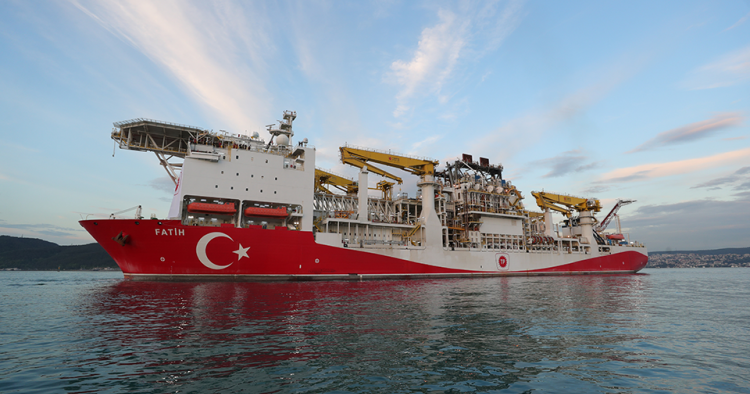
With the Trans Adriatic Pipeline (TAP) set to start operations in November 2020, the Black Sea once again lives up to its reputation as being of strategic interest to European energy security. As the final component of the European Union’s Southern Gas Corridor, TAP allows gas from Azerbaijan’s Shah Deniz field to be pumped to Georgia and onward to Turkey, Greece, and Albania.
Taiwan’s Model for Combating COVID-19: A Small Island with Big Data
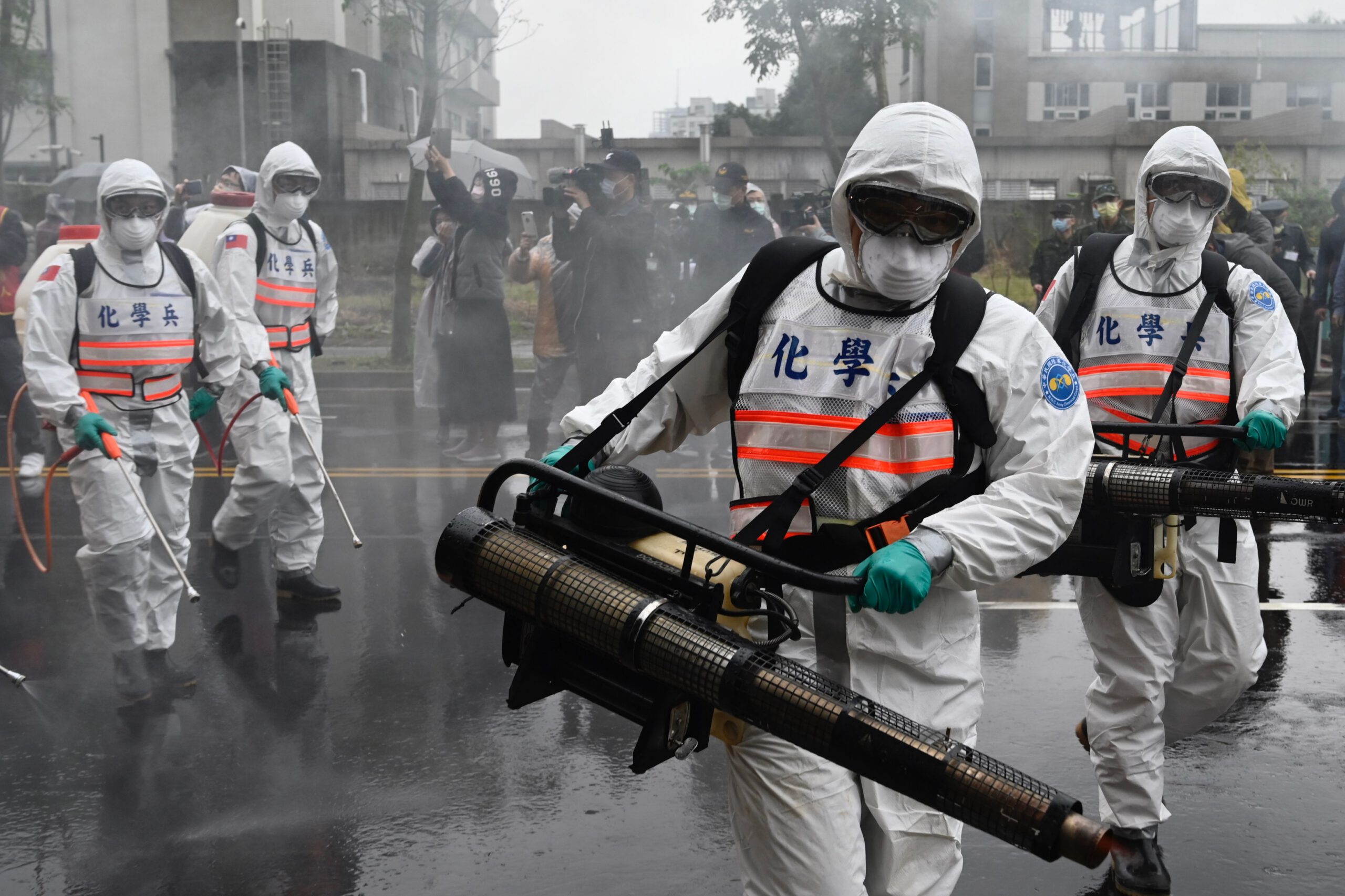
As the global number of confirmed COVID-19 cases surpasses 30 million, Taiwan has been one of the few success stories of containing the novel coronavirus. In what has become known as the “Taiwan Model” for managing the coronavirus outbreak, Taipei took early measures to control the spread of the coronavirus, including closing its borders to China and harnessing the power of digital technology to conduct efficient contact tracing and enforce mass quarantines. Taiwan notably was able to control the spread of the virus without resorting to a nation-wide lock-down, a path taken by China in the early months of 2020.
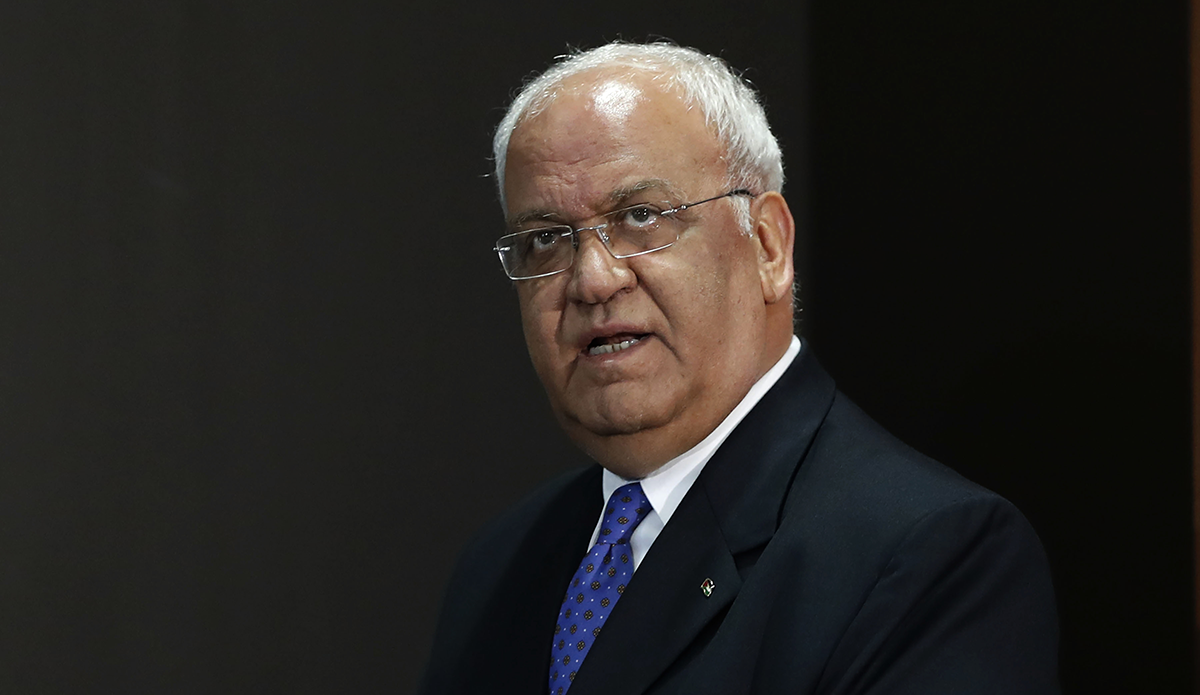
The passing of Palestinian chief negotiator Saeb Erakat is a tremendous loss, not only for his family but for the Palestinian people and all those who knew and worked with him as well. He was a tireless advocate for his people who dedicated his life to the goal of Palestinian freedom and the dream of Israeli-Palestinian peace.
Paul Salem and Randa Slim join host Alistair Taylor to discuss the US presidential election and what lies ahead for US policy in the region under Joseph Biden’s presidency.
Turning the Tide: How Turkey Won the War for Tripoli
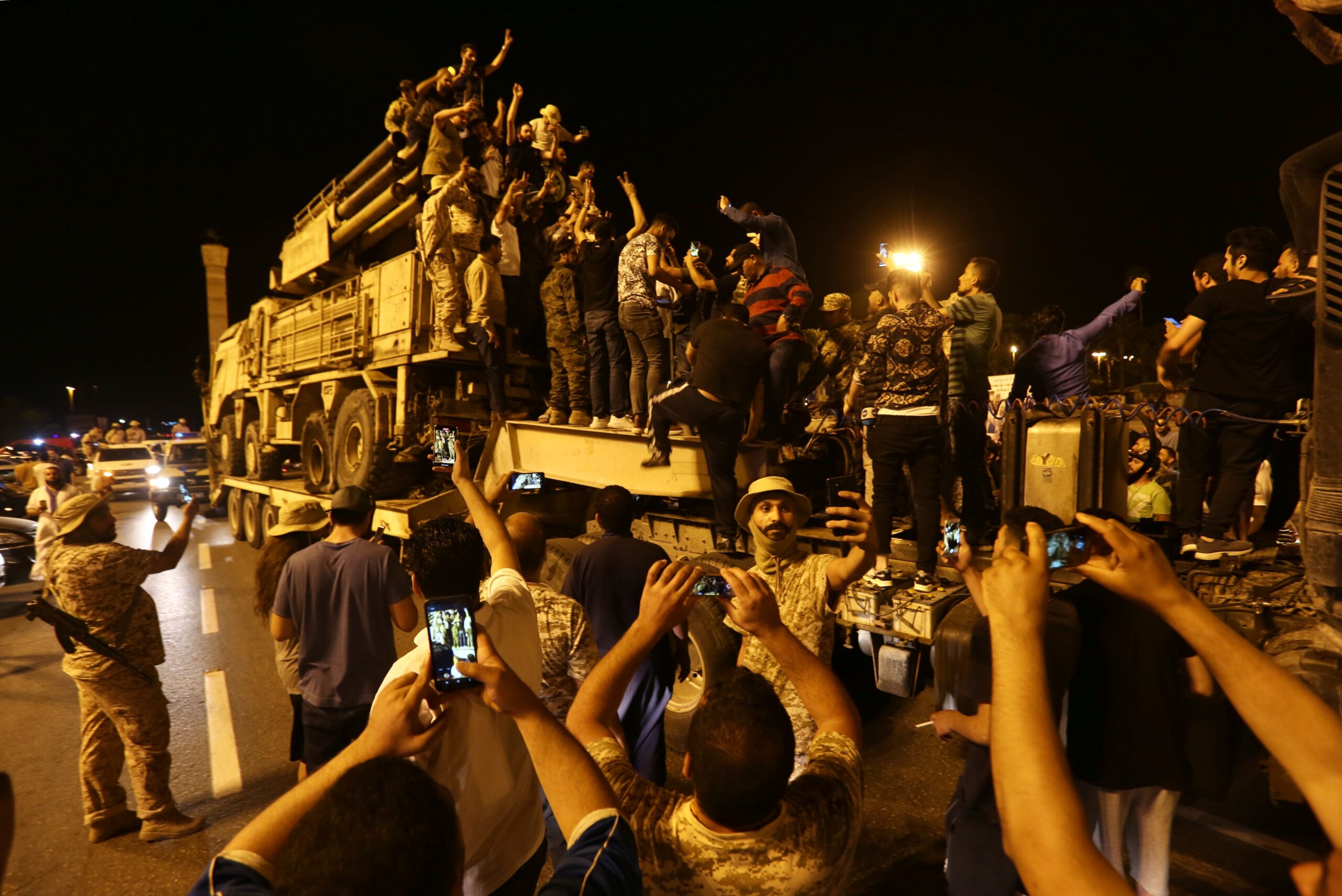
The War for Tripoli, launched by Gen. Khalifa Hifter in April 2019, came to an abrupt end in June 2020 after extensive Turkish military capabilities were introduced to the theater at the beginning of the year. This research paper seeks to drill down into the military, logistical, and technological aspects of the war, highlighting the unique role of drones, soft-kill and hard-kill air defense technologies, private military contractors, and extraterritorial military professionals in determining its final outcome.
Monday Briefing: The reverberations of the US election in the Middle East
This week’s briefing on recent news and upcoming events in the region featuring Paul Salem, Alex Vatanka, Gonul Tol, Gerald Feierstein, Randa Slim, Khaled Elgindy, Charles Lister, Mirette F. Mabrouk, and Marvin G. Weinbaum.
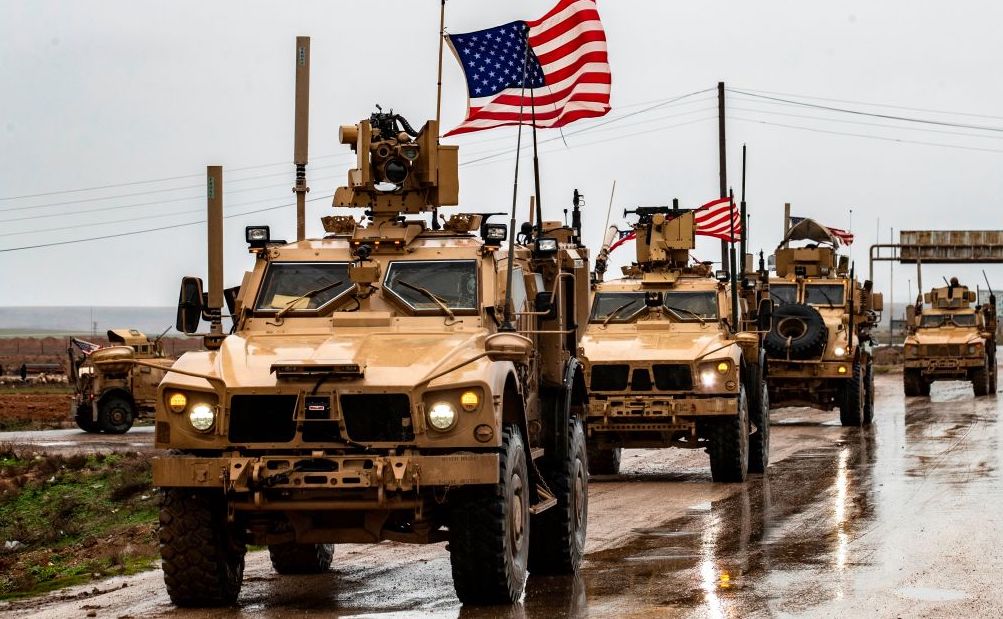
When a Biden administration begins to settle into its offices in just a few months, Syria’s crisis will have reached a dreadful milestone, marking a decade in March 2021. Though many of President Biden’s senior team presided over U.S. policy throughout Syria’s most deadly years of 2011-16, it is clear that the tragedy that has befallen Syria and its extraordinary global ramifications are a source of sincere regret. Moreover, after four years of the Trump administration, during which American leverage has been repeatedly and illogically spurned and U.S. credibility eroded by repeatedly embarrassing flip-flops, there is a newfound determination to correct today’s trajectory and work determinedly toward the core objectives of defeating ISIS and pursuing a negotiated Syrian settlement.
من المرجح أن يقتصر التغيير الرئيسي في سياسة بايدن الخارجية على إيران، بالرغم من أنه حتى في هذا الشأن، فإن استعادة الوضع السابق وإيجاد مسار أفضل للمضي قدمًا قد يكون أصعب مما نتصور.
حلقة 13: الولايات المتحدة في عهد بايدن داخليا وخارجياً — مع بول سالم
ربح بايدن، ولكن كيف كان أداء الجمهوريين والديمقراطيين في الانتخابات بناءً على المعطيات الحالية؟ ما هي السمات العامة المتوقعة لعهد بايدن؟ ما هي التحديات دخل الحزب الديمقراطي وبين الحزبين؟ وبالنسبة للسياسة تجاه الشرق الأوسط، ماذا يجب أن نتوقع بخصوص إيران، السعودية، الإمارات، قطر، مصر، سوريا، اليمن، لبنان، إسرائيل، والقضية الفلسطينية. حوار مع بول سالم لرسم المعالم الأساسية لإدارة بايدن.
Georgian Elections 2020: A strong mandate for democratization and Westernization
The Georgian Dream government managed the pandemic too well not to ensure a landslide. Georgia’s 2020 free and fair elections secure the country’s position as a regional beacon of democracy. Such well-deserved democratic progress shines bright in the context of democratic backsliding across Central and Eastern Europe. Georgia’s ruling party will face two major challenges over the next four years: first, a proportional electoral system which will institutionally strengthen the opposition, and second, the most difficult economic recovery it has seen in a decade of power.
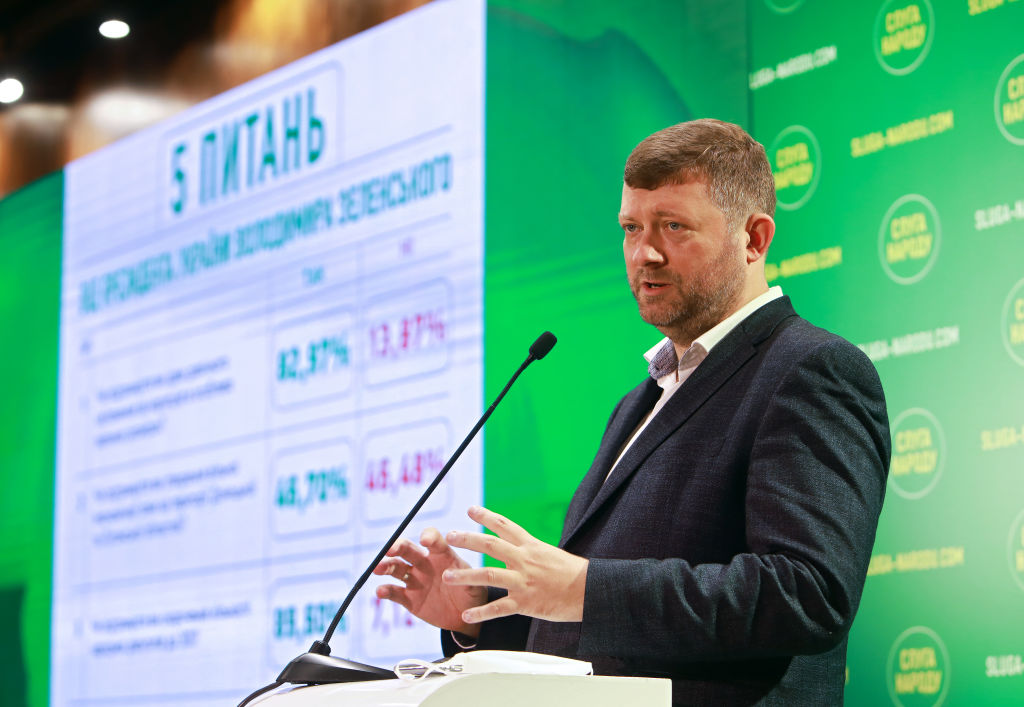
Ukrainians are pondering what their recent local elections mean for the future of their nation. While results varied across different regions, it’s clear most of the population has grown ambivalent and cynical about the political process, with their country is battered by economic hardship, invasion by Russia, a thus-far disappointing record of performance by the current President Volodymyr Zelenskiy, and now the disastrous effects of COVID-19.
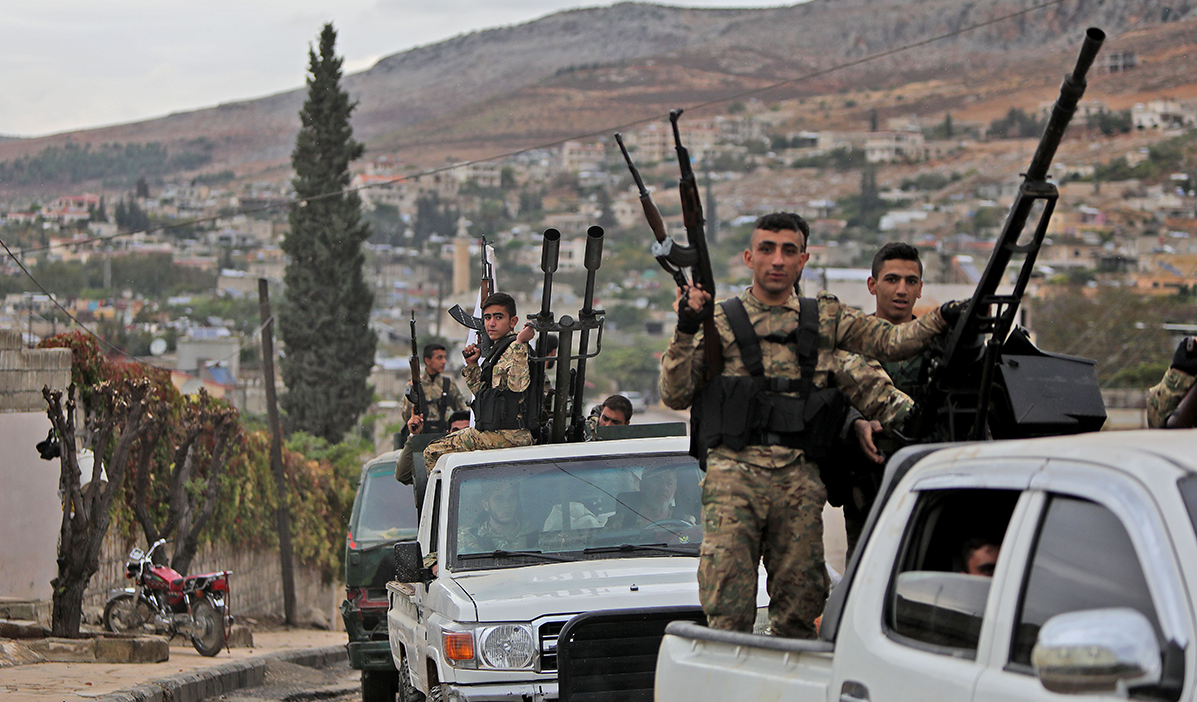
As the conflict in Nagorno-Karabakh rages between Armenia and Azerbaijan, Russia and Turkey once again find themselves on opposite sides in a regional geopolitical war. With the reverberations from the fighting now spreading across the region, the fate of Idlib could be tied to battles elsewhere as Moscow potentially seeks to open up another front against Ankara.
Kavkaz 2020: Russia’s latest military exercise highlights its strengths and limitations as a regional hegemon
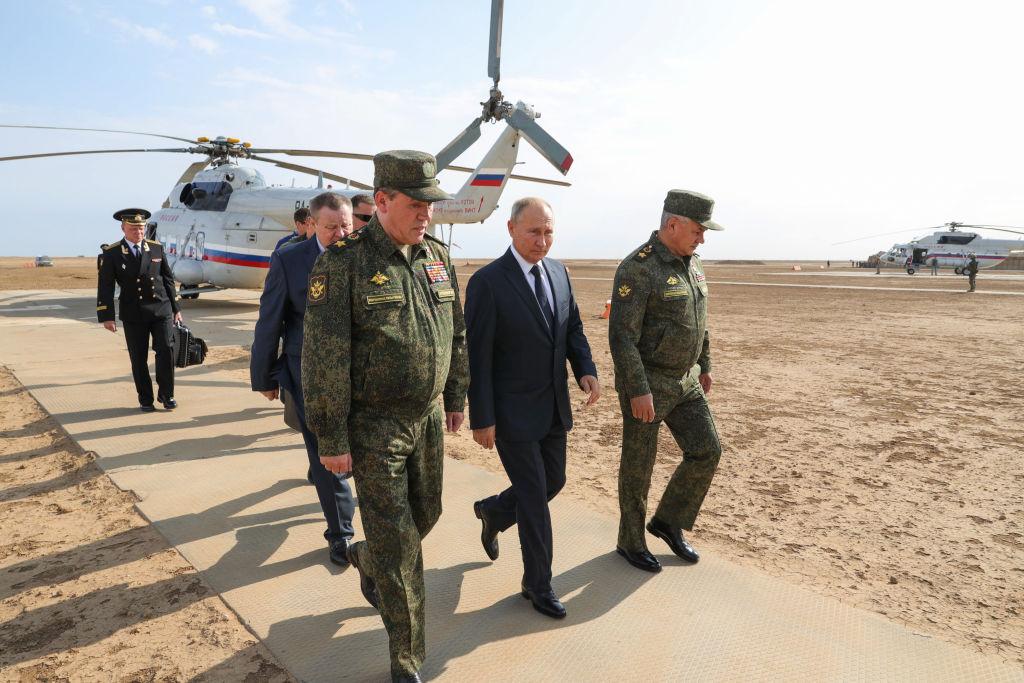
Kavkaz 2020, the latest in Russia’s series of major military exercises, demonstrated its burgeoning military capabilities on its southern flank. Several lessons for both the region and outside observers can be drawn from the exercise, but when juxtaposed with the subsequent flare-up of hostilities between Armenia and Azerbaijan, they emphasise not just Russia’s strengths but also its limitations.
The Significance of Ukraine's Maritime Industry for the Black Sea, and Beyond
While the geopolitical importance of the Black Sea is indisputable, more attention is needed to its separate actors. Ukraine, having had the largest territory of coastline in the Black Sea before the illegal annexation of Crimea, is ideally positioned to play a central role in the future of the region.