Fate of the Dragon in the Year of the Red Fire Monkey: China and the Middle East 2016
February 2016 marks the beginning of a new phase in the Chinese lunar calendar, drawing to a close a year marked by heightened risks and fortuitous gains in China’s efforts to secure its interests in the Middle East and North Africa (MENA) region. This essay addresses three questions: How well has China adapted to the conflict and instability that have swept the region? And as we enter the Year of the Red Fire Monkey, what are the concerns that are likely to preoccupy Chinese leaders? What, if any, policy adjustments by Beijing, can realistically be expected in light of the current circumstances and uncertain prospects for the region and for China itself?
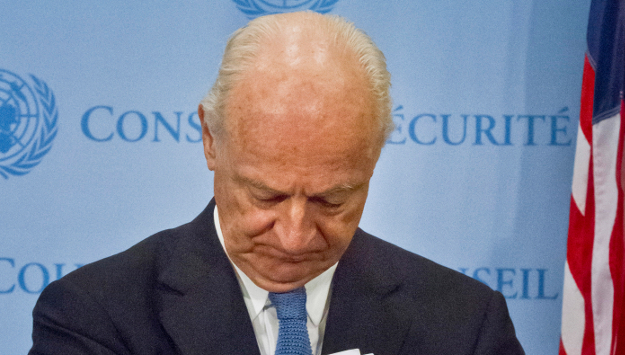
Geneva Talks Format Should be an Inclusive Roundtable
That the Syrian opposition took weeks to agree on a representative delegation hits at an essential problem with the Geneva process: its format. The Russian, American and U.N. architects of the process have retained a regime/opposition binary model that is no longer reflective of the multi-player conflict on the ground.
Outside Views on the U.S. Strategy for Iraq and Syria and the Evolution of Islamic Extremism
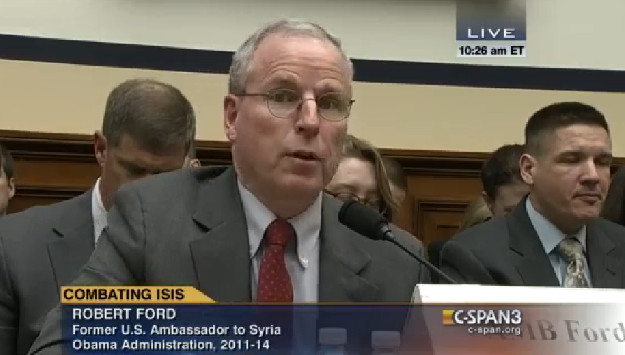
Amb. Robert Ford delivered the following prepared remarks at a hearing of the U.S. House Armed Services Committee on January 12, 2016. Click here to watch C-SPAN’s coverage of the hearing.
Mr. Chairman and members of the Committee,
It is an honor to be on this distinguished panel. Thank you for inviting me.
Why Pakistan Is the Biggest Winner in the Iranian-Saudi Dispute
Saudi Arabia is back, knocking on Pakistan’s door. Saudi Foreign Minister Adel al-Jubeir and King Salman bin Abdulaziz al-Saud’s son and deputy crown prince, Mohammad bin Salman, arrived separately in the early days of the new year to persuade Islamabad to join hands with Riyadh in confronting regional security threats. That is, the Saudis want Pakistan’s support against Iran.
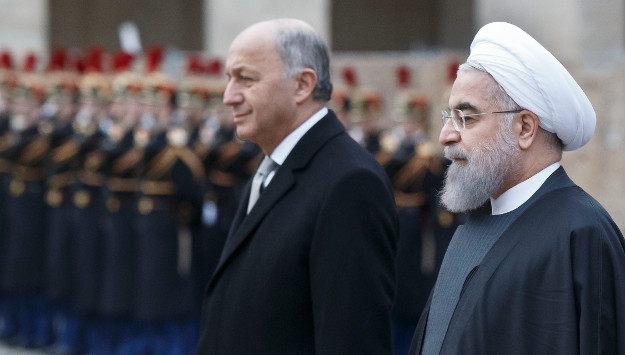
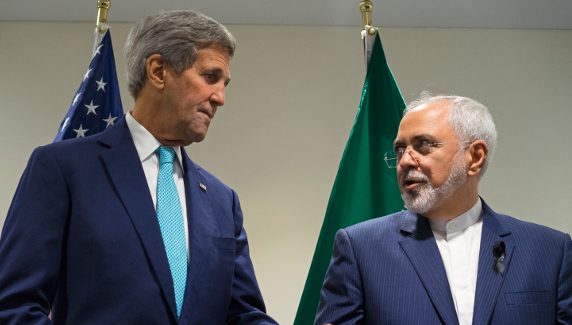
Less than two weeks after international sanctions were lifted, Iran is already cutting megadeals with Europe. The French automaker Peugeot-Citroen said Thursday it will return to Iran, while Iran appeared poised to buy at least 100 planes from Airbus.
Russia’s Military Campaign in Syria Contradicts Push for Geneva Compromise
On the eve of the third round of Syrian peace talks, it is becoming clear that the political track is far removed from the military trajectories on the ground. While diplomats scurry to draw up agendas for Geneva III, and opposition delegates argue over representation, the war in Syria continues on its own course seemingly oblivious to the murmurs around it.
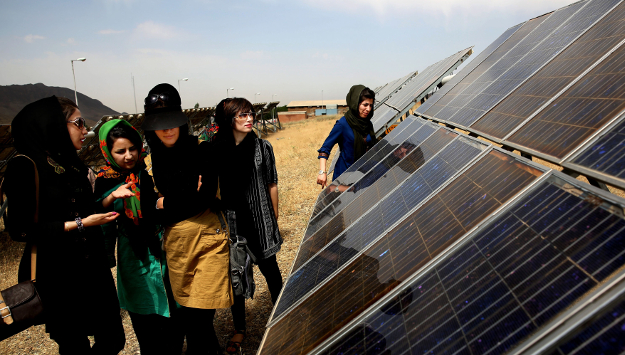
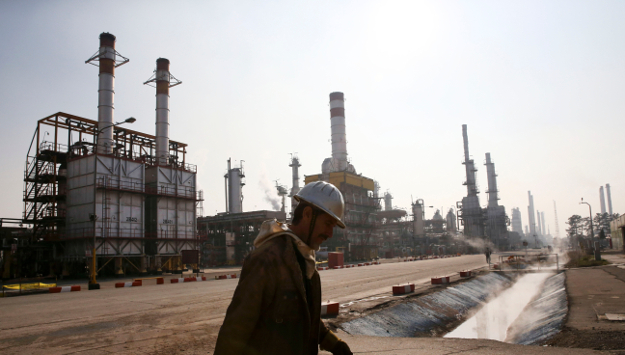
Boasting the fourth largest oil reserve and the second largest supply of natural gas in the world, Iran is a global hydrocarbons behemoth. Nevertheless, Iranian policymakers have shown great interest in renewable energy (R.E.) sources to improve energy security, reduce internal dependence on hydrocarbons, and meet its projected growth in electricity demand. The fulfillment of these objectives is not only realistic and desirable, but also probable for the Iranian government as it has an advantageous topography for renewables.
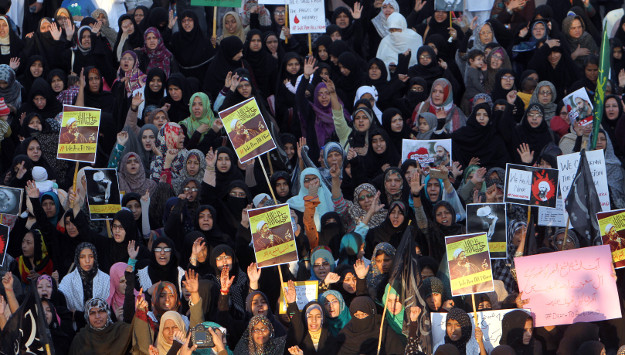
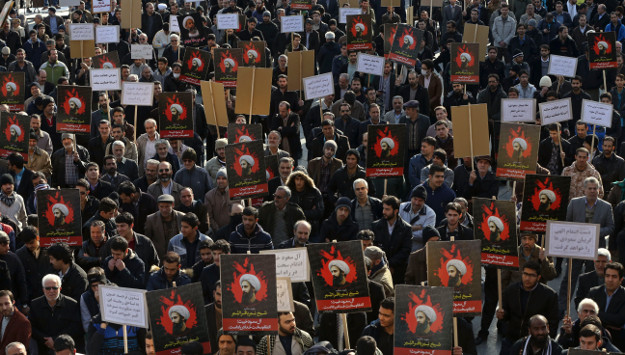
Saudi Arabia’s execution of prominent Shi’a cleric, Sheikh Nimr al-Nimr, is a gift in disguise to Iran’s hardliners seeking to undermine President Hassan Rouhani’s administration, and rally support ahead of key elections in February.
Although Saudi officials have insisted Iran is interfering in its internal affairs with its vociferous condemnation of the execution, Iranians, particularly the hardliners, saw the act as a direct provocation.
Decentralization and Ambiguities of Local Politics in Tehran
The prospect of establishing direct popular elections for mayors has precipitated a heated debate in Iran, resulting in divisions within the conservative and reformist factions and even a reversal of their roles. The debate surrounding the bill and the forces that render urban governance as political stem from the coupling of decentralization of governance with the arbitrary and despotic rule of mayors over urban matters. Decentralization in non-democratic settings has led to the reorientation of municipalities from merely managerial authorities to institutions that are both the field for, and the target of political struggles between elites and by citizens. Such localization of political life, especially in large cities such as Tehran, has the potential for making urban policy-making less opaque and bureaucratized as it has been under the Pahlavi Monarchy and the Islamic Republic.
Has Jordan Acquiesced to Assad Regime Offensive in Southern Syria?
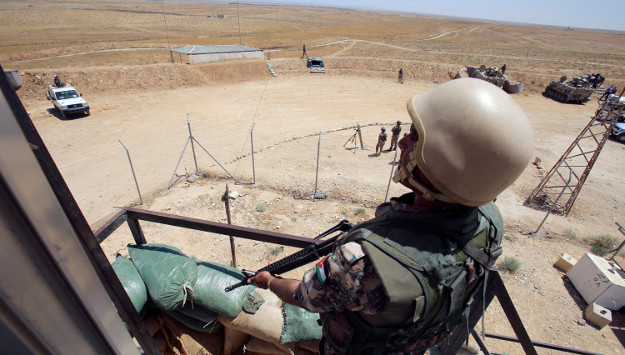
Jordan is yet to react publicly to a fresh land assault by Syrian regime forces, backed by Hezbollah and Iran’s Islamic Revolutionary Guard Corps fighters, against rebel-held towns in southern Syria.
Turkey Should Avoid Getting Involved in the Saudi-Iran Row
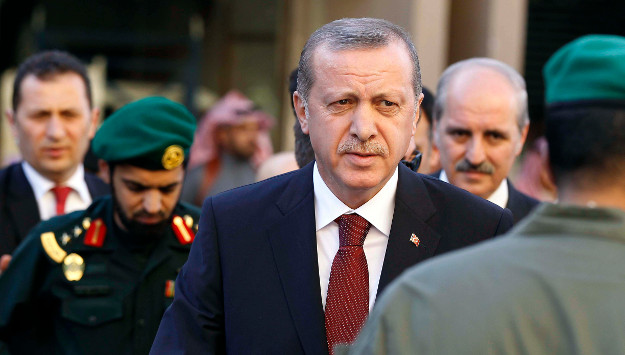
Turkey’s reaction to the latest spat between Saudi Arabia and Iran spells more trouble for Ankara at a time when it is already at loggerheads with many of its neighbors. Initial remarks by Deputy Prime Minister Numan Kurtulmus criticizing both sides were an attempt to keep Turkey out of the rift. He was upstaged, however, by Turkey’s foreign ministry, which followed up with a statement singling out Iran for condemnation.