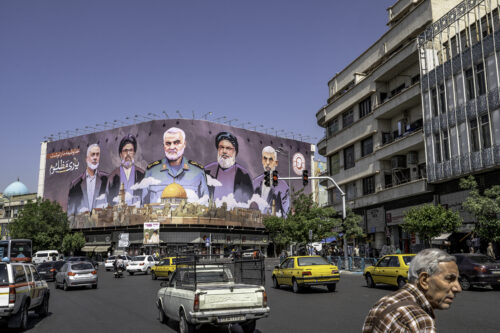
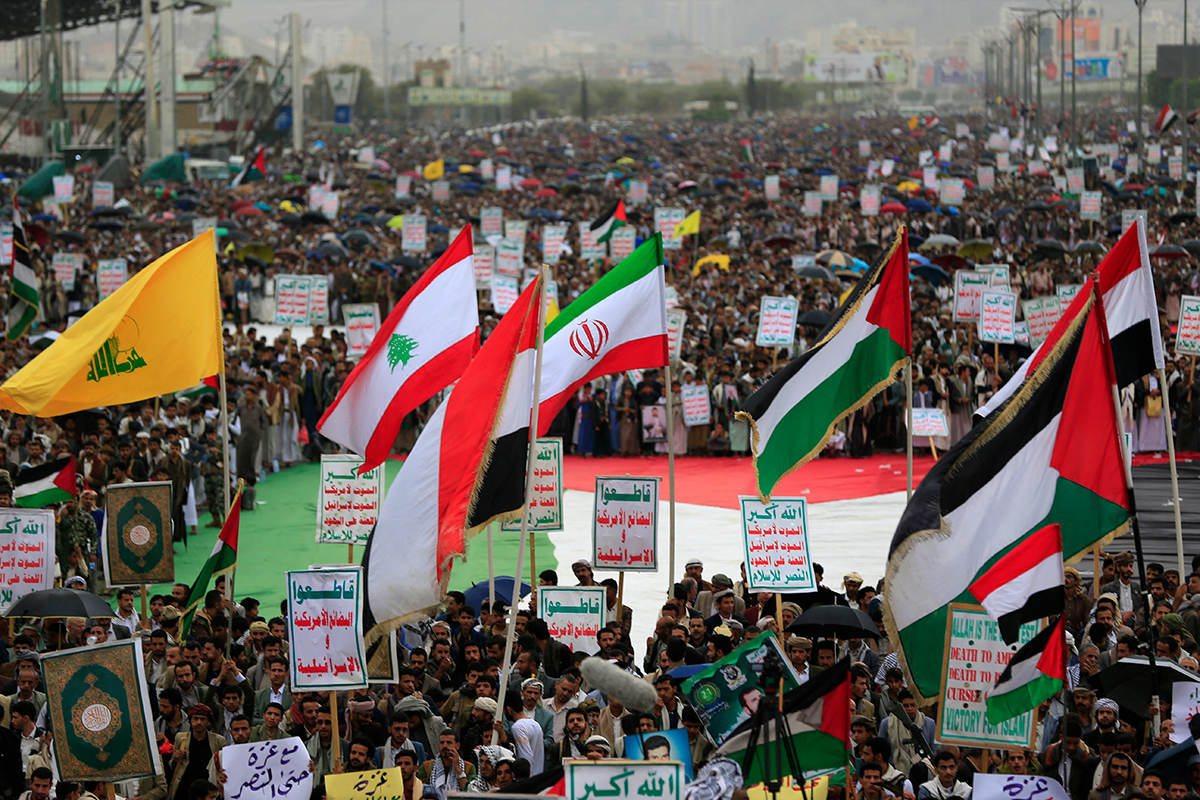
This backgrounder provides an overview of the Axis of Resistance, a loosely aligned network of armed groups and state actors led and supported by Iran to project its influence and military strength across the Middle East.
How Iraq’s vote will shape the next phase of US-Iran competition
For Iran, Iraq is strategic depth, political sanctuary, and economic lifeline all at once. The results of the November 11 Iraqi elections will decide who in Baghdad controls the budgetary levers, internal security appointments, and committees that could codify, or constrain, Iraq’s Iran-backed militias.
From Ballots to Bargains: The Struggle for Iraqi Democracy
Iraqis have just gone to the polls in a pivotal parliamentary election that could redefine the country’s political trajectory. What do the results tell us about the state of Iraqi democracy? What happens next? And is there still space for meaningful democratic reform?
Trump’s big week in the Middle East weighed down by troubles on other fronts
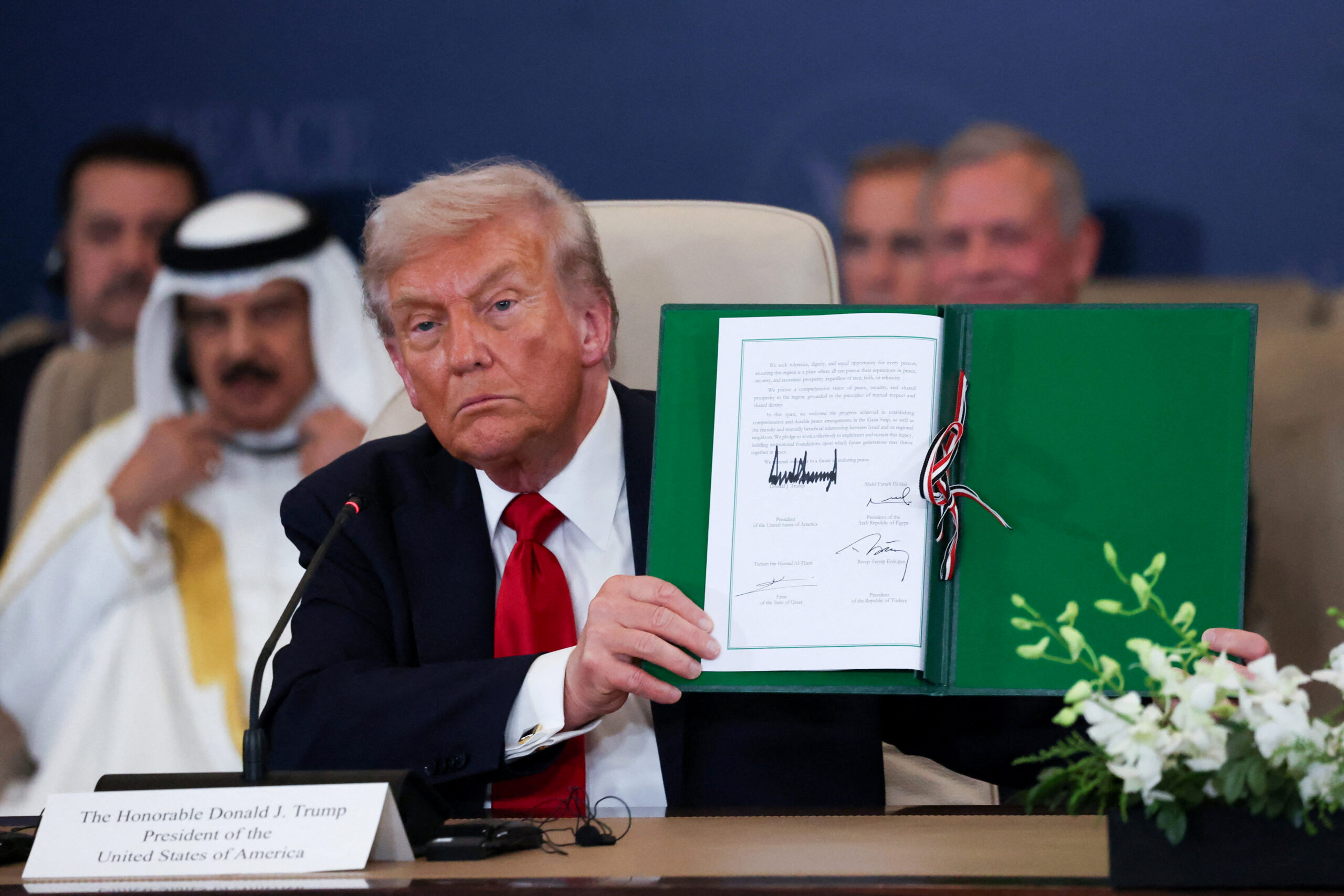
US President Donald Trump started off his week by flying to Israel and Egypt to mark the Gaza cease-fire and release of the last remaining Israeli hostages. But as these positive developments unfolded in the Middle East, the Trump administration’s overall agenda remained weighed down on other fronts.
Water and Power: Egypt, Sudan, and Ethiopia at Odds Over Africa’s Largest Dam
In this episode of Middle East Focus, hosts Alistair Taylor and Matthew Czekaj are joined by MEI Senior Fellow Mirette F. Mabrouk to unpack the growing tensions over the recently inaugurated Grand Ethiopian Renaissance Dam (GERD) on the Nile.
The long-awaited IMF staff report review of Egypt’s $8 billion loan agreement provides a thorough and unvarnished look at the current state of the economy. The report highlights potential opportunities for the country — but only if it first tackles overdue structural reforms.
Egypt and Gaza: Conflict, Crisis, and the Path to a Ceasefire
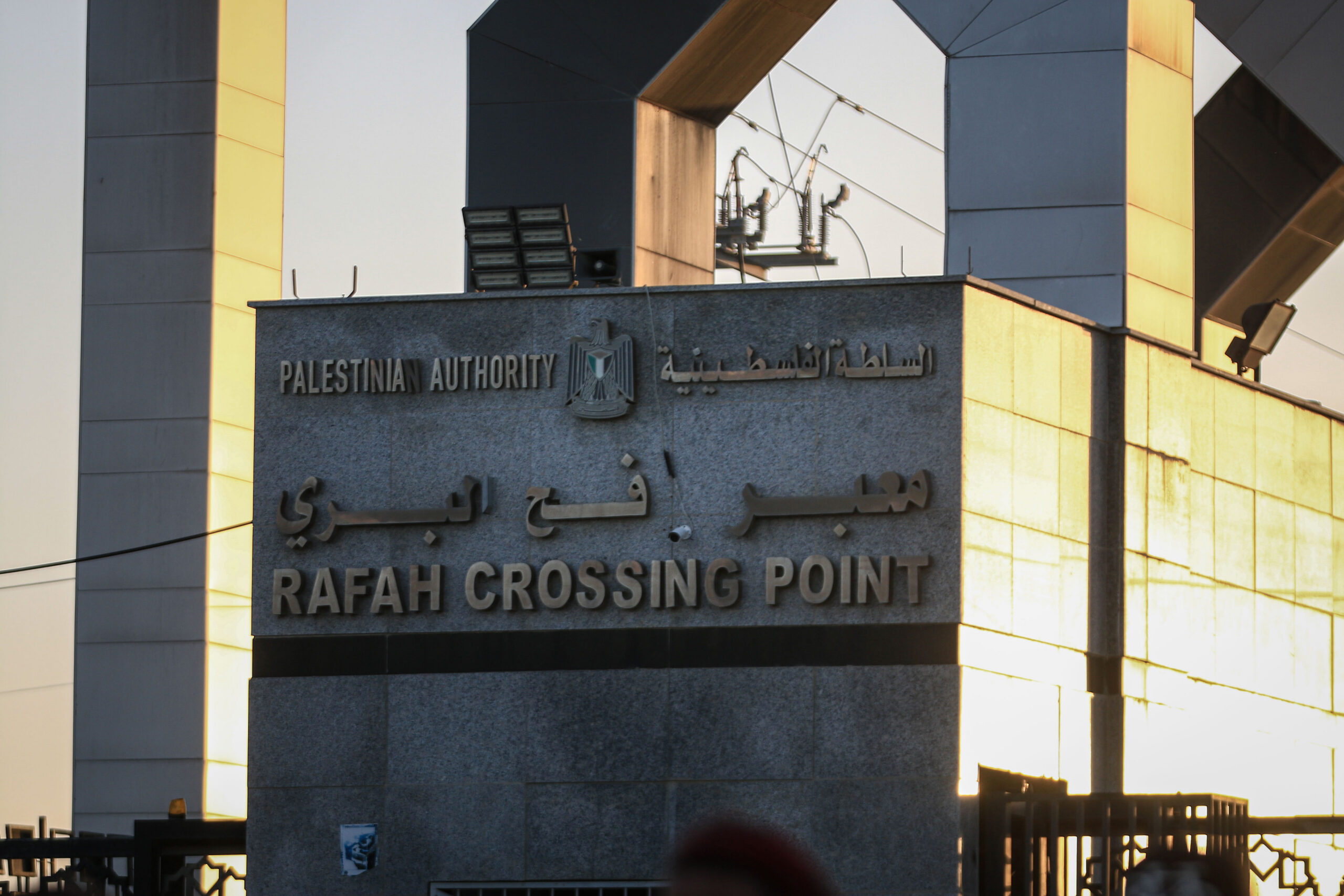
With the dire humanitarian crisis in Gaza in the global spotlight, Egypt faces mounting pressure both at home and abroad. In this episode of Middle East Focus, hosts Alistair Taylor and Matthew Czekaj speak with MEI Senior Fellow Mirette Mabrouk about how Cairo is handling the crisis in the neighboring coastal strip. What are the Egyptian government’s main concerns as conditions there continue to deteriorate? How is Egypt responding to domestic outrage and changing international dynamics?
As the dog days of August approach, we are pleased to share a curated summer reading list featuring some of VP for Policy Ken Pollack’s favorite books on the region. Covering a variety of timely and engaging topics, the list offers recommendations for anyone interested in deepening their understanding of the Middle East.
Inflection point or continuing spiral in the Middle East?
After almost two years of fighting in Gaza, and after the decimation of Hizballah, the fall of Bashar al-Assad’s regime in Syria, and the 12-day Israeli-American war on Iran, the Middle East is in new strategic and political territory. Two pathways lie ahead: the first is one in which the gains and changes brought about by war are turned, through intense diplomacy and negotiation, into new international and political arrangements that bring about a period of security and stability in the region; the second is one in which that corner is not turned, and the wars in Gaza, Iran, and potentially Yemen, Syria, and Lebanon, continue indefinitely. The trajectory will depend on the choices of key actors — above all Iran, Israel, and the United States.
Egypt and Saudi Arabia: Any good relationship needs work
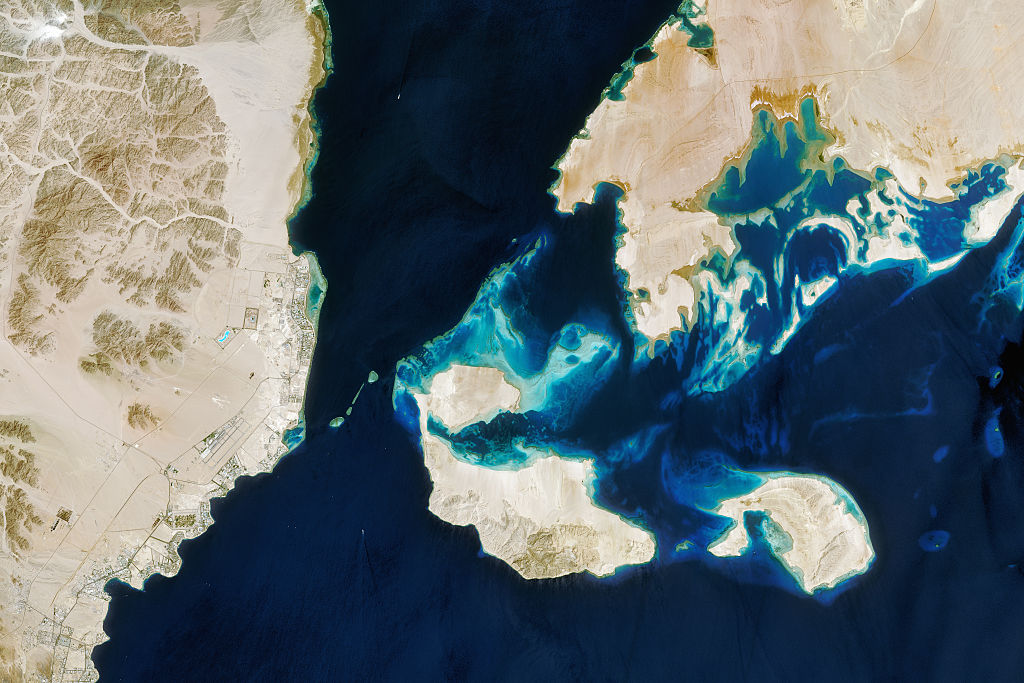
Egypt and Saudi Arabia share many foreign policy and regional security objectives and have a long and complicated relationship. Recent events in the Middle East have strengthened that relationship, even as they continue to negotiate difficult bilateral issues, like the long-running dispute over control of the islands of Tiran and Sanafir.
The Gulf’s water crisis: Why cooperation is crucial — and complicated
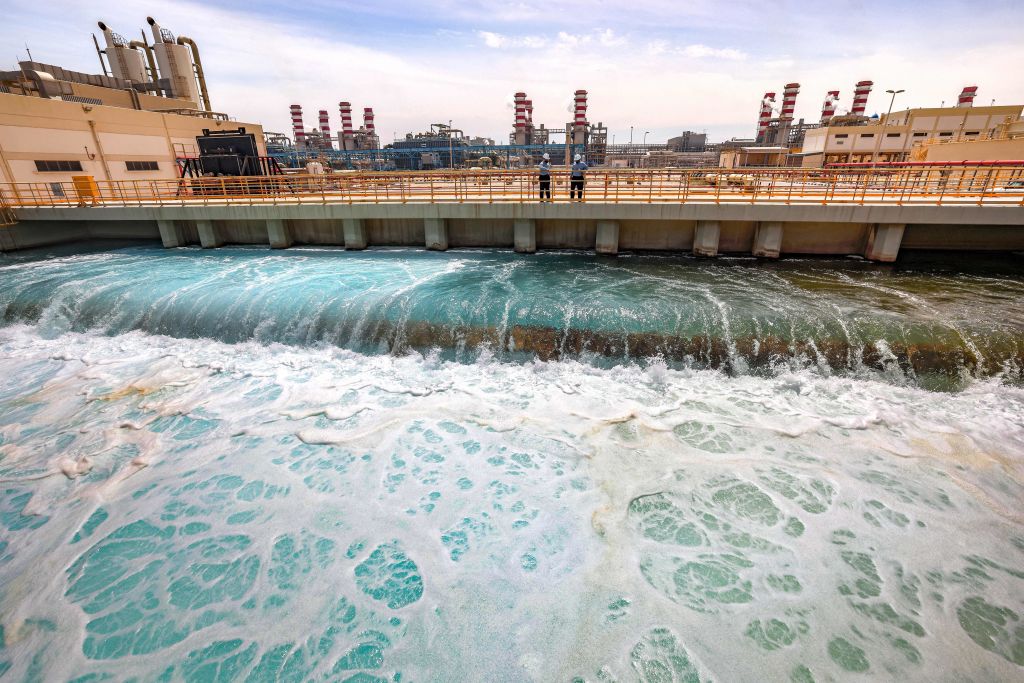
On June 19, false reports of an Israeli strike on Iran’s Bushehr nuclear plant sparked alarm across the Gulf. Though denied by Israeli officials, the claim traces back to a warning from Qatar’s prime minister of a potential catastrophe in the event of nuclear contamination — no water, no food, no life — due to the Gulf’s reliance on desalinated seawater. Gulf governments moved quickly to reassure the public that no radiation had been detected, but the episode underscored the region’s growing sense of vulnerability. A regional approach to water security could help to mitigate such risks.
Iraq tries to assert state authority during crisis
The Iraqi government has long navigated a path between maintaining political ties with its Iranian neighbor and Tehran’s allies inside Iraq on the one hand, and preserving its security relationship with the United States on the other. Unsurprisingly, it quickly welcomed US President Donald Trump’s June 23 Israel-Iran cease-fire agreement.
Two Years of War in Sudan and the Elusive Path to Peace
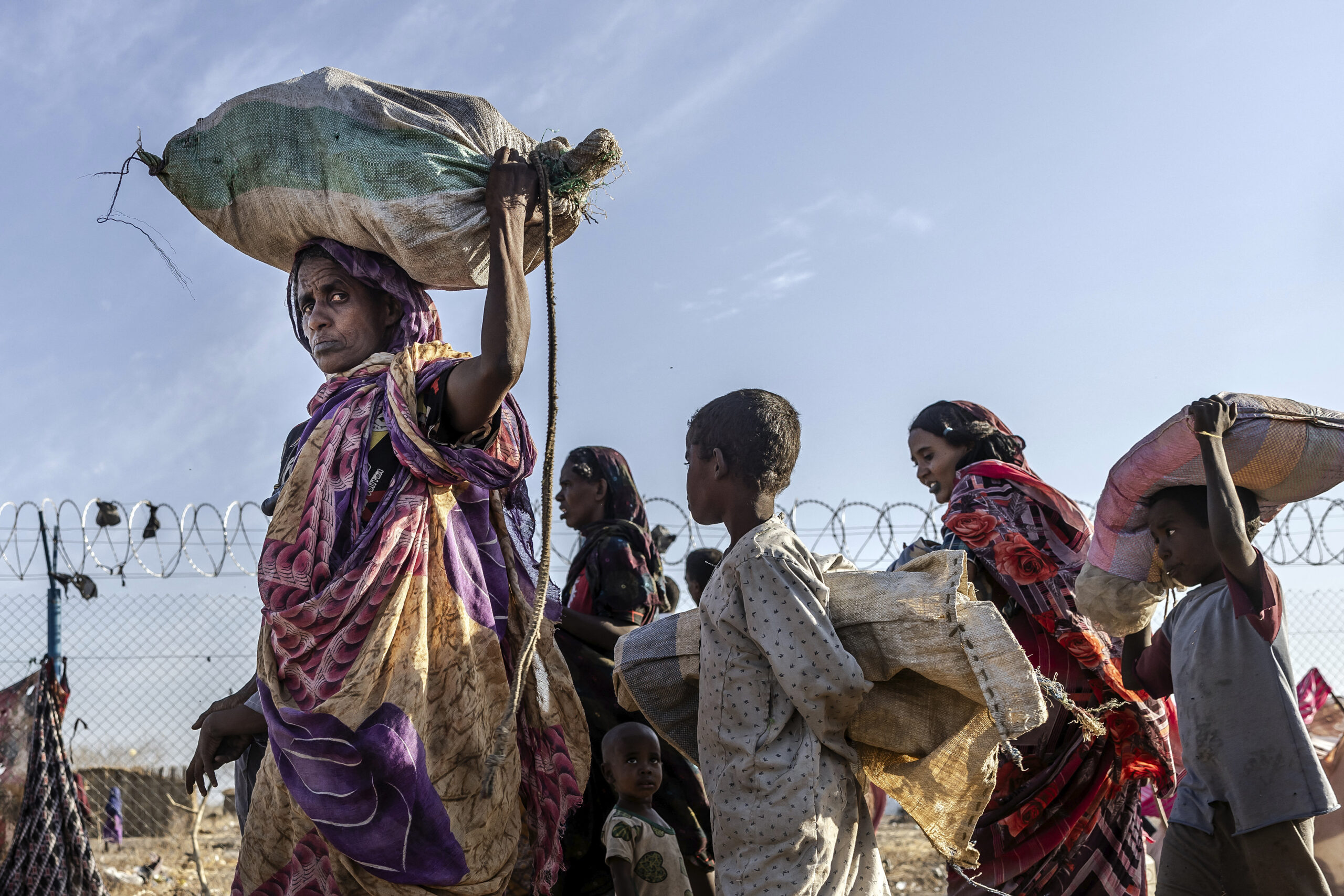
As Sudan’s civil war enters its third year, the humanitarian catastrophe continues to spiral, with more than 12.7 million people displaced and little hope of resolution in sight.
Jehanne Henry, MEI Associate Fellow and former Africa Director at Human Rights Watch, joins hosts Alistair Taylor and Matthew Czekaj to assess the latest developments on the ground. She outlines the scale of devastation, the regional spillover effects, and the war economy fueling the fighting.
Two years on, Sudan’s war seems further than ever from resolution. Can US involvement help peace efforts?
Two years on, the war between the Sudanese Armed Forces and the paramilitary Rapid Support Forces has created the world’s largest humanitarian crisis and wrought terrible destruction.
Pressuring Egypt over Gaza will not work and is not in the US interest
Almost immediately after the start of the conflict in Gaza, Israeli Prime Minister Benjamin Netanyahu and his governing coalition began a concerted effort to persuade first the European Union and then the United States to pressure Egypt to accept Palestinian refugees. Egypt refused and continues to do so. Capitulating is not in Cairo’s national interest and bullying it will only backfire.