The Turkey-Pakistan entente: Muslim middle powers align in Eurasia
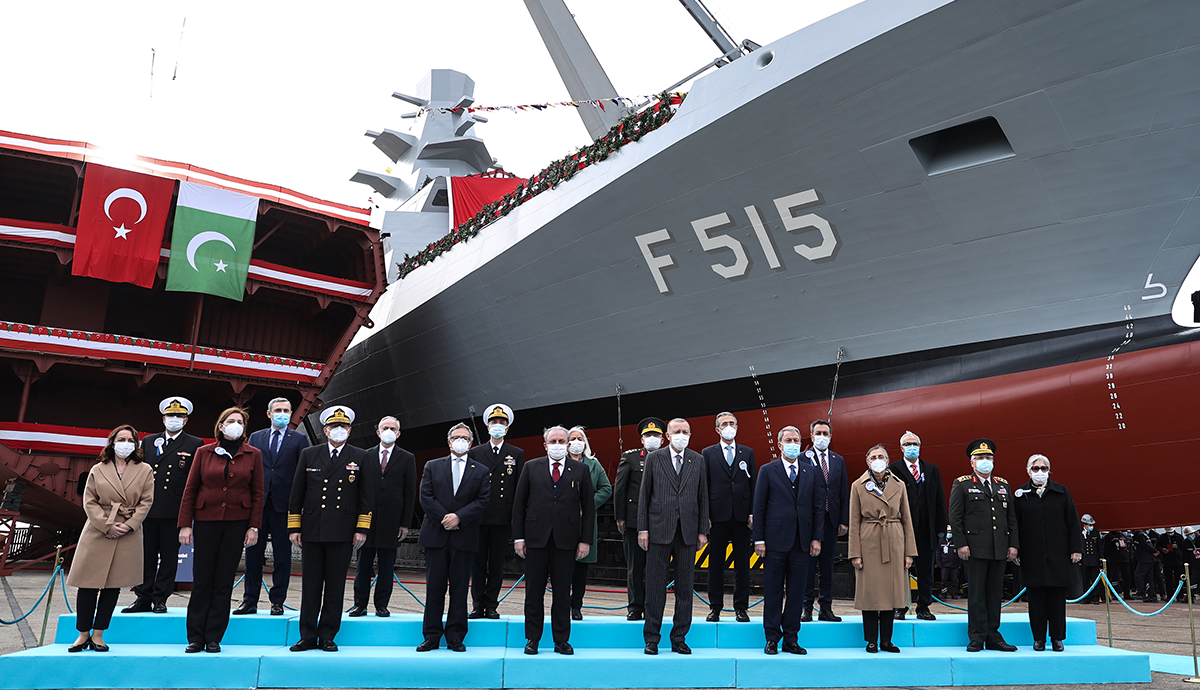
In the 1950s, at the onset of the Cold War, Pakistan and Turkey were part of the Central Treaty Organization or CENTO, a pro-Western bloc of Muslim-majority states. Today, the two countries — both with troubled relations with the United States — are Muslim middle powers with a growing entente in a multipolar Eurasia. In recent years, cooperation between Pakistan and Turkey has strengthened not just in the defense, diplomatic, and economic realms, but also in the cultural space, causing geopolitical ripple effects in the Himalayas, the Arabian Peninsula, and the South Caucasus.
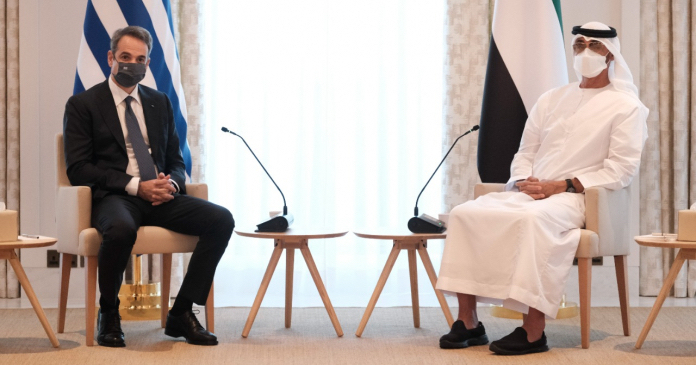
In mid-January the press reported that the United Arab Emirates (UAE) will soon participate in a joint military exercise with the United States, Canada, Slovakia, Spain, Cyprus, and Israel. While Israel’s inclusion is certainly newsworthy, it is also quite significant that the drill will take place in and be coordinated by Greece. This is just the latest step in a long process of engagement between Athens and Abu Dhabi.
At least they’re talking: Turkey and Greece resume negotiations, but don’t hold your breath on a breakthrough
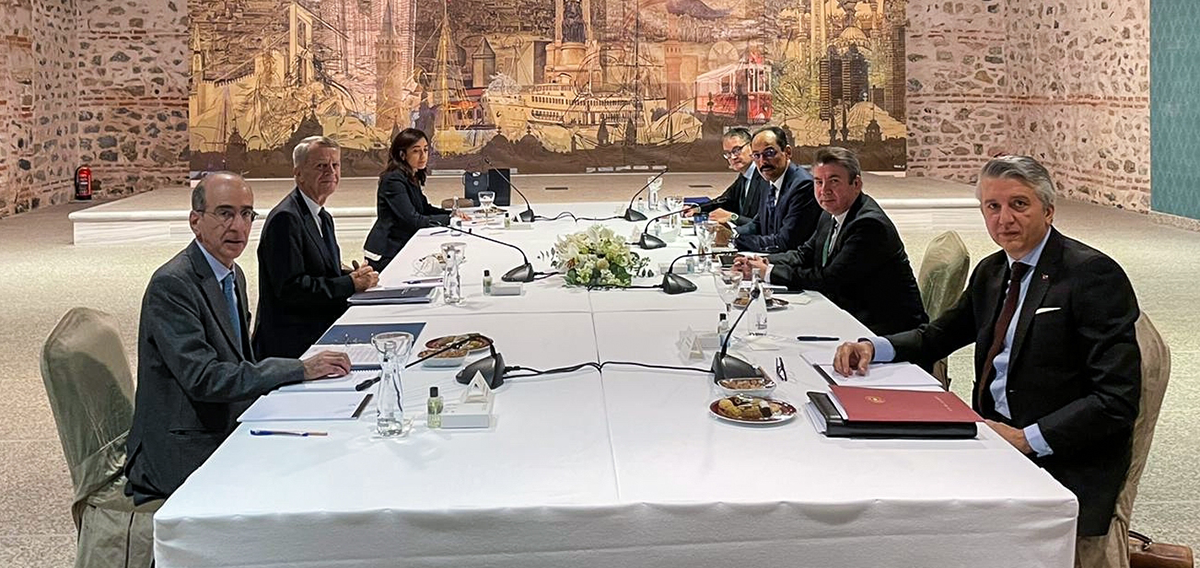
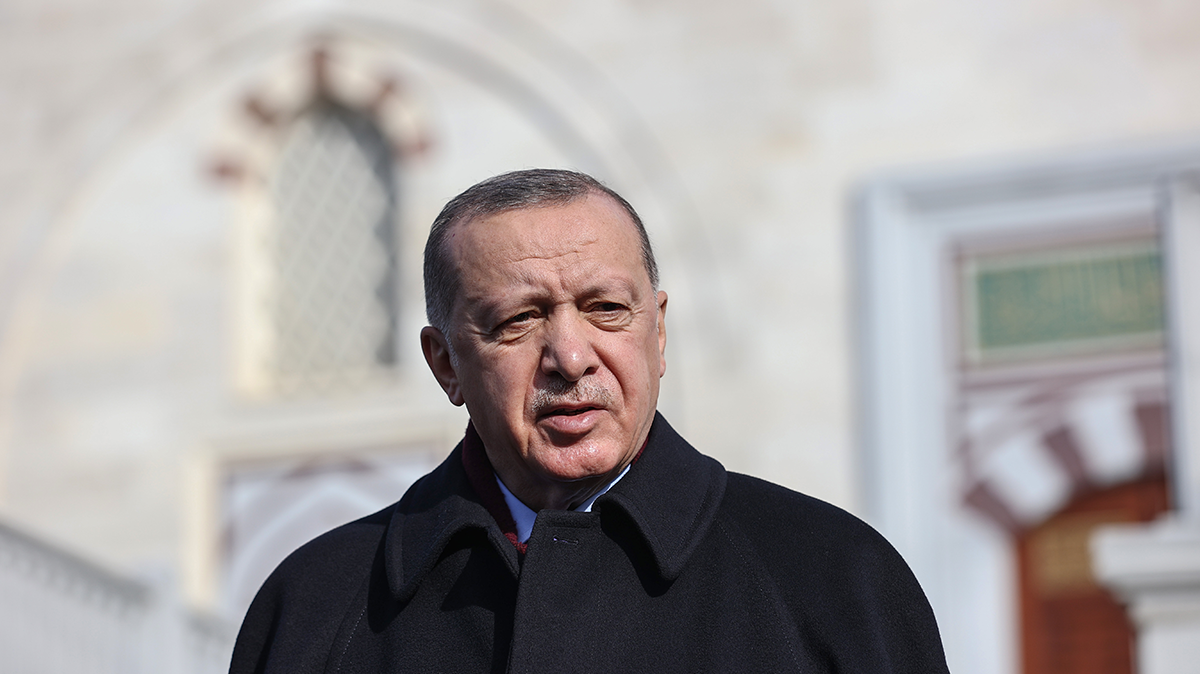
Turkey’s efforts to strike a different tone were apparent on Jan. 25 in Istanbul, when Greek and Turkish officials resumed talks after a five-year gap to calm tensions in the Aegean and Mediterranean. The fact that the parties met is welcome news after the two came to the brink of war recently over offshore energy exploitation rights, but no one expected a breakthrough. The tensions between the two countries have a long history and the issues dividing Athens and Ankara are too deep to bridge.
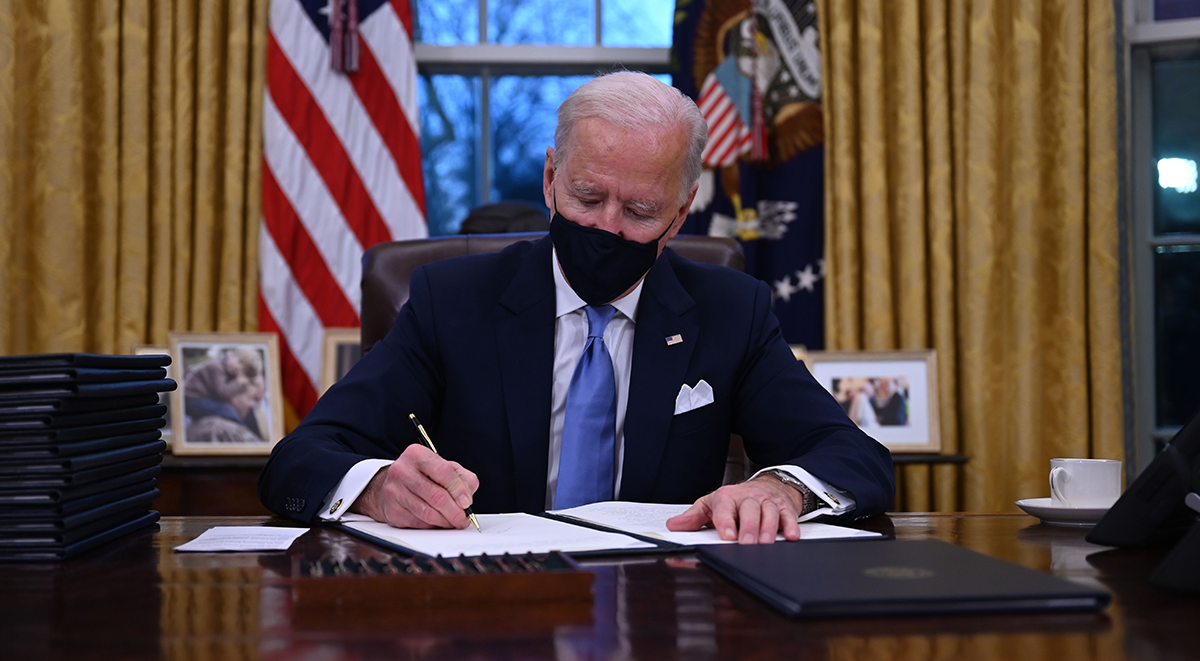
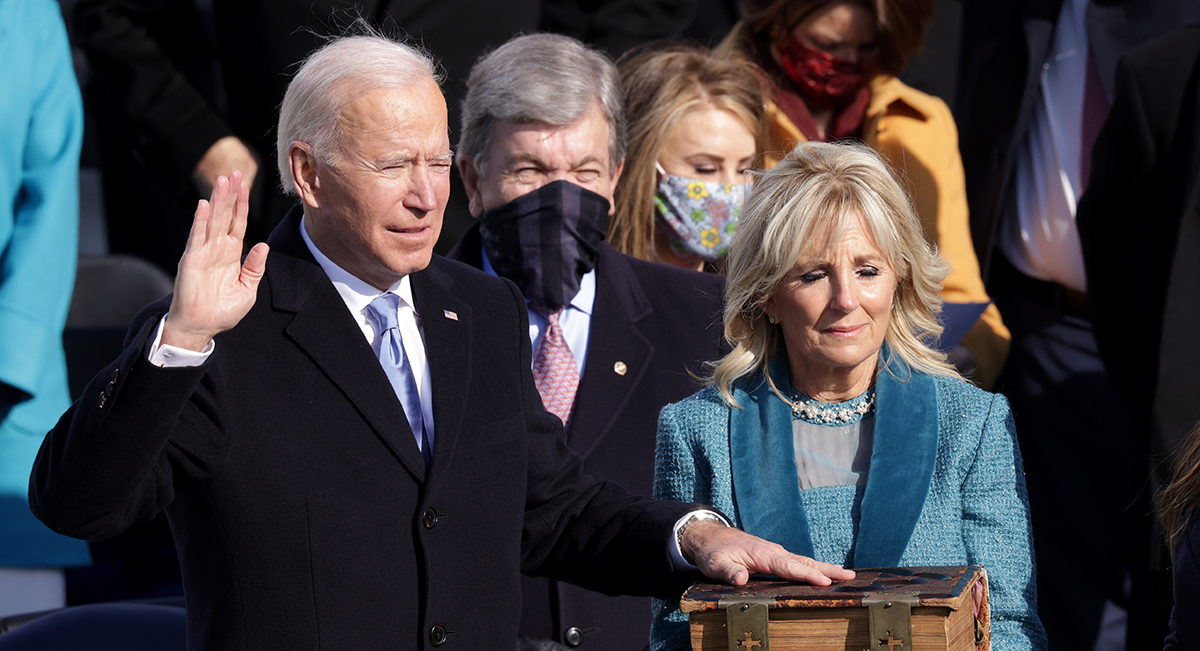
The Biden administration and the Middle East: Regional perspectives on the first 200 days
As the Biden administration takes office, it faces a host of challenges, both at home and abroad. Where does the Middle East fit into all of this and what should the new administration prioritize in its first 200 days? In the second part of a two-part series, we asked experts and scholars from across the region to weigh in with their thoughts.
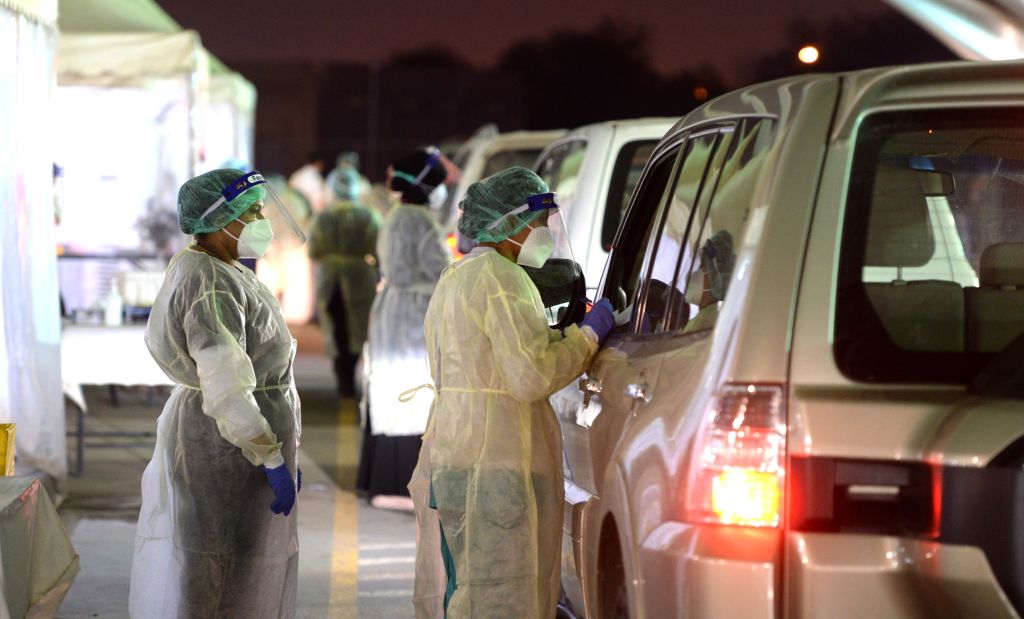
The Middle East is in turmoil, with civil wars raging in Syria, Iraq, Yemen, and Libya. COVID-19 is now an additional factor on top of the violence and monumental international support tasks, all of which require a sustained commitment. The effects of the deadly COVID-19 pandemic highlight the need for more robust international stabilization efforts to achieve long-term peace and self-sufficiency in the Middle East.
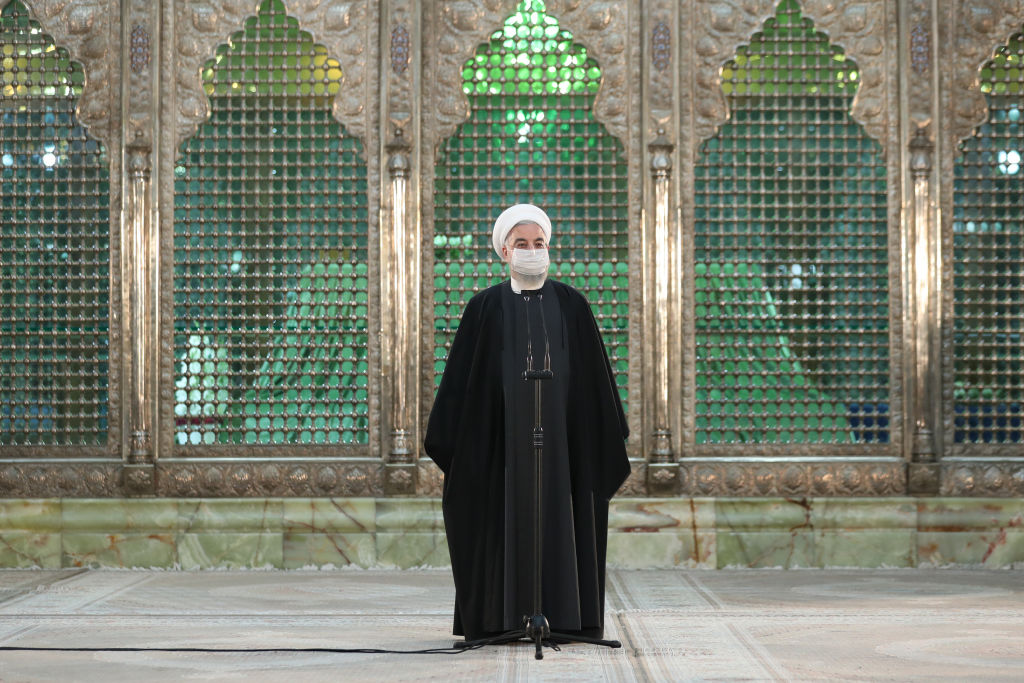
MEI experts Gerald Feierstein, Alex Vatanka, Gonul Tol, and Charles Lister join host Alistair Taylor to survey what lies ahead for the region in the year ahead, with particular attention to Yemen, Iran, Turkey, and Syria.
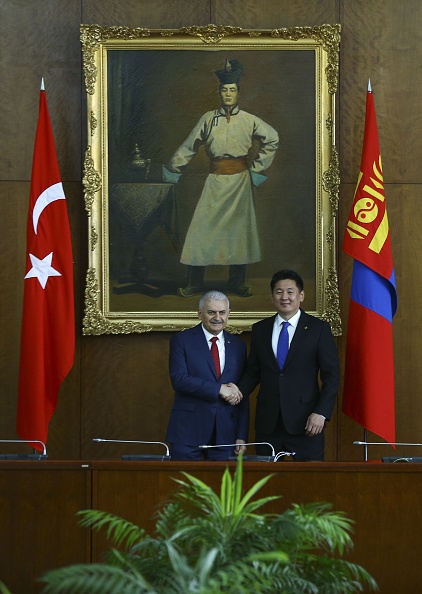
Turkey and Mongolia — unlikely partners? Mongolia’s outreach to Turkey as a potential “third neighbor” has converged with the reorientation of Ankara’s efforts under the Islamist Justice and Development (AK) Party to expand trade links and enhanced relations with countries that were either part of the former Ottoman Empire or have shared ethnic background or cultural histories.
Turkey lies at the crossroads of Europe and Asia. Fueled by a dynamic economy, Turkey has emerged in recent years as an important geopolitical actor not just within the surrounding region but in the global arena as well. Turkey’s foreign and economic policy horizons today extend to the Far East. These essays explore the development of cultural, political, and economic links between Turkey and Asia.
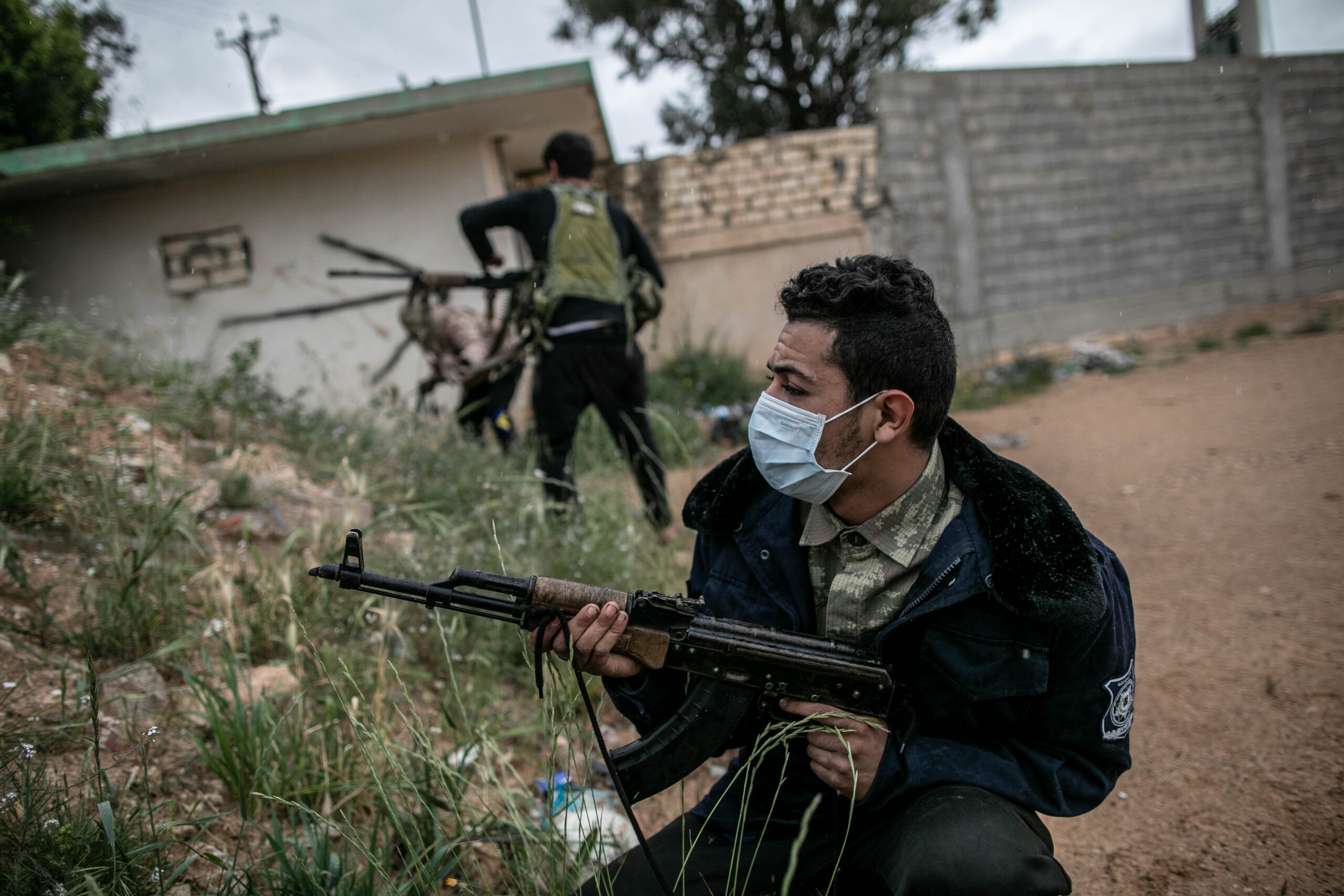
China’s Libya Policy and the BRI: Sights Set on the Future
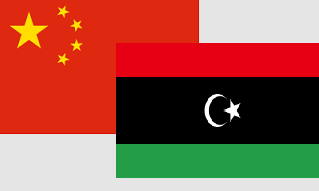
The political turmoil that has plagued the region since the Arab Spring uprisings in 2011, most notably the ongoing conflict in Libya, has made it difficult for China to realize its aim of incorporating the Maghreb into the BRI framework. This article discusses China’s efforts to protect and promote its economic interests in Libya, thereby advancing its prospects for extending the BRI to the region.
A look back at the year’s most important developments with analysis from Paul Salem, Alex Vatanka, Randa Slim, Gerald Feierstein, Gonul Tol, Jonathan M. Winer, Khaled Elgindy, Marvin G. Weinbaum, Mirette F. Mabrouk, Grace Wermenbol, Syed Mohammad Ali, Robert S. Ford, and Khaldoun Khelil.
Artists Asim Ahmed, Reem Aljeally, and Jamila Rizgalla join guest host Lyne Sneige to discuss the challenges facing artists across the region during the global pandemic. Their works are featured in MEI’s first ever open call exhibition, titled “Art in Isolation: Creativity in the Time of Covid-19,” which is on display at the MEI Art Gallery until January 29. The pieces can also be viewed and are for sale online.