Turkey, the Gulf, and Libya: The economic impact of a growing geopolitical divide
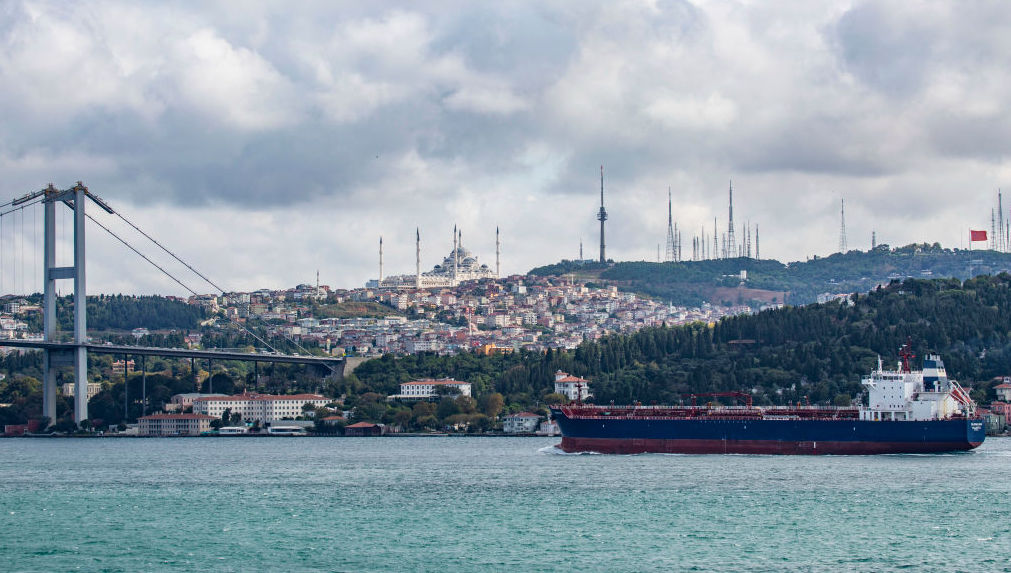
Turkish support for the Tripoli-based Government of National Accord (GNA) in the Libyan civil war has added a new dimension to relations between Turkey and Gulf countries like the United Arab Emirates (UAE) and Saudi Arabia. But what impact have the growing geopolitical divides and diplomatic disagreements had on Turkish-Emirati and Turkish-Saudi economic relations?
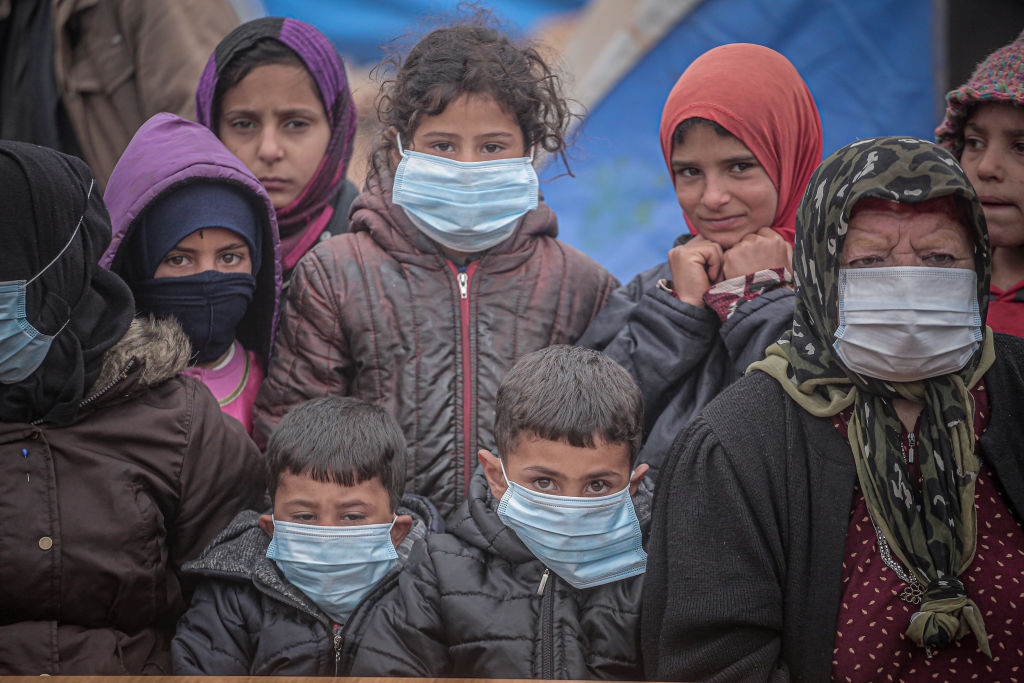
Syrians respond to COVID-19 with renewed volunteer and community efforts
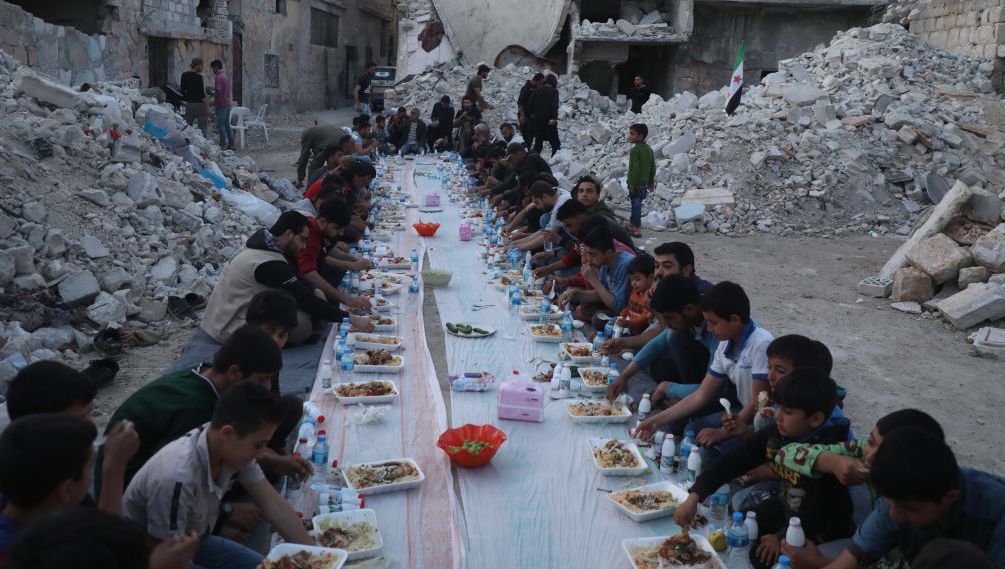
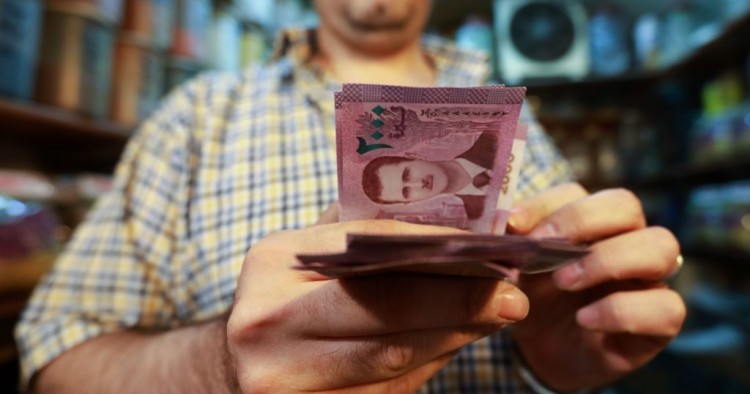
With an economy already on the brink of collapse and a shocking devaluation of the Syrian pound — hitting 3,175 pounds to the dollar earlier this month — the COVID-19 pandemic has come at an exceptionally dangerous time in Syria.
Dancing during the pandemic: Despite restrictions, music and dance retain a central role in Iranian society
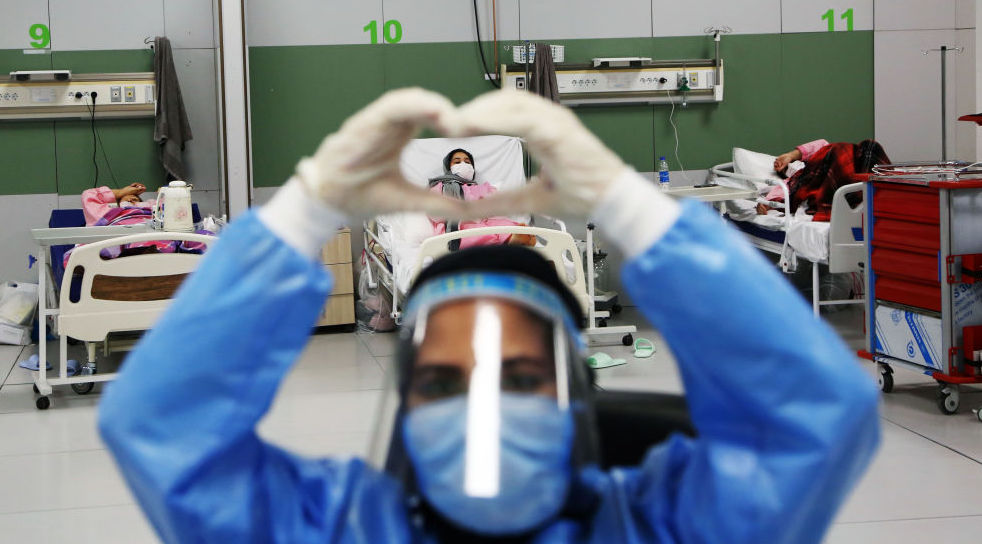
Since the outbreak of the COVID-19 pandemic, music and dance have become increasingly common in Iran’s hospitals and on its streets. Long disallowed in public after the Islamic revolution of 1979, they have become both a source of support for Iranians during difficult times and a way of resisting the regime.
Nation or Religion? Iraq’s Hybrid Identity Politics
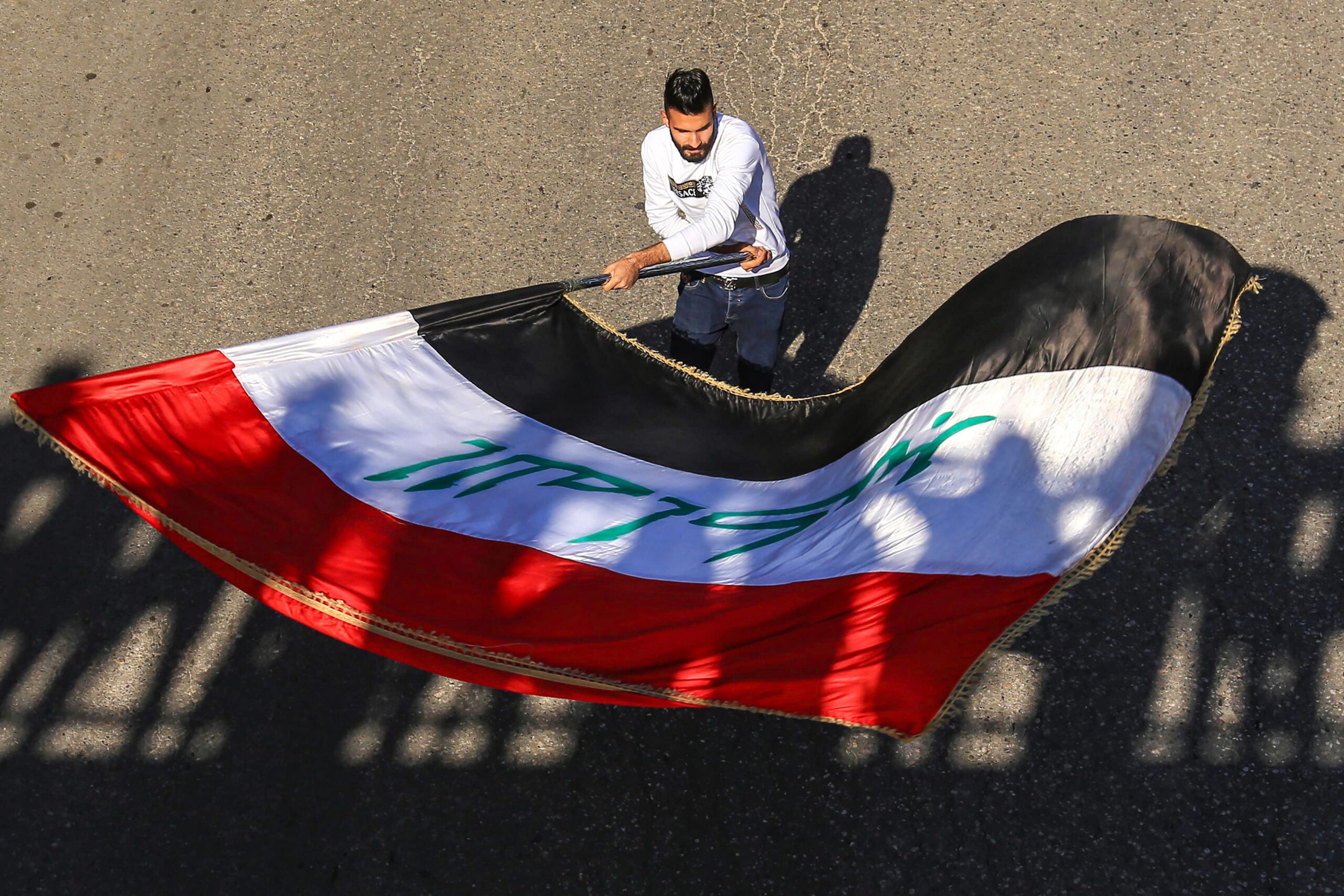
Is Iraqi society structurally sectarian? Or does it have a strong capacity of resilience to sectarian trends? This article explores the nature of Iraq’s political sociology by examining several key indicators: the composition and aspirations of Iraqi society; the nature of the parliament; and the challenges that current Prime Minister Mustafa al-Kadhimi faced as he tried to form a government in spring 2020.
The administration hopes additional economic pressure will compel Damascus to take a series of political gestures, including releasing political prisoners and establishing an accountability process for the atrocities its forces committed.
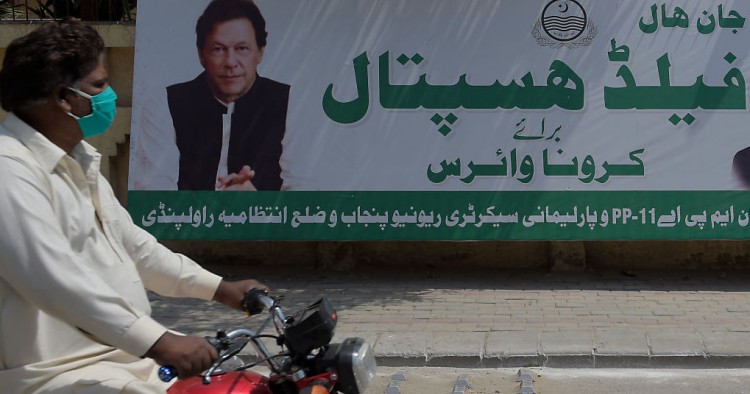
Mainly at issue for the country is the difficult choice of whether to prioritize saving lives or saving the economy for a Pakistan that can ill afford to ignore either.
Intra-Afghan talks inch closer, but their launch is only the beginning
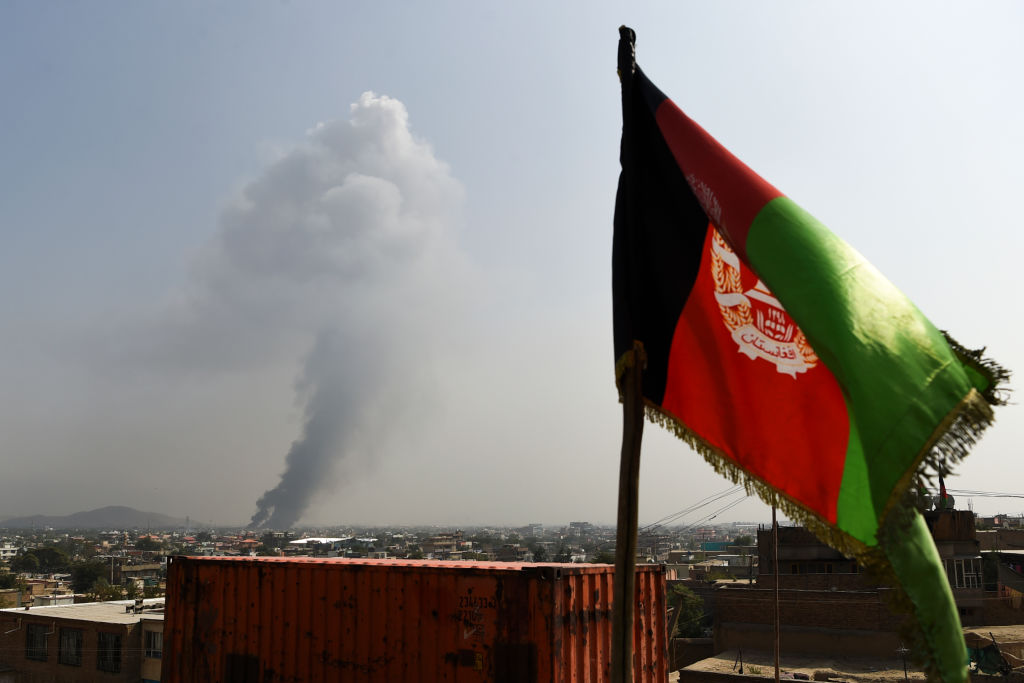
Frantic efforts are being made to clear the way for intra-Afghan talks, the logical next step forward in the implementation of the February U.S.-Taliban deal.
Sam Dagher, Danny Makki and Karam Shaar join guest host Charles Lister to discuss the recent deterioration of Syria’s economy and what it means for the country, the Assad regime, and the rest of the region moving forward. As aggressive new US economic sanctions targeting the regime are set to go into effect in a few days, 85% of Syrians are in poverty and the country faces a wheat supply crisis.
Why aren’t mainstream Israelis and American Jews supporting Palestinians?
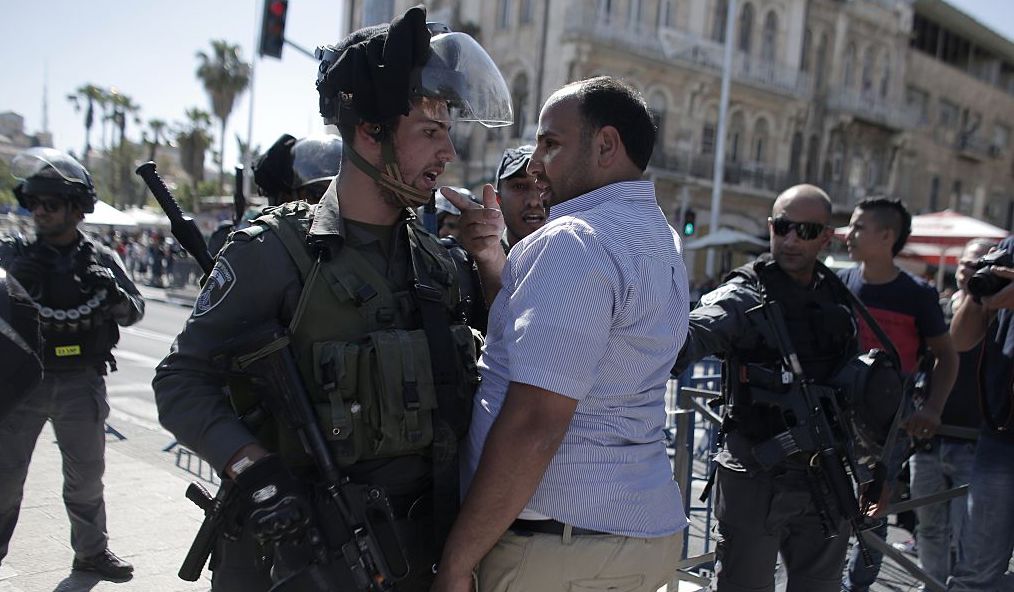
When the video emerged of a Minneapolis policeman pressing his knee on the neck of George Floyd as he lay on the ground, Palestinians were surprised by the image — the technique was all too familiar. But while hundreds of thousands of people have taken to the streets to protest the killing of George Floyd, an African-American male, by police across the U.S. and around the world, the response among Israelis and American Jews to violence against Palestinians is quite different. Many liberal Jewish leaders and thinkers who have spoken out forcefully against the killing of Floyd are silent when it comes to the atrocities committed by Israeli soldiers.
The Assad-Makhlouf spat: A complicated family affair
When Bashar’s father Hafez al-Assad started his regime, the Makhloufs became key allies. This alliance deepened with Bashar’s rise to power, and the Makhloufs became increasingly entrenched in the system until they became its economic pillar. The house of Assad was the political arm of the regime while the house of Makhlouf was the economic and financial arm. But then it all fell apart.
The gendered impact of COVID-19 in the Middle East
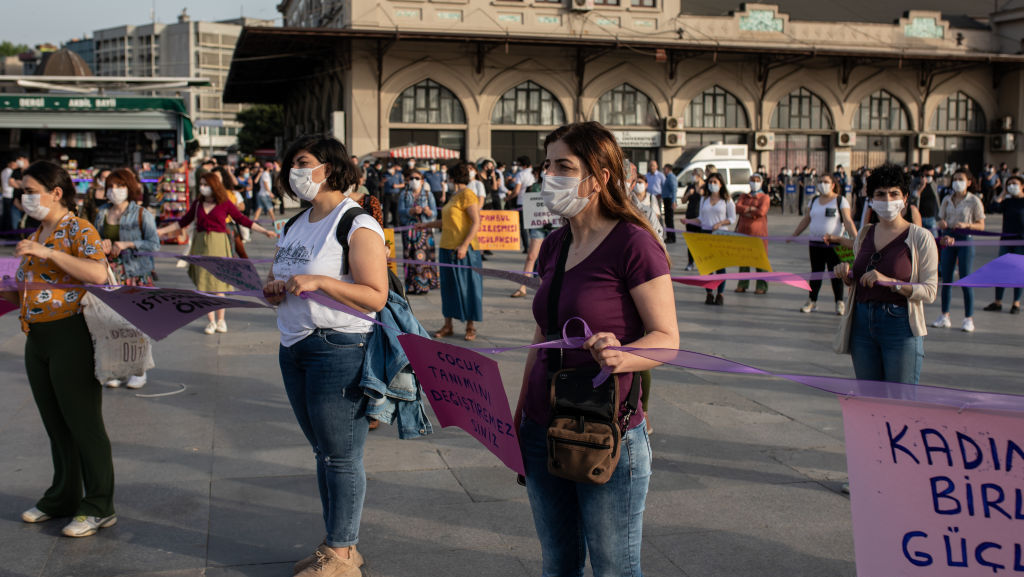
The COVID-19 pandemic has challenged the normative structures and behaviors of almost every country around the world. The fallout has put pressure on even the most developed countries and its effects across the Middle East have been significant and varied.