Skip to Content

Research & Commentary Results

Filter by
1011 Results
Beyond Post-Desert Storm: How to Elevate the US-Kuwait Security Partnership
Photo by Mario Tama/Getty Images
  • Analysis
  • Beyond Post-Desert Storm: How to Elevate the US-Kuwait Security Partnership

    Kuwait plays a larger role than is often assumed in America’s present and future military plans in the Middle East. But as Washington prioritizes the Indo-Pacific, it is critical that the security arrangement between the United States and Kuwait is thoughtfully reconfigured.

    September 14, 2022

    Two years on, what is the state of the Abraham Accords?
    Photo by Menahem KAHANA / AFP) (Photo by MENAHEM KAHANA/AFP via Getty Images
  • Analysis
  • Two years on, what is the state of the Abraham Accords?

    Two years after the signing of the Abraham Accords, progress in developing relations between Israel and its Arab neighbors has achieved mixed results, opening up some greater cooperation in the security sphere but failing to change Arab publics’ minds due to the lack of movement on the Israeli-Palestinian conflict.

    Yemen After Eight Years of Civil War
  • Podcast
  • Yemen After Eight Years of Civil War

    Now in the fifth month of a ceasefire, what are the prospects for a negotiated end to the Yemeni Civil War, and the beginning of a sustained peace? MEI Distinguished Sr. Fellow on U.S. Diplomacy and Director of the Arabian Peninsula program Gerald Feierstein discusses these questions with two outstanding scholars who have followed and written extensively about Yemen over the years. Fatima Abo Alasrar is a nonresident scholar at MEI and a Senior Analyst for the Washington Center for Yemeni Studies.

    September 13, 2022

    Emirati-backed forces eye Yemen’s energy heartland
    Photo by SALEH AL-OBEIDI/AFP via Getty Images
  • Analysis
  • Emirati-backed forces eye Yemen’s energy heartland

    The battle for control of the Yemeni heartland and its energy resources has reached a turning point. Yemen’s internationally recognized institutions are, once again, in crisis. In fact, the current infighting within the “government camp” threatens both the long-stalled implementation of the 2019 Riyadh Agreement and the political legitimacy of the newly-established Presidential Leadership Council.

    August 30, 2022

    The diplomatic ice is breaking in the Gulf. What does that mean for the region?
    Photo by Iranian Presidency/Anadolu Agency via Getty Images
  • Analysis
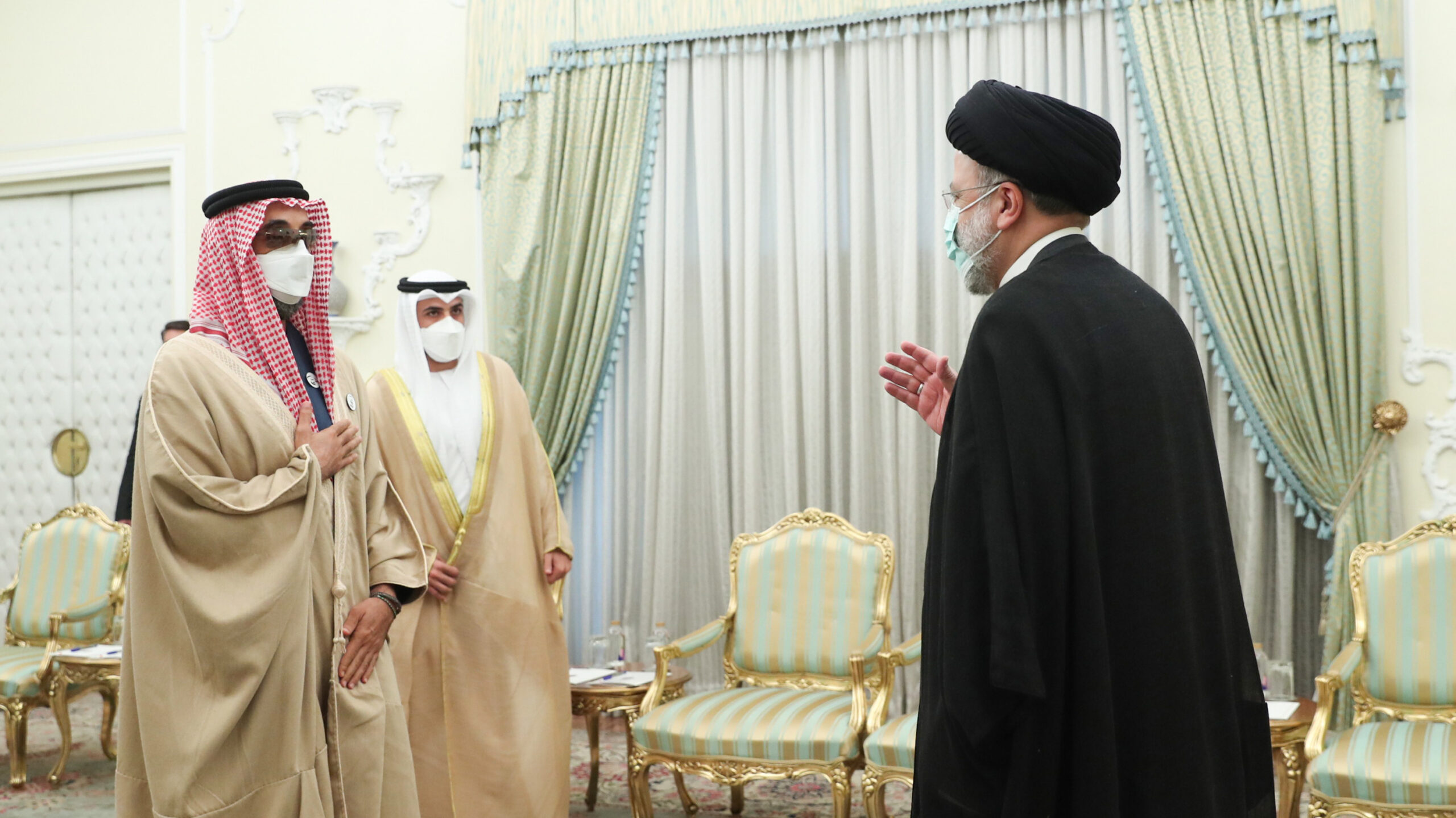
  • The diplomatic ice is breaking in the Gulf. What does that mean for the region?

    The announcements in mid-August that both the United Arab Emirates and Kuwait will be returning their ambassadors to Tehran after six years provided the latest indication that the diplomatic ice has started to break in the Gulf region.

    August 23, 2022

    Yemen's Truce Has Failed in Taiz
    Photo by Mohammed Hamoud/Getty Images.
  • Analysis
  • Yemen's Truce Has Failed in Taiz

    There is no shortage of U.N. interest in Taiz or concern over the Houthis’ blockade and truce violations in the city, but pressure on the Houthis to commit to relieving the humanitarian suffering of the Taizi people remains lacking.

    August 16, 2022

    We need it yesterday: Air-defense missile sales in a period of maximum demand
    Photo by ANDREW CABALLERO-REYNOLDS/POOL/AFP via Getty Images
  • Analysis
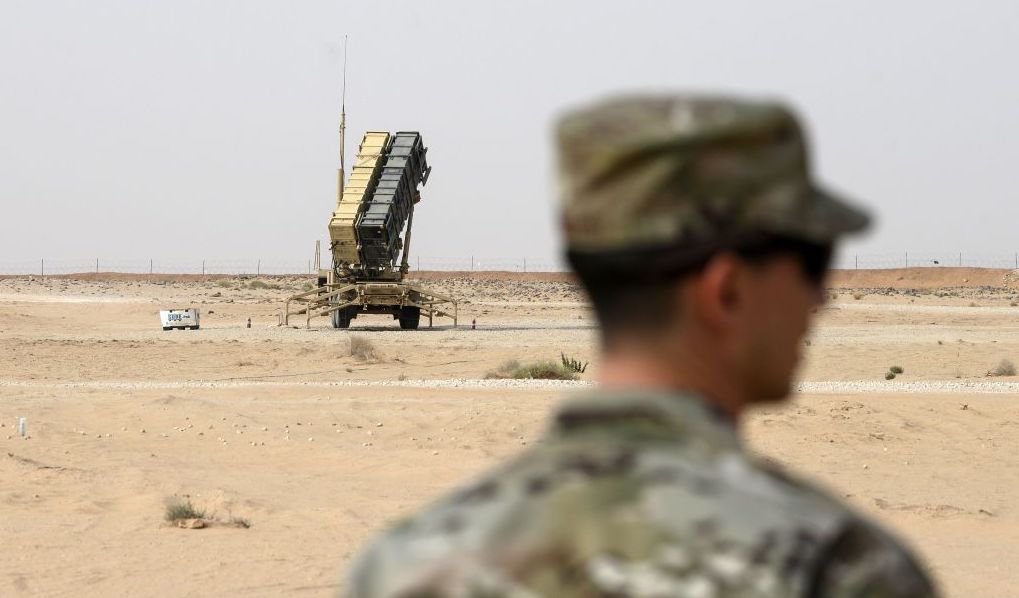
  • We need it yesterday: Air-defense missile sales in a period of maximum demand

    Saudi Arabia and the UAE purchased $5 billion of U.S. air-defense missiles at a time when multiple American partners around the world are also looking to buy the same systems. The main effort in the Gulf will continue to be training and provisions of the material to develop an indigenous missile-defense capability.

    August 9, 2022

    Gulf economies should use the available fiscal space to ensure a soft landing
    Photo by Wang Dongzhen/Xinhua via Getty Images
  • Analysis
  • Gulf economies should use the available fiscal space to ensure a soft landing

    After achieving respectable growth in 2021, the GCC member states now face the risk of monetary (over) tightening due to the need to follow the U.S Federal Reserve’s interest rate adjustments. These increases are not warranted, however, as the GCC economies currently face relatively moderate inflation. Instead, they should use the available fiscal space to mitigate the negative fallout of monetary tightening and make greater use of PPPs for future infrastructure development.

    August 9, 2022

    Yemen cease-fire extension: The glass is still half-empty
    Photo by Mohammed Hamoud/Getty Images
  • Analysis
  • Yemen cease-fire extension: The glass is still half-empty

    Although the latest two-month extension of the Yemeni cease-fire was welcomed by all, the conflict will not end until meaningful pressure is applied on the Houthis to deny them a military victory and force them to accept a political resolution to the war they launched in 2014.

    August 8, 2022

    Biden’s trip was a start, but the US needs to sustain its influence in the Gulf
    Photo by MANDEL NGAN/POOL/AFP via Getty Images
  • Analysis
  • Biden’s trip was a start, but the US needs to sustain its influence in the Gulf

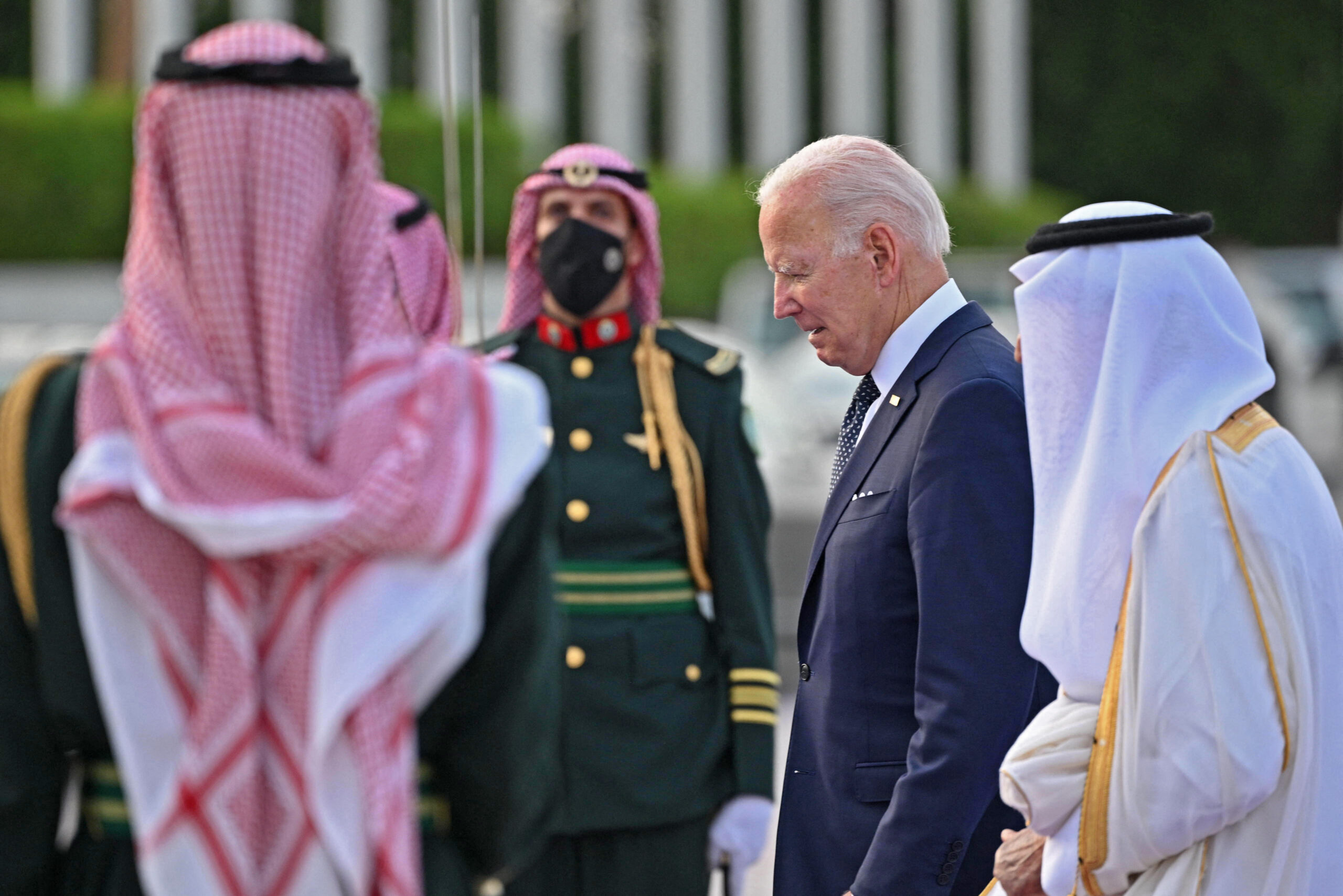
    At the Jeddah summit in mid-July, President Joe Biden declared that “America is back,” a message that was welcomed by Saudi Arabia and Gulf media outlets. But Washington cannot maintain its influence and develop robust relationships in the Middle East without sustained American interest and effort, which have been oscillating with every change in administration.

    July 29, 2022