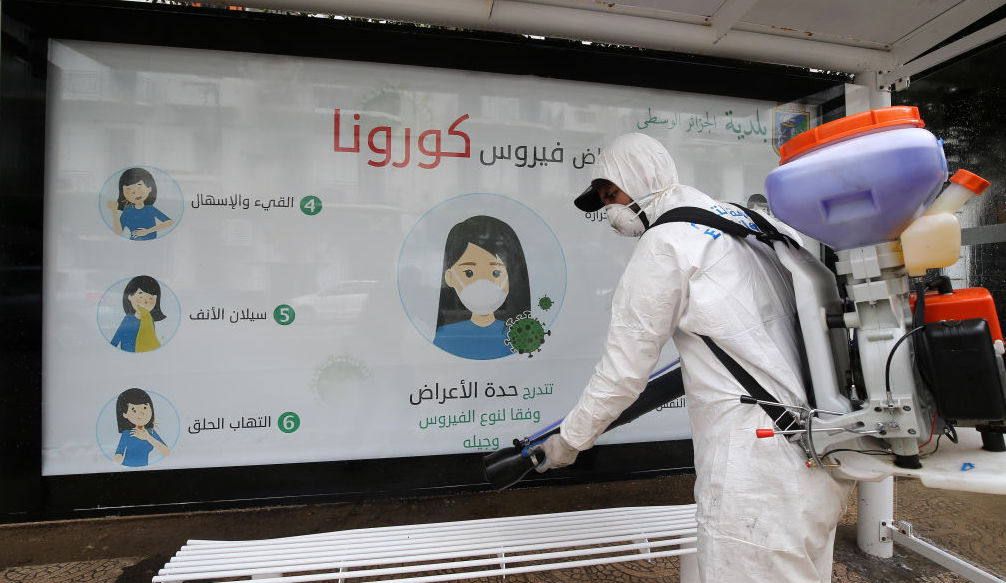
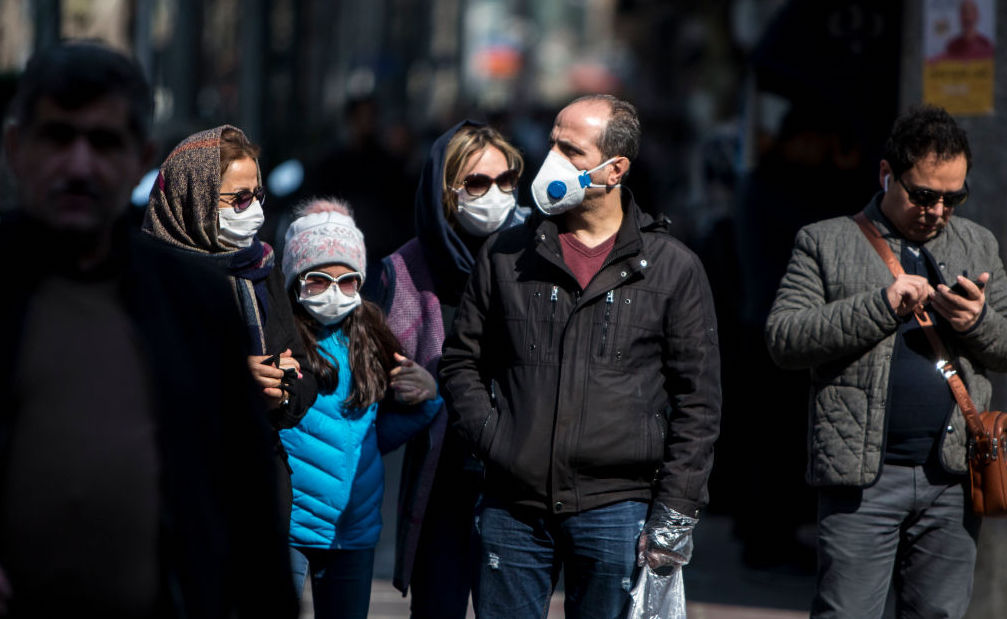
No part of the world will emerge unscathed from the fallout of the coronavirus pandemic of 2020. Just because China and Italy were the first to be severely hit, does not imply, that when all is said and done, that they will have sustained the brunt of the damage. North Africa is a region dependent on global commodities prices, tourism, and political and monetary support from Europe and the Gulf, where regime brittleness, youth unemployment, and Islamic radicalism all intersect.
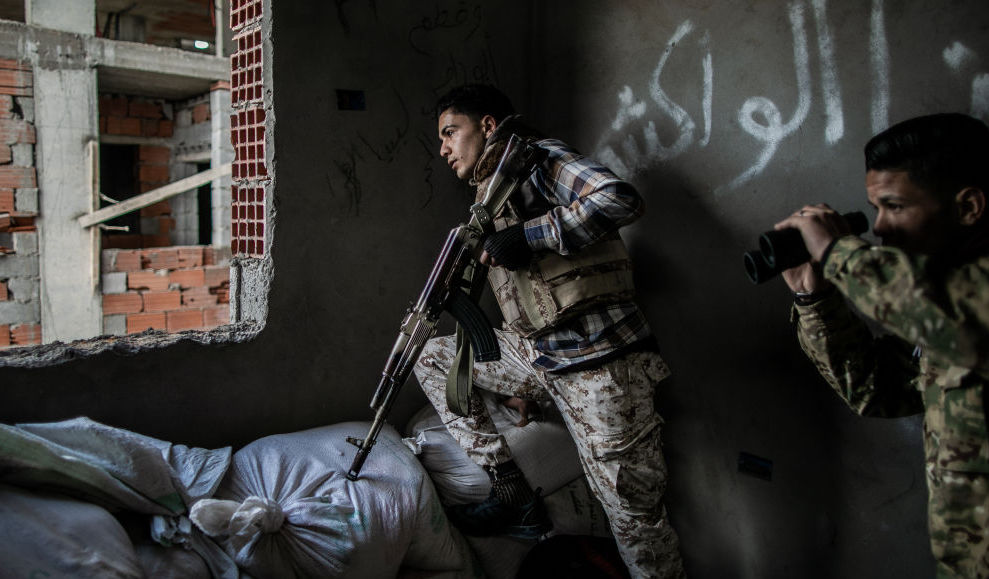
Libyan oil production has collapsed to less than 100,000 bpd as Hifter has continued to amass forces for what some claim to be a final push into the nation’s capital and largest city.
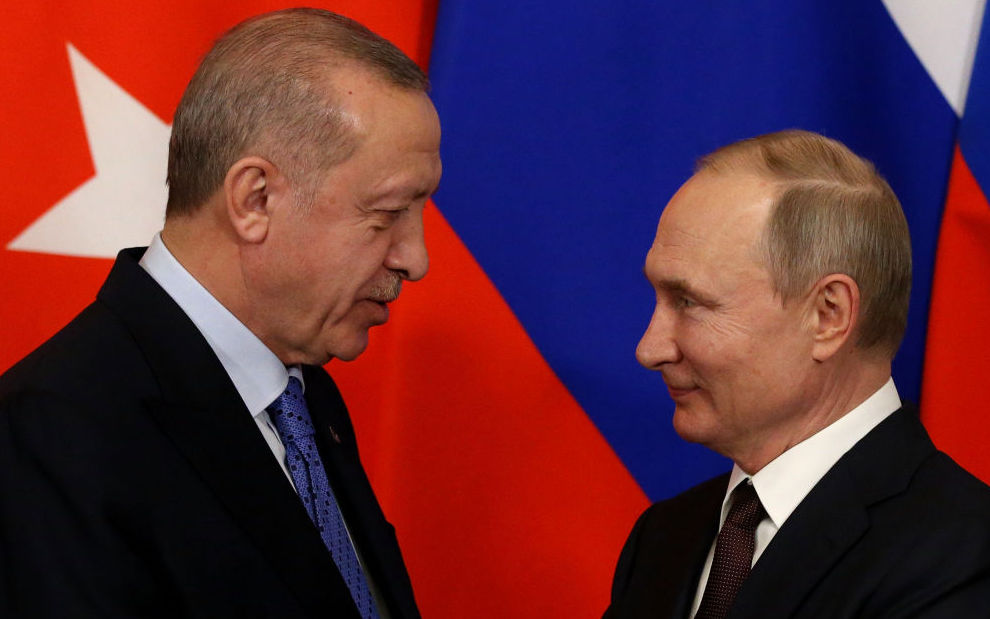
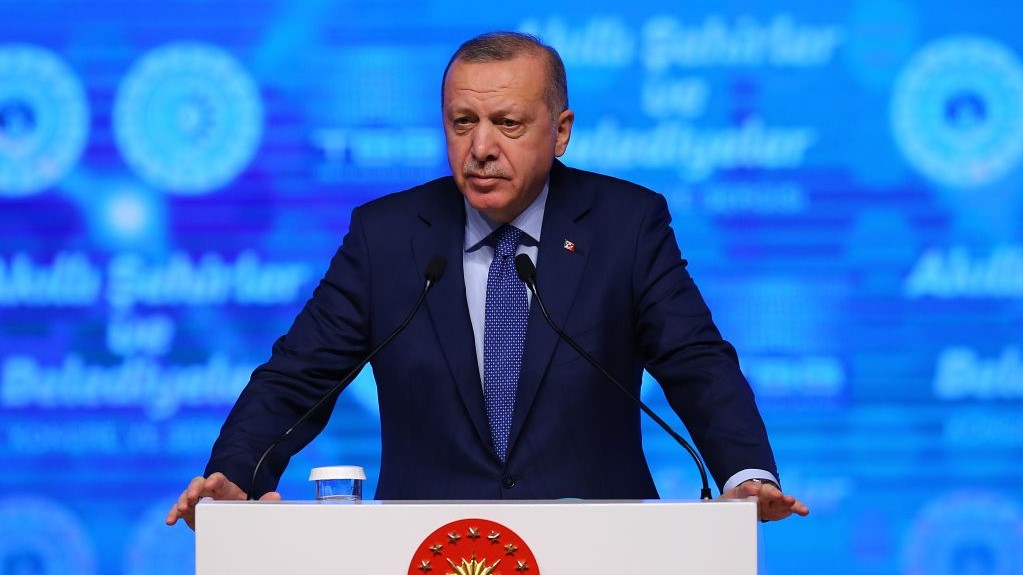
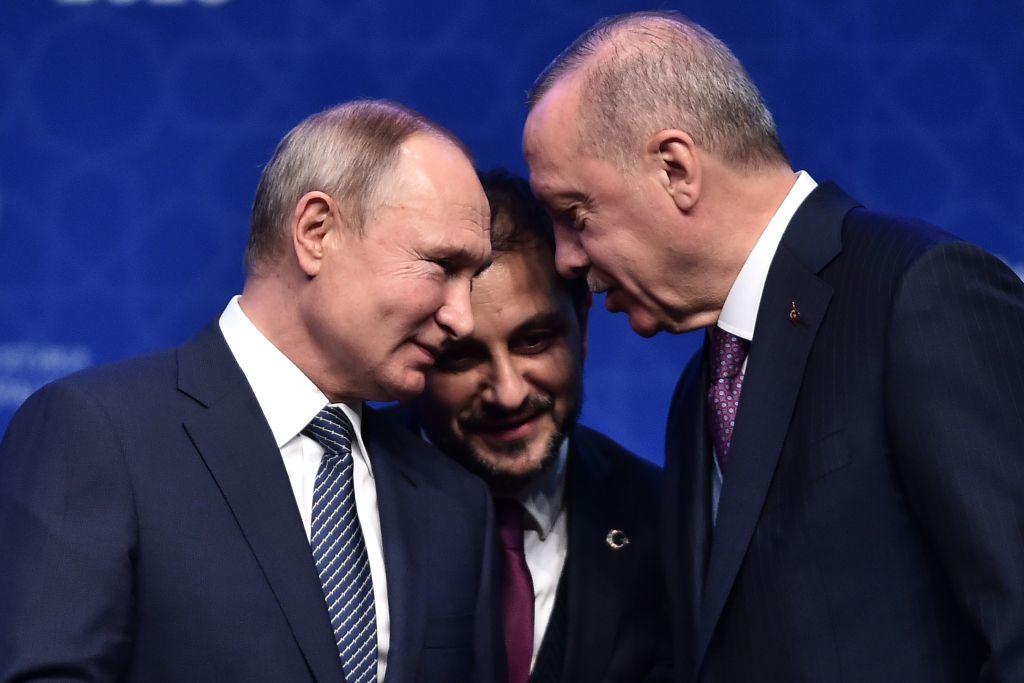
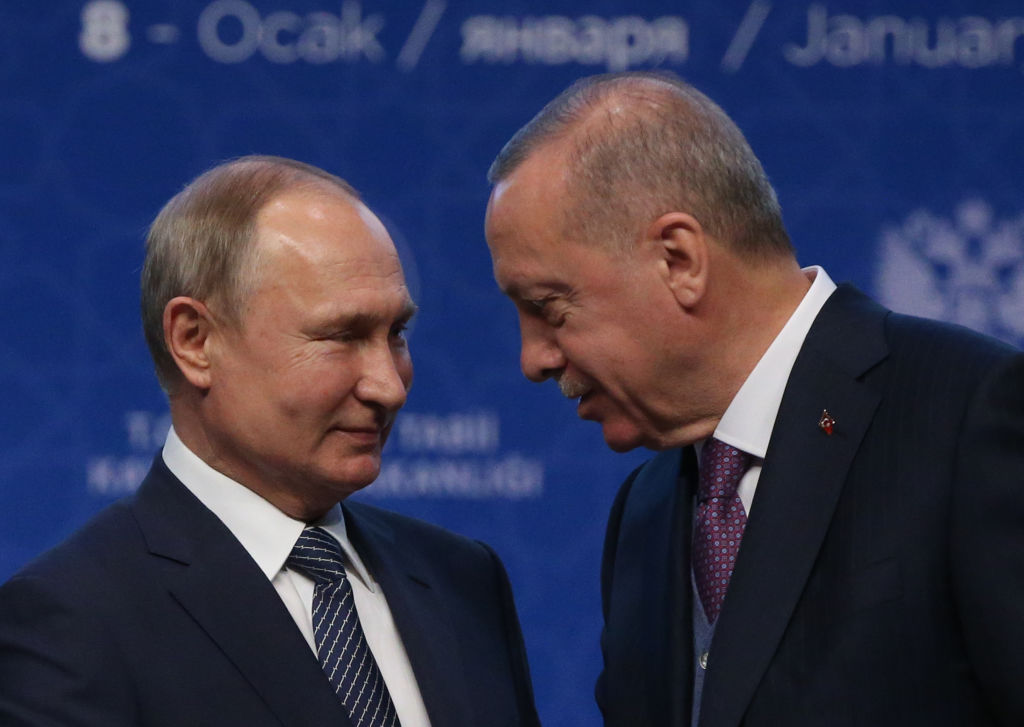
After Turkish President Recep Tayyip Erdogan hammered out a deal with his Russian counterpart Vladimir Putin on March 5 to bring an end to the fighting in Idlib in northwestern Syria, he said he was hopeful that the two countries could extend their cooperation to Libya.
Understanding EU-MENA relations: Current and changing dynamics
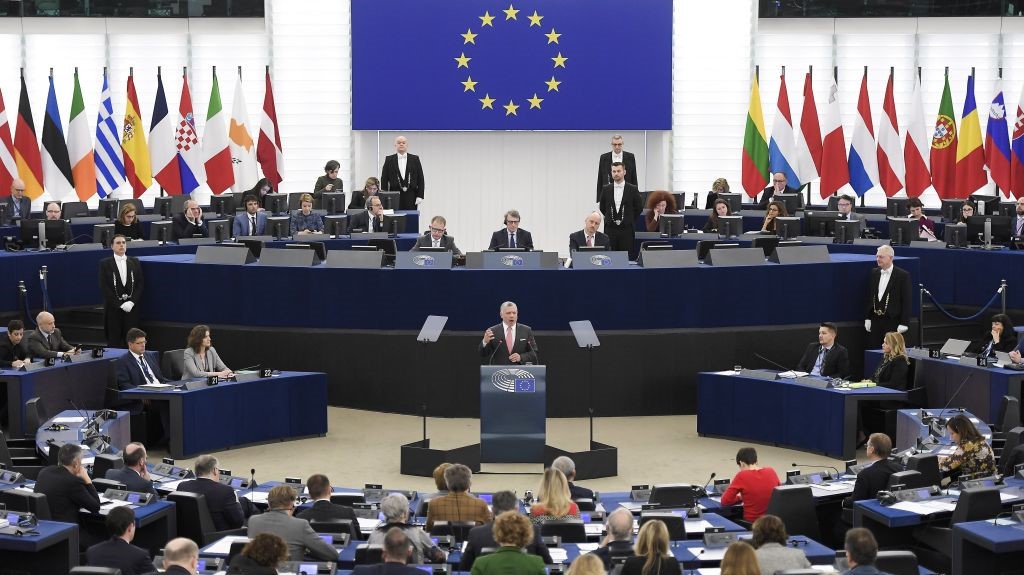
This year could mark a turning point in the European Union’s relations with the countries of the MENA region. If the EU is to realize the objectives laid out in its 2016 global foreign and security policy strategy and become a major world power, it has to be more proactive and creative, especially in the Middle East.
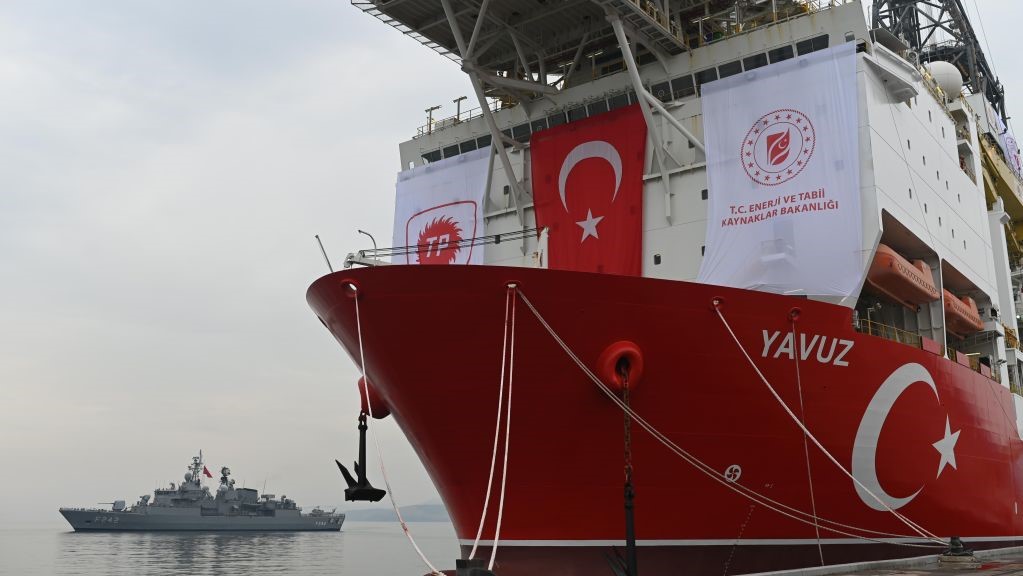
The eastern Mediterranean has become an increasingly important focus for Turkey’s foreign and security policy, but the interlocking of new issues like energy politics and sovereignty rights with old problems like Cyprus has created significant challenges for Ankara.
MEI’s Jonathan Winer and Ross Harrison join host Alistair Taylor to discuss the conflict in Libya and how it fits into the broader context of civil wars in the Middle East.
The Bab el-Mandeb Strait: Regional and great power rivalries on the shores of the Red Sea
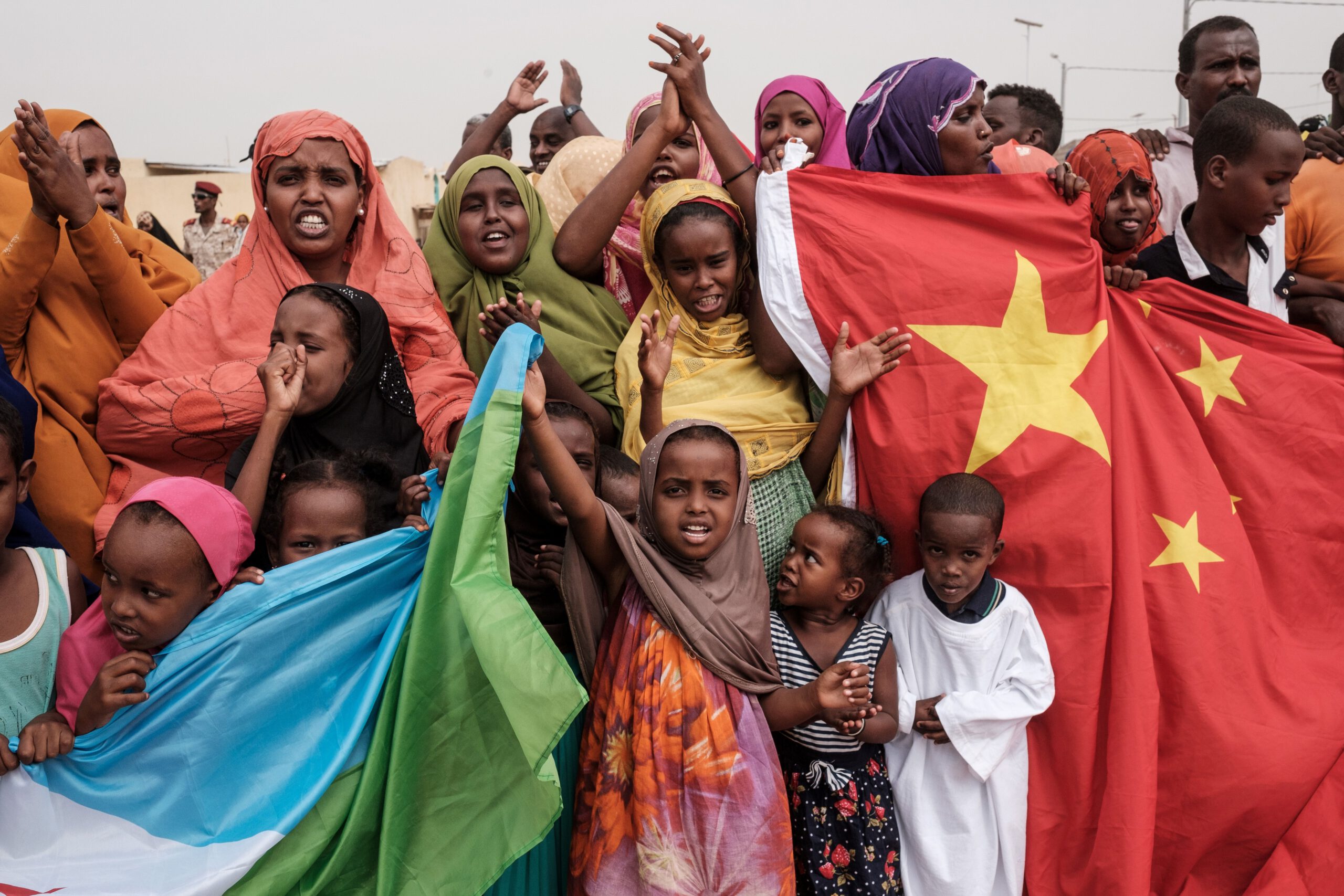
The Bab el-Mandeb Strait (“Gate of Tears” in Arabic) forms a vital strategic link in the maritime trade route between the Mediterranean Sea and the Indian Ocean via the Red Sea and the Suez Canal. On one side of the narrow strait lies the Arabian Peninsula. On the other is the Horn of Africa, a fragile region that has been plagued for decades by high levels of violence and instability within and across borders, and which in recent years has served as a launching pad for terrorism, piracy, human trafficking, and smuggling operations.
For Russia, Libya and Idlib are now part of the same gamble
Although Moscow continues to reap the benefits of its Syrian campaign, it is increasingly faced with diminishing returns. Despite its greater geopolitical involvement in the country, the Kremlin has so far failed to extract major economic dividends and may soon face increased competition from Tehran. With Syria’s future clouded in uncertainty and the unresolved issue of the Idlib region hanging like the sword of Damocles over any potential political settlement, Russia is now trying to bring the Libyan conflict into the equation as well.
MEI experts Robert S. Ford, Fatima Abo Alasrar, and Emad Badi join host Alistair Taylor to survey what lies ahead for the Middle East in 2020, with particular attention to Iran, Syria, Yemen, Libya, Iraq and Algeria.
Cease-fires in Idlib and Libya as Turkey looks to buy time
It is increasingly the case that the Russian-Turkish decisions on Idlib or Syria need to be understood as part of a broader Russian-Turkish partnership.
Trump has taken such a forward-leaning and aggressive position now that he has set himself, and the U.S., in a conflict trap that he might not be able to defuse.