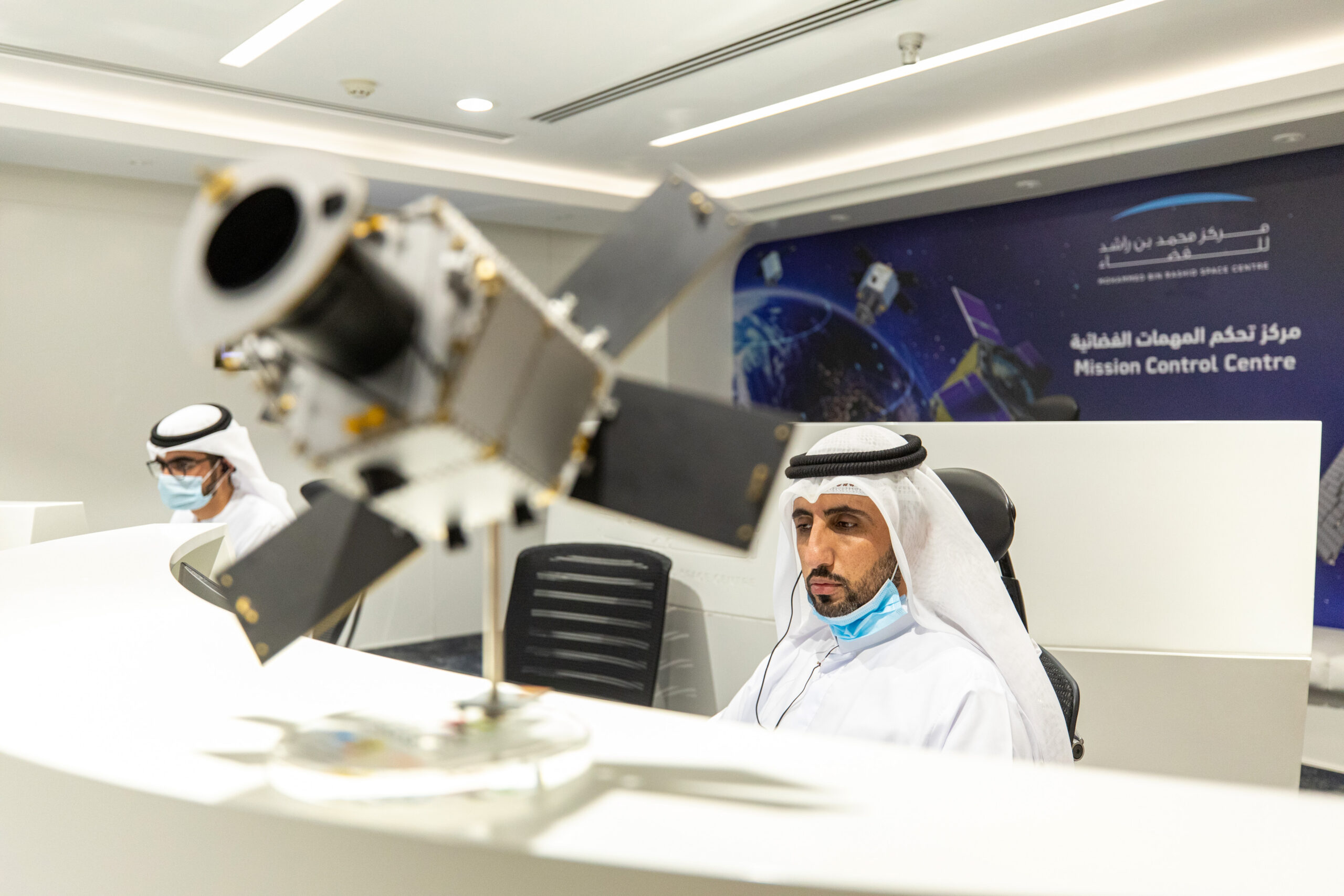
In the Middle East, the Gulf states — working together and on their own — are looking to achieve new scientific and commercial breakthroughs in various areas of the space industry. These ambitions carry major geopolitical implications with them, as an ever-growing number of spacefaring countries negotiate a sensitive and increasingly high-powered sector.
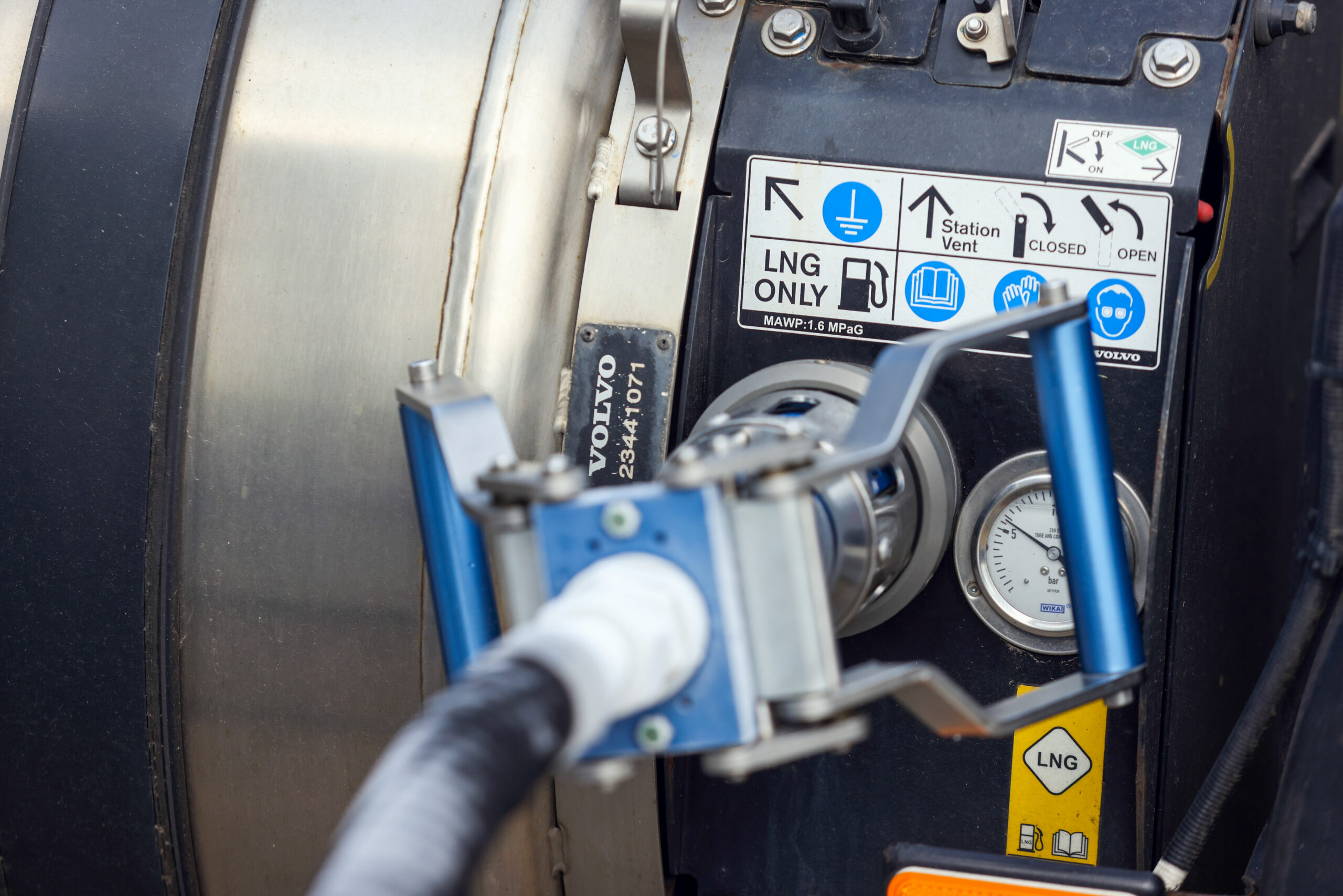
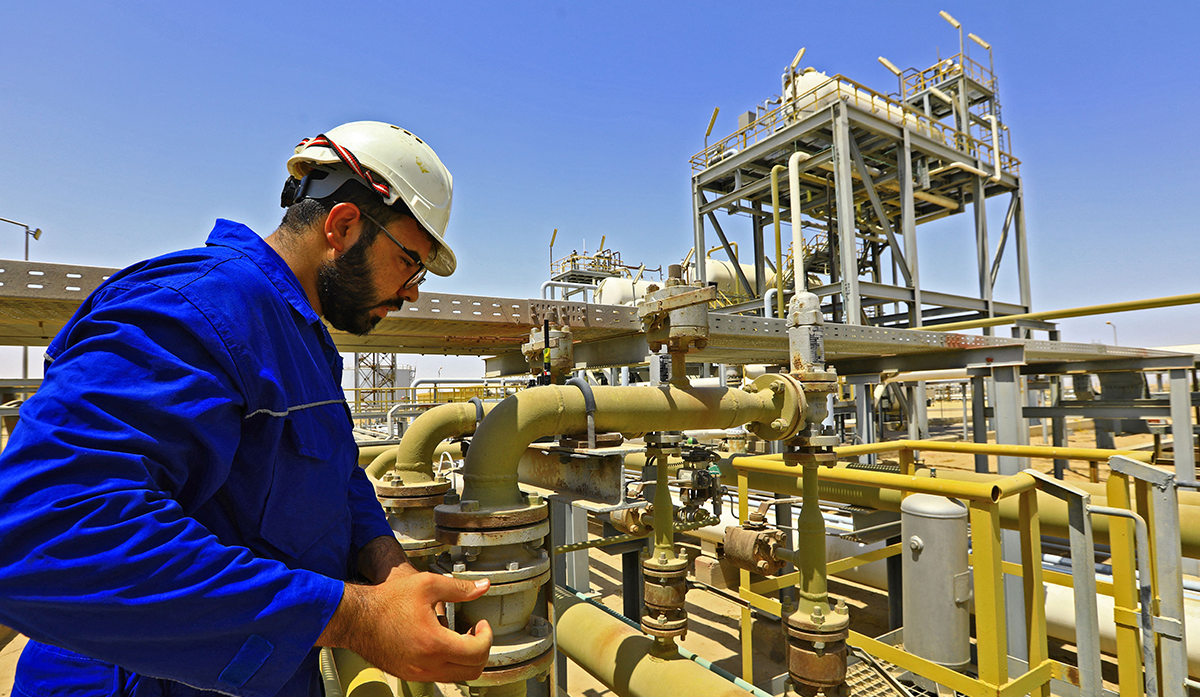
Small-scale LNG as a solution for Saudi Arabia’s environmental and fuel supply problems
The development of small-scale LNG and the domestic deployment of LNG as a transport and power-generation fuel could help to lower Saudi Arabia’s carbon footprint as well as improve air quality by reducing vehicle exhaust.
Iran-Iraq competition in regional maritime and overland transit corridors
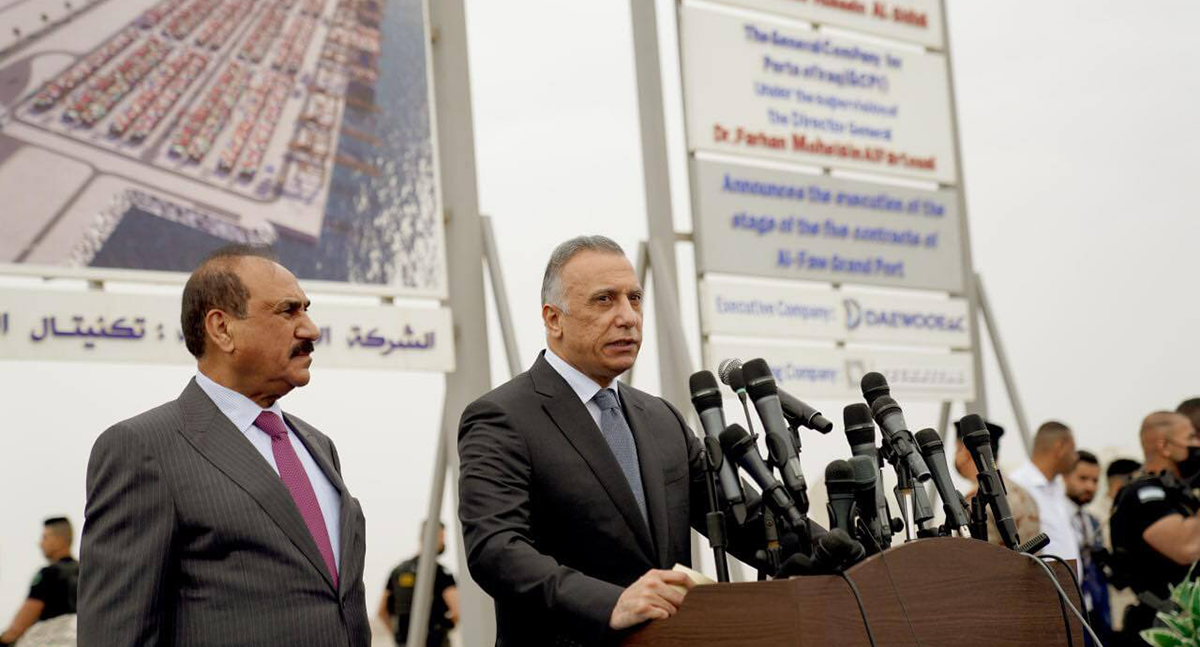
In recent years, Iraq has become one of the leading destinations for Chinese investments in the Middle East and a crucial link in Beijing’s Belt and Road Initiative. To capitalize on its geostrategic location and central position within the Chinese BRI, Iraq is seeking to develop a sprawling new 54-square-kilometer port project, known as al-Faw Grand Port, which will reduce the country’s reliance on Arab Gulf ports and overland transit from Iran and Turkey. The project also underscores Iraq’s growing economic rivalry with neighboring Iran, as both countries seek to carve out a similar niche in handling regional transit traffic.
Qatar doubles down on LNG amid energy market volatility
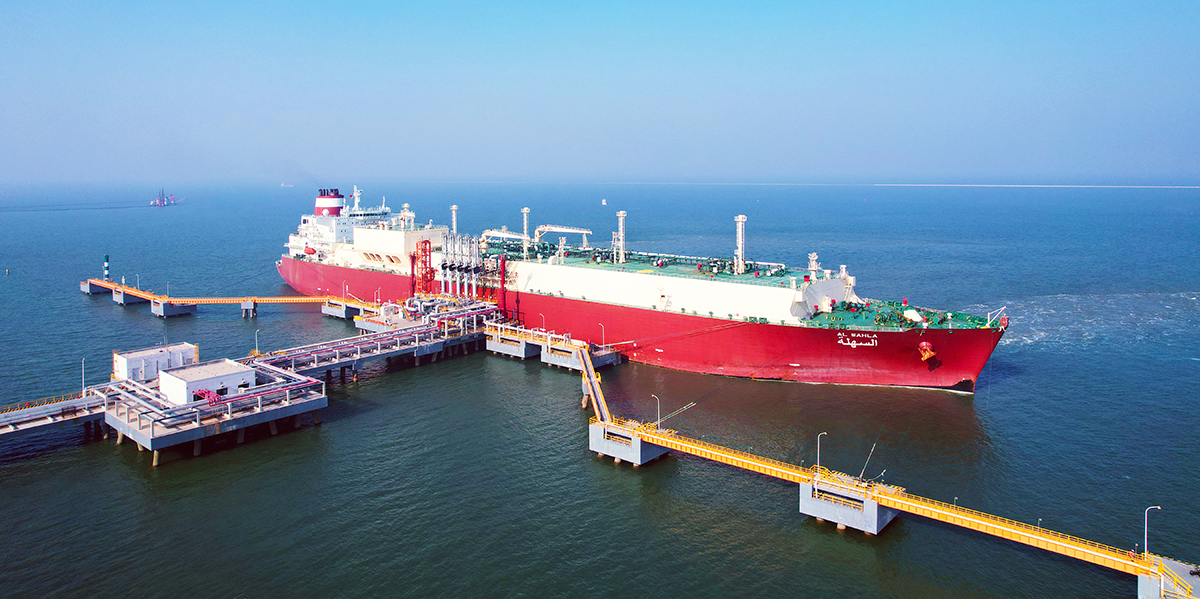
The oil and gas sector has been the dominant driver of Qatar’s economy. Over the years, although that sector has remained the major focus of Qatari investments, the emphasis has increasingly shifted towards the expansion of the country’s gas production and LNG export capacity. While the construction boom ahead of the 2022 FIFA World Cup powered the Qatari economy in recent years, income generated by the expansion of the country’s LNG production and export capacity is likely to drive the economy for many years to come — both despite and partly because of the market turmoil caused by the fallout from Russia’s invasion of Ukraine in February 2022.
Missed opportunities: The billions sacrificed annually to generate electricity in the GCC
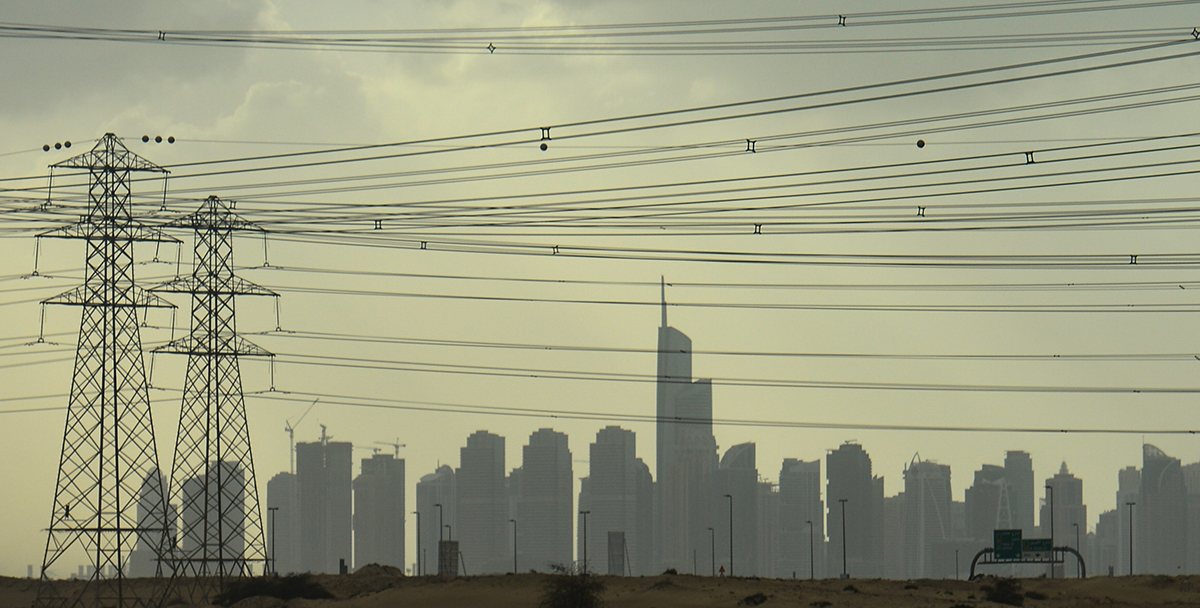
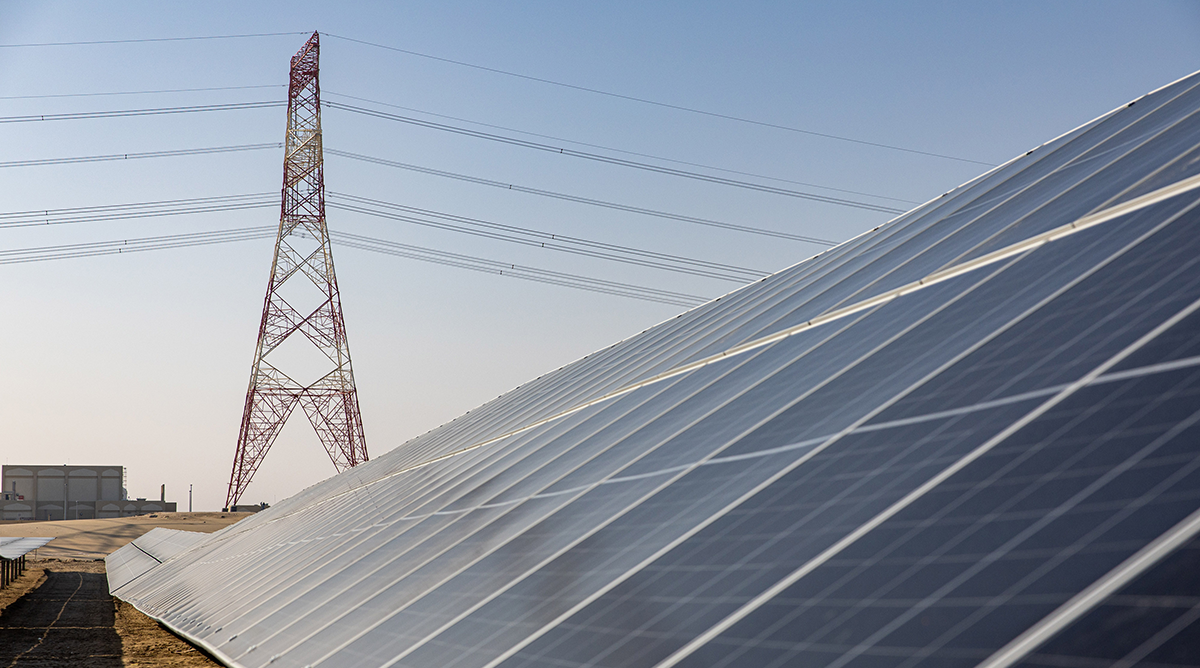
The GCC governments still cover over 40% of the cost of domestic electricity production. Yet, electricity subsidy bills alone do not reflect the full extent of their economic losses. Once the forgone revenues from the export of natural gas and oil used to meet rising domestic energy demand are added in, the total economic cost of the GCC’s electricity is too great to ignore.
Expert Views: Opportunities to enhance water security in MENA
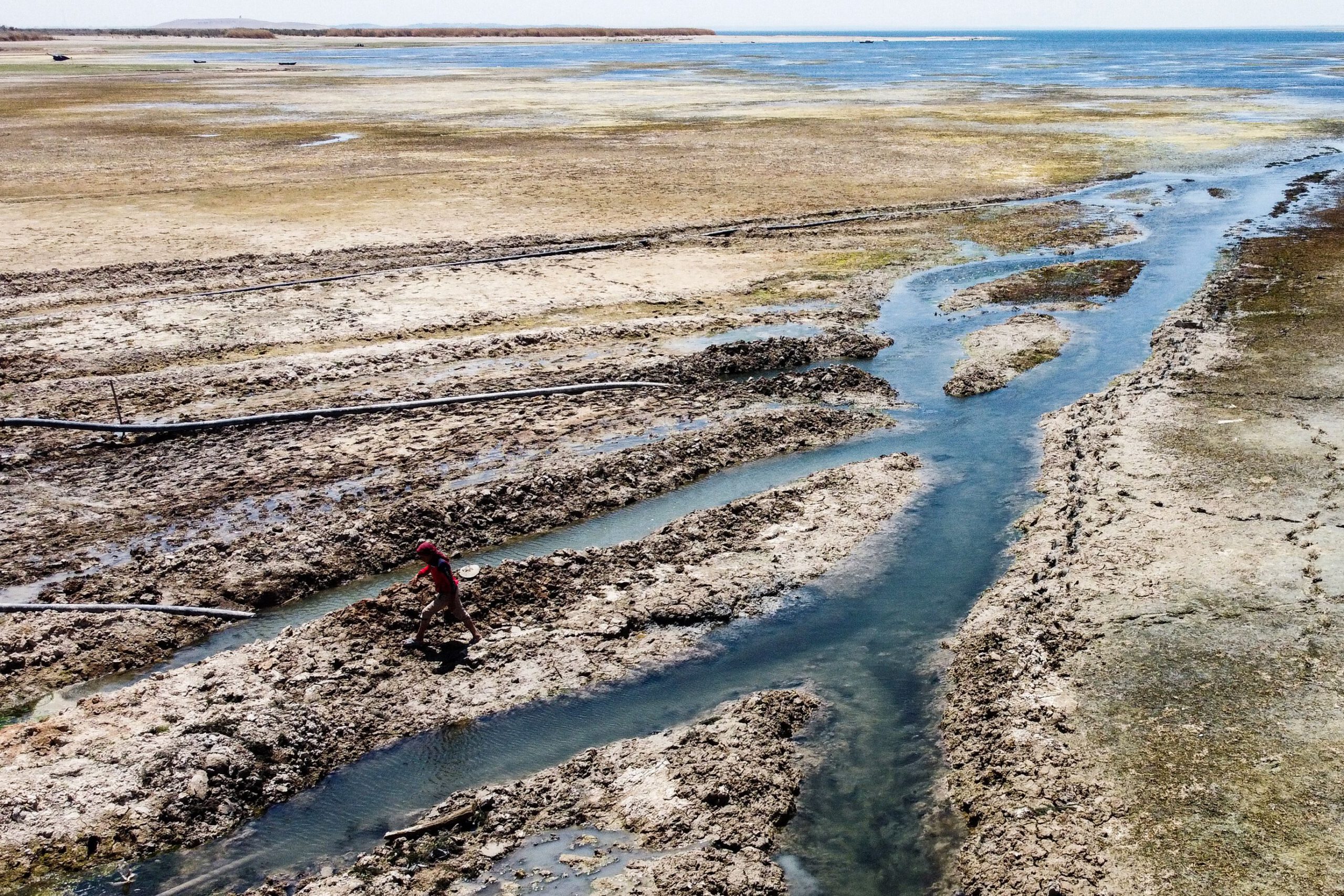
Water resources are a key component of global sustainability, especially in light of the mounting environmental challenges posed by climate change. We asked some of MEI’s Climate and Water Program scholars to share their perspective on strategies and opportunities that could most readily alleviate the region’s water security concerns.
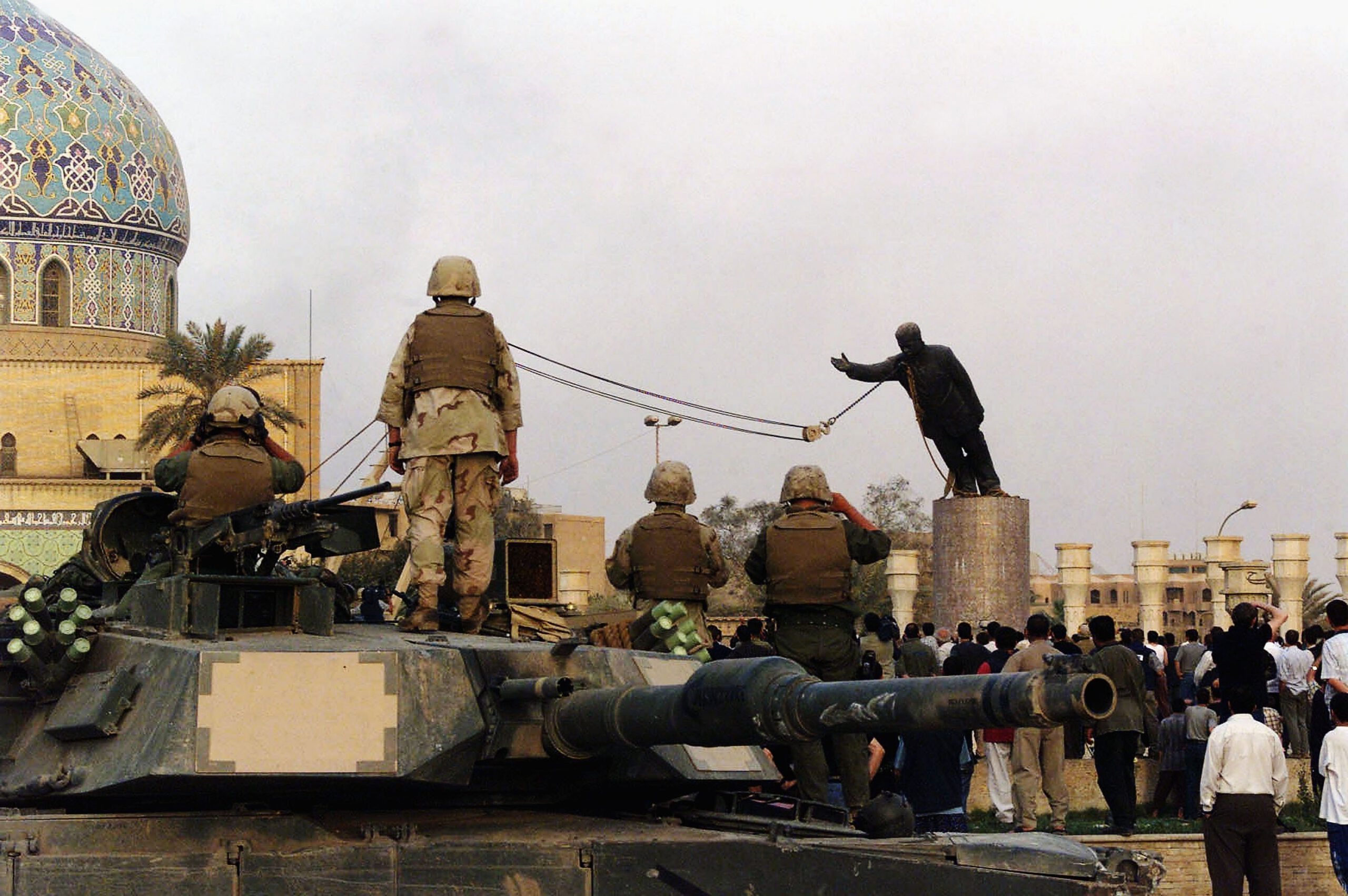
The painful reality is that Washington’s hastily cobbled together ethno-sectarian political system for post-2003 Iraq ended up doing the opposite of what it intended. The regional domino effect was also the opposite of what the U.S. had hoped for, as Iraq became a cautionary tale that regimes could use to undermine the democratic desires of their own populations.
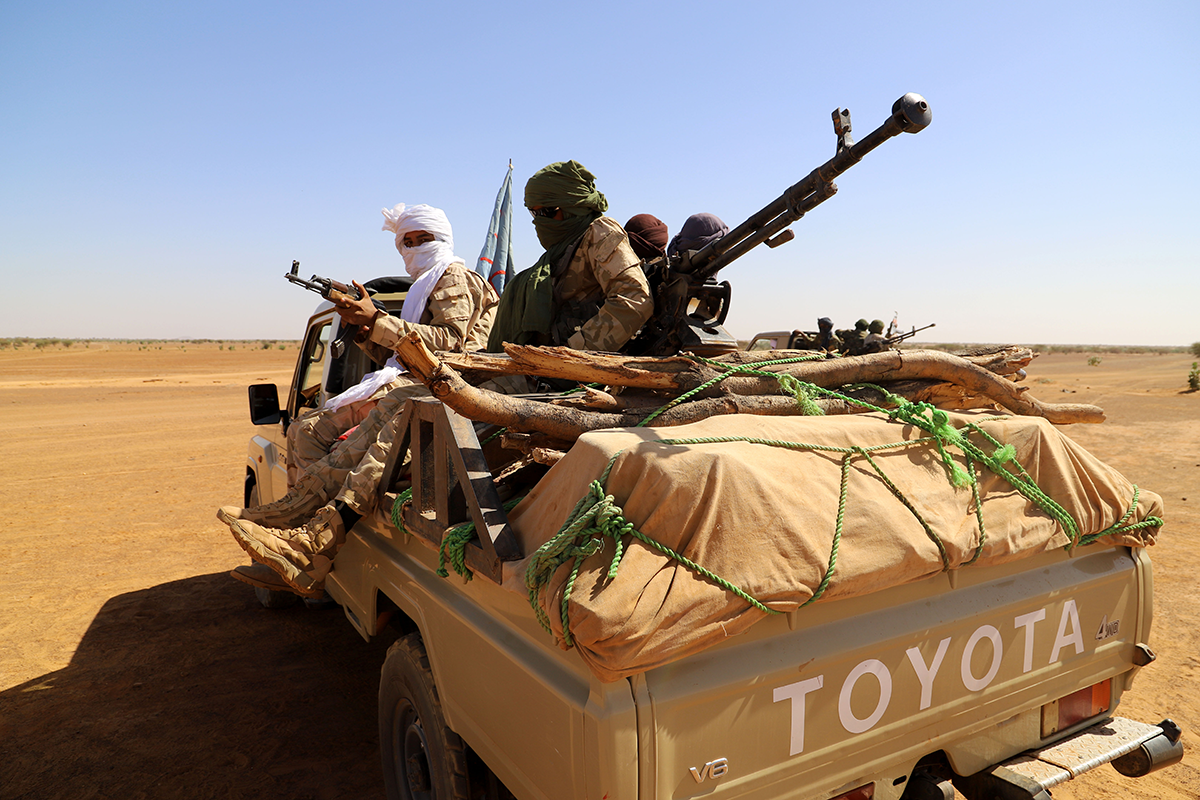
In Disorder, They Thrive: How Rural Distress Fuels Militancy and Banditry in the Central Sahel
The central Sahel — Burkina Faso, Mali, and Niger — is buffeted by three main forms of armed conflict that overlap and fuel each other: communal conflict, banditry, and violent extremism. These conflicts are partly rooted in a crisis of governance in rural areas, and are exacerbated by climate change, demographics, and internal and cross-border migration.
Economic Diversification, Energy Transition, and the Labor Market in Iraq and the Gulf
As part of a continued collaboration with the Middle East Peace and Security Forum held in Iraqi Kurdistan at the American University of Kurdistan, the Middle East Institute and the Iraq Policy Group held a workshop on Nov.15, 2022 focusing on challenges of economic diversification, energy transition, and impacts on labor markets in Iraq and the Gulf region. This report provides the insights and analyses of a select group of participants from the workshop.
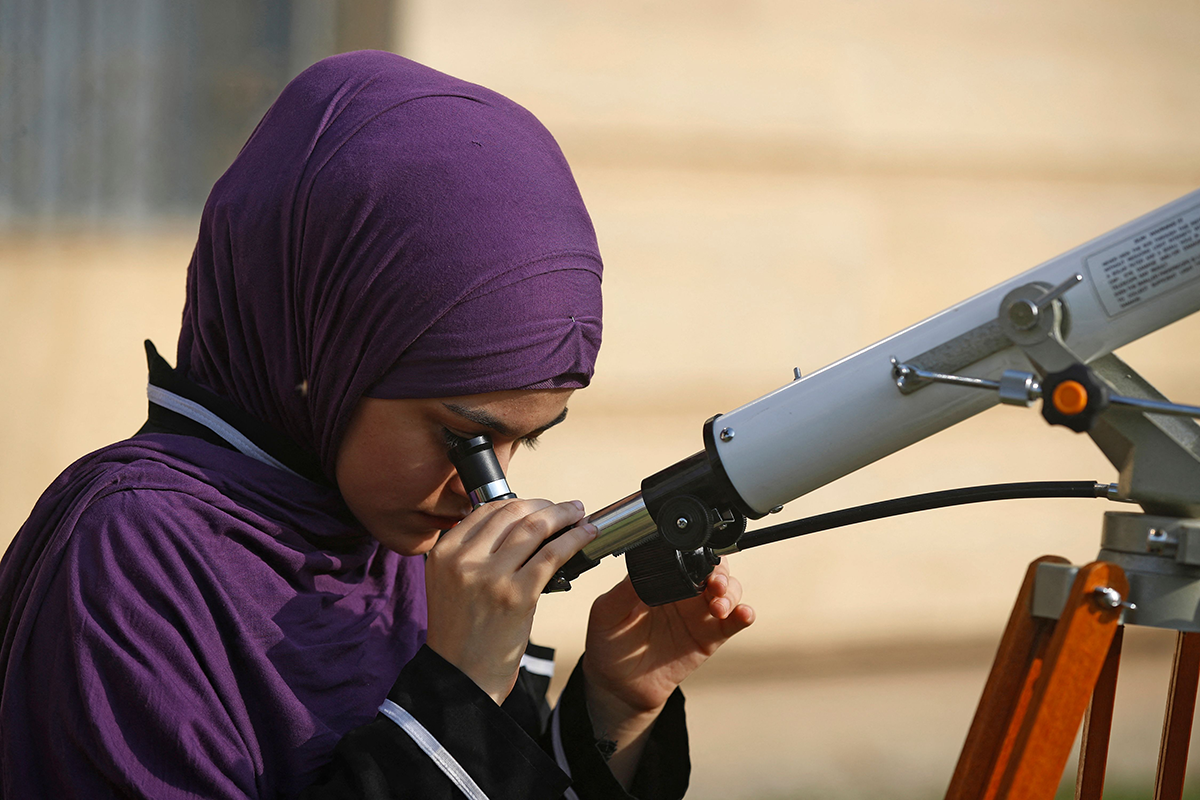
An Arab Science Spring: Science, technology, and innovation in the Middle East
At present, the MENA region is a net importer of science, technology, and innovation (STI) products and a net exporter of STI talent. This was not always the case, however, as the Middle East has a rich history in science and needs to be put on a path back towards its historical zenith. An STI strategy for the region must focus on improving science education in universities, enhancing scientific research capacity, increasing financial support for R&D, and fostering regional and international scientific and educational cooperation.
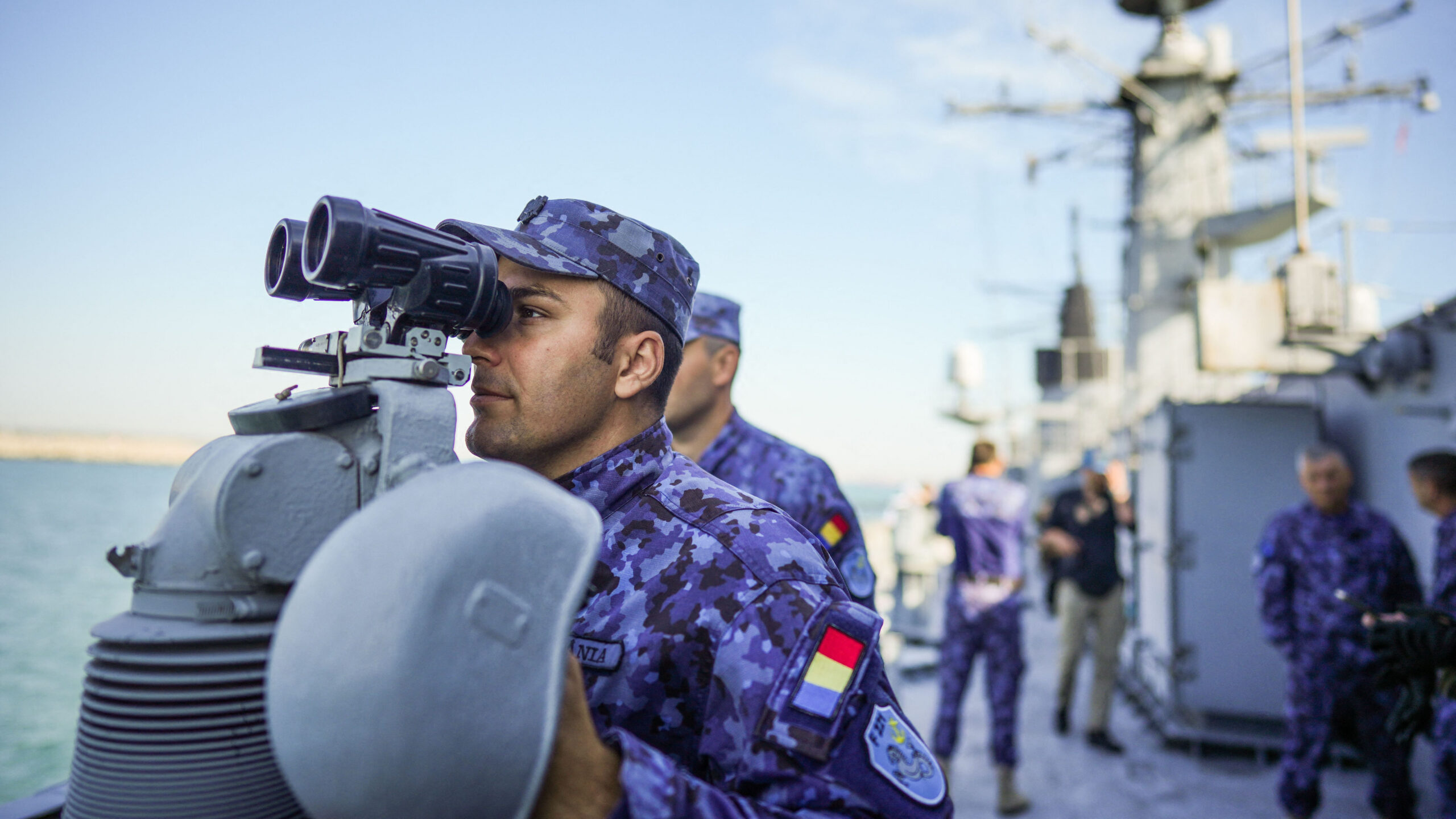
The challenge of defending NATO’s Black Sea borderland: The view from Bucharest
While the U.S. and its NATO allies work on developing a Black Sea strategy, Washington should continue to cooperation with the Romanian Armed Forces, encourage the Romanians to build up their capabilities, and support the Romanian military’s officer corps development. In a multipolar world, solutions will need to be first and foremost regional — and in the Black Sea region, the Romanian Naval and Special Forces are a solid anchor for European stability.
We can’t tackle climate change in the Middle East without ESG investing
As a major center for fossil-based energy production, the Middle East is key to global ESG developments. The region is currently at an early stage of ESG adoption, although holding COP27 and COP28 has provided some initial movement towards mainstreaming climate finance regulations.
The Libyan Banking Sector: A Microcosm of Global Enduring Disorder
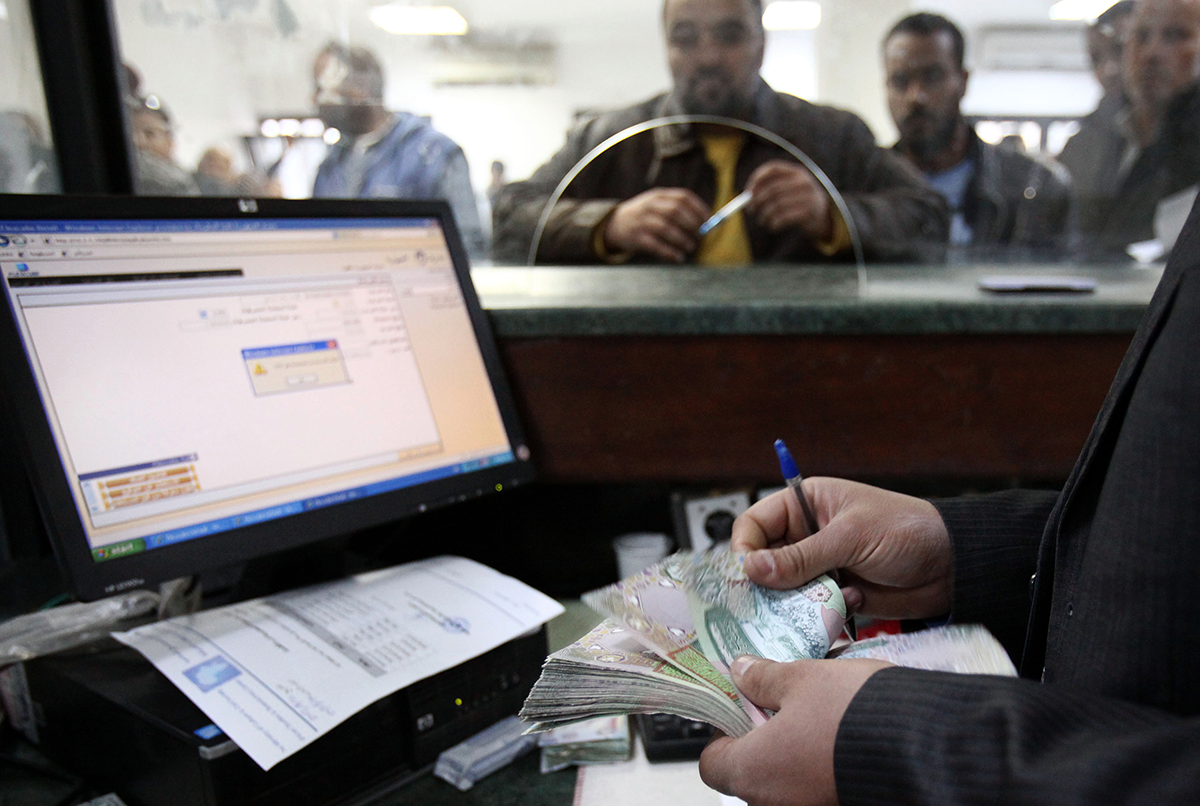
This paper investigates the ongoing Libya conflict through the Enduring Disorder paradigm, focusing on the financial and banking sectors, honing in on stakeholder perceptions of the Central Bank of Libya (CBL), its transparency/opacity, and the “narrative wars” over who is to blame for, and who benefits from, Libya’s economic dysfunction, the lack of an annual budget, and the current lack of a quorum on the CBL board.