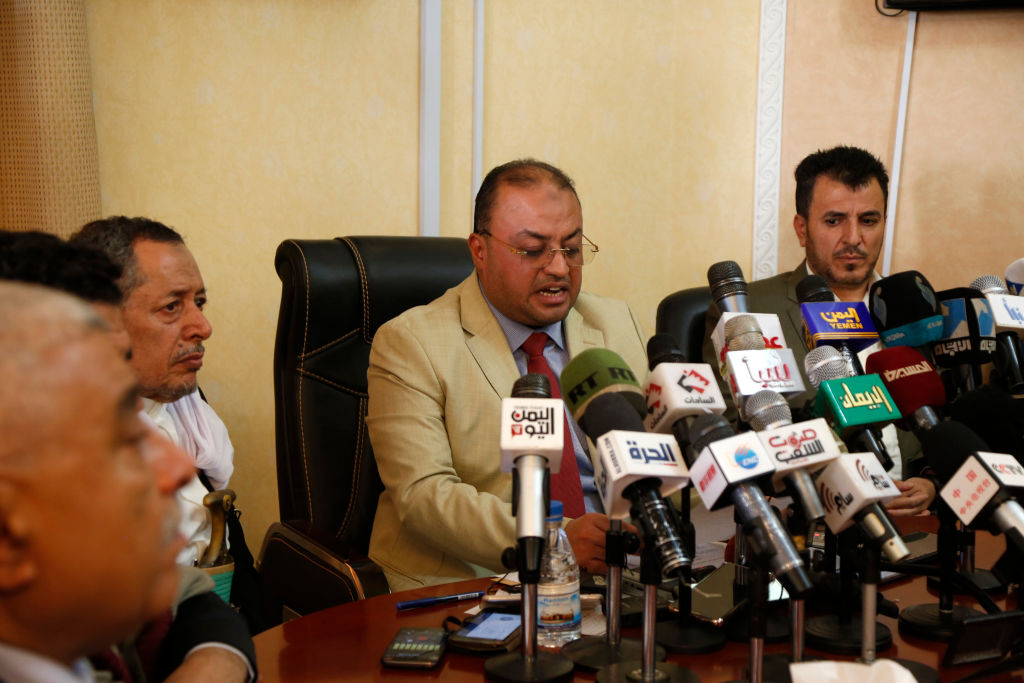
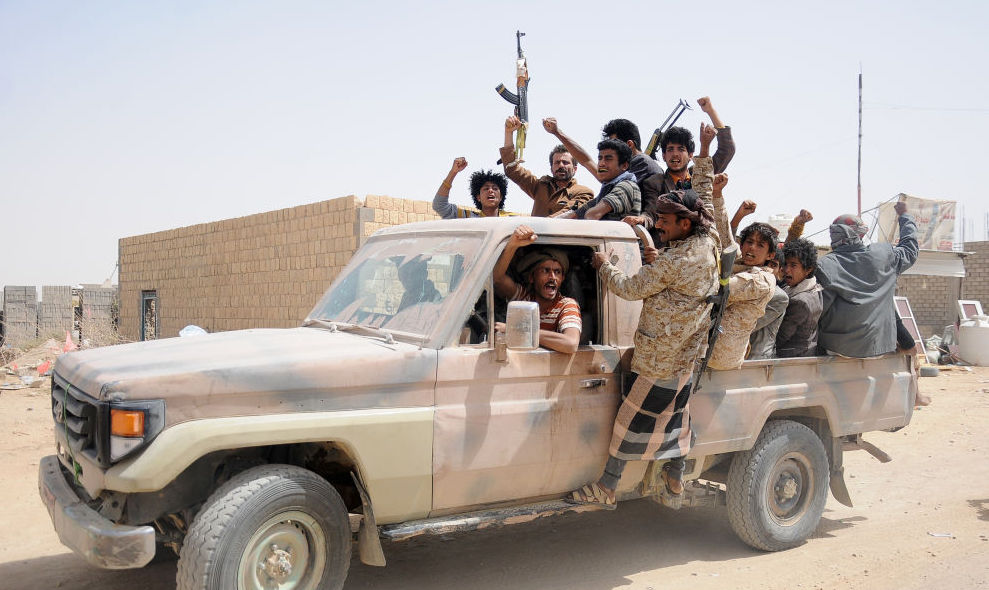
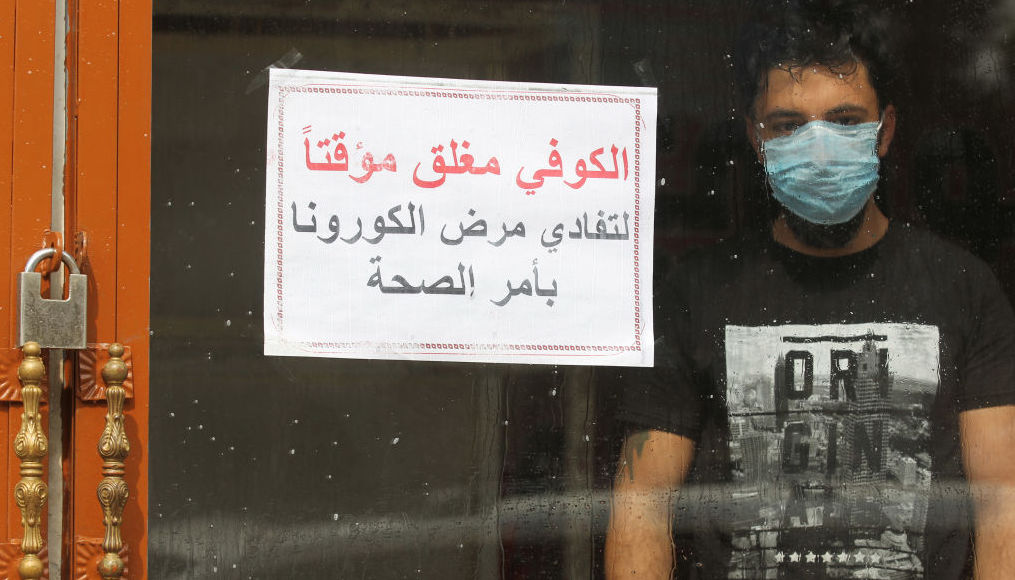
The Houthis’ response to COVID-19? Pre-emptively blame their enemies
By keeping the focus on Saudi Arabia, the UAE, and the U.S., and covering up Iran’s failure in dealing with the pandemic, the Houthis are trying to absolve themselves and their patrons of responsibility.
Vanda Felbab-Brown, Michael Kugelman, and Marvin Weinbaum join host Alistair Taylor to discuss the recent US-Taliban agreement in Afghanistan, the political power struggle over the presidency, the challenges facing the intra-Afghan dialogue, and the effects of coronavirus.
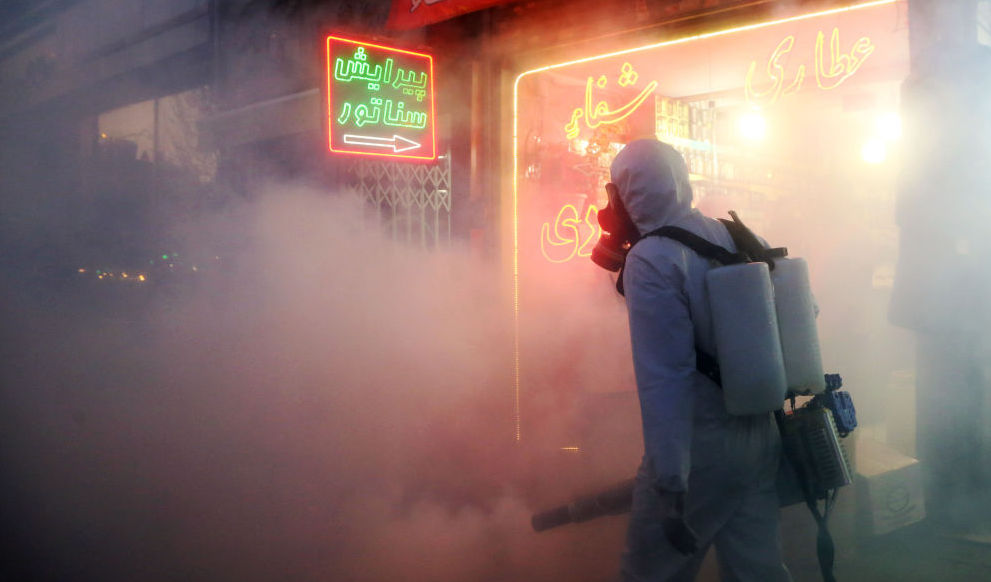
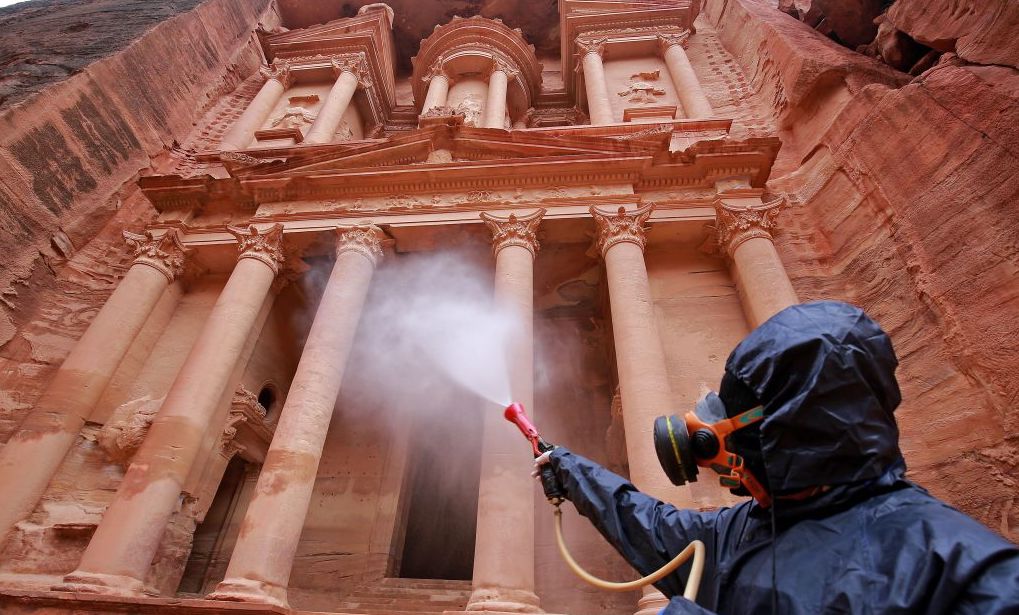
COVID-19 prompts the spread of disinformation across MENA
The growing global health crisis surrounding the outbreak of the coronavirus disease (COVID-19) has created an information environment ripe for manipulation by actors seeking to further their political and economic goals
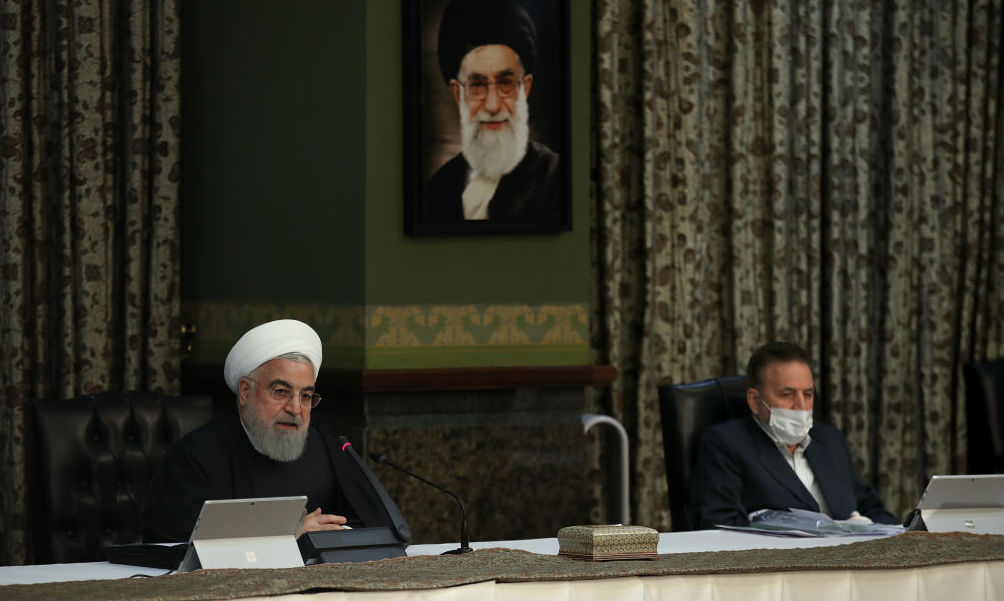
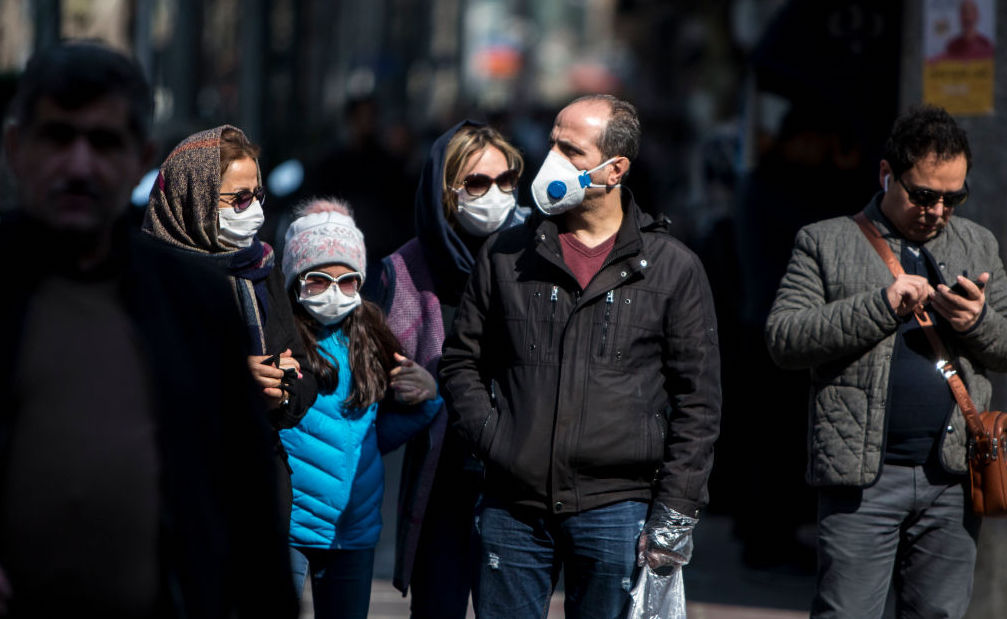
Coronavirus underscores Iran's internal struggle over its relationship with the world
The coronavirus crisis is the latest reminder that political factions in the Islamic Republic continue to struggle over what kind of relationship the country should have with the rest of the world.
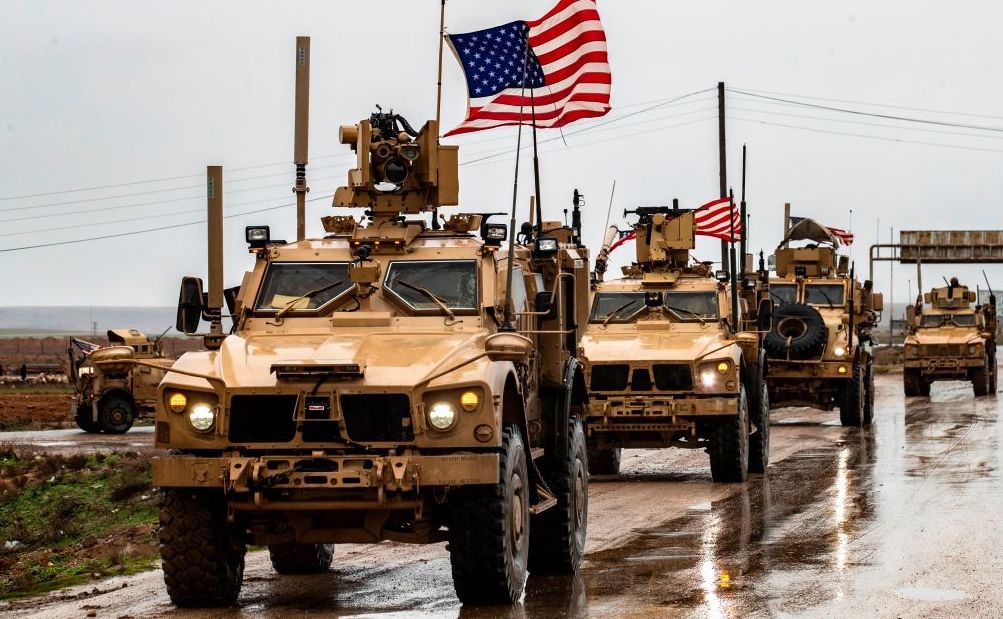
Democrats ought to build a moral firewall around Syria policy, establishing a framework for understanding the Syrian conflict and debating policy options.
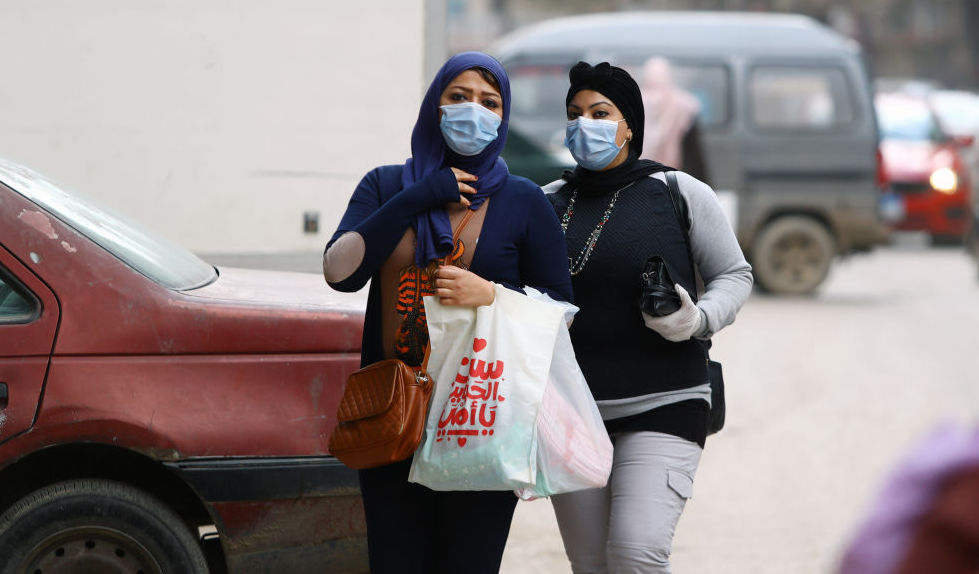
Egypt imposes stricter measures to tackle the spread of coronavirus
The most populous country in the Arab world, with 100 million people straining its seams, Egypt has weaknesses that make it susceptible to a serious outbreak of COVID-19.
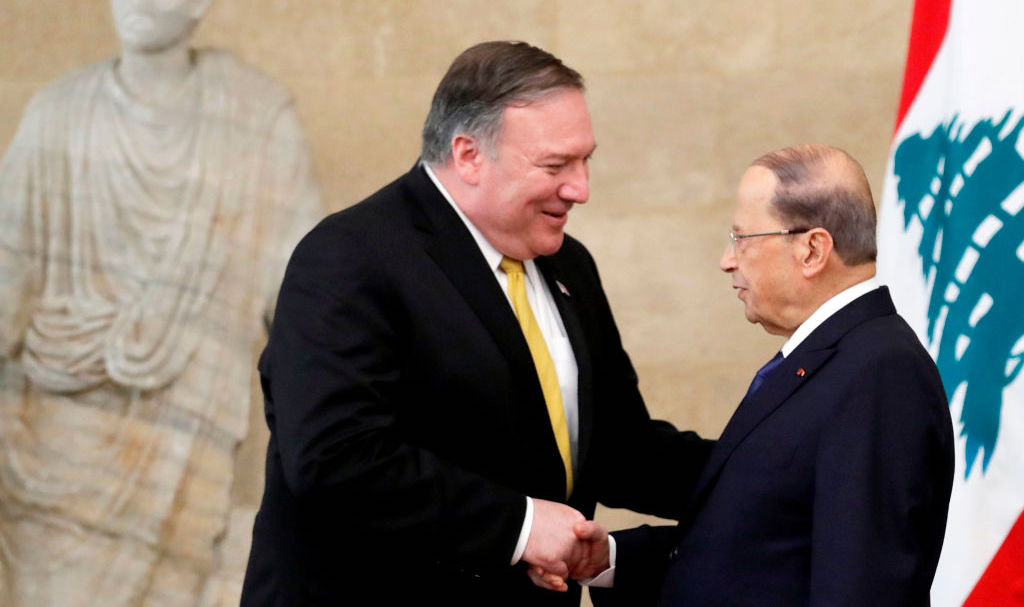
The US must remain engaged in Lebanon or risk Russian and Chinese gains
Amid an unprecedented political, economic, and financial crisis and the emergence of a new threat from the global coronavirus pandemic, Lebanon needs all the help it can get. The U.S. has long been an important source of assistance, and yet, as conversations with officials in both Beirut and Washington make clear, the argument for halting U.S. aid to Lebanon seems to be gaining ground.
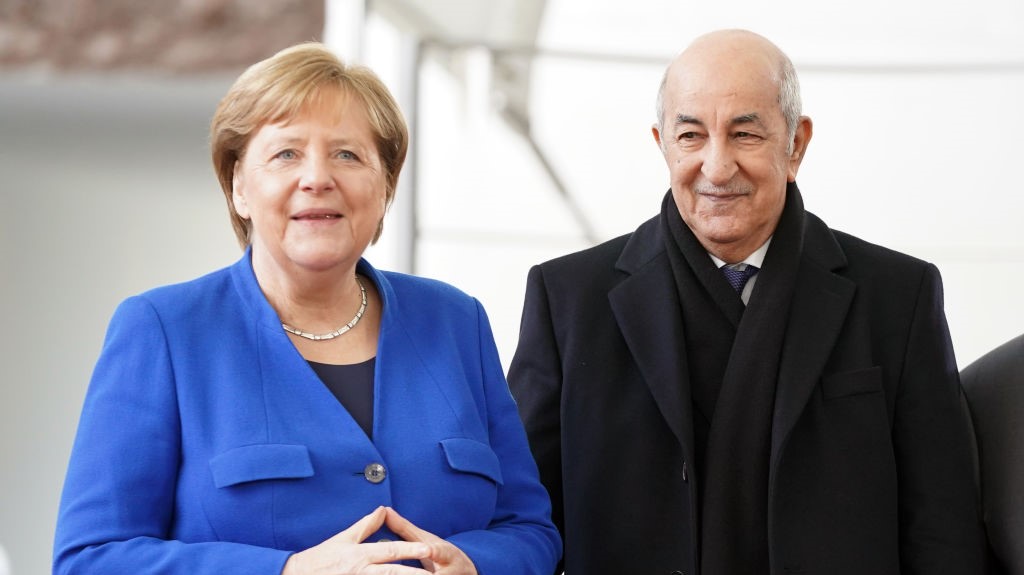
Algeria-Europe economic integration: Where are we now and where do we go?
In the face of Algeria’s Hirak protest movement, the response of the EU so far has been measured, and it is notable that the EU’s calls for democratic reform are framed in economic terms that emphasize the benefits of greater economic integration between the states of the Maghreb. What opportunities do the ongoing changes in Algeria present for enhancing economic integration in the long term?
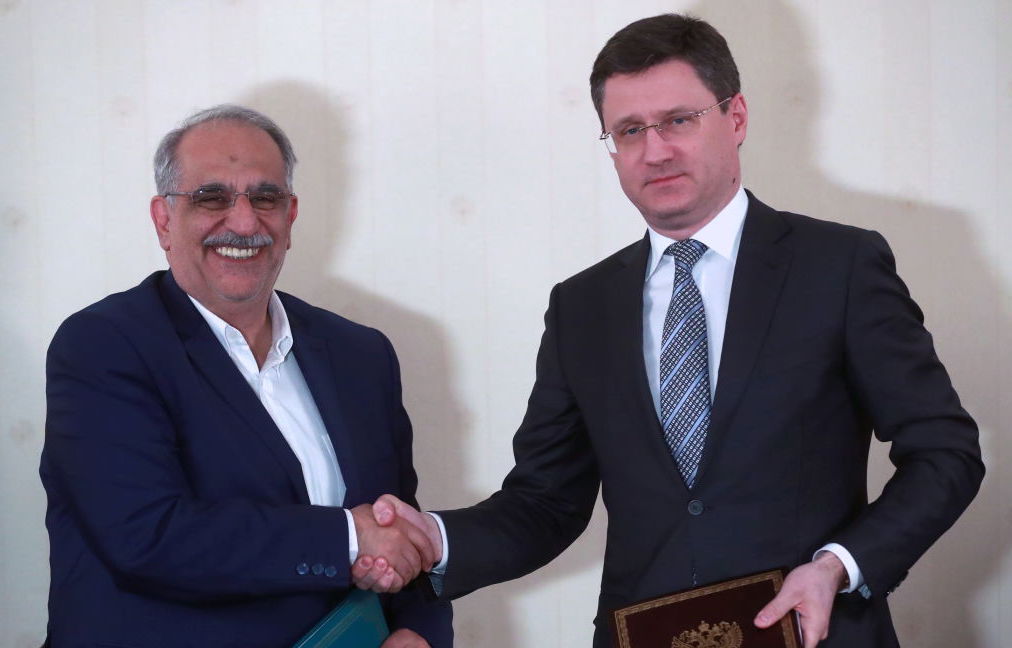
Iran and Russia: A tale of unfulfilled economic potential
The outbreak of a Russian-Saudi oil price war earlier this month might offer some comfort to Iran, a country which has in recent years become unnerved by the increasingly close ties between Moscow and Riyadh. However, it is premature to see an Iranian geopolitical win emerging from the Russian-Saudi spat, and history should give Tehran plenty of reservations about Moscow’s ability to deliver on its economic promises to Iran. While Iran and Russia will likely continue to pay lip-service to the idea of an economic partnership, each side will remain preoccupied with larger concerns. This is a tale of unfulfilled economic potential.
The economic outlook for MENA amid COVID-19 and the oil price drop
Economies around the world are being battered by two “black swan” events at the same time: the COVID-19 virus and the oil price war between Russia and Saudi Arabia. Naturally, the countries of the Middle East and North Africa (MENA) are also affected, although each in different ways. Those that are net users of energy, which could have benefitted substantially from the vastly lower energy prices, are getting hit hard by COVID-19, while oil and gas producers are suffering from an all-out oil price war made worse by the steep decline in worldwide demand caused by the pandemic.
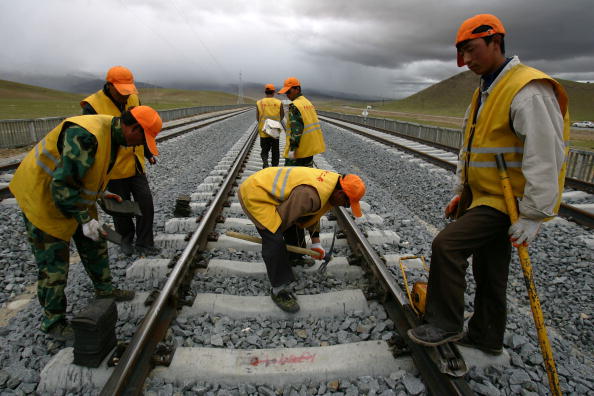
A planned Kashgar to Osh railway is part of China’s Eurasian Intercontinental CR Express rail freight policy. It would require a huge amount of new construction, massive public debt for Kyrgyzstan and would provide no clear economic benefit. The proposed line would also actually be longer than the existing route from Urumqi to Tashkent via Kazakhstan.
Normalizing Houthi gains in Yemen puts Marib at serious risk
Just a week after Houthi rebels took control of al-Hazm, the capital of al-Jawf Province, on March 1, UN Special Envoy for Yemen Martin Griffiths paid an unprecedented, one-day visit to the Houthis’ likely next target, oil-and-gas-rich Marib, reiterating the urgent need for de-escalation.