US Policy and the Resurgence of ISIS in Iraq and Syria
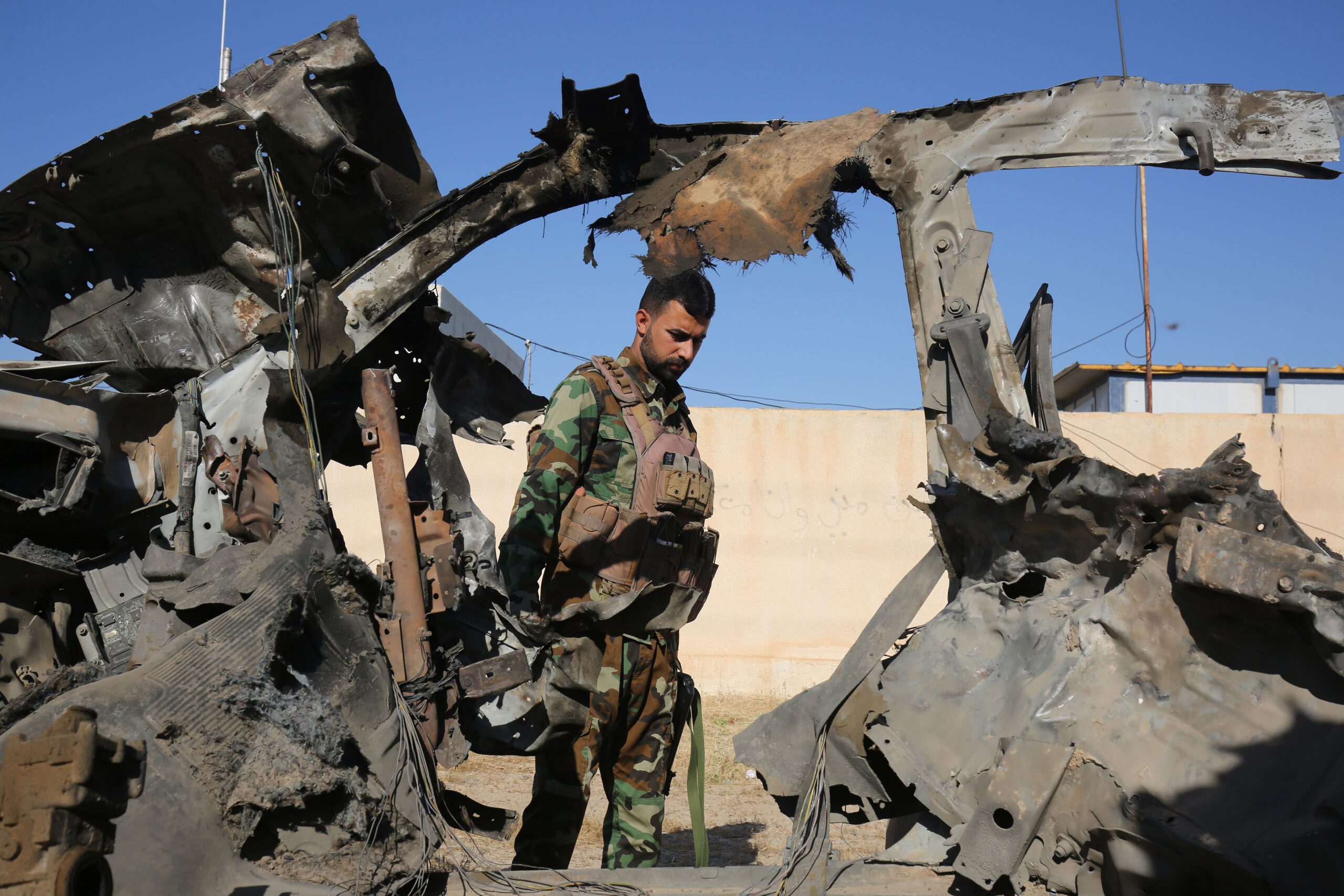
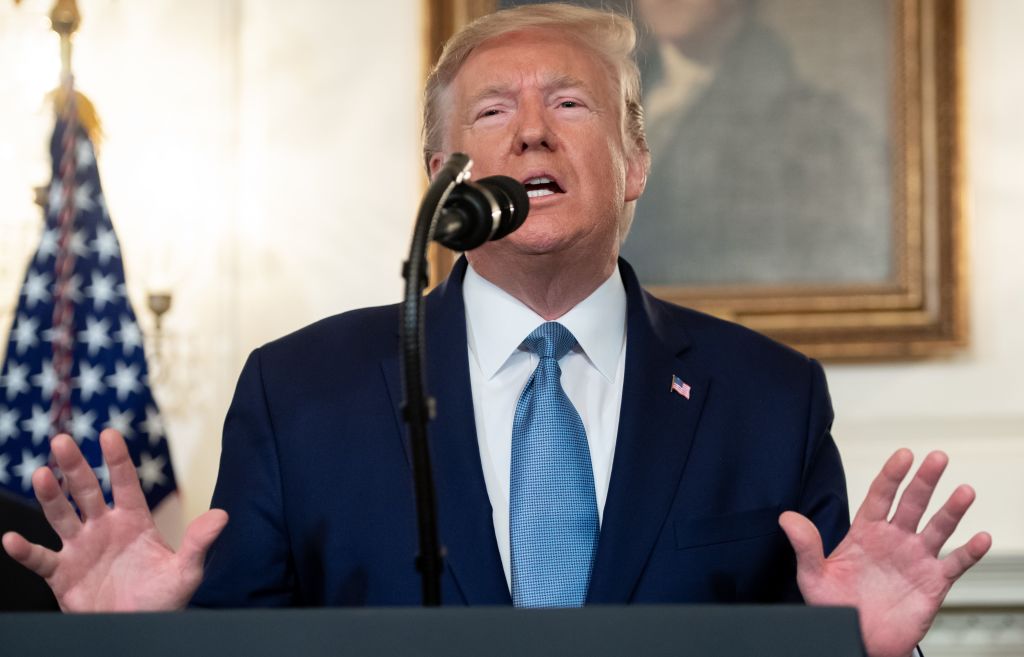
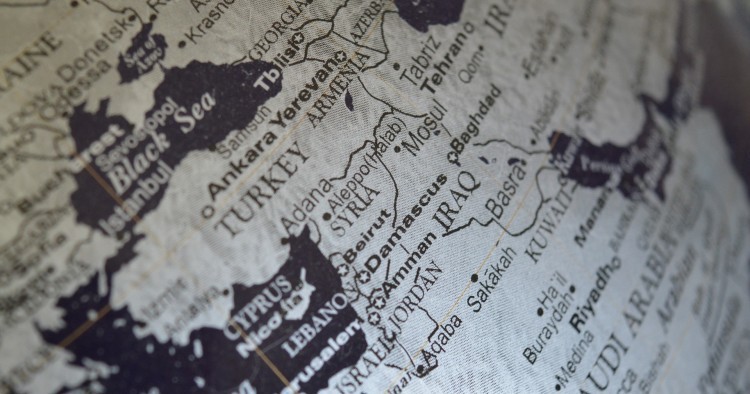
As attacks by ISIS increase in both Iraq and Syria, the upcoming U.S. presidential election offers a turning point for how U.S. foreign policy will seek to address a potential ISIS resurgence. This paper lays out this growing problem and recommends policy, which will be constrained by the outcome of the November election.
Monday Briefing: Secret diplomatic visit to Damascus raises questions about US Syria policy
This week’s briefing on recent news and upcoming events in the region featuring Charles Lister, Ruba Husari, Marvin G. Weinbaum, and W. Robert Pearson.
Robert Ford, Hafsa Halawa, and Randa Slim join host Alistair Taylor to discuss the political and economic challenges facing Iraq, the state of US-Iraqi relations, and the potential impact of upcoming U.S. elections in November.
Jannah or Jahannam: Options for Dealing with ISIS Detainees
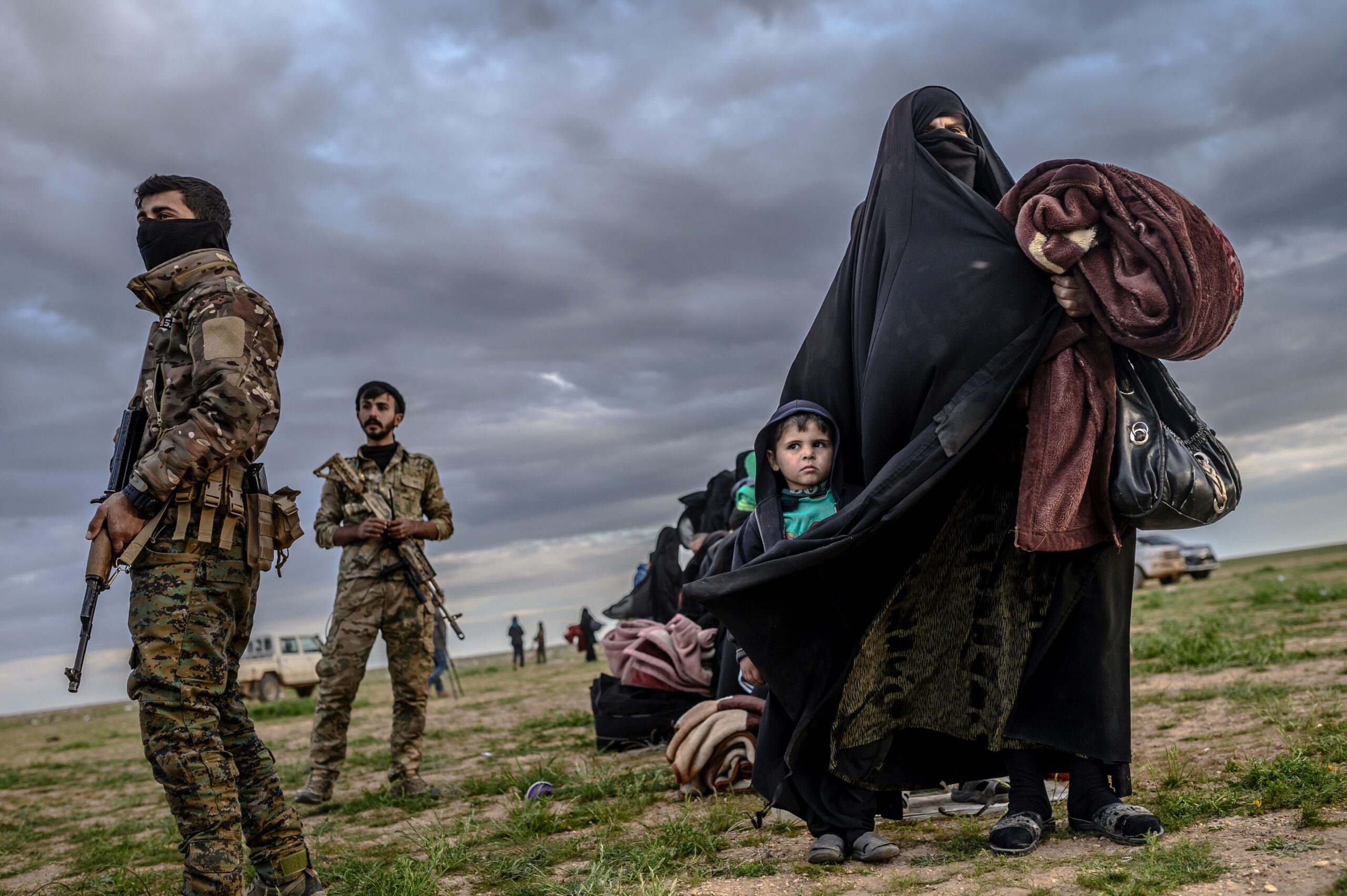
Thousands of former ISIS fighters and tens of thousands of civilians indoctrinated in the group’s extremist ideology currently sit in prisons and refugee camps across Iraq and Syria. Leaving the detainees there is dangerous, but transitioning them will require some type of accountability for the crimes committed. This paper explores options for international action to deal with the detention of ISIS members from Iraq and Syria and the foreign terrorist fighters who joined the group from around the globe.
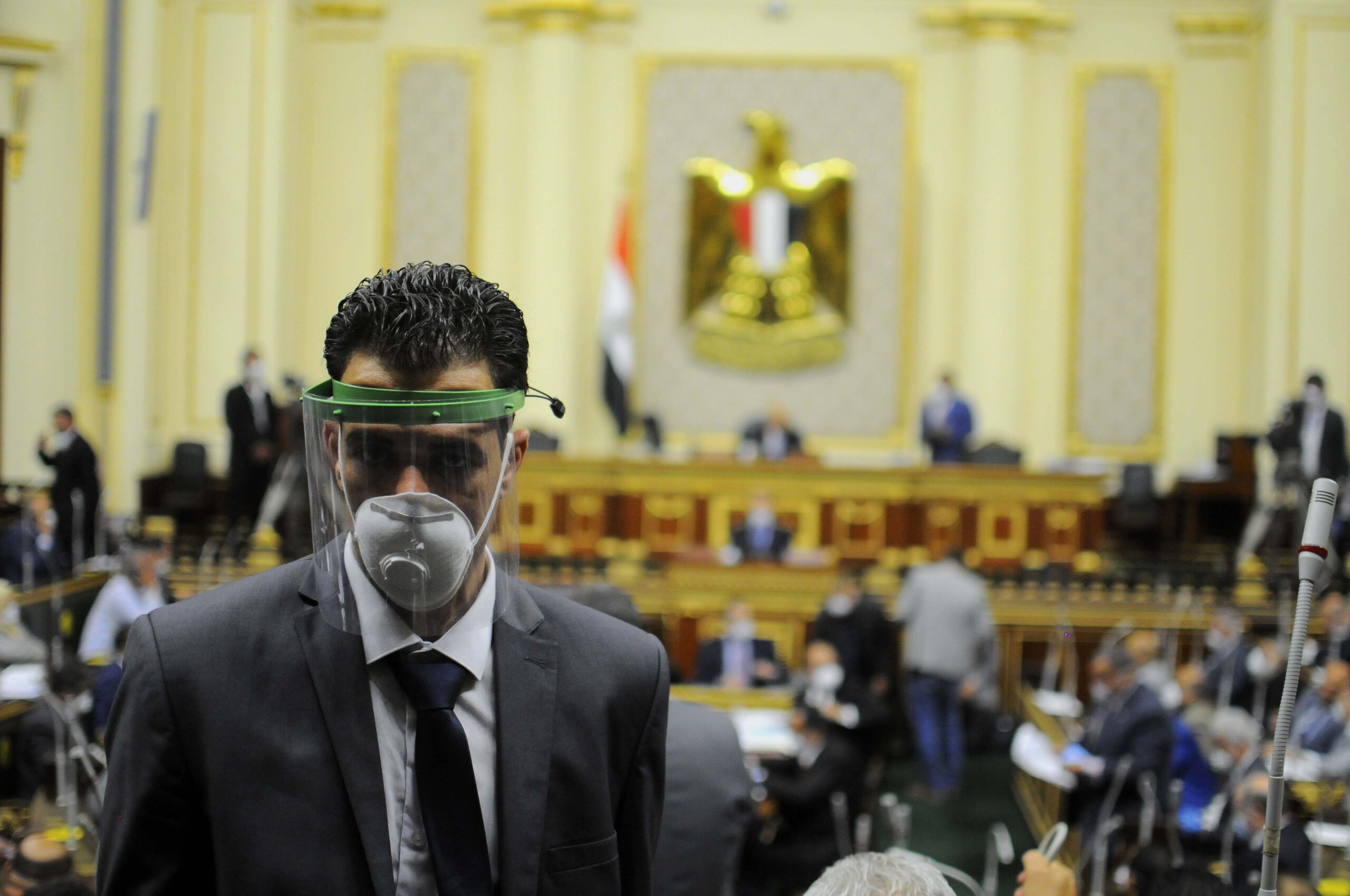
Egypt is not alone in having been knocked into a pit by the fallout from the COVID-19 pandemic, but it will have to dig itself out on its own. However, if Egypt is going to do so, it needs to rethink its approach to development, starting with looking for the silver lining to the pandemic. Is it possible to address existing issues that have been brought home by the exceptional circumstances? In this report, contributors dissect the weaknesses that make Egypt particularly vulnerable to external threats and examine ways in which to address these vulnerabilities and shore up the economy and the business and developmental environment.
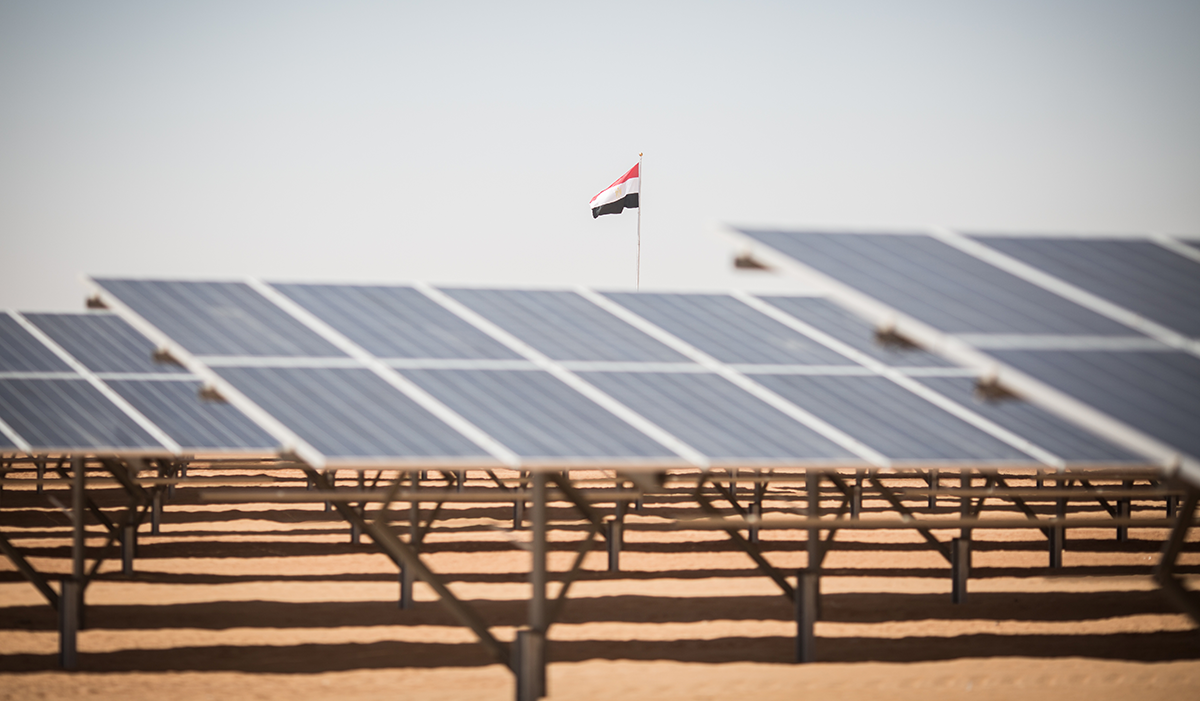
With its successful turnaround, strategic location, and extensive infrastructure, Egypt is repositioning itself as a regional energy hub for not only Europe and the Middle East, but also for Africa. It is useful to reflect on the successful transformation of Egypt’s energy sector while also evaluating where the sector stands today and how it will react to the twin challenges of the COVID-19 global pandemic and the oil price shock.
Towering Ambitions: Egypt and China Building for the Future
Over the past decade, Egypt and China — the former a traditional US partner and the latter America’s strategic competitor — have forged ever-deeper ties. During that time, Beijing has sought to leverage its relationship with Egypt to advance the Belt and Road Initiative (BRI), while Cairo has looked to China as a critical partner in the revitalization of the Egyptian economy. Entering 2020, Egypt was one of the fastest-growing emerging markets, and the Sino-Egyptian economic relationship was thriving. However, the fallout from the pandemic could undermine Egypt’s recent success in restoring growth and regaining investor confidence. It could also test the resilience and delay the further expansion of Sino-Egyptian economic ties.
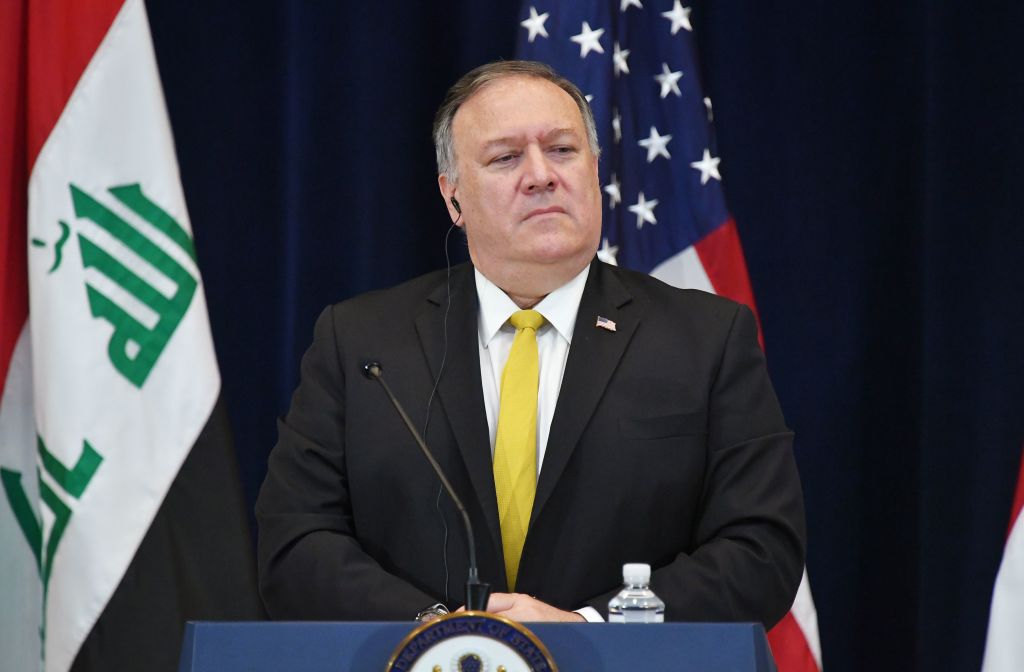
Monday Briefing: Will Washington risk a collapse in Iraq?
This week’s briefing on recent news and upcoming events in the region featuring Robert S. Ford, Gonul Tol, Paul Salem, Dr. Marwa Maziad, and Marvin G. Weinbaum.
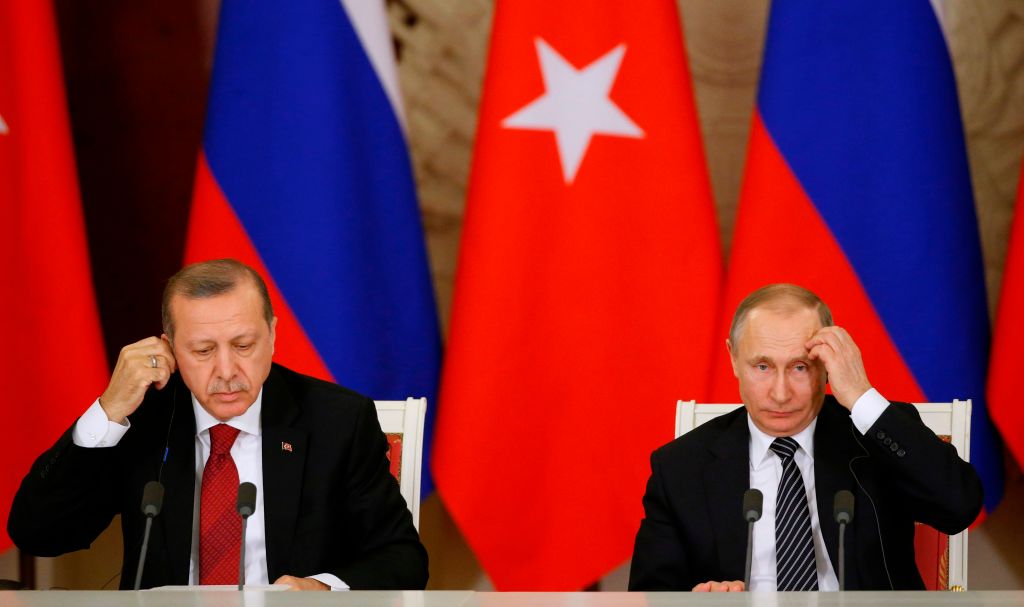
Monday Briefing: Will Russia and Turkey face off over Nagorno-Karabakh?
This week’s briefing on recent news and upcoming events in the region featuring Maxim A. Suchkov, Ibrahim Jalal, Eliza Campbell, Alex Vatanka, and Marvin G. Weinbaum.
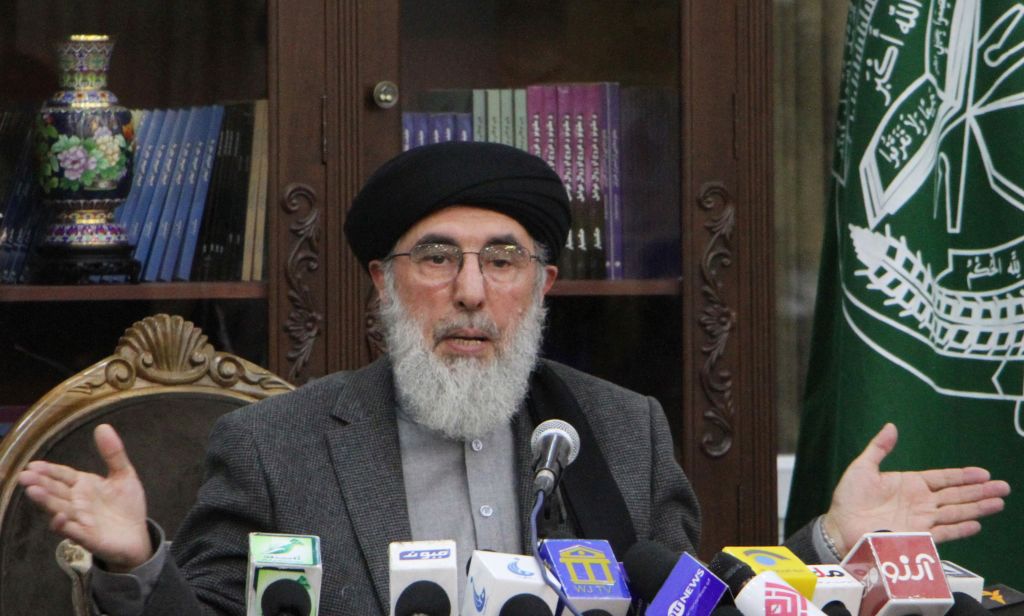
Monday Briefing: In Afghanistan a major player plans to jump ship
This week’s briefing on recent news and upcoming events in the region featuring Marvin G. Weinbaum, Charles Lister, Hafsa Halawa, Bilal Y. Saab, Anthony Elghossain, and Michael Sexton.
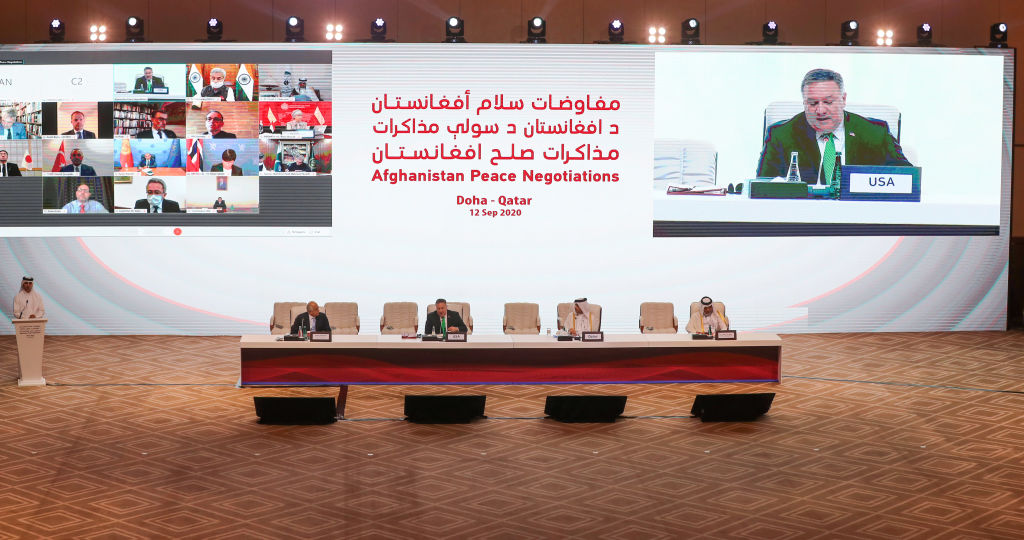
Monday Briefing: Intra-Afghan talks begin with pomp and circumstance
This week’s briefing on recent news and upcoming events in the region featuring Marvin G. Weinbaum, Grace Wermenbol, Jason Pack, Shahla Al-Kli, and Khaldoun Khelil.
Election 2020: Challenges and Opportunities for US Policy in the Middle East
In a new briefing book released ahead of the U.S. elections in November, entitled Election 2020: Challenges and Opportunities for US Policy in the Middle East, MEI scholars lay out key issues across the region, highlight the U.S. interests at stake, and provide policy insights and recommendations for the path forward.
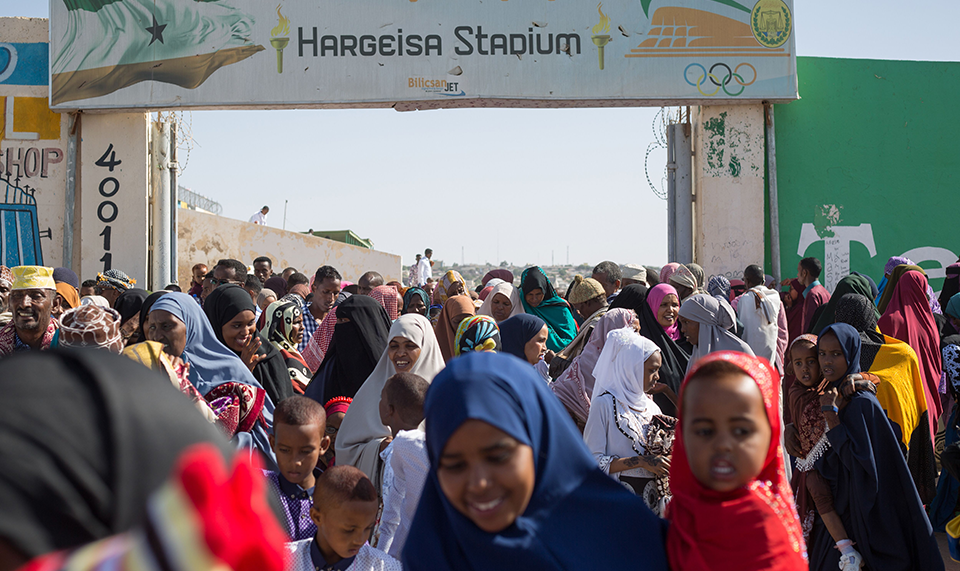
Taiwan should implement the “Economic Miracle” model in Somaliland to win Africa’s goodwill
Countries in the Horn of Africa can draw lessons from the Taiwanese because they are themselves attempting to make the same political transition Taiwan did, but have not yet achieved the needed reforms such as ensuring good governance, eradicating corruption, and developing economic self-reliance to reduce dependency on aid. Taiwan may not have the financial resources to win against the PRC’s checkbook-driven One-China policy in Africa, but it could overcome that disadvantage by convincing African nations that it can help them replicate the sustainable growth model of the “Taiwan Economic Miracle.” Taiwan’s recent diplomatic overtures in Somaliland seem like a step in that direction and could be a game-changer, not only for the Horn of Africa but for the continent as a whole.
This week’s briefing on recent news and upcoming events in the region featuring Charles Lister, Randa Slim, Jonathan M. Winer, Alex Vatanka, Marvin G. Weinbaum, Robert S. Ford, Mirette F. Mabrouk, and Syed Mohammad Ali.
بما أن حفتر يرفض وقف إطلاق النار في ليبيا، فإن تجديد الدبلوماسية بات أمرا حتميا
في 21 من شهر أغسطس الجاري تم الاتفاق على وقف إطلاق النار في ليبيا من قبل رئيس المجلس الرئاسي فايز السراج، ورئيس مجلس النواب في شرق ليبيا، عقيلة صالح.
كان من المفترض أن يكون الاتفاق خطوة ملموسة لوقف الصراع العسكري الذي تصاعدت حدته في 4 أبريل 2019، عندما بدأ الدكتاتور الليبي المحتمل خليفة حفتر، حملة عسكرية لغزو طرابلس التي كانت تعد بمثابة العاصمة الوطنية للبلاد.
تم دعم الاتفاق على الفور من قبل الأمم المتحدة، والولايات المتحدة، وبعض الأطراف الأجنبية التي تدعم كل جانب على حدة.