Breaking down the details of the UAE’s climate strategy
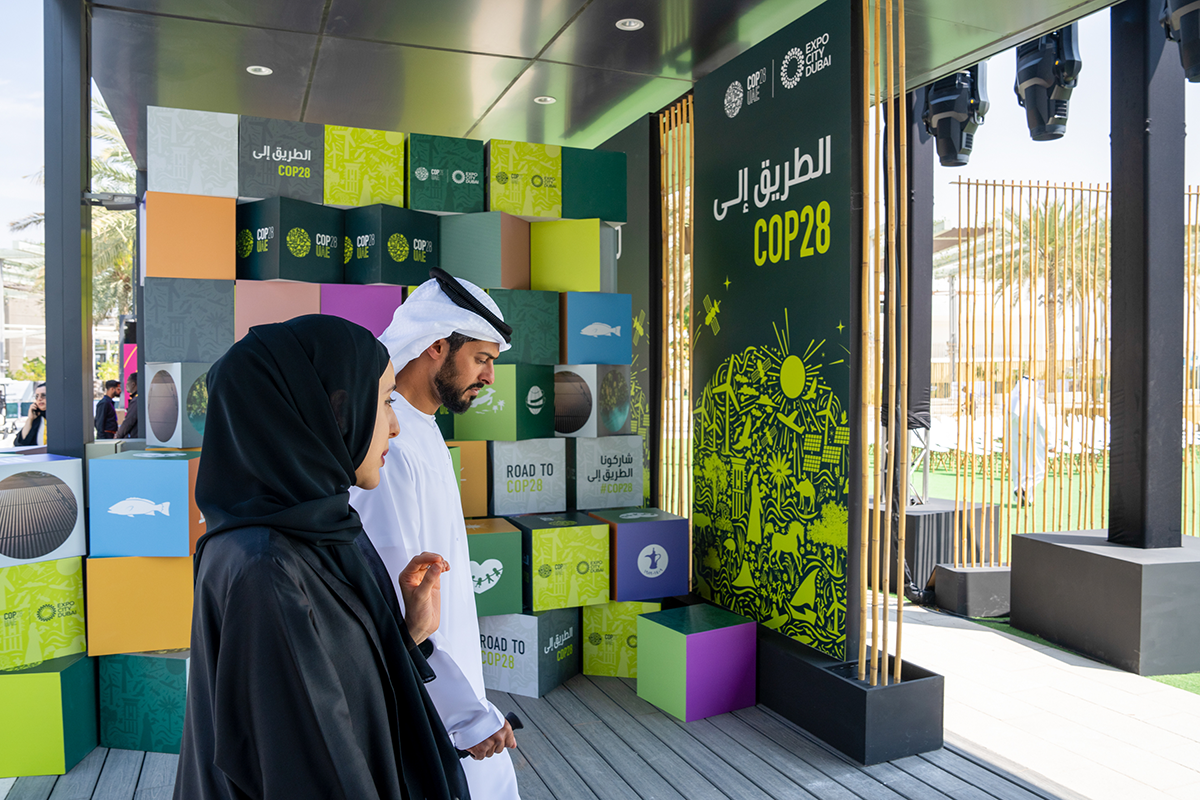
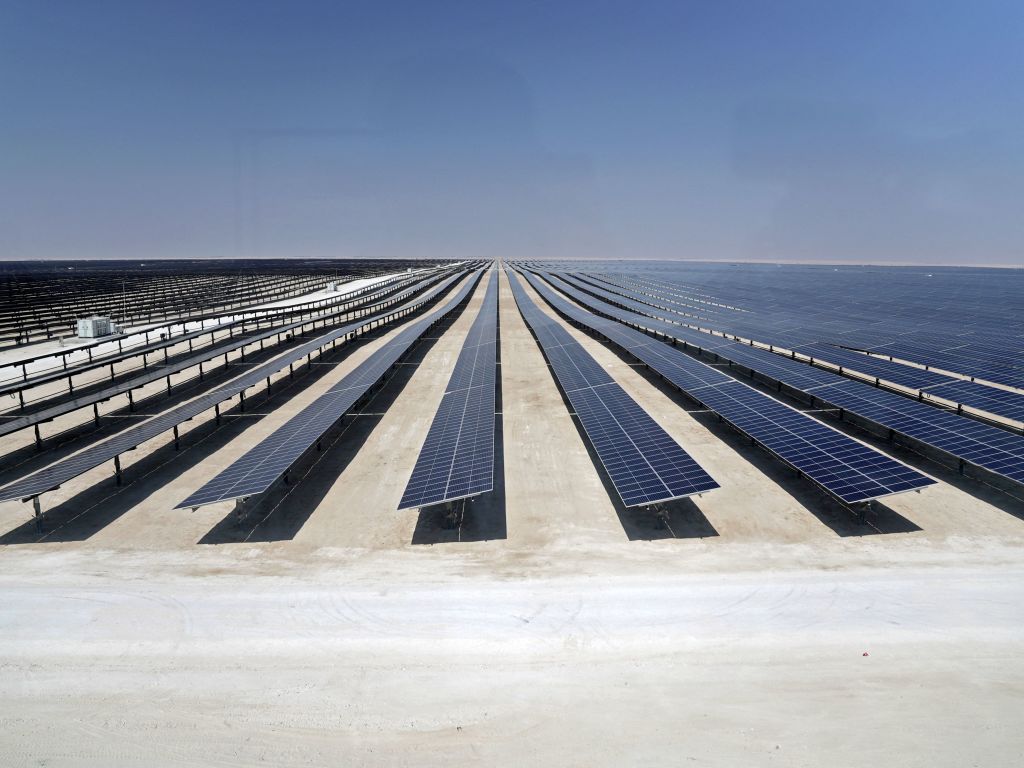
In the race to manage climate change, the UAE is ramping up its efforts in a bid to accelerate its transition to a green economy. In the first two weeks of July 2023, it published several important documents laying out its actions and objectives, including a revised version of the national climate pledges it made under the Paris Agreement, as well as a number of targeted policies and strategies.
Normalizing Assad has made Syria’s problems even worse
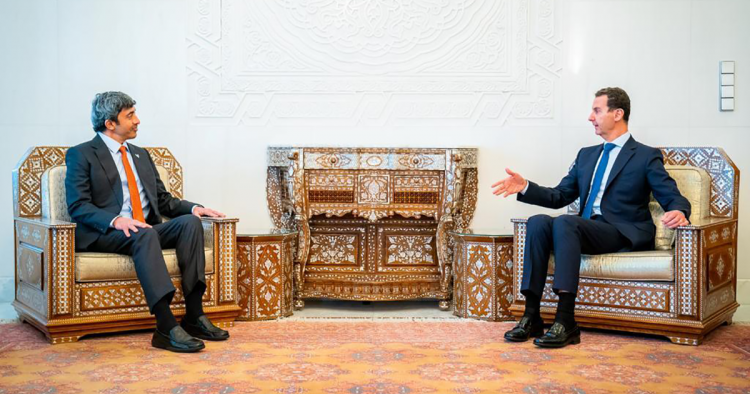
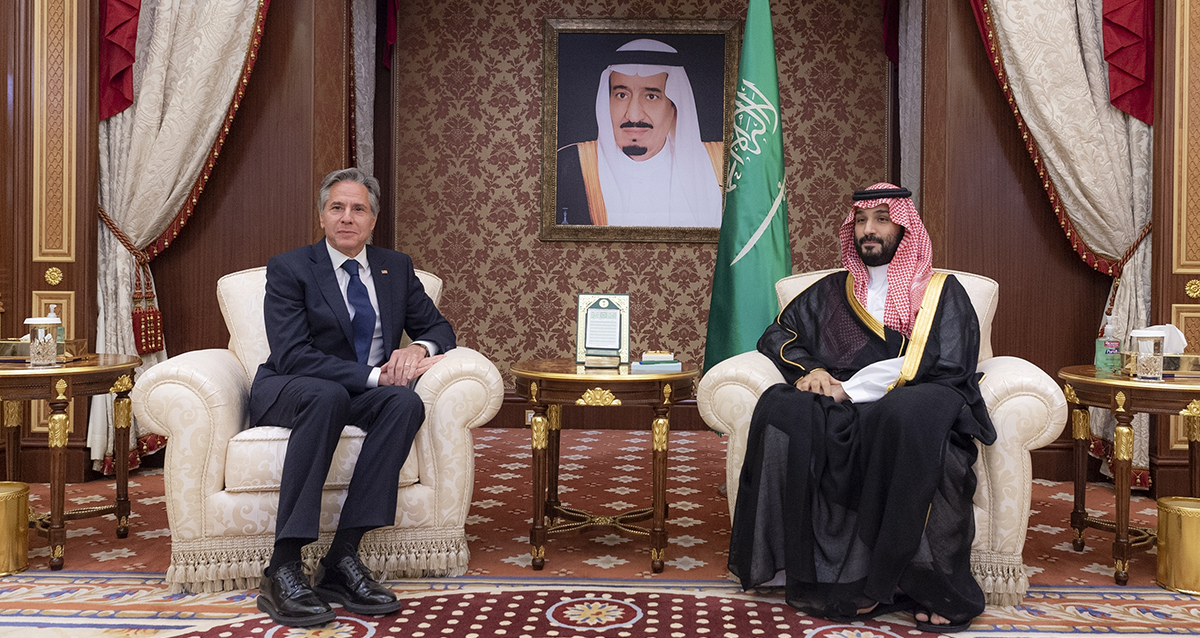
Three months ago, Saudi Arabia kick-started a concerted regional effort to reengage and normalize Syria’s regime within the Middle East and, Riyadh hoped, farther afield. On April 18, Saudi Foreign Minister Faisal bin Farhan met with Syrian President Bashar al-Assad in the Syrian capital of Damascus. Just one month later, on May 19, the Arab League embraced one of the world’s most notorious war criminals for the first time since 2011.
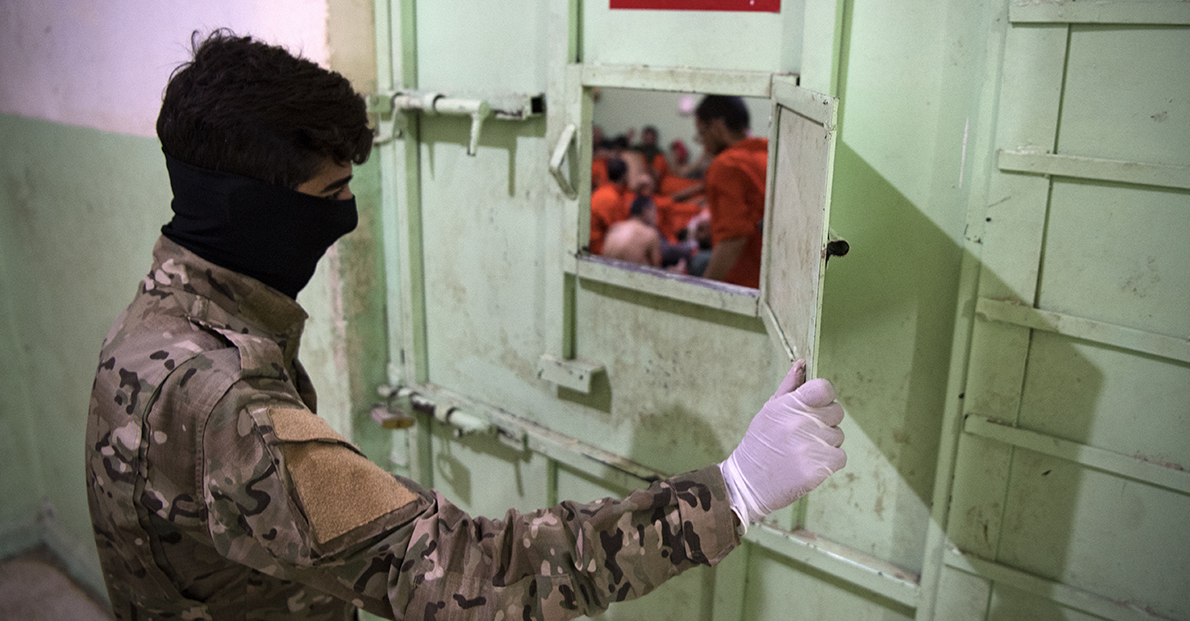
As the clock ticks down on the repatriation of IS foreign fighters from Syria, a recent development has added a new sense of urgency to the situation. On June 11, the Autonomous Administration of North and East Syria (AANES), announced its intention to prosecute 2,000 IS foreign fighters. How-ever, the lack of international recognition for the AANES and its courts renders these trials illegiti-mate, further complicating future international legal efforts to prosecute these combatants.
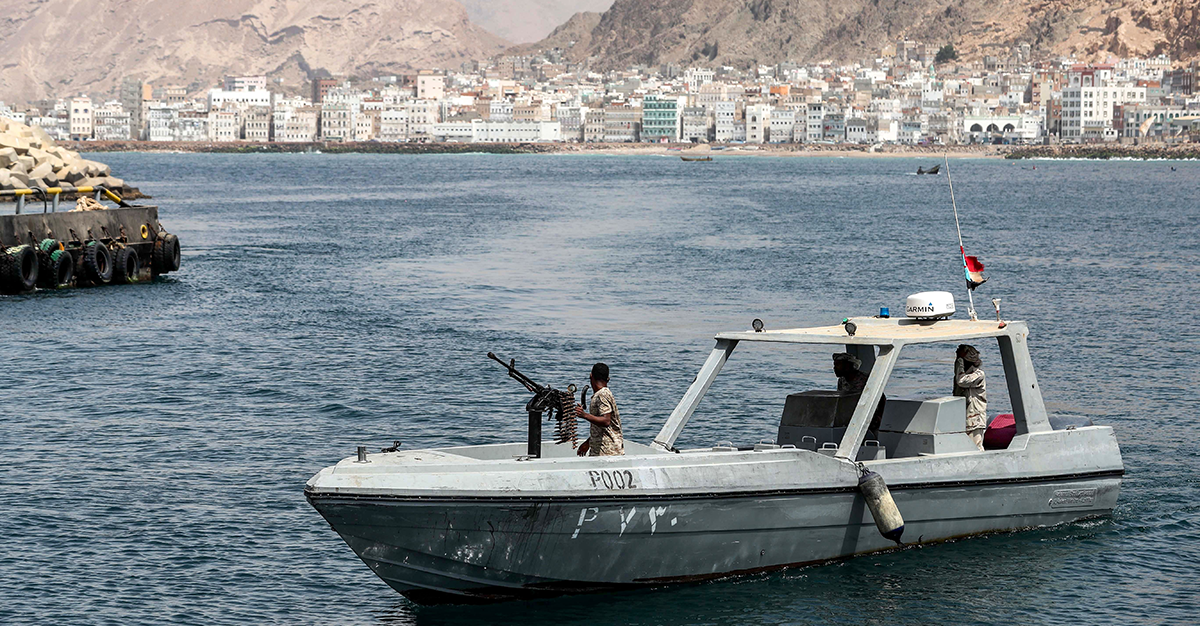
Changing dynamics reshape power networks in Yemen’s “two Hadramawts”
Since 2015, Yemen’s largest governorate, Hadramawt, has been informally divided between two distinct centers of power with different military loyalties and external backing. The balance of power within the governorate is no longer fixed, however. Changes in Hadramawt’s military, political, and economic dynamics are reshaping power networks in the governorate and beyond, with implications for the conflicting agendas of the Saudis, Emiratis, and Houthis.
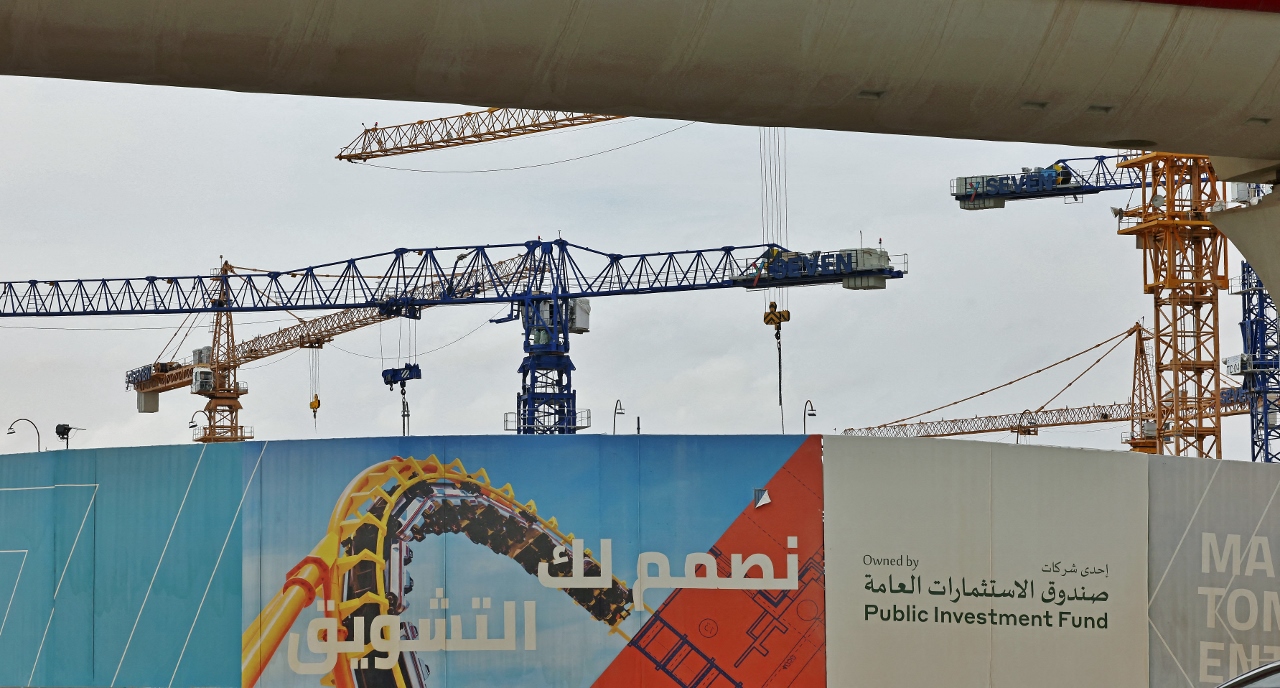
The new wave of dealmaking by Gulf sovereign wealth funds
For resource-rich countries such as Gulf oil and natural gas producers, sovereign wealth funds have emerged as promising tools to save for future generations, mitigate the effects of outsized economic shocks, and/or be deployed as reserve investment and strategic development funds to spend on human, natural, social, and physical capital.
سورية التي أسست للخلاف بين قوات فاغنر والحكومة الروسية
لم يكن تمرد مجموعات فاغنر العسكرية على الحكومة الروسية ووزارة الدفاع وقادتها العسكريين مفاجئاً، خاصة في الفترة الأخيرة من الحرب الروسية الأوكرانية مع الظهور المستمر لزعيم تلك القوات يفغيني بريغوجين، الذي تكرر ظهوره خلال الأشهر الماضية منتفداً تارة ومهدداً تارةً أخرى للقادة العسكريين الروس، بسبب ما قال إنه نقص في الذخيرة والمعدات المقدمة لقواته على جبهات أوكرانية وخاصة باخموت، ما تسبب بمقتل العشرات من قواته على مدار الفترة الماضية.
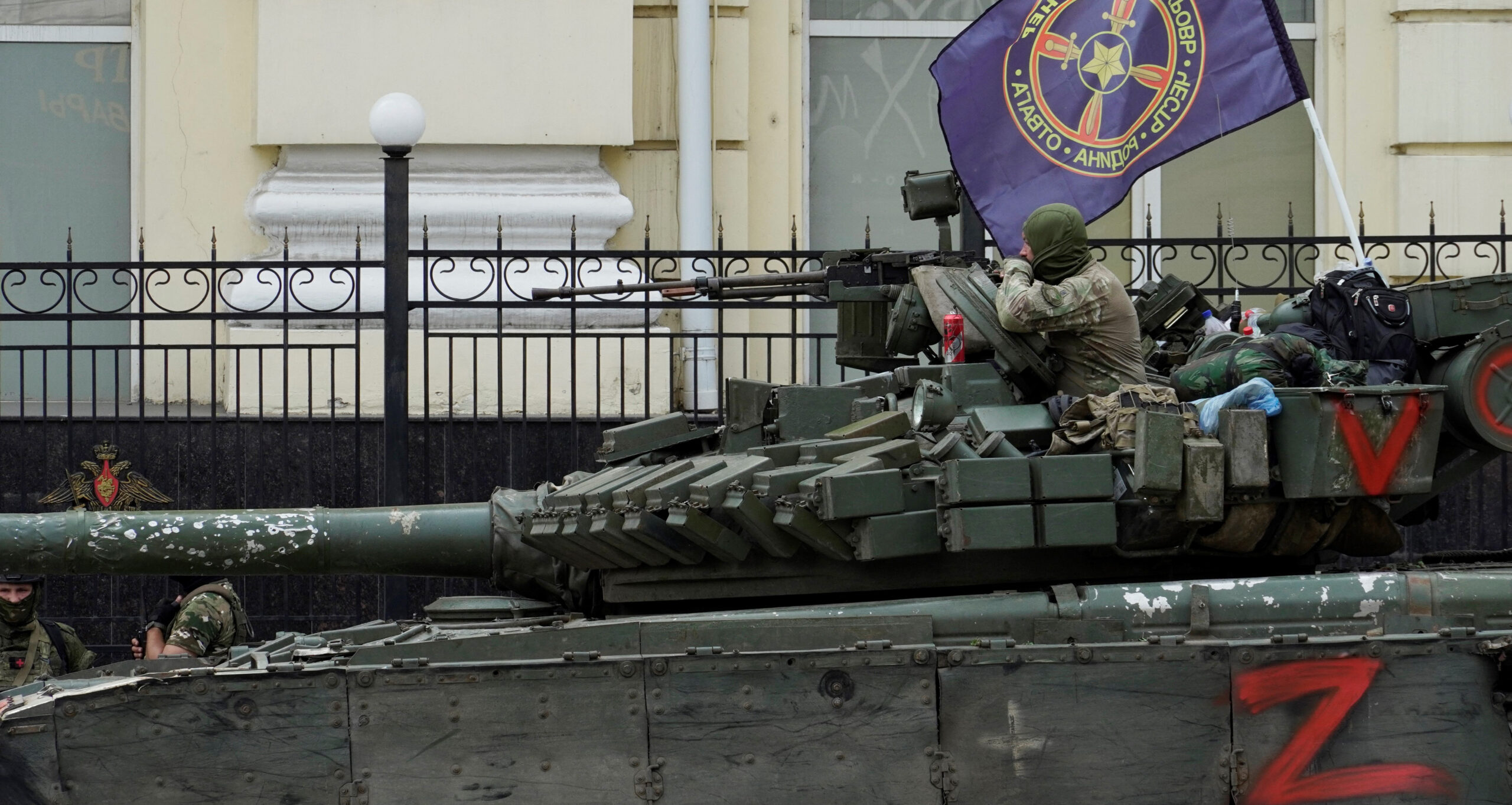
Syria is where the conflict between Wagner and the Russian government began
The conflict between the Wagner Group and the Russian government was not born out of the full-scale invasion of Ukraine, though the war there caused the rift to widen and tensions to explode publicly in the form of an armed rebellion. Instead, the discord actually started in Syria back in 2017 and has intensified since then.
The UN Syria cross-border aid mandate is dead. What comes next could be a catastrophe
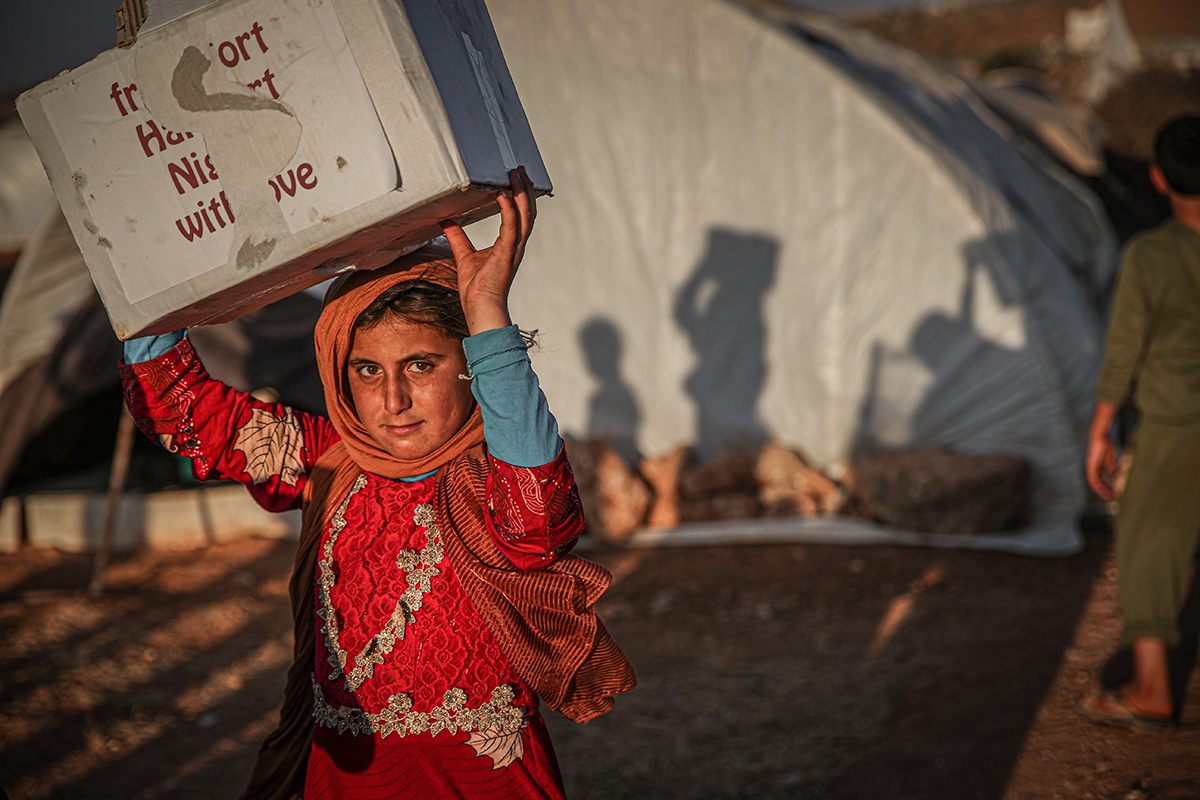
Northwestern Syria is home to the world’s most acute humanitarian crisis. The prospect of the Assad regime being able to exert all control over what aid goes into the area is unconscionable.
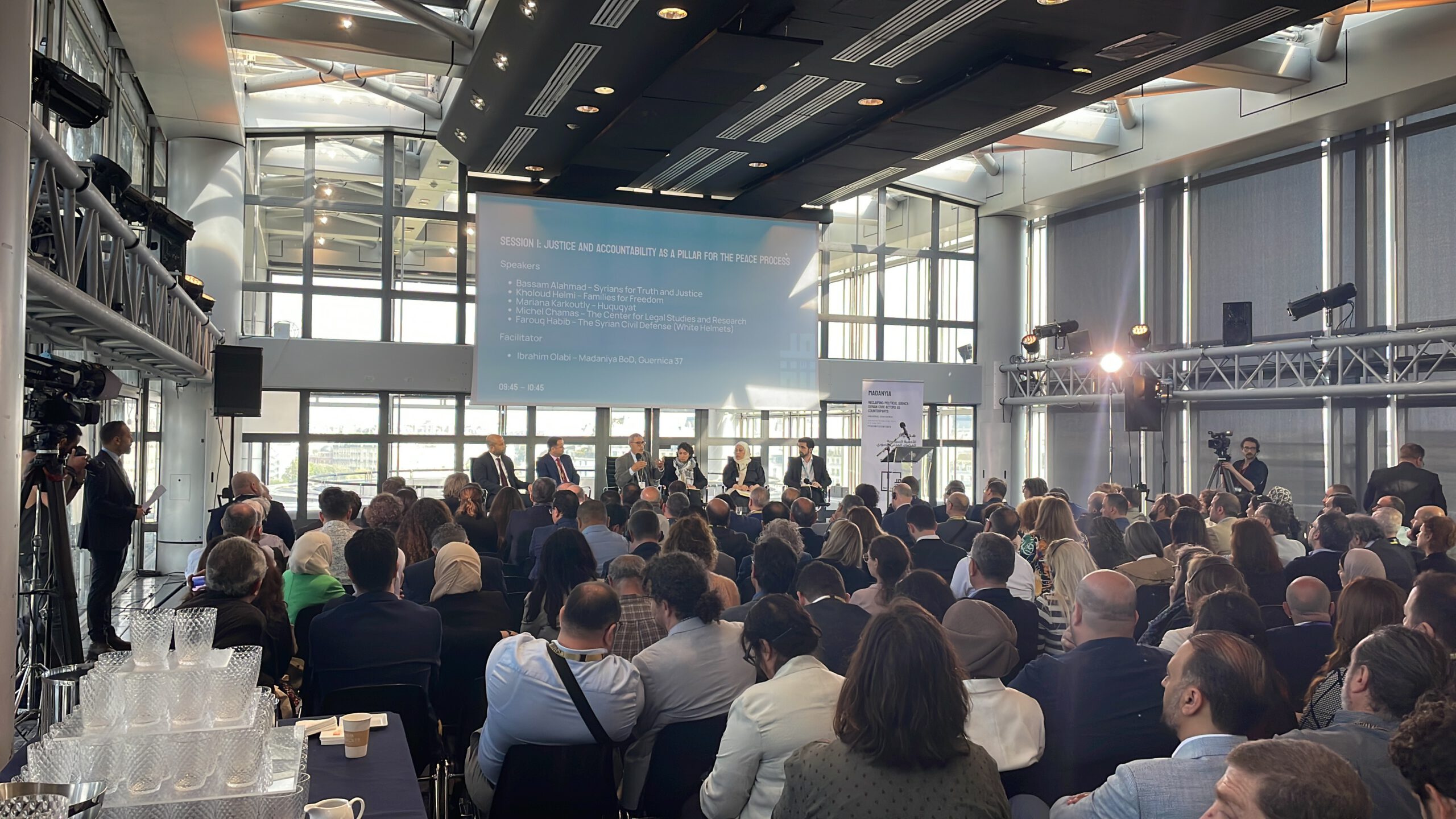
Following two years of preparation, the Syrian Madaniya (“Civil”) initiative held its inaugural conference with over 180 participating organizations. To claim a political role, Madaniya needs a program and a partner. The natural partner for this endeavor is the Syrian Negotiation Commission.
In the last few years, the global energy outlook has been transformed. The rise of populist politics and a growing sense of urgency about climate change have roiled debates about energy policy in wealthy countries, generating a dizzying mix of new industrial policies. The COVID-19 pandemic made it far harder to predict fuel prices and consumption patterns and forced many countries to confront their connections to fragile multistate supply chains and legacy petrostates.
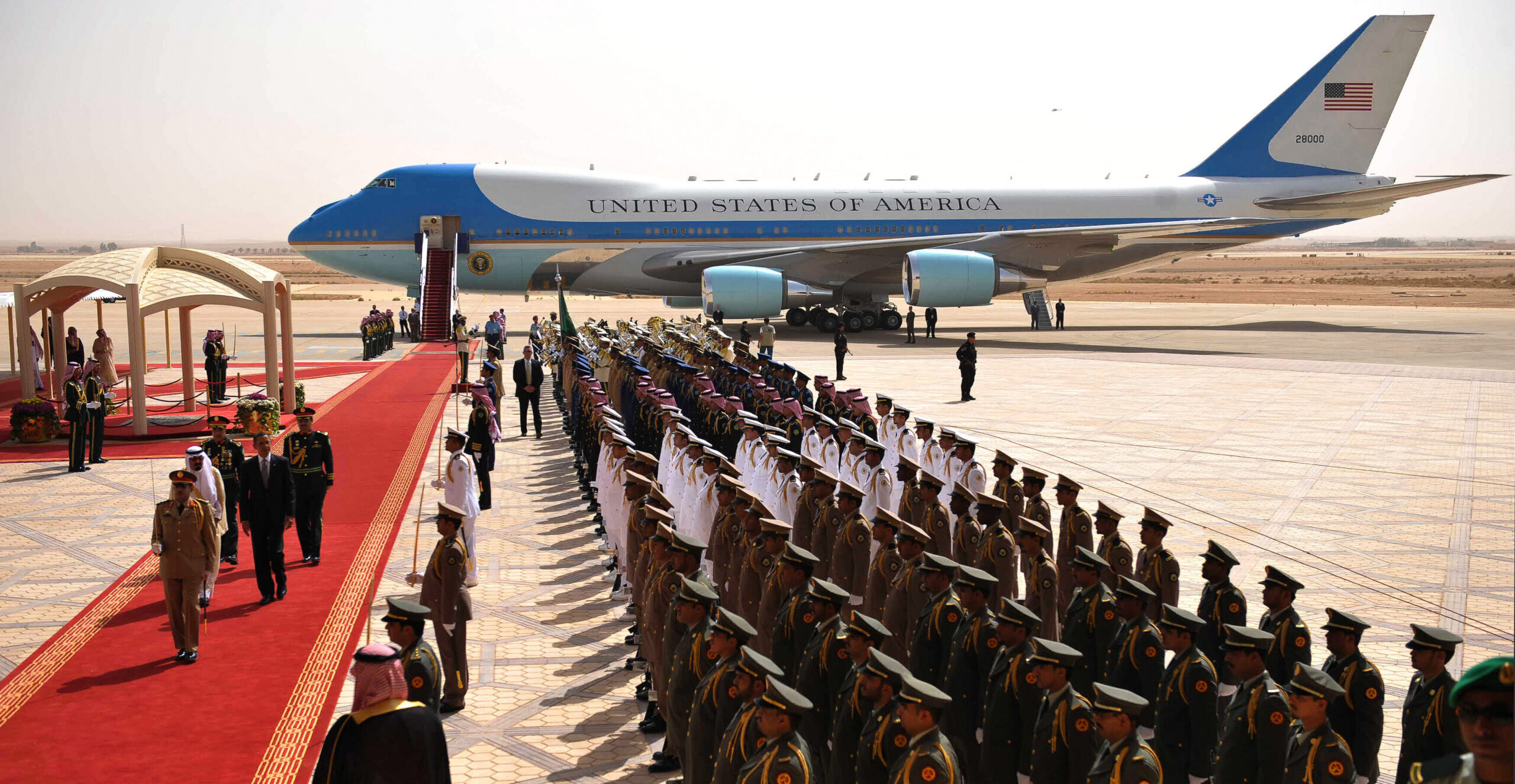
July 4 from abroad: The many ages of America in the Arab world
From the past century until today, the U.S. has cast a long shadow in the Middle East region and relations have gone through many highs and lows. It is important to be aware of this trajectory to better understand the relationship today; and perhaps there are lessons to inform the future of the relationship in the coming century.
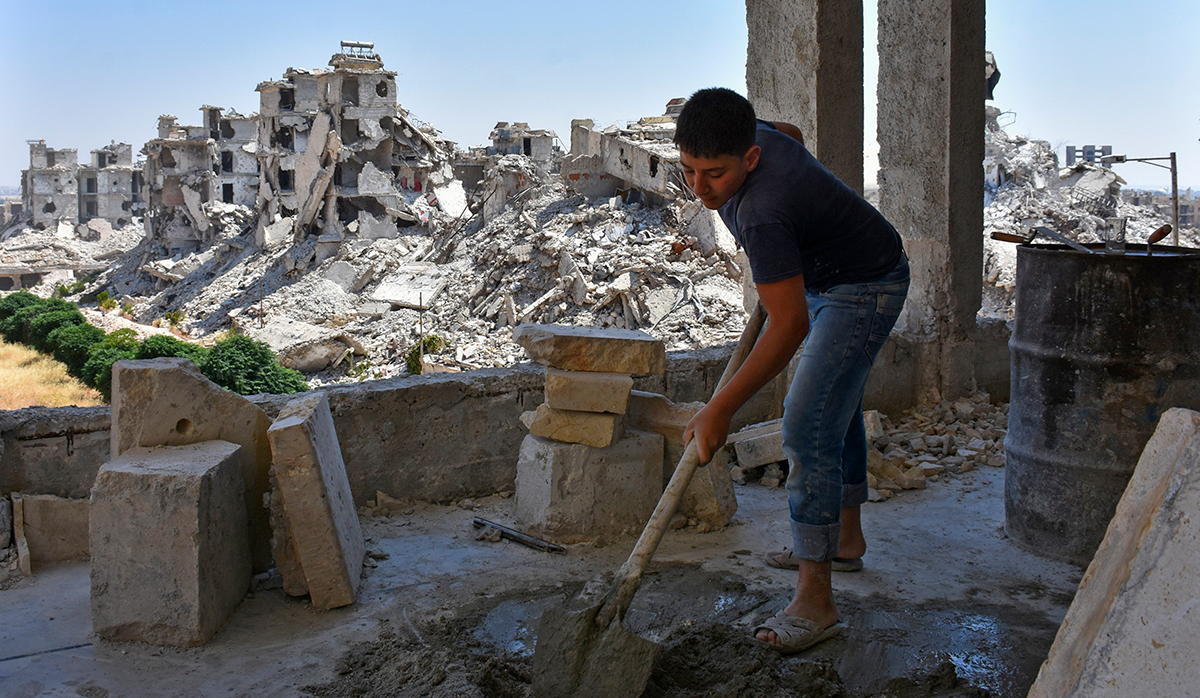
Coercive deprivation: Unraveling the Assad regime’s policy on domestic reconstruction
Since the early years of the Syrian conflict, the Assad regime has systematically diverted local resources dedicated for reconstruction purposes to rehabilitate facilities in areas and sectors that benefit it and its inner circle, as well as placed the burden of rehabilitating properties onto Syrians themselves. To finance this policy, the regime has exploited four key resources, including imposing multiple reconstruction taxes, diverting U.N. and INGO early recovery and rehabilitation projects, capitalizing on local-led crowdfunding campaigns, and forcing Syrians to bear the cost of repairing their own damaged properties.