Israel has the capacity to significantly damage Hamas with a ground offensive. But politics will restrain it throughout
There is political logic behind the Israeli government’s declaration that it will ‘wipe Hamas off the Earth’.
The Israeli public want to see Hamas destroyed once and for all, given the unprecedented mass murder it just committed.
Israeli Prime Minister Benjamin Netanyahu and his colleagues, already under intense pressure for allowing the attack to take place (and for putting Israel in a vulnerable position by pursuing anti-democratic policies) were compelled to make big promises. Their maximalist goals reflect the stakes in their fight for political survival.
The war in Gaza as a major test of China’s Middle East peace diplomacy
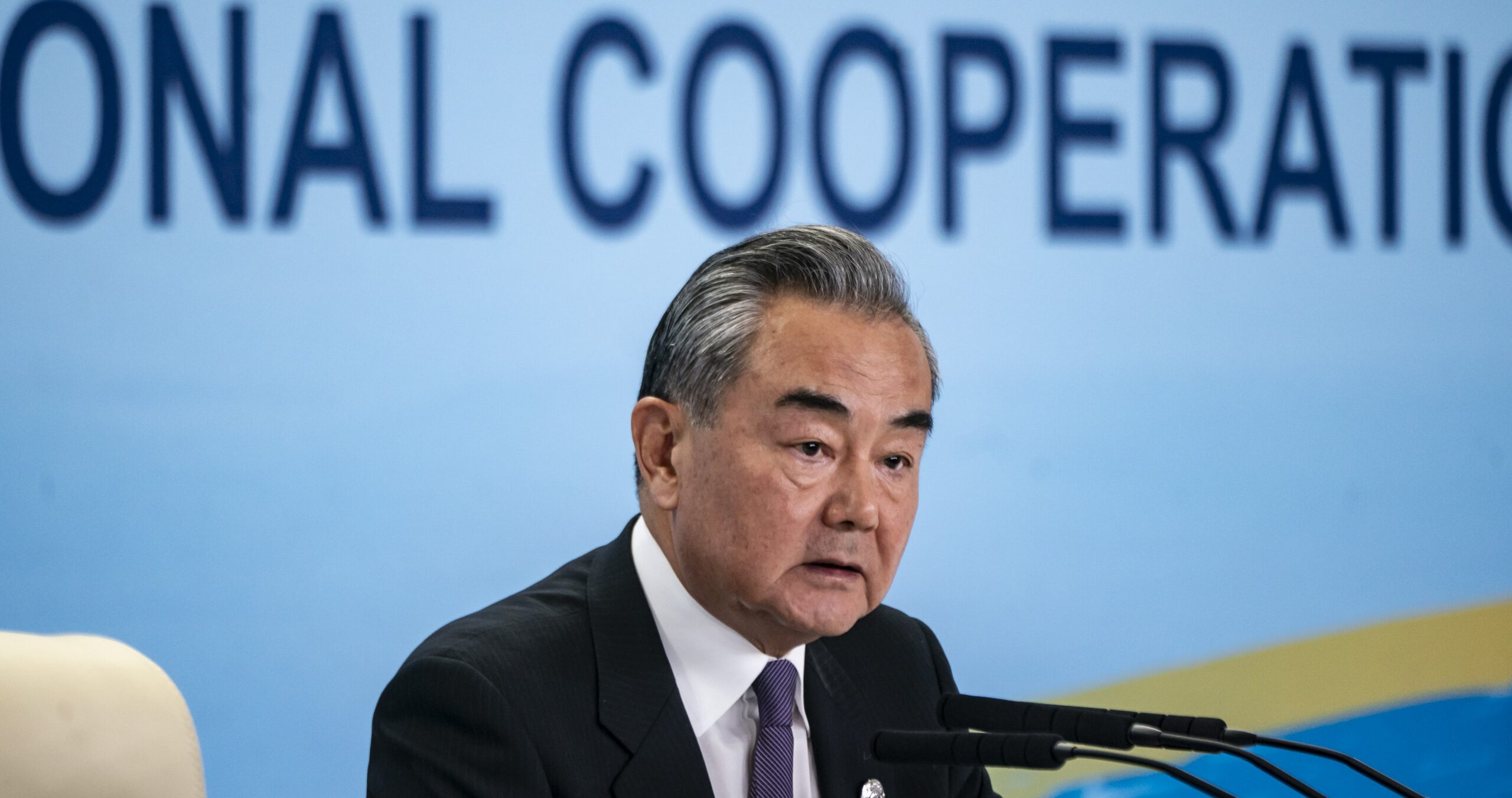
China has long sought to brand itself as a “neutral” player and force for peace in the Middle East and elsewhere, willing and able to talk to “all sides.” Beijing’s nascent ambition to play the role of peacemaker and its potential to shape regional events was on display when it succeeded last March in brokering the détente between Riyadh and Tehran. The Israel-Hamas war offers no such low-hanging fruit. On the contrary, it poses a major test of China’s Middle East peace diplomacy — and an opportunity to examine some of our own, perhaps faulty assumptions.
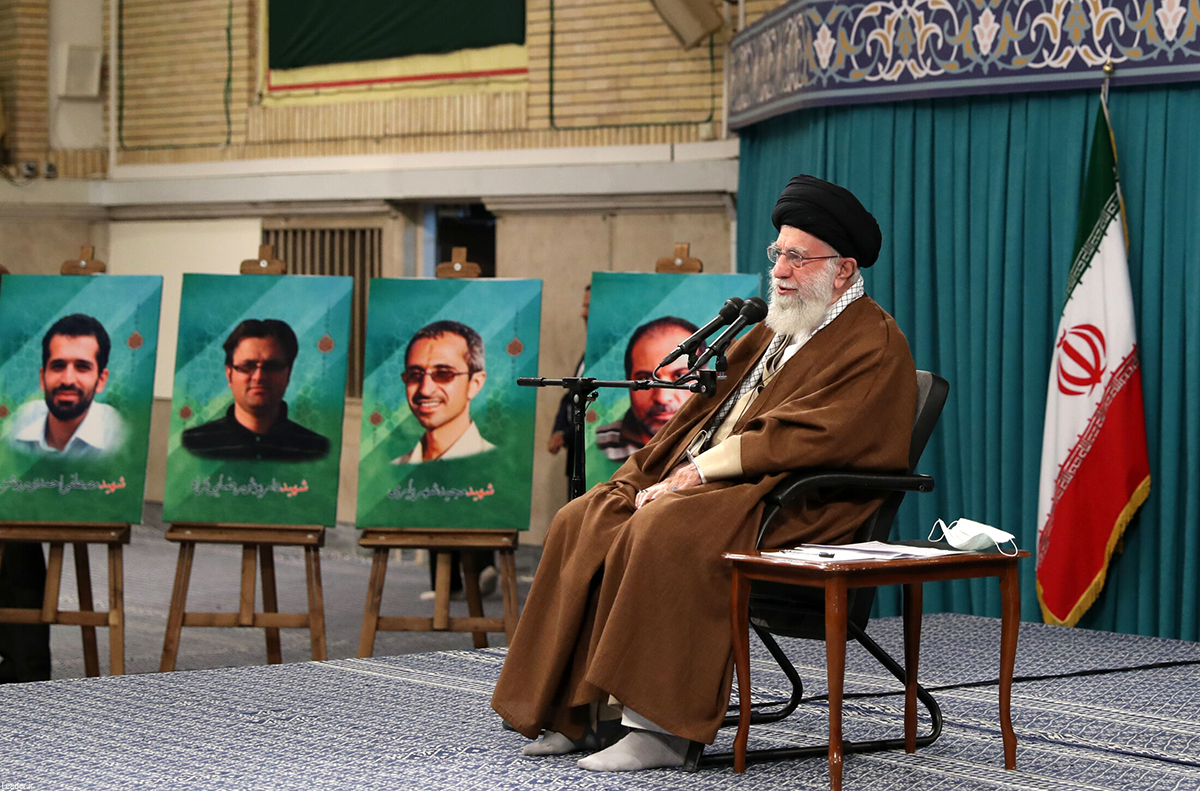
As the war rages on between Israel and Hamas in Gaza, the role of Iran will remain a central factor. Tehran is not only Israel’s top regional foe but also the leading provider of military aid and training for Hamas. But what is its endgame? As with all stakeholders in this war, Tehran’s calculations are evolving and shaped by events on the ground in Gaza.
An Israeli ground assault on Gaza requires an endgame
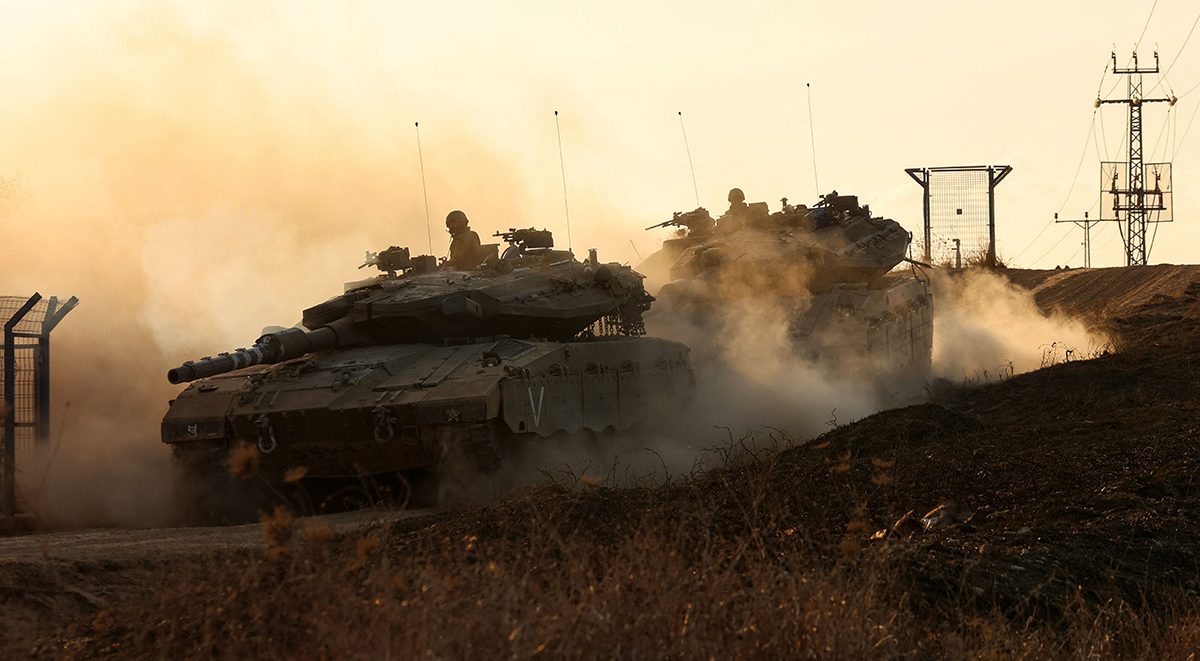
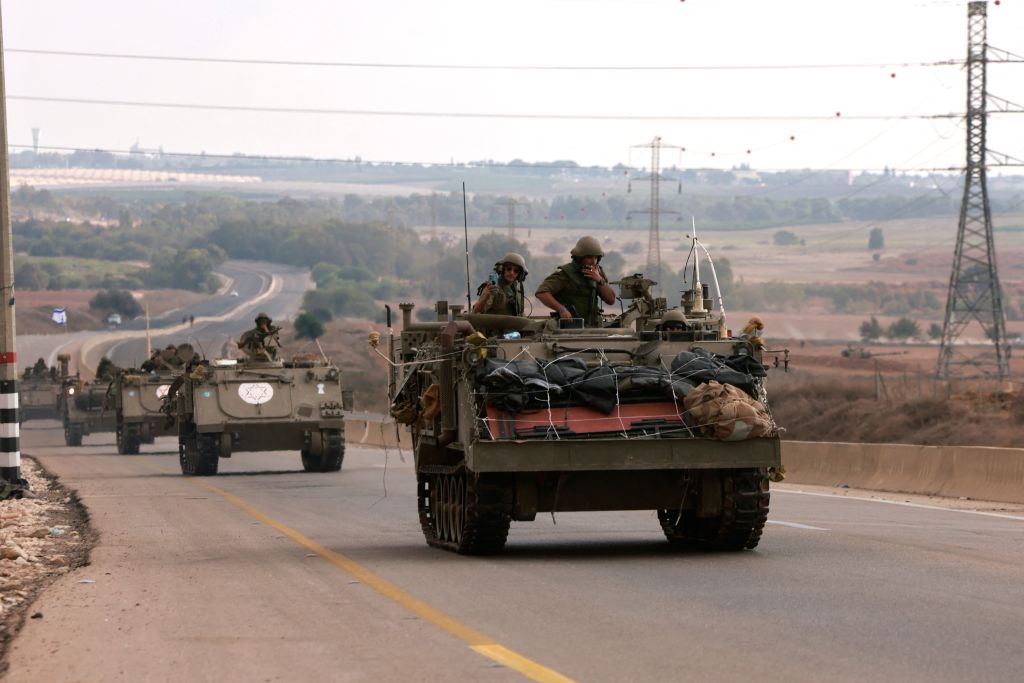
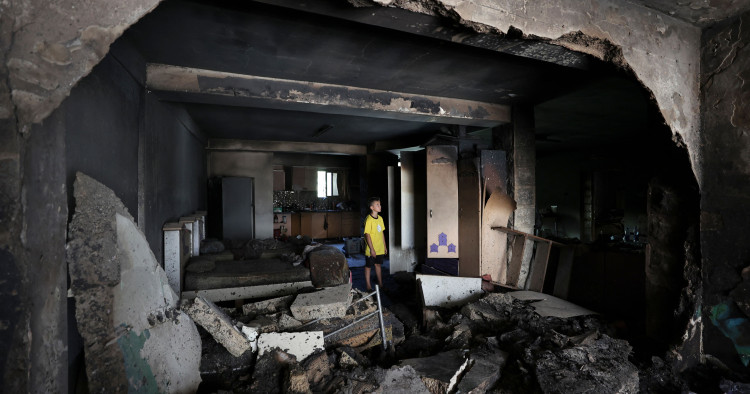
Though it has mobilized 360,000 reservists, the highest number since its 1982 invasion of Lebanon, in pursuing a large-scale ground invasion of Gaza Israel risks unprecedentedly high casualties of its own and massive condemnation by both the Arab world and the West if Palestinian deaths, already reported as exceeding 3,000, rise to multiples of that figure.
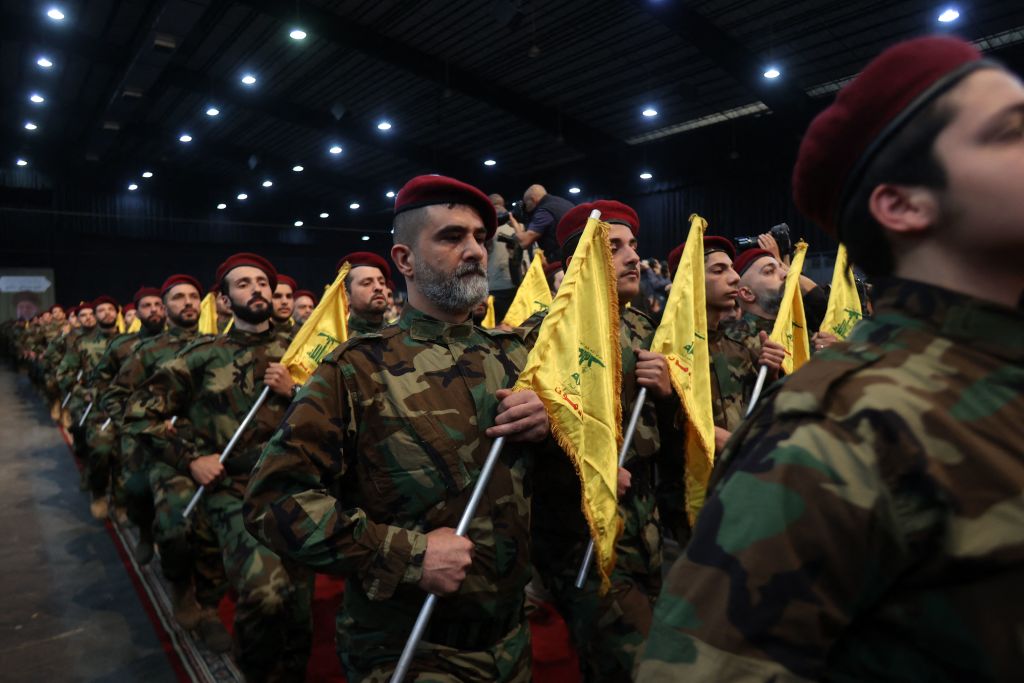
If the war in Gaza isn’t horrific enough, the world also has to worry about its possible expansion. The one theater that could prove to be the most lethal and devastating to the entire region is Lebanon-Israel. There, Israel would have to deal with Hezbollah, a foe with capabilities far more significant than Hamas’s, and which many view as the world’s most powerful non-state militant actor.
So, will Hezbollah join the fight and turn this into a regional war to aid its Palestinian partner?
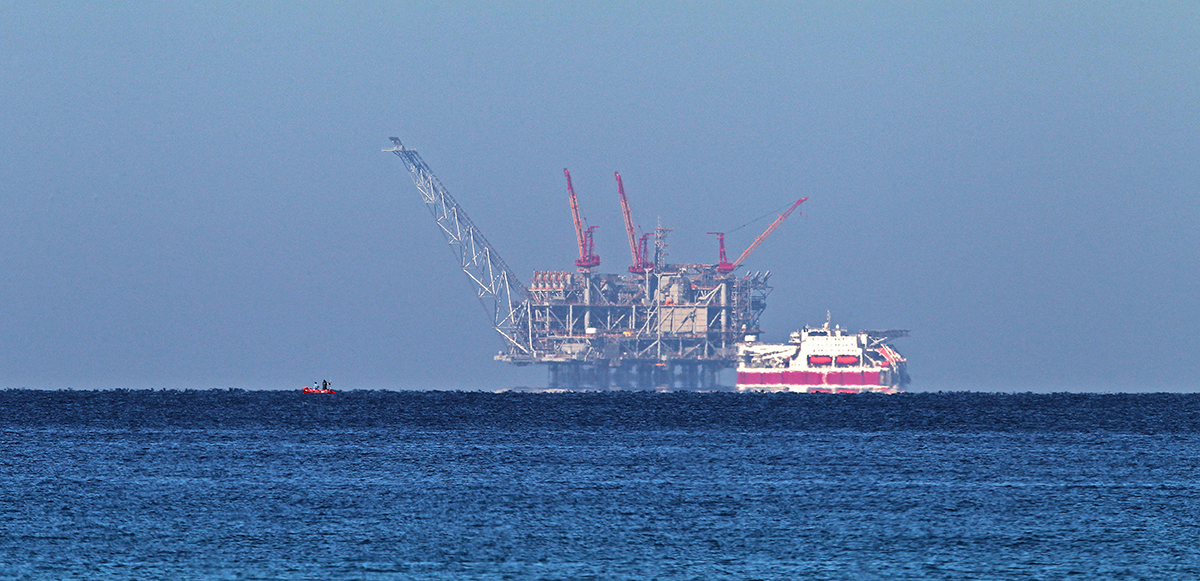
The energy risks of Israel’s new war are large and growing
The state of Israel and the terrorist group Hamas are engaged in an existential conflict, each threatening the survival of the other, as well as the survival of civilians, both Palestinian and Israeli, caught in-between. The conflict could widen into a regional or even global crisis. For energy markets and the global economy, the risks are considerable and could swerve or accelerate in response to multiple variables.
As Israel-Hamas war begins, it’s not too late to shape this historic inflection point
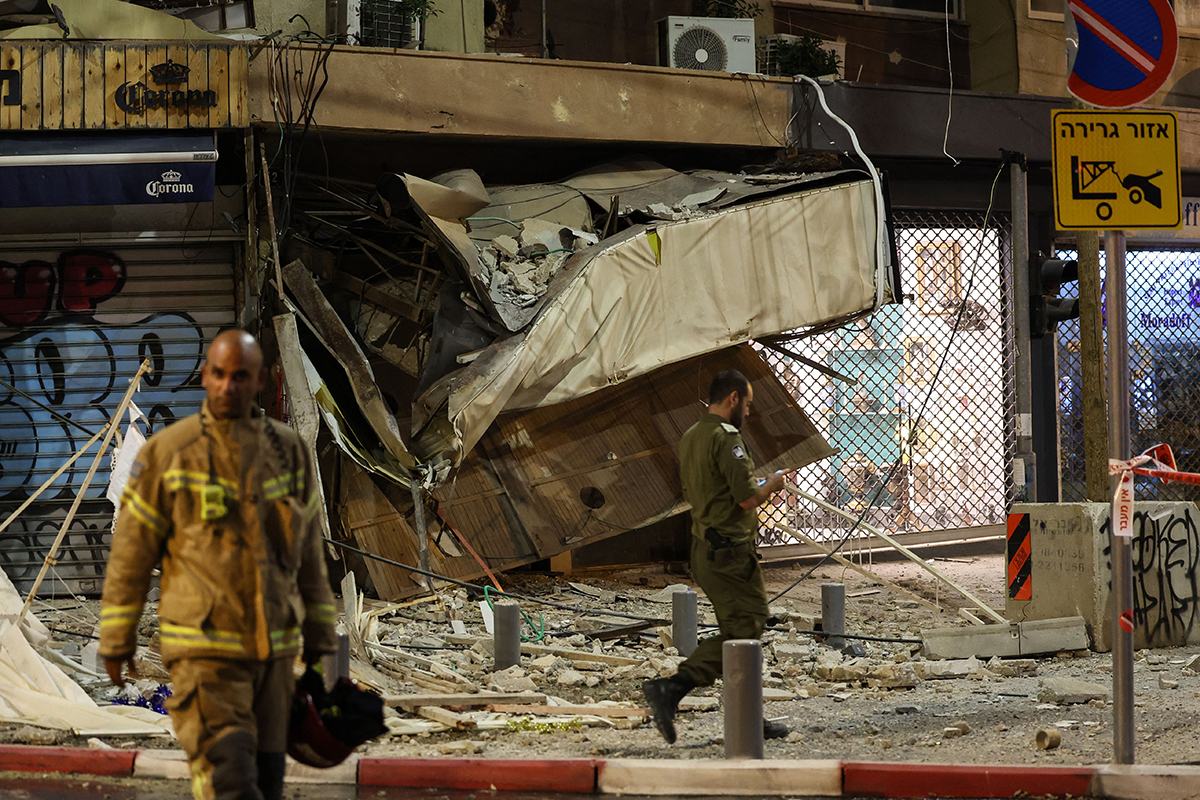
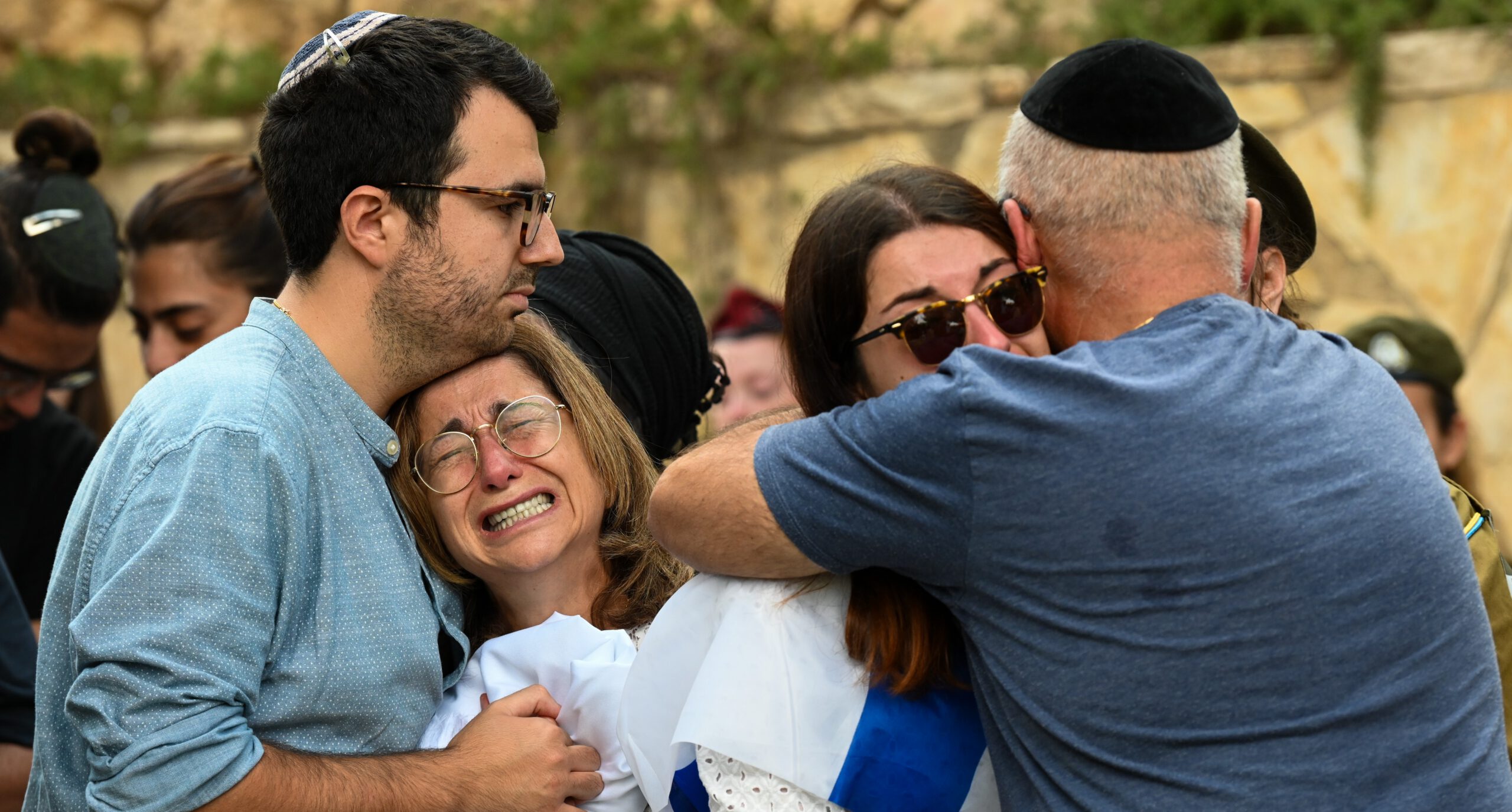
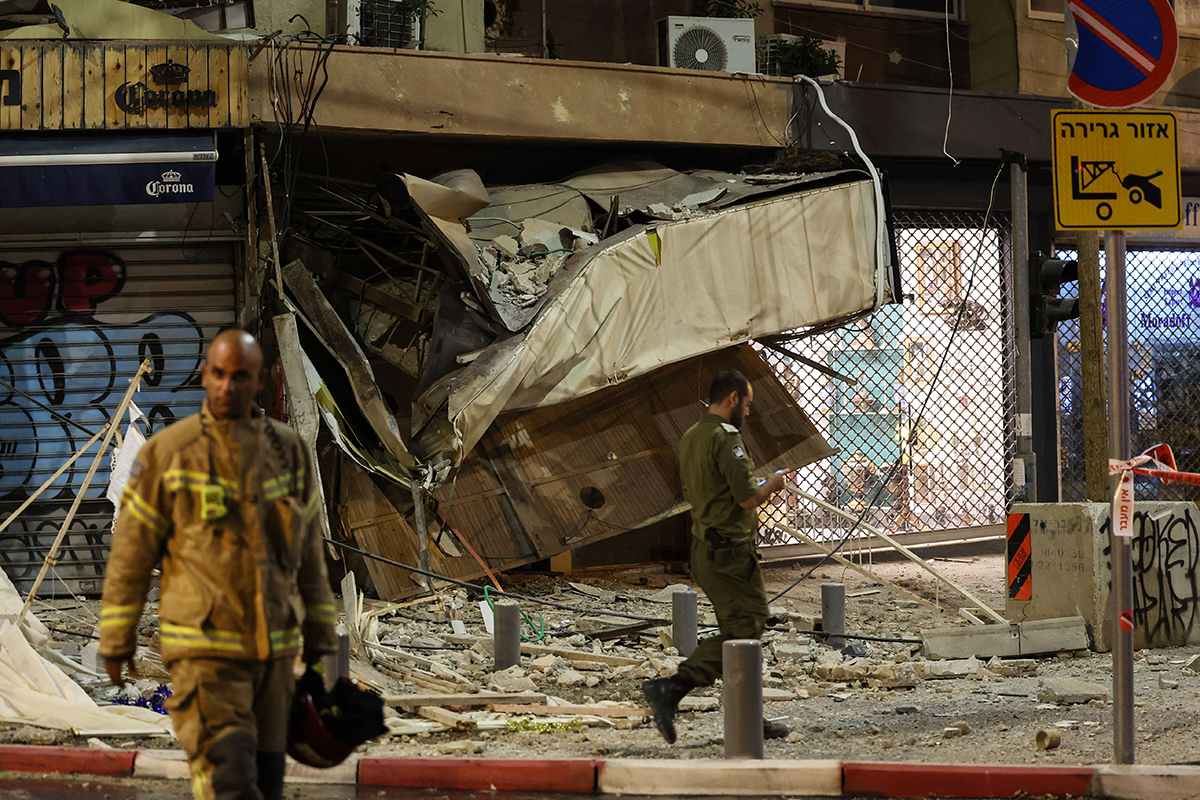
Hamas’ murderous raid on Oct. 7, resulting in the deaths of more than 1,300 Israelis, mostly civilians, may well turn out to be a consequential inflection point, having unleashed political and popular forces that could lead in a positive or, just as likely, extremely negative direction.
The new war between Israel and Hamas has amply illustrated that what Middle Eastern and American officials were claiming was the most peaceful in decades was anything but.
It was an easy mistake to make: across the region, negotiations were breaking out among hardened foes, countries were scaling back or ending interventions, and everyone seemed to be breathing a collective sigh of relief.
As is usual in the Middle East, the outbreak of peace is often just a harbinger of war.
Turkish escalation in northeastern Syria amid changes in military strategy
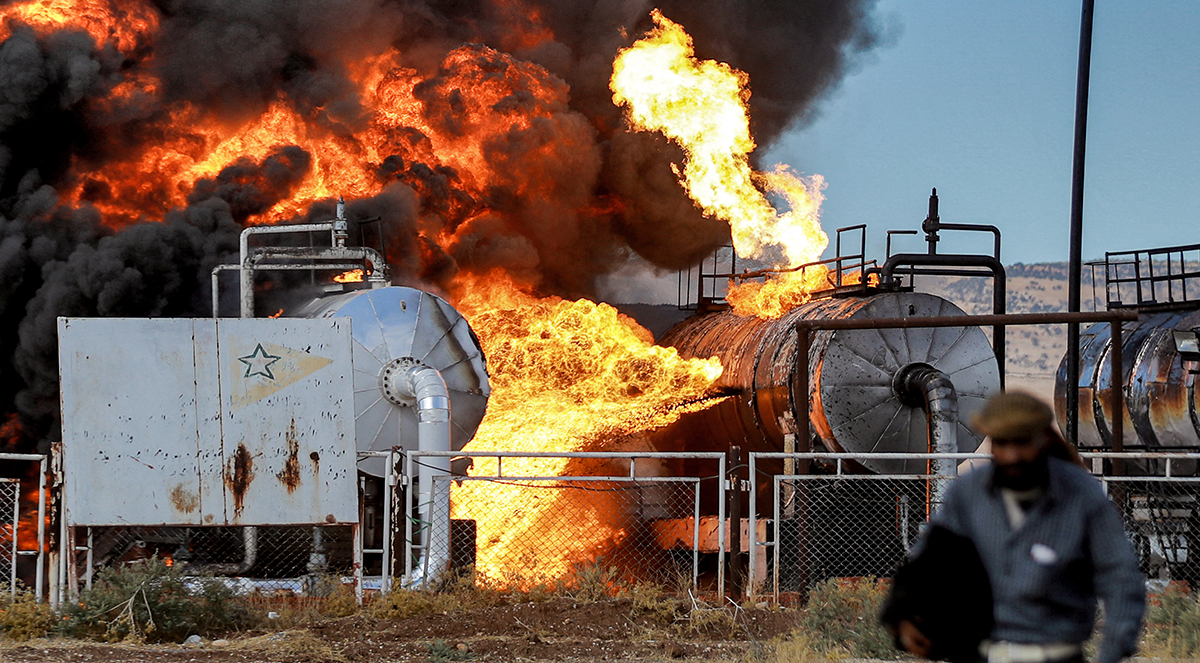
After several quiet months on the Turkish-Syrian border, tensions have escalated in recent days. Turkish forces have intensified their attacks against the SDF in northeastern Syria and targeted PKK hideouts along the Turkish-Iraqi border. This escalation is unfolding against the backdrop of the suicide blast in Turkey’s capital, Ankara, on Oct. 1 that targeted the Interior Ministry.
In the latest installment of the Defense Rapid Reaction series, experts from MEI’s Defense & Security Program provide their views on the Oct. 7 Hamas surprise attack on Israel and what it might mean for Israelis and Palestinians, the wider region, and U.S. policy.
Iran has yet to ratify the 2015 Paris Agreement, but efforts to address the impact of climate change have great potential to create opportunities for mutually beneficial cooperation, building on the recent trend of regional de-escalation. Climate diplomacy represents an untapped opportunity for Iran to engage globally by incentivizing it to adopt the U.N. Sustainable Development Goals in exchange for sanctions or debt relief.
Key takeaways from Mohammed bin Salman’s Fox interview
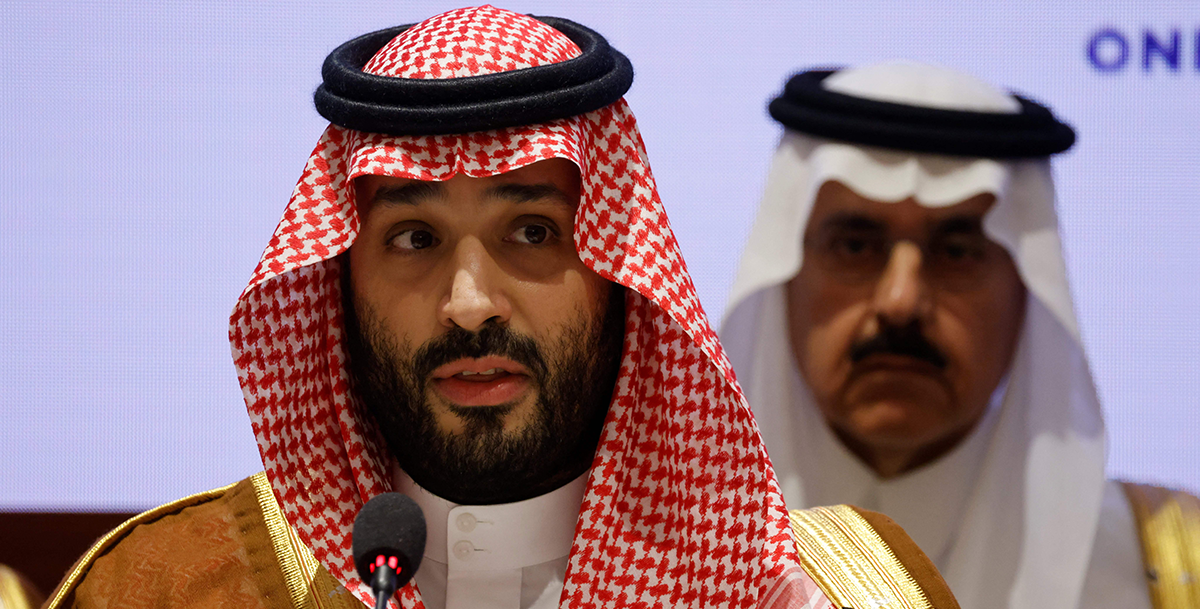
Saudi Crown Prince Mohamed bin Salman’s interview on Wednesday night with Bret Baier of Fox News didn’t break news or produce controversy. But that wasn’t the point of his appearance on one of America’s top networks.
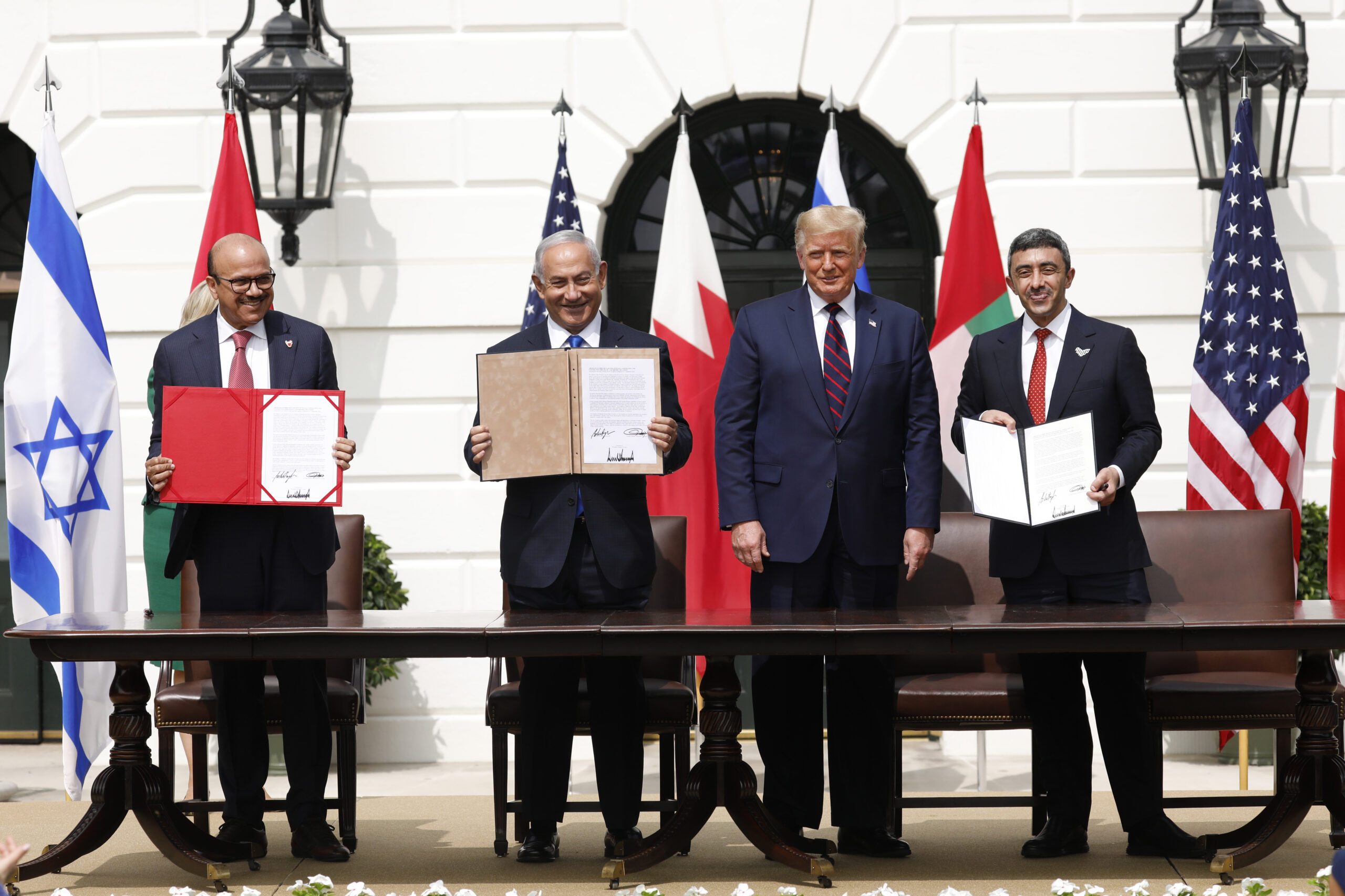
As the original Abraham Accords signatories — Israel, the United Arab Emirates, and Bahrain — observe the third anniversary of their September 2020 agreement, there is a sufficient basis to evaluate whether the Abraham Accords are real, hype, or something in-between. Much like the case a year ago, the results so far remain mixed.