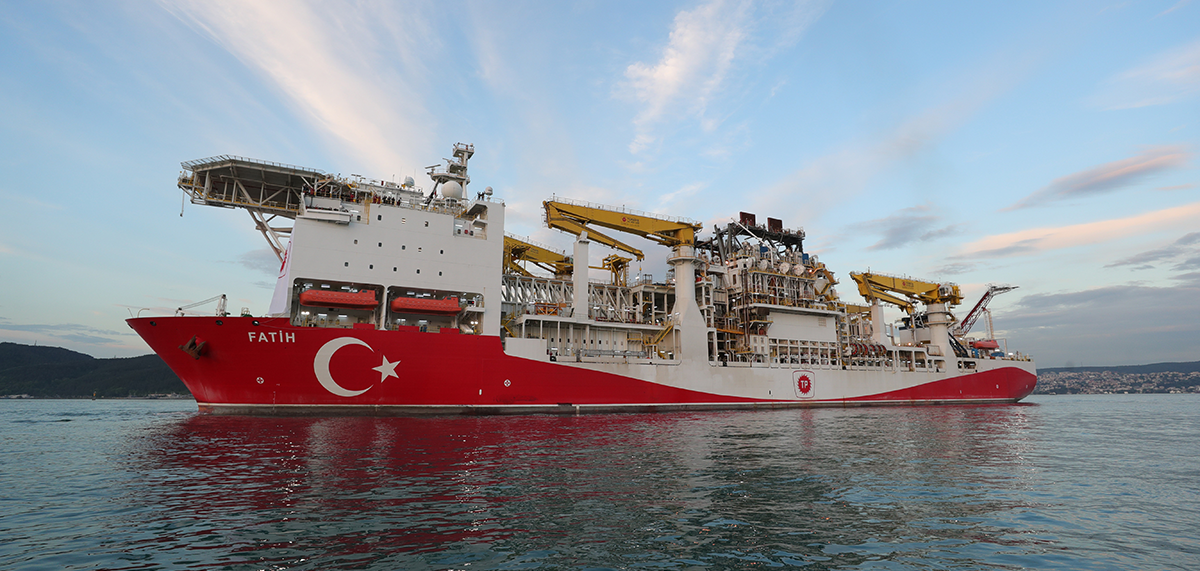
Turkey: A new emerging gas player with resources and infrastructure
With its recent deepwater exploration success in the Black Sea and prominent geographic location for interregional hydrocarbon pipelines, Turkey can play a material role in shaping the geopolitical landscape today, especially in the natural gas sector. The country will face a strategic conundrum, whether to utilize newly discovered gas resources entirely for domestic needs and thereby reduce gas imports that come with political baggage as well as foreign currency expenditures, or export gas to capture foreign revenue that Ankara desperately needs.
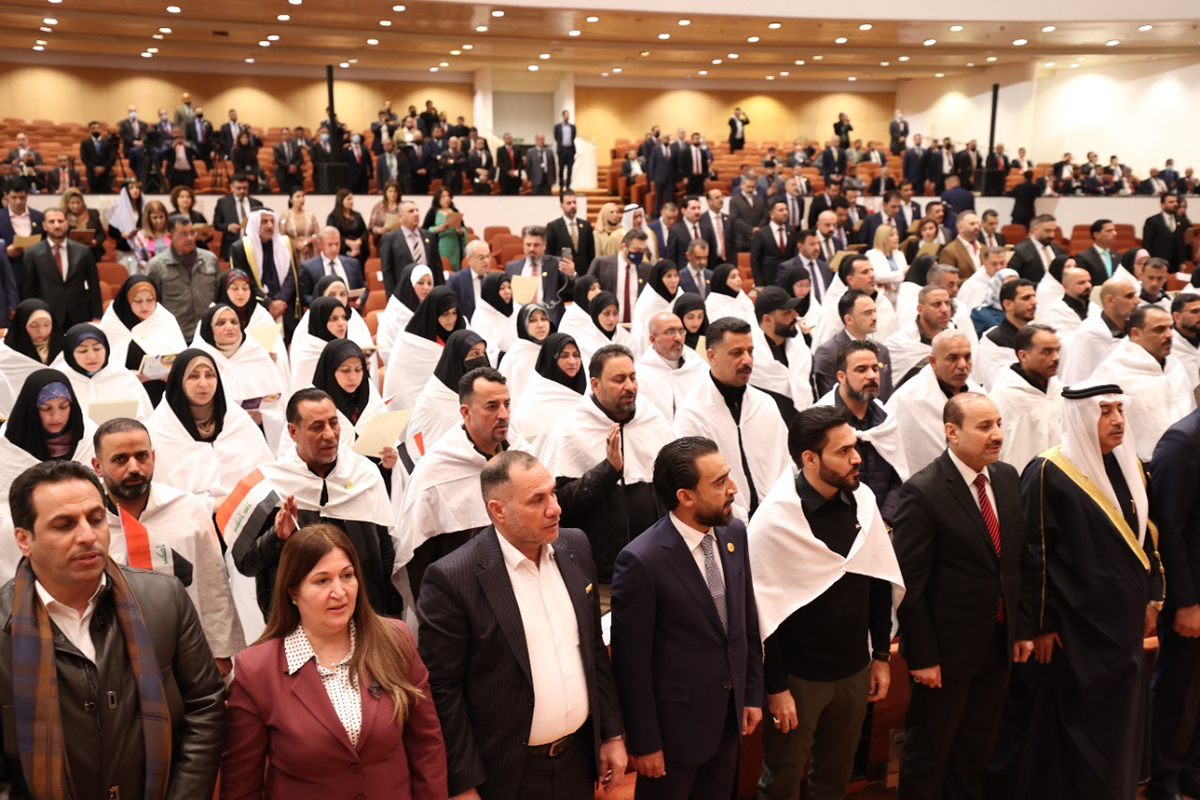
Iraq once again leaps into the void, but not before political elites secure funding
For Iraqis, two key events last week will shape the rest of this year, but hopefully not many more to come. First, on June 8 the divided parliament voted in surprising harmony to pass the so-called “Food Security and Development Bill,” a controversial piece of legislation with a $17 billion price tag. Second, this was followed, almost overnight on June 9, by a call from firebrand populist Shi’a cleric Muqtada al-Sadr to lawmakers loyal to his movement to “prepare their resignations.” On June 12, the 73 MPs of the Sadrist Movement tendered their resignations, and Iraq leapt even deeper into the void of political uncertainty.
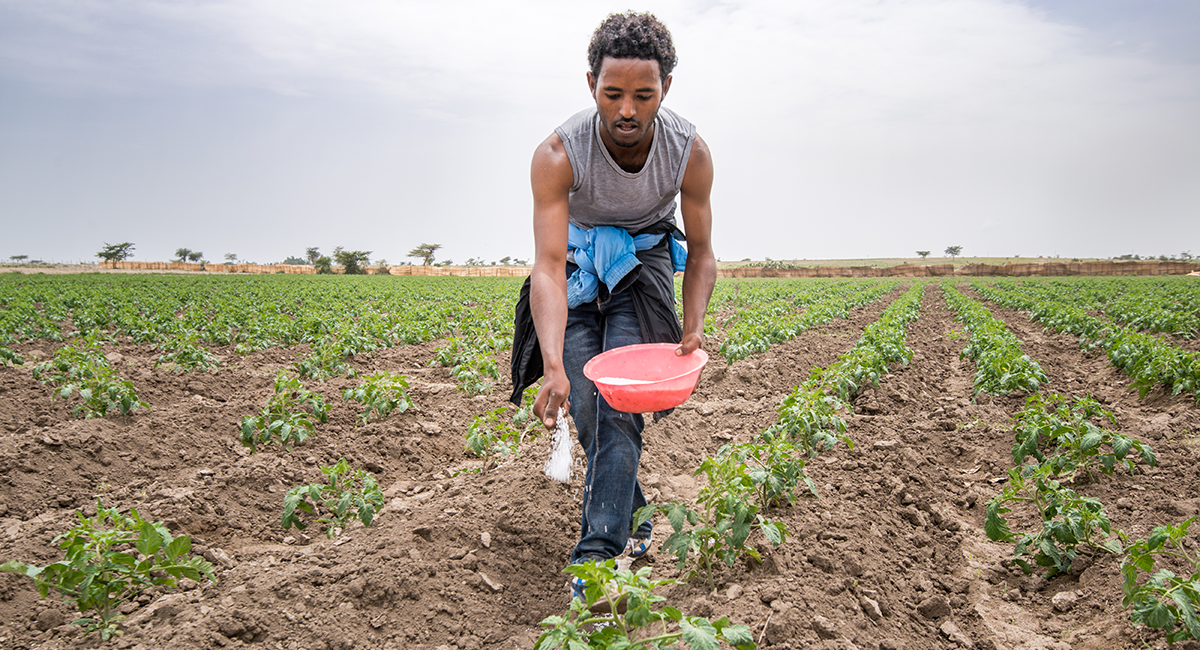
Morocco counters Russia’s weaponization of the food-energy nexus
After 100 days of war in Ukraine on Europe’s eastern flank, a critical new front has opened on Europe’s southern flank with the food crisis in Africa. As Europe faces a two-front, geo-economic war of attrition with Russia, Morocco’s plan to increase its fertilizer output by nearly 70% changes the strategic equation by countering Moscow’s ability to weaponize the food-energy nexus. In so doing, Morocco has demonstrated its increasing importance as a geopolitical partner for Europe and the United States in Sub-Saharan Africa.
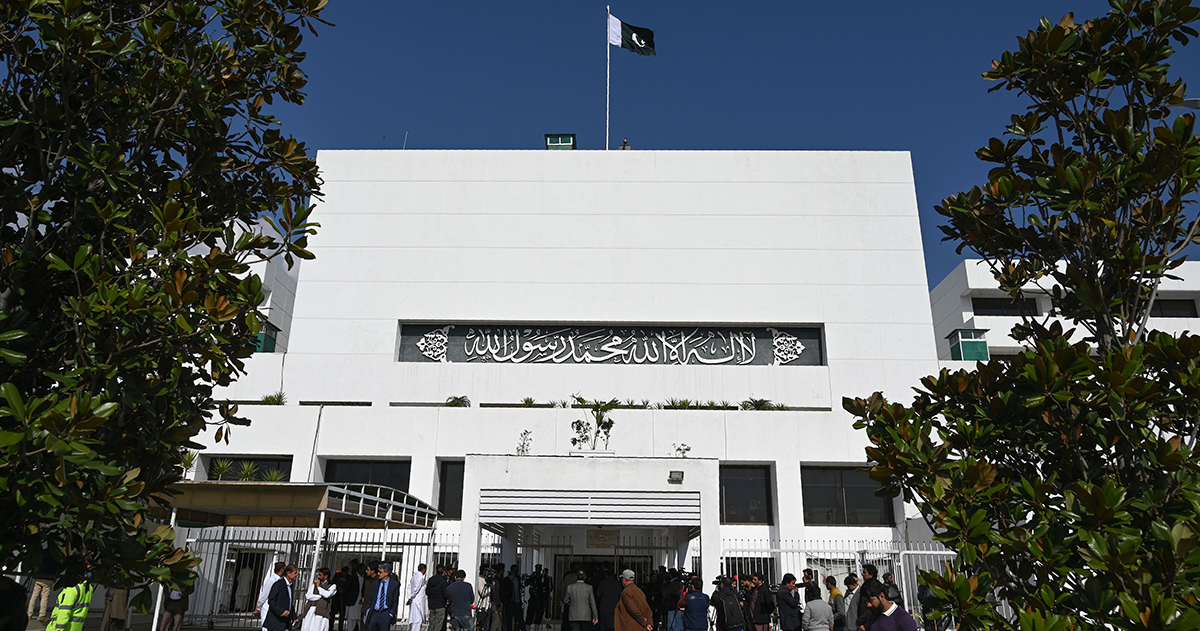
Pakistan’s political crisis and the imperatives of economic reform
Beyond short-term austerity measures, Pakistan’s current federal and provincial governments need to push forward essential reforms — including in agriculture, energy, and local governance — that are key to ensuring the country’s political and economic stability and long-term growth prospects.
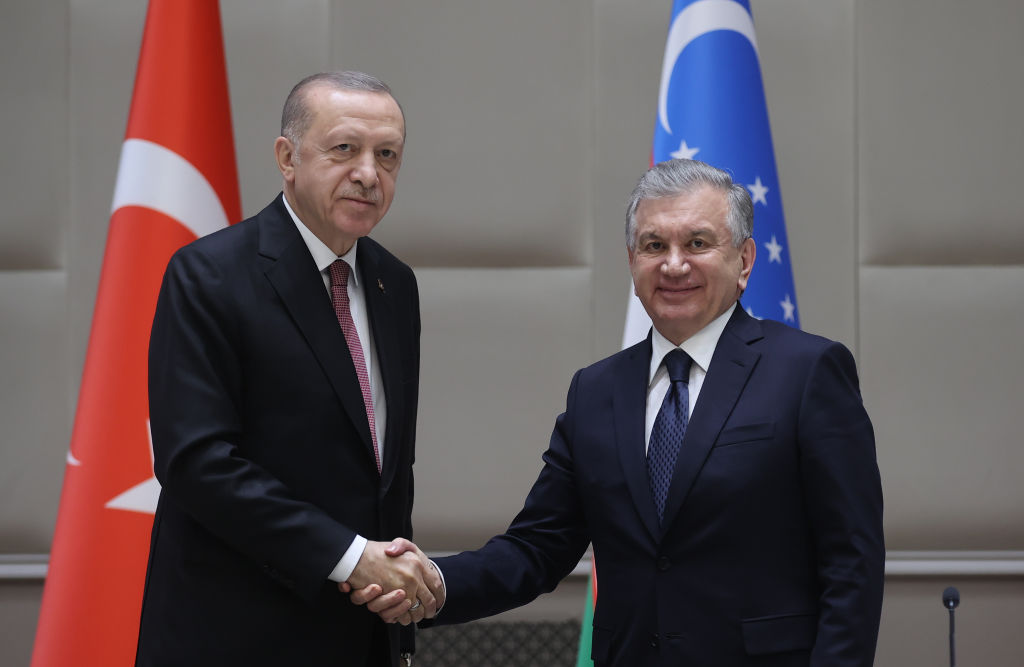
New Turkey-Uzbekistan Strategic Partnership Accelerates Turkey’s Rise as a Eurasian Agenda-Setter
The March 2022 elevation of the Turkey-Uzbekistan relationship to a “Comprehensive Strategic Partnership” provides the Ankara-led Organization of Turkic States with a new geopolitical heft. To preserve its autonomy in the face of Beijing’s growing regional dominance, Tashkent has turned to Ankara to act as a countervailing force in both economic and security affairs. Combined with the expanding Turkey-Pakistan strategic partnership, this makes Turkey a rising Eurasian agenda setter that will impact the strategic calculus of both Beijing and Washington.
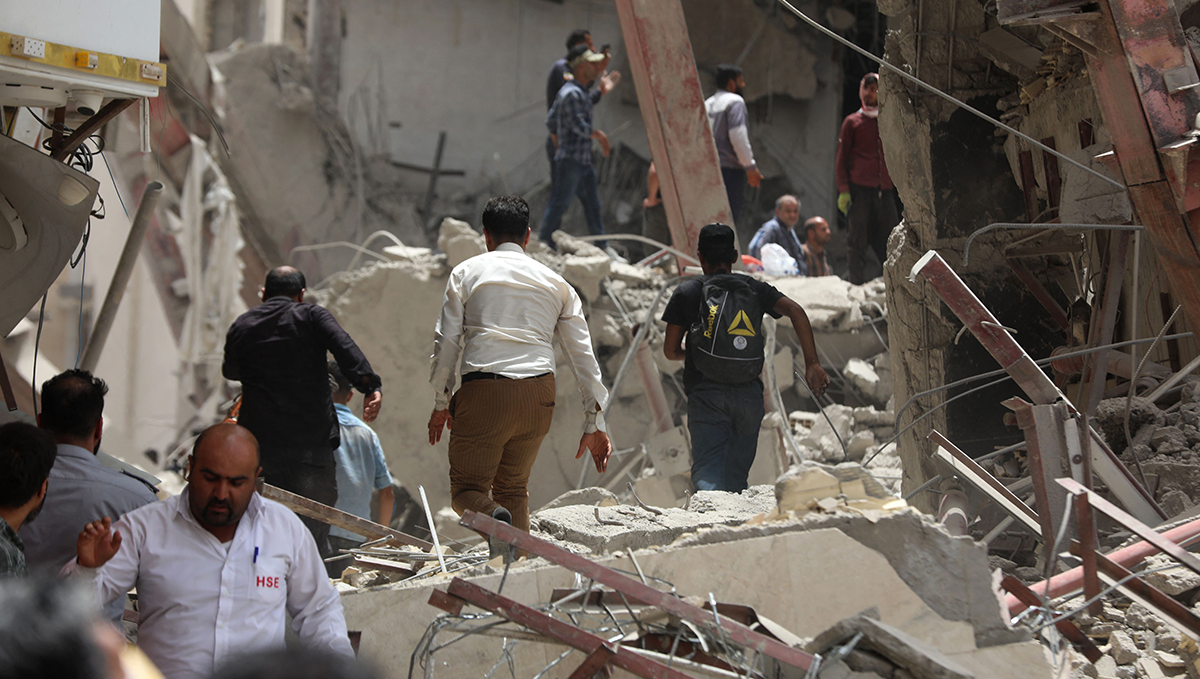
A country in free fall, a corruptocracy in full swing: Why a building collapse in Iran matters
On May 23, 2022, Metropol tower, a 10-story commercial building in the city of Abadan in Iran’s oil-rich southwestern Khuzestan Province, collapsed, killing at least 41 people and trapping dozens more beneath the rubble. For an outside observer, this might seem like a tragic but random accident that could have happened anywhere. In reality, it is a stark illustration of a country mired in corruption and mismanagement.
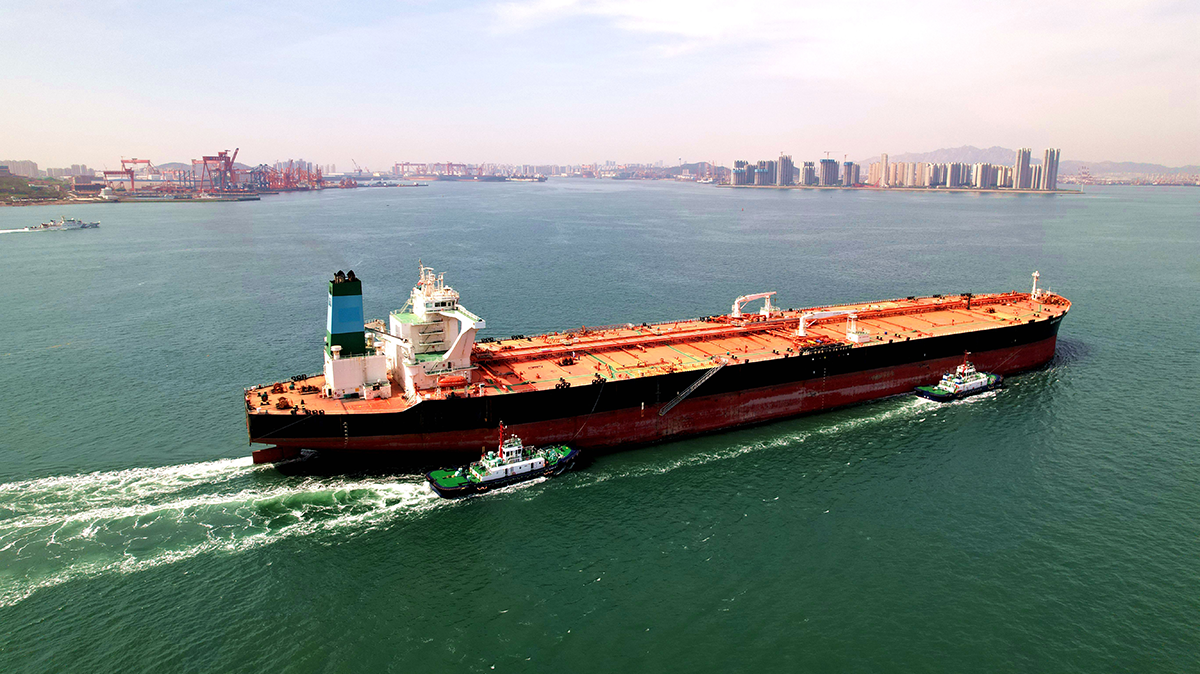
The war in Ukraine and the new reality in Asian oil markets
One of the main long-term consequences of Russia’s invasion of Ukraine is the restructuring of export flows in the global oil market. This will have direct consequences for Middle Eastern players, forcing them to choose whether to compete with Russia and each other or continue to coordinate their efforts.
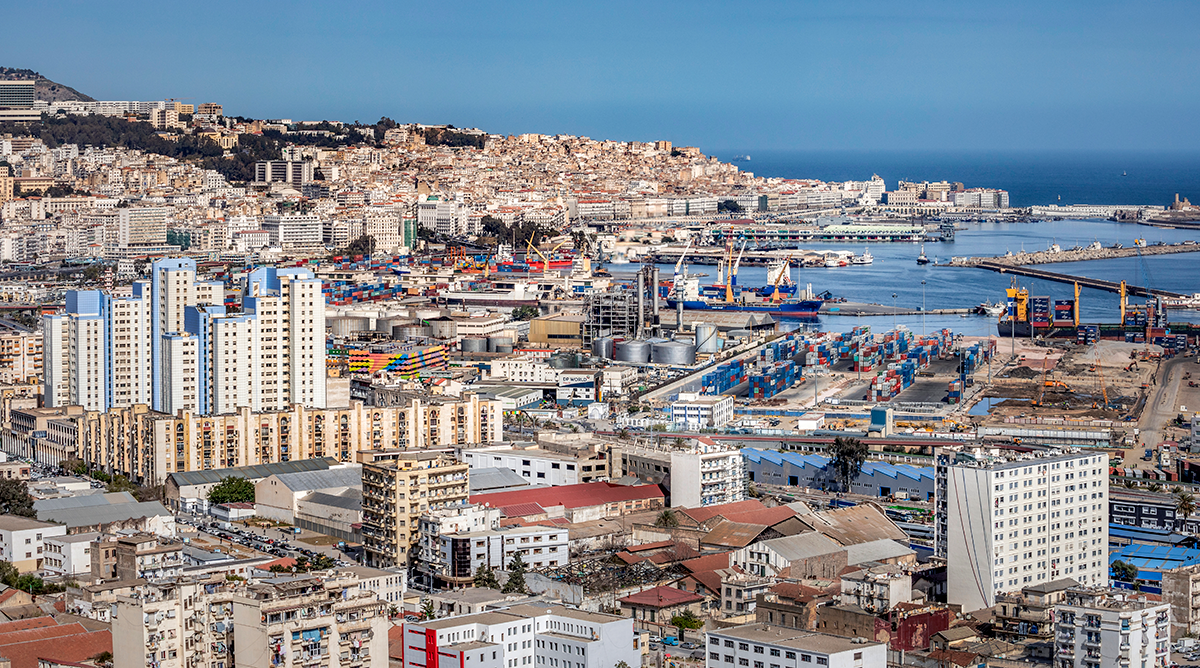
Higher oil prices are giving Algeria’s regime breathing room
As Russia’s war on Ukraine keeps oil and gas prices high, Algeria’s regime is replenishing its financial reserves after years of depleting them. This renewed budgetary space will make it easier for the government to deal with any hint of popular discontent. But rather than going back to splurging on new salary increases or other forms of accelerated rent distribution as it has done in the past, the regime seems to be adopting a more cautious approach this time around.
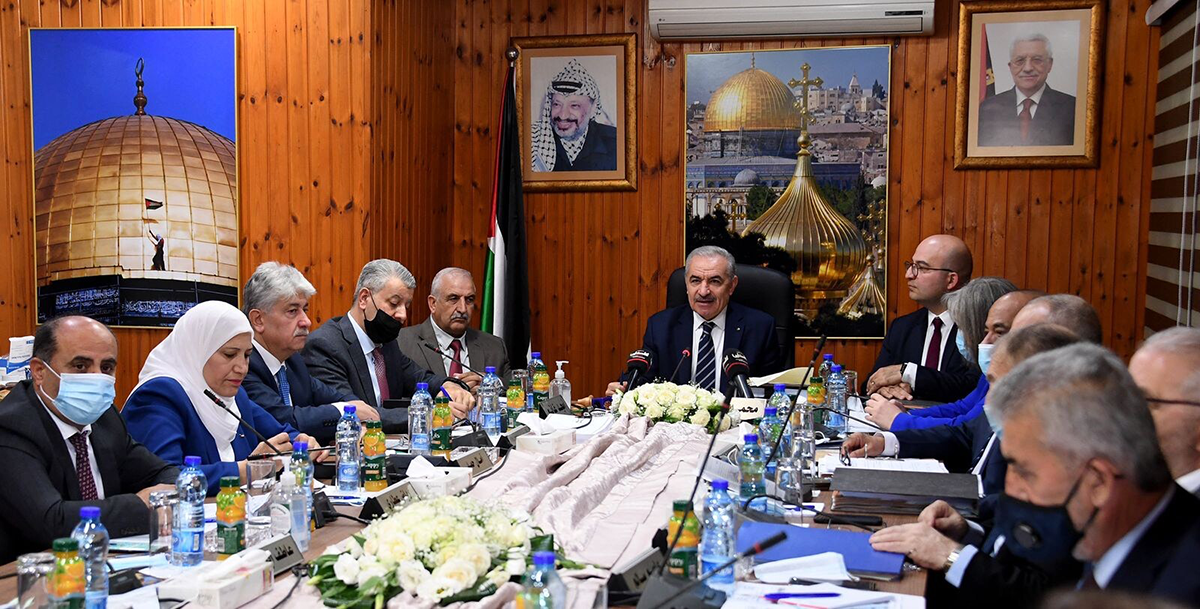
The Palestinian Authority’s economic “disengagement” looks a lot like the status quo
Palestinian Authority (PA) officials repeatedly deny acquiescing to the economic peace model with Israel, but such rhetoric is not reflected in their actions. In recent years integration between the Palestinian and Israeli economies has only deepened.
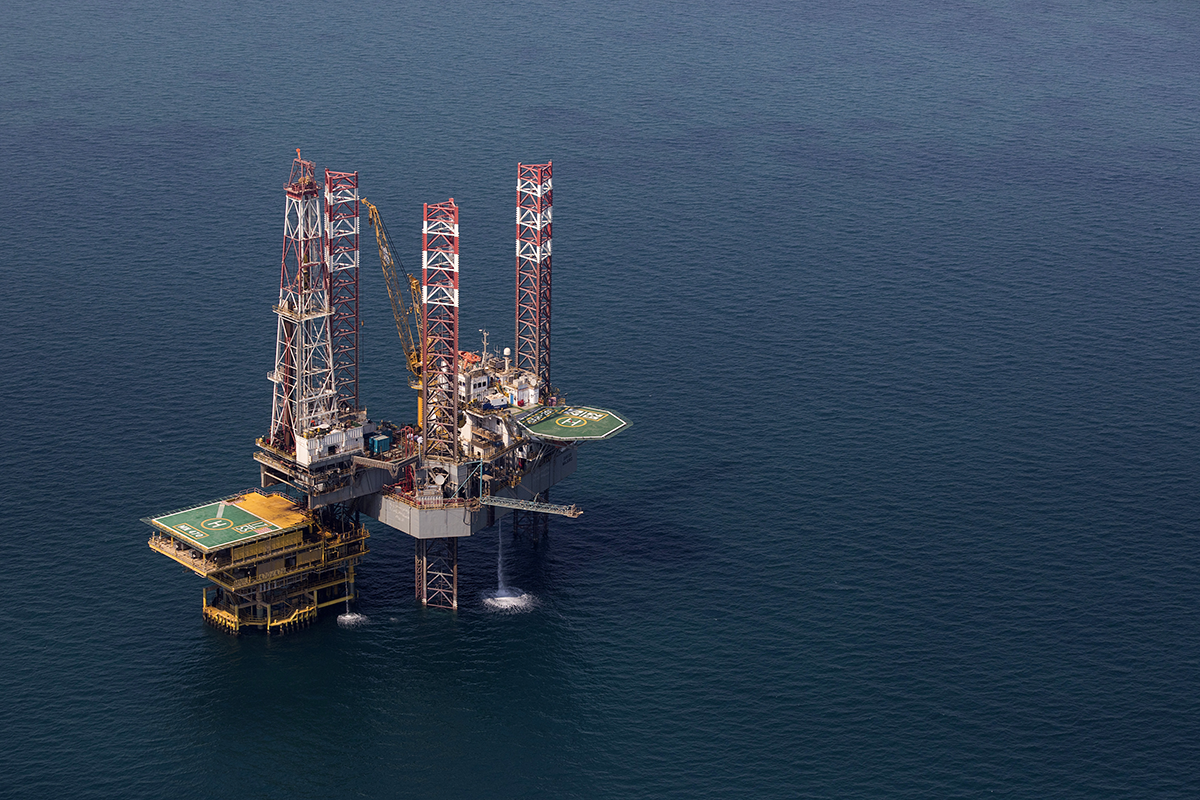
The Dorra Field: Global gas market impact or bellwether for regional relations?
The Dorra Gas Field, located in shallow waters offshore in the northern Arabian Gulf, lies at the junction of competing territorial claims by Kuwait, Iran, and Saudi Arabia. With the growing gas demand in these countries, any production will be absorbed into the domestic network and the impact of production on the global gas and LNG market will be insignificant. However, the development of the field, if it occurs, may serve as a bellwether for regional relations.
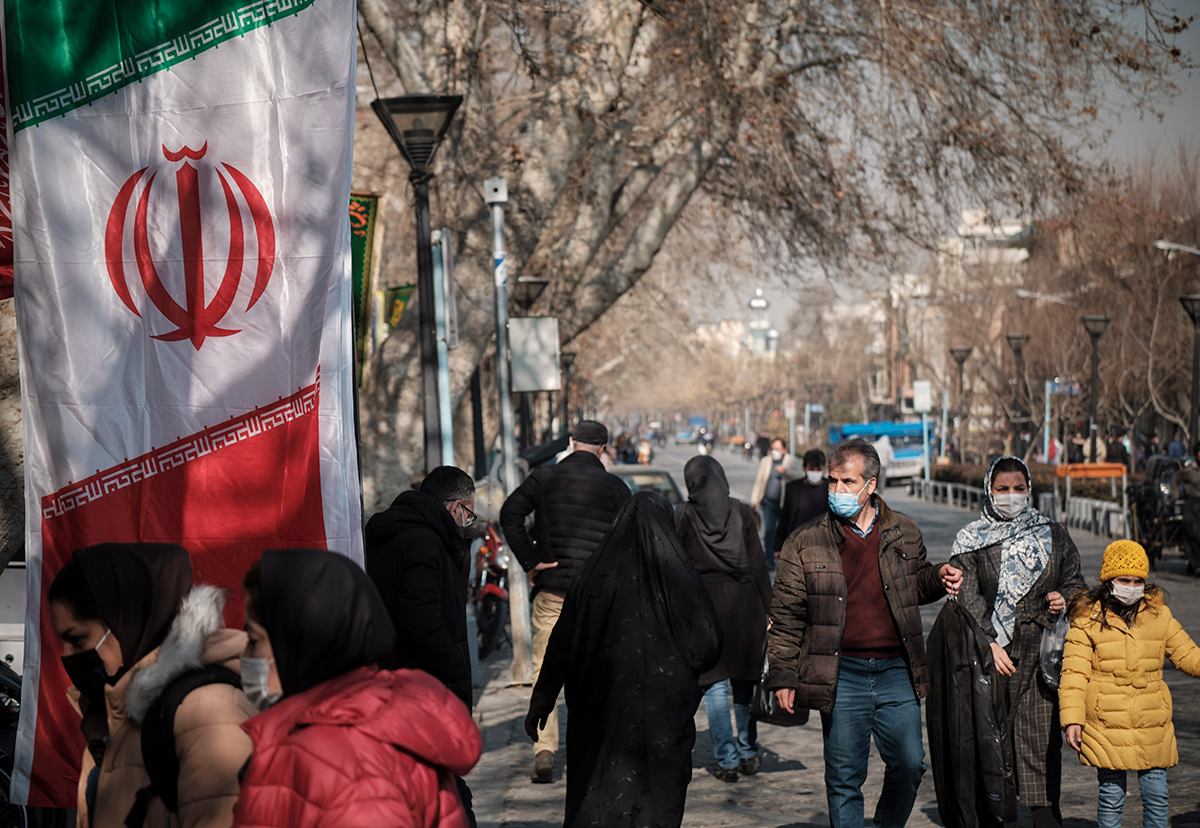
Bad policy advice could lead to a catastrophe for Iran’s public economy
Iran began the new fiscal year on March 21, 2022 having recorded an estimated GDP growth rate of about 4% over the previous year, but CPI has grown by 35% year-on-year. While GDP growth could be the result of the stabilization of the economy after several years of recession, a steady rate of high inflation is alarming for Iran’s economy.
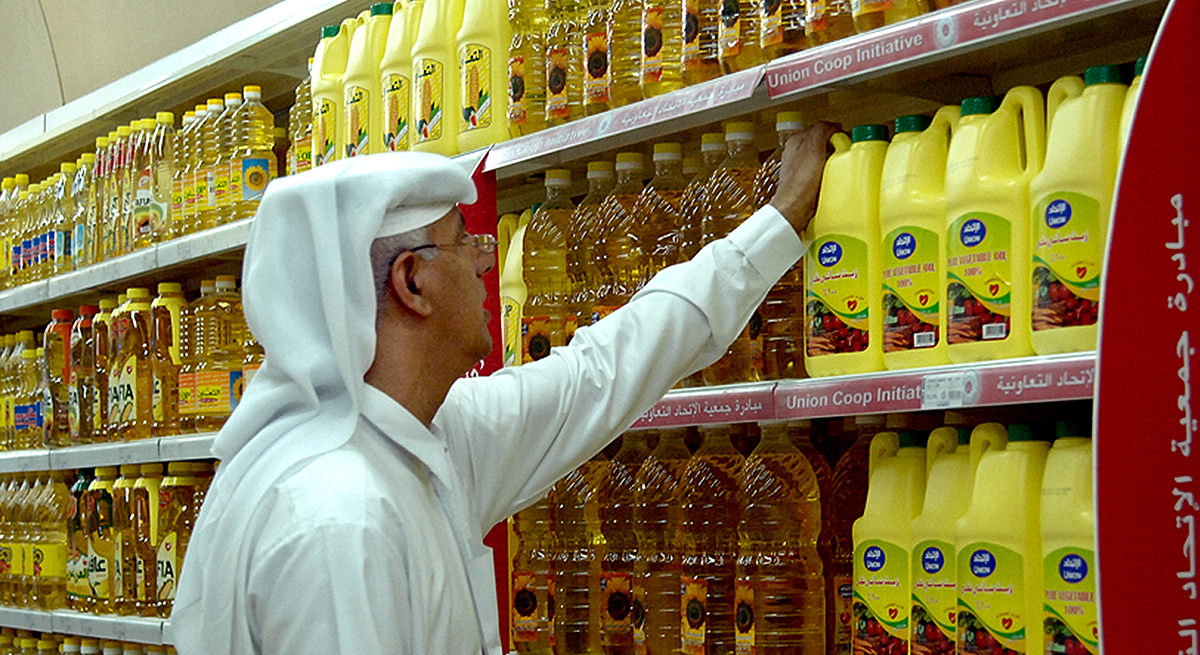
The UAE's food-security plans have made it a global market player
The two-month war between Russia and Ukraine has disrupted global food supplies, exposing the fragile state of food security across much of the Middle East and North Africa. Unlike those Mena nations struggling to secure cargoes of wheat and other staples, the UAE is in a better position, even though it currently imports 80 to 90 per cent of its food, thanks to its forward-looking food strategy during the past several years.
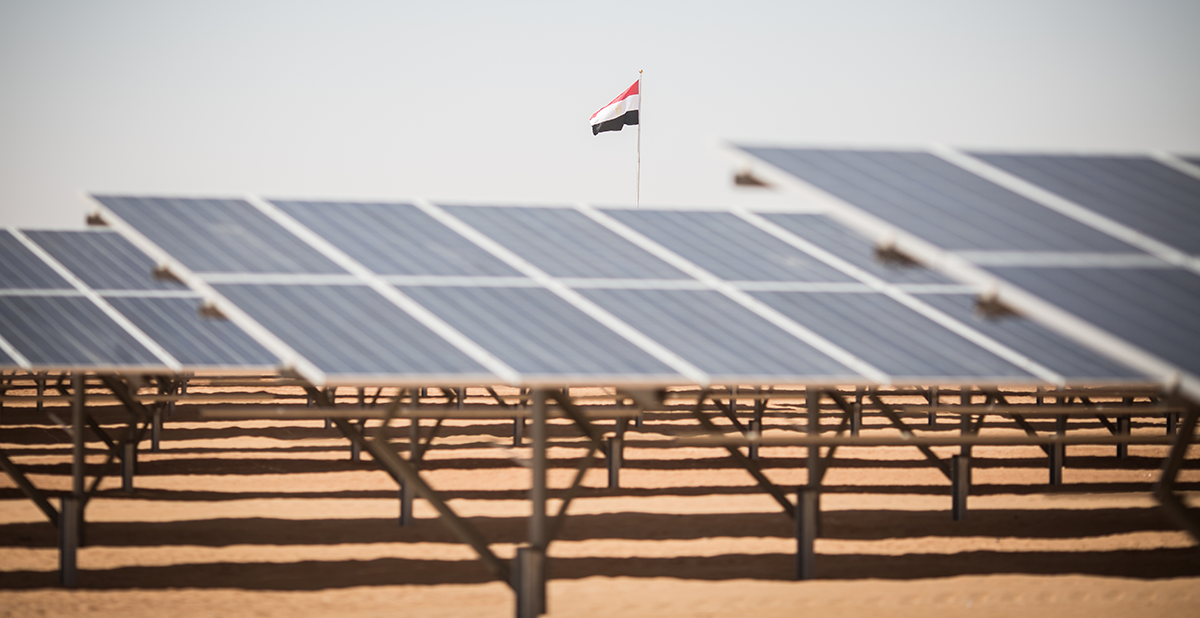
Egypt’s Synergy Between Natural Gas and Green Energy Transition: Cairo’s Advances in LNG and Green Hydrogen are Shaping the COP 27 Agenda
Egypt’s energy policy is helping to change the terms of the global debate on climate change by demonstrating that there is a basic compatibility between developing domestic natural gas resources and developing renewable energy sources. Disproving the dogma that natural gas and renewables are in a zero-sum competition, Egypt is advancing as a leader in renewable energy development while also increasing its offshore natural gas production capacity.
Karen Young, director of MEI’s Program on Economics and Energy, is joined by Emily Stromquist and Colby Connelly for a discussion on gas and energy developments in the Eastern Mediterranean.
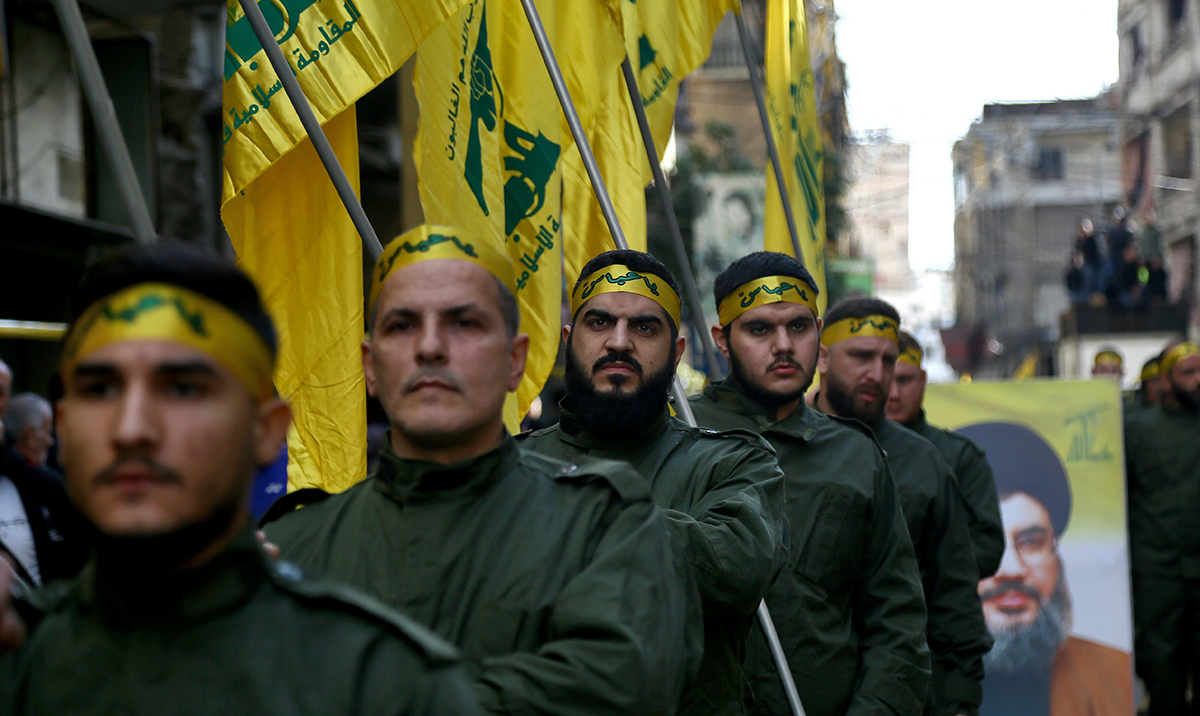
هزینه سنگین حمایت حزب الله برای اقتصاد و امنیت ایران
در جمهوری اسلامی ایران, این فرضیه وجود دارد که حمایت از سازمان حزب الله در لبنان, امنیت و قدرت بازدارندگی ایران را افزایش داده است. در عین حال, شواهد و قرائنی وجود دارند که نتایج انان برعکس این فرضیه را نشان می دهند.