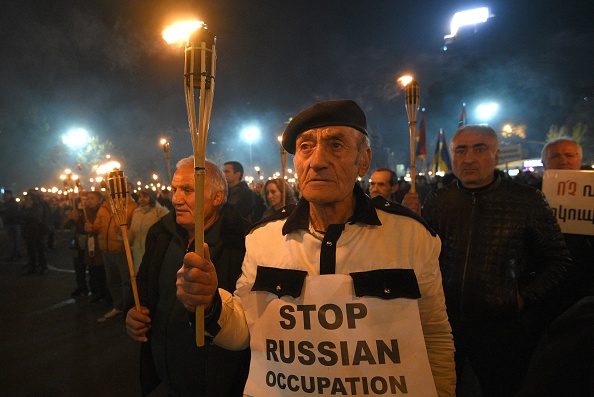
De-Russification: Understanding the trajectory and reversibility of Armenia’s Western pivot
The question of whether Armenia’s recent shift away from reliance on Russia is reversible is central to understanding its democratization trajectory. In recent years, Armenia’s dependency on Russia for security and economic stability has been severely tested, particularly during the 2020 Second Karabakh War and subsequent Azerbaijani incursions on sovereign Armenian territory, where Russia’s lack of support led to widespread disillusionment. This discontent has spurred Armenia to diversify its security, economic, and diplomatic ties, with a notable strengthening of relations with the United States. However, the sustainability of this shift remains uncertain, as it hinges on various societal factors and internal dynamics.
Azerbaijan-Armenia peace talks: The status quo and an emerging diplomatic breakthrough
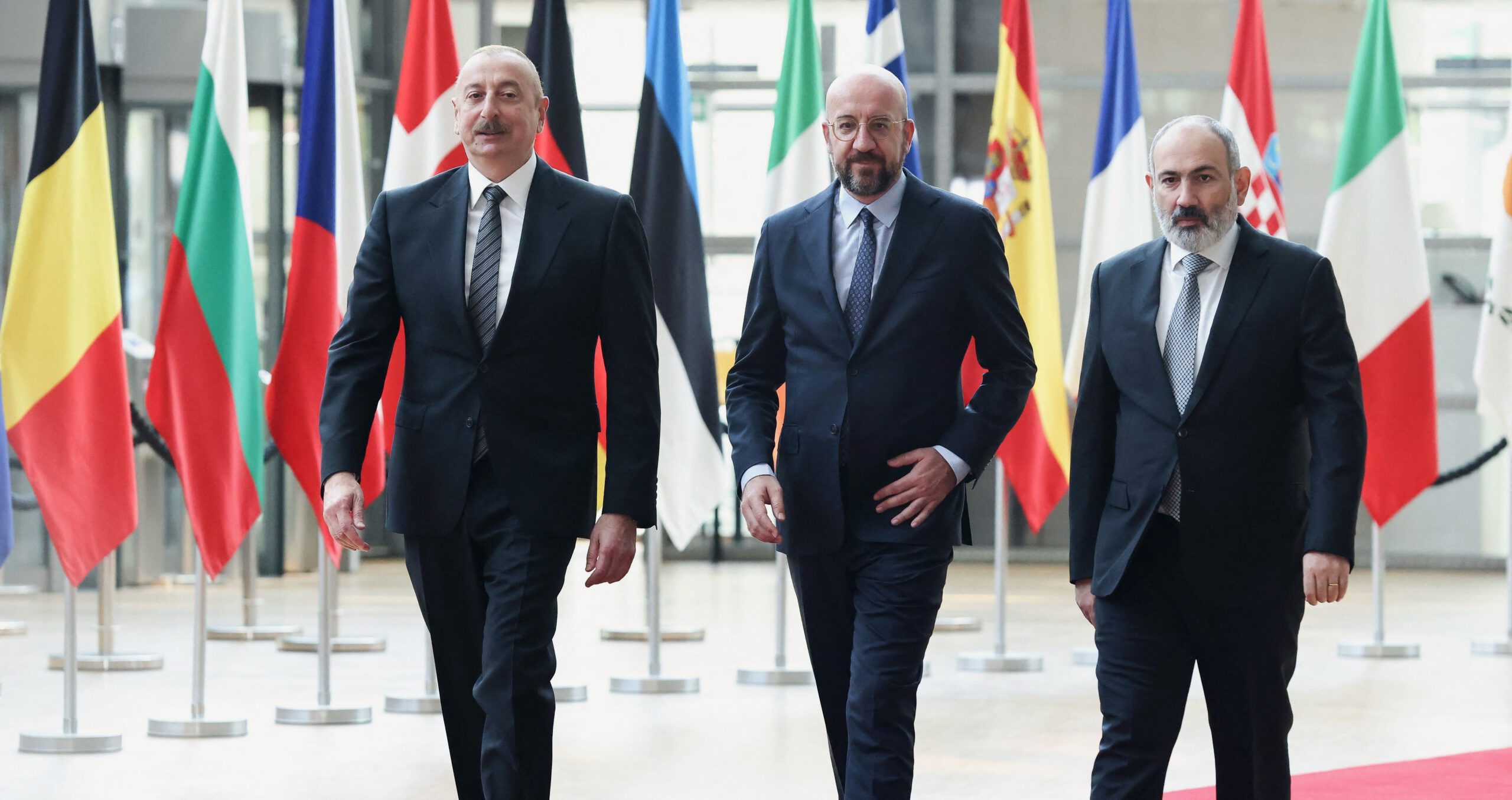
Azerbaijan’s takeover of Karabakh in September 2023, while a disruptive event, has opened the window for renewed dialogue to peacefully resolve the longstanding tensions between Azerbaijan and Armenia. While the ongoing negotiations are unlikely to lead to a comprehensive peace deal in the near term, they could alter the strategic calculus of key actors in the region. The most likely and consequential outcome of the talks will be a peace framework agreement that could rebalance the regional status quo, potentially leading to a peace deal between Armenia and Azerbaijan.
Azerbaijan’s green shift: Energy transition, COP29 commitments, and US collaboration
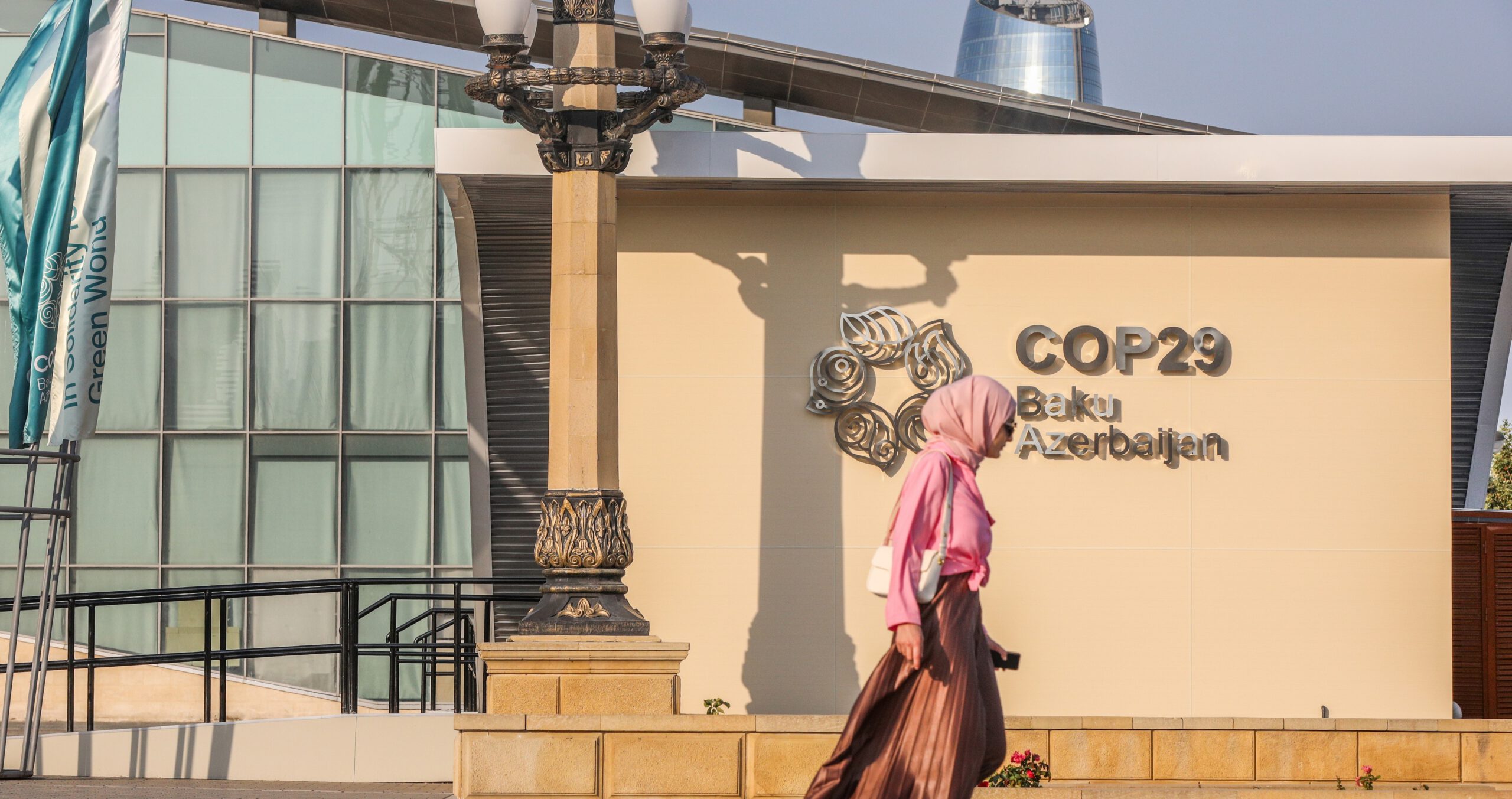
Azerbaijan seeks to establish itself as a major actor in the global energy transition space as it prepares to host the 2024 UN Climate Change Conference (COP29) in Baku, on November 11-22. COP29 offers many opportunities to improve US-Azerbaijani energy cooperation, including by coordinating the United States’ clean energy technology goals with Azerbaijan’s renewable energy revolution.
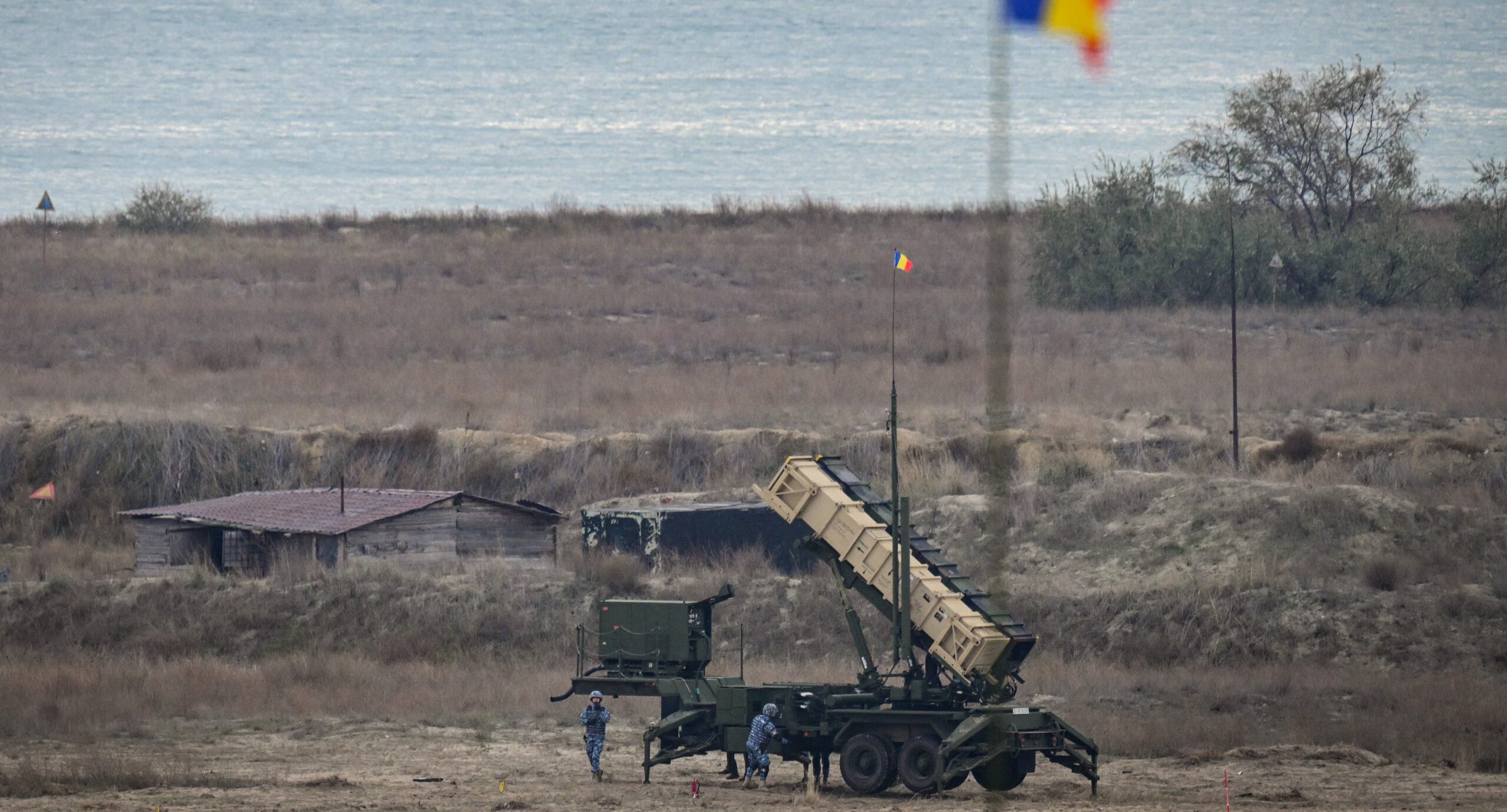
After the Cold War, the Romanian government chose to slim down its sizeable defense industry, but it essentially maintained its state-backed structure, personnel, and management, thus producing a thoroughly inefficient system. Today, Romania retains a proclivity to purchase Western, and particularly American, defense equipment; but it has often neglected any thorough assessments of life cycle costs or real force design considerations.
The IMF, CPEC, and Pakistan: Will the Chinese save Islamabad yet again?
The China-Pakistan Economic Corridor (CPEC), once heralded as a “game-changer,” has almost disappeared from the spotlight in recent years. The project has faced slow implementation, unpaid loans, corruption, and a dire security situation. How is China responding to Pakistan’s poor handling of CPEC, its perpetual financial troubles, and its periodic demands on China to bail it out?
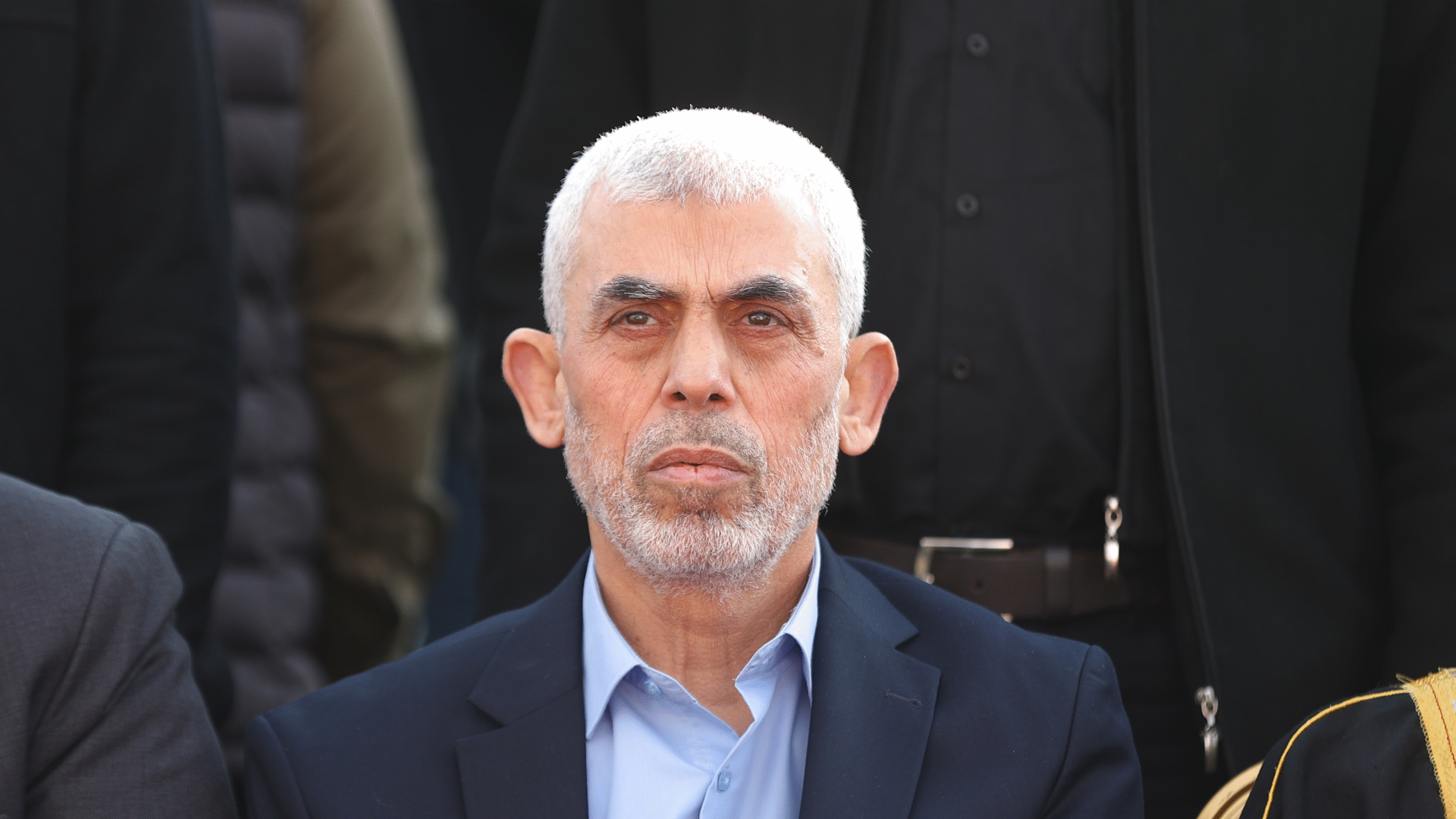
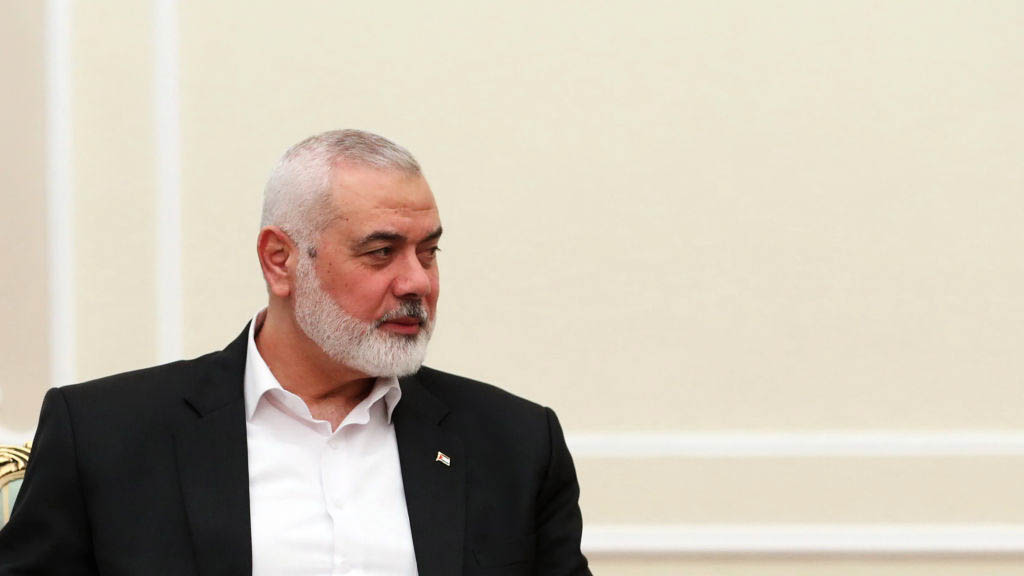
Special Briefing: The regional impact of Ismail Haniyeh’s assassination
In a new special briefing, scholars from across MEI weigh in with their thoughts on the assassination of Hamas political leader Ismail Haniyeh and the potential regional impact.
Israeli Strikes and the Risk of Regional Escalation
This week’s episode looks at the dramatic regional developments of the past 24 hours, including the Israeli strike on a top Hezbollah commander in Beirut and the assassination of Hamas political leader Ismail Haniyeh in Tehran. The strikes mark a significant escalation, and are expected to provoke retaliation from Iran and Hezbollah that could potentially ignite a wider regional conflict.
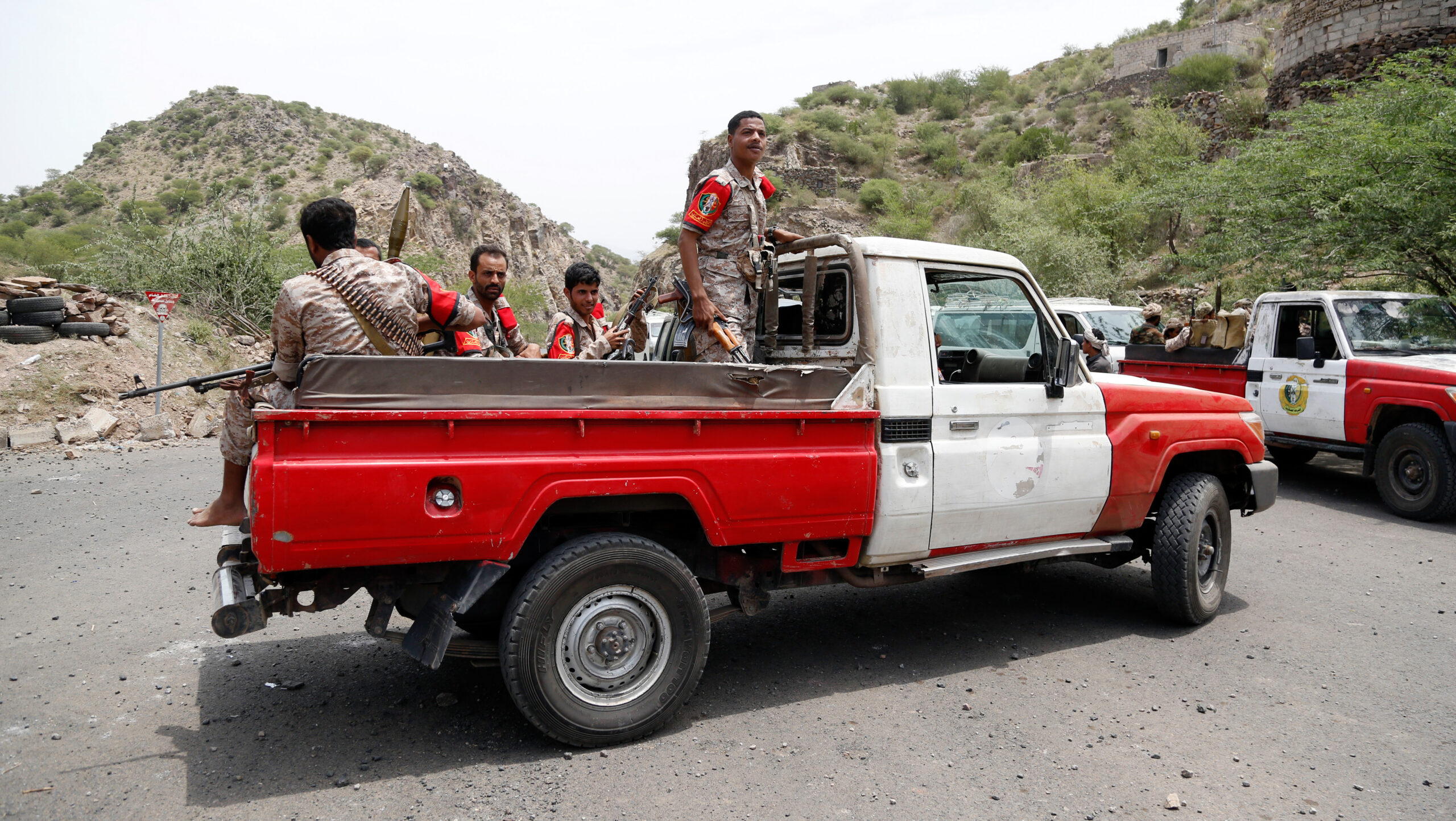
Russia and China’s differing engagements with the Houthis
Although Russia and China are in regular dialogue with the Houthis, the motivations that undergird the engagements of both countries differ markedly. The Houthis regard both Russia and China as partners against American unilateralism but have a warmer relationship with Moscow.