From “fierce entanglement” to a viable path toward Palestinian statehood: A pragmatic proposal
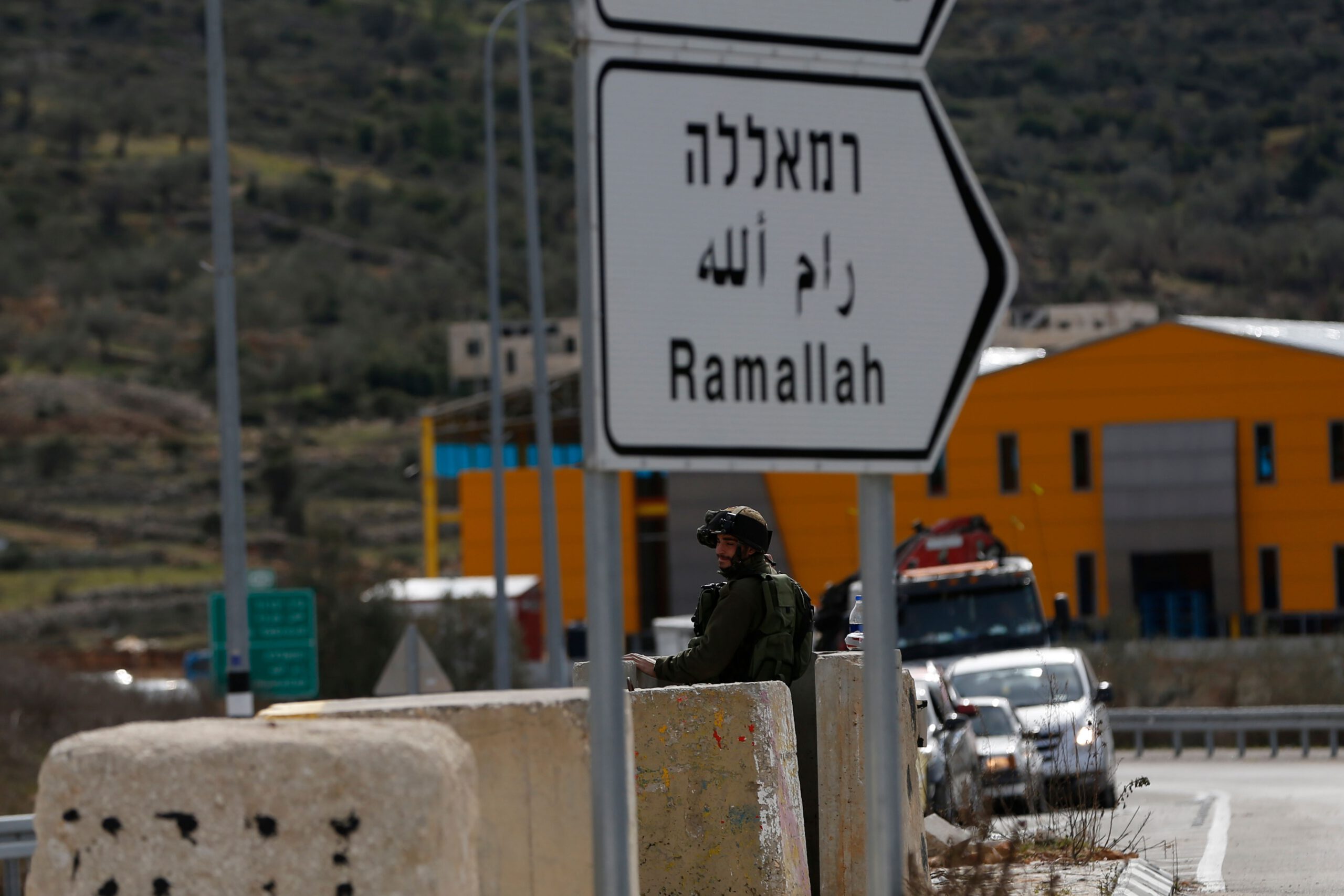
The Israelis and Palestinians are stuck with each other in a situation of “fierce entanglement.” Things never got “bad enough” for Israel to work toward a better and lasting solution with the Palestinians until Oct. 7 abruptly changed the status quo. After the visceral anger subsides and Hamas is replaced in Gaza, Israel and the Palestinian Authority must work together for something other than “waiting for the next round of violence.”
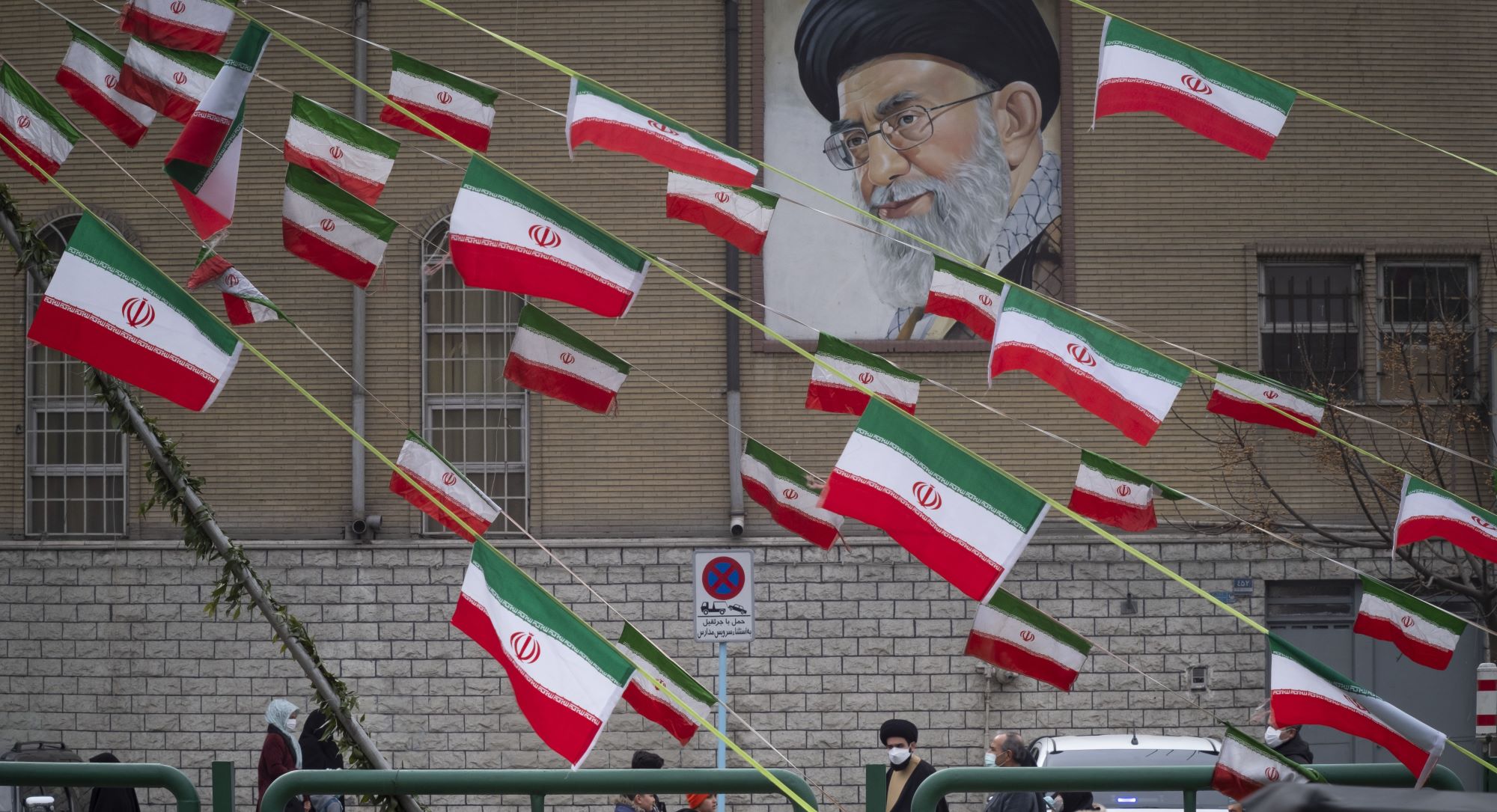
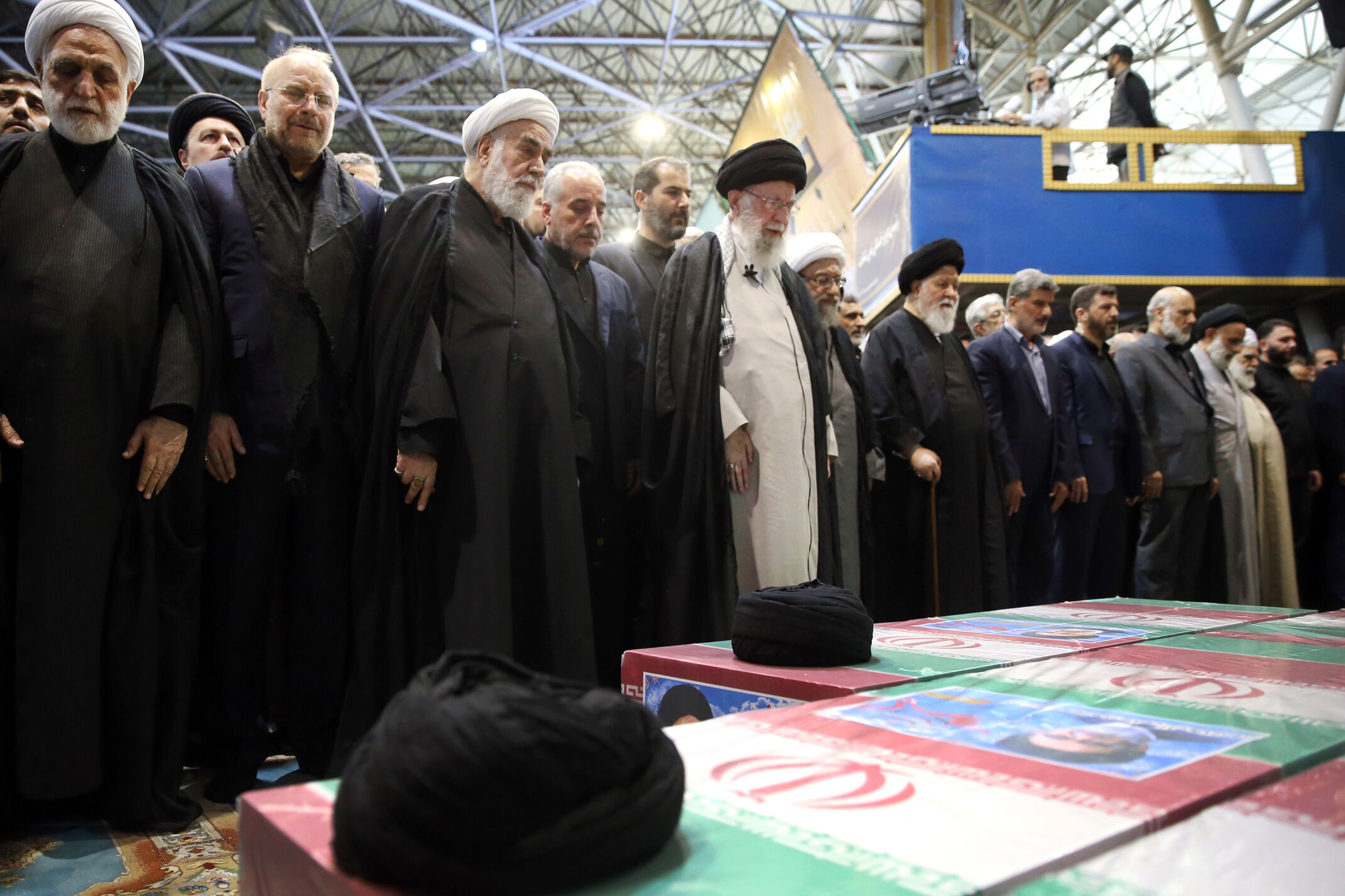
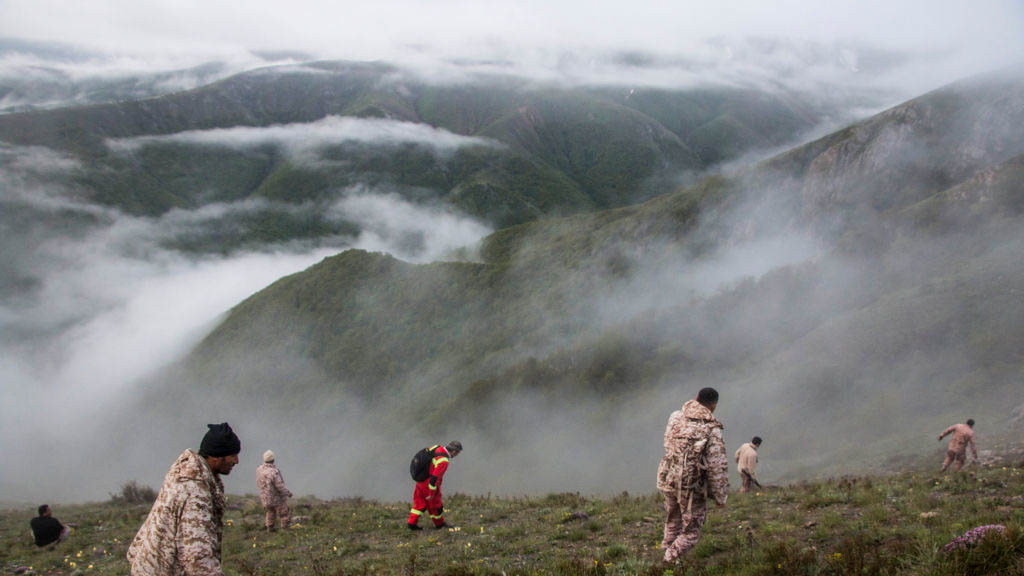
Raisi's death underscores Iran’s instability and potential post-Khamenei destabilization
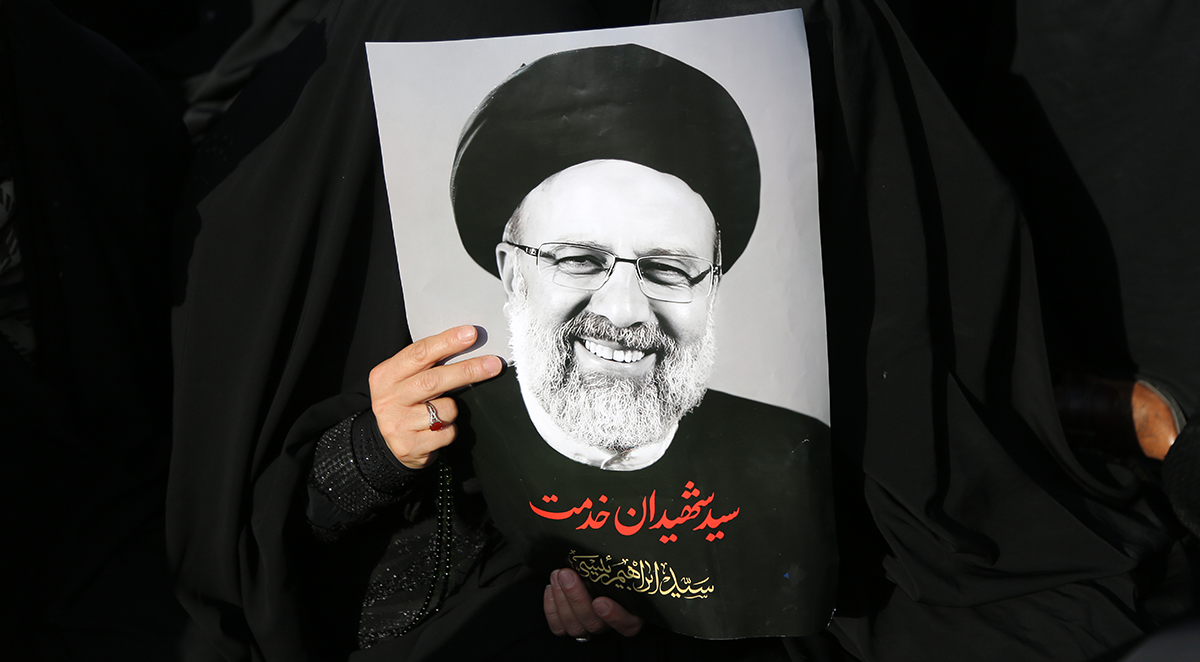
The death of President Ebrahim Raisi serves as a stark reminder of the pervasive instability within the Iranian system of government and its potential repercussions for the future of the Islamic Republic.
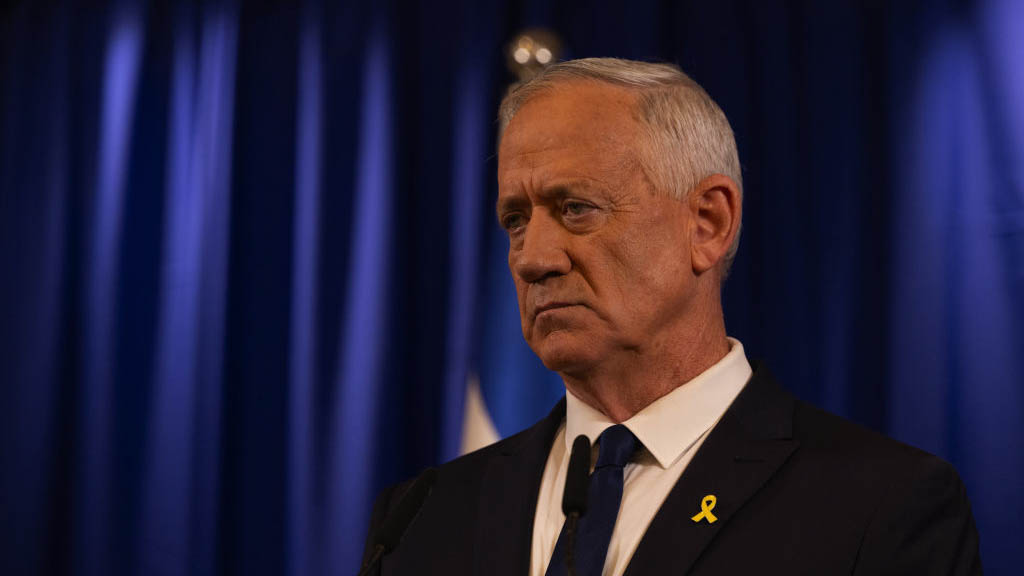
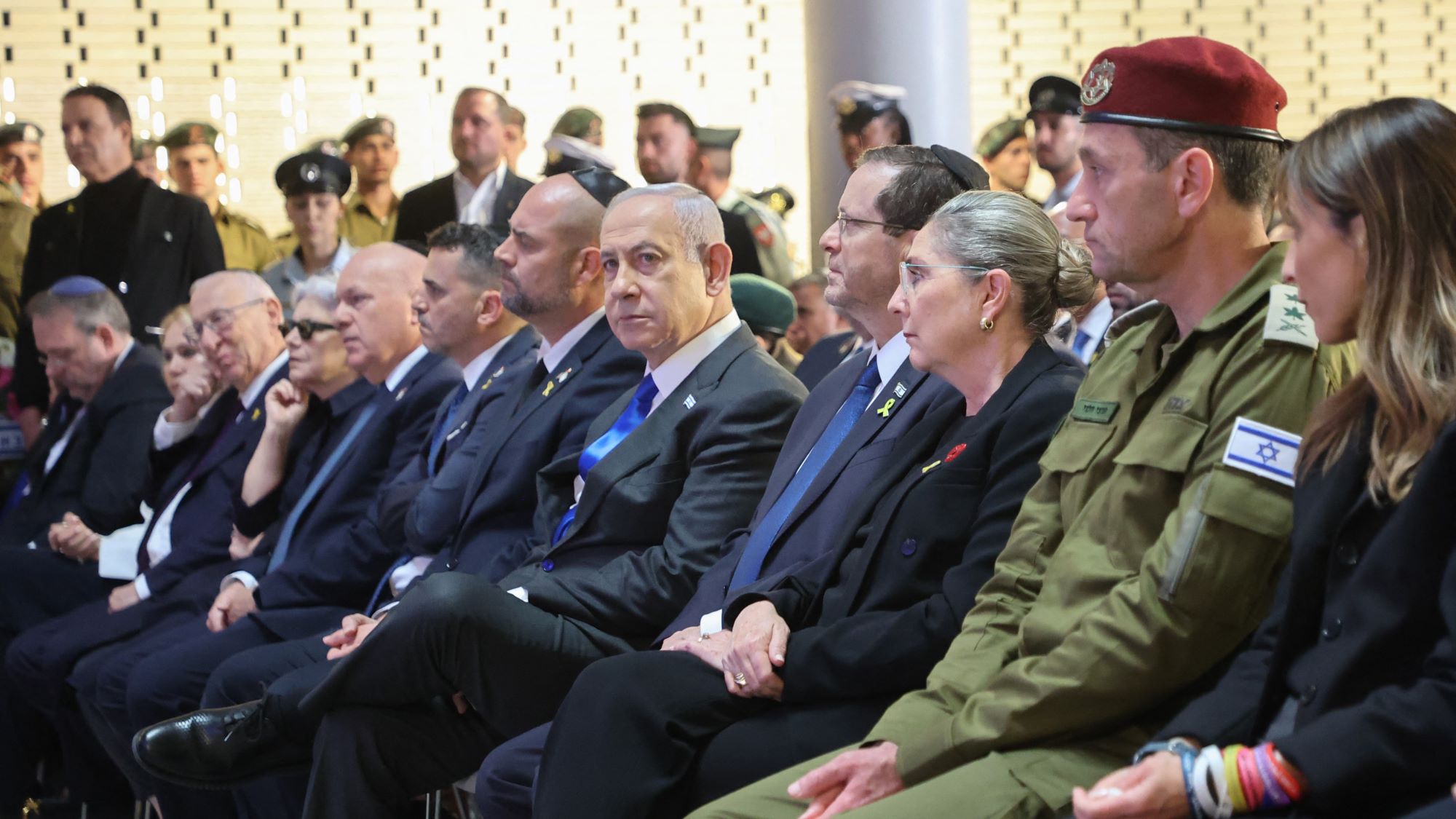
Netanyahu has sought to direct the blame for the debacle of Oct. 7, as well as the subsequent failures in the management of the war, squarely on the Israeli security establishment, while avoiding taking personal responsibility that would cost him his job.
Corruption in Iran: A strategic instrument for the Islamic Republic regime
Corruption in Iran is strategic and a key element of the current political order. It serves as an instrument of national strategy and an essential component of governance within the Islamic Republic.
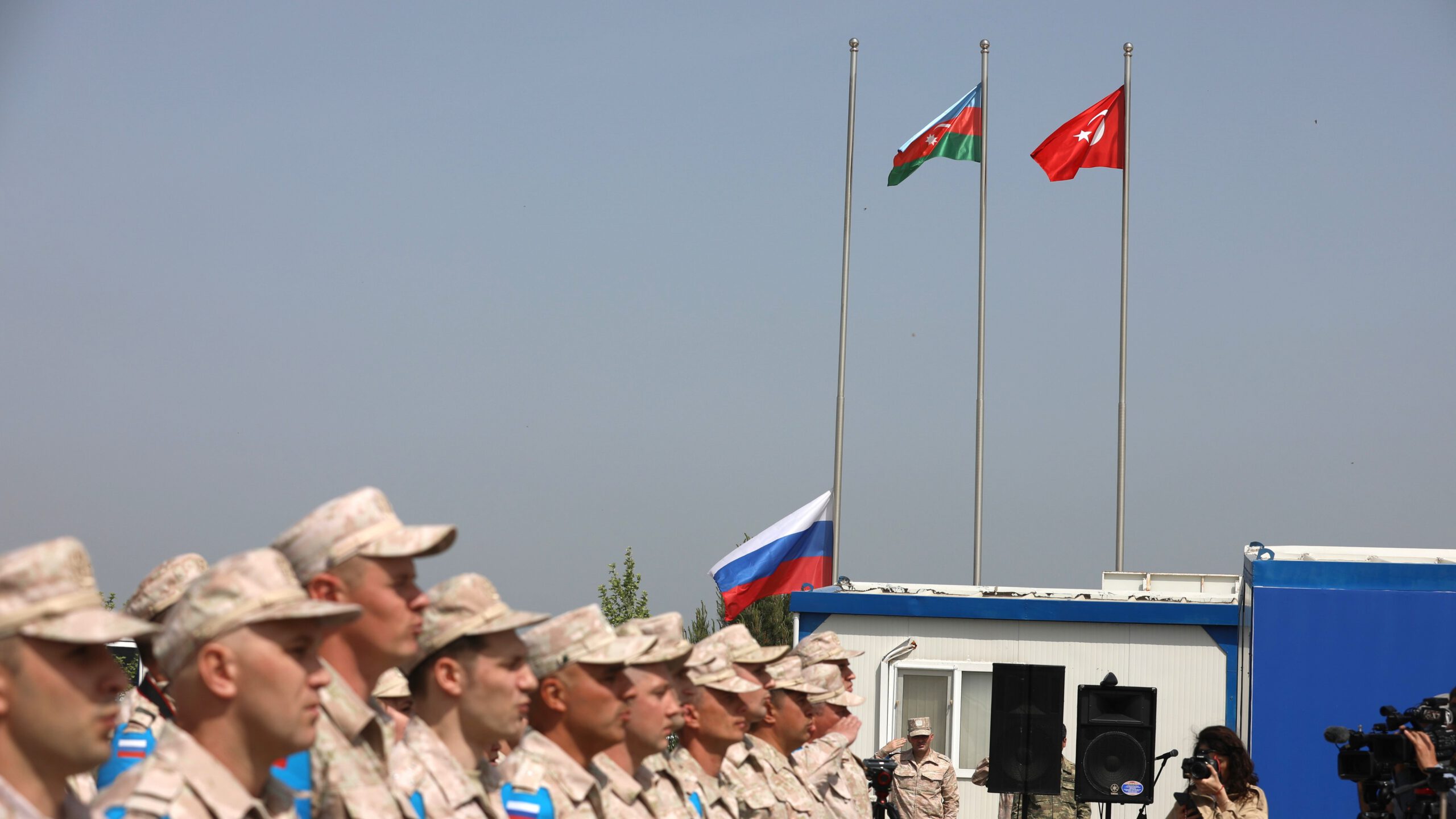
Why they left: The causes and implications of the Russian peacekeepers’ withdrawal from Karabakh
On April 17, Russian and Azerbaijani officials confirmed that the Russian peacekeeping forces deployed in Karabakh since November 2020 had begun pulling out from the region. The reasons behind the decision remain a matter of intense debate; but it is possible to draw several important conclusions from its timing and consequences.
Khamenei will maintain tight grip on Iran’s snap presidential election
The sudden death of President Ebrahim Raisi obliged Iran to hold snap presidential elections by June 28. In the first phase of this electoral process, all eyes will be on Supreme Leader Ali Khamenei, since the relative competitiveness of the upcoming contest depends entirely on who the leader allows to run.
Deterrence Reasserted? Debating Iran's Missile Capabilities and Willingness to Use Force
On this week’s episode, David DesRoches and Abdolrasool (Farzam) Divsallar, a Non-Resident Scholar with MEI’s Iran Program, speak to MEI Managing Editor Matthew Czekaj on Iran’s April 13 missile and drone attack on Israel and what it reveals about both countries’ attack and deterrence capabilities.
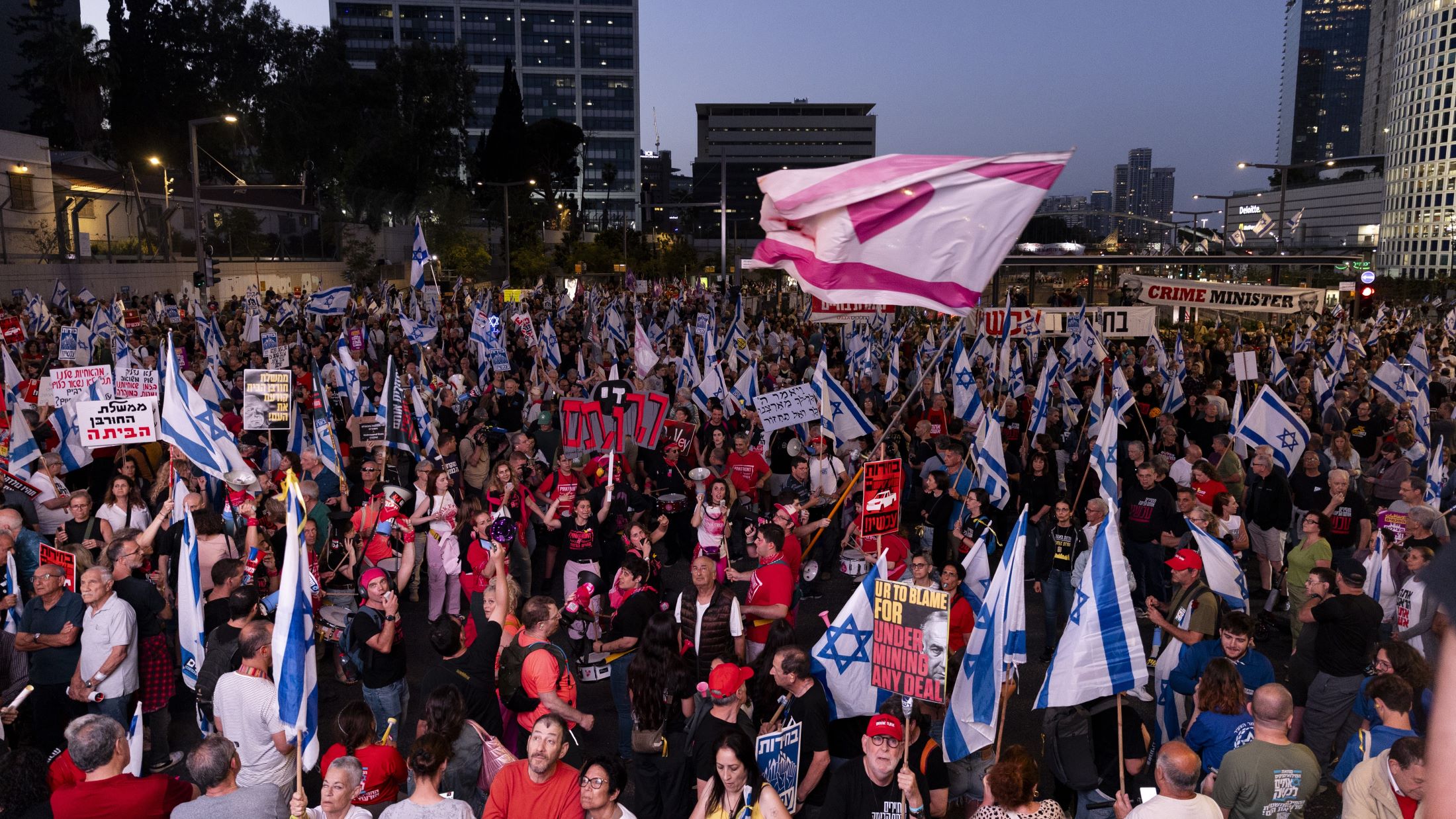
As the Knesset reconvenes, Israel’s newly elected municipal leaders can help foster change in national politics
Following a year of protests and as the war with Hamas and Hezbollah enters its eighth month, the domestic scene in Israel looks poised for a political transition. Pro-democracy mayors and city councils across the country have grown increasingly influential when it comes to safeguarding and advancing liberal values. They are now better positioned and more motivated to make an impact on Israeli national politics, particularly as early elections look ever more likely.
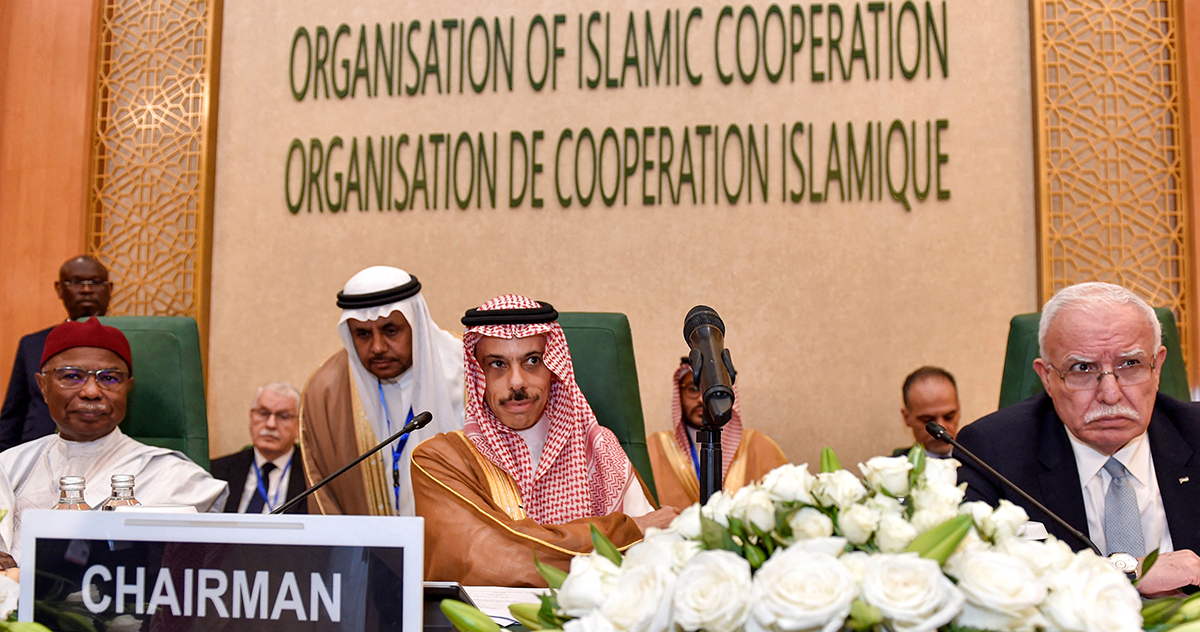
Riyadh and Tehran use OIC to mend ties, but its sway is limited
A year after the restoration of diplomatic relations between Saudi Arabia and Iran, the two countries are working to ease regional tensions in the Middle East in exchange for promises of improved bilateral cooperation. But strains persist in the relationship between Riyadh and Tehran, and the two capitals are using the Saudi-based Organization of Islamic Cooperation, which includes members from 57 Muslim countries, to try to bridge their differences.
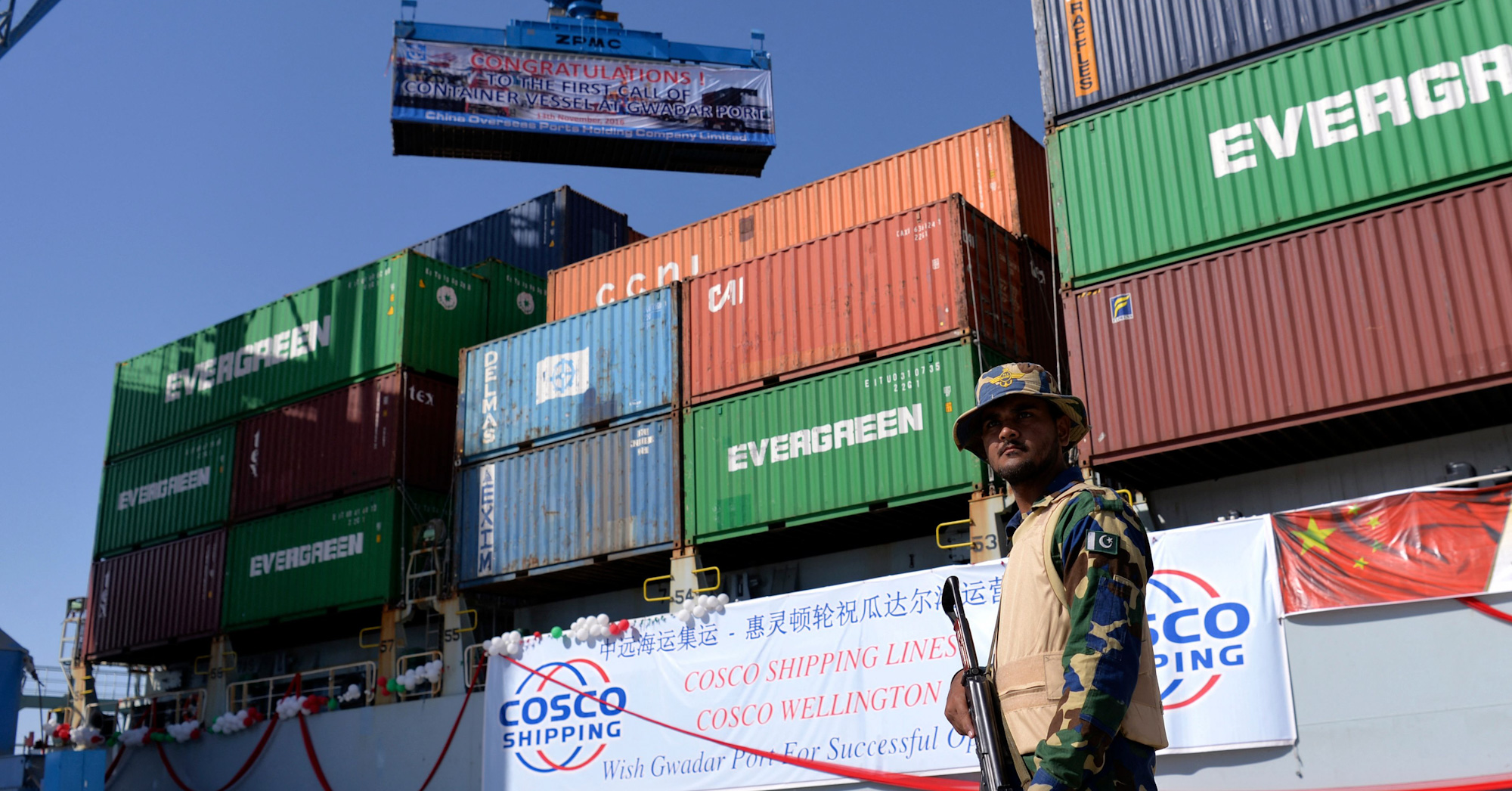
“Gwadar is the future”: China and Pakistan’s troubled strategic port on the Arabian Sea
Strategically located at the mouth of the Strait of Hormuz on the Arabian Sea, Gwadar, once a derelict port, was revitalized as part of the broader development of China-Pakistan Economic Corridor (CPEC) and declared fully operational in 2021. Can a renewed focus on the Gwadar port and the socio-economic and security situation of the surrounding region help Islamabad and Beijing rescue CPEC from failure?
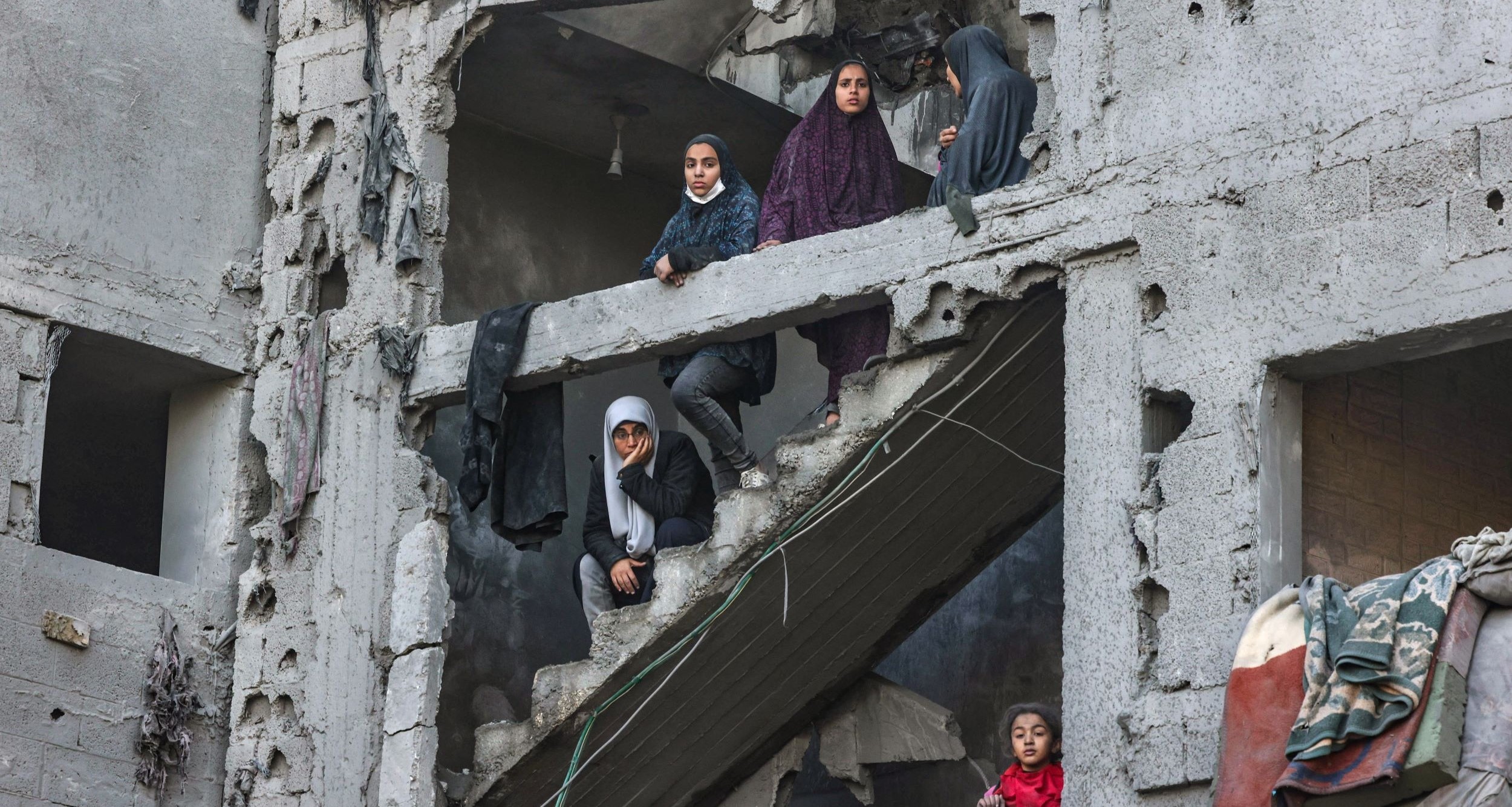
Human shields or shielding Israel from accountability?
Israeli leaders insist that the extreme destruction in the Gaza Strip is unavoidable given Hamas’ use of “human shields” and the fact that the militant group has embedded itself among the civilian population and routinely operates from civilian structures like hospitals and schools. But far from explaining the current devastation, the questionable “human shields” charge has become a way to shield Israel from legitimate scrutiny and accountability.
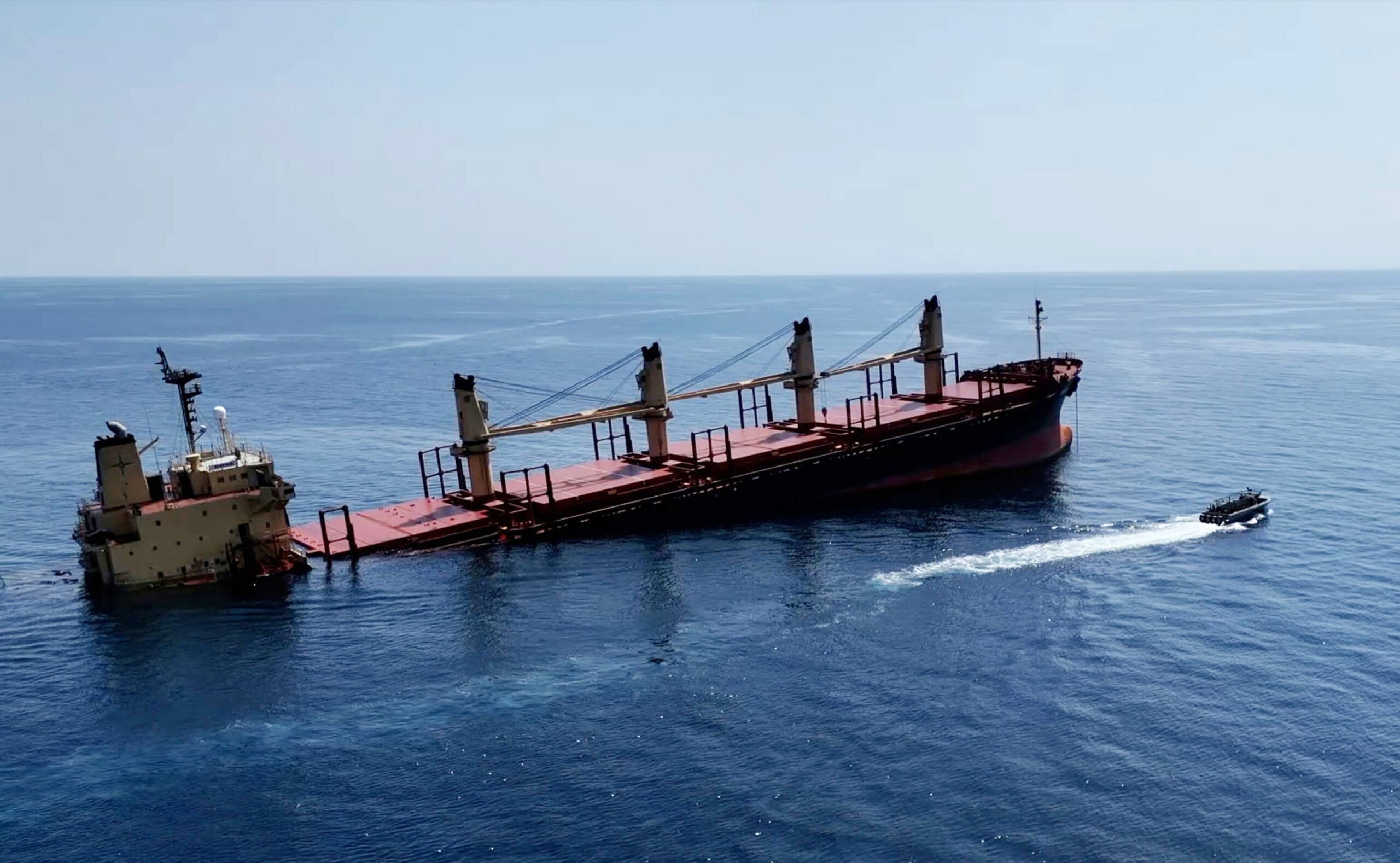
Israel in the Red Sea during the War in Gaza: Strategic insights
In recent months, Israel’s situation in the Red Sea has grown increasingly challenging in the security, economic, and diplomatic spheres. But the country is in a better position to meet these challenges and threats by leveraging the strategic regional partnerships it has developed over the past several years.