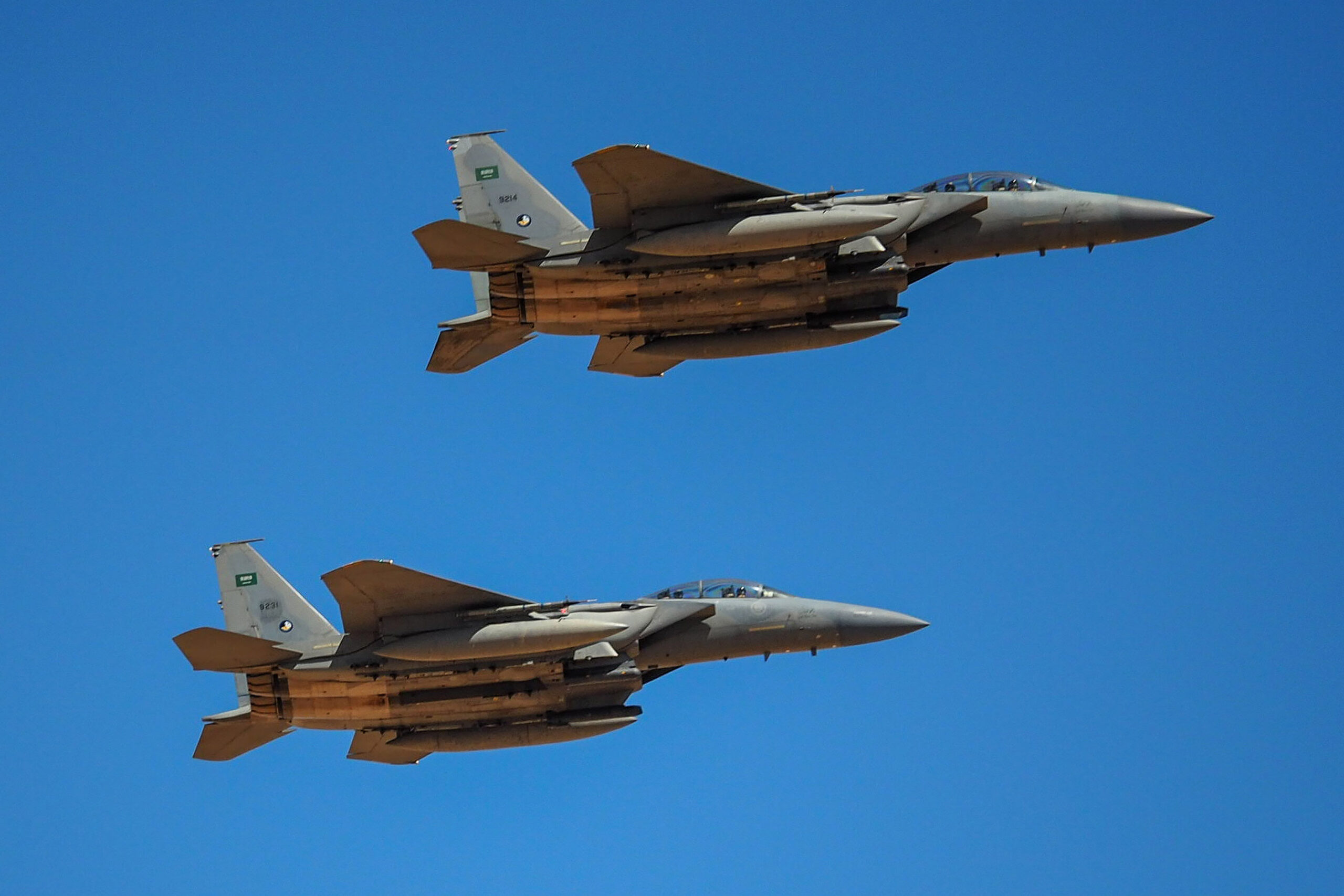
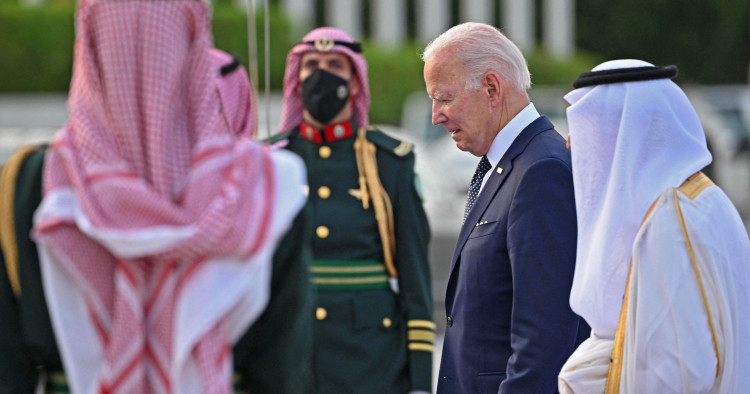
Of all the challenges to Saudi Vision 2030, arguably none is greater than Iran’s threat to Saudi national security. To succeed, Crown Prince Mohammed bin Salman must protect the kingdom, which will require not only fortifying its defenses against further Iranian and Houthi attacks but also establishing a level of deterrence against Tehran.
From oil wells to power cells: How Saudi Arabia and its Gulf neighbors are securing their future through battery technology
As the world shifts toward a more sustainable future, the GCC states are also embracing this profound transition, moving from oil wells to power cells. With their vast resources, strategic location, and commitment to sustainability, the Gulf countries are uniquely positioned to become major players in the global battery supply chain. By embracing the potential of battery technology, these nations are not just preparing for a post-oil future but are actively shaping it.
A US security guarantee to Israel should help to advance Israeli-Palestinian peace, not avoid it
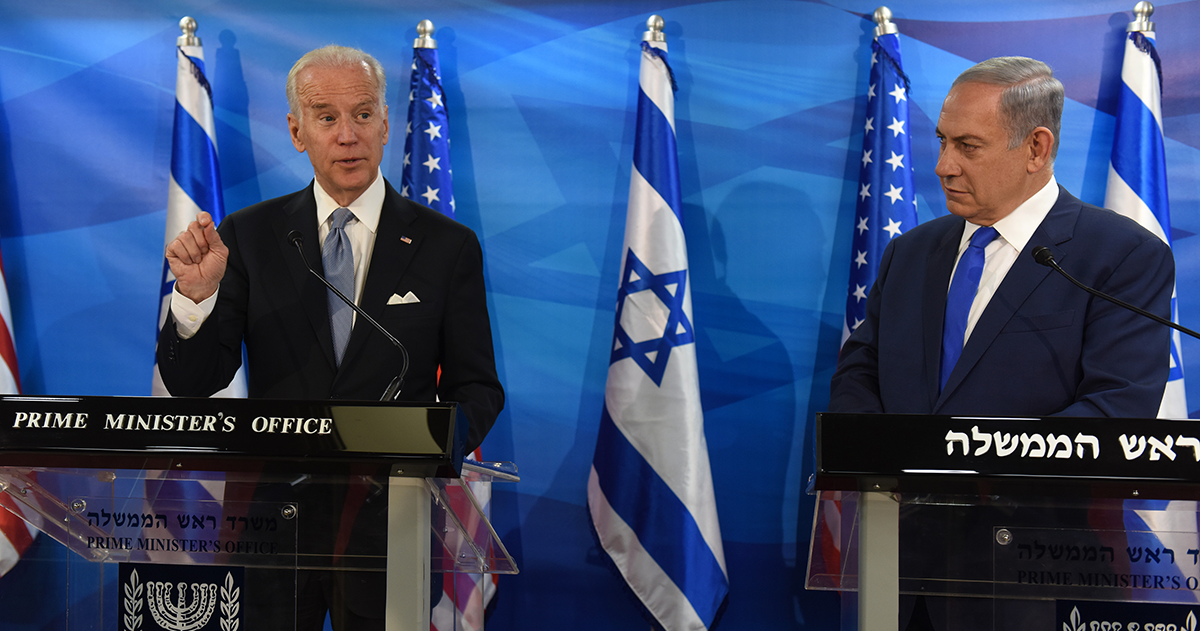
It has been nearly 70 years since Israel first asked the U.S. to sign a bilateral defense treaty. Ever since then, the idea of a formal security agreement has resurfaced from time to time, only to be struck down, due to an understanding that it does not serve the two sides’ actual needs. Prime Minister Netanyahu is currently floating the idea once again, but the U.S. can make use of his interest in a security upgrade to revive a different idea instead: the decade-old security plan for the two-state solution, known as the Allen Plan.
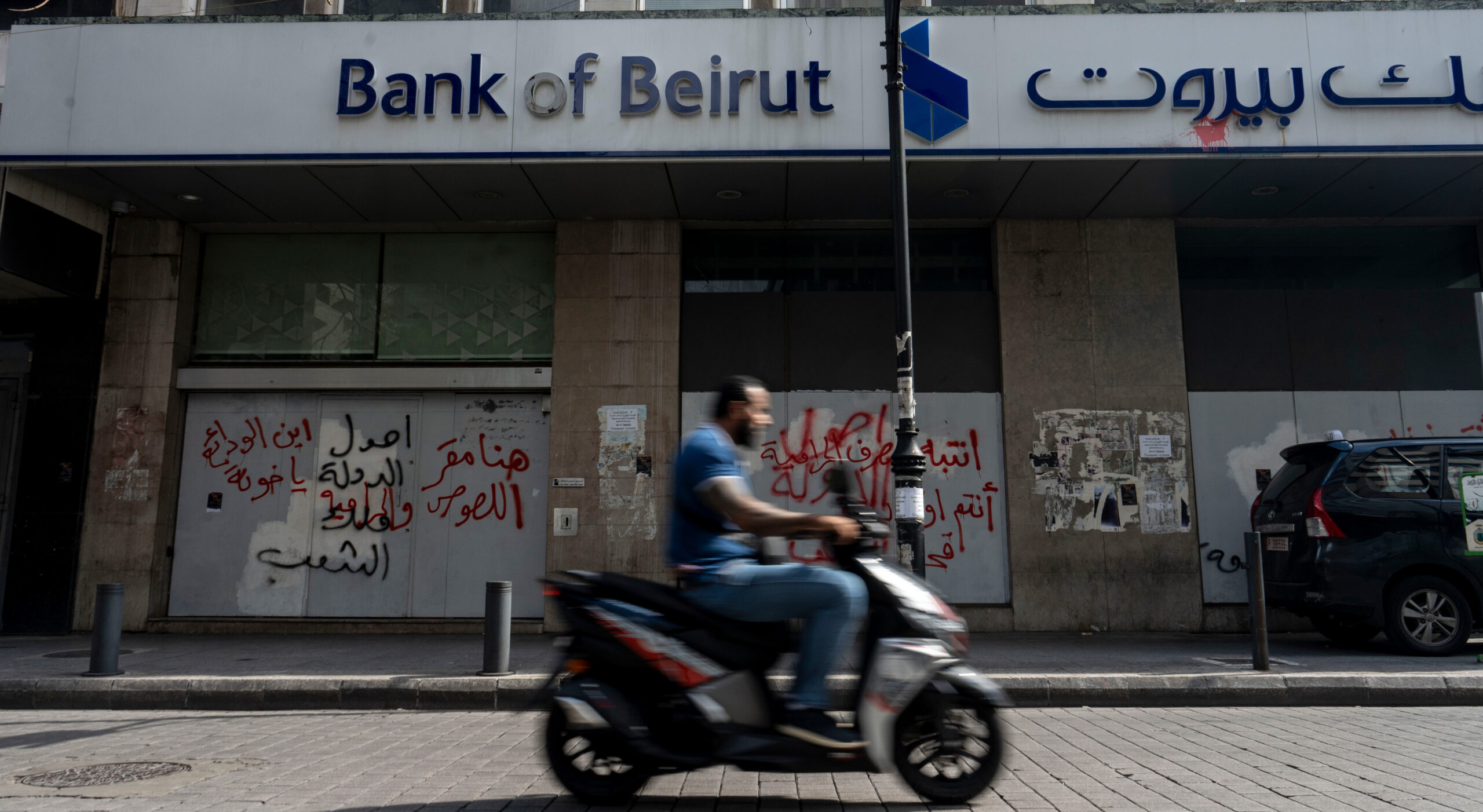
Lebanon needs a new aid strategy to preserve the country’s ability to one day recover. What is required is a donor strategy that walks on two legs: a first leg that offers a big reconstruction push conditioned on economic and institutional reforms and, in parallel, a second leg that provides urgent support to the Lebanese population.
Power cuts in Egypt: A political liability for Sisi ahead of the upcoming elections
A brutal heat wave tormenting Egypt since mid-July, resulting in lengthy and repeated power cuts, has turned into a political liability for President Abdel-Fattah el-Sisi ahead of his expected campaign to run for a third, six-year term early next year.
Peshmerga reform hangs in the balance in Iraq’s Kurdistan Region
Efforts to reform the Iraqi Kurdish security forces known as the Peshmerga are at serious risk of failing. Tensions between the ruling parties of Iraq’s Kurdistan Region are not new, but the working relationship between the leaders of the Kurdistan Democratic Party and the Patriotic Union of Kurdistan has collapsed over the past year. As a result, officials within the Ministry of Peshmerga Affairs are no longer capable of preventing the politics of partisan self-interest from consuming the reform project. The prospects for the depoliticization and unification of the Peshmerga have rarely seemed more remote.
Syria’s economic freefall continues despite Arab League return
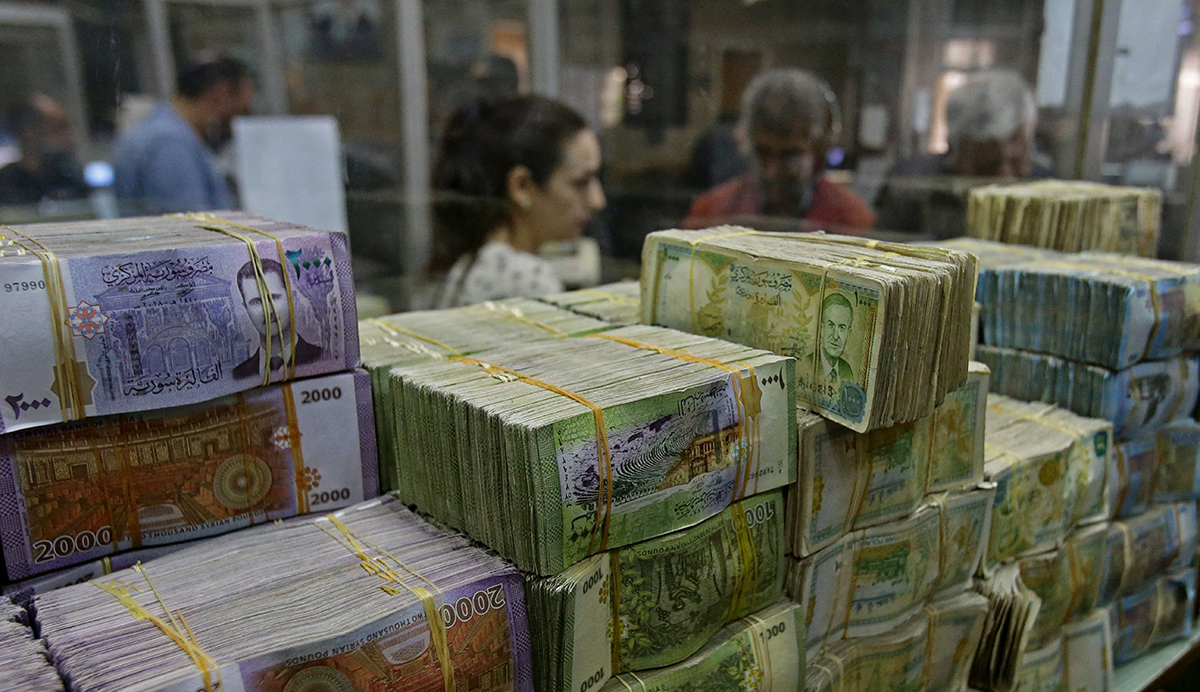
Syria’s dramatic readmission into the Arab League in May was perceived as a turning point for the country’s fortunes. Although Damascus may have come in from the cold diplomatically, there has been little change on the economic front, where the situation remains dire. Since the start of May, the Syrian pound has lost over 70% of its value and shows no sign of stabilizing.
The successes and failures of Turkey’s new economic team
It has been two months since Turkey’s new economic team took over and some progress has been made. Market normalization has begun and the risk of a balance-of-payments crisis has been reduced. At the same time, however, inflation is gaining new momentum, the budget deficit is sharply worsening, and no reform agenda has yet been announced to tackle these threats.
Alawites in Syria breaking silence?: Criticizing the dictatorship from within
Recently, a notable trend has emerged among Alawites in Syria’s Assad regime-held areas, including those from powerful families. Writers, journalists, and rank-and-file Alawites have taken to social media platforms to express their deep frustration with the regime’s economic policies and the centralized nature of the dictatorship under President Bashar al-Assad, as well as his wife Asma al-Assad’s outsized influence and corruption linked to her secretive “economic council.”
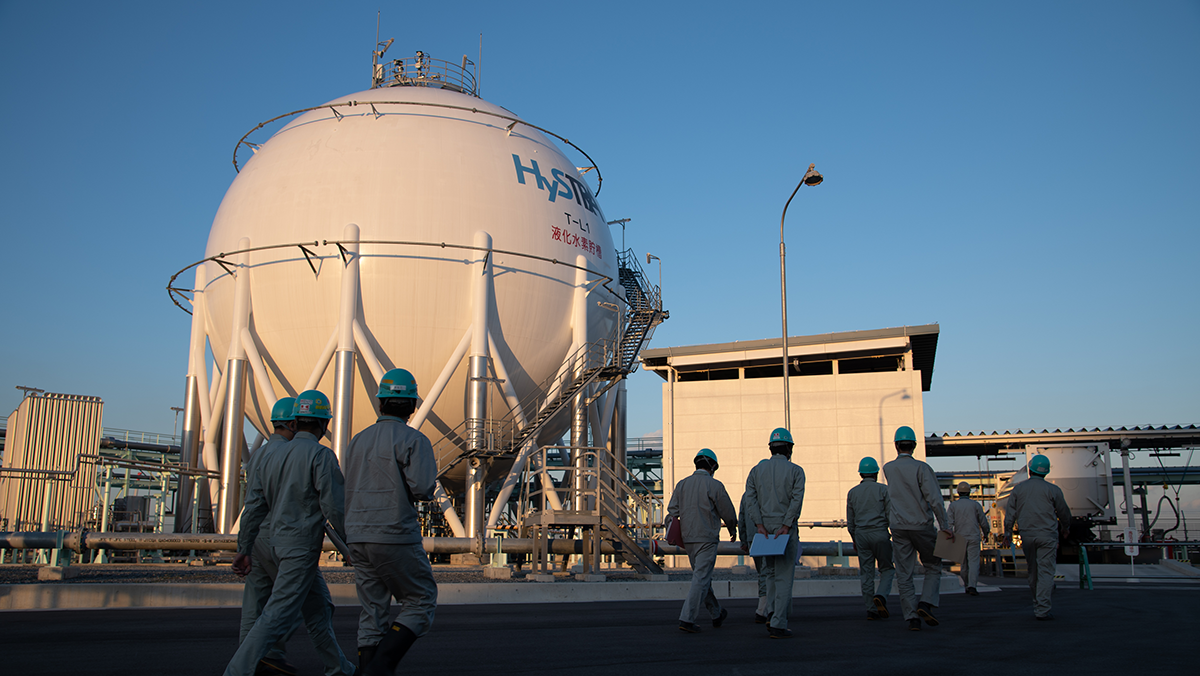
Japan looks to the Gulf as it bets big on hydrogen
As a trailblazer in hydrogen diplomacy, Japan is seeking to develop a new pattern of energy interdependence with its longstanding partners, the Gulf Arab states — countries that are promising production bases for and exporters of green hydrogen and ammonia, and whose leaders have come to regard the development of clean hydrogen as an attractive way to diversify their economies.
The future of America's Middle East posture is now
With its strategic prioritization of the Indo-Pacific and European theatres, the United States has had to significantly adjust its defense posture in the Middle East through new concepts and procedures to safeguard collective security interests.
The result is at least the beginning of a more dynamic and flexible approach to military deployment in the US Central Command (CENTCOM)’s Area of Responsibility. Instead of emphasising large and permanent basing, the United States will surge assets and resources from other locations depending on threats and needs.
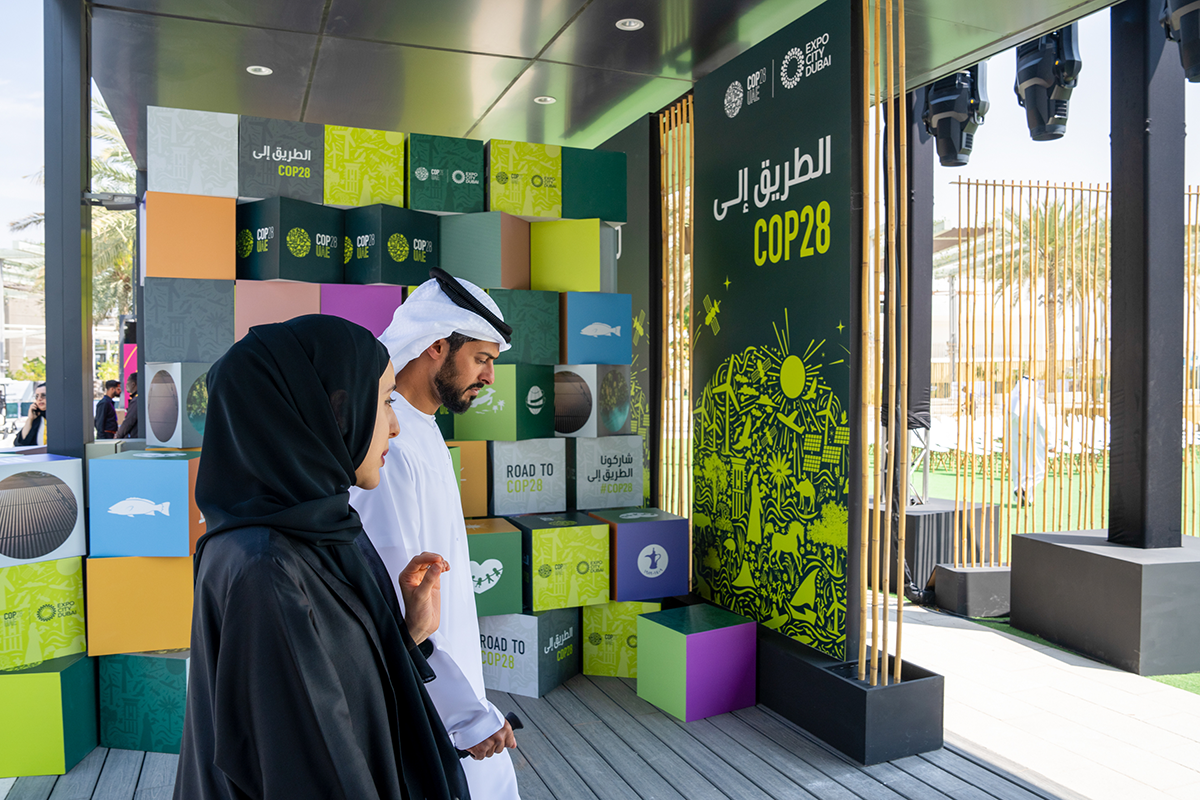
Breaking down the details of the UAE’s climate strategy
In the race to manage climate change, the UAE is ramping up its efforts in a bid to accelerate its transition to a green economy. In the first two weeks of July 2023, it published several important documents laying out its actions and objectives, including a revised version of the national climate pledges it made under the Paris Agreement, as well as a number of targeted policies and strategies.
A defense treaty is not how Biden should fix the Saudi relationship
The United States has likely reached a crossroads in its relationship with Saudi Arabia. President Joe Biden can reconcile with Riyadh and use its influence to reshape the Middle East to Washington’s liking and stabilize the global energy markets. Or else the Saudis most probably will tie their fortunes much closer to China, thus complicating America’s top foreign-policy priority.