Iraq’s prime minister will toe a fine line in Washington visit
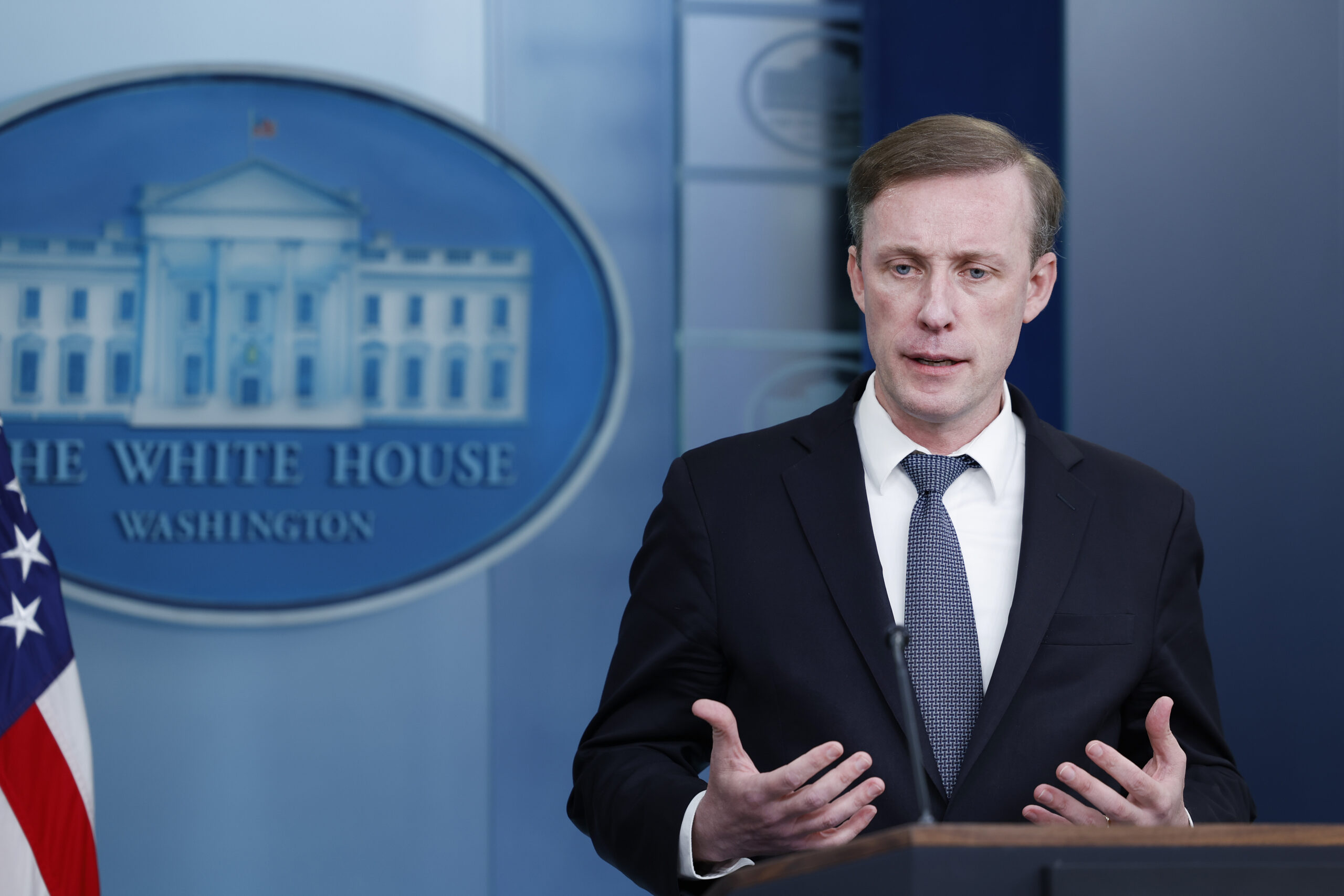
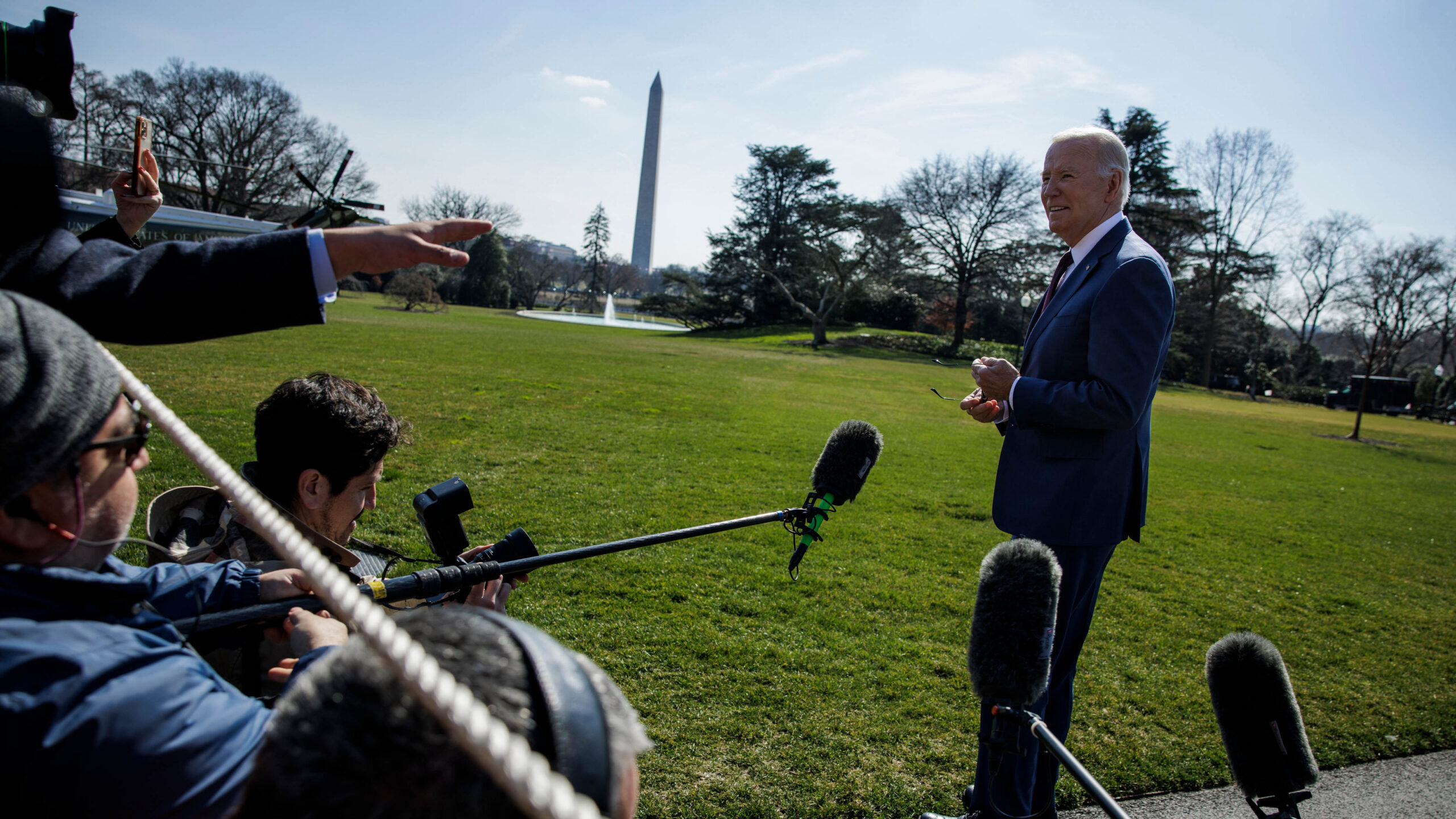
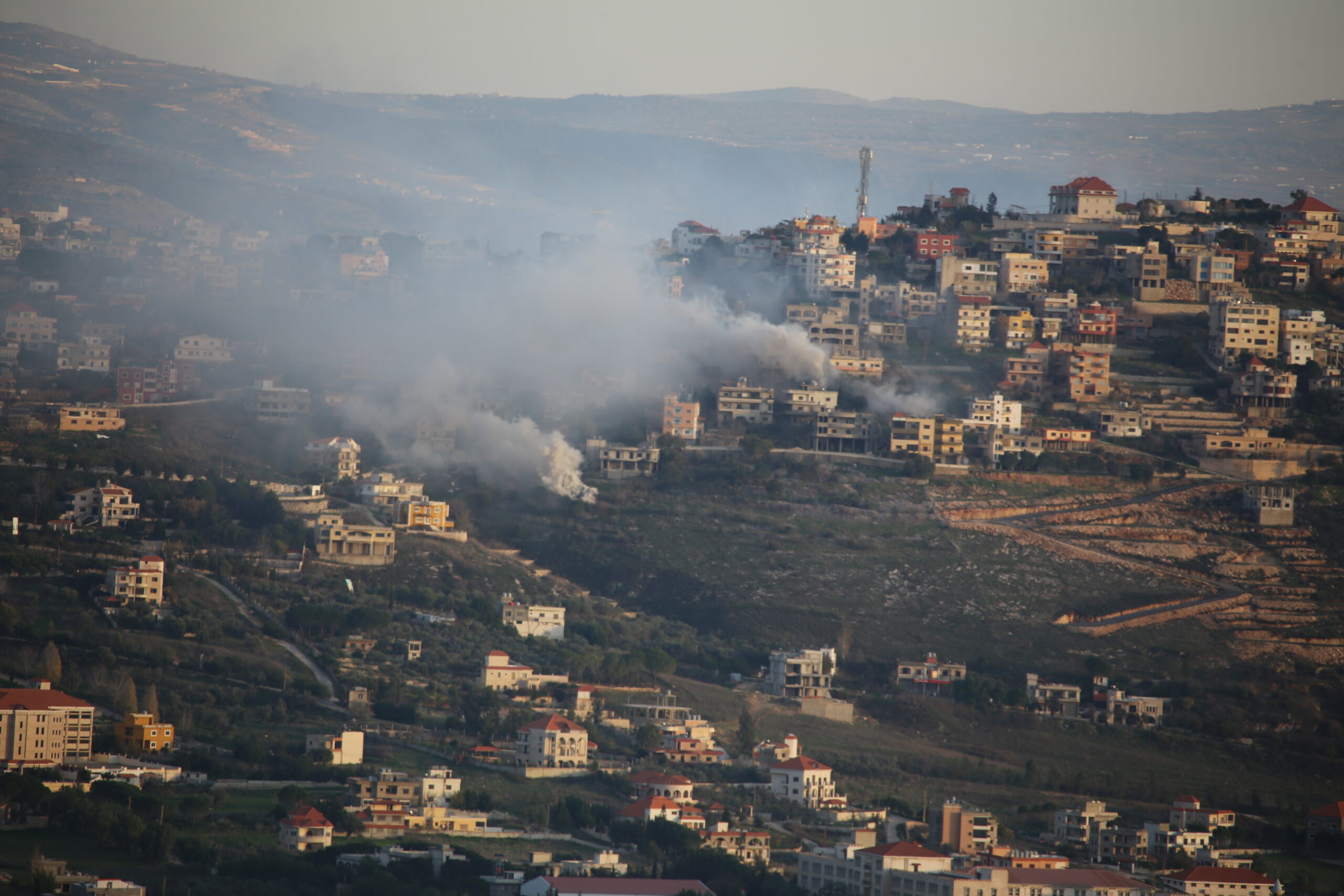
Prime Minister Sudani has been delicately balancing between maintaining bilateral relations with Washington and ensuring political support for his cabinet from pro-Iran hardliners in Baghdad. Both sides have conflicting expectations from the prime minister, and delivering on his promises will come down to his ability to convince each to compromise. But Sudani’s task has now become even more challenging as Iraq finds itself in the middle of direct confrontation between Iran and Israel.
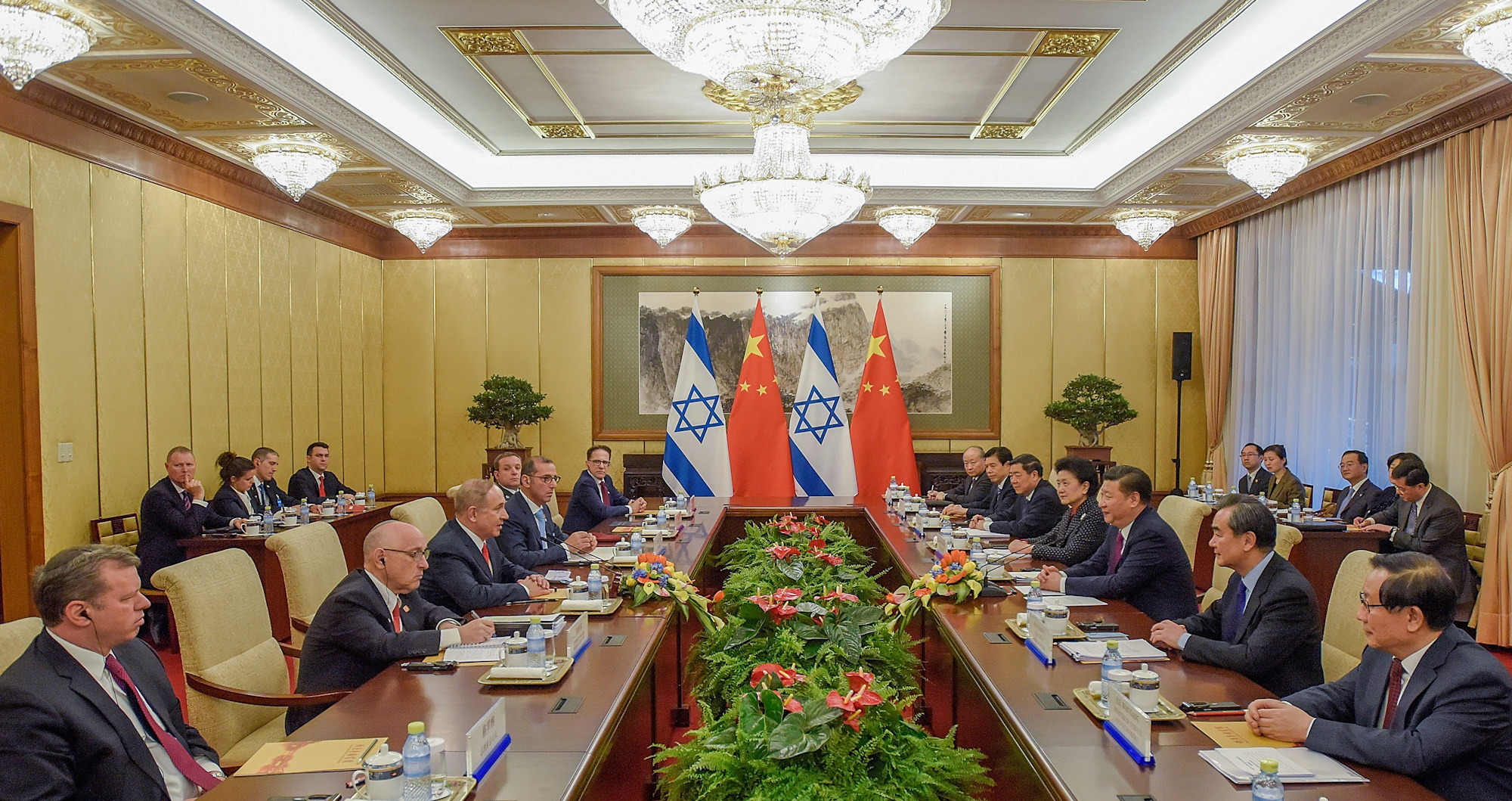
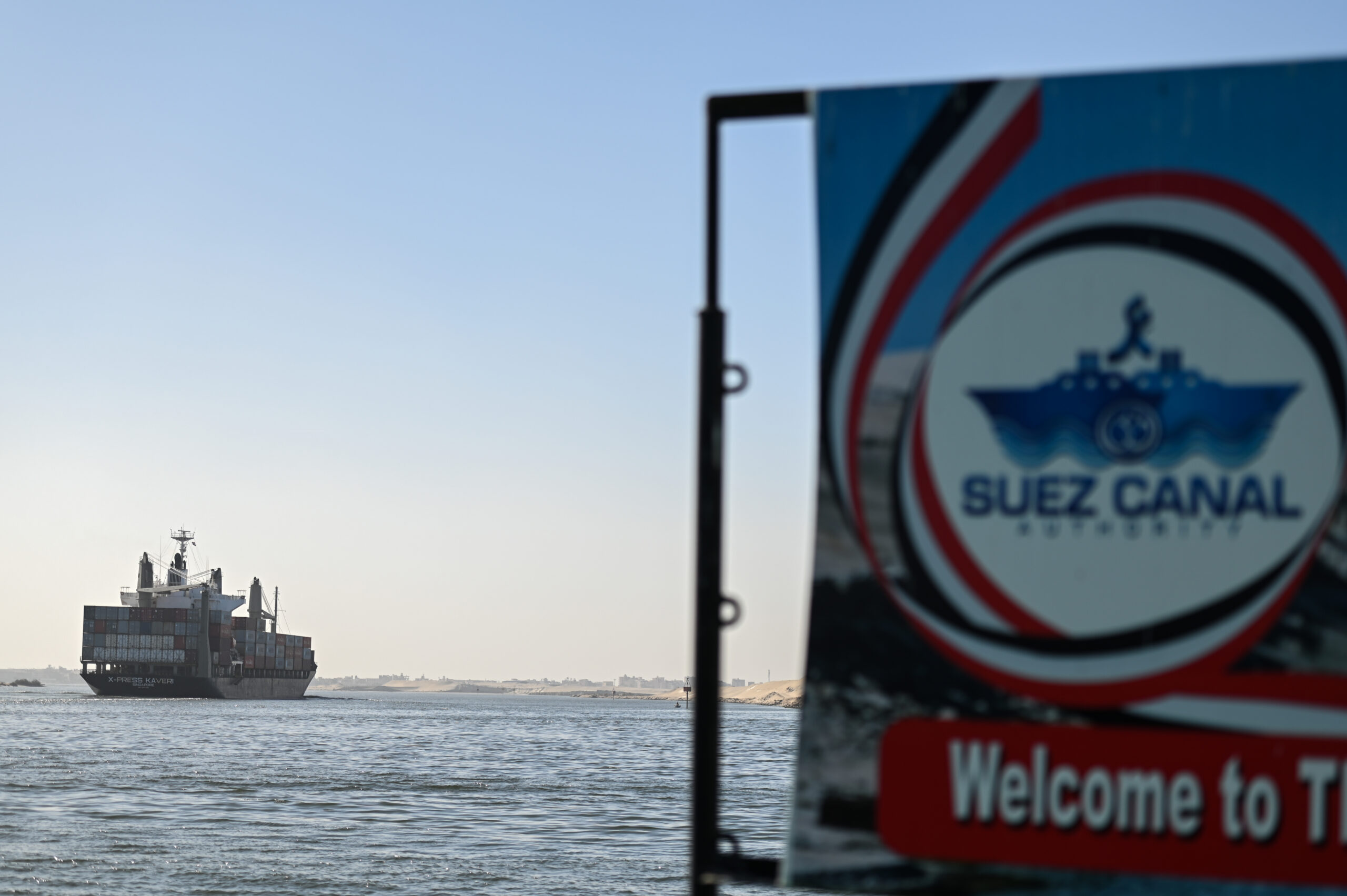
Over the past two decades, relations between Israel and China expanded significantly. Since then, however, there have been indications that the growth prospects for the bilateral relationship have diminished. China’s stance on the Oct. 7, 2023, Hamas attack and on Israel’s conduct during the ensuing war in Gaza, in particular, has further cast doubt on the future trajectory of the relationship.
Sweeping the minefield: The case for a NATO Black Sea Fleet
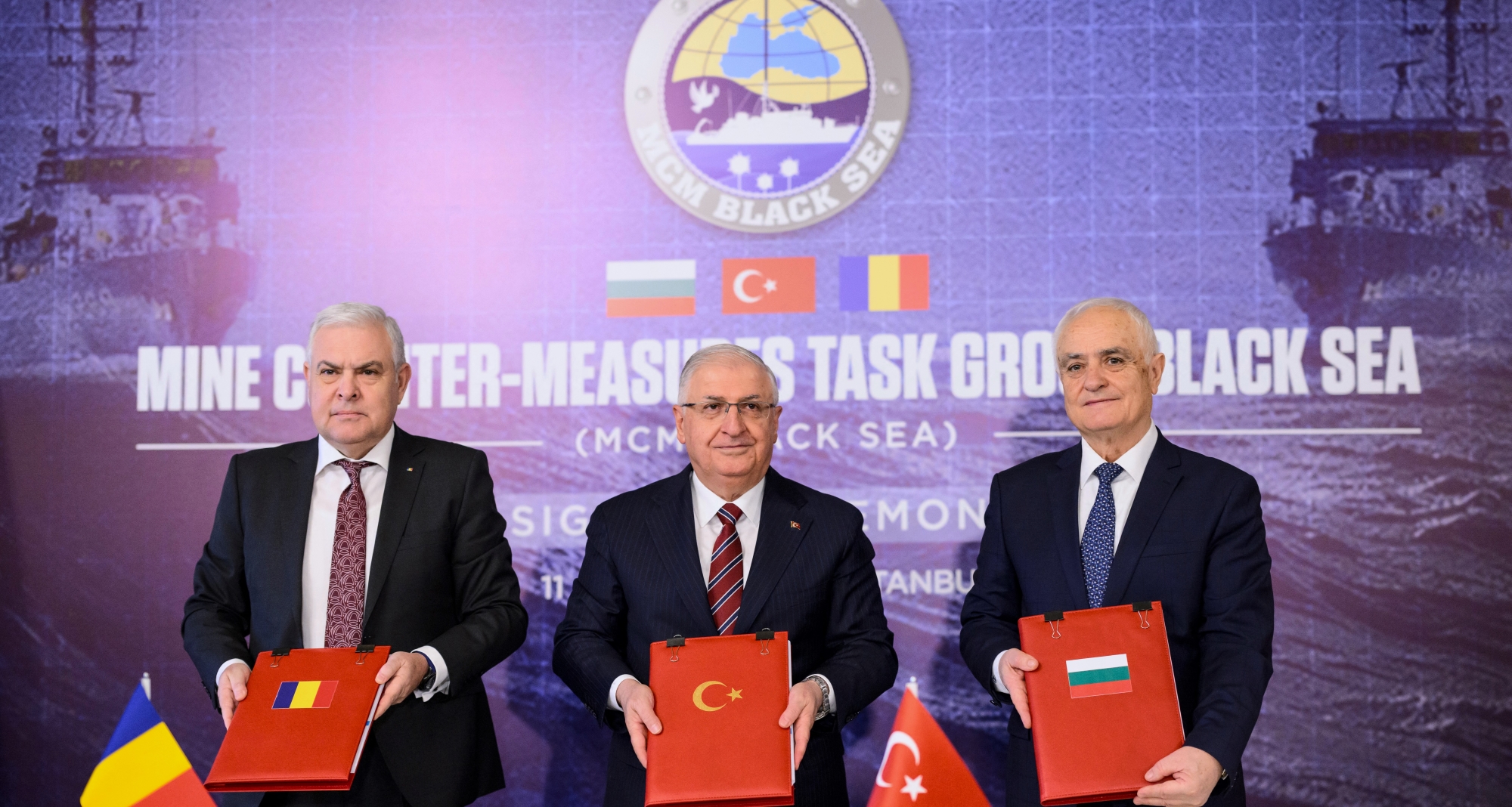
Since the start of Russia’s full-scale invasion of Ukraine, the threat of sea mines to maritime traffic in the region has become exponentially more acute. The Turkish-Romanian-Bulgarian trilateral minesweeping mission is a welcome sign of regional willingness to cooperate in this space and could, with the right incentives and sufficient political will, open the door to the establishment of a NATO Black Sea Fleet.
Azerbaijan and COP29: An opportunity or a challenge?
Azerbaijan will host COP29 at the end of this year. Being selected to host the most important international climate event is a major achievement for the South Caucasus country, though the spotlight it brings will come with its own challenges due to Azerbaijan’s poor human rights record and worsening relations with the West.
On this week’s episode, President and CEO of the Middle East Institute Paul Salem and Director of MEI’s Conflict Resolution and Track II Dialogues Program Randa Slim speak to MEI’s Editor-in-Chief Alistair Taylor about growing concerns over the potential for large-scale regional escalation as the Gaza war continues.
*Note: This episode was recorded before drone attacks that killed US soldiers in Jordan on 1/28.*
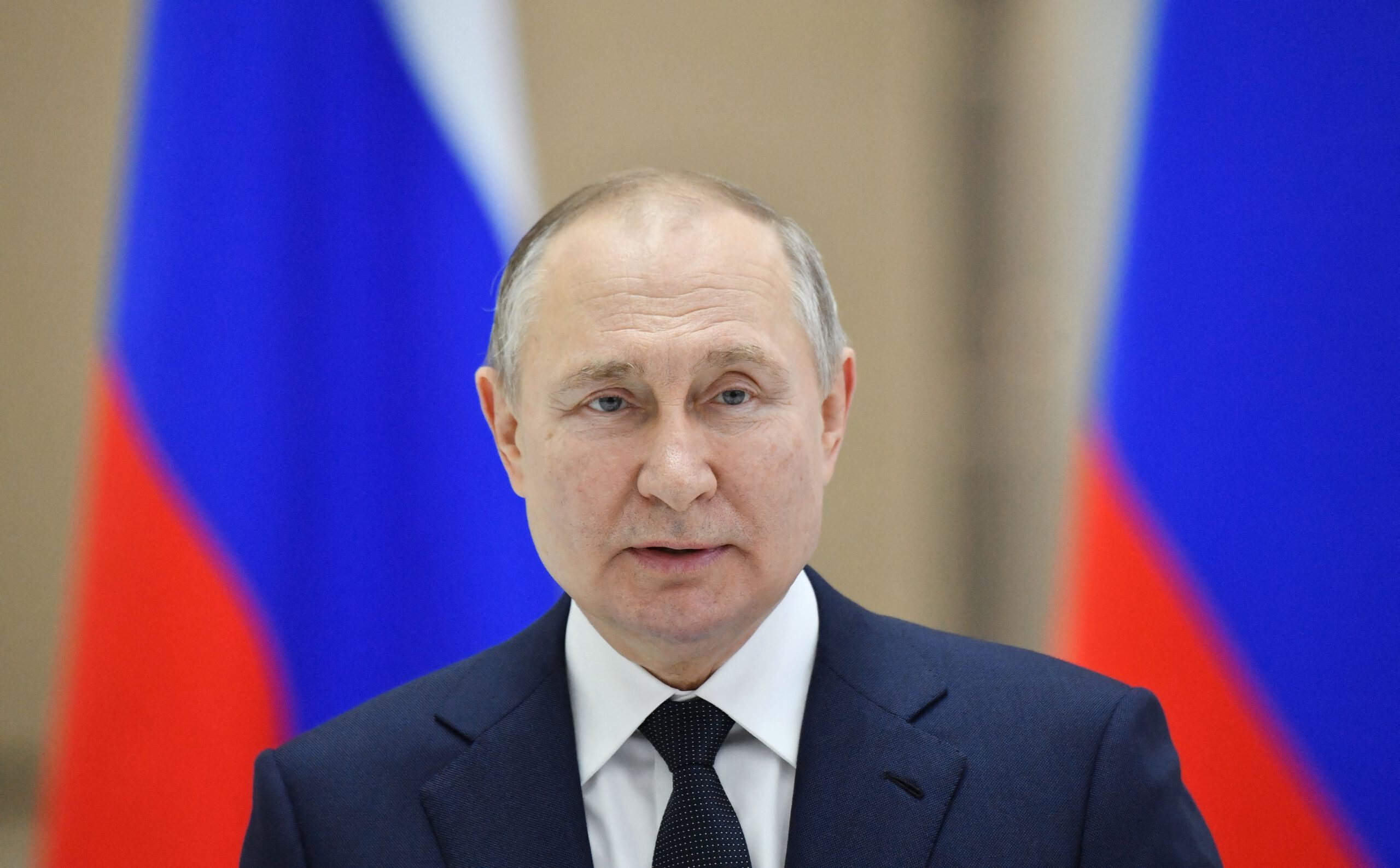
Opinion: Wake up, West! Putin can gain upper hand in Ukraine in ‘24 if we do nothing
The European Union just approved membership talks with Kyiv; that’s symbolically important.
But the EU’s postponement of critical military assistance is an alarm bell.
NATO Secretary General Jens Stoltenberg says to prepare for bad news this winter.
German Chancellor Olaf Scholz suggests support for Ukraine may be crumbling across Europe.
And there’s faltering confidence in America, as Europeans are beginning to ask whether the strategic interests of the United States end at its border with Mexico.