“Get them to the conflict zone”: Russia turns to Syrian fighters for support in Ukraine
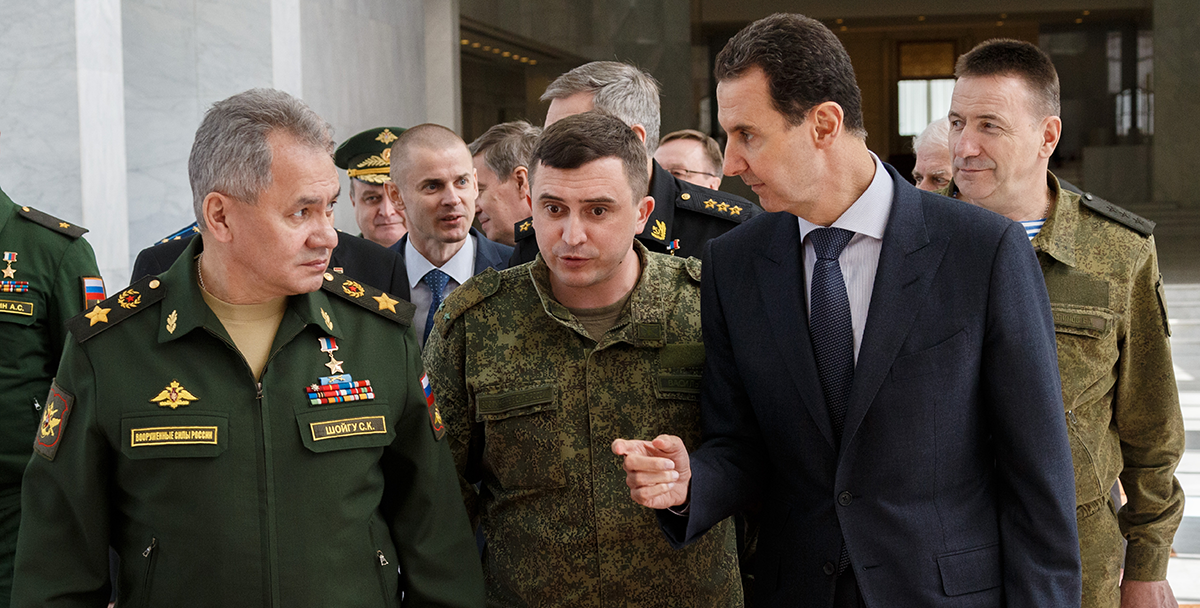
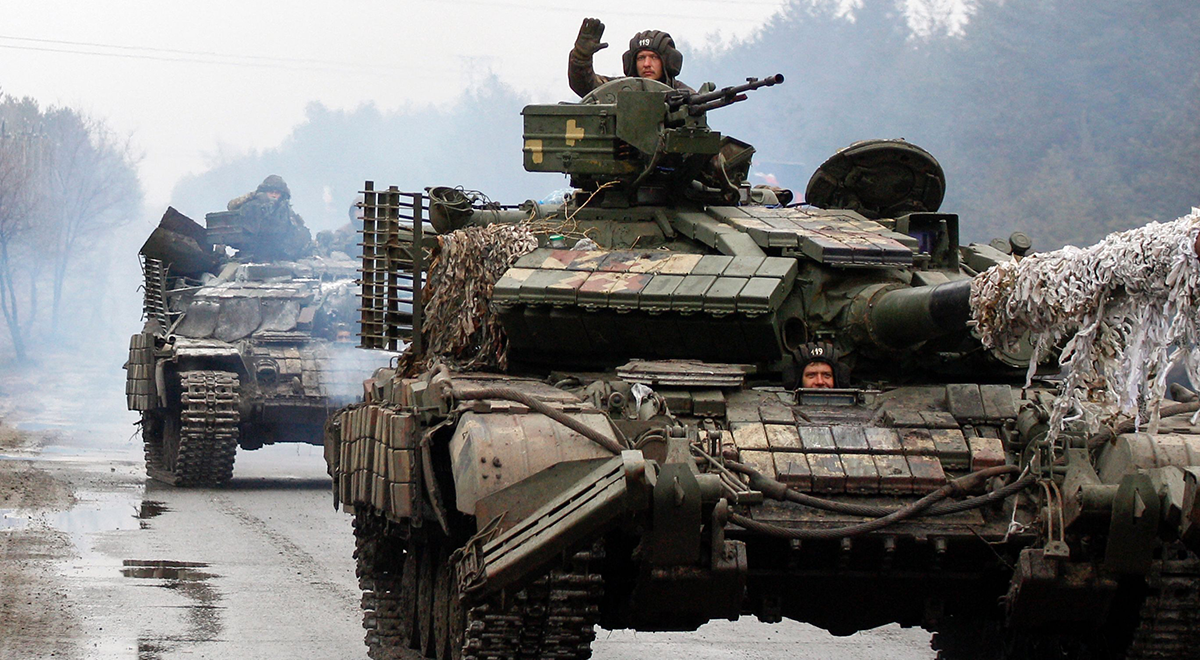
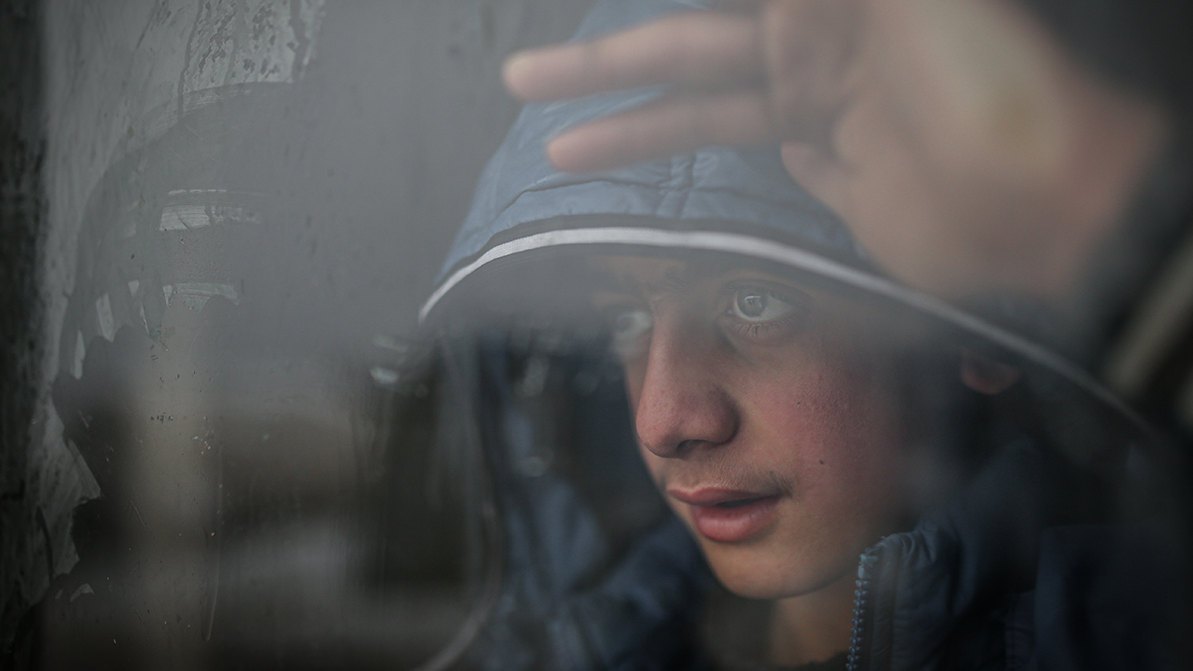
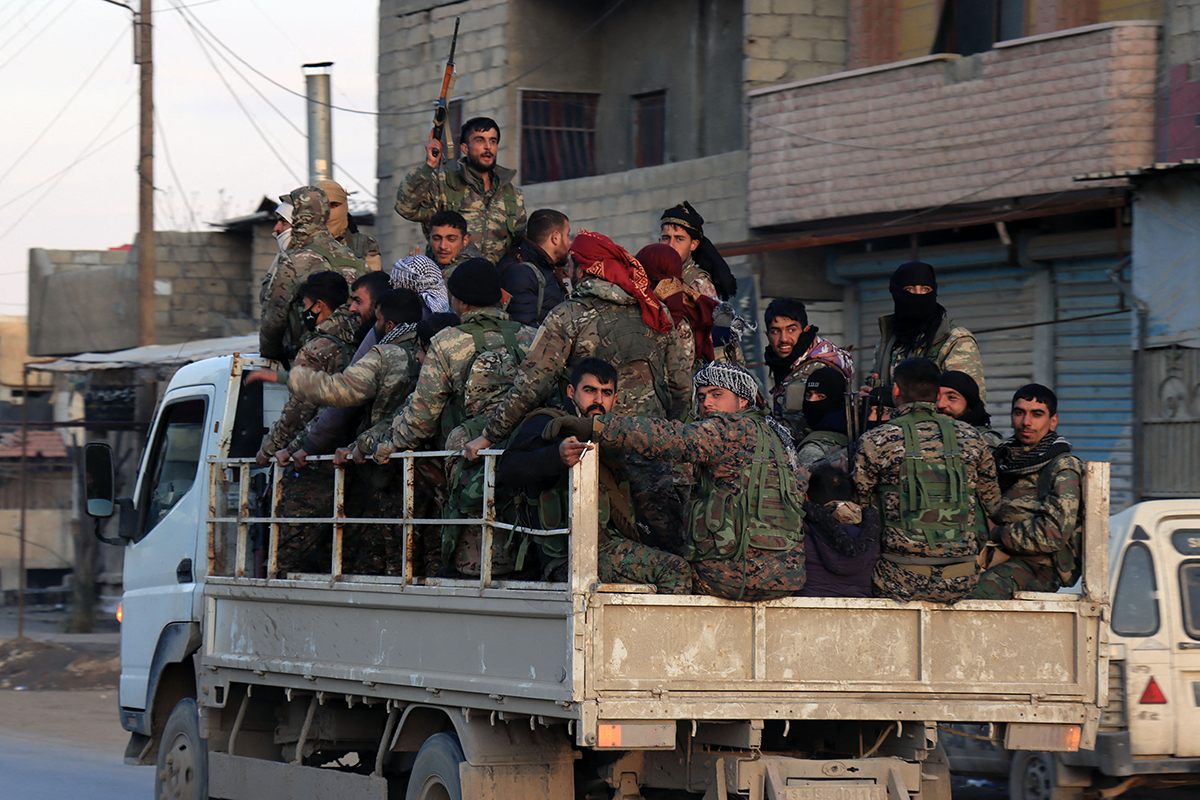
Doesn’t Russia’s egregious invasion of Ukraine look familiar? Whether it’s the flagrant attacks on civilians, the hospital bombings, siege tactics, or rampant disinformation, Ukraine’s parallels with Syria are just about everywhere one cares to look. However, yet another feature of Syria’s grueling war now appears set to be repeated amid reports that Russia is already recruiting Syrian fighters to join combat units on the frontlines in Ukraine.
Freeze and Build: A Strategic Approach to Syria Policy
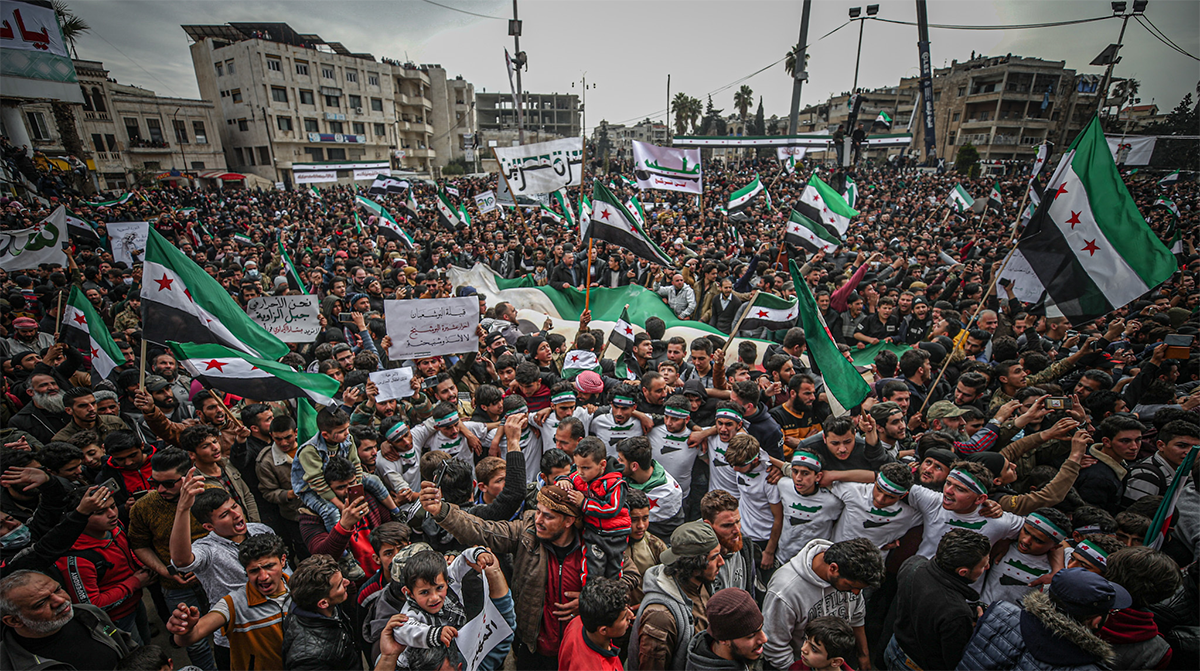
While Syria diplomacy may have appeared poised for a period of renewed investment in early 2022, Russia’s invasion of Ukraine and the resulting collapse in U.S. and European diplomatic relations with Moscow mean Syria diplomacy is now all but dead. An unprecedented humanitarian crisis now appears to be imminent. To adapt to this new environment, the international community must consider a comprehensive change in approach, prioritizing the freezing of conflict lines and a more strategic use of aid, stabilization, and targeted rebuilding in areas free of Assad regime rule.
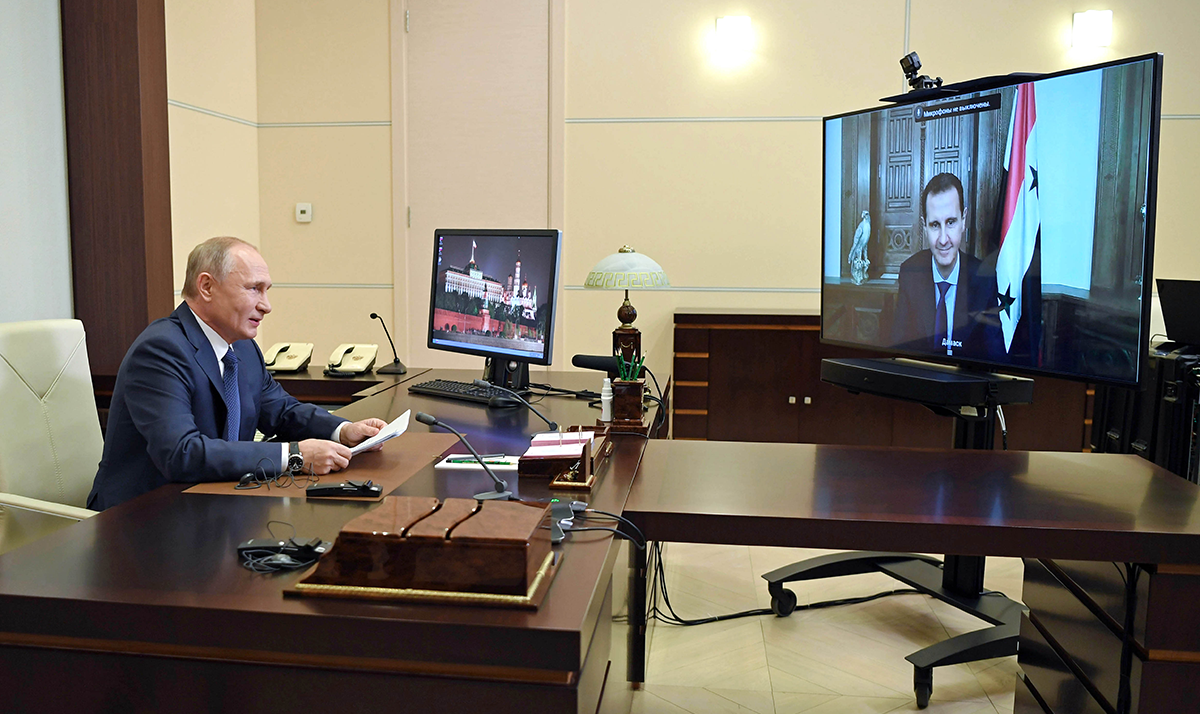
As Russia pushes on with its relentless invasion of Ukraine, Damascus has done more than toe the proverbial Kremlin line — it has shown complete solidarity with its superpower patron.
Oman Library Digital Exhibition Highlights the Work of Sa‘dallah Wannous and Rare Syrian Journals
Sa’dallah Wannous revolutionized the Syrian stage with his existential, and often political, work. In the journal al-Ḥayāh al-Masraḥīyah he fostered discussions on art, politics and the future of Arab theater. Learn more about the Oman Library’s Digital Exhibition on his work.
Drones are re-engineering the geopolitics of the Middle East
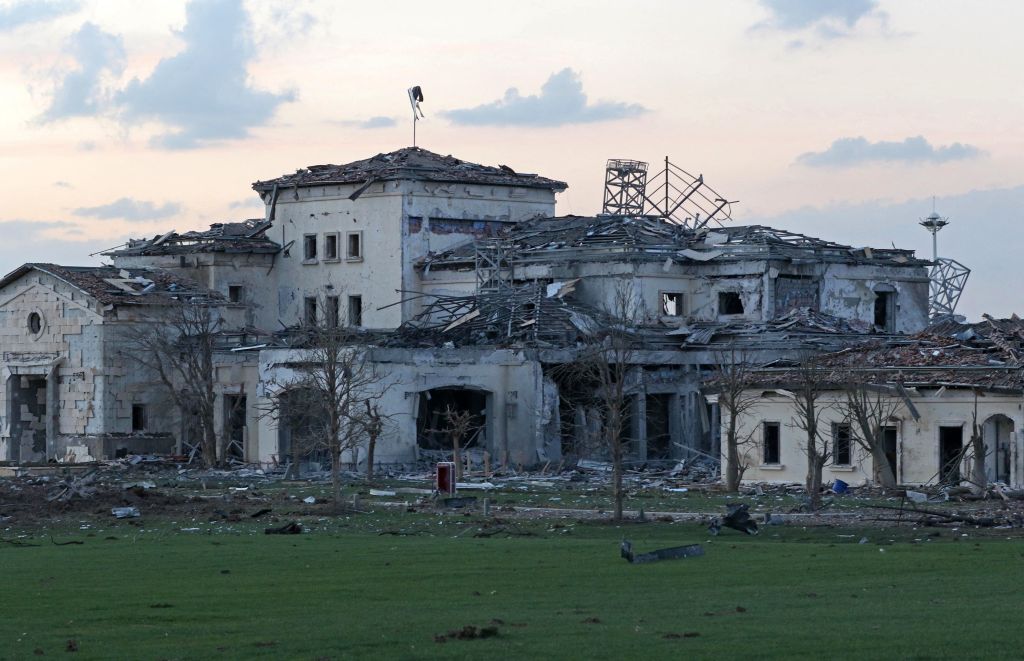
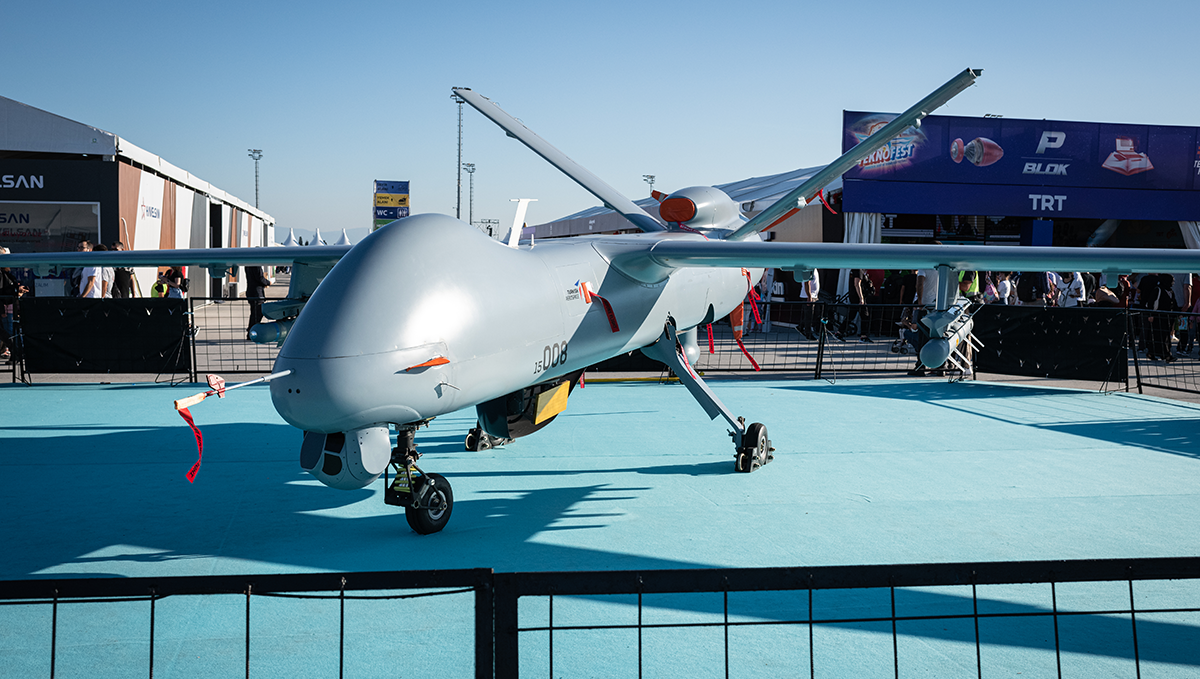
The Middle East is experiencing a seismic shift in its geopolitics: the dawn of the era of drones. From Syria to Libya and from Yemen to Iraq, UAVs have altered the dynamics on the battlefield. Agile and affordable, drones aren’t just a menace to remote conflict zones, but also to states far removed from theaters of war.
How will the war in Ukraine affect Gulf oil producers?
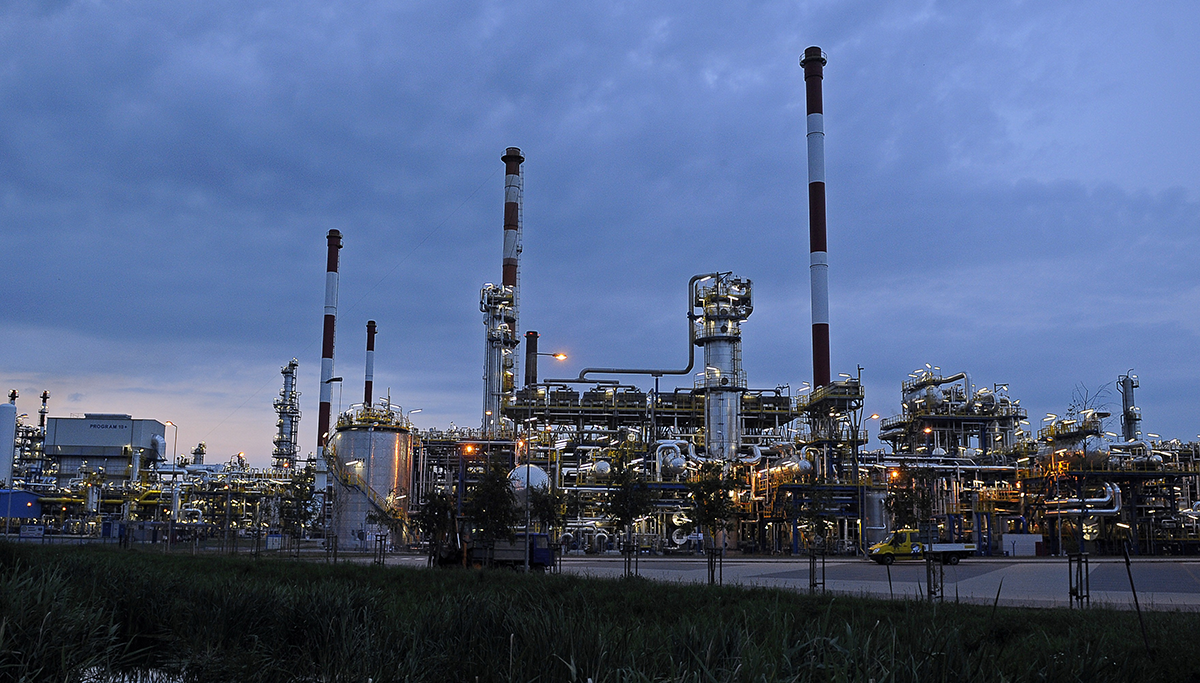
Although Western countries have managed to limit Moscow’s capacity to export oil, the Arab Gulf monarchies are unlikely to be able to benefit in the near term. This may change in the long run, however.
يبدو أن الغزو الروسي لأوكرانيا سيكون له تأثير عميق على سوريا والسياسة السورية. بداية، ربما تكون العملية السياسية التي تقودها الأمم المتحدة قد تعرضت الآن لضربة قاتلة. فطوال أشهر عام 2021، كان المبعوث الخاص للأمم المتحدة غير بيدرسون يمهد الطريق لإطلاق جهد دبلوماسي متعدد الأطراف أسماه “نهج خطوة بخطوة” في عام 2022. كانت احتمالات نجاحه ضئيلة دائمًا، لكنها تبدو الآن وكأنها أملًا كاذبًا أو مستحيلًا.
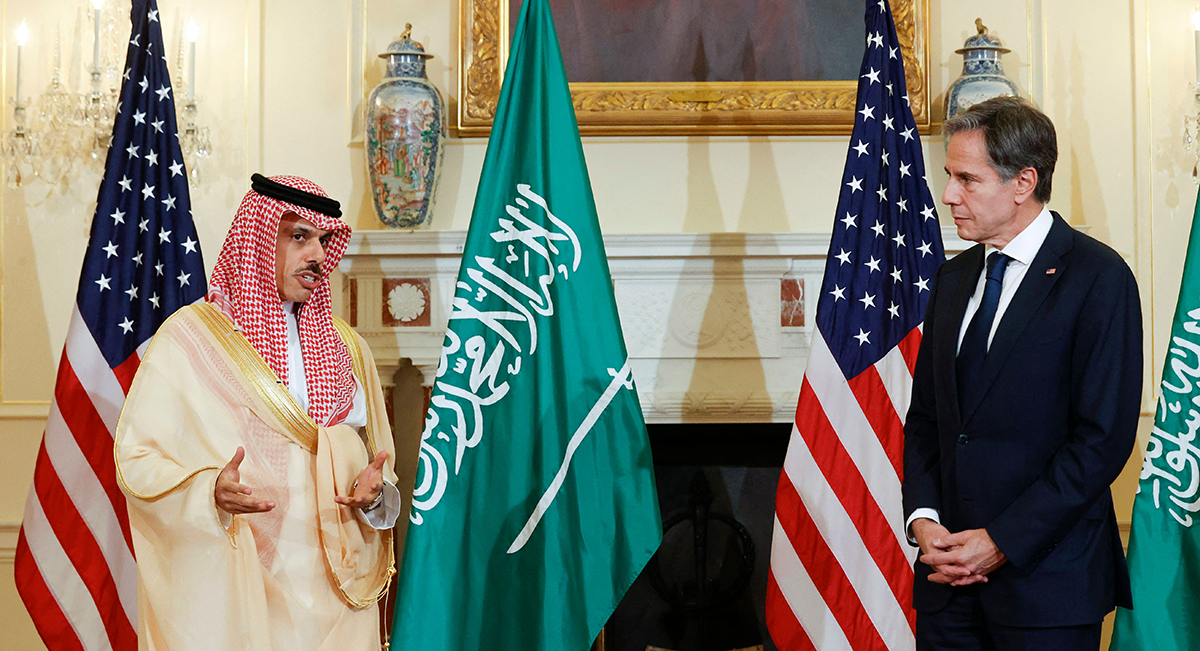
Through the vehicle of defense reform, the Biden administration has an opportunity to engage the Saudis on critical national security matters while safeguarding U.S. strategic interests and honoring American values.
The past year has seen a trend toward normalization with the Assad regime, accompanied by a push by some nations to force or coerce displaced Syrians to return — or deny them asylum outright. The presumption that Syria is now safe for return is often motivated by political expediency and a false equivalency between “safety” and reduced military operations in a particular area, rather than an in-depth understanding of conditions on the ground and the challenges that returnees face. With pressures for return increasing, the Voices for Displaced Syrians and the Operations and Policy Center undertook a first-of-its-kind research project to establish the minimum frequency and types of violations experienced by returnees throughout the whole of Syria. Despite the known difficulties, the report aimed at obtaining an understanding of at least the minimum frequency with which violations occur, which is a critical step in discussions about return.
تفاصيل هجوم "داعش" على سجن الصناعة في مدينة الحسكة السورية
في العشرين من شهر كانون الثاني/ يناير، هاجمت مجموعات تابعة لتنظيم “داعش”، سجن الصناعة الواقع في الجهة الجنوبية لمدينة الحسكة أقصى شمال شرق سورية، الهجوم الذي أستمر لقرابة تسعة أيام، أنتهى بمقتل العشرات من مقاتلي التنظيم ومعتقليه داخل السجن، إضافة لمقتل قرابة 140 عنصراً من قوات سوريا الديمقراطية وحامية السجن التابعة لها.
A closer look at the ISIS attack on Syria’s al-Sina Prison
On Jan. 20, 2021, groups affiliated with ISIS attacked al-Sina Prison in the southern part of the city of al-Hasakah, in Syria’s far northeast. The attack, which lasted for nearly nine days, ended with the killing of dozens of ISIS fighters and detainees inside the prison, in addition to approximately 140 members of the SDF and its prison guards.
Thanks to Iran, Israel emerges stronger as the US shifts its focus away from the Middle East
The U.S. is disengaging from the Middle East as it shifts its focus elsewhere, a move widely perceived within the region as a sign of a coming American departure. Many in Israel were concerned that this would strengthen Iran and its influence in the region. Instead, it is Israel that has emerged stronger.
Saudi Arabia’s natural gas aspirations: The domestic outlook
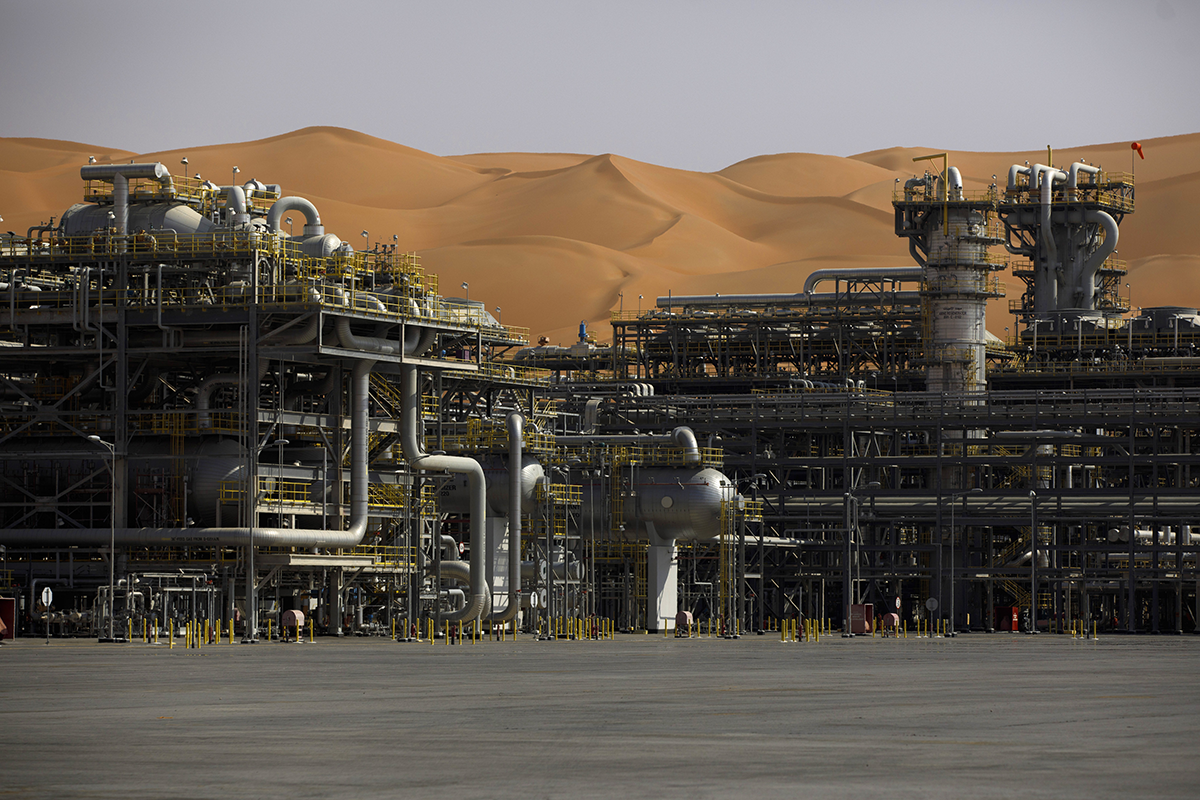
With the recent announcement of the Jafurah Field, a massive unconventional, non-associated gas play, Saudi Arabia is looking to enter the global gas sector. The field’s estimated reserves, while substantial, are insufficient to meet current domestic needs and, in the future, displace dirty heavy fuel oil used in power generation and satisfy international export goals. The kingdom thus faces difficult decisions regarding the allocation of the Jafurah gas — to either domestic or international markets — and both options have significant challenges.
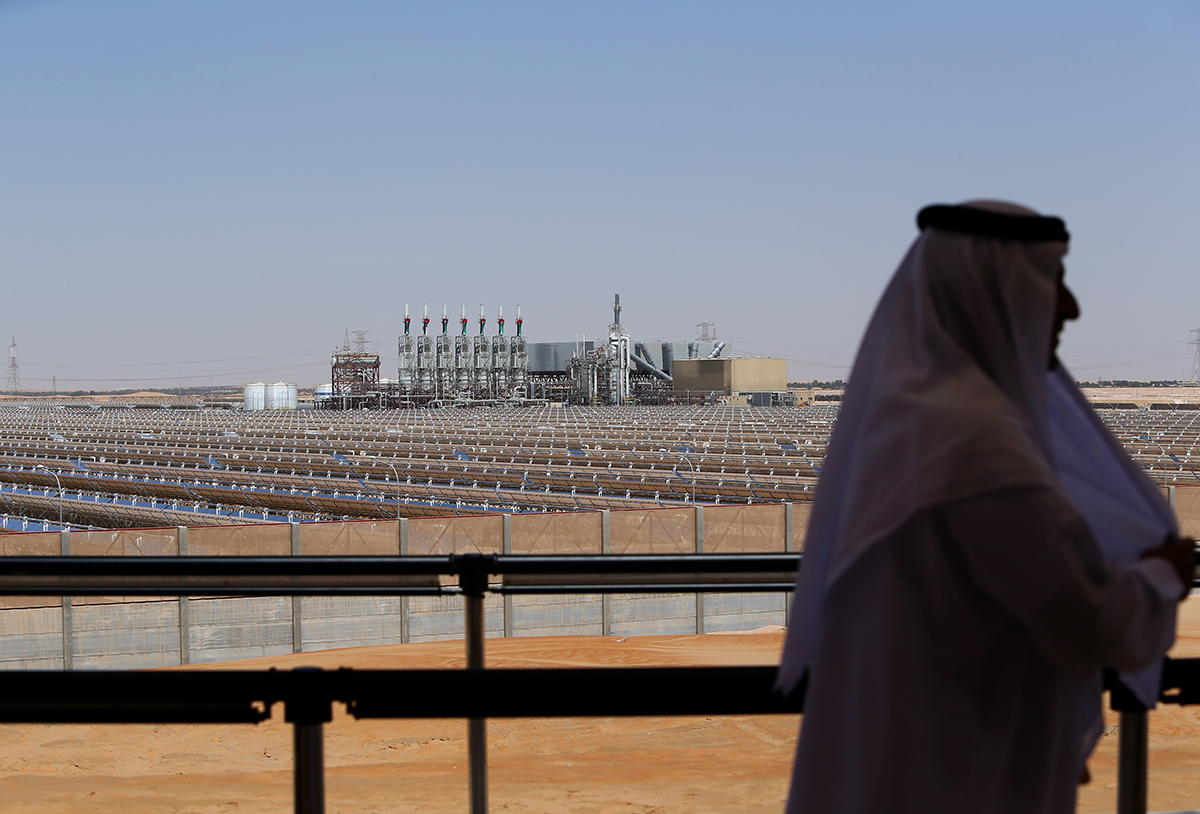
The Arab Gulf states appear to be following a common template in responding to the global transition toward an energy system in which renewables play an increasingly central role. They are publicizing renewable energy targets, decarbonizing upstream and downstream oil and gas operations, commissioning renewable energy projects, and improving energy efficiency, among other strategies. A closer look, however, reveals differences in how they have deployed solar and wind power capacity.