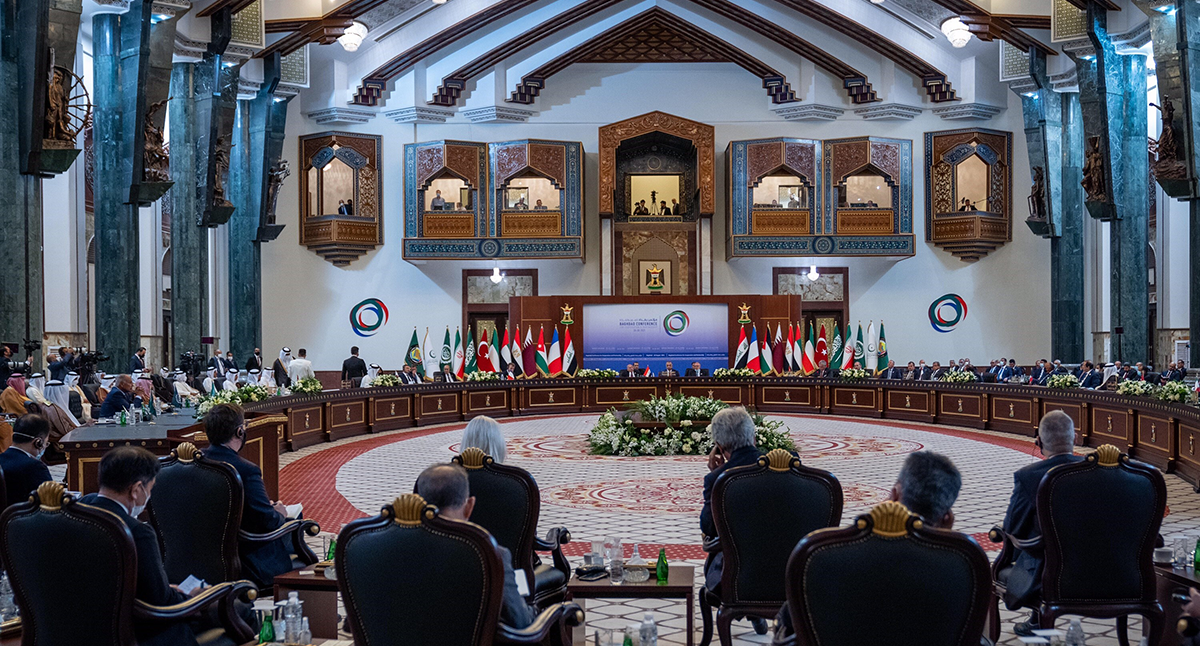
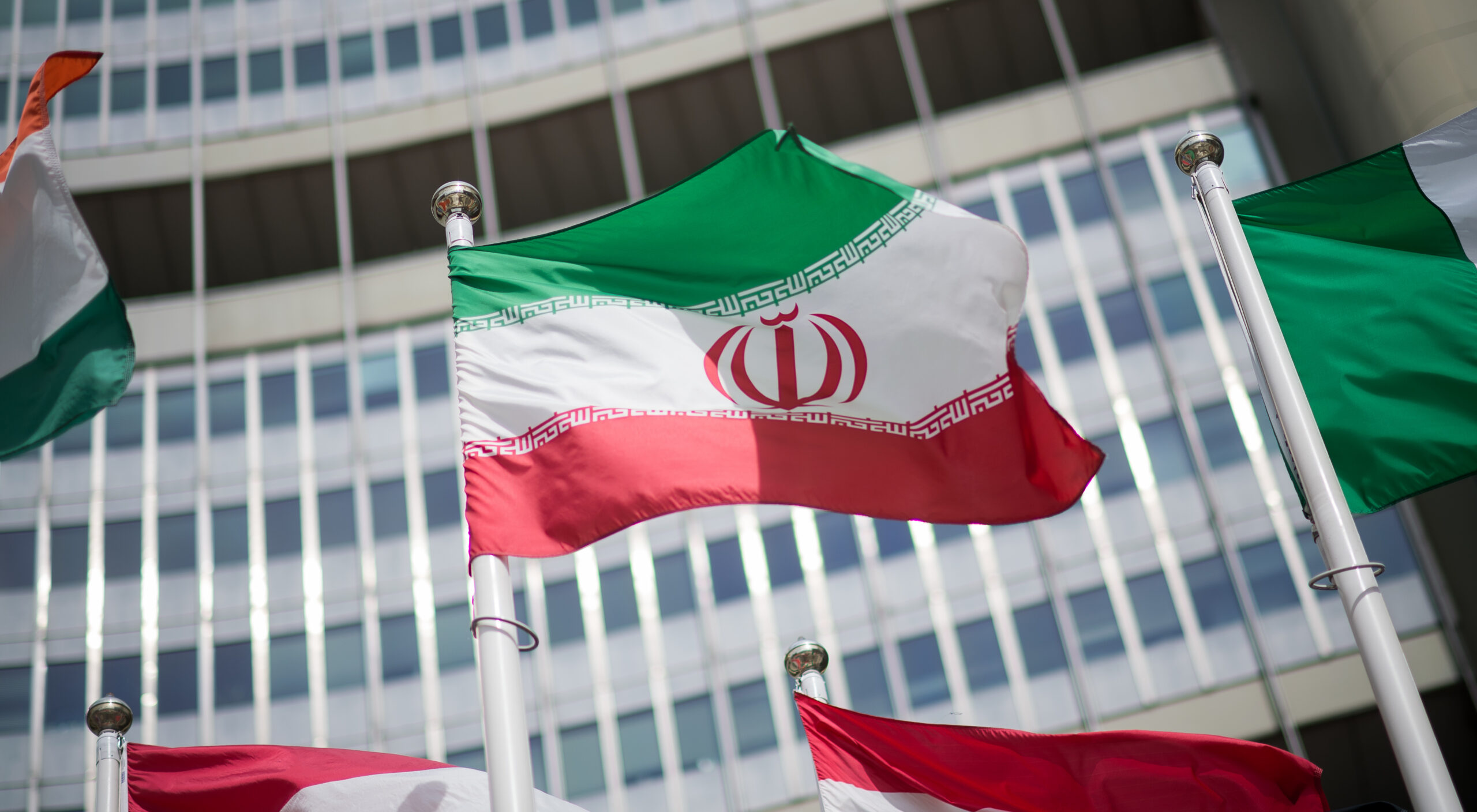
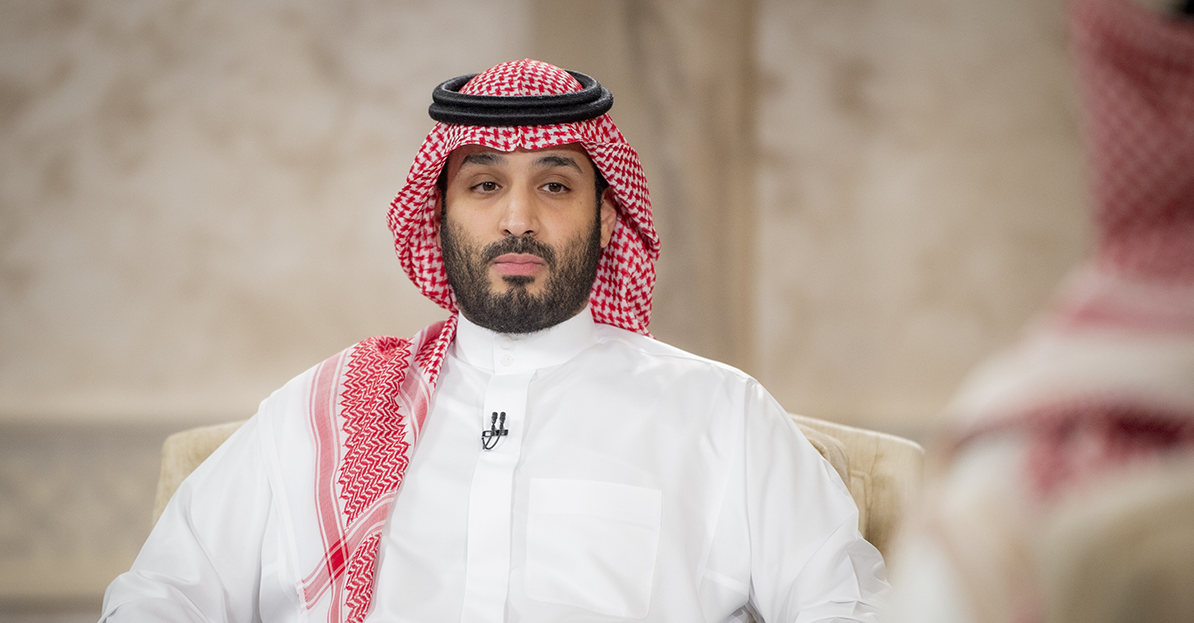
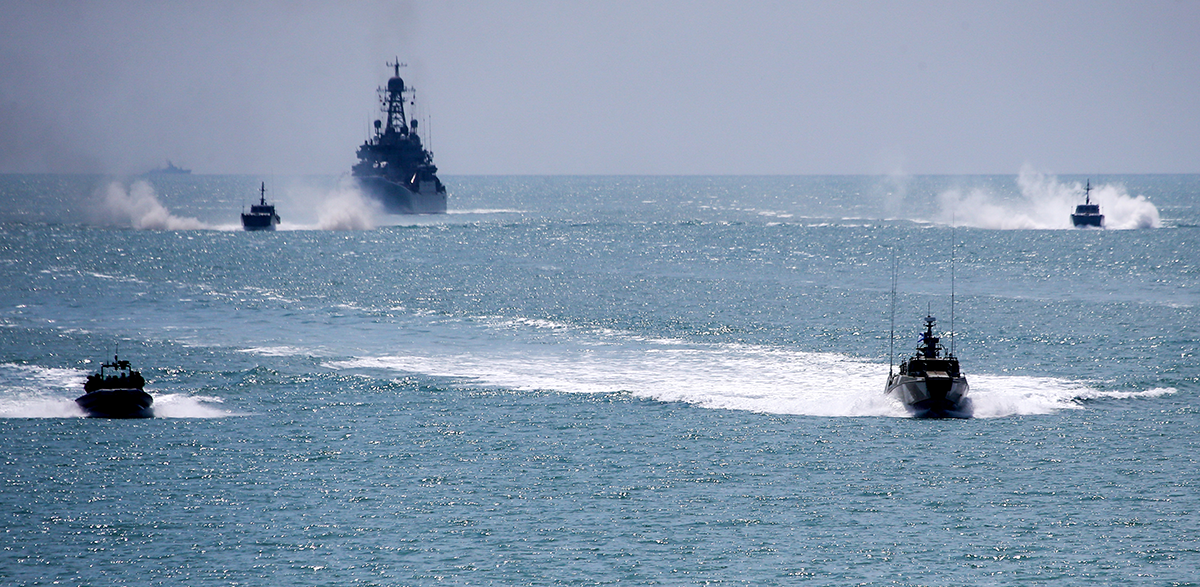
Iran is a neighboring country for Saudi Arabia and we from the Gulf states respect its people and culture, sharing many similarities as nations throughout different historical periods. However, there are, unfortunately, profound disagreements that have significantly increased since the 1979 revolution because of Tehran’s foreign policy approach based on ideological promotion and projection.
Biden’s White House meeting with the Ecumenical Patriarch offers a unique opportunity
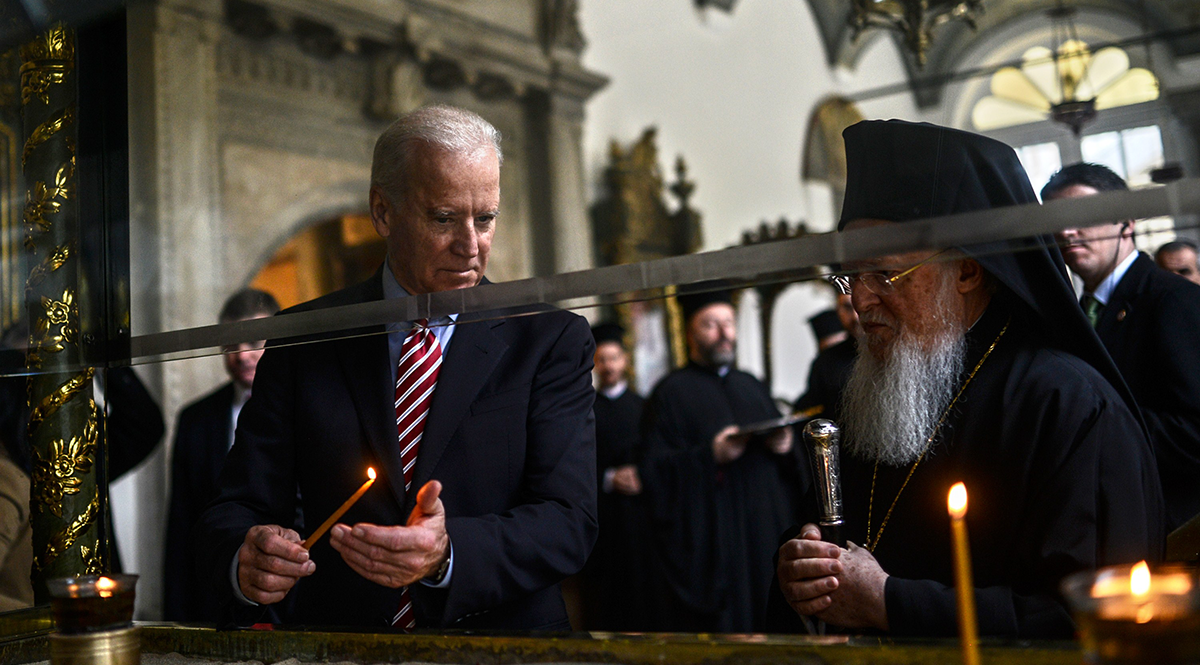
Bartholomew I, the Ecumenical Patriarch of Constantinople and spiritual leader of nearly 300 million Orthodox Christians globally, will visit the United States between Oct. 23 and Nov. 3. He will inaugurate the centennial celebration of the founding of the Greek-Orthodox Archdiocese of America in his first U.S. visit in 12 years. The Ecumenical Patriarch’s first stop will be Washington, DC, where he is due to meet with President Joe Biden at the White House. This in-person meeting provides the Biden administration a unique opportunity not only to raise human rights and religious freedom issues in Turkey but also to push back against Russian attempts to undermine the Ecumenical Patriarchate, which the Kremlin sees as a threat and targets with disinformation campaigns.
The perils of personalizing power: Erdoğan’s one-man rule has made him increasingly vulnerable
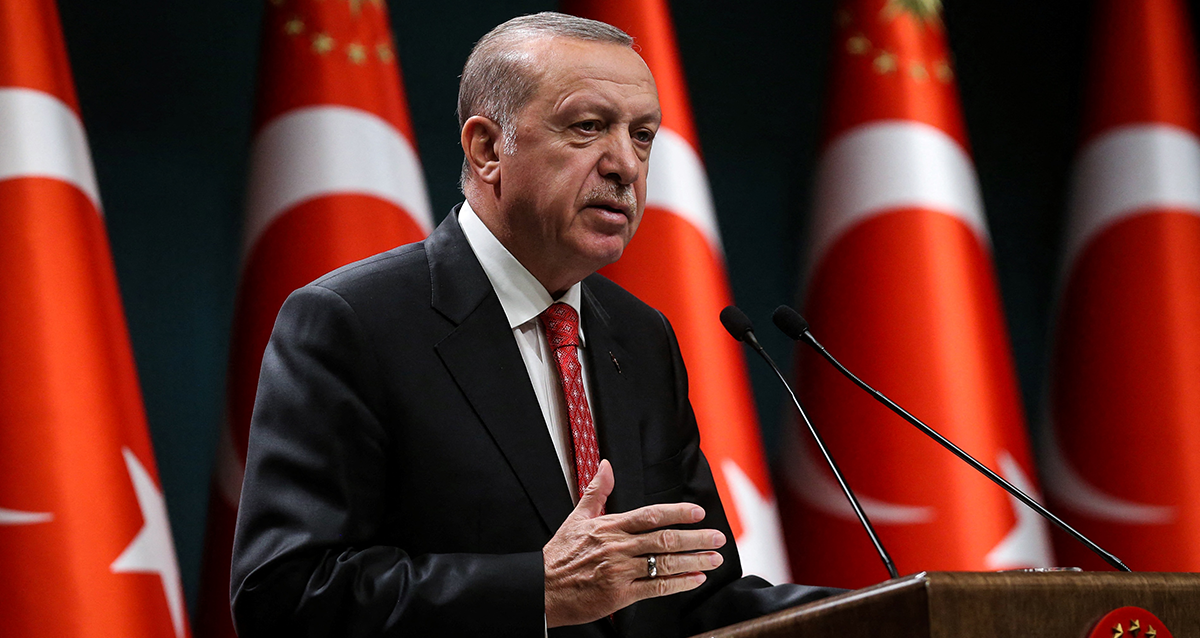
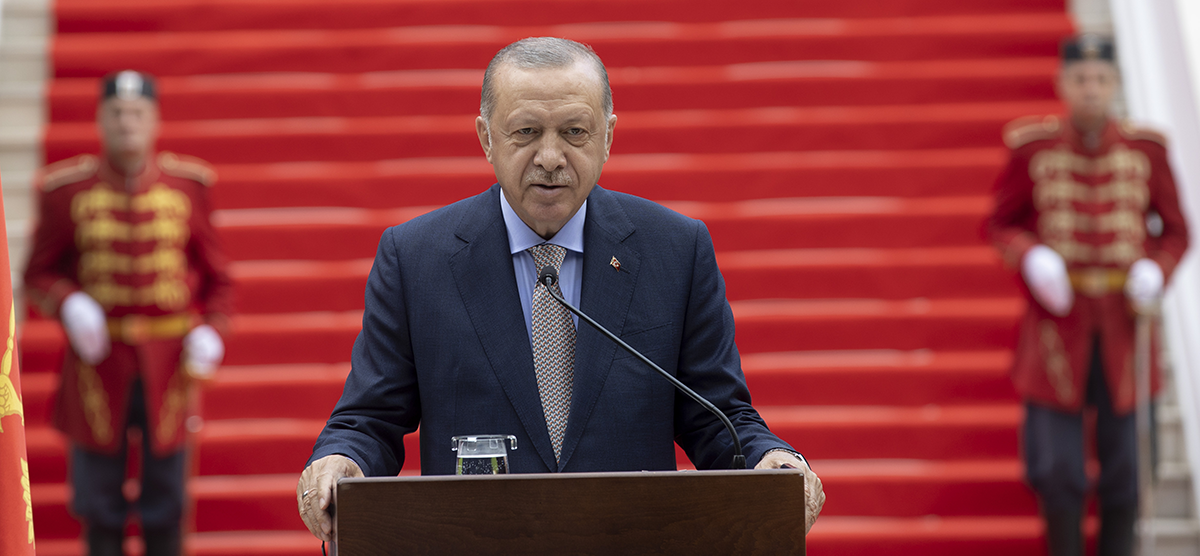
Turkish President Recep Tayyip Erdoğan long believed that establishing one-man rule would end all his headaches. Instead, the system he created has only caused him more trouble. So great is Erdoğan’s remorse that he is now said to be thinking of amending the executive presidency to strengthen the role of parliament.
Century-old grievances continue to fester in Yemen’s Tihama region
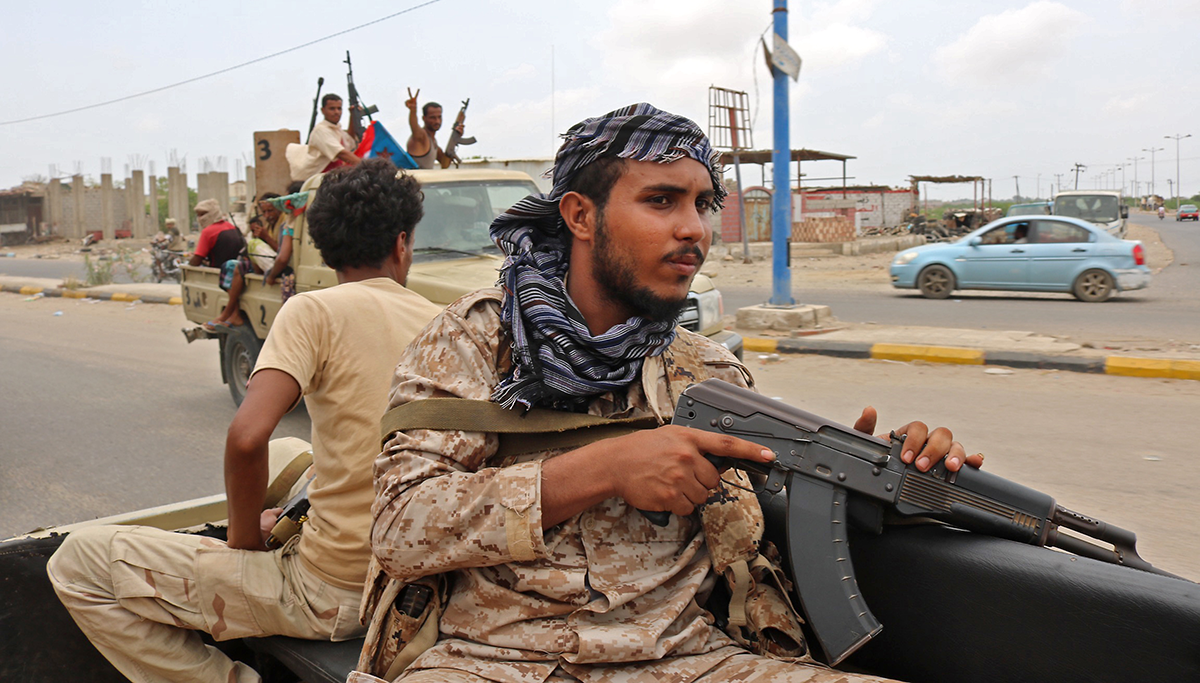
Grievances have been piling up unaddressed in Tihama, Yemen’s Red Sea coastal plain, for almost a hundred years. Since the revolt of al-Zaraniq against Imam Yahya Hameed al-Din of the Mutawakkilite Kingdom (then North Yemen) in 1925-26, consecutive Imams and the republican elite have pursued policies that have systematically marginalized the Tihamis. They have been deprived of a fair share of their region’s wealth, as well as opportunities for equitable power-sharing and economic empowerment.
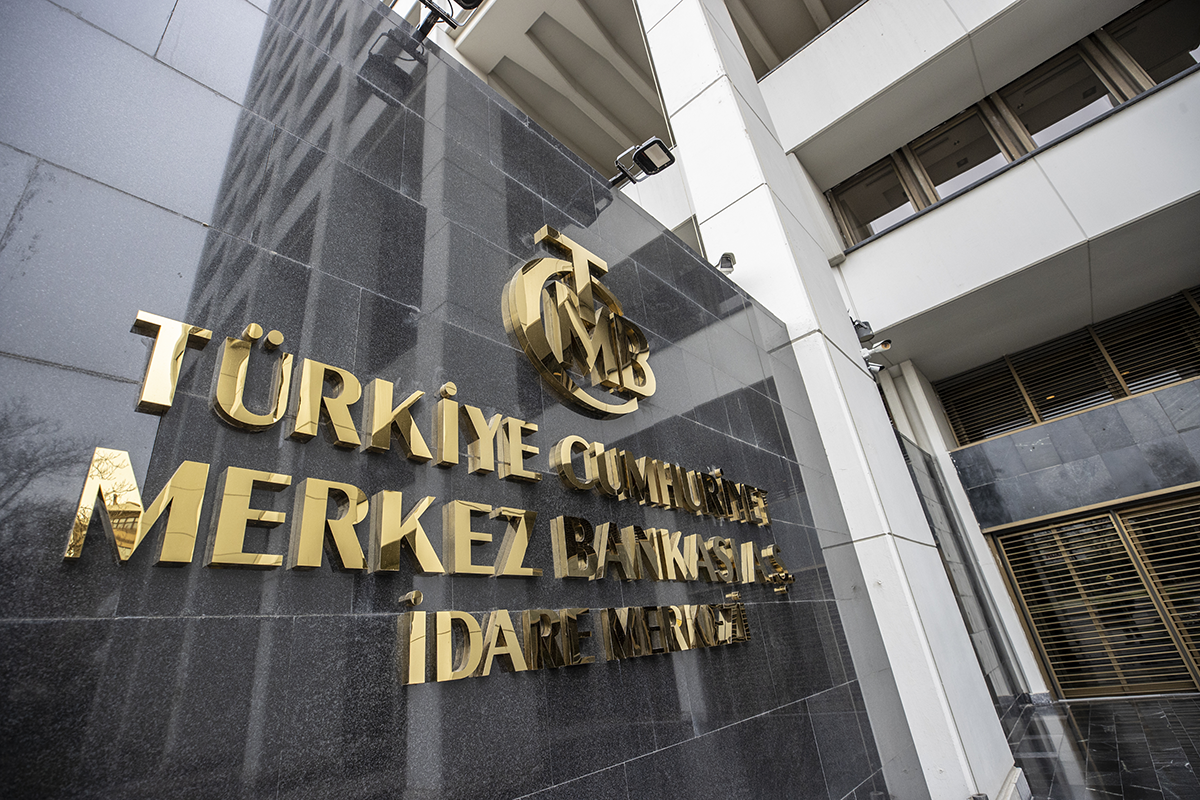
What’s driving Turkey’s early easing of monetary policy?
At its Sept. 23 meeting, the Central Bank of the Republic of Turkey (CBRT), in a surprise move, cut its policy rate (1-week repo rate) 100 basis points to 18.00%, while headline inflation was 19.25% (currently 19.58%). This is an interesting development as most central banks around the world have just started preparing to implement tighter policies.
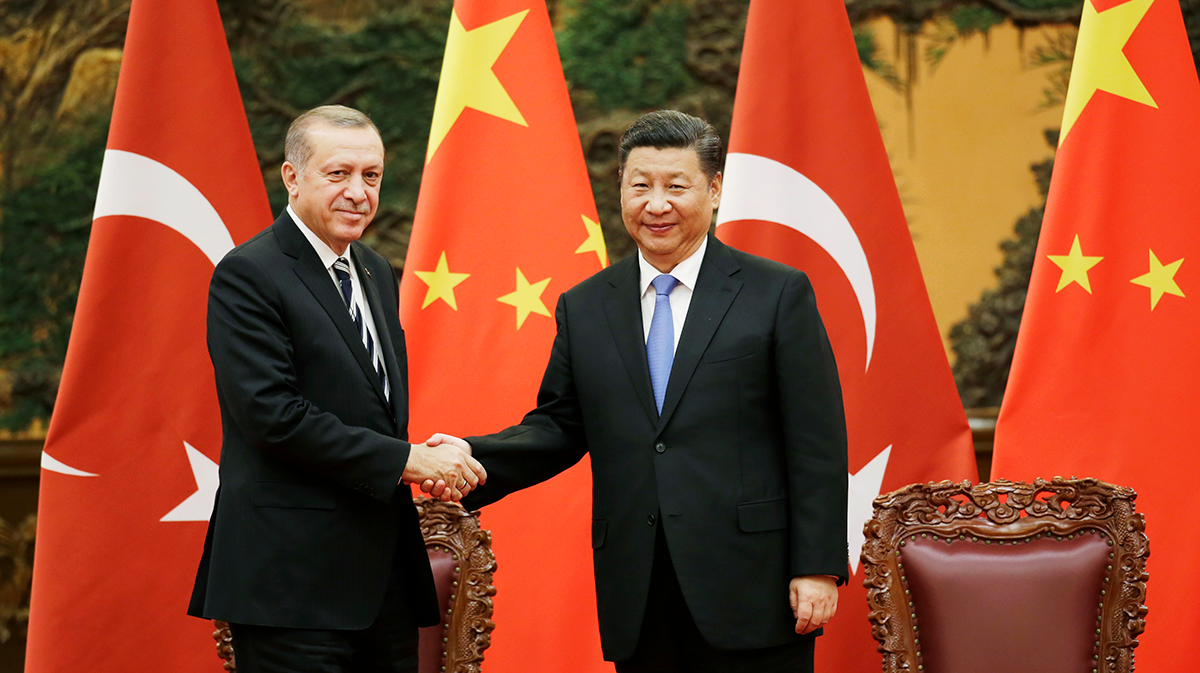
Courting danger, Erdoğan ramps up reliance on China
China’s recent multi-sectoral engagements in Turkey suggest that the Black Sea region’s significance is on the rise in Beijing, and under President Erdoğan, Turkey has consistently sought its favor and investment.
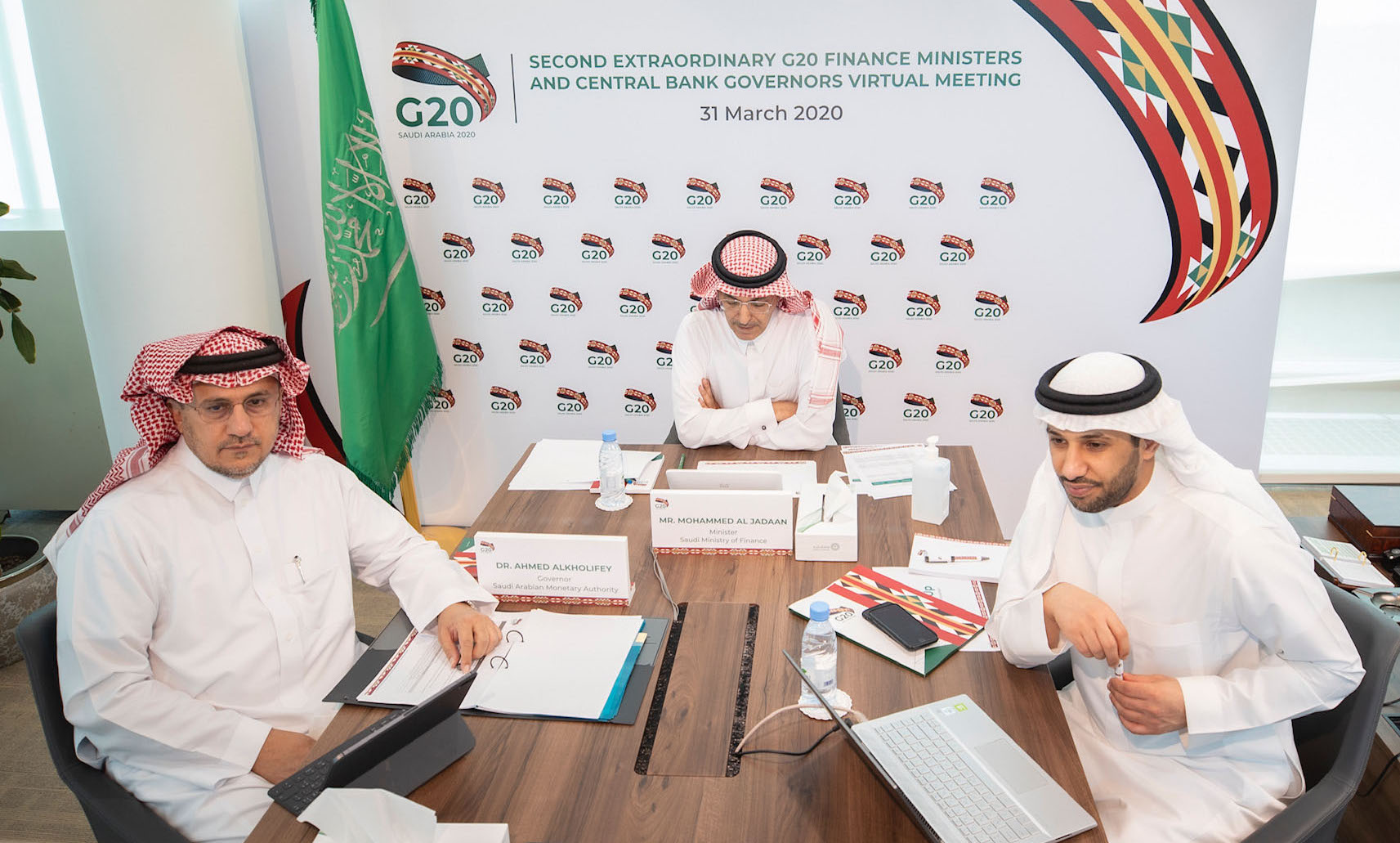
Mega-projects and Small Enterprises: Understanding Saudi Arabian Banks’ Role in Economic Development
Vision 2030 promises a transformation of Saudi Arabia’s economy, and the financial sector will be crucial to achieving this. The sector will facilitate private investment focusing on small and medium-sized enterprise (SME) financing, fund mega-projects, and be a driver for diversifying away from oil. As a result, banks’ role must go from being distributive and largely passive to developmental and active. This article will highlight how the role of the Saudi banking sector has been transformed in the last five years and how its composition is changing to cope.
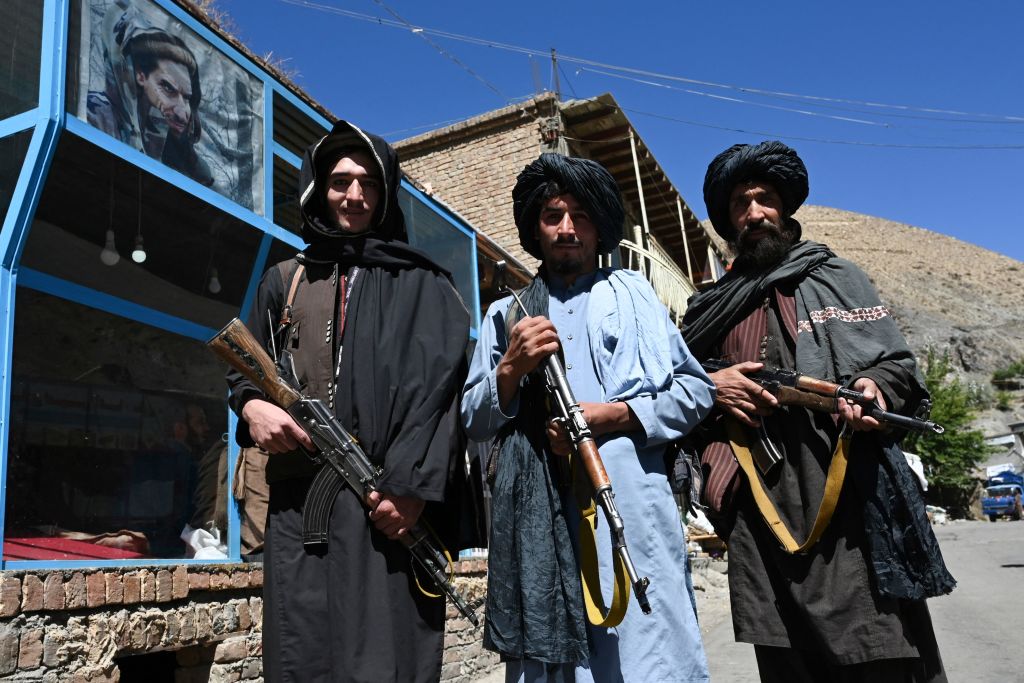
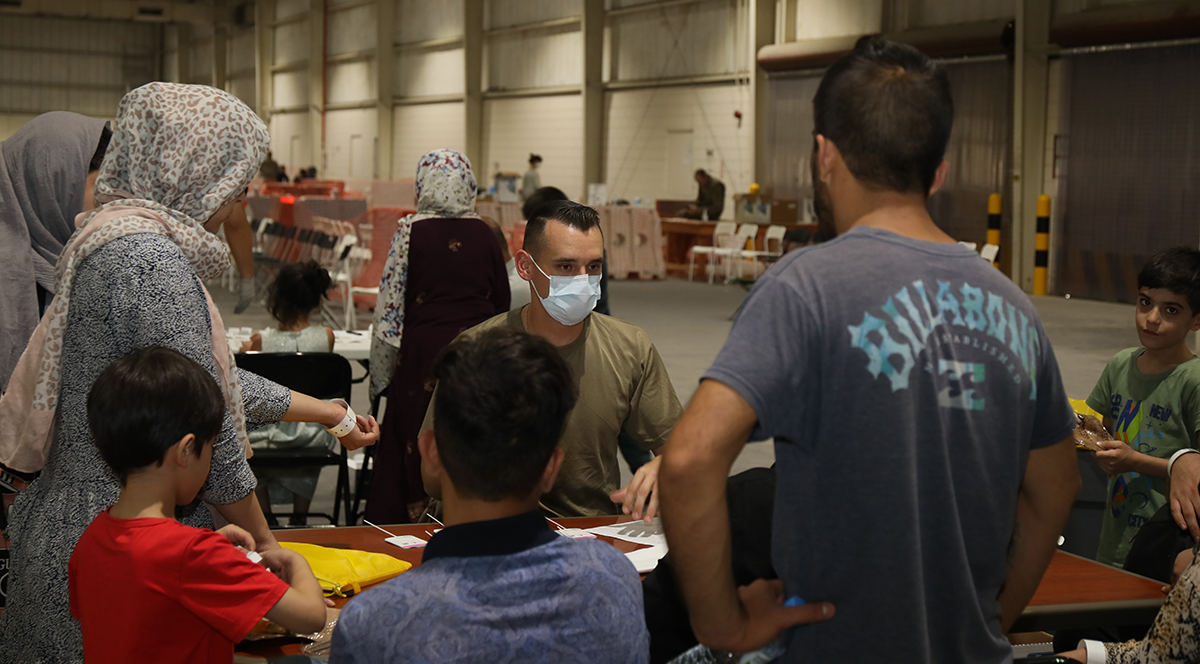
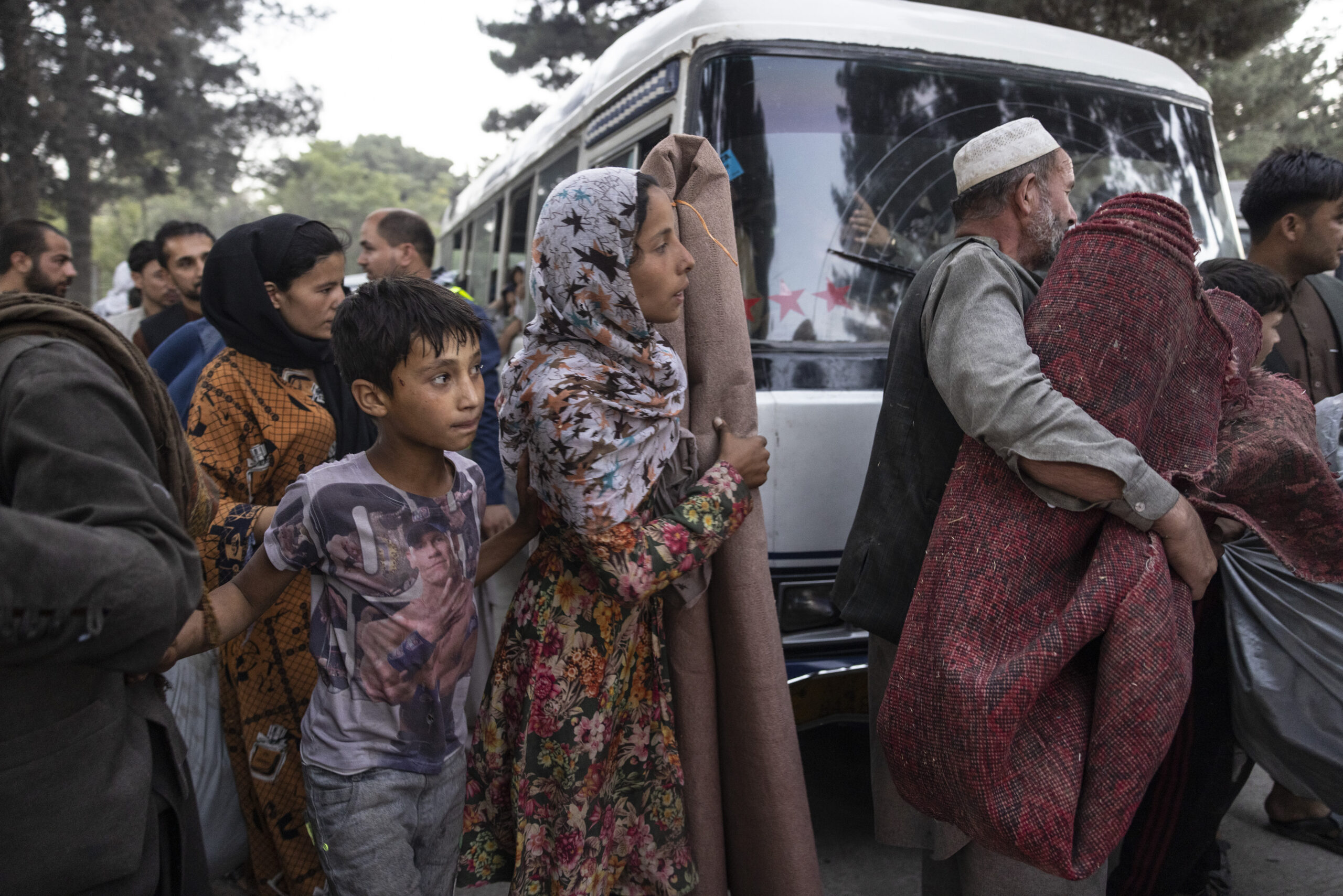
We rarely miss an opportunity to criticize our Gulf Arab partners — sometimes rightly so — for not doing enough to safeguard collective interests. But one must acknowledge that on Afghanistan, and especially our just-completed exit from the country, most of our Gulf Arab partners absolutely shined. They deserve a ton of credit for the role they played in our large, challenging, and deadly evacuation — a role which was nothing short of indispensable.
Just before visiting Turkish-occupied Northern Cyprus in late July, Turkish President Recep Tayyip Erdoğan gave Serbia an unpleasant surprise. He announced that Turkey would lobby to increase the number of countries that recognized independent Kosovo. Erdoğan stated on July 19, “Now 114 countries recognize Kosovo, and we want that number to increase. We hope that this year at the United Nations General Assembly, at the meeting I will have with [U.S. President Joe] Biden, we will discuss this topic again, that we will work together on the recognition of Kosovo.”
Building a Closer Black Sea: Promoting Trade and Economic Interdependence
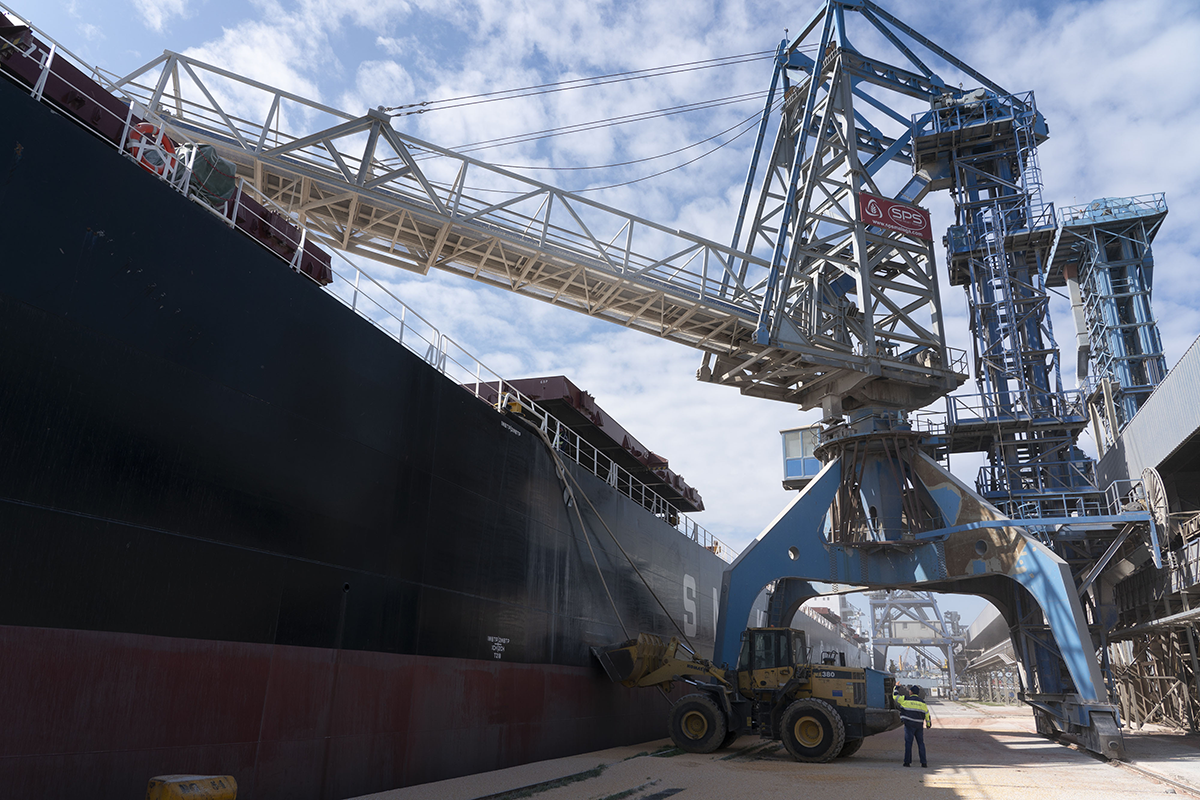
While the Black Sea has historically been an area of significant geostrategic importance, this has not made it a vibrant zone of commerce, transport, energy, tourism, or cultural exchange. Rather, it has become a theater of struggle for dominance and competing geopolitical and geo-economic interests. This situation has been exacerbated by conflict between Russia and countries in the region, like Ukraine and Georgia, that have sought closer ties with the West and aspire to NATO membership and EU integration. These developments have dire consequences for regional security and stability, disrupting political and economic ties in the area and beyond. A long-term solution to the region’s security issues could be based on intensifying trade relations and increasing economic interdependence between the states. This paper identifies major barriers to closer regional trade and economic cooperation and outlines ways to overcome them.
Sectarianism and ideology: The cases of Iran and Saudi Arabia
Many analysts oversimplify the political conflict between Iran and Saudi Arabia as one driven by sectarianism or Shi’a-Sunni tensions that has shaped the two states’ outlook and actions in the Middle East. However, their political differences are actually much more complex and deeper rooted.
At the dawn of the Biden era of American foreign policy, a more mature, realistic Saudi foreign policy is emerging to match the shifting signals from Washington. In some measure, the Saudis are readopting elements that traditionally characterized their policy preferences before the meteoric rise of Crown Prince Mohammed bin Salman (MbS), the kingdom’s de facto ruler.
Preparing for advancements in Russian warfare in the Black Sea region
Suddenly and seemingly without warning, Russian forces amassed in Crimea and near the Ukrainian border in April 2021. Heavy armor, long-range missiles and artillery, modern air forces, and elite airborne infantry units deployed into positions that raised alarm in Ukraine and throughout Europe. The situation today appears stable, but reports of new and upgraded hardware, including unmanned vehicles, demand a fresh evaluation of the Russian way of war.