Eastern Mediterranean gas discoveries, progress, and what to watch in 2023
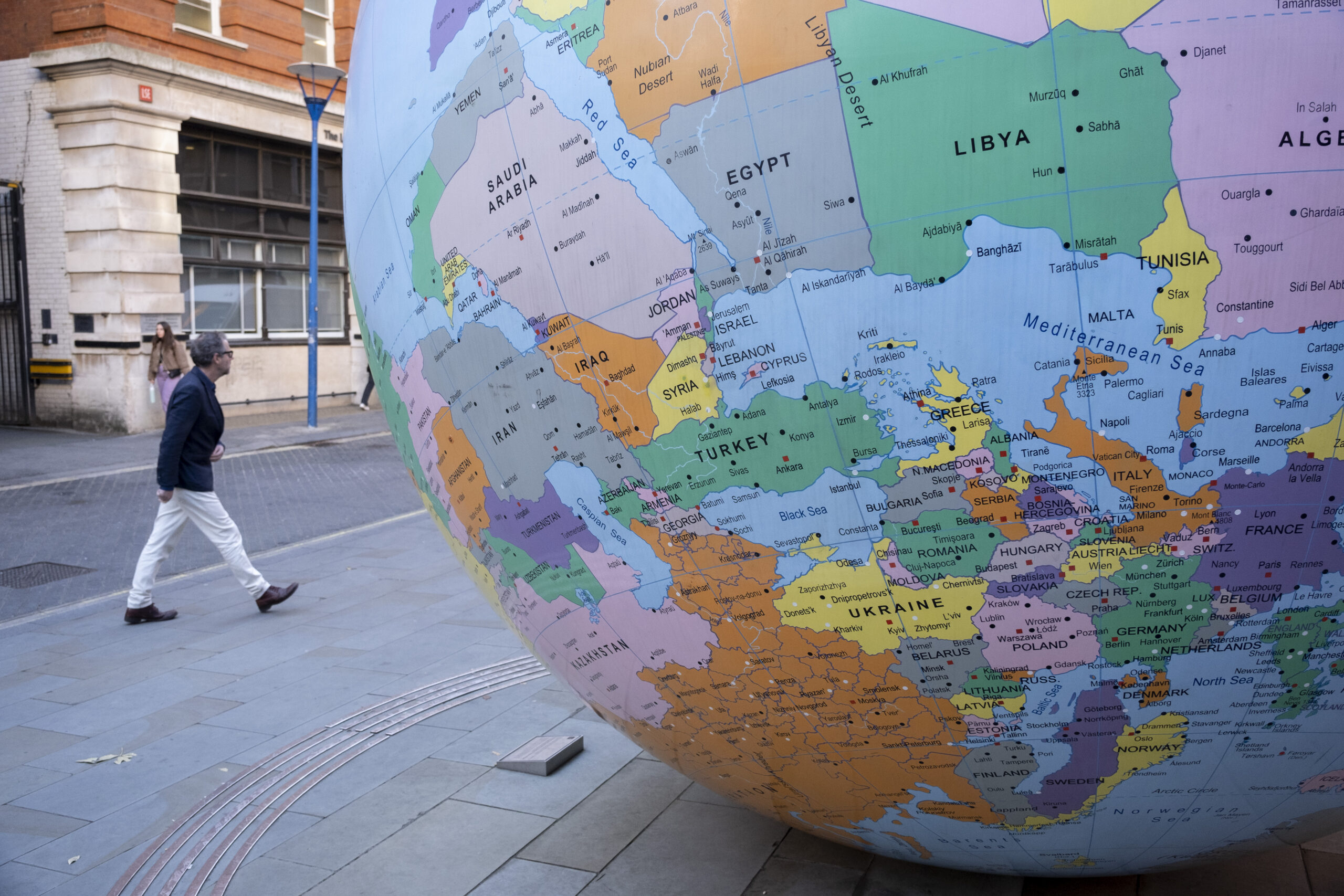
The challenge of developing export strategies for the offshore natural gas resources concentrated in the Eastern Mediterranean predates the Russo-Ukrainian war. Yet over the course of 2022, Europe’s intensifying energy crisis created a new and more immediate incentive to solve those export challenges, despite a great deal of work still to be done.
What the UN vote tells us about international sentiments and Israeli diplomacy
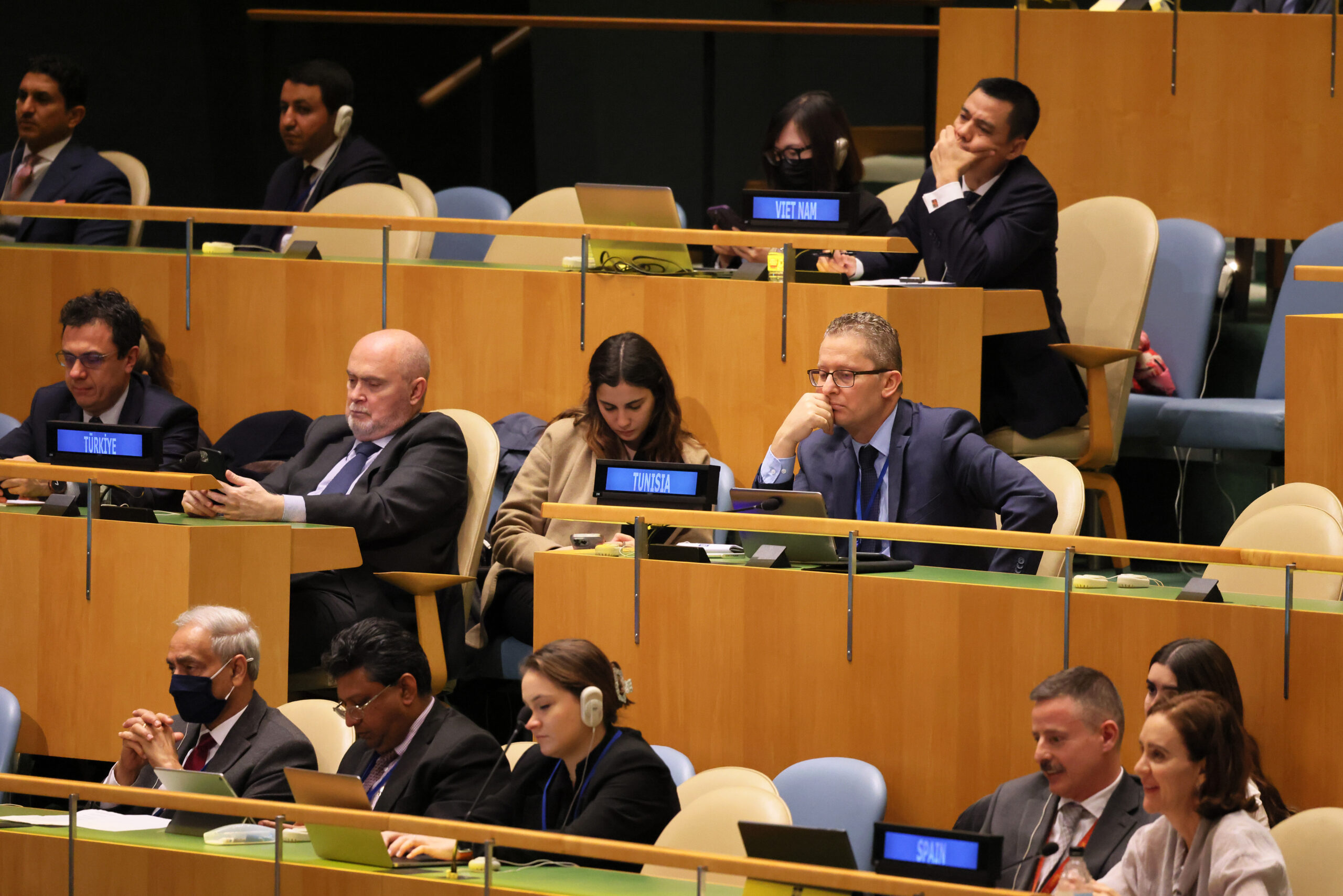
The Dec. 30 vote at the United Nations General Assembly (UNGA) regarding Israel reflected once again that the international community does not generally accept the Israeli narrative regarding the Palestinian issue. It also highlights that the Palestinian issue, while not a top priority on the global agenda, is still one of concern around the world.
Morocco and Israel: Economic Opportunities, Military Incentives, and Moral Hazards
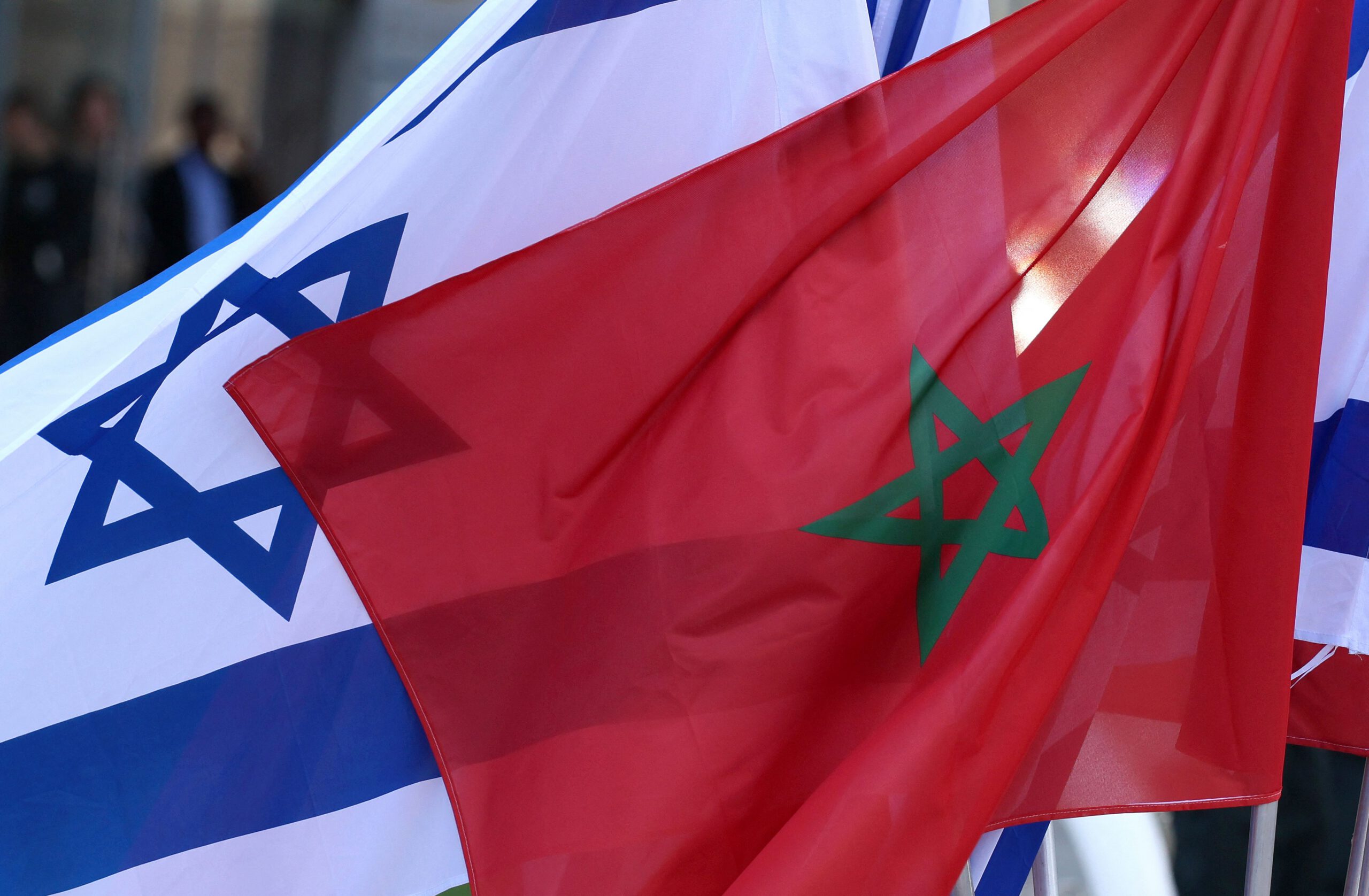
The December 2020 Moroccan-Israeli normalization deal has evolved from a vehicle enabling Morocco to gain long-sought U.S. recognition of its claims on Western Sahara to a broader strategic partnership with Israel. But the relationship further strains relations with neighboring rival Algeria.
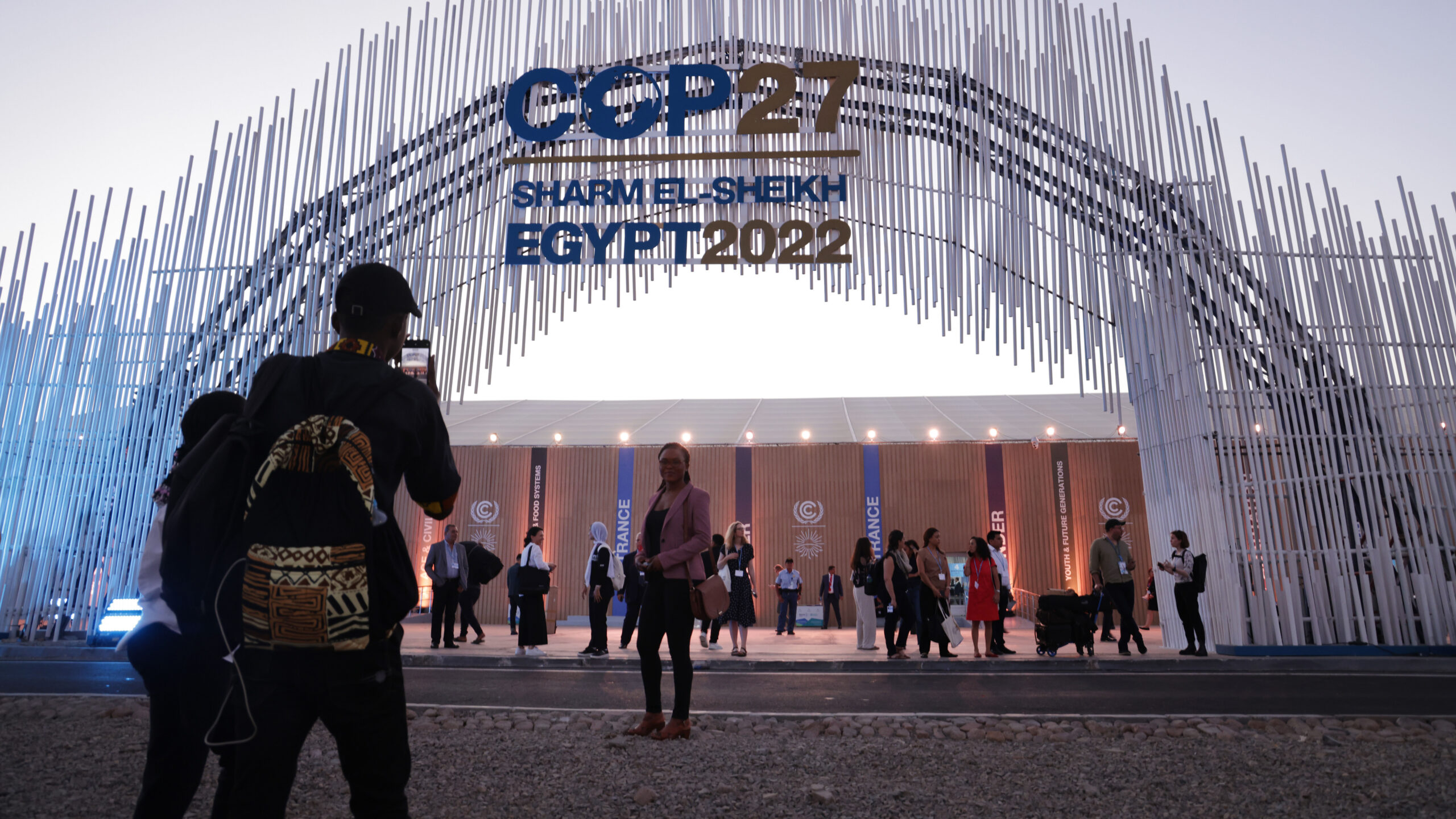
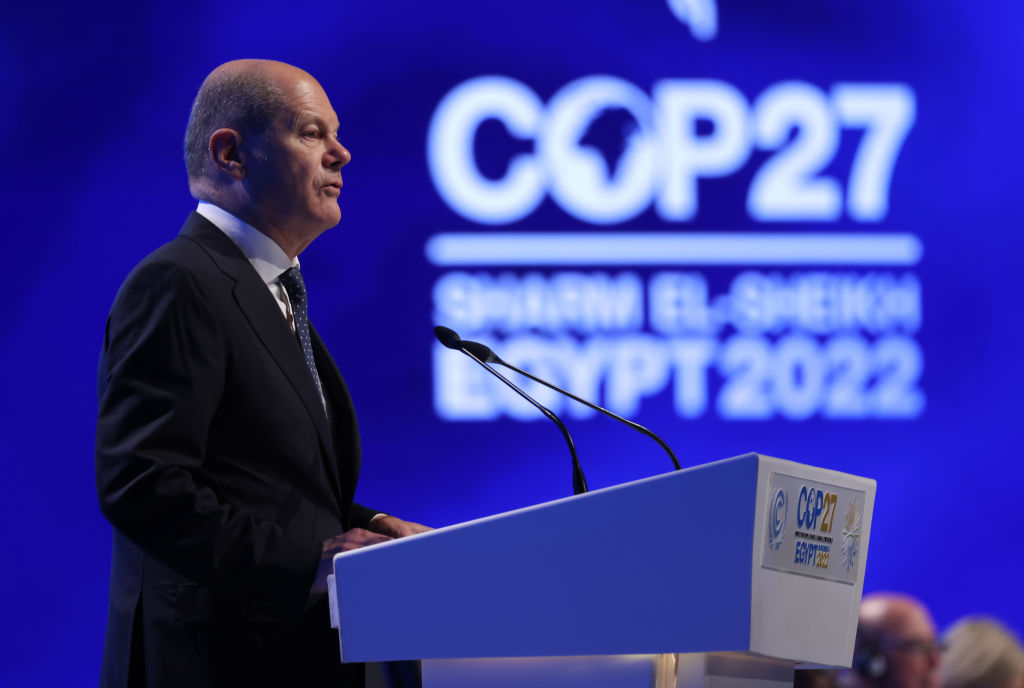
Dispatches from Sharm el-Sheikh: Reviewing COP27 from the MENA perspective
Participating in COP27 provided a unique opportunity to view the proceedings firsthand and evaluate the effectiveness of the meeting in advancing critical climate priorities that can alter the alarming trajectory of future climate change.
The Israeli election results are not a seismic shift — it’s worse than that
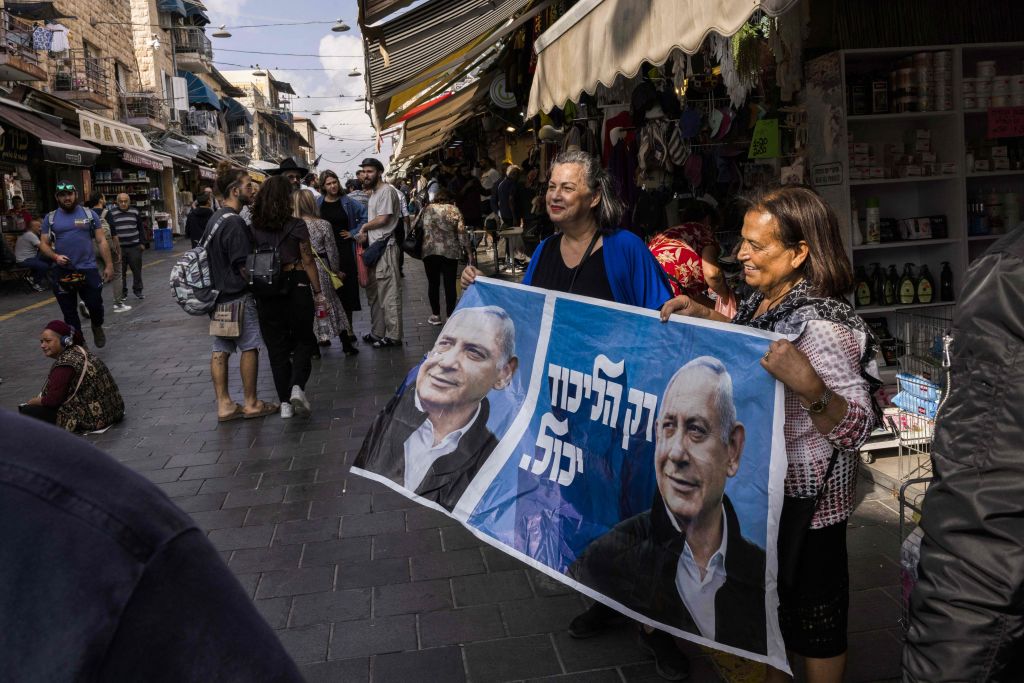
Over the years, recognition of clear, long-term, and structural developments in how the Jewish Israeli electorate votes has been neglected, glossed over, or lost behind reactions to electoral cycles. And the pro/anti-Netanyahu paradigm — which routinely serves as a crude substitute for “right” versus “left” — has helped delay a reckoning and a fork in the road for a host of constituencies.
The victory of Israel’s extreme right: Implications for citizens’ rights and Israeli-US relations
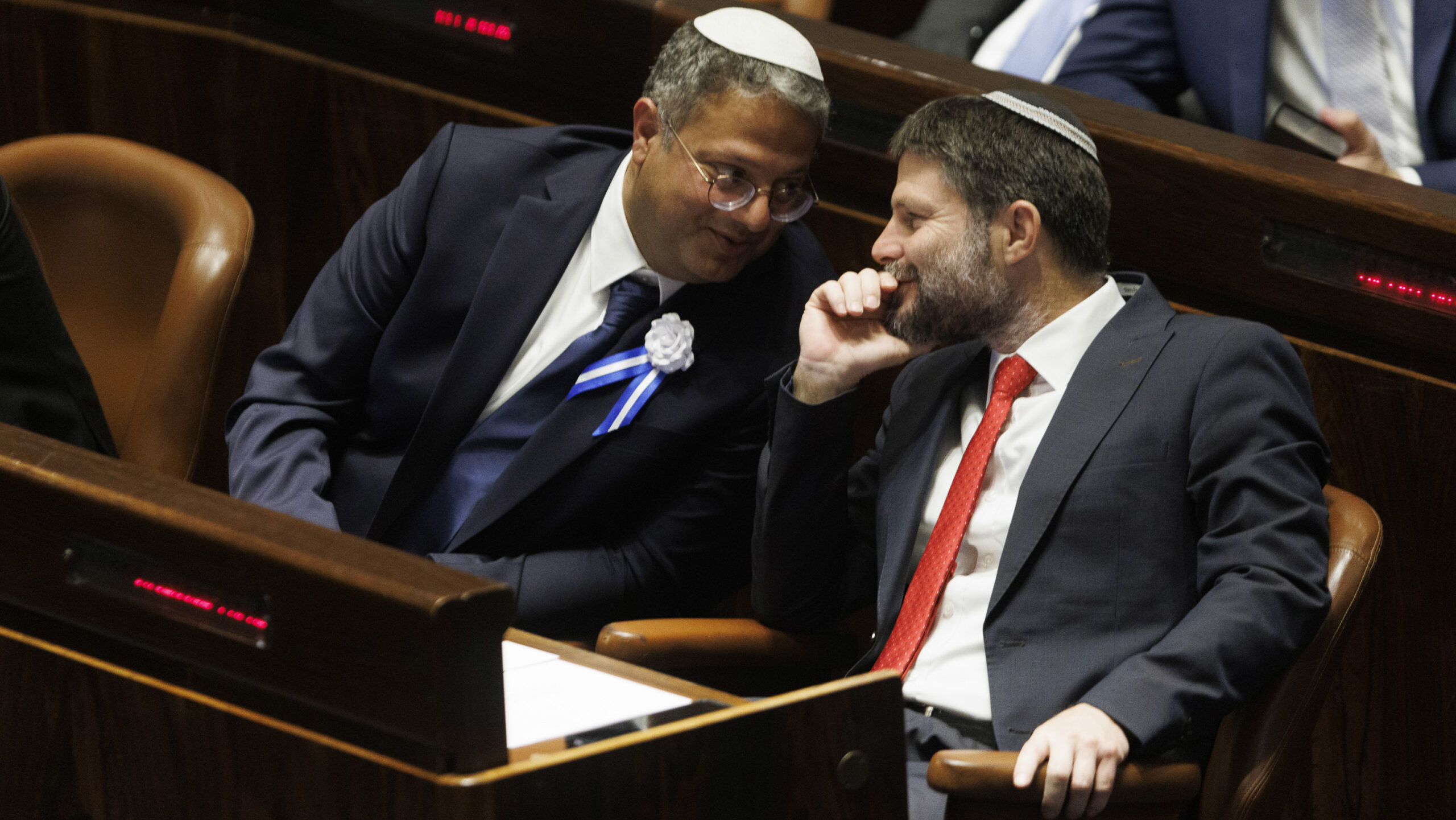
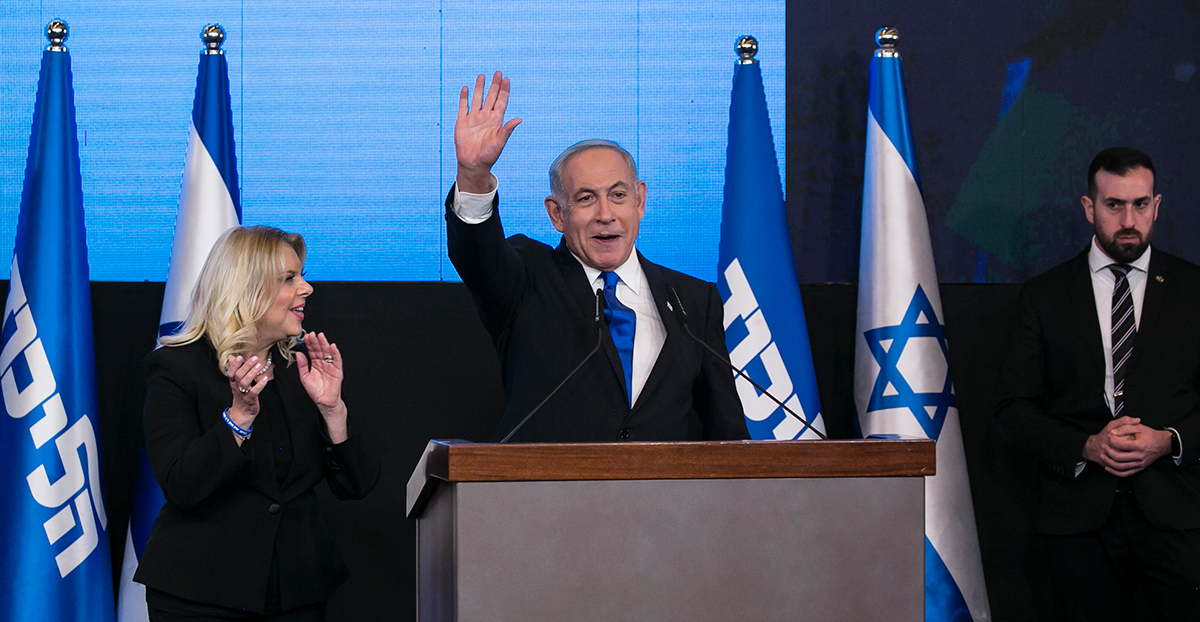
Since winning the Israeli elections on Nov. 1, Benjamin Netanyahu leads a bloc that is ideologically homogeneous in ways never before seen, with a majority of religious nationalists and ultra-Orthodox parties set to enter government and likely to work cohesively for the next four years, unlike in the past.
Israel’s election produces a clear winner — and a lurch further to the right
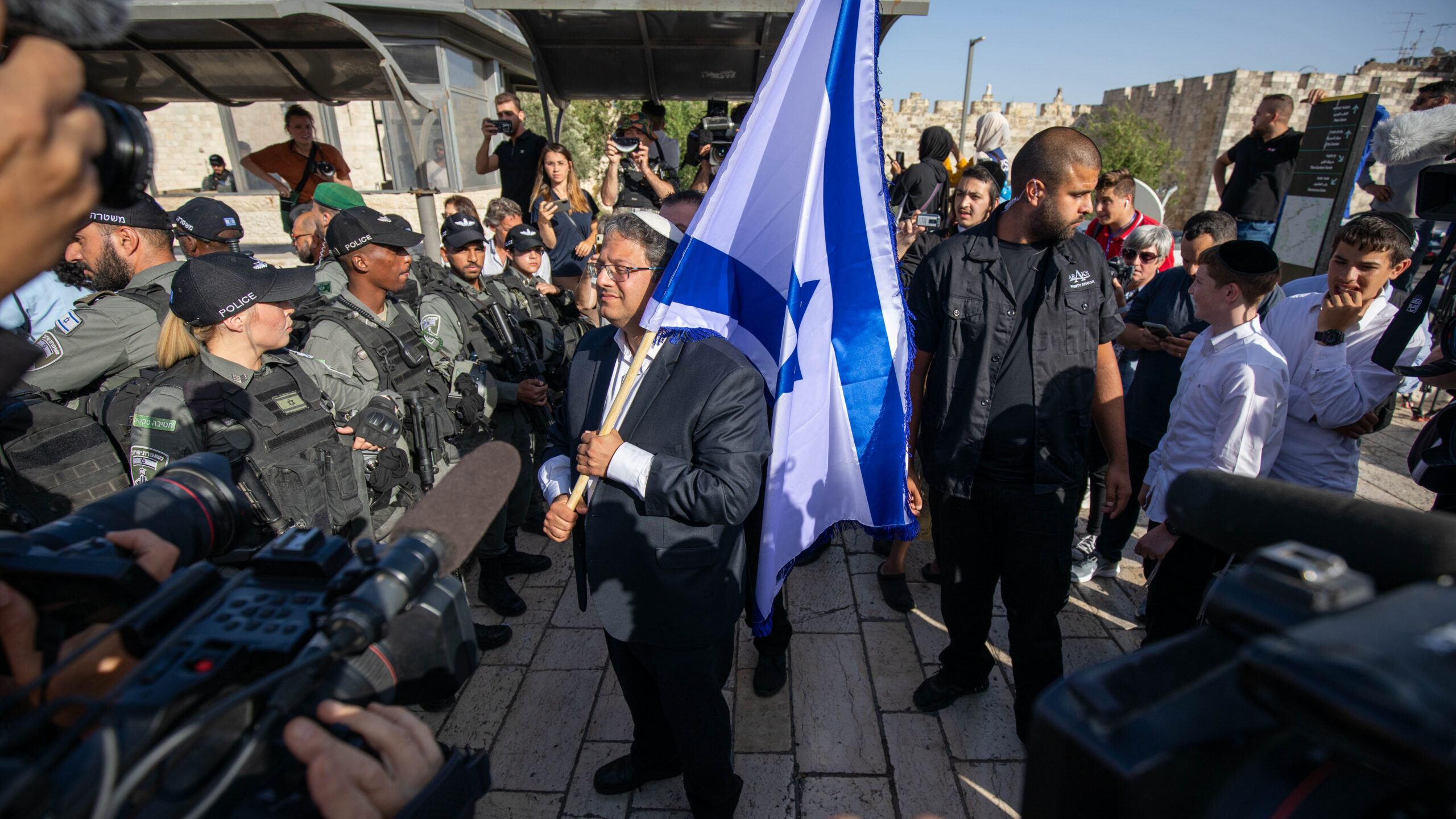
On Nov. 1, Israel’s democracy was shaken, perhaps as never before. It is not so much that former Prime Minister Benjamin Netanyahu has been returned to power, but that if he does become prime minister again, as seems overwhelmingly likely, it will undoubtedly be with crucial support provided by the “Religious Zionism” party, which includes “Jewish Power,” the vehicle of the veteran neo-Kahanist Itamar Ben-Gvir.
Tehran lashes out at Israelis’ support for Iranian protest movement
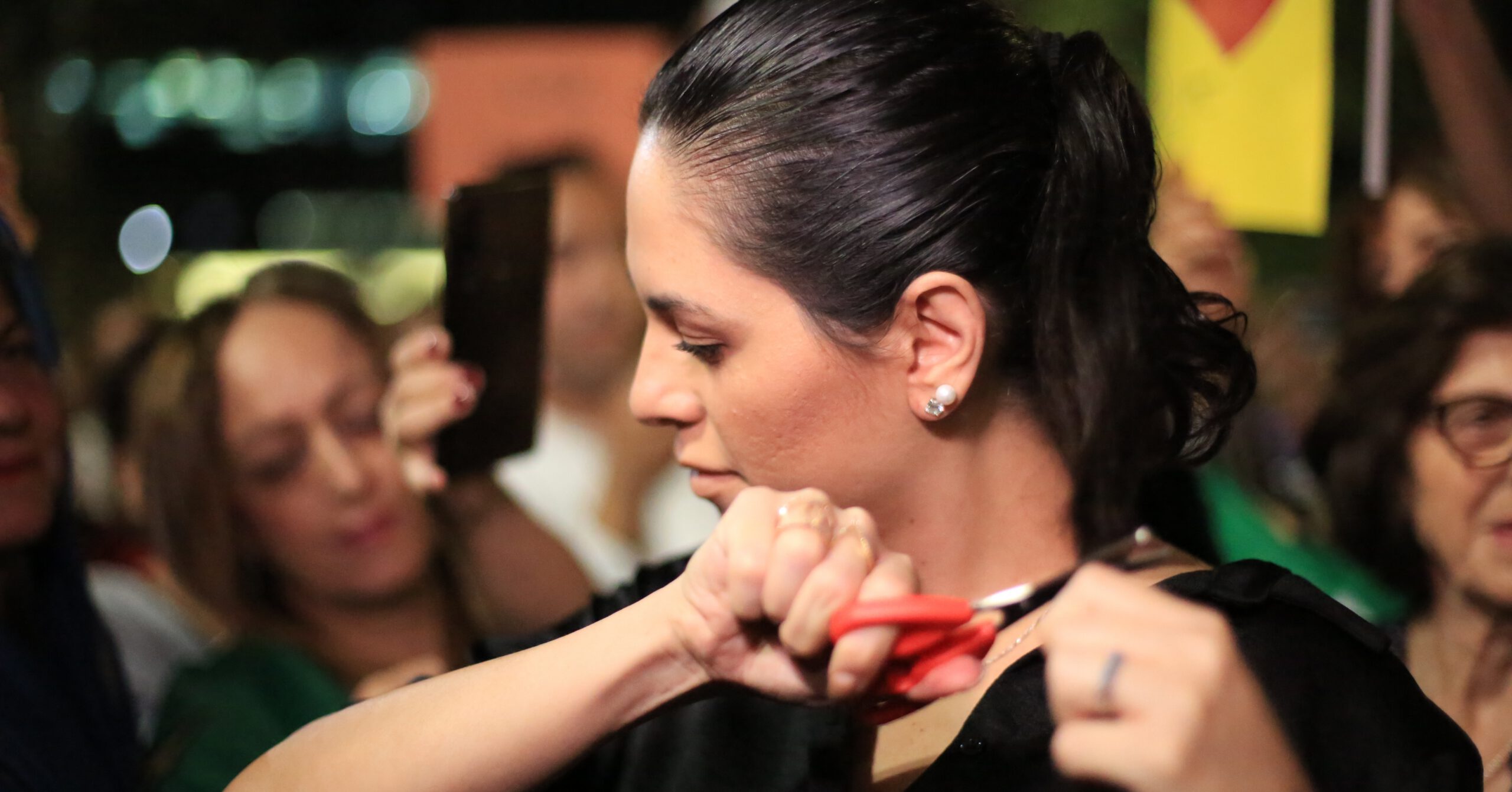
The Iranian regime is pointing the finger at Israel and the U.S. for allegedly orchestrating the nationwide protests. But while the U.S. and Israel both might have an interest in shaping and aiding the protest movement once it began, this large-scale mobilization of the Iranian public is a result of the regime’s own policies.