Measure, verify, certify: How to future-proof Gulf companies in the energy transition
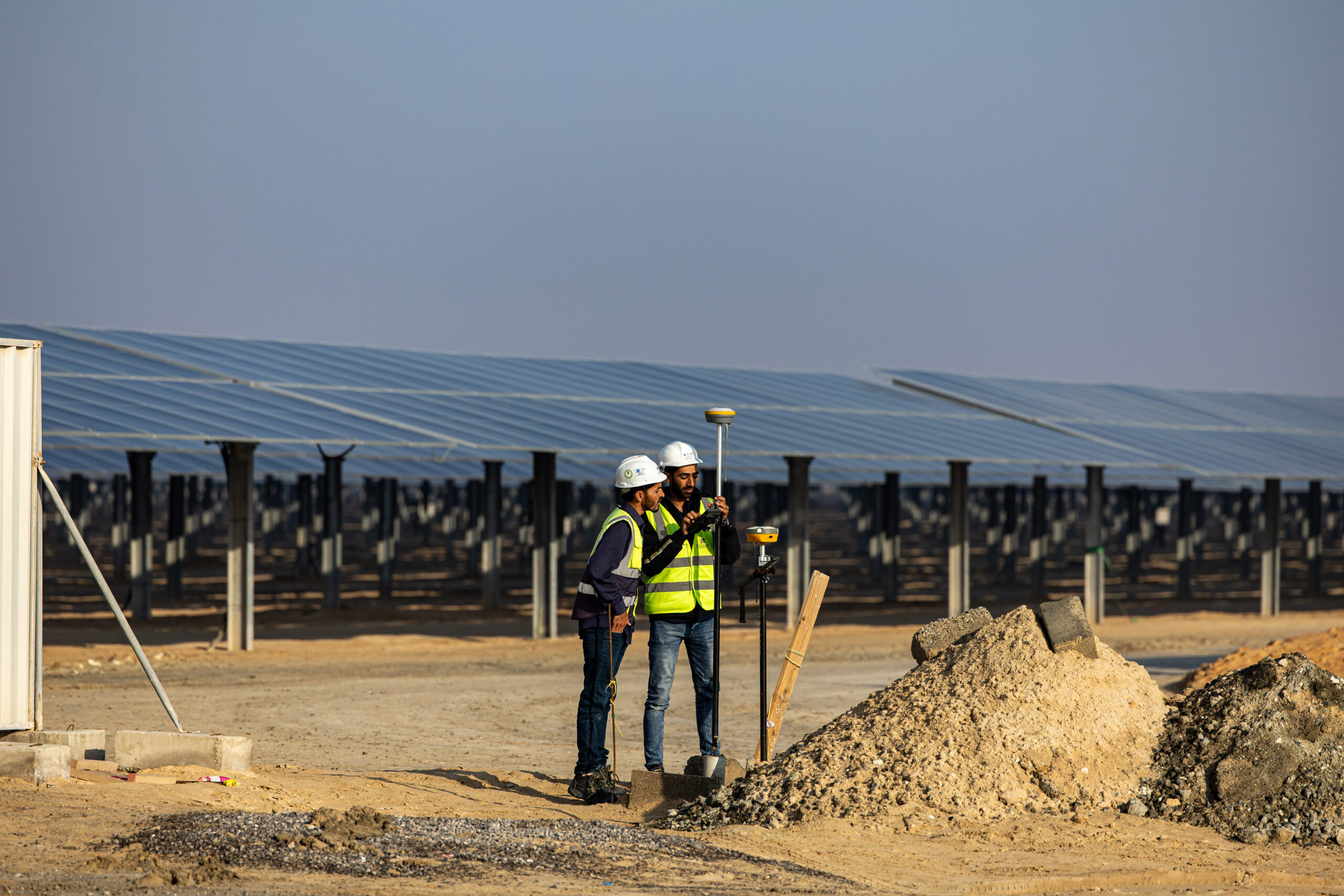
Several Gulf states have introduced renewable energy certificates into their low-carbon energy eco-system. What are RECs and how can they help companies navigate the energy transition?
Iran and the GCC connectivity agenda: Implication for Washington’s Iran policy
The prevailing political spirit in the Gulf region is presently one of de-escalation. In the case of the UAE and Iran, a number of existing connections could help hasten the process of de-escalation and enable it to happen faster than anywhere else in the region.The outcome should be of interest not only to the UAE and Iran but also to the U.S. given the latter’s long-standing efforts to shape Iranian policies.
Disease, destruction, flooded fields, and hunger: The far-reaching consequence of the Kakhovka dam collapse in Ukraine
Last week’s collapse of the Nova Kakhovka dam on the Dnipro River in Ukraine is one of the largest environmental disaster the Black Sea region and Europe has faced in decades. Its far-reaching environmental, economic, and humanitarian consequences will affect not just Ukraine and the Black Sea region, but also the Middle East and Africa.
Defense Rapid Reaction: Proposed reforms to the U.S. Foreign Military Sales process
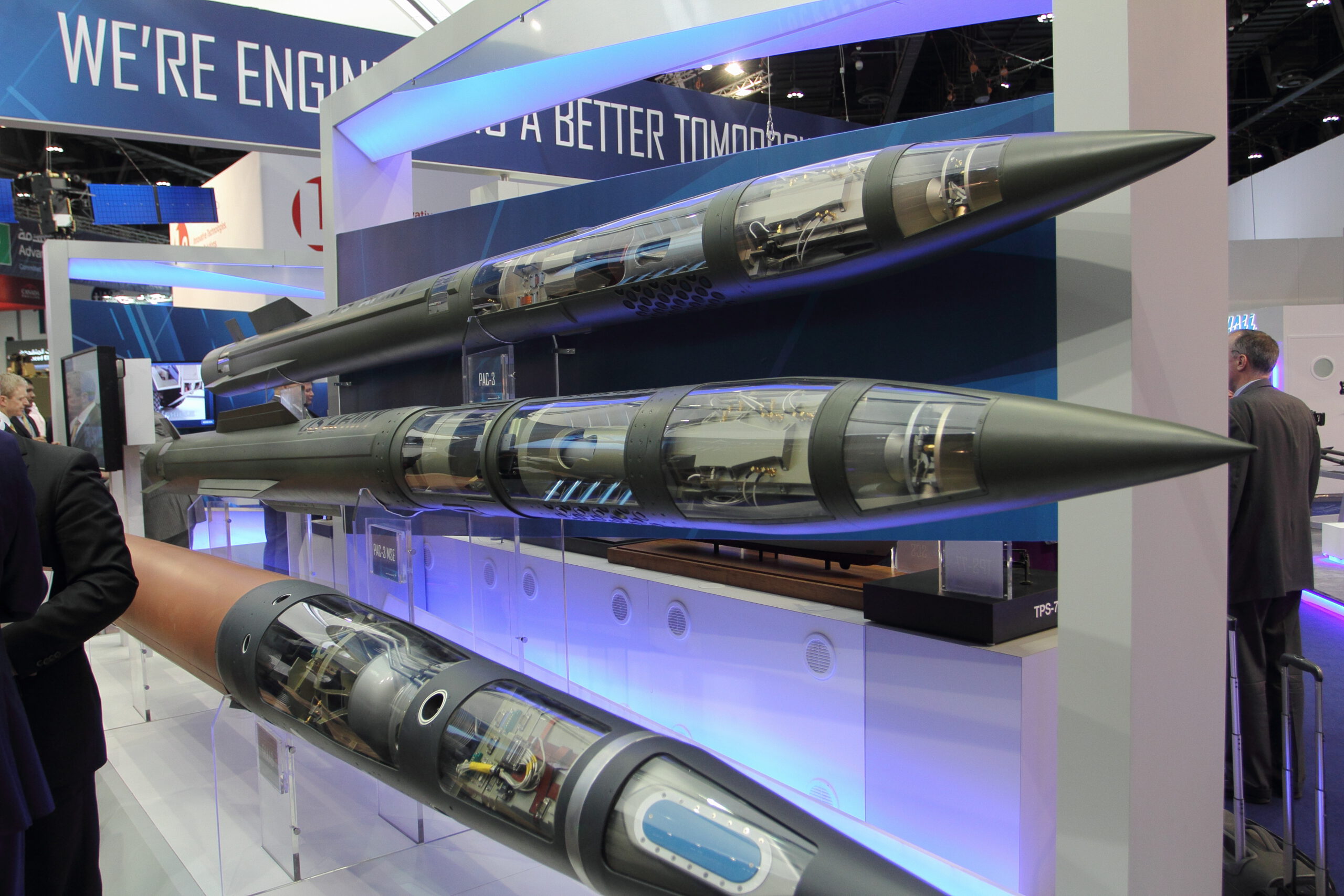
In the latest installment of the Defense Rapid Reaction series, experts from MEI’s Defense & Security Program provide their views on what reforms to the U.S. Foreign Military Sales process could or should accomplish and how an improved approach to approving foreign arms sales can strengthen U.S. relations with international partners and allies.
Pakistan’s establishment closing the curtain on Imran Khan and his party
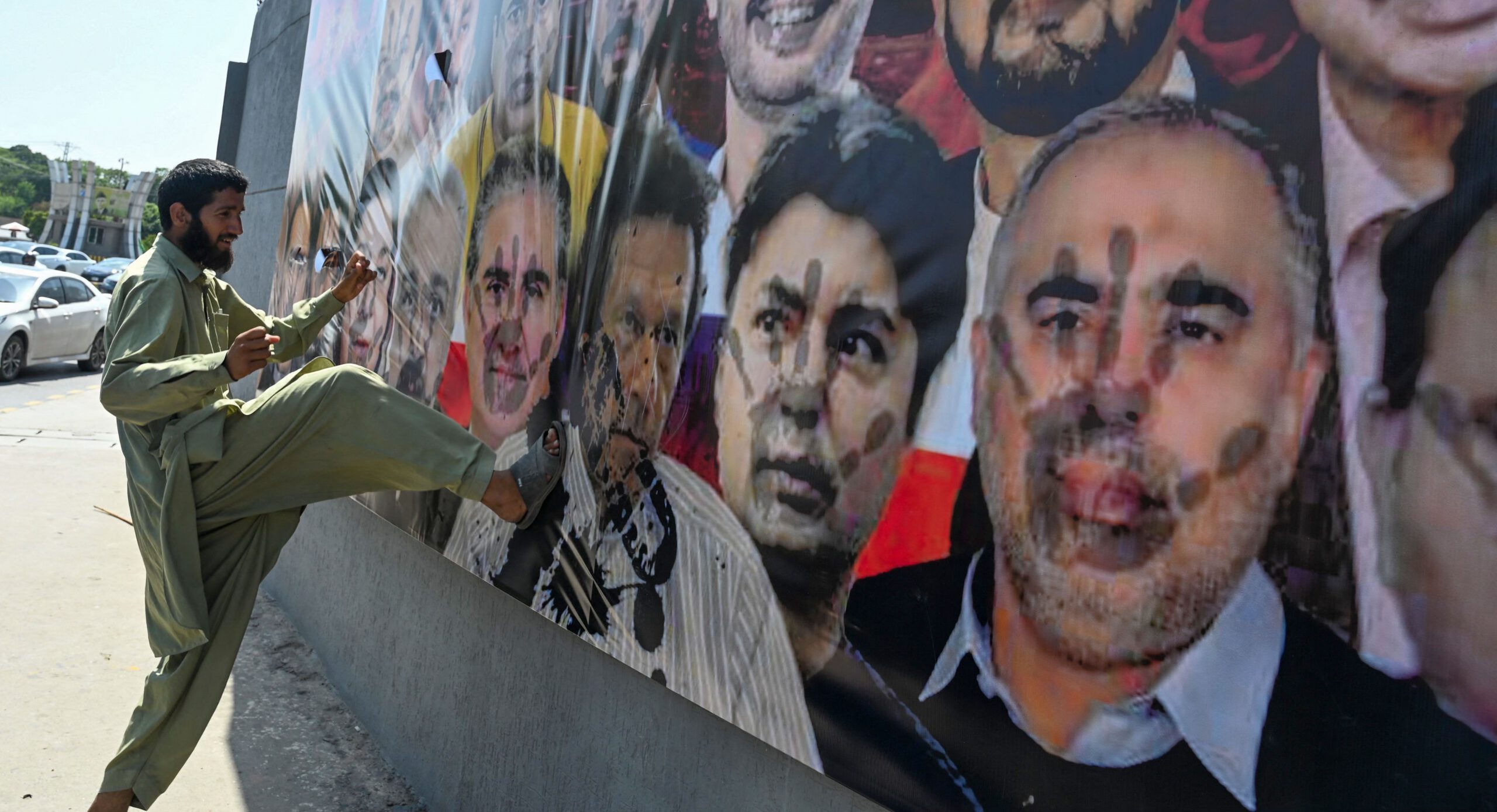
The likelihood of former Pakistani Prime Minister Imran Khan successfully extricating himself from his entwined battle with the Army now appears to be nearly impossible. He has crossed too many red lines for the military establishment to give him slack. The developing situation ahead of the October elections looks set to culminate with Khan imprisoned and stripped of his political party.
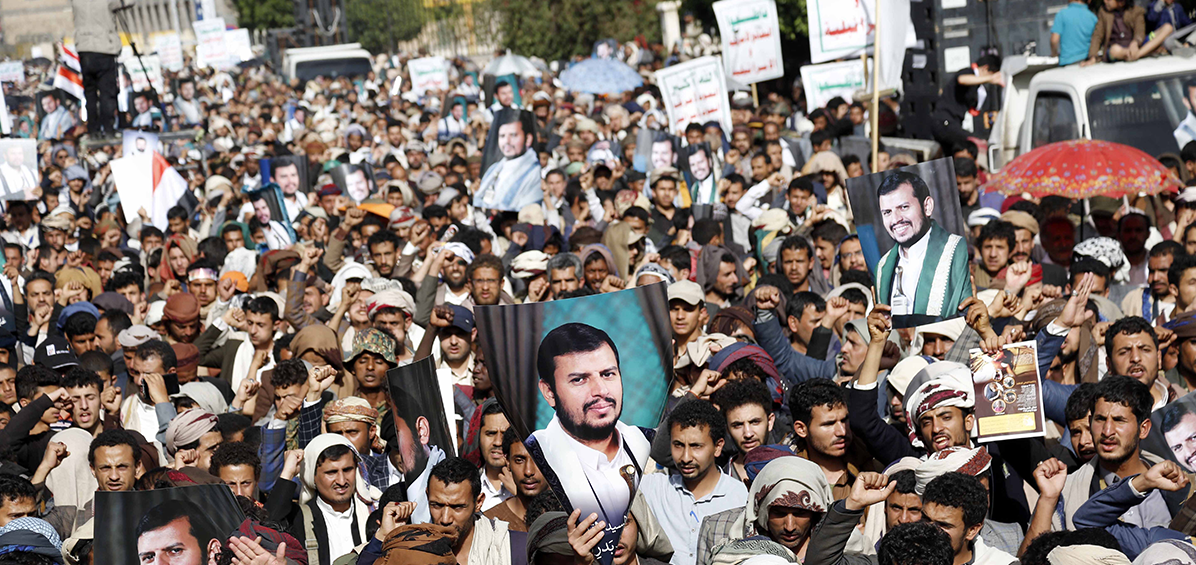
The Houthi partnership model: Is there a strategy behind the tactics?
With the international community viewing the latest “de-escalation roadmap” as paving the way for yet another transitional power-sharing agreement in an effort to “end” Yemen’s protracted conflict, it is useful to review how the Houthis have navigated past partnerships to understand how things may play out in the future.
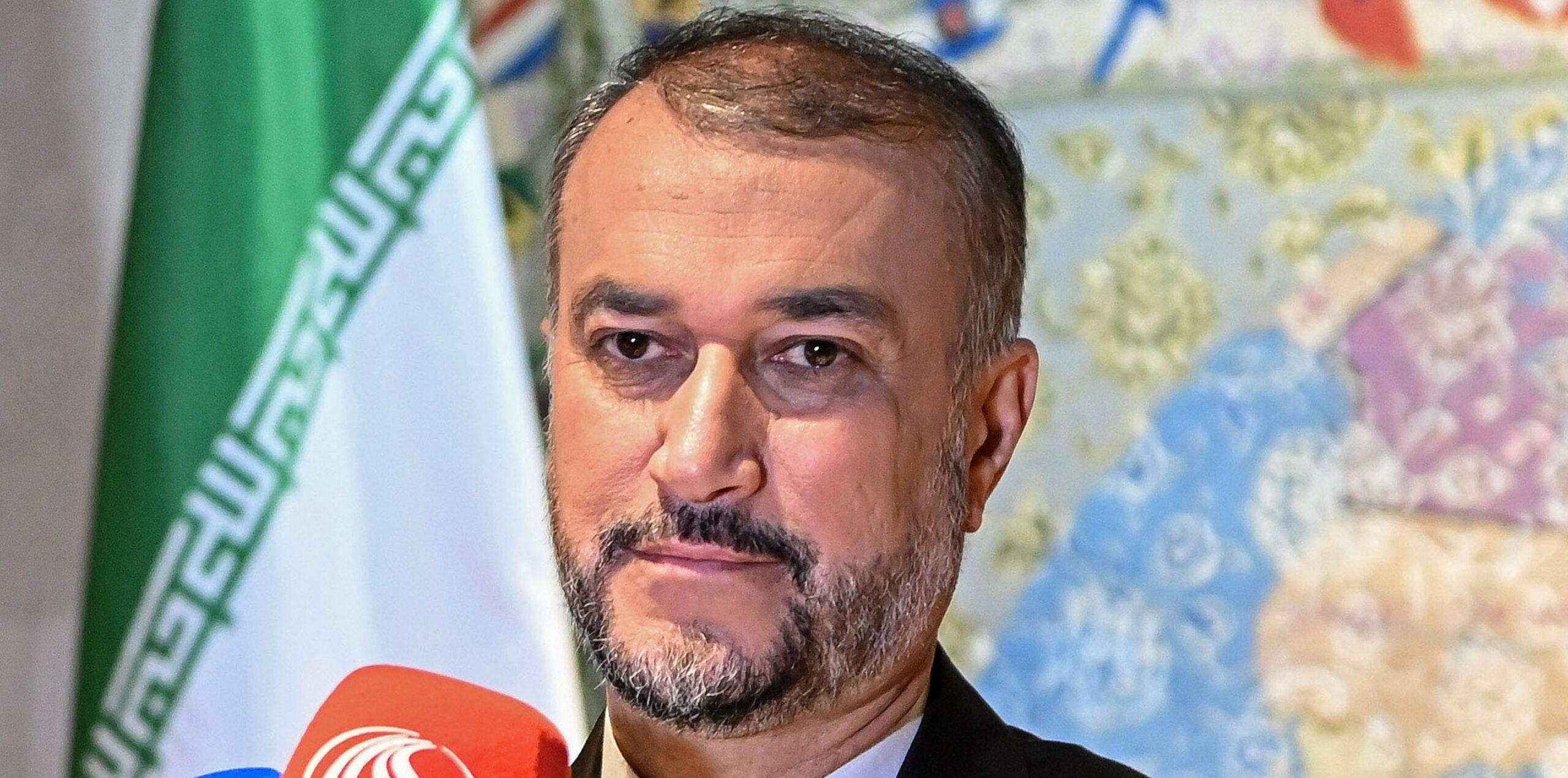
Iran’s security chief Shamkhani did his job but had to go
Late last month, Iran’s Supreme Leader Ali Khamenei opted to replace the secretary of the Supreme National Security Council (SNSC), Ali Shamkhani. The latter’s removal after 10 years spent in this key role has generated much speculation, misinformation, and outright disinformation.
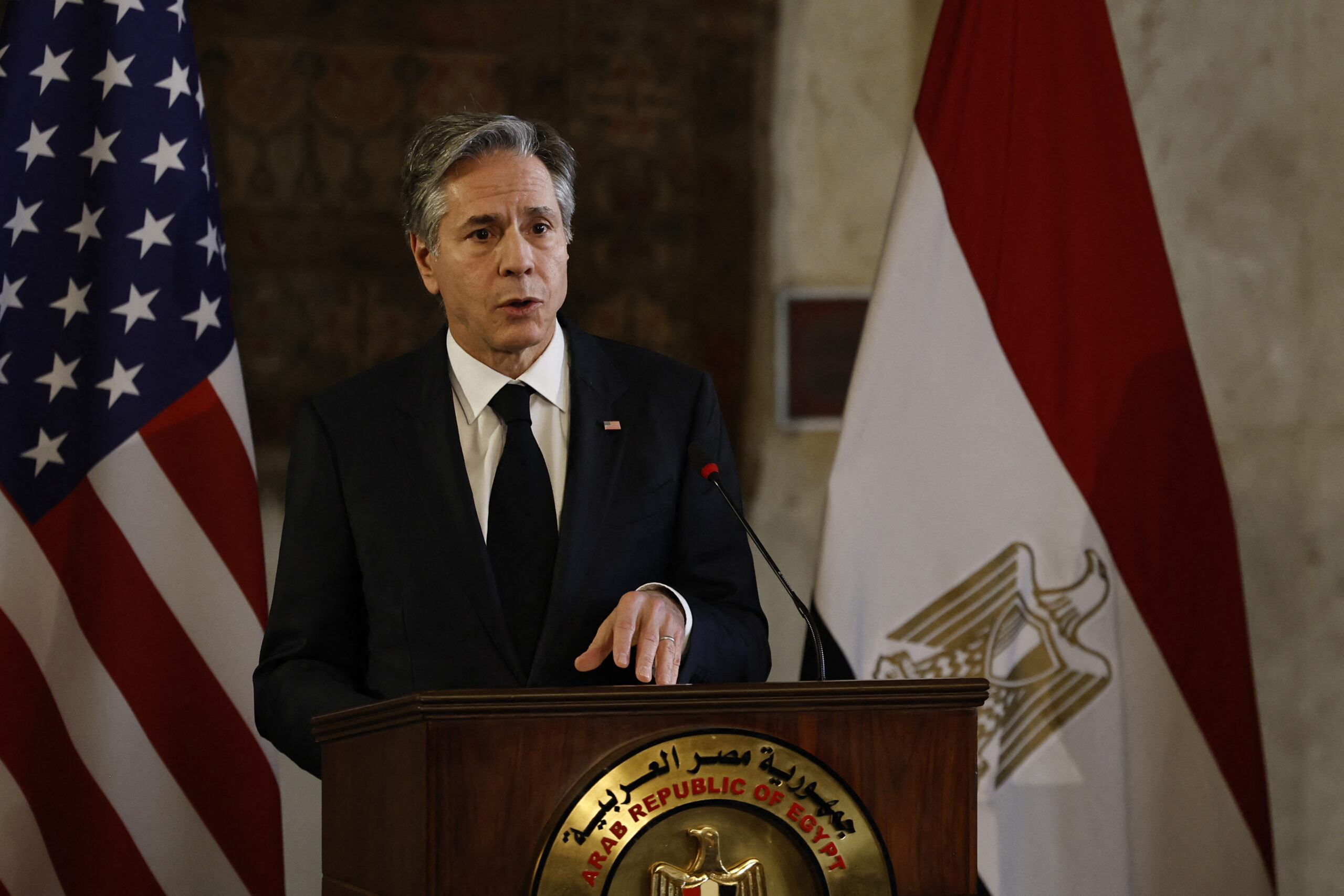
Putting Diplomacy First in the Middle East: Creating Incentives for De-Escalation
The Middle East is undergoing a historic transformation with unprecedented opportunities to build new relationships, de-escalate tensions, and foster conditions for stronger integration. At the same time, the region remains on edge because of ongoing tensions in Yemen, Syria, Iraq, and other conflict zones, a civil war that broke out recently in Sudan, along with the overarching challenges presented by fraught relations between Iran, Israel, and several Arab Gulf countries — with the longer-term implications of the still-fragile Iranian-Saudi rapprochement yet to be fully assessed.
India-Taliban relations: A careful balancing act, driven by pragmatism
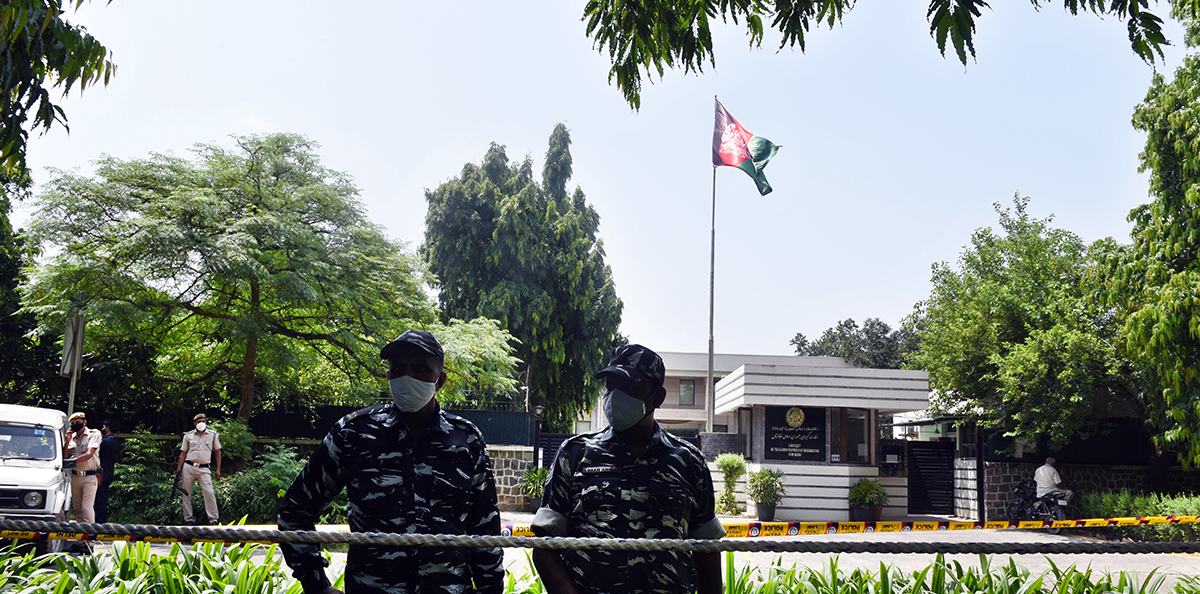
An ongoing power struggle for the position of ambassador at the Afghan embassy in New Delhi underlines India’s diplomatic quandary about the nature of its engagement with the Taliban regime in Afghanistan.
War as a catalyst for greater Black Sea-Gulf interconnectivity
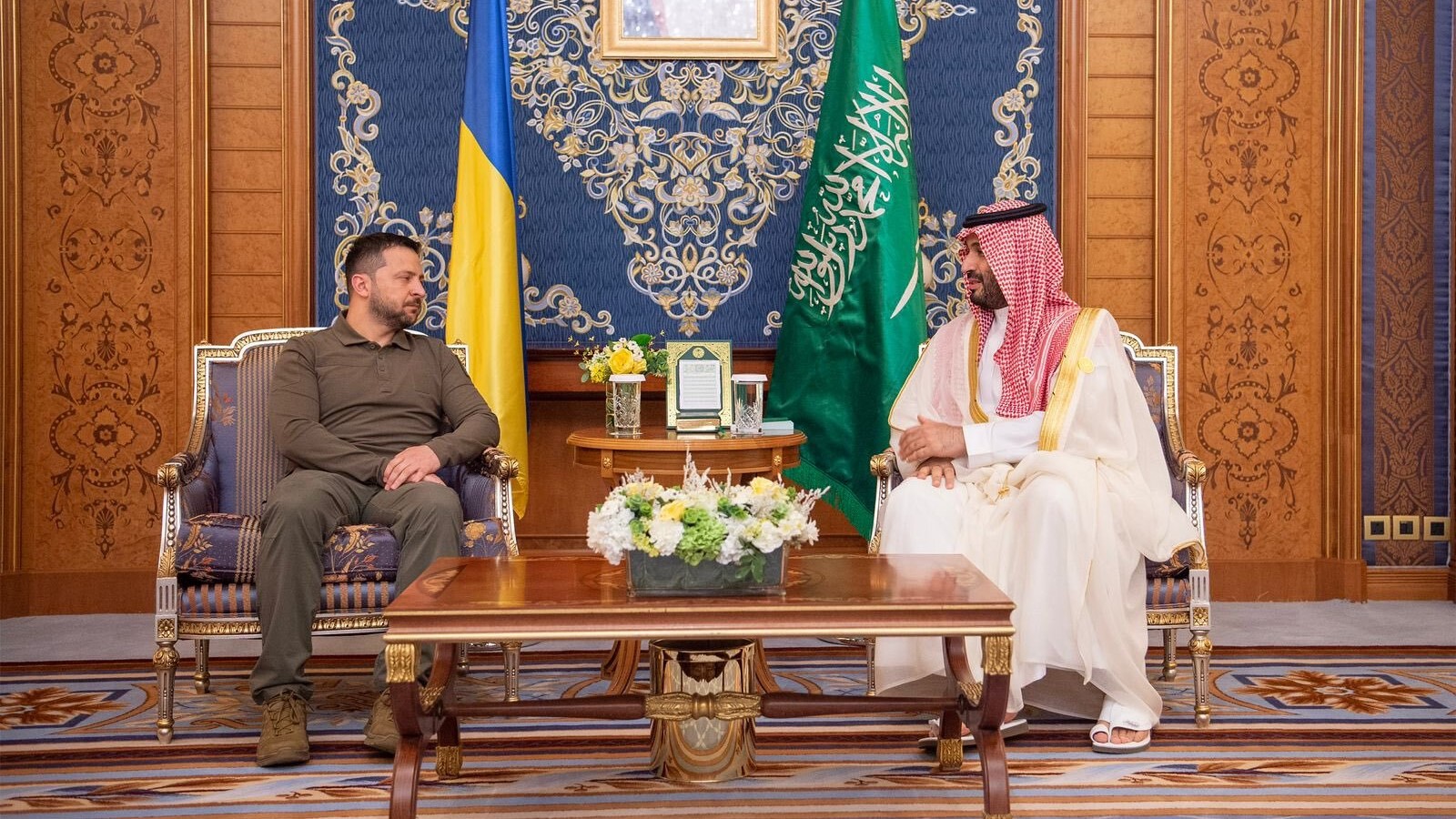
Russia’s full-scale invasion of Ukraine has destabilized and distressed the entire Black Sea neighborhood. Yet despite the war, or perhaps because of it, strategically important foreign direct investments into Black Sea littoral countries, including from the Gulf, have endured or even grown.
In an era of Middle East détente, how should the US and Israel respond?
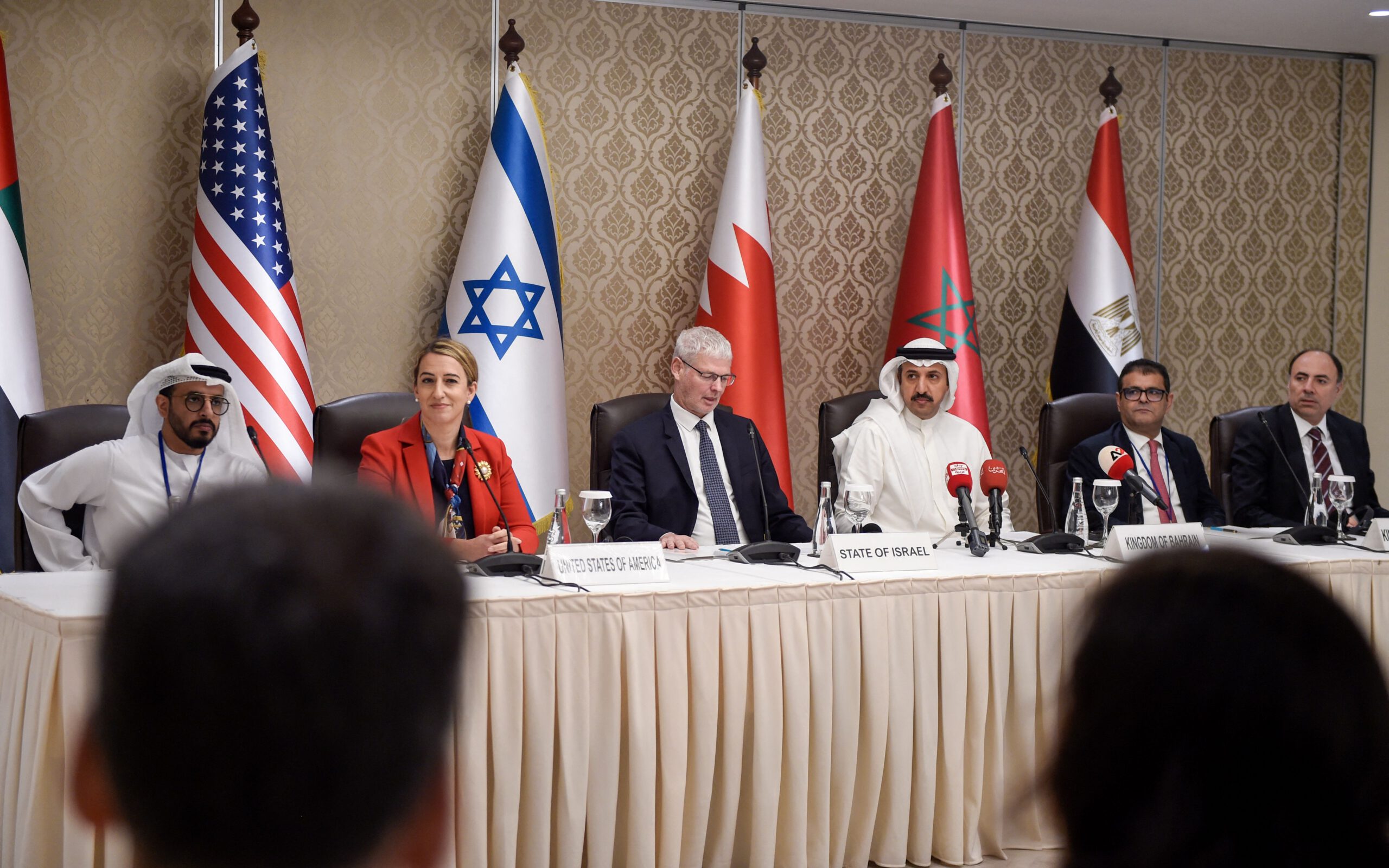
Both Washington and Jerusalem welcome any reduction in regional tensions and prospects for a more stable, secure, and prosperous environment. However, there is a risk for U.S. and Israeli policy priorities, such as that regional de-escalation will reduce pressure on Tehran to negotiate on issues of concern, especially its nuclear weapons program.
The technical is geopolitical: Expanding US-UAE relations through AI
With AI development disproportionate attention is given to the world’s technological heavyweights, the U.S. and China, as they seek an innovative edge in their great power competition. But Gulf states like the UAE are also moving rapidly to invest in and adopt AI, with significant implications for bilateral relations. The momentum in both the U.S. and the UAE can be leveraged by anchoring further ideas for political, diplomatic, and military cooperation in the technical evolution of AI.