East Med gas needs clean tech and regional integration to support investment case
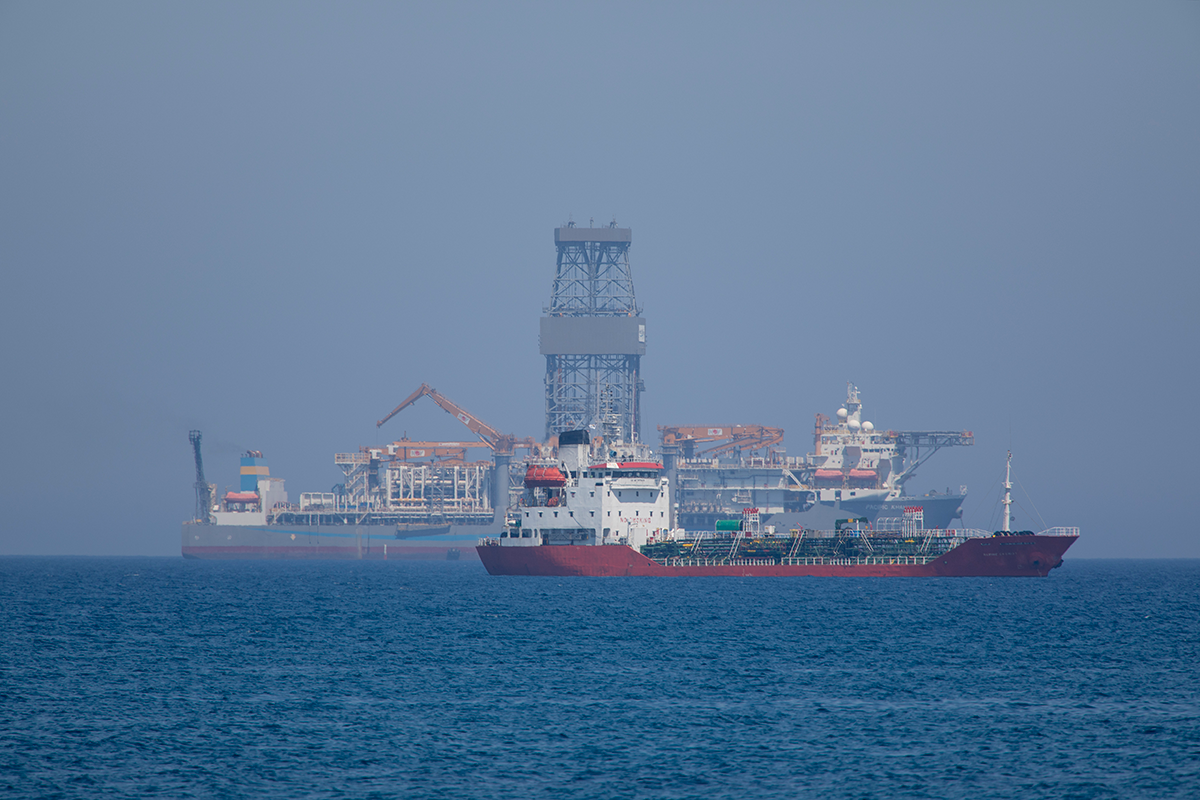
The viability of Eastern Mediterranean natural gas resources has long been a source of debate for reasons including cost considerations, market demand, and regional geopolitical tensions. The past couple of years have further complicated the debate, introducing new questions about the role of these resources in supporting post-pandemic economic recovery or helping more advanced markets achieve net-zero policies by replacing coal and other fuel sources (a particularly relevant topic of debate given Europe and Asia are key export targets for East Med gas).
Mega-projects and Small Enterprises: Understanding Saudi Arabian Banks’ Role in Economic Development
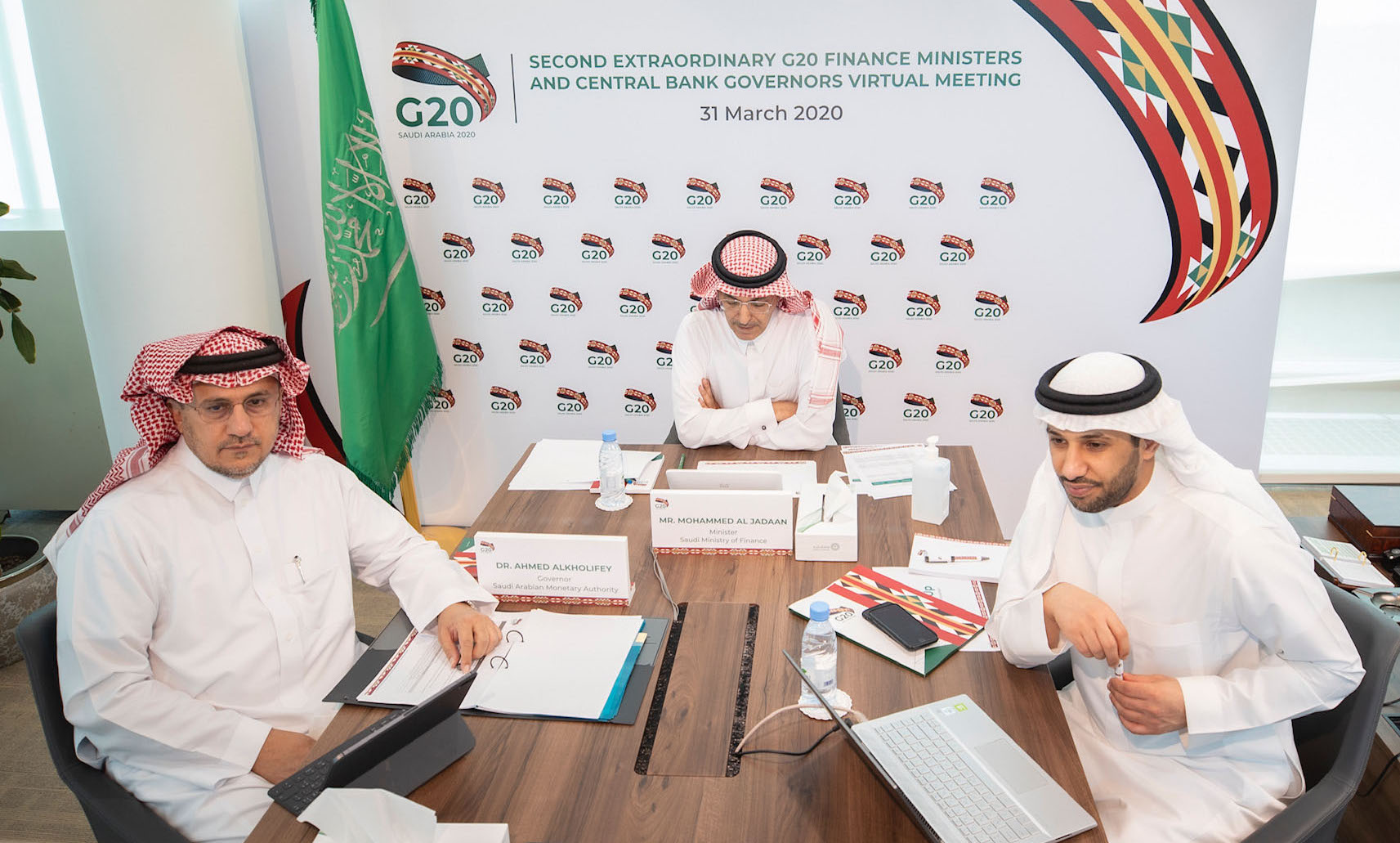
Vision 2030 promises a transformation of Saudi Arabia’s economy, and the financial sector will be crucial to achieving this. The sector will facilitate private investment focusing on small and medium-sized enterprise (SME) financing, fund mega-projects, and be a driver for diversifying away from oil. As a result, banks’ role must go from being distributive and largely passive to developmental and active. This article will highlight how the role of the Saudi banking sector has been transformed in the last five years and how its composition is changing to cope.
Baghdad, Beirut, and the politics of Lebanon’s power crisis
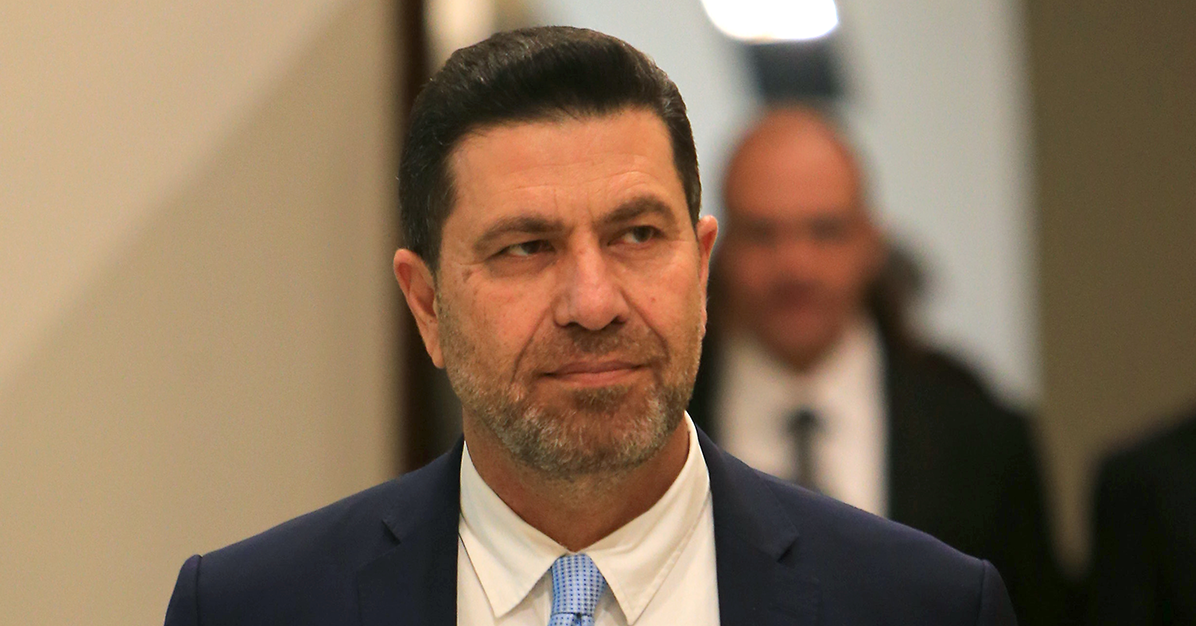
On July 24, Beirut and Baghdad signed a governmental framework agreement under which Iraq pledged 1 million tons of heavy fuel oil to Lebanon over a full year.
Iran’s President Raisi takes over a ruined country
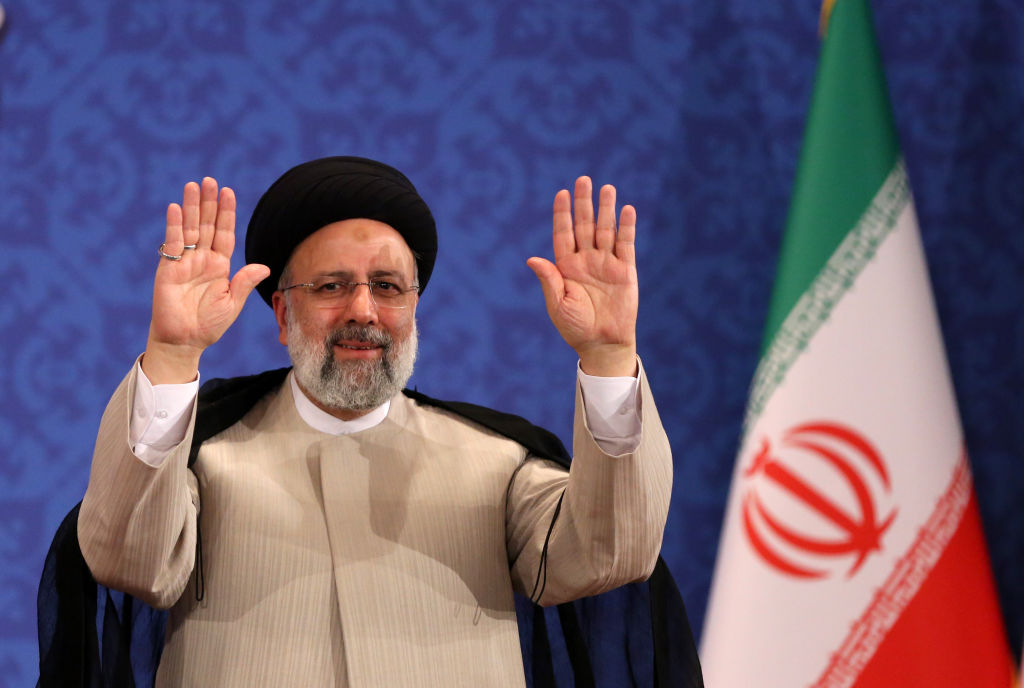
On Aug. 25, Iran’s parliament voted on the cabinet of its new president, Ebrahim Raisi, approving 18 out of the 19 ministers put forward. Raisi’s government is full of revolutionaries likely to adopt a hardline approach to domestic and international affairs, leading to heightened geopolitical risk and potentially prolonging the country’s economic crisis.
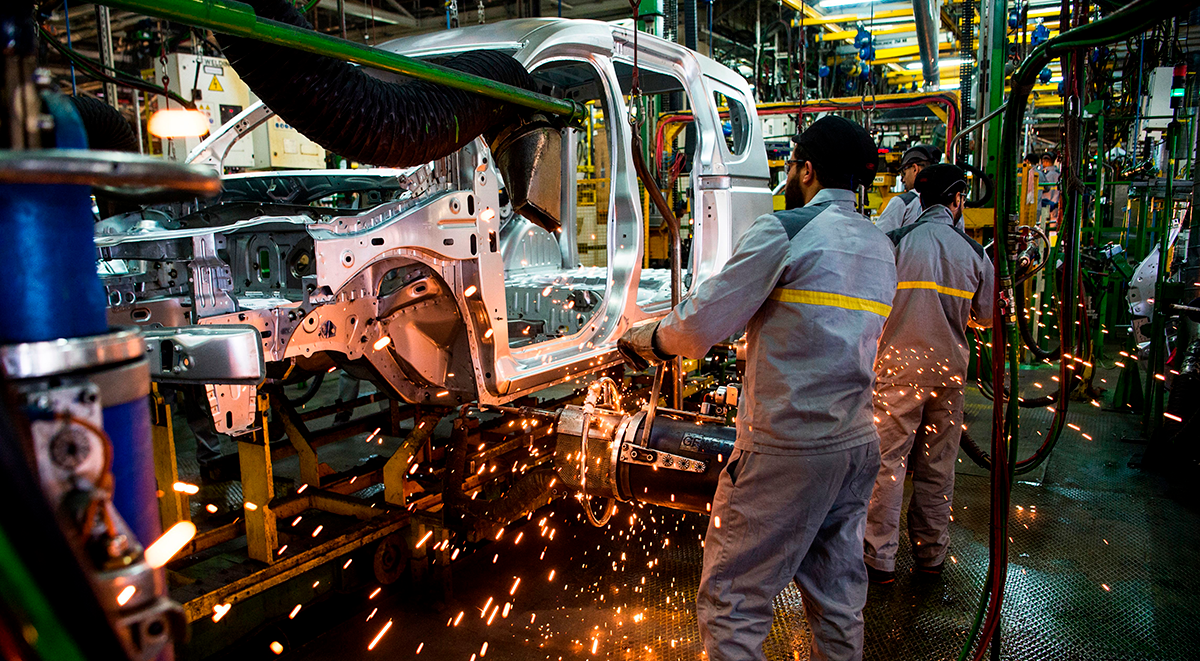
Morocco's “first in North Africa” electric car production is a European manufacturing gain over China
In an automotive first for North Africa, German automaker Opel will soon begin producing electric cars in Morocco. Opel’s electric car manufacturing in Kénitra leapfrogs China’s plan to build electric cars in Egypt, giving Morocco’s automotive industry an important first-mover advantage. The move also represents a strategic gain for European automotive manufacturing over China. As a gateway to West Africa, Morocco provides Opel and its parent company Stellantis a nearby production base for the eventual cost-effective export of electric vehicles to rapidly expanding markets in Sub-Saharan Africa.
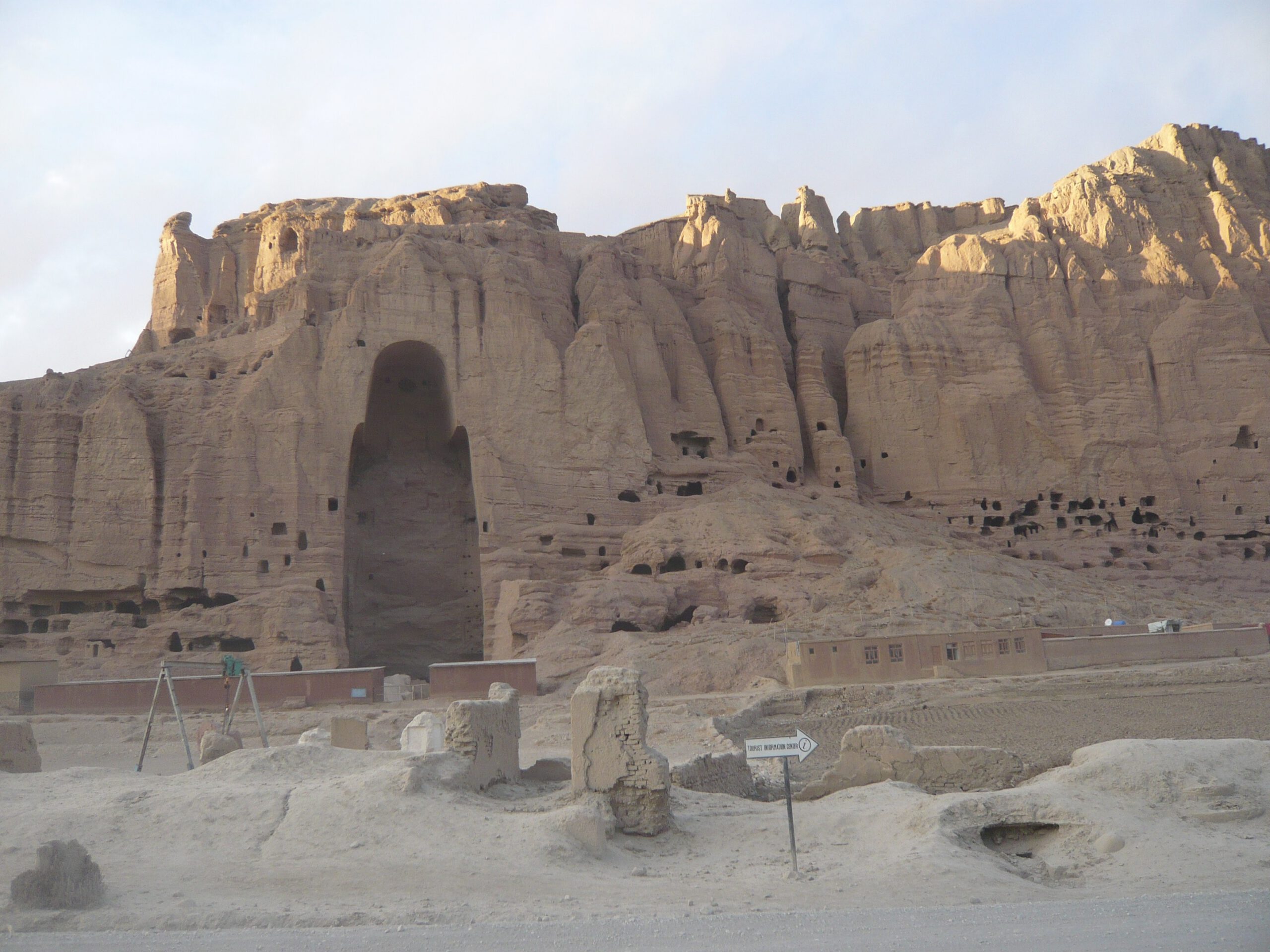
Déjà vu all over again in Afghanistan: Negotiating with the Taliban to save heritage sites
As the world watches the Taliban takeover of Afghanistan and its aftermath, it’s like déjà vu all over again for the nation’s long-suffering peoples. With the Taliban back in the Bamiyan Valley, the UNESCO World Heritage site where Mullah Omar sanctioned the destruction of the 6th century Buddhas 20 years ago, we’ve seen this movie before and we know how it ends.
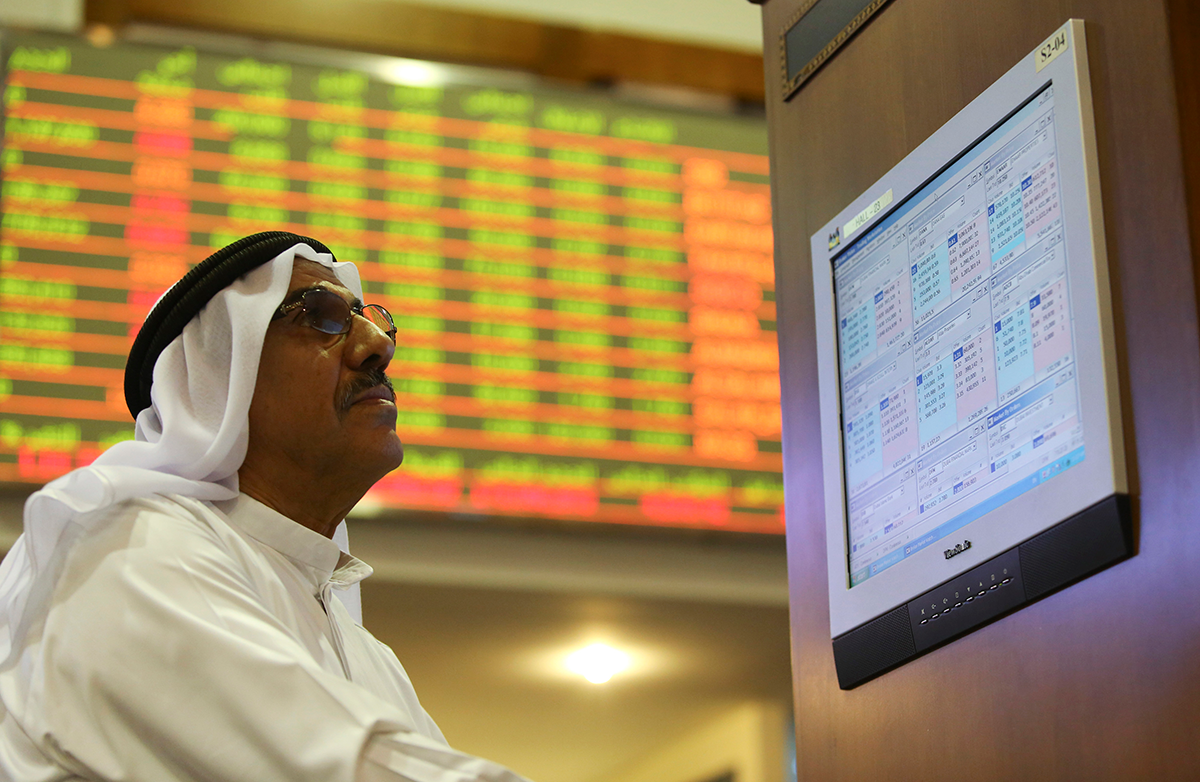
There is a puzzle in the profits of Gulf Cooperation Council (GCC) firms, especially conglomerates. Even as the size of GCC economies has grown considerably in the last two decades, corporate profits have been flat. With a goal of economic diversification to expand private sector business and job opportunities for citizens, the imperative to create an environment for growth is acute for regional governments. Tarek Fadlallah, CEO of Nomura Asset Management Middle East and a member of the Program on Economics and Energy Advisory Council, lays out some of the challenges for Gulf economic diversification and improved corporate profitability.
Building a Closer Black Sea: Promoting Trade and Economic Interdependence
While the Black Sea has historically been an area of significant geostrategic importance, this has not made it a vibrant zone of commerce, transport, energy, tourism, or cultural exchange. Rather, it has become a theater of struggle for dominance and competing geopolitical and geo-economic interests. This situation has been exacerbated by conflict between Russia and countries in the region, like Ukraine and Georgia, that have sought closer ties with the West and aspire to NATO membership and EU integration. These developments have dire consequences for regional security and stability, disrupting political and economic ties in the area and beyond. A long-term solution to the region’s security issues could be based on intensifying trade relations and increasing economic interdependence between the states. This paper identifies major barriers to closer regional trade and economic cooperation and outlines ways to overcome them.
Egypt needs a more inclusive approach to subsidy reform
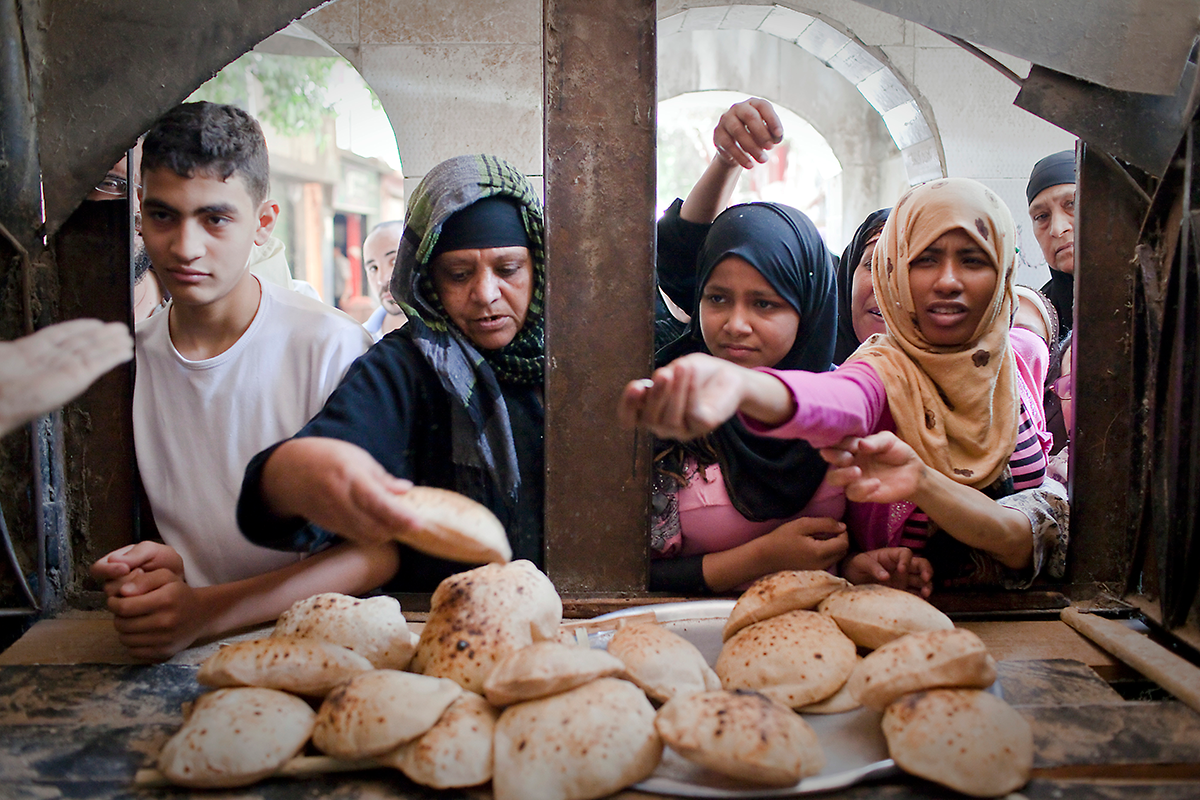
Speaking at a public event earlier this month, Egyptian President Abdel-Fattah el-Sisi made the surprise announcement that the next step in the country’s economic reform agenda will include the removal of bread subsidies. He becomes the latest in a long line of presidents to target the bread subsidies that provide cheap sustenance to a country of (now) over 100 million people at a huge cost to the state, although none of his predecessors ever successfully managed to remove or significantly reduce them.
إسرائيل ومصر تتصدران توقعات النمو في الشرق الأوسط وشمال إفريقيا: قصة استراتيجيتين متباينتين
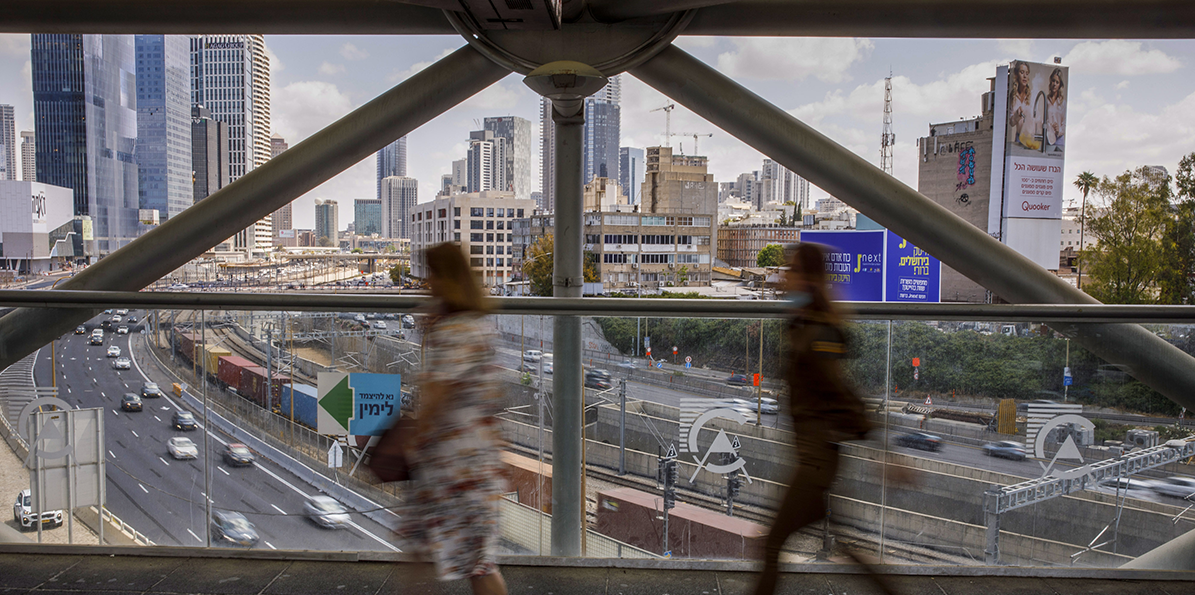
الدولتان في الشرق الأوسط اللتان تتمتعان بأعلى توقعات نمو لعام 2022 هما إسرائيل ومصر. وتقدر مؤسسة فيتش سوليوشنز أن الناتج المحلي الإجمالي على مستوى منطقة الشرق الأوسط وشمال إفريقيا سينمو بنسبة 3.6% في عام 2021، بعد انكماش بنسبة 4% في عام 2020. هنا نجد أن مصر وإسرائيل هما الدولتان الوحيدتان في المنطقة اللتان يُتوقع نمو اقتصادهما بما يتجاوز حجم مستويات ما قبل كوفيد-19.
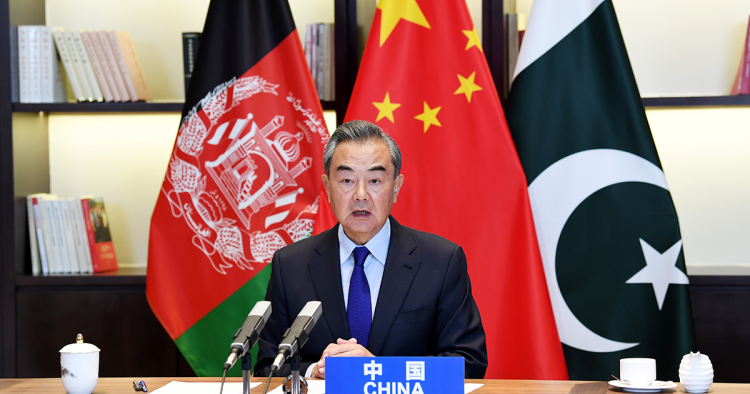
As the Great Game between the United States and China unfolds on a global scale, American and Chinese leaders have to make a choice — will they clash more openly in a struggle to dominate Afghanistan and its neighboring regions or will they rein in their ambitions and jealousies to accomplish goals that benefit themselves and many others?
Consistency and change: Morocco under King Mohammed VI
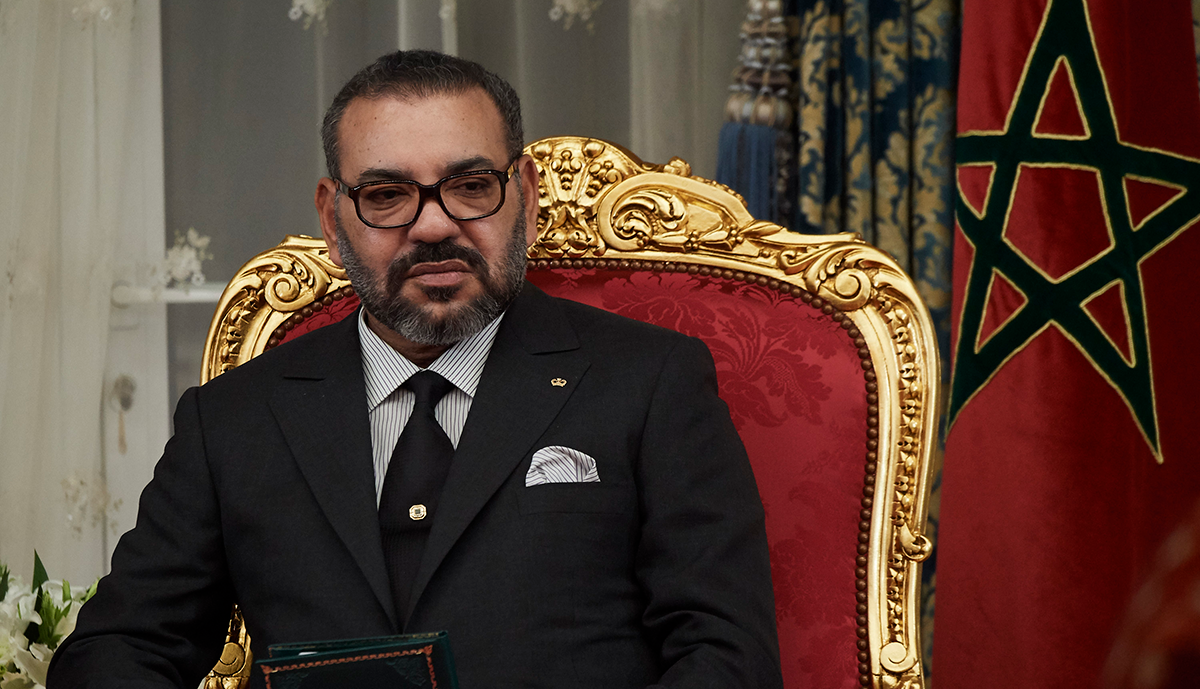
In July, Morocco marked the 22nd year of King Mohammed VI’s rule and 10 years under the new constitution ushered in by a popular referendum in the aftermath of the 2011 protests. The past 22 years have transformed Morocco, the region, and the world in fundamental ways, yet the country’s politics have continually snapped back to a familiar equilibrium. During these past 22 years Morocco has gone through three distinct phases in managing these internal and external dynamics.
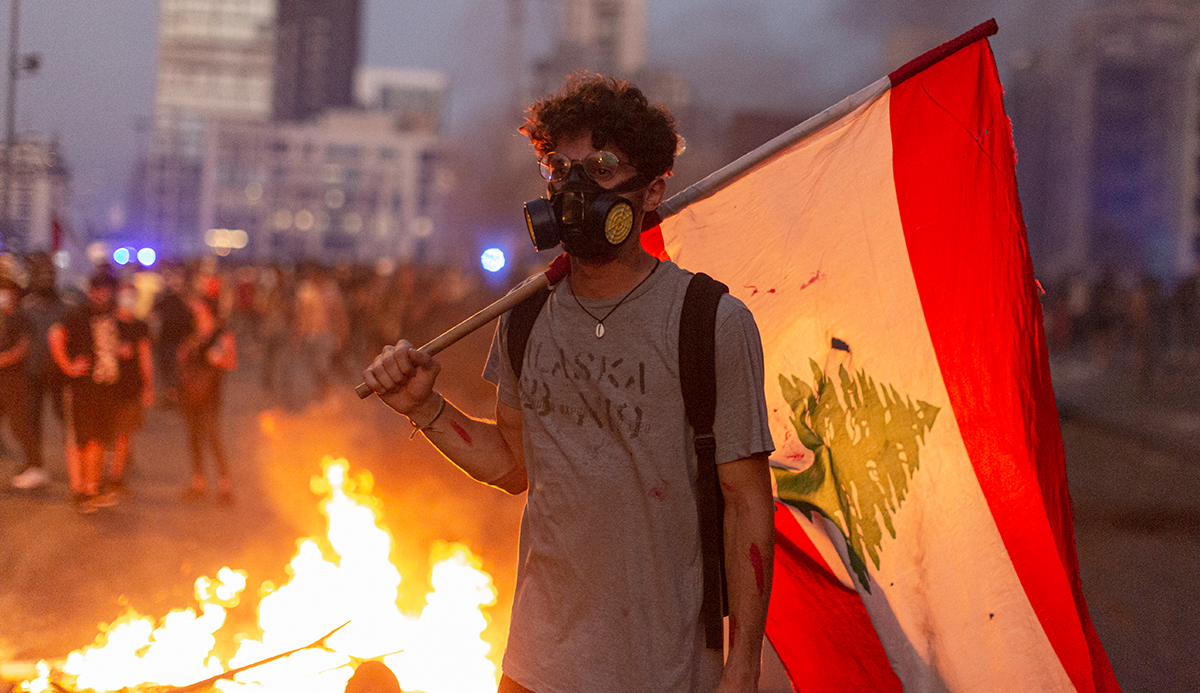
Lebanon is a tinderbox, and Lebanese politicians have started dropping matches
Premeditated political paralysis and the absence of economic leadership have brought Lebanon to its knees. Critical infrastructure has collapsed. Reliable electricity and safe water provision are rare. Hospitals and medical services are crippled by the lack of power, medications, and supplies. Food security is at risk for the majority of the population. Desertions from the ranks of security forces are growing. A nationwide security collapse is increasingly likely. The humanitarian collapse is already here.
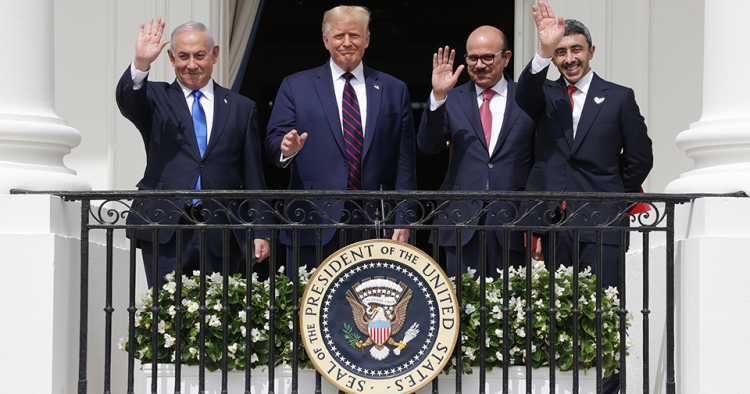
On Sept. 15, 2020, Emirati Foreign Minister Abdullah bin Zayed al-Nahyan, Bahraini Foreign Minister Abdullatif bin Rashid al-Zayani, then-Israeli Prime Minister Benjamin Netanyahu, and then-U.S. President Donald Trump met on the South Lawn of the White House to sign the Abraham Accords, normalizing relations between the two Gulf Arab states and Israel. Morocco followed suit several months later, signing a similar agreement with Israel on Dec. 22, and a week and a half after that, on Jan. 6, 2021, Sudan and Israel also agreed to normalize relations. A year on, these accords have had a significant, if not yet fully realized, impact on the Middle East, affecting everything from geopolitics and economics to tourism and people-to-people (P2P) ties, and they also reflect the changing dynamics in the region and beyond, particularly with the U.S. and China.
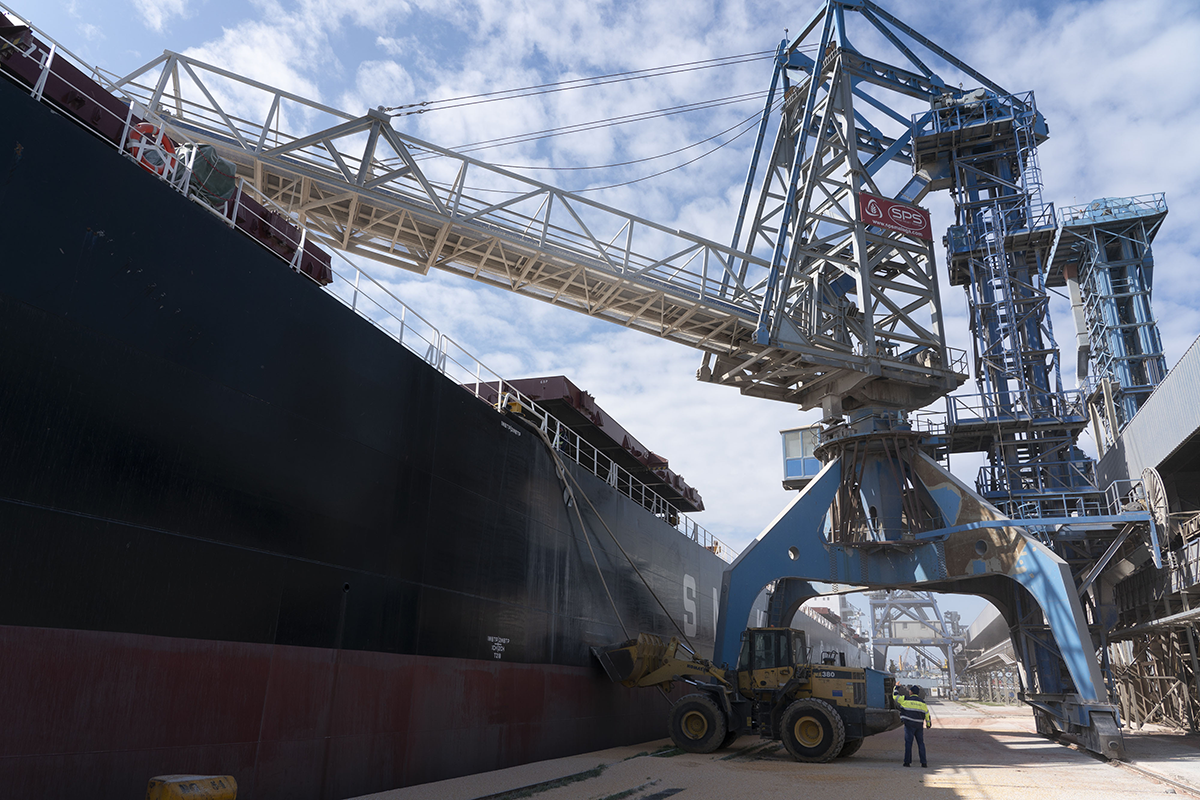
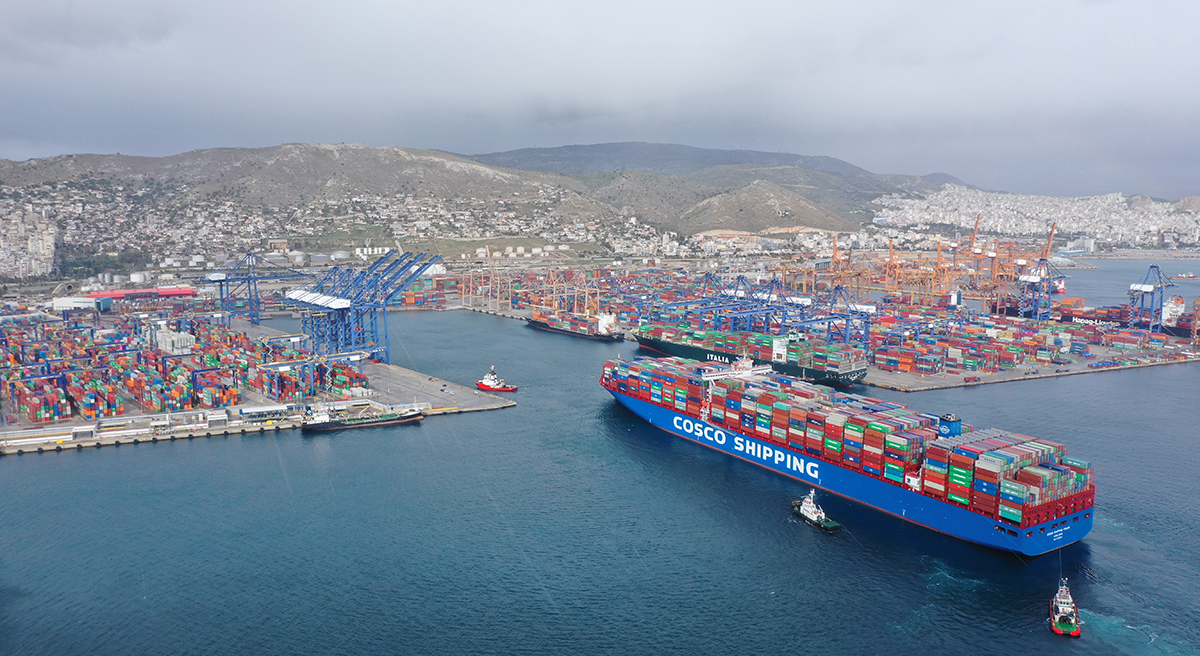
One of the most consequential changes in the Middle East’s geopolitical map is happening at the water’s edge. Along the entire eastern rim of the Mediterranean basin, global and regional actors are engaging in a spate of port capacity expansions, new private port construction, and the sell-off of major state-owned ports that will determine who sits atop the region’s global trade flows for decades to come. The international competition to rebuild Beirut’s port is one key puzzle piece in this larger process that is reconfiguring the Levant’s maritime commercial architecture and, as a consequence, the geopolitical contours of the Middle East.
The possibility that the Lebanese government could opt for China to reconstruct Beirut’s port has raised alarm in Washington and European capitals given China’s already outsized commercial port presence in Egypt, Israel, and Greece. Increased Chinese involvement in Lebanon’s port operations could consolidate Beijing’s hold over the commercial connectivity architecture of the Levant. Re-orienting global commercial flows between Europe, the Middle East, and Asia according to Beijing’s priorities would make China’s Belt and Road Initiative a dominant organizing principle in the international relations of the Middle East. The most effective way to offset China’s ambition may be to facilitate Mediterranean rivals France and Turkey to jointly rebuild Beirut’s port.