The potential impact of Ukraine-Russia conflict on the MENA region
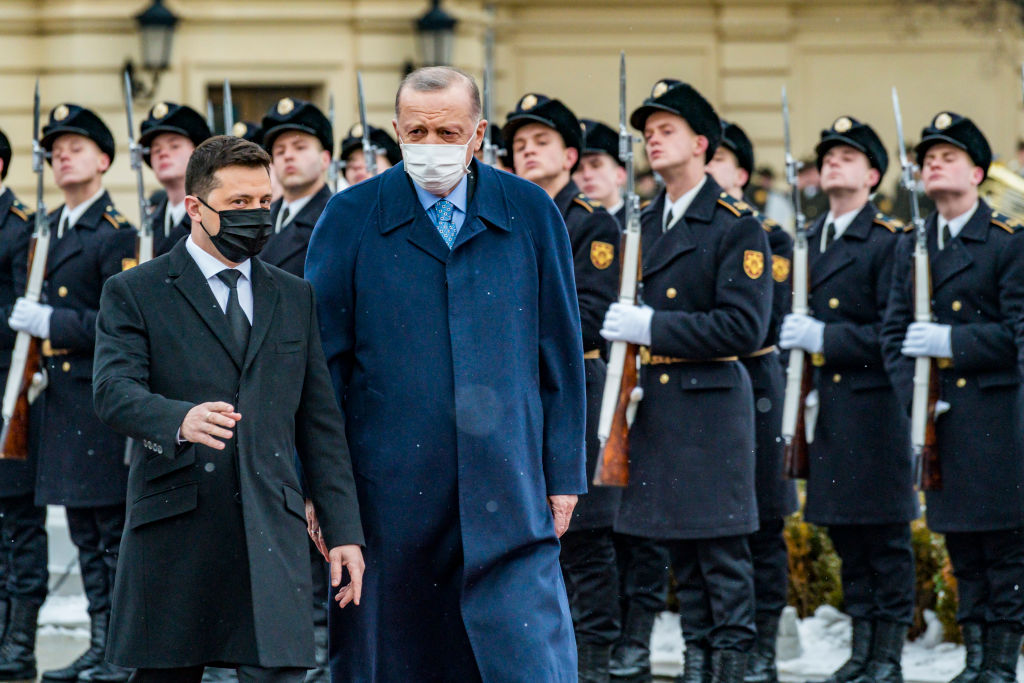
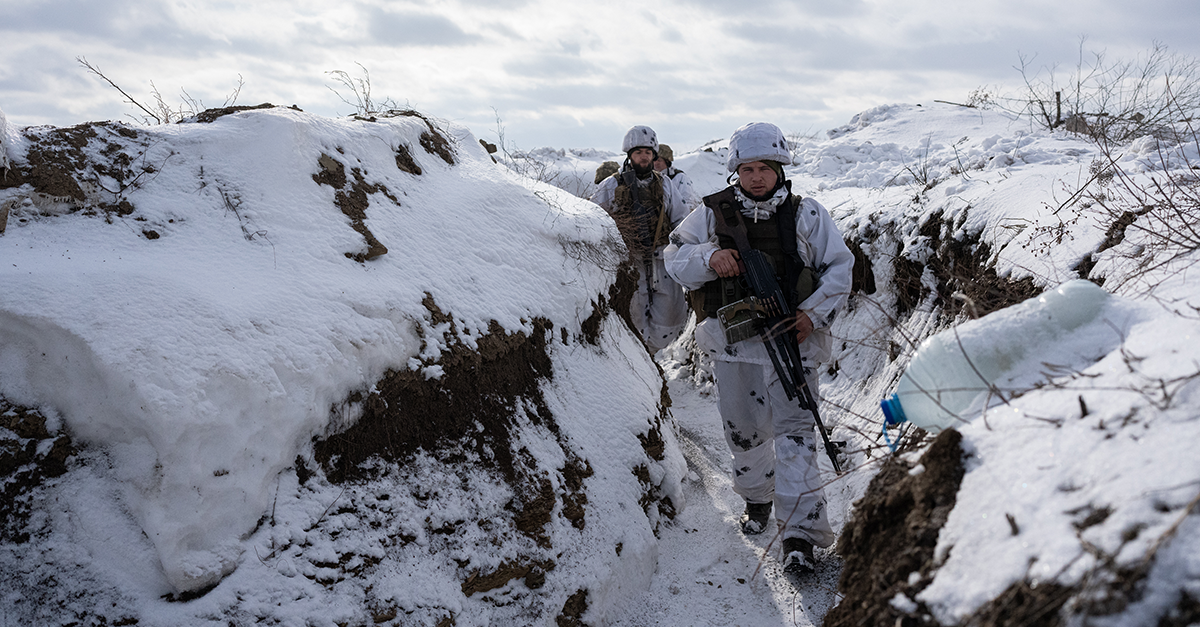
The Black Sea basin has become a flashpoint due to Russia’s interventions in Georgia and Ukraine. This has implications not only for European security, but also for Mediterranean security as well. There are three key areas where the MENA region will be affected by a large-scale confrontation between Russia and Ukraine: energy, agriculture, and refugees.
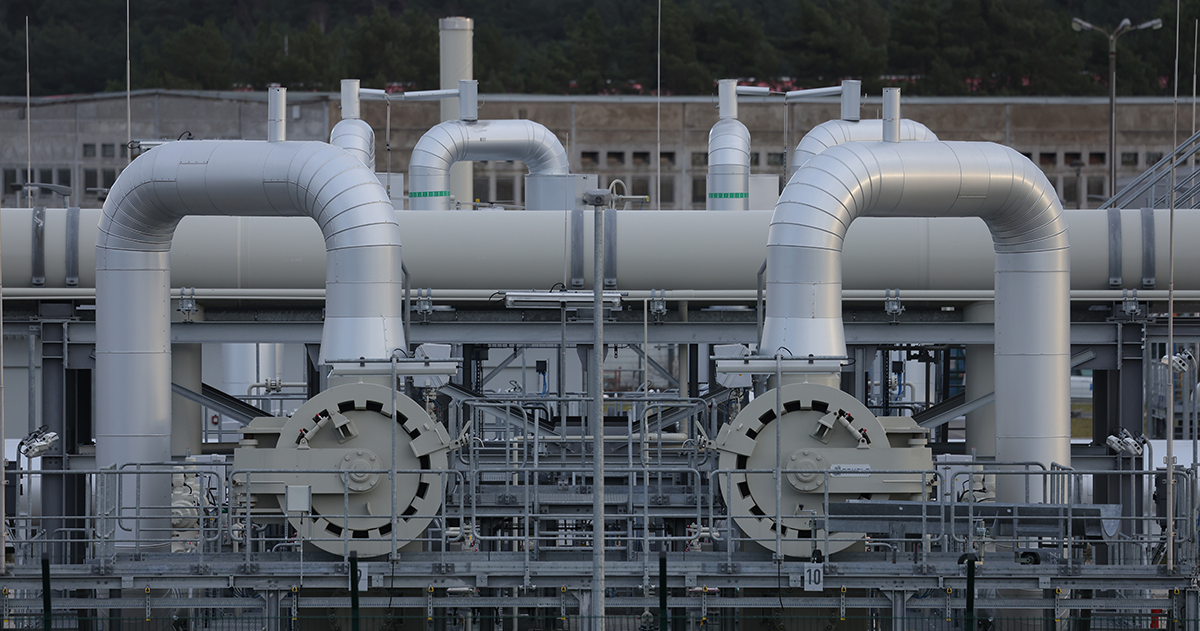
Qatar is no short-term savior, but it may still play a role in strengthening EU energy security
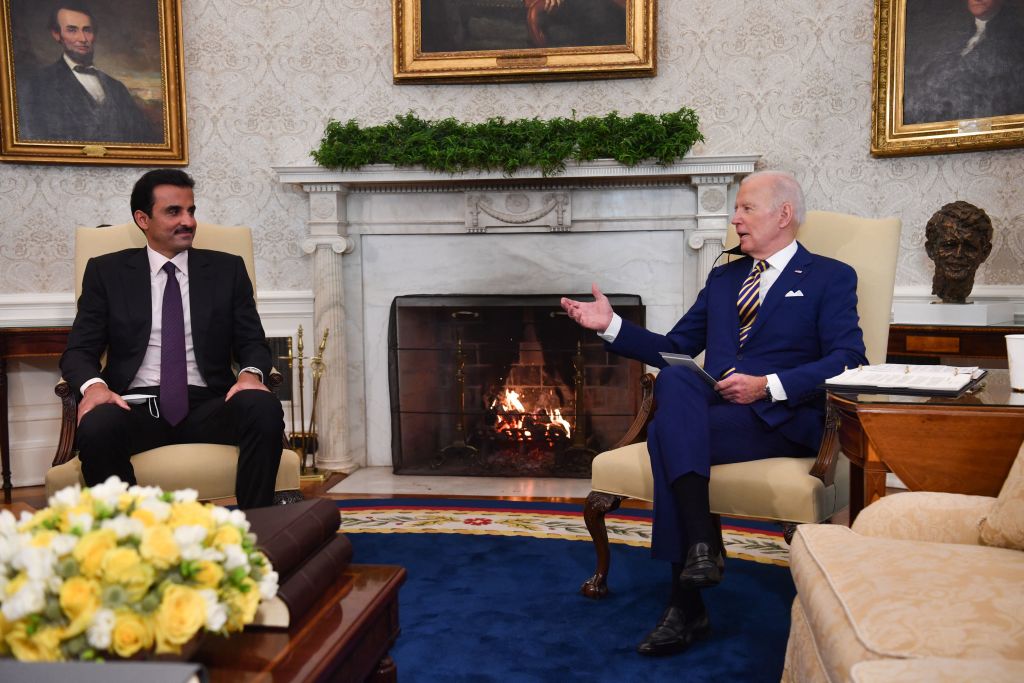
The U.S. request for Qatari assistance in ensuring the EU’s energy security in case of a Russian supply disruption should be perceived as a political gesture of support addressed to Western allies and a warning to Russia. In reality, however, the American request is just one factor in Qatar’s calculations as it considers increasing its energy exports to Europe, and Doha’s final decision will be determined by an intricate combination of long-term economic and political considerations. In this equation political reasons may not be dominant and economic drivers will not always be in the West’s favor.
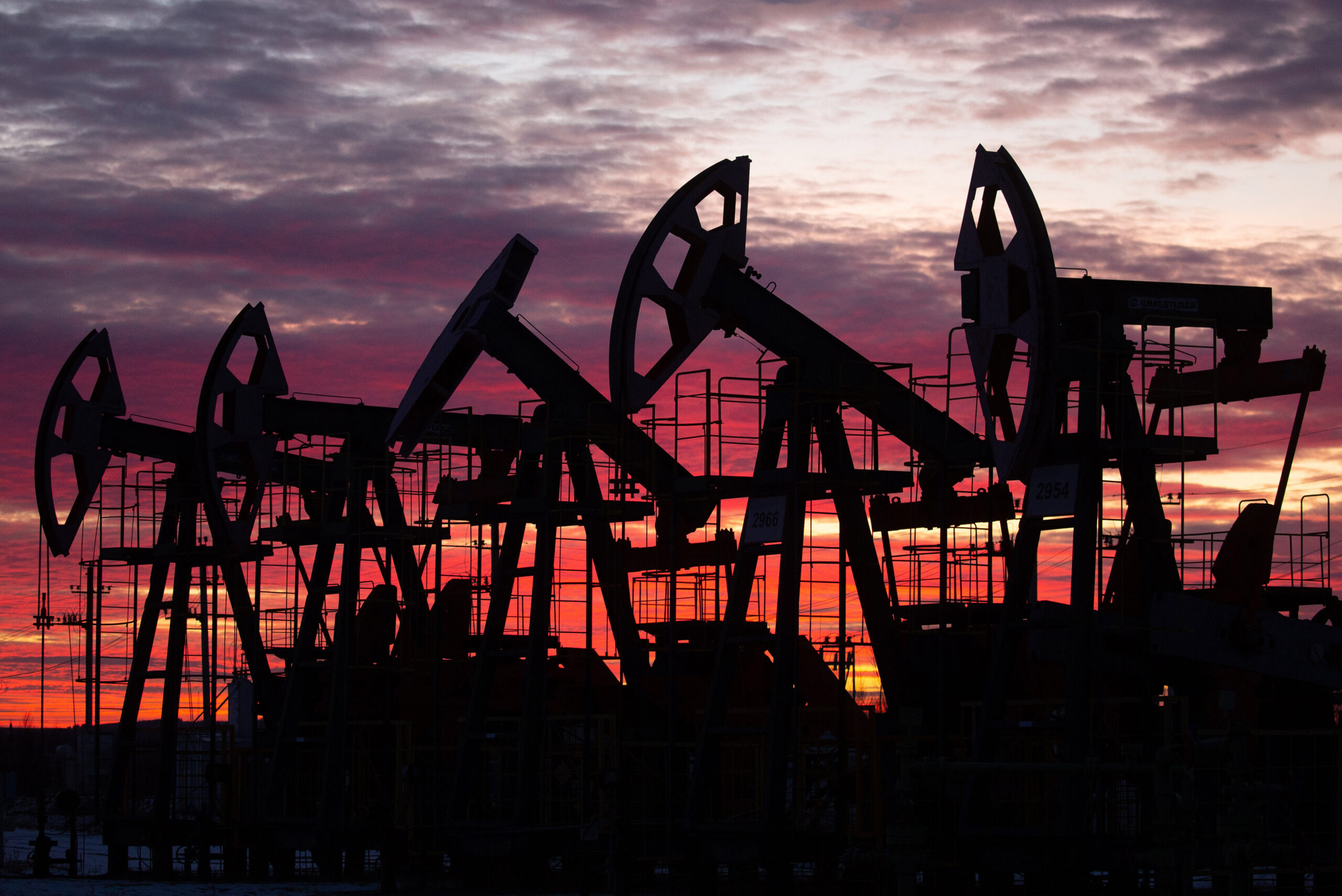
The Program on Economics and Energy asked our non-resident scholars and advisory council members for their outlook for 2022 on some pointed energy questions. Topics include oil prices, Iran’s production, OPEC+ output targets, and the adequacy of current SWF savings levels.
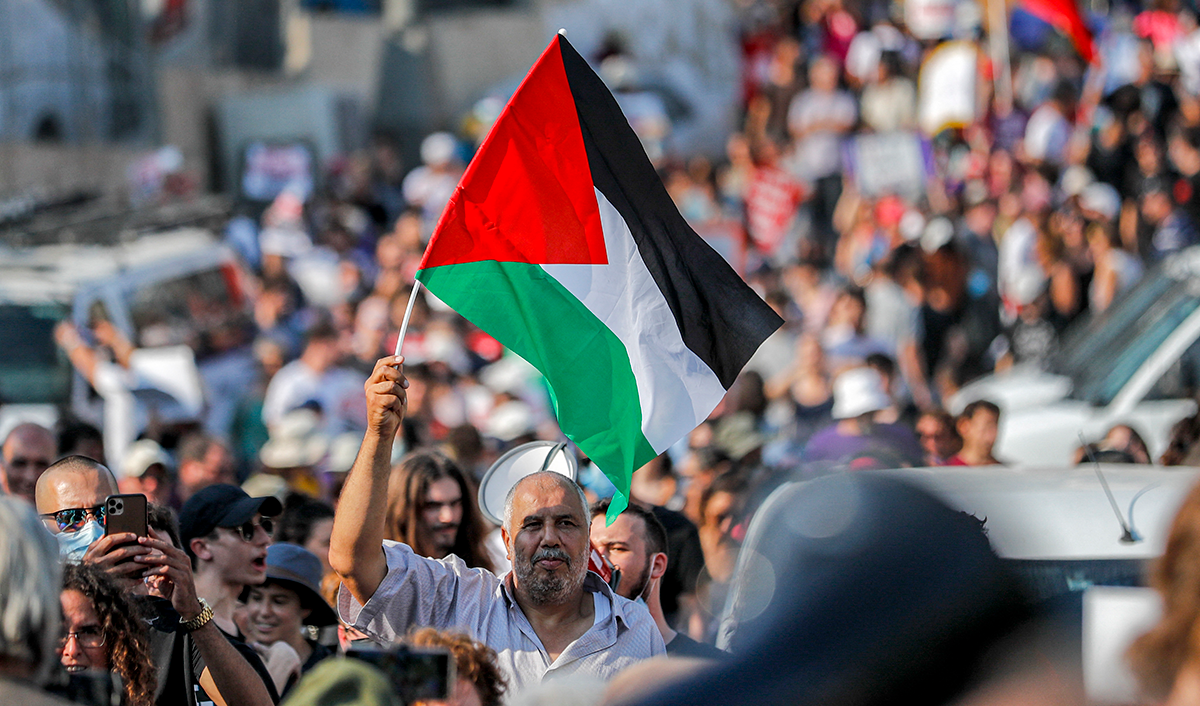
How the War on Terror paved the way for online censorship of Palestinians
In May 2021, the world watched in horror, as Israeli police evicted the Palestinian residents of Jerusalem’s Sheikh Jarrah neighborhood against their fervid resistance. Meanwhile, another fight was raging: that of narrative power. As journalists, citizen activists, and human rights organizations attempted to document Israel’s brutal crackdown, many found their communications subject to overzealous content moderation. Key social media posts were removed from influential platforms, including Twitter, Facebook, and Instagram, precisely when those posts were most crucial.
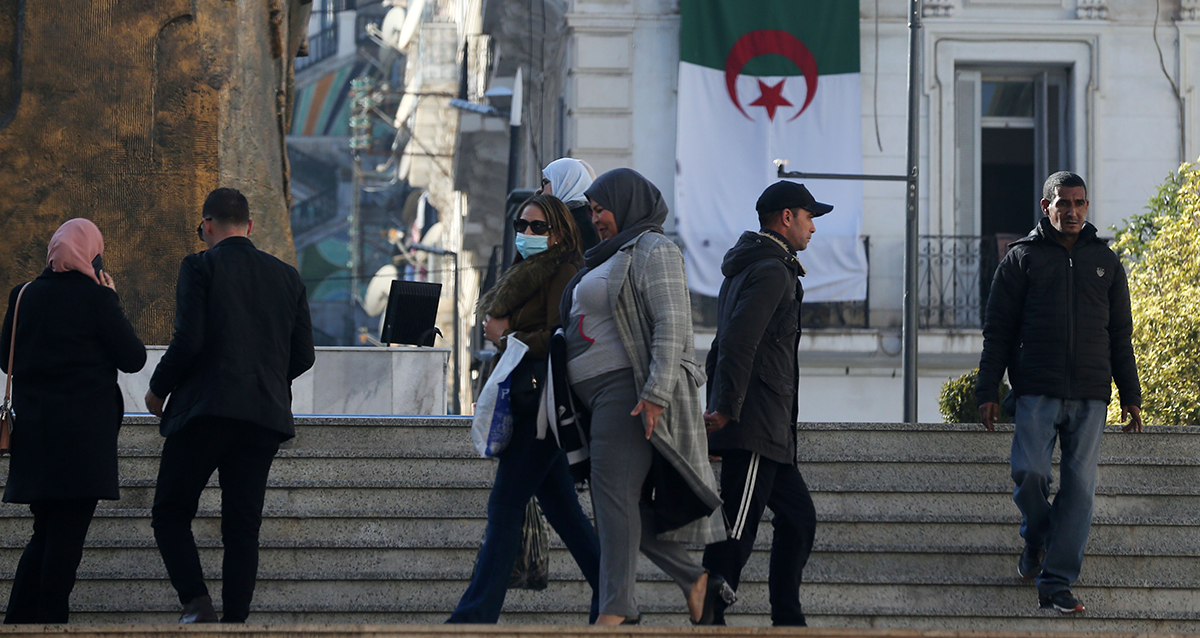
Algeria’s recurring food crises: The sign of an ailing economy
Beset by severe socioeconomic grievances, Algeria is now facing the most challenging economic situation since the 1988 October Riots, when thousands of young people took to the streets to protest an economic crisis caused by the decline in oil prices, austerity measures, and a youth bulge that led to mass unemployment. The latest food shortages are not the first, however, and given the administration’s current approach, they are unlikely to be the last. While the authorities have blamed business owners and even consumer behavior for the crisis, the underlying drivers are more systemic and structural.
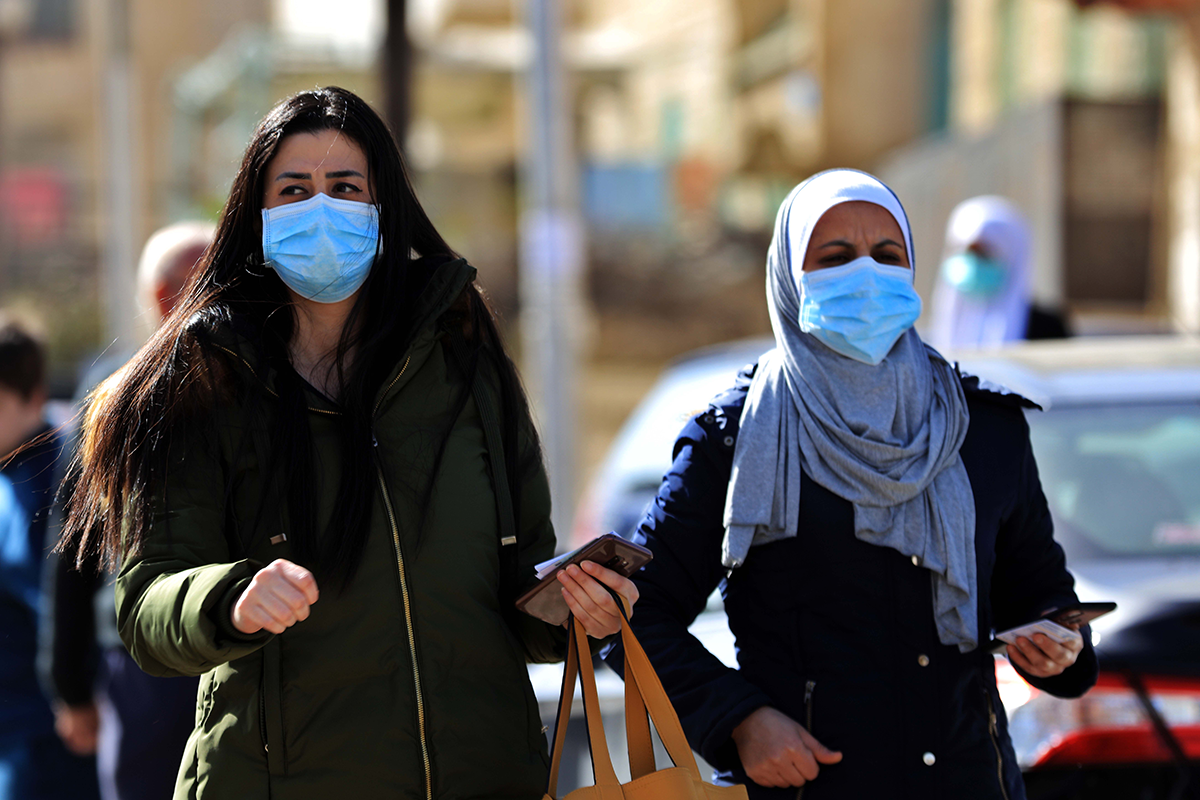
Women’s labor force participation and COVID-19 in Jordan
Jordan has the lowest rate of women’s economic participation of any country not at war. According to the ILO, the kingdom’s female labor force participation rate is below 15%, while that of men is about 60%. This is lower than rates of female labor force participation in neighboring Lebanon (23%), Saudi Arabia (22%), and the West Bank and Gaza (18%). As the COVID-19 pandemic stretches on, the government of Jordan should take the opportunity to expand the accessibility of remote work and corresponding opportunities for Jordanian women who aim to play a role in their nation’s economy.
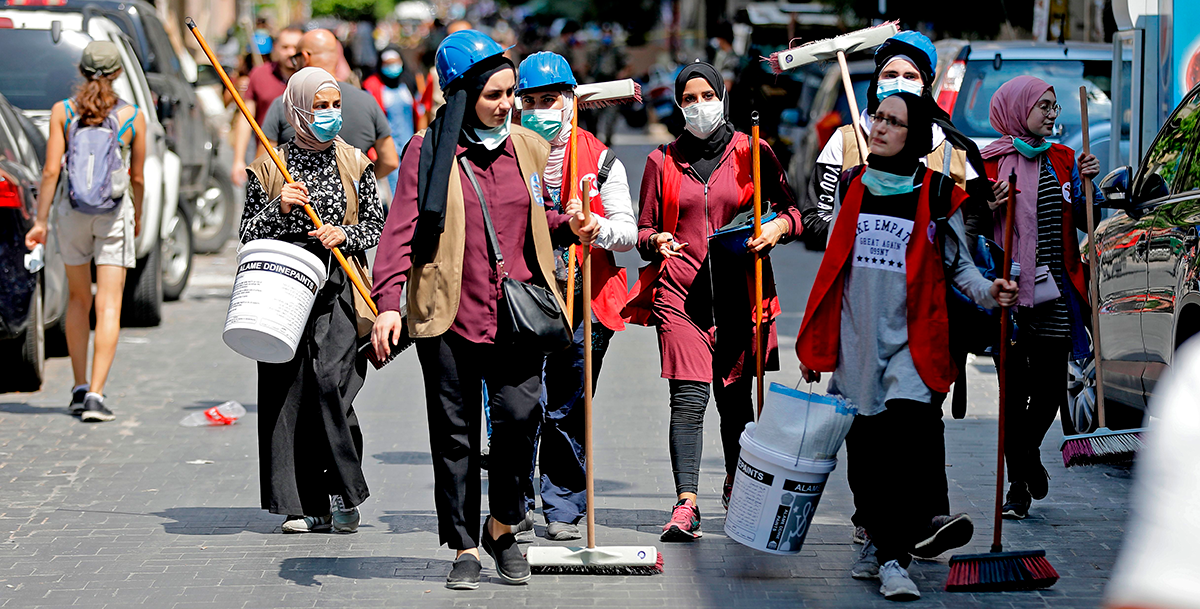
Helping the Lebanese People Move Toward Recovery: Recommendations for US Policy
Lebanon is currently at a crossroads as the government faces the daunting tasks of rebuilding the economy, restoring public trust, and clearing the way for free and fair parliamentary elections in May of 2022. The country finds itself spiraling downward — an agreement with the IMF is yet to be realized, poverty and emigration are increasing, and there are growing threats to stability due to a failing economy and widespread corruption. Given this critical situation, it is worthwhile to review U.S. interests in Lebanon’s survival and consider key recommendations for U.S. policy to help Lebanon avoid complete collapse and help the Lebanese people move toward economic recovery, political legitimacy, and a more capable, transparent, and sovereign state.
For Gulf producers, decarbonization does not mean zero oil production
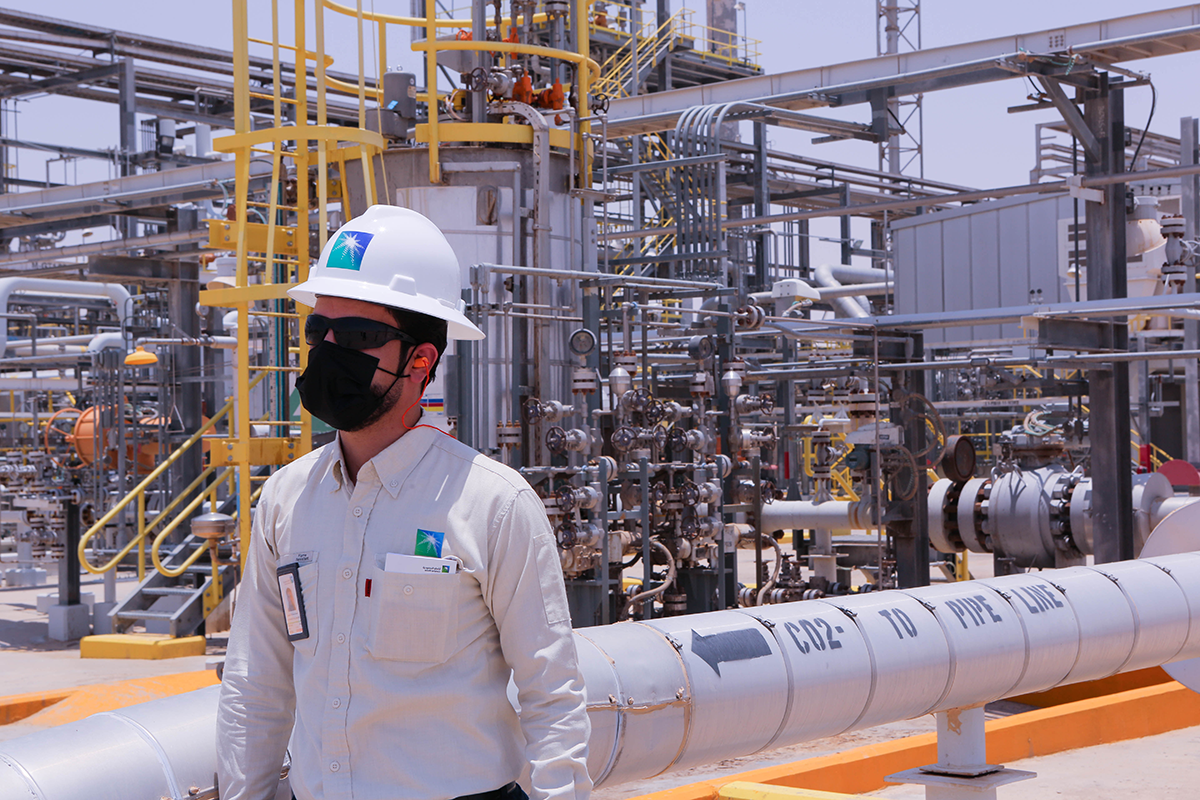
Gulf oil producers do not envisage a post-2050 world devoid of hydrocarbons, even though two of the region’s biggest producers, the UAE and Saudi Arabia, have committed to net-zero carbon emissions by 2050 and 2060, respectively. Reconciling their future environmental commitments with their current reliance on hydrocarbons is going to be an arduous and expensive journey that starts with decarbonizing their oil and gas production to reduce their carbon footprint and increasing their domestic green energy production. With demand for oil and gas forecast to continue post-2050 — albeit at lower levels than now — their net-zero target does not equate to zero oil and gas production. Instead, their transition will differ from that of other countries and will happen at a different pace.
Saudi Arabia has undergone tremendous social change in recent years, but it has struggled to make good on some of its more ambitious financial goals. Much of the promised foreign direct investment has yet to arrive, and the kingdom’s growth agenda has drained its foreign reserves. Most of Mohammed bin Salman’s more eye-catching promises, including futuristic urban megaprojects, remain unfinished.
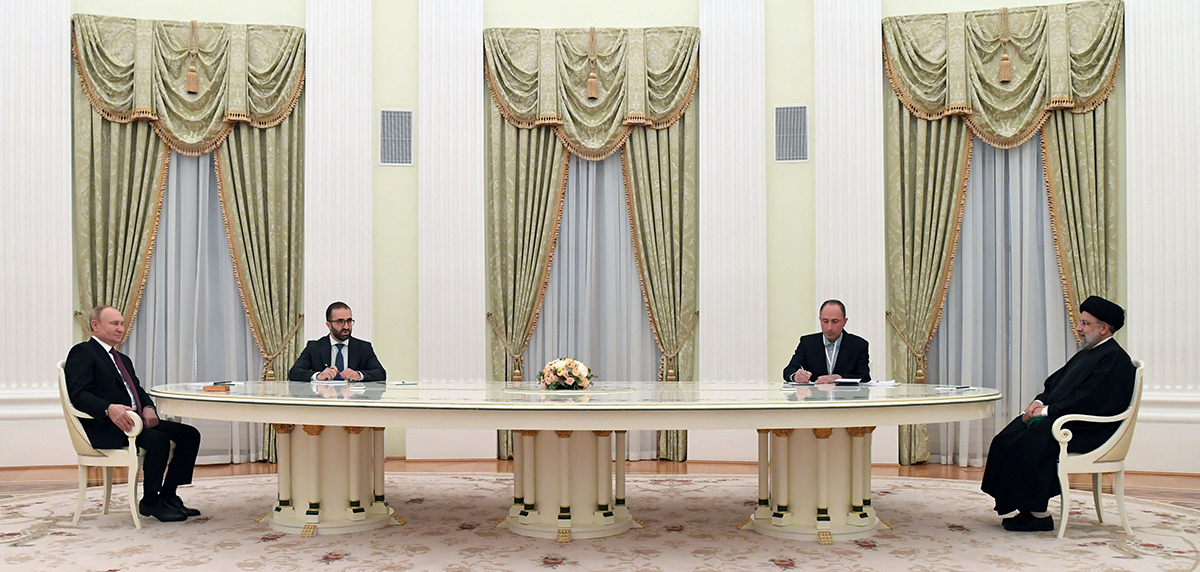
Since the fall of the Soviet Union and the rise of Vladimir Putin in the 1990s, military and economic relations between Iran and Russia have improved, as their tensions with the West have intensified. One aspect of the relationship that has received little attention is their growing economic and trade cooperation involving the production, export, and import of halal meat and other products since 2015.
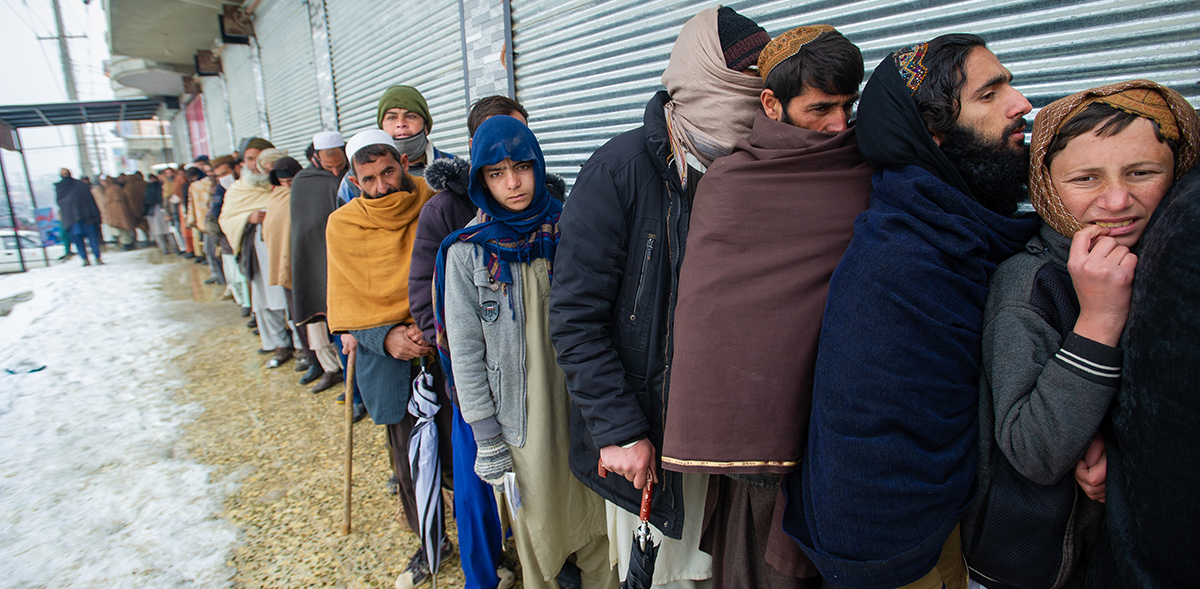
On Jan. 13, U.N. Secretary-General Antonio Guterres expressed alarm that millions of Afghans are on the “verge of death” thanks to a lethal brew of “freezing temperatures and frozen assets.” This was no idle warning. Notwithstanding the decline in fighting following the Taliban’s victory in August 2021, Afghanistan’s economy is in a deepening spiral of impoverishment and destitution.
Raisi's shrinking budget cements the Islamic Republic's "trinity"
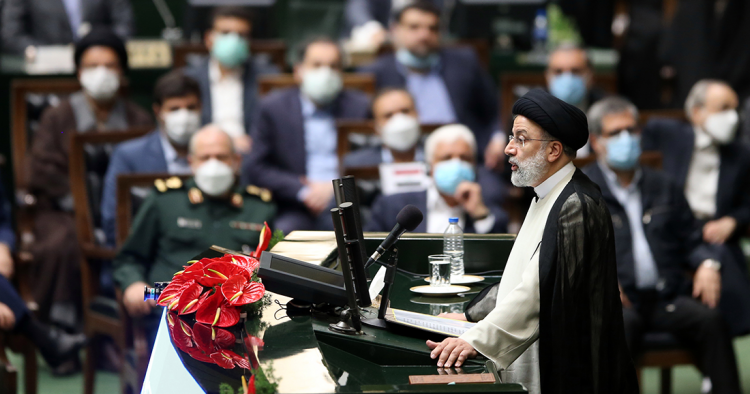
Iran’s new president, Ebrahim Raisi, has presented his first draft budget bill for the upcoming Iranian year (1401), which starts on March 21, 2022. Rather than facilitating a much-needed economic recovery, the proposed budget is designed to strengthen the regime’s power base and impose austerity while keeping society under control.
الخليج لديه معضلة الجيل الخامس والـOpen RAN هو المفتاح لسيادته التقنية
إن التوترات الاقتصادية والسياسية القائمة منذ فترة طويلة بين الولايات المتحدة والصين تستمر في الامتداد إلى قطاع التكنولوجيا، حيث جعلت القوتان العظمتان هذه الصناعة الحيوية أكثر من أي وقت مضى مسرحًا لحرب باردة جديدة. يبدو أن حدة التوتر ستزداد سوءًا في الفترة القادمة، مما قد يؤدي إلى ما وصفه البعض بانشقاق العديد من العُقَد المترابطة فيما يتعلق بتصنيع التكنولوجيا وتطويرها.