Joining the pieces together: Toward a comprehensive EU maritime approach for the Northwestern Indian Ocean, Persian Gulf, and Red Sea
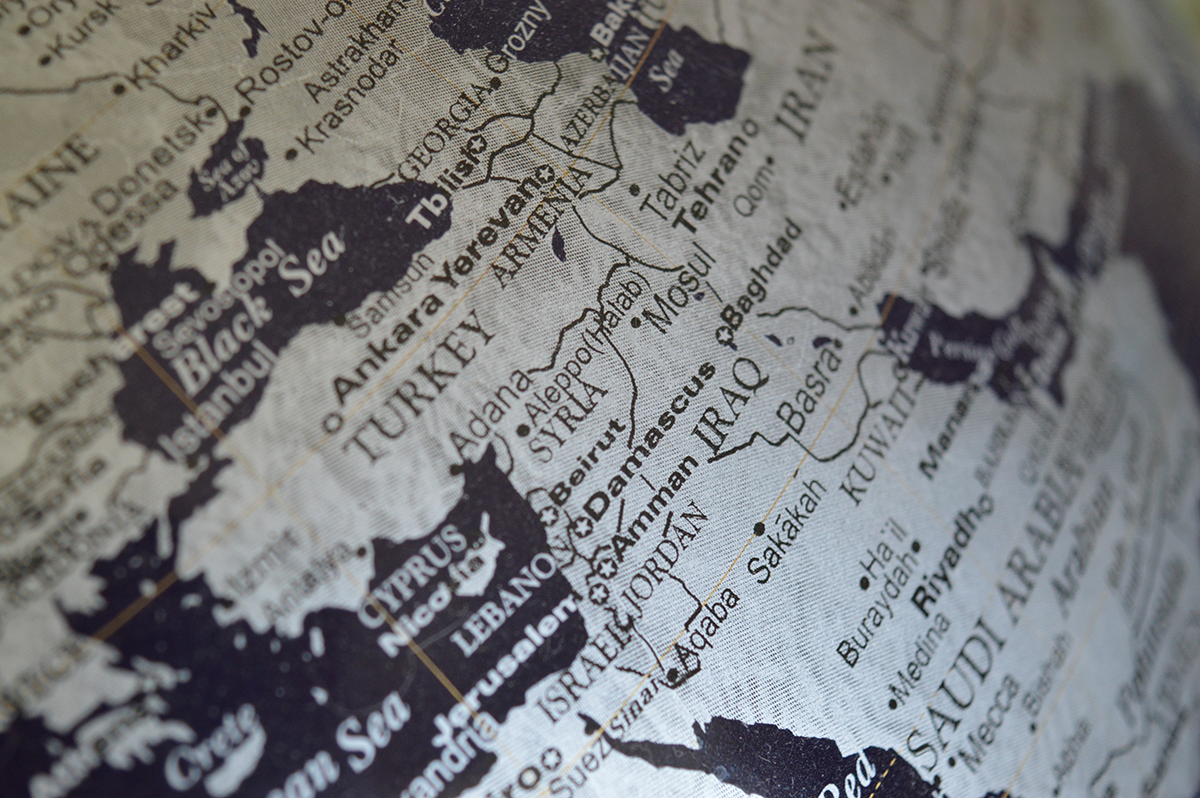
Until recently, the EU has favored a piecemeal approach toward the Northwestern Indian Ocean, the Gulf, and the Red Sea, despite their close interdependence and inter-connectedness in the security, political, and economic realms. But the EU is now signaling a growing desire to steer its naval policy toward a more holistic and organic process, creating an opportunity for Brussels to become a more relevant security actor in the waters off the Arabian Peninsula.
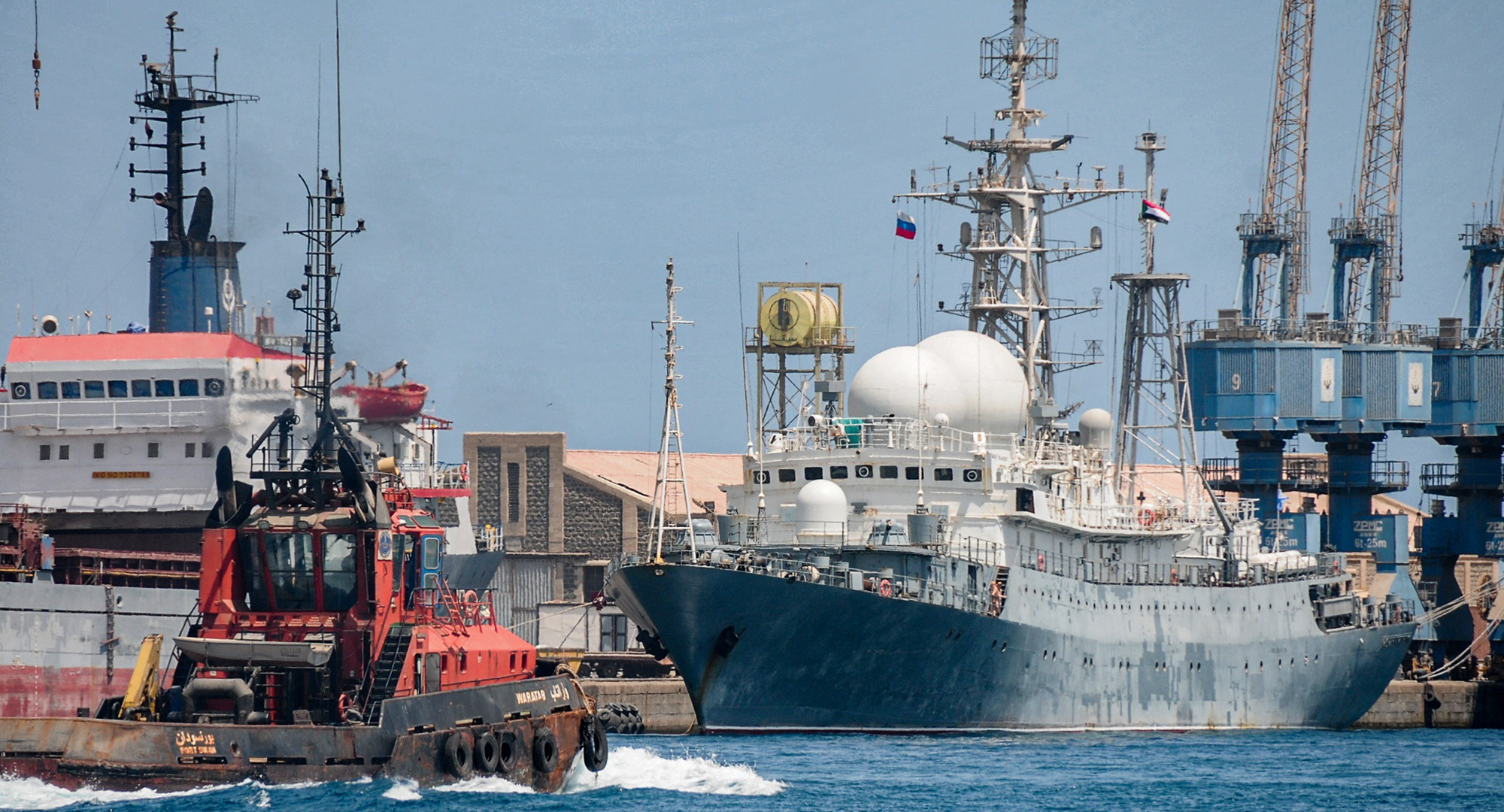
As fighting in Sudan rages, Russia’s primary goal is to ensure authoritarian rule
Although Russia has vested interests in the Burhan-Hemedti conflict, it is unlikely to actively pursue a blanket destabilization strategy in Sudan. Instead, it is likely to balance close ties with both warring parties and continue actively opposing a democratic transition in Sudan.
The 2023 National Cybersecurity Strategy: How Does America Think About Cyberspace?
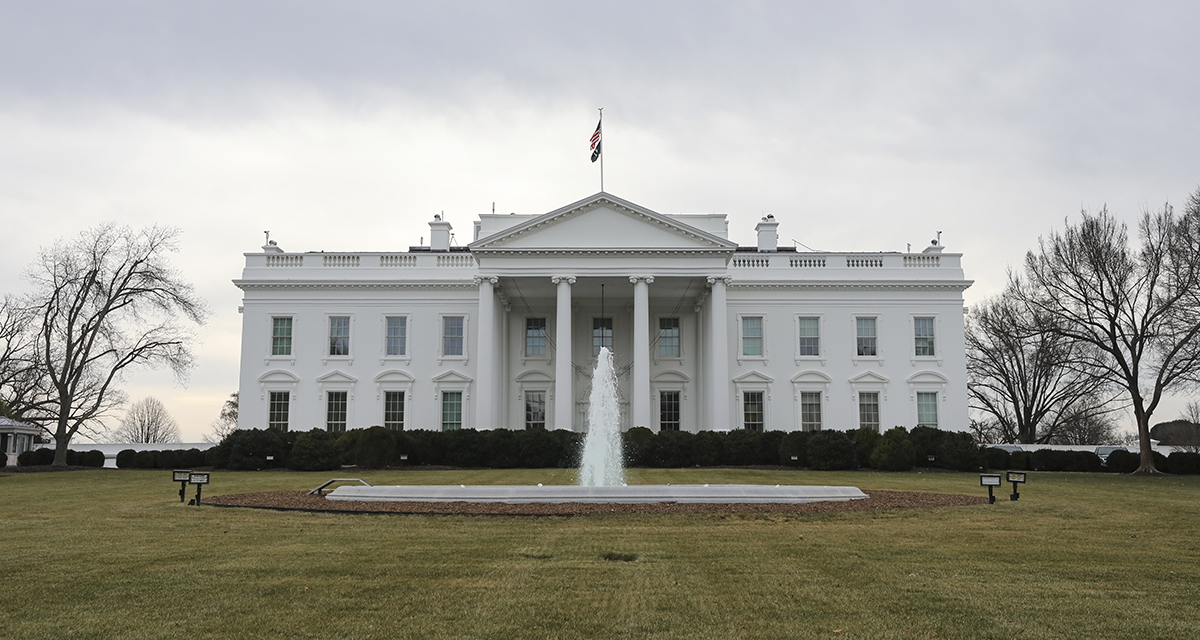
The Biden administration’s National Cybersecurity Strategy, released on March 2, 2023, revamped the U.S. approach to cyberspace and underlined the ways in which the government aims to build a more resilient, defensible, and values-aligned cyberspace. What does the strategy mean and what opportunities might it present for U.S. partners and allies in the Middle East?
What Does the US-China Tech Cold War Mean for the Middle East?
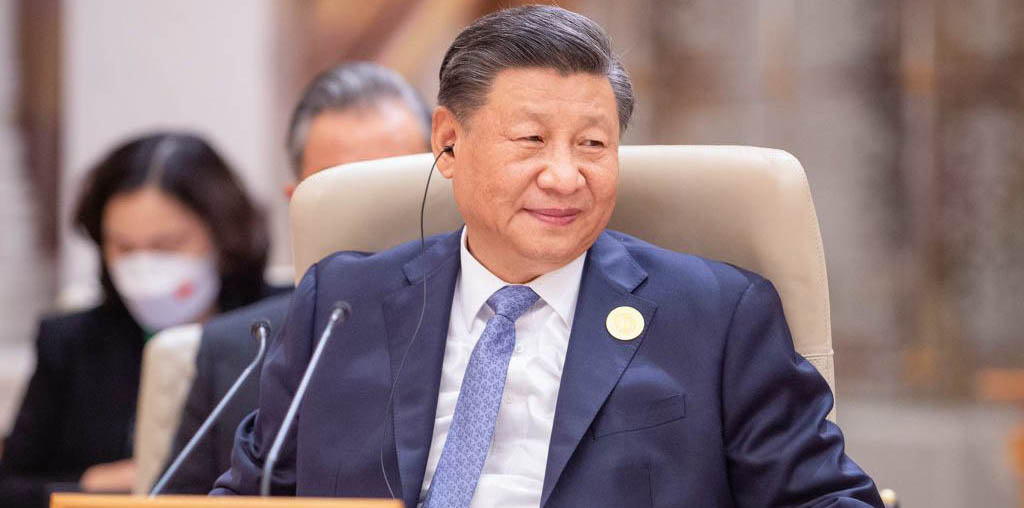
On this week’s episode Alistair Taylor, MEI’s editor-in-chief, is joined by Mohammed Soliman, director of MEI’s Strategic Technologies and Cyber Security Program, to discuss the US-China tech Cold War and what it means for the Middle East. At the nexus of great power competition and rapid technological advances in areas like semiconductors and AI, the rivalry between Washington and Beijing is fuelling a longer-term process of economic and technological decoupling. Navigating this growing divide will be a key challenge for regional actors across MENA.
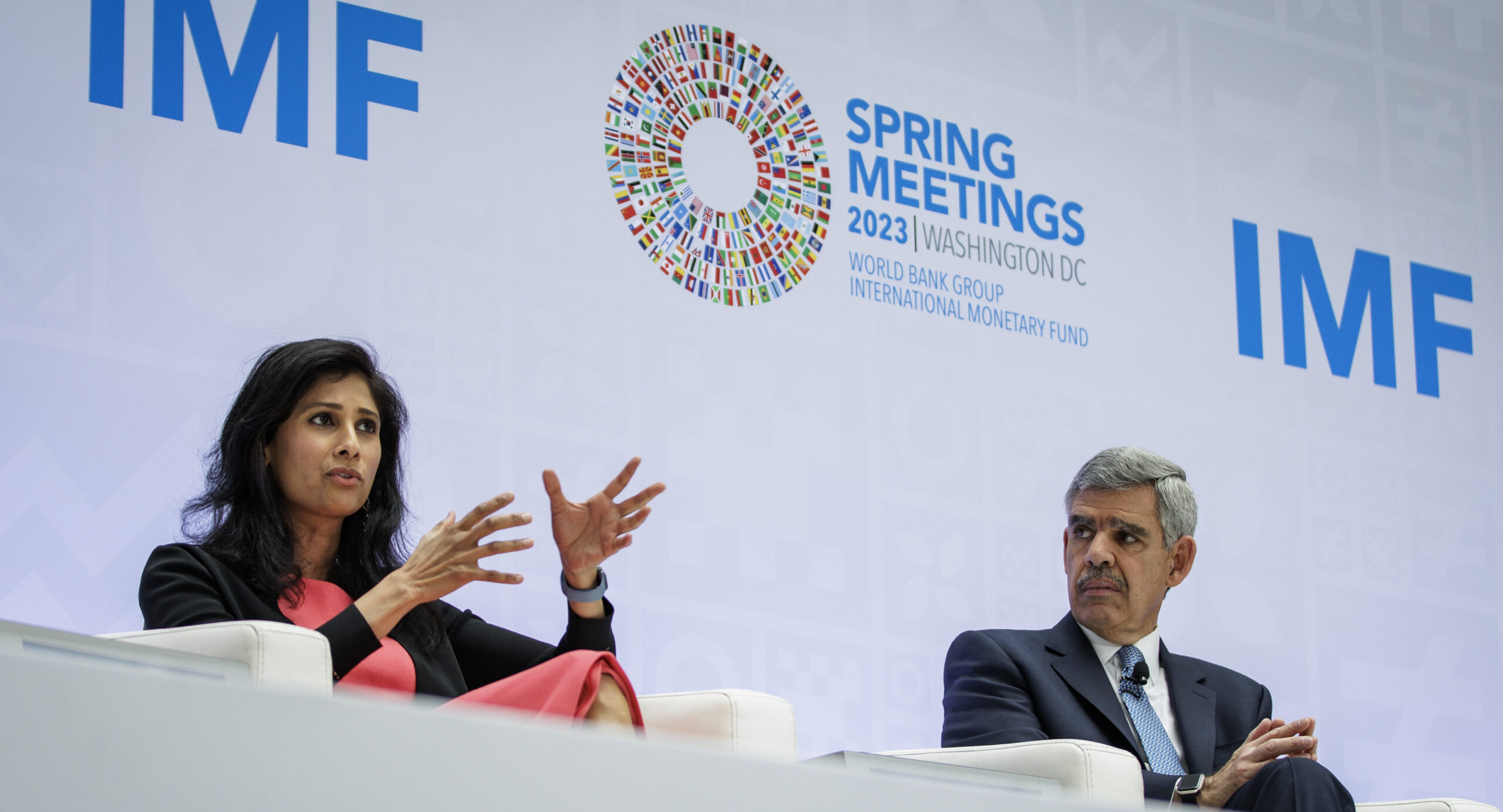
The road to Marrakech: US-China tensions loom over IMF/WB spring meetings
Last week’s spring meetings of the IMF and World Bank in Washington, D.C., were an important occasion for financial and economic leaders from the MENA region to meet with their counterparts from these IFIs and major bilateral donor countries. At the same time, they serve as a lead up to the important Annual Meetings that will be held in Marrakech, Morocco, in the fall — the first time they will be hosted by an Arab or African country.
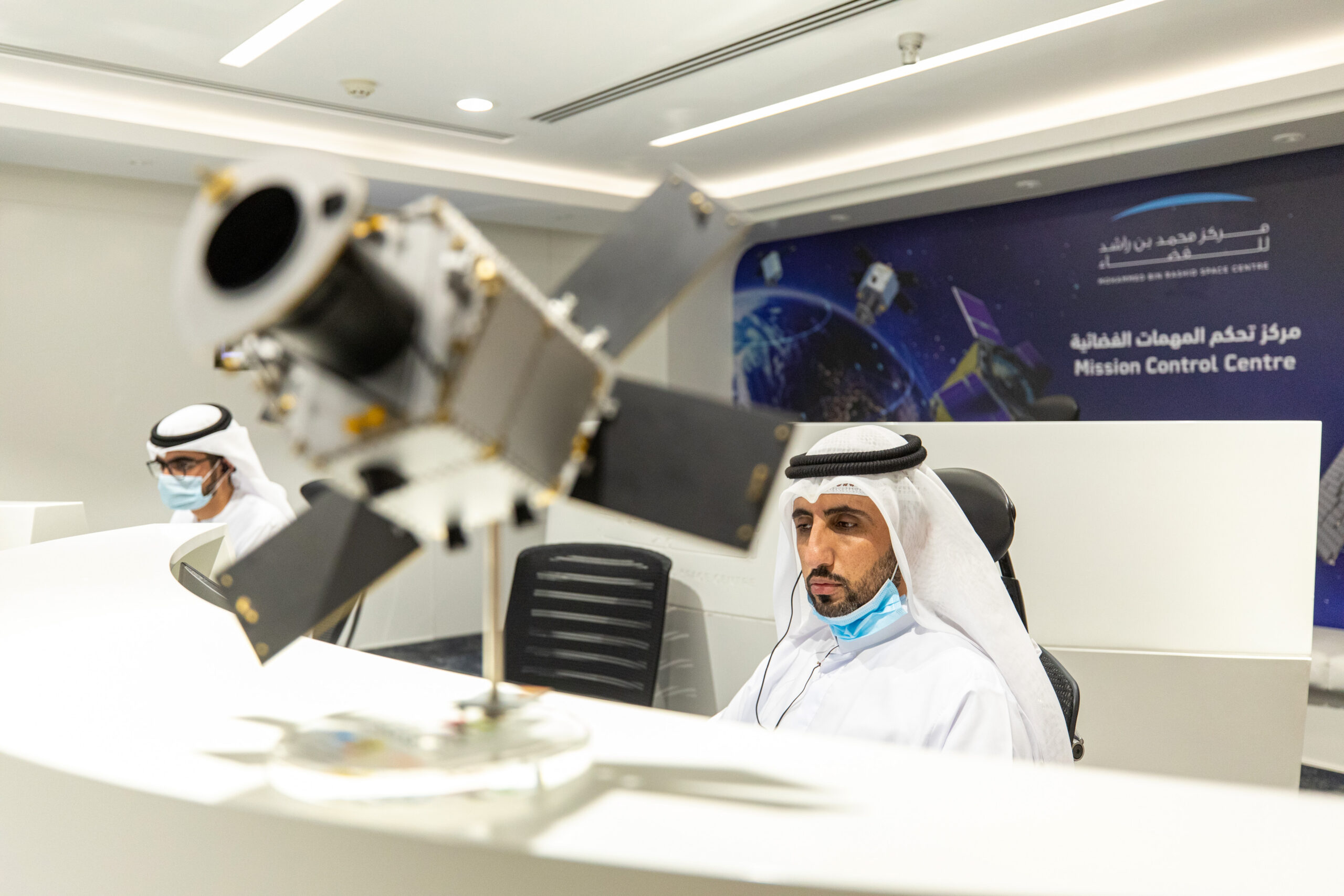
In the Middle East, the Gulf states — working together and on their own — are looking to achieve new scientific and commercial breakthroughs in various areas of the space industry. These ambitions carry major geopolitical implications with them, as an ever-growing number of spacefaring countries negotiate a sensitive and increasingly high-powered sector.
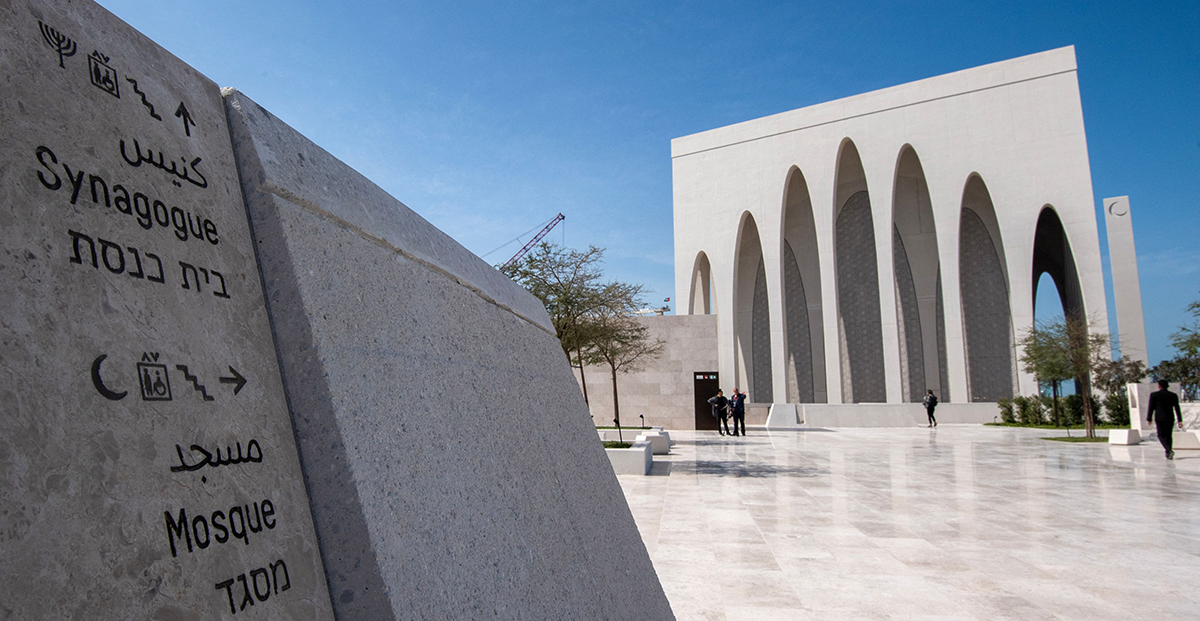
Passover, Ramadan, and Easter coincide this year, a phenomenon that only occurs a few times a century. The alignment of these Jewish, Muslim, and Christian holy days comes at a time when dialogue between the three faiths offers a glimmer of hope for a conflict-stricken Middle East.
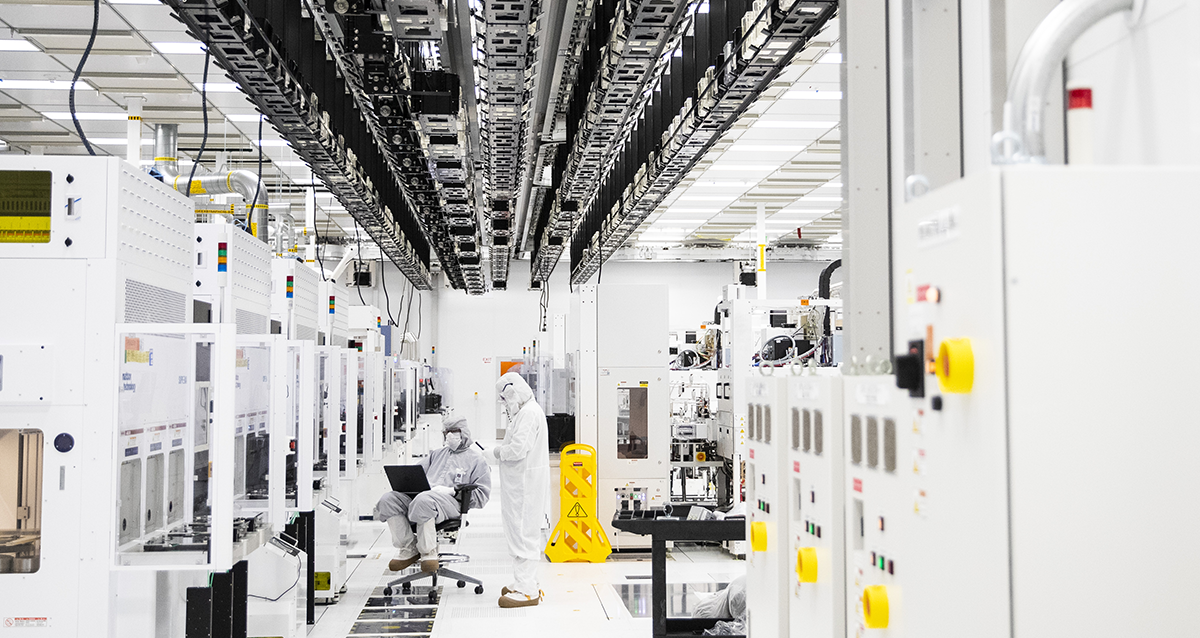
Washington and Beijing look at emerging technologies as a gateway to the new global order. Beijing wants to become an AI and innovation superpower, while Washington pursues a strategy of “tech containment” against Beijing. Chris Miller’s “Chip War: The Fight for the World’s Most Critical Technology” walks us through the history of the semiconductor industry and could not be more timely in light of the Biden administration’s decision to work with allies such as Japan and the Netherlands to limit China’s access to advanced chips with the strategic objective of slowing down Beijing’s technological innovation.
Dispatches from Delhi: India and the changing global order
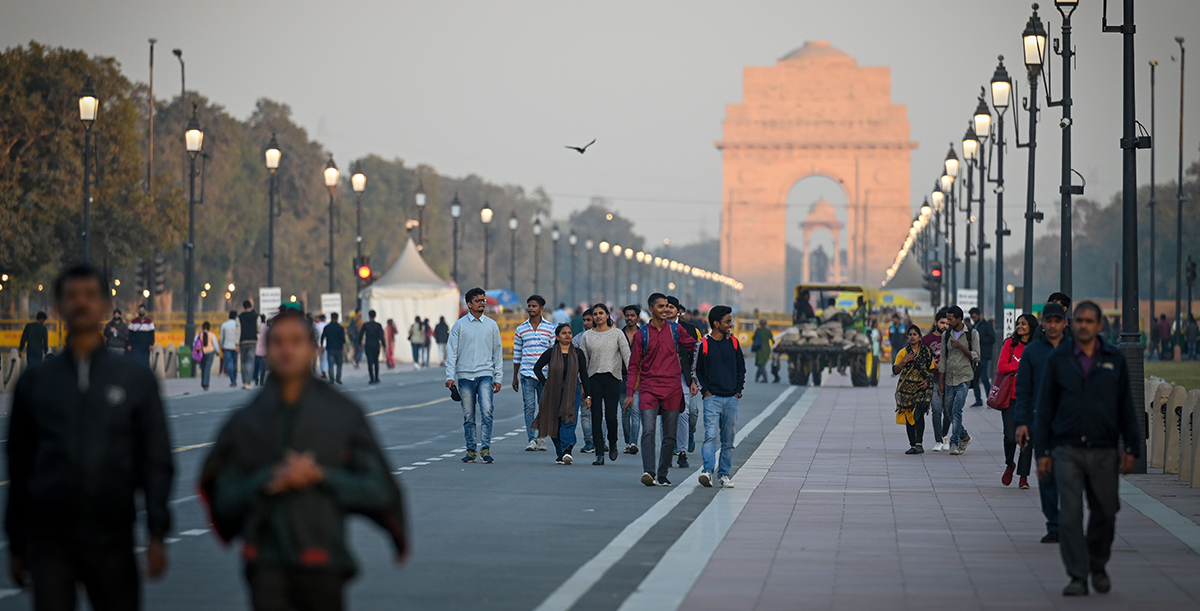
Delhi is one of the few capitals around the world that offers a representative view of the global order. After engaging with a wide variety of Indian policymakers and public intellectuals during a recent visit to India’s capital, I walked away with a better understanding of how Delhi is grappling with some of the main global issues.
By redefining and expanding the Asia-Pacific’s geopolitical dimensions, Abe Shinzō, the late Japanese prime minister, offered a geostrategic model that is now being realized across South Asia and the Middle East. With India at the center of this emerging West Asian ecosystem, Abe’s vision has begun to take shape.
An Arab Science Spring: Science, technology, and innovation in the Middle East
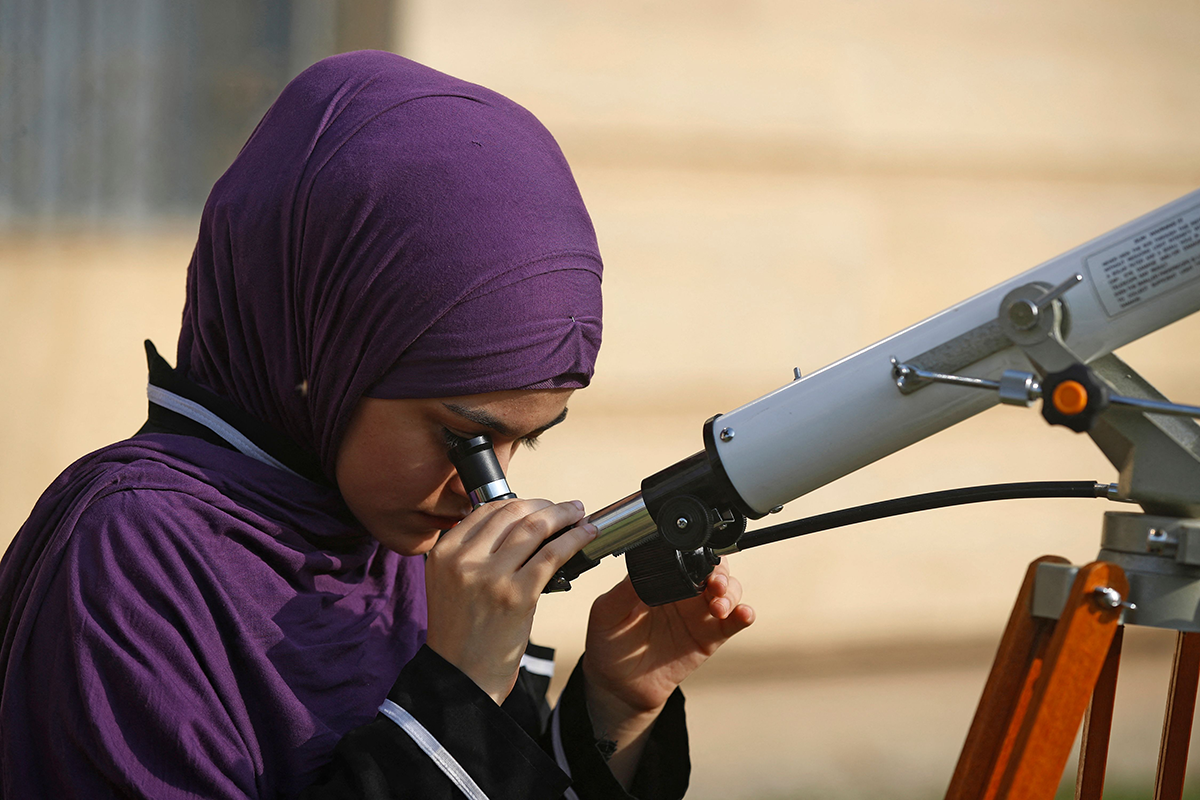
At present, the MENA region is a net importer of science, technology, and innovation (STI) products and a net exporter of STI talent. This was not always the case, however, as the Middle East has a rich history in science and needs to be put on a path back towards its historical zenith. An STI strategy for the region must focus on improving science education in universities, enhancing scientific research capacity, increasing financial support for R&D, and fostering regional and international scientific and educational cooperation.