Getting ahead of the Middle East’s climate refugee conundrum
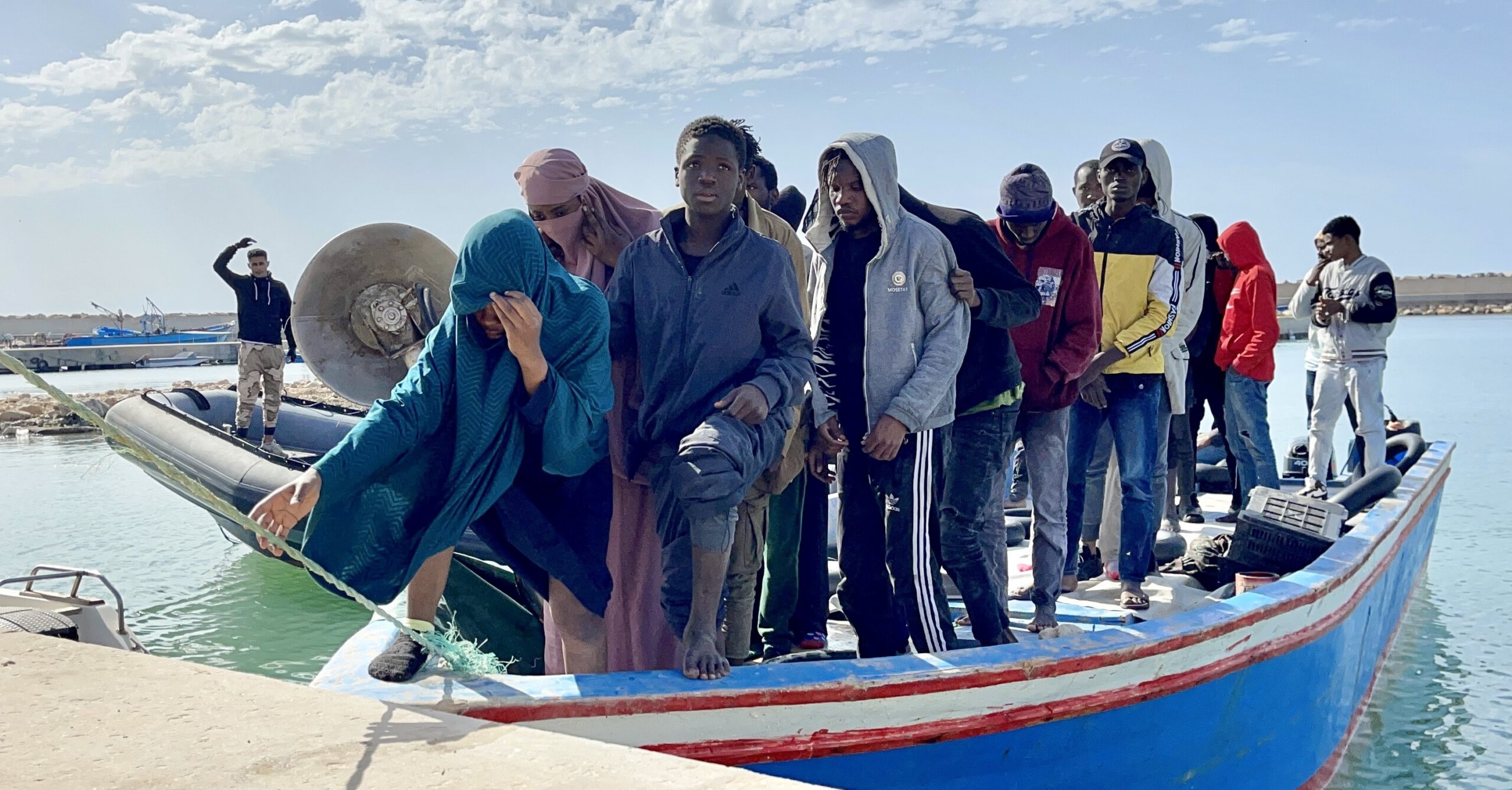
Over the coming decades, the worsening effects of climate change will increasingly displace many millions of vulnerable people in the Middle East and North Africa, and many of these refugees will attempt to relocate to the Global North. To avert such a monumental looming problem requires pragmatic solutions and their swift implementation.
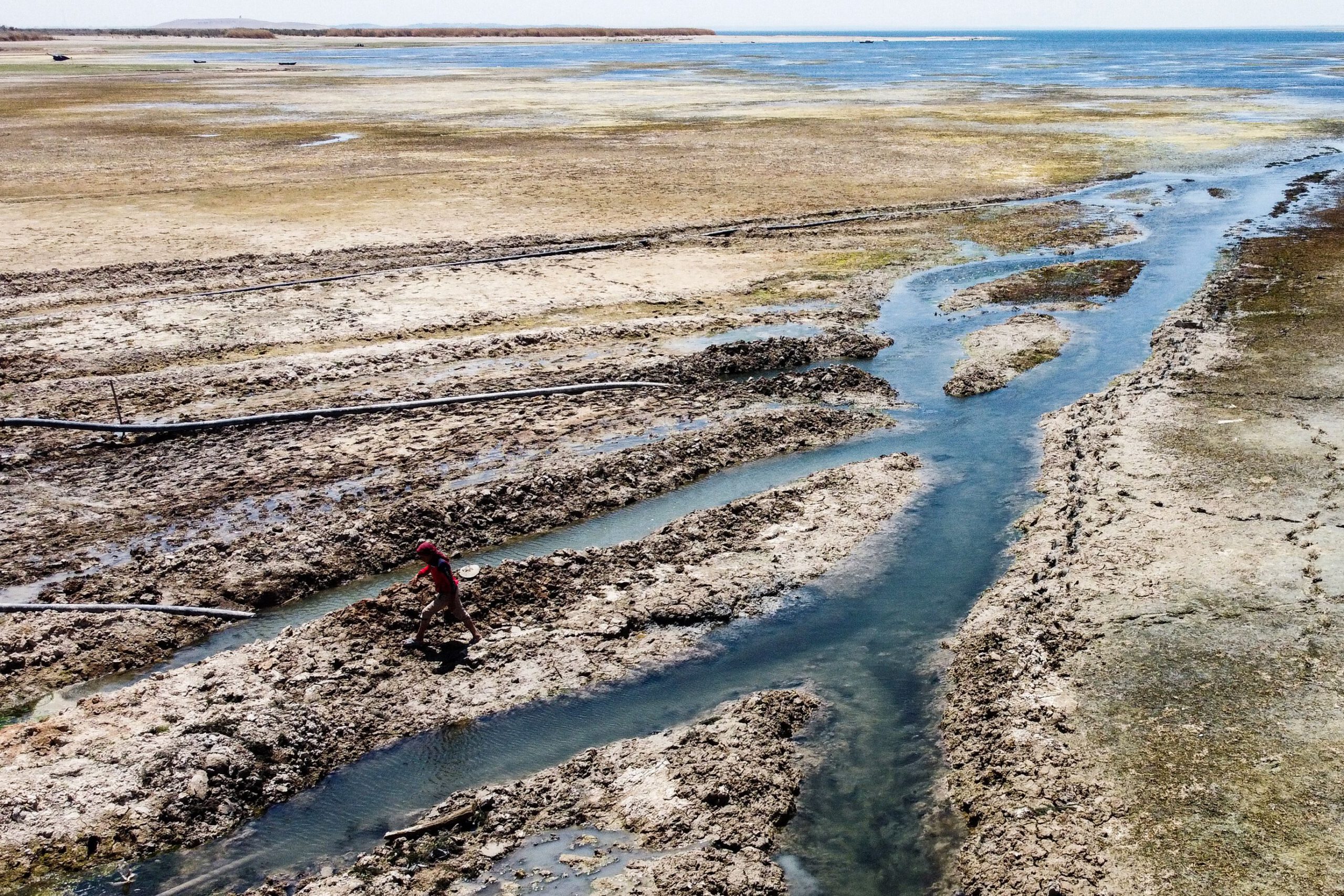
Fish Farmers in the Nile River Delta: Empty Lakes and Dirty Waters
Egyptian fish farmers are facing mounting pressures: Year after year, their fish are getting smaller and less healthy, their production decreases, and they are forced to take out loans they are later unable to pay back. The Egyptian government’s recent efforts to invest heavily in aquaculture, though intended to address future food shortages, may only worsen the position of local fish farmers in the Nile Delta by exacerbating the effects of urbanization and climate change while undercutting prices.
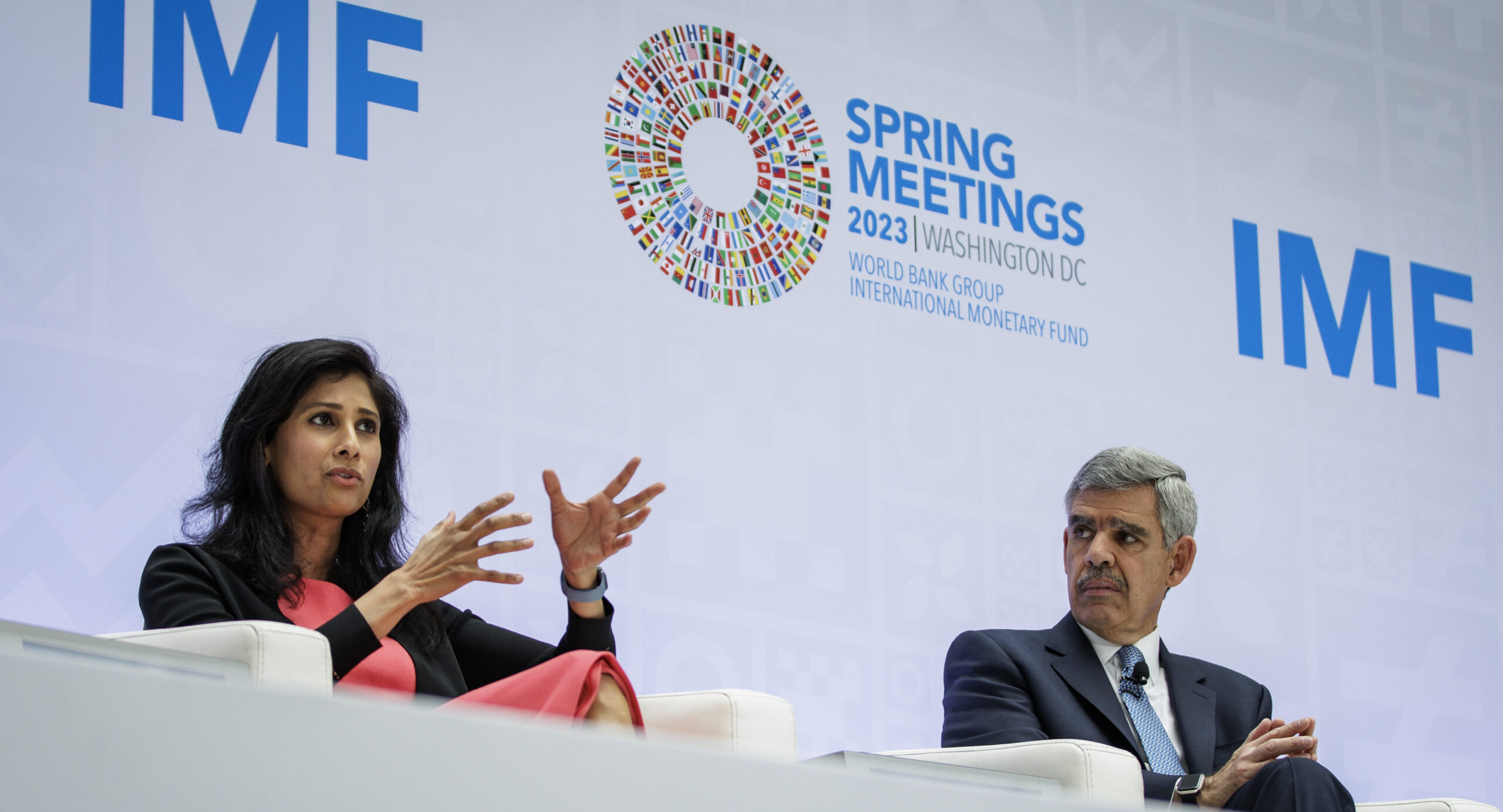
The road to Marrakech: US-China tensions loom over IMF/WB spring meetings
Last week’s spring meetings of the IMF and World Bank in Washington, D.C., were an important occasion for financial and economic leaders from the MENA region to meet with their counterparts from these IFIs and major bilateral donor countries. At the same time, they serve as a lead up to the important Annual Meetings that will be held in Marrakech, Morocco, in the fall — the first time they will be hosted by an Arab or African country.
Earth Day: Environmental Opportunities and Challenges in the Middle East
April 22 marks the annual observation of Earth Day, a day dedicated to raising awareness on issues of environmental conservation and protection. Mohammed Mahmoud, director of MEI’s Climate and Water Program is joined by Alicia Dauth to discuss recent global and regional developments regarding the current climate crisis and their implications towards preserving the earth’s environment, with a special focus on opportunities and challenges for the Middle East.
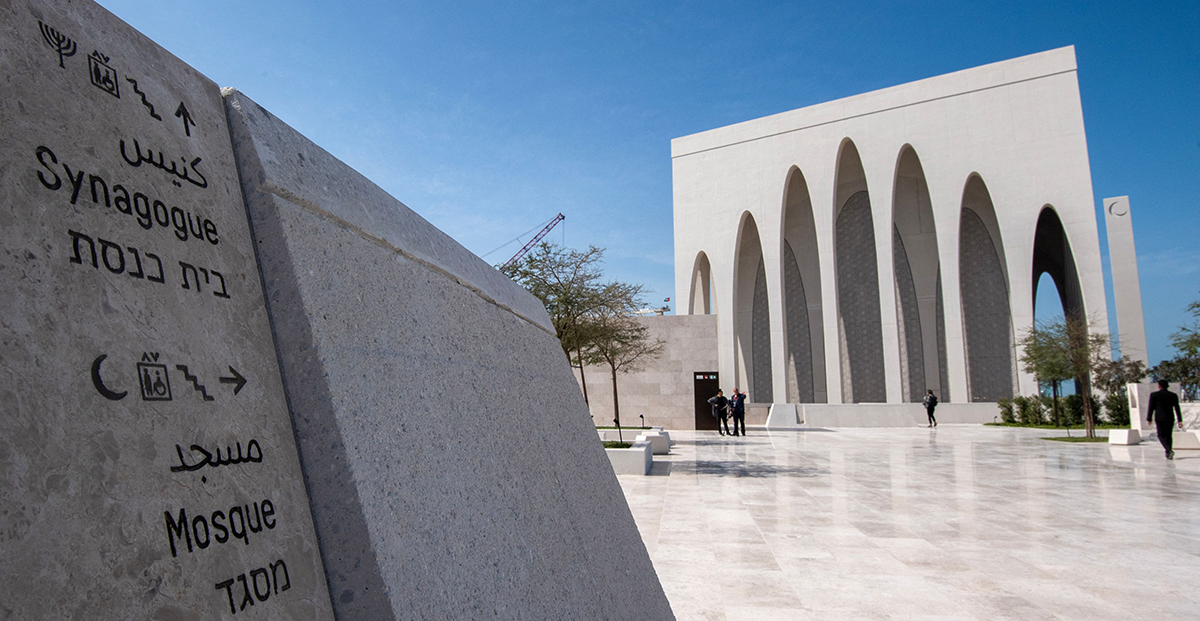
Passover, Ramadan, and Easter coincide this year, a phenomenon that only occurs a few times a century. The alignment of these Jewish, Muslim, and Christian holy days comes at a time when dialogue between the three faiths offers a glimmer of hope for a conflict-stricken Middle East.
Mohammed Mahmoud, Director of the Climate and Water Program at MEI, hosts a discussion on a variety of water resource challenges across the MENA region with Malak Altaeb, Megan Ferrando, Orestes Morfin, Youssef Wehbe, Zena Agha, and Andrei Covatariu. Questions on water availability, the relationship between water and conflict, future technologies, and more are addressed in the conversation.
Expert Views: Opportunities to enhance water security in MENA
Water resources are a key component of global sustainability, especially in light of the mounting environmental challenges posed by climate change. We asked some of MEI’s Climate and Water Program scholars to share their perspective on strategies and opportunities that could most readily alleviate the region’s water security concerns.
We can’t tackle climate change in the Middle East without ESG investing
As a major center for fossil-based energy production, the Middle East is key to global ESG developments. The region is currently at an early stage of ESG adoption, although holding COP27 and COP28 has provided some initial movement towards mainstreaming climate finance regulations.
How floating solar farms can help the Middle East deal with water and power challenges
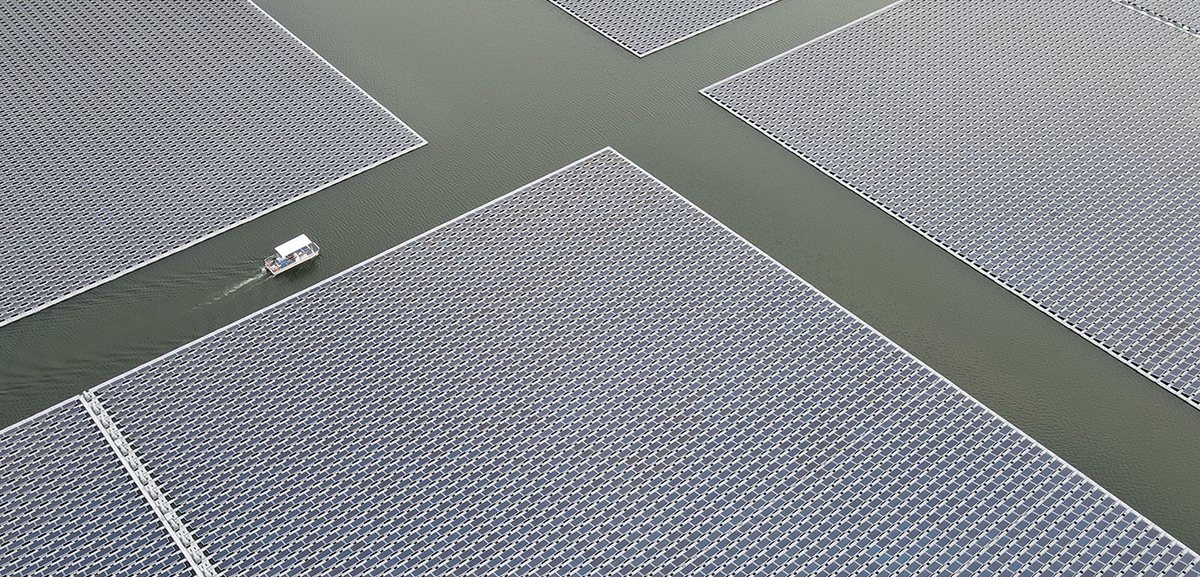
There is an emerging solar technology that is more efficient than the current photovoltaic solar farms and which also helps to save water by reducing evaporation. Floating solar farms can play a significant role in addressing the Middle East’s clean energy needs as well as mitigating its water shortages.
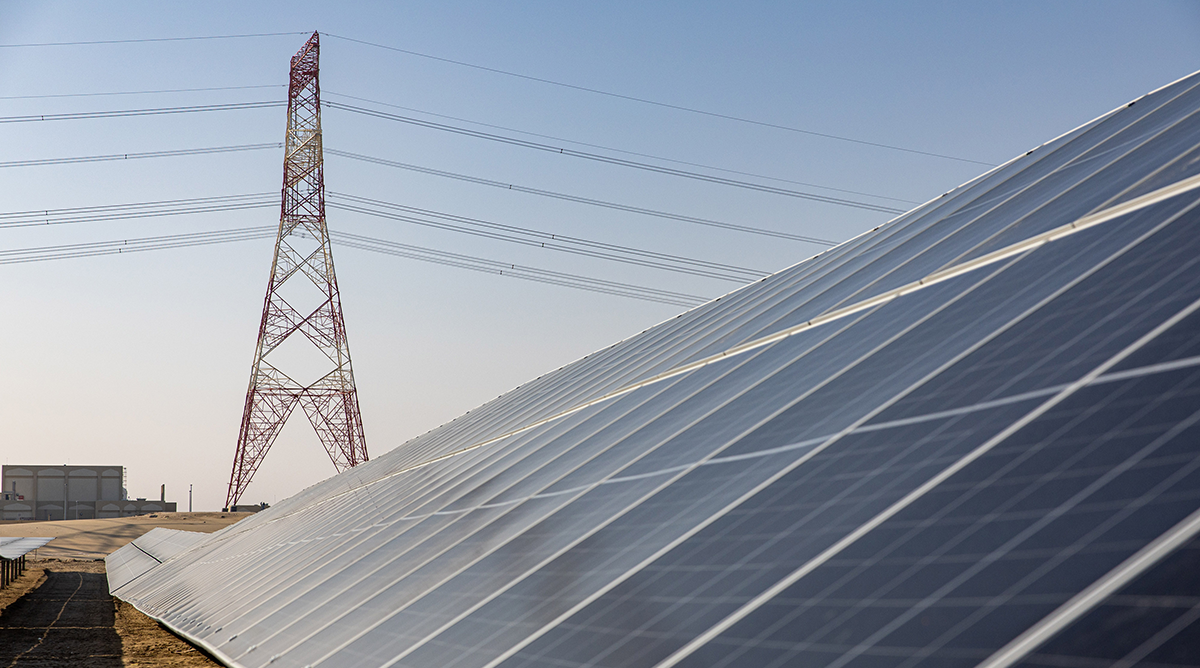
The Gulf Arab states, while major oil and gas producers, can play a significant role in supporting global efforts to achieve net-zero goals. They are not only endowed with great potential for renewable energy resources as well as some of the world’s lowest carbon content fuels, but also with, to varying extents, sizable financial resources. Yet, to unlock such huge potential, the Gulf Arab states will need to systematically identify and address the various challenges in their path to net zero.
Atmospheric rivers play an important role in the movement of water through the atmosphere and can release that water at magnitudes capable of producing extreme weather and flooding. But what are atmospheric rivers exactly? And how do they behave in relation to current climate change in the MENA region? MEI’s Mohammed Mahmoud and Raha Hakimdavar are joined by Dr. Amin Dezfuli to discuss these questions and more.
The intricacies of climate finance in the MENA region: Challenges and the way forward
Given the risks associated with climate change in the MENA region, there is a pressing need to provide sustainable financing resources for climate adaptation and mitigation