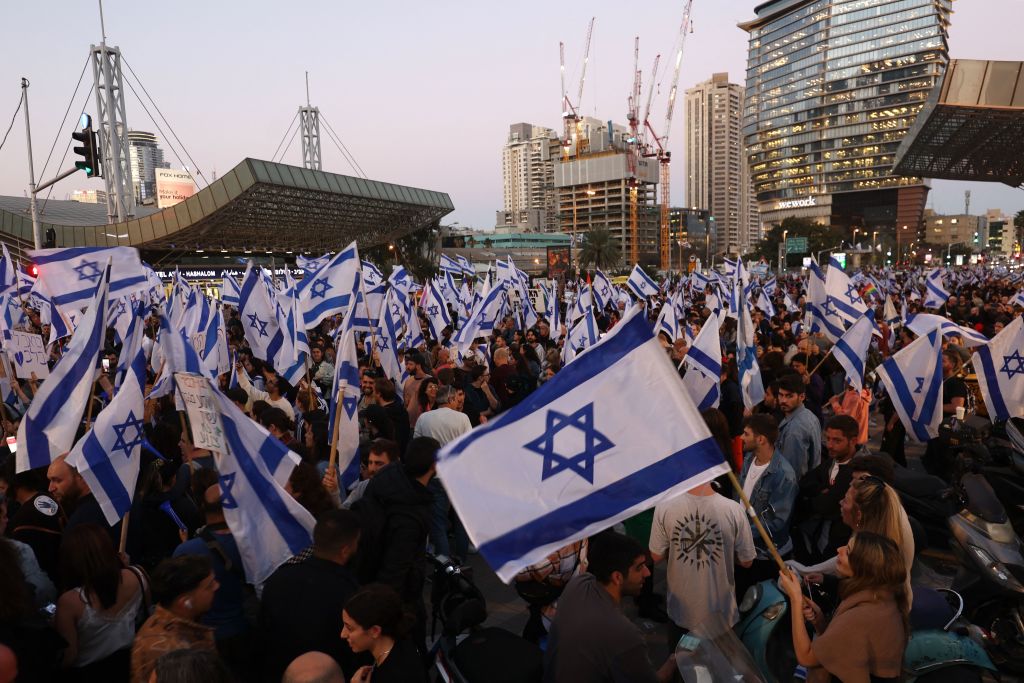
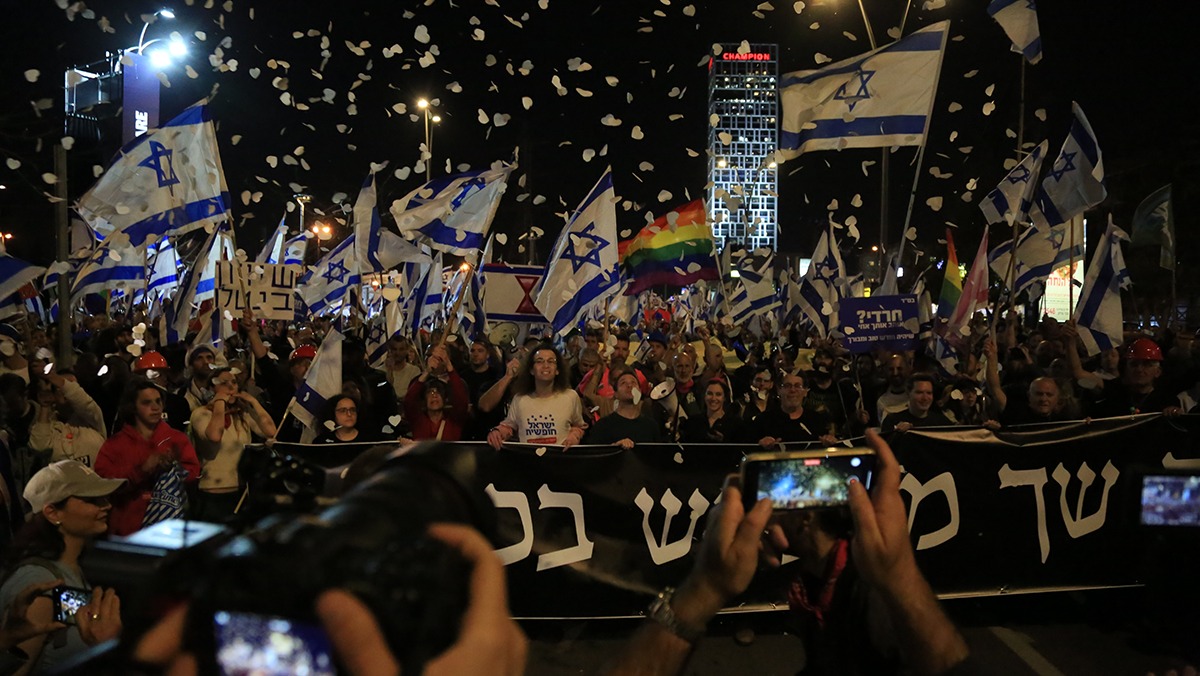
If the US wants to make its mark on the future of Israeli democracy, it’s time it moved from words to deeds
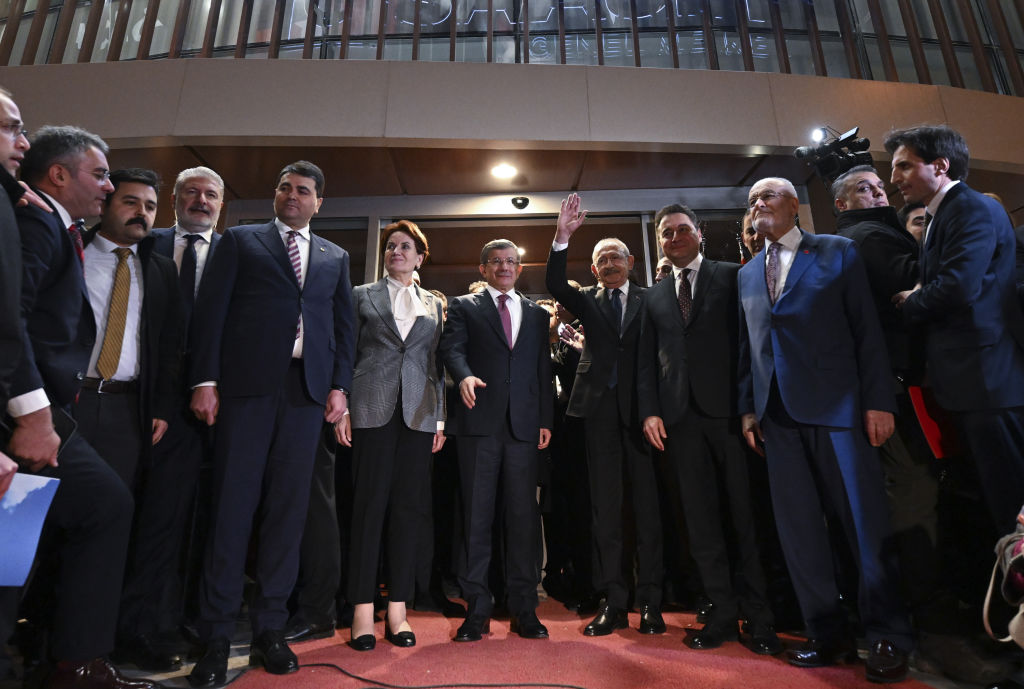
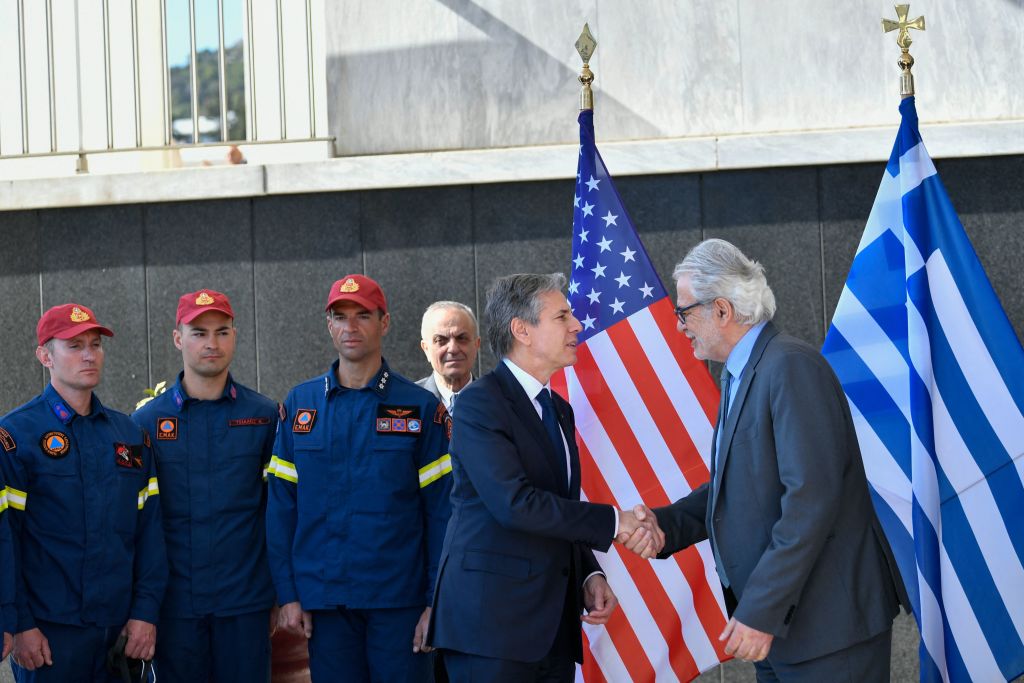
As Israel’s hardline coalition government is ramming through legislation that would radically alter the country’s political character and system of government, alarm bells are finally ringing in Washington. Even President Joe Biden has finally picked up the phone and expressed his concern to Prime Minister Benjamin Netanyahu about his anti-democratic agenda. The growing American apprehension, however, has yet to be translated into meaningful policy action.
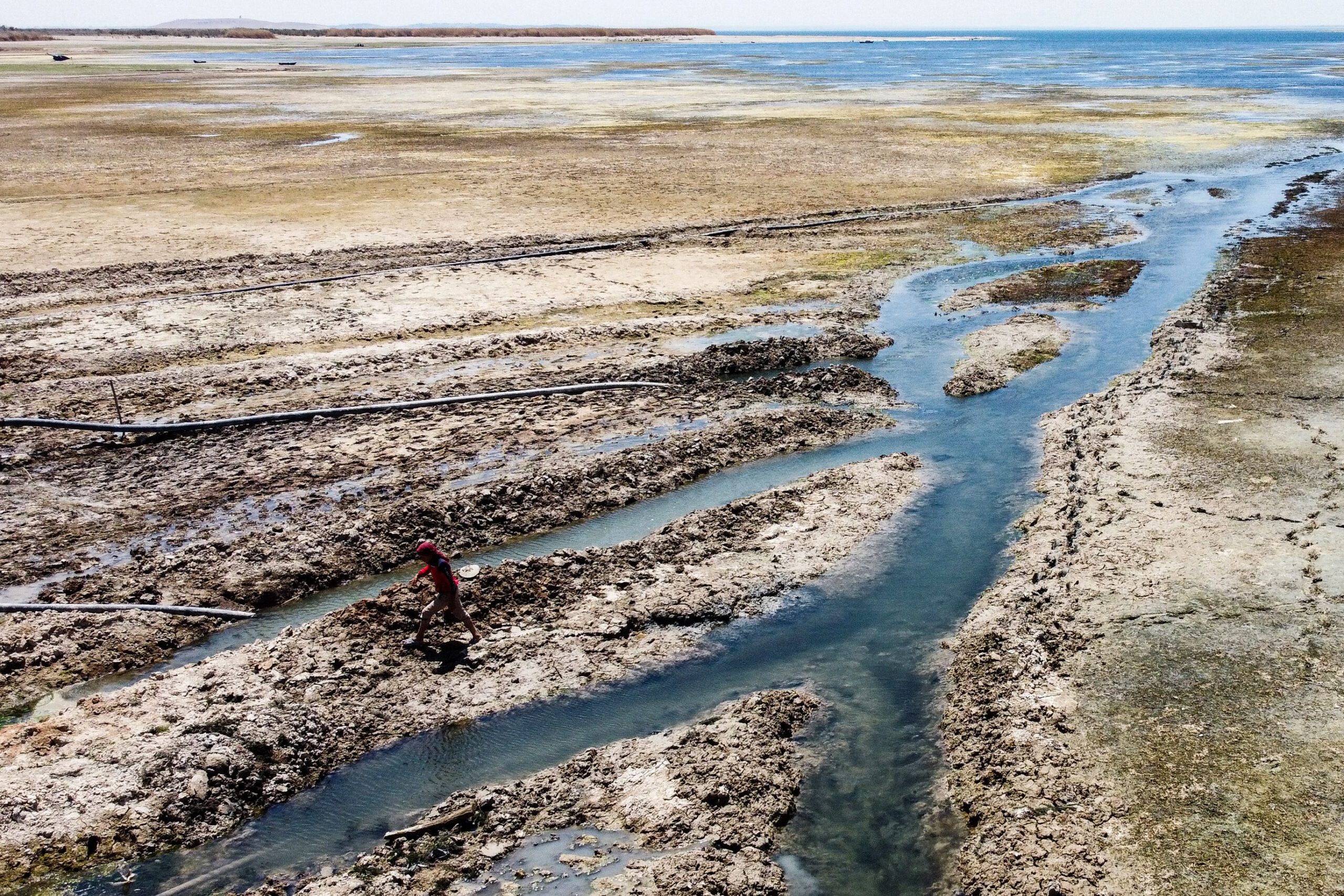
Expert Views: Opportunities to enhance water security in MENA
Water resources are a key component of global sustainability, especially in light of the mounting environmental challenges posed by climate change. We asked some of MEI’s Climate and Water Program scholars to share their perspective on strategies and opportunities that could most readily alleviate the region’s water security concerns.
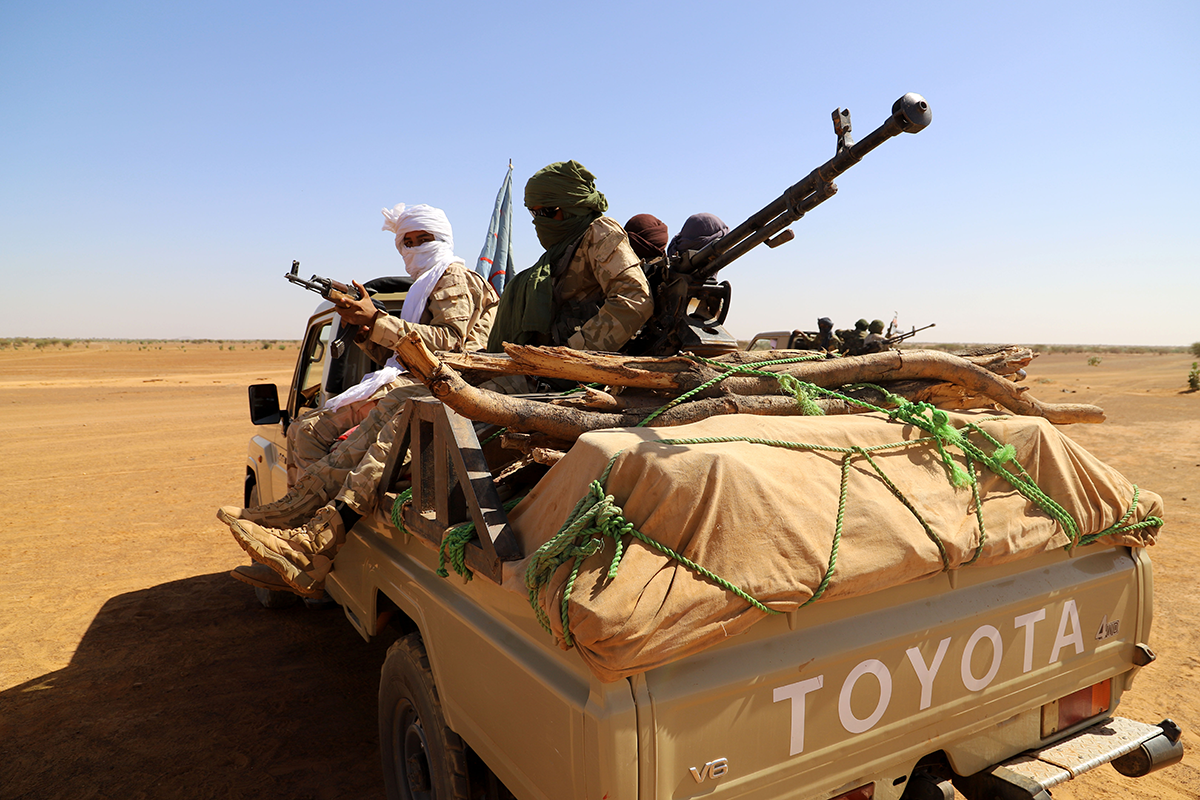
In Disorder, They Thrive: How Rural Distress Fuels Militancy and Banditry in the Central Sahel
The central Sahel — Burkina Faso, Mali, and Niger — is buffeted by three main forms of armed conflict that overlap and fuel each other: communal conflict, banditry, and violent extremism. These conflicts are partly rooted in a crisis of governance in rural areas, and are exacerbated by climate change, demographics, and internal and cross-border migration.
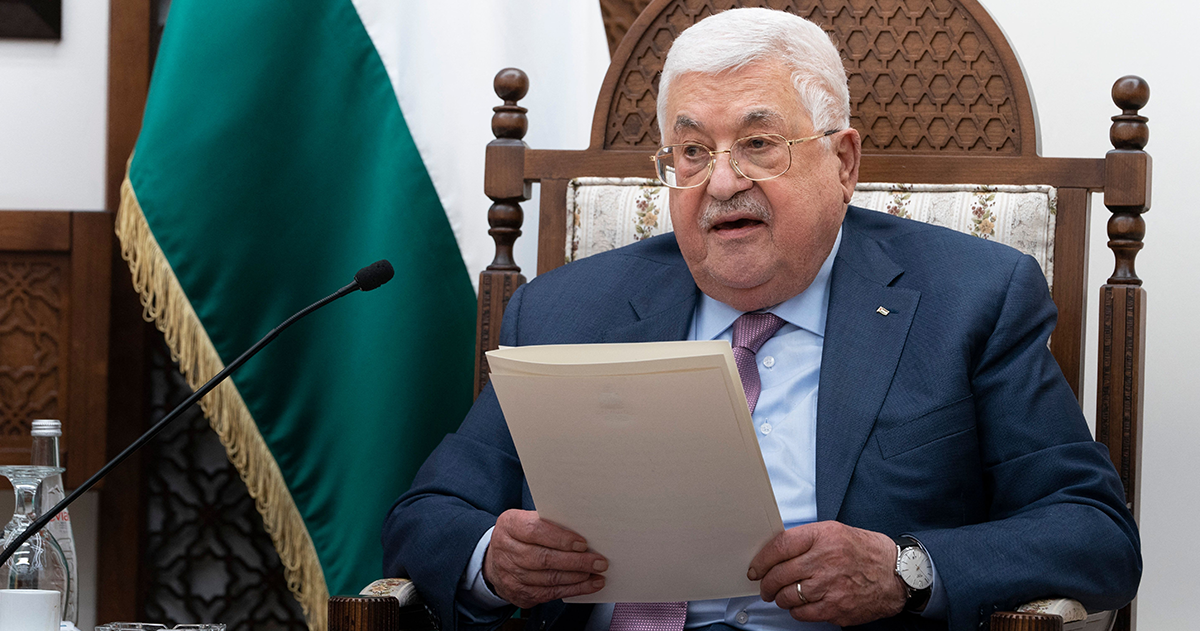
Surge in West Bank violence further undercuts Abbas’s precarious leadership
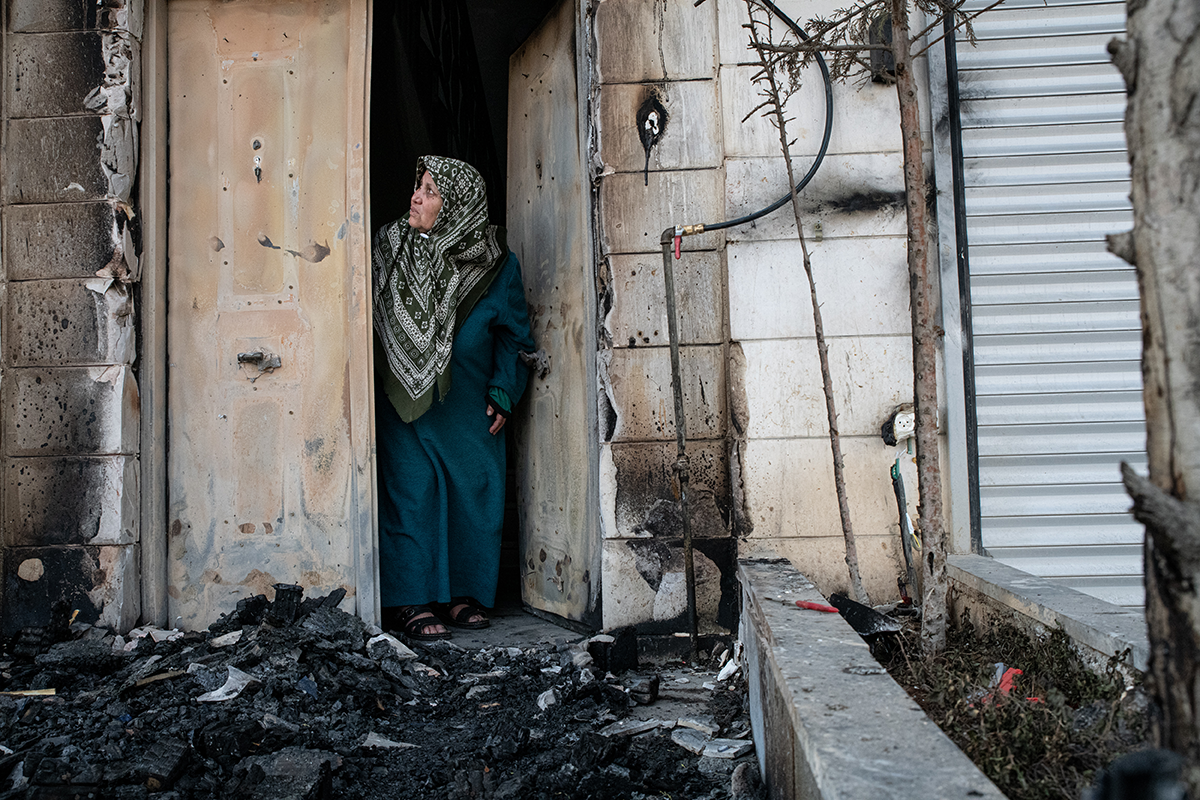
In addition to the terrible human and material toll, among the many casualties of the ongoing Israeli offensive in the West Bank is Palestinian Authority (PA) President Mahmoud Abbas’s leadership. Without outside intervention, Israel’s violent military crackdown is likely to fuel more violence while further undercutting Abbas’s already embattled leadership and whatever may be left of the PA’s domestic credibility.
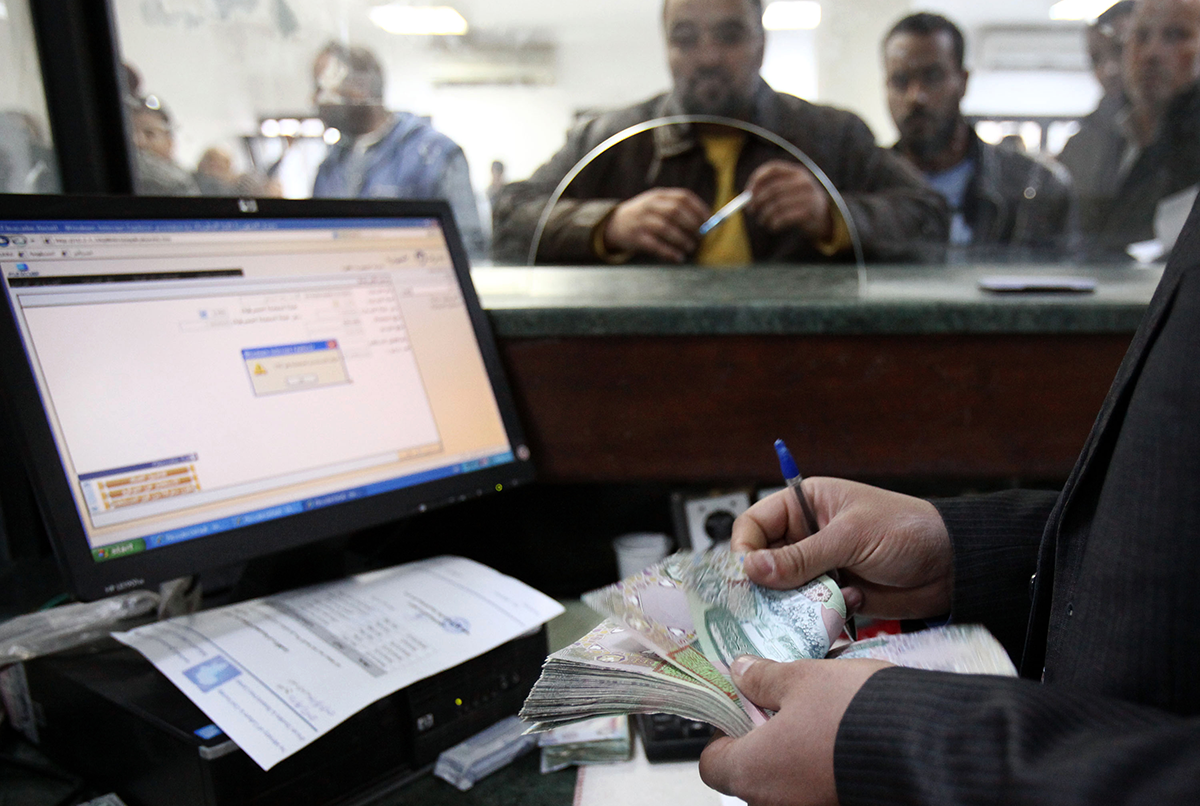
The Libyan Banking Sector: A Microcosm of Global Enduring Disorder
This paper investigates the ongoing Libya conflict through the Enduring Disorder paradigm, focusing on the financial and banking sectors, honing in on stakeholder perceptions of the Central Bank of Libya (CBL), its transparency/opacity, and the “narrative wars” over who is to blame for, and who benefits from, Libya’s economic dysfunction, the lack of an annual budget, and the current lack of a quorum on the CBL board.
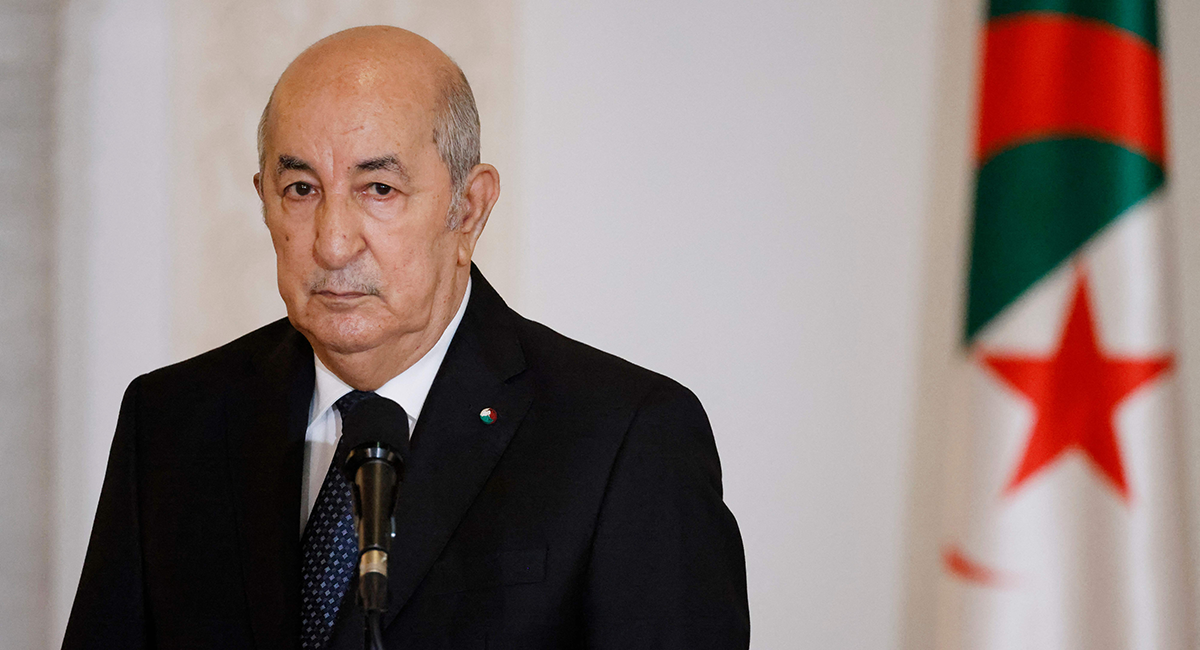
Algeria’s 2023 budget: President Tebboune’s make-or-break first-term project
On Dec. 25, 2022, Algerian President Abdelmadjid Tebboune signed the 2023 budget bill into law. The new finance law lays out unprecedented government spending of $98 billion, the largest state budget in Algeria’s history and a 25% increase from 2022 levels. It also provides clear insight into the authorities’ vision for the future and potential scenarios for Algeria’s direction on the economy and international relations.
Aqaba agreement overshadowed by spiking violence in the West Bank
It was described as a “significant breakthrough” by a Jordanian official, while Jordan’s Foreign Minister Ayman Safadi said the agreement would ‘’de-escalate violence” if implemented, but just as the details of the one-day security meeting in Aqaba, on Feb. 26, were being announced, it became apparent once more that a rare attempt to bring Israeli and Palestinian officials together, in a bid to contain a spike in violence that was quickly getting out of control, was ill-fated.
The German "Zeitenwende" still goes unnoticed in Israel
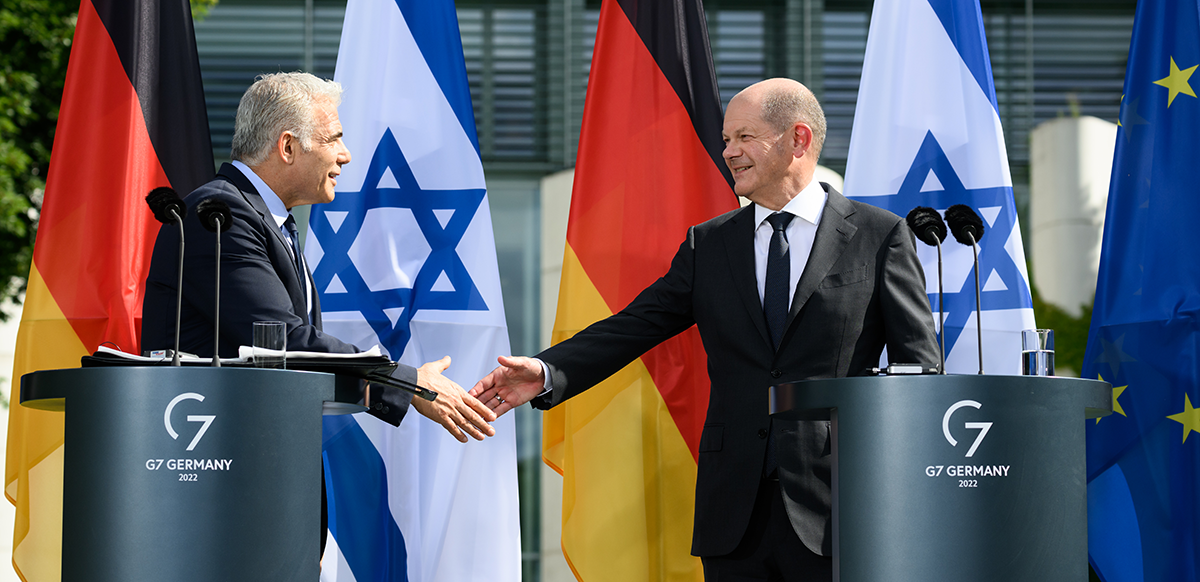
Although Germany and Israel maintain a close partnership, the German “Zeitenwende” has not yet been perceived there. Dr. Nimrod Goren outlines a German-Israeli partnership oriented towards democracy and peace.
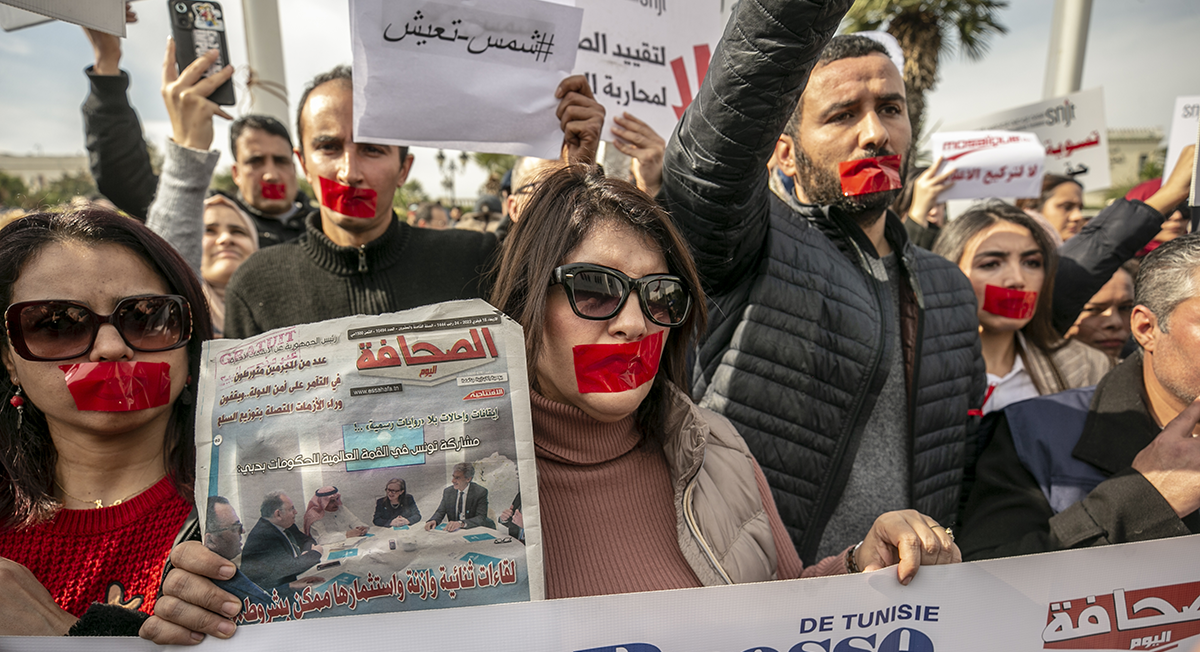
Tunisia’s current system of government is by all indicators continuing to move even farther away from a liberal democratic form envisioned in the 2014 constitution. This is particularly true in the post-July 25, 2021 period after President Kais Saied suspended parliament and assumed full executive and legislative powers. However, analyses that focus solely on Saied miss some of the broader social and political trends that were already rejecting the way Tunisia’s post-2011 “democratic transition” has unfolded. They also miss the nexus that has converged to maintain the current system, in particular between security forces, some sycophantic media, and key figures within the political, business, and civil service sectors.
Algeria, Morocco and Western Sahara: Why Tension, Not Conflict, Has Become the Norm
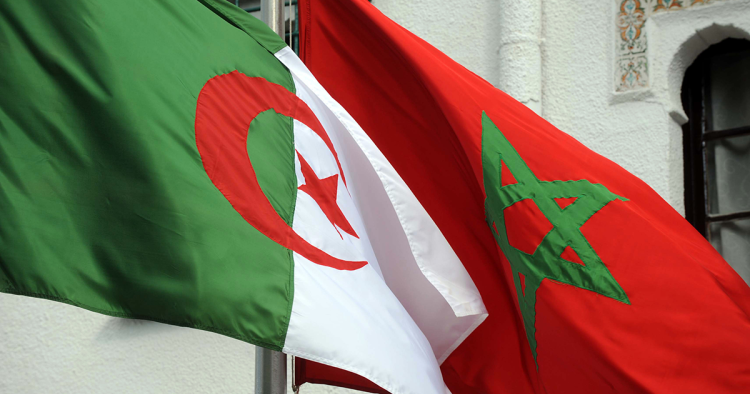
During an interview on 29 December with the French daily Le Figaro, Algerian President Abdelmadjid Tebboune declared that his country had cut ties with Morocco in the summer of 2021 to “avoid war.”[i] Tebboune’s comments reflected just how far relations had deteriorated, and that avoiding conflict required a strong response. Hence, the diplomatic break of August 2021. What has resulted in this bilateral nadir?